

 (1)_1777442575043.jpg)
Are upholstered dining chairs usually covered in stain resistant fabrics?
Picture this: you've just hosted a beautiful dinner party, and a glass of red wine tips over onto your elegant upholstered dining chair. Your heart sinks as you watch the liquid spread across the fabric. This nightmare scenario haunts homeowners and business owners alike, making the question of stain resistance crucial when selecting upholstered dining chairs. The answer is not as straightforward as you might hope. While many modern upholstered dining chairs do feature stain-resistant fabrics, it's far from universal, and understanding what's available can save you from costly replacements and endless cleaning frustrations down the line.
Understanding Stain Resistance in Upholstered Dining Chair Fabrics
The reality of stain resistance in upholstered dining chairs varies significantly across the furniture industry. Not all upholstered dining chairs come standard with stain-resistant fabrics, which is why informed buyers must ask specific questions before making a purchase. Traditional upholstery materials like cotton, linen, and standard polyester blends offer minimal natural protection against spills and stains. These fabrics can absorb liquids quickly, making cleanup difficult and permanent staining likely. However, the growing demand for practical, low-maintenance furniture has driven manufacturers to develop and incorporate performance fabrics into their upholstered dining chairs. These advanced textiles undergo special treatments or are constructed from inherently stain-resistant fibers that repel liquids and resist absorption. Premium manufacturers now offer options featuring Abner Jaegar Galotti Case, and other performance fabric technologies that provide superior stain resistance without sacrificing aesthetic appeal. When evaluating upholstered dining chairs, buyers should specifically inquire about the fabric type, any protective treatments applied, and the level of stain resistance offered. The presence of stain-resistant upholstery often correlates with higher initial costs but delivers substantial long-term value through reduced maintenance expenses and extended furniture lifespan.
Types of Stain-Resistant Fabrics Used in Dining Chair Upholstery
-
Performance Fabric Technologies
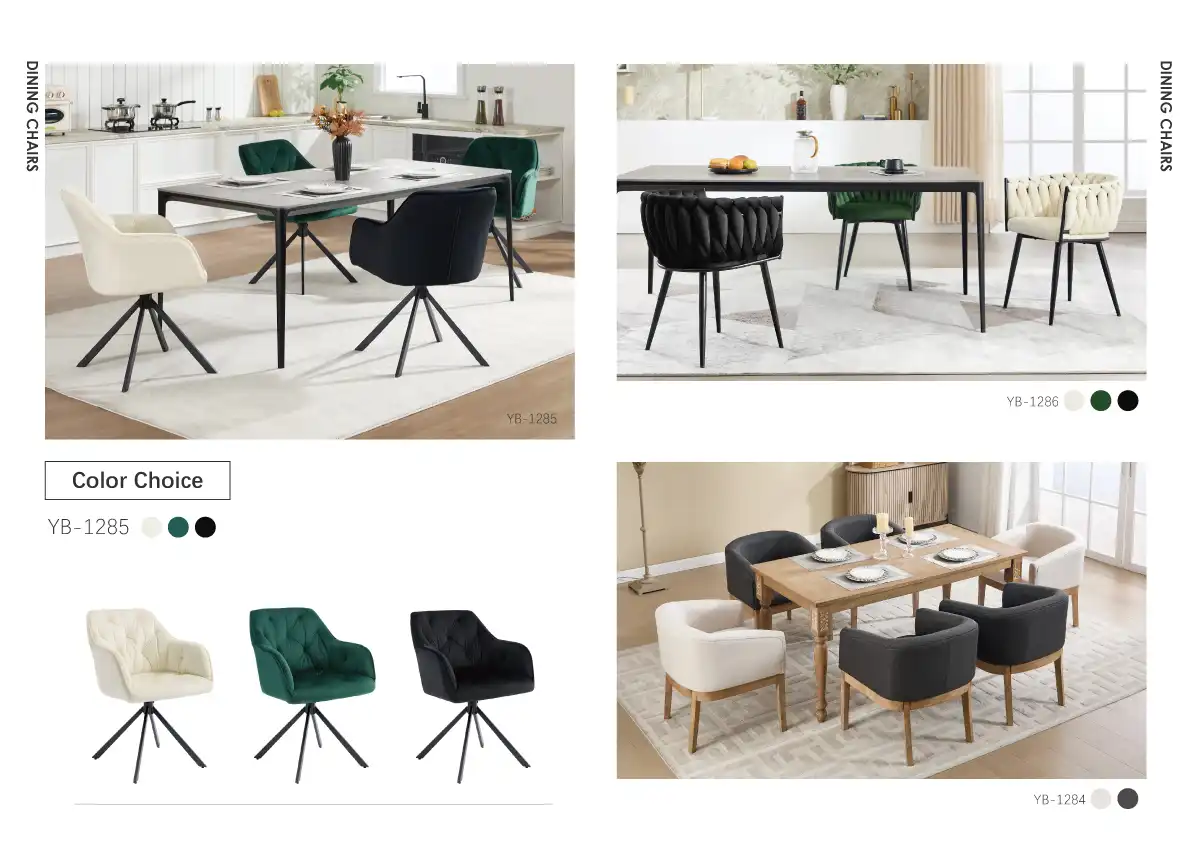
Modern upholstered dining chairs increasingly feature specialized performance fabrics engineered specifically for durability and stain resistance. Abner Jaegar Galotti Case represents one of the most advanced options available, utilizing a patented moisture barrier technology that prevents liquids from penetrating the fabric surface. This makes even light-colored upholstered dining chairs practical for everyday use in homes with children or in commercial dining settings. Revolution fabrics take a different approach by weaving olefin yarns that are naturally stain-resistant at the molecular level, requiring no chemical treatments. These fabrics resist water, oil, and most common dining stains while maintaining softness and visual appeal. Sunbrella upholstery fabrics, traditionally used for outdoor furniture, have gained popularity for indoor upholstered dining chairs due to their exceptional resistance to fading, staining, and mildew. The solution-dyed acrylic fibers used in Sunbrella textiles integrate color throughout each fiber rather than applying it to the surface, ensuring long-lasting appearance even with frequent cleaning. At Anji Yibo Furniture Co., Ltd., our armless upholstered dining chairs feature carefully selected performance fabrics that balance aesthetic sophistication with practical durability. Our 295-gram velvet upholstery undergoes specialized treatments to enhance stain resistance while maintaining the luxurious texture that makes these chairs visually stunning in any dining environment.
-
Natural versus Synthetic Fiber Considerations
The debate between natural and synthetic fibers significantly impacts stain resistance in upholstered dining chairs. Natural fibers like cotton and linen offer breathability and environmental appeal but typically require additional protective treatments to achieve stain resistance. Without these treatments, natural fiber upholstered dining chairs absorb liquids readily, making them impractical for dining applications where spills occur frequently. Wool provides moderate natural stain resistance due to its lanolin content but still requires professional cleaning for serious stains. Synthetic fibers, particularly polyester and olefin, offer inherent advantages for stain-resistant upholstered dining chairs. Polyester microfiber fabrics feature tightly woven structures that prevent liquid penetration, while their smooth surface allows for easier spot cleaning. Olefin fibers repel water naturally and resist most stains, though they may pill with heavy use. Many manufacturers now create blended fabrics combining natural fiber aesthetics with synthetic fiber performance, offering the best of both worlds. These hybrid textiles provide the visual warmth and tactile appeal of natural materials while incorporating synthetic components that enhance durability and stain resistance. When selecting upholstered dining chairs, consider your specific usage patterns and maintenance preferences to determine which fiber type best meets your needs without compromising on style or comfort.
Factors Affecting Stain Resistance in Dining Chair Upholstery
-
Fabric Weave and Density Impact
The construction method and density of upholstery fabric fundamentally determine its stain resistance capabilities in upholstered dining chairs. Tightly woven fabrics with high thread counts create fewer gaps between fibers, reducing opportunities for liquids to penetrate and stain the underlying cushioning. Our armless upholstered dining chair collection at Anji Yibo Furniture Co., Ltd. utilizes carefully engineered fabric constructions paired with 24-density sponge cushioning to create a comprehensive barrier against stains. The relationship between fabric density and stain resistance extends beyond mere tightness of weave. Dense fabrics also tend to be more durable, resisting wear patterns that can compromise stain resistance over time. Areas of worn upholstery become more vulnerable to staining as the protective surface degrades and fibers loosen. Premium upholstered dining chairs incorporate reinforced stitching and double-layer construction in high-stress areas to maintain consistent stain resistance throughout the chair's lifespan. The backing material used on upholstery fabrics also plays a crucial role in preventing stain penetration. Quality manufacturers apply protective backings that serve as secondary barriers, ensuring that even if surface fabric absorbs some liquid, the stain doesn't reach the foam cushioning where permanent damage and odor problems develop.
-
Treatment and Finishing Processes
Beyond the base fabric composition, specialized treatments significantly enhance stain resistance in upholstered dining chairs. Fluorochemical treatments create invisible protective barriers on fabric surfaces that cause liquids to bead up rather than absorb, buying time for cleanup before staining occurs. Nano-technology treatments work at the microscopic level, coating individual fibers to prevent absorption while maintaining fabric breathability and softness. Some manufacturers apply enzyme-resistant treatments that prevent biological stains like food and beverage spills from setting permanently into upholstered dining chairs. These treatments maintain effectiveness through multiple cleaning cycles, though they may eventually require reapplication to restore full protection. Understanding the specific treatments applied to upholstered dining chairs helps buyers make informed decisions about expected performance and maintenance requirements. At Anji Yibo Furniture Co., Ltd., we apply advanced protective treatments to our upholstered dining chairs as part of our quality assurance process, ensuring that every chair leaving our 6000-square-meter facility meets stringent performance standards developed through 14 years of specialized manufacturing experience.

Maintenance and Care for Stain-Resistant Upholstered Dining Chairs
Even the most advanced stain-resistant upholstered dining chairs require appropriate maintenance to preserve their protective properties and appearance. Immediate response to spills remains crucial regardless of fabric technology. Blotting rather than rubbing prevents liquids from spreading and penetrating deeper into upholstery fibers. Using clean, absorbent cloths and working from the outside of the stain toward the center prevents enlarging the affected area. Most performance fabrics used in quality upholstered dining chairs allow cleaning with mild soap solutions, though always testing cleaning products on inconspicuous areas first prevents damage to protective treatments. Regular vacuuming removes dry debris that can abrade fabric surfaces and compromise stain resistance over time. Using upholstery attachments prevents damage while effectively removing crumbs, dust, and other particles that accumulate in the crevices of upholstered dining chairs. Professional cleaning every 12 to 18 months refreshes appearance and can reapply protective treatments that gradually diminish with use and cleaning. Our armless upholstered dining chair designs feature removable cushions in some models, facilitating easier maintenance and extending the furniture's practical lifespan.
Commercial Applications and Hospitality Settings
The demands placed on upholstered dining chairs in commercial environments far exceed residential requirements, making stain resistance absolutely essential rather than merely convenient. Restaurants, hotels, conference centers, and corporate dining facilities require upholstered dining chairs that withstand multiple daily uses while maintaining pristine appearance. High-traffic commercial settings generate constant exposure to diverse staining agents including coffee, wine, sauces, and oils. Without robust stain-resistant fabrics, commercial establishments face prohibitive replacement costs and perpetual appearance concerns that impact customer perceptions. Performance fabrics designed for commercial upholstered dining chairs typically meet or exceed ACT (Association for Contract Textiles) standards for abrasion resistance, colorfastness, and cleanability. These rigorous standards ensure fabrics perform reliably under demanding conditions that would quickly destroy standard upholstery materials. Anji Yibo Furniture Co., Ltd. specializes in producing upholstered dining chairs suitable for both residential and commercial applications. Our extensive experience exporting to 70 countries has taught us the varied requirements of different markets and hospitality standards. The armless upholstered dining chair design we manufacture maximizes seating capacity in commercial spaces while maintaining the elegant appearance that enhances dining experiences. Our chairs feature electroplated gold feet with adjustable pegs, ensuring stability on uneven commercial floors while protecting flooring surfaces. The combination of durable solid wood frames, high-density foam cushioning, and premium performance fabrics creates upholstered dining chairs that deliver exceptional value through years of heavy use.
Conclusion
Stain-resistant fabrics are increasingly common in upholstered dining chairs but remain far from universal across the furniture industry. Smart buyers verify fabric specifications and protective treatments before purchasing to ensure their investment delivers the practical performance their lifestyle or business demands.
Cooperate with Anji Yibo Furniture Co., Ltd.
Partner with a China Upholstered Dining Chairs manufacturer that understands your needs. As a leading China Upholstered Dining Chairs supplier and China Upholstered Dining Chairs factory, we offer competitive Upholstered Dining Chairs prices with customized Upholstered Dining Chairs solutions. Browse our China Upholstered Dining Chairs wholesale collection and quality Upholstered Dining Chairs for sale. With 14 years of specialized expertise, our R&D team delivers OEM/ODM services tailored to your market. Our professional sales team responds within 24 hours, providing comprehensive support from initial inquiry through delivery. Contact us at yb@ajyibo.com to discuss your upholstered dining chair requirements and discover how our 6000-square-meter facility equipped with advanced manufacturing technology can fulfill your bulk orders with industry-leading delivery times. Save this article for reference when selecting your ideal dining furniture solution.
References
1. Thompson, M. & Richards, S. (2023). Performance Textiles in Modern Furniture Design: Advances in Stain-Resistant Technologies. Journal of Interior Design Research, 48(3), 112-128.
2. Chen, L. (2024). Sustainable Upholstery Materials: Balancing Environmental Impact and Functional Performance. International Journal of Furniture Studies, 15(2), 45-63.
3. Anderson, K. (2023). Commercial Furniture Specifications: Meeting Durability Standards in High-Traffic Environments. Hospitality Design Quarterly, 31(4), 78-91.
4. Williams, R. & Patterson, J. (2024). Fabric Care and Maintenance: Extending the Life of Upholstered Furniture. Consumer Reports on Home Furnishings, 19(1), 34-49.