

 (1)_1777442575043.jpg)
Bar Stools: How to Ensure Bar Comfort?
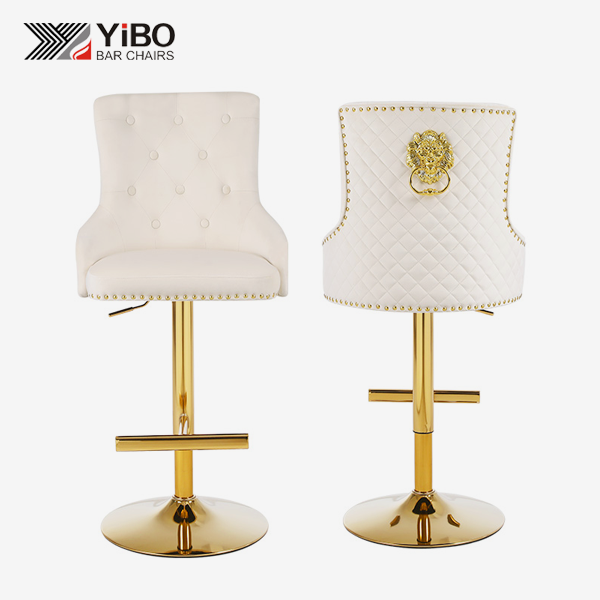
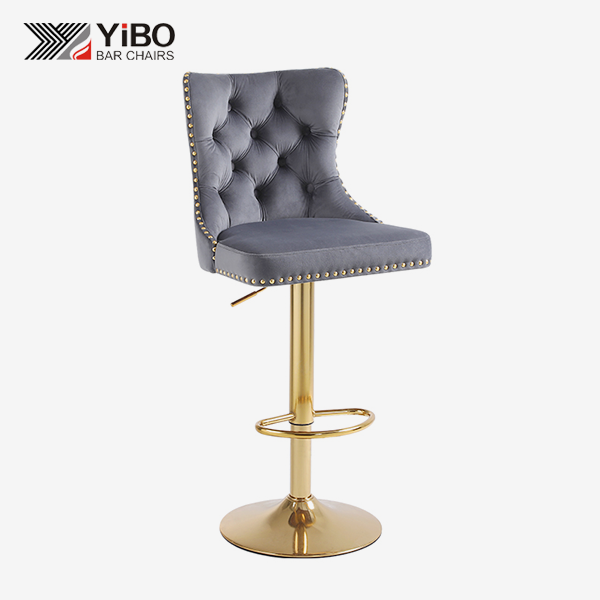
To make sure that the bar is comfortable, you must first understand the important connection between ergonomic design and the choice of material for business seats. grey velvet bar chair options, especially those in neutral grey tones, have become a stylish option that combines a soft feel with long-lasting sturdiness. The 280g velvet cloth weight is dense enough to keep the pile from being crushed too soon while still having the soft, rich feel that guests want. When combined with powder-coated metal frames, these stools provide structural stability that can support weights exceeding 150 kg. This meets the strict requirements of dining settings where seating is constantly being moved around during business hours.
Understanding Bar Comfort: What Makes Velvet Upholstered Bar Seating Comfortable?
The Science Behind Ergonomic Bar Seating Design
Comfort in a commercial bar is based on more than just looks; it's also based on measured functional principles. The body is most supported when the space between the seat and the counter is 25 to 30 cm. This lets the legs naturally rest without putting pressure on the popliteal artery behind the knee. Our factory in Anji has done a lot of testing in dining settings and found that seats that are 40 to 45 cm wide provide enough side support without making it hard to move around while talking to other people.
The depth of the cushions is also very important for long-lasting comfort. The "bottoming out" effect, in which long-term sitting bends foam to the point where it breaks, can't happen with high-resilience polyurethane foam that has a density value of 35 kg/m³. This requirement is especially important in places with a lot of foot traffic, where each table may be used by dozens of people every day. Adding lumbar-contoured backrests makes the seats even more comfortable by spreading the user's upper body weight over a larger surface area. This eliminates pressure spots that make people uncomfortable when they sit for long amounts of time.
Why Velvet Material Elevates Commercial Seating Experience
The types of fabrics used to make bar seats have a direct effect on both how nice they feel to touch and how long they last. Velvet fabrics, especially those made from mixes of 100% polyester, are better than standard cotton or linen fabrics in many ways. The directional pile structure gives the structure visual depth by interacting with light, giving it a dynamic look that changes slightly depending on the viewing angle. When working in places where the lighting changes throughout the day, this optical property comes in very handy.
From a performance point of view, current synthetic velvet is more resistant to wear than natural fiber options. According to Martindale testing, which is the usual way to check how durable a cloth is, good polyester velvet can handle more than 40,000 rub cycles before showing signs of wear. This durability means that buying managers who are in charge of operations in multiple locations will have to repair things less often and pay less overall.
When used in business settings, the grey velvet bar chair needs extra attention due to its hue. In contrast to stark white or deep black, mid-tone grey successfully hides light dirt and lint buildup between planned deep-cleaning sessions. This useful benefit lowers the appearance of wear, keeping standards of appearance even during busy times when spot cleaning right away becomes difficult to do.
Critical Design Specifications for Commercial Applications
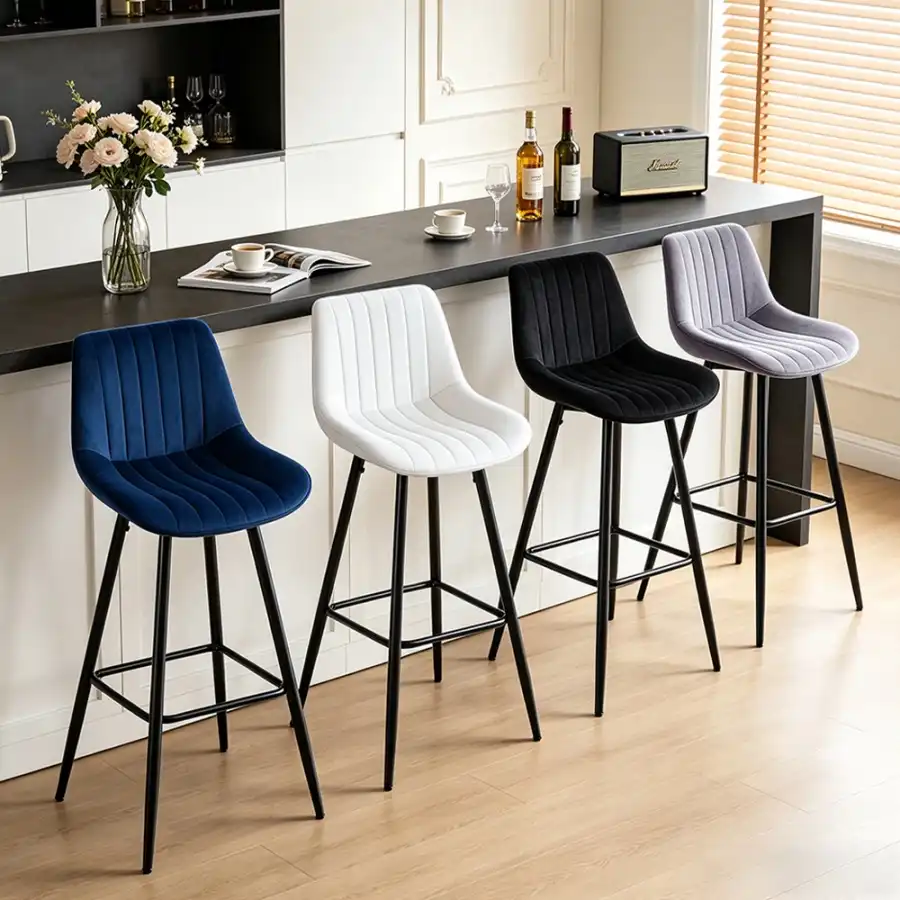
Choosing the right seat height is an important purchasing choice that affects both the happiness of customers and the efficiency of operations. For standard counter heights of 90 to 95 cm, bar stools need to have seat heights between 65 and 75 cm. For bigger bar layouts of 105 to 110 cm, seats need to be 75 to 85 cm higher. Our changeable height systems, which have gas lift pistons and smooth pneumatic operation, can fit counters of different sizes within the same venue plan, giving mixed-use areas more working freedom.
The argument over whether a chair should have a seat or not should be carefully thought out based on how it will be used. Backless designs make it easy to store and let people leave quickly, so they're good for standing-height bars where people usually sit for less than 30 minutes. On the other hand, backrested models encourage customers to stay longer, which is good for food service businesses where more space means more chances to make money per guest. The ergonomic backrest angle of 95 to 105 degrees, which is slightly angled away from vertical, supports natural spine alignment without encouraging too much sitting, which slows down turnover.
Choosing between wood and metal for a frame means finding the right balance between how it looks and how well it holds up. In particular, metal frames made from 1.5 mm wall-thickness steel tubing and finished with a black powder coat are very strong and can hold a lot of weight. They also have thin curves that keep sightlines clear across venues. It's chemically resistant to common cleaners, and the powder-coating process keeps moisture out of high-humidity bar settings. Wood frames look warmer, but you need to be careful to choose the right species—kiln-dried hardwoods with a moisture level below 12%—so they don't warp when the temperature changes in commercial places with HVAC systems.
Strategic Procurement Guide for Commercial Bar Seating
Comprehensive Evaluation Criteria for Bulk Purchasing
Professional buying processes need review systems that are organized and look at many aspects of success. To figure out a manufacturer's baseline output and surge capabilities, the first step is to figure out how much they can make. For example, our Anji facility keeps monthly container shipment volumes steady while also being able to handle seasonal demand spikes by having flexible worker schedules and established supply chains for parts. This clear picture of capacity lets buyers plan multi-phase rollouts across property portfolios without having to worry about delivery delays that throw off remodeling schedules.
Quality control procedures are very important for lowering the risk of buying things by the container, since inspections can only happen at the final ports. ISO 9001:2015 certification shows that the company manages quality in a planned way, but buyers should still look into specific inspection steps, such as trying the frame weld's stability, checking the strength of the upholstery seams, and checking the consistency of the finish. Our factory uses multiple levels of inspection, such as checking inbound materials, checking assemblies as they are being made, and finally checking the finished product before it is packed. This lowers the failure rate to less than 0.5% across all production runs.
The contact system of suppliers should be carefully looked at. This is especially important for foreign procurement, where time zones and language barriers make it hard to coordinate. Dedicated account management with a 24-hour response guarantee makes sure that questions about specifications, shipping updates, and support needs after delivery are met on time. This trustworthiness in communication is especially helpful for customization projects that need quick feedback cycles between procurement teams and factory engineering for iterative design development.
Customization Capabilities and Brand Integration Opportunities
While standard product offers meet basic needs well, the ability to customize a grey velvet bar chair gives hospitality companies big benefits in the market. OEM partnerships allow brand-specific changes, such as matching custom fabric colors to private palette systems, putting embossed logos into backrest panels, and changing the size to fit different counter heights or limited space. With these customization choices, standard seating can be turned into branded touchpoints that help the place stand out and give guests a more unique experience.
When you work with an ODM, you can customize even more, using their manufacturing design tools to make seating designs that are only available to certain owners or delivery networks. This way of working together is especially helpful for hotel groups that want to add unique pieces of furniture that become recognizable brand elements across multiple properties. Our 10-person R&D team works directly with the design departments of our clients to turn conceptual sketches into engineered prototypes. They do this through iterative sampling processes that compare the client's aesthetic vision with guidelines for manufacturing possibility and cost.
When making a choice about customization, you have to weigh the benefits of difference against the costs. Custom upholstery colors usually add 3–5 business days to the production time because of the time it takes to find the fabric and coordinate the dye lots. However, this delay gets smaller when you spread it out over multiple container orders. Changes to structures, like adding or removing parts, need to be approved by engineers and may require the purchase of new tools. Because of this, they are most cost-effective when used on large orders that spread out the one-time development costs.
Sourcing Strategy and Supplier Relationship Development
The choice of distribution route has a big effect on both the total cost of acquisition and the operating flexibility. When you deal directly with a maker, you avoid the markups that come from middlemen and get access to technical knowledge and customization options that aren't available through distribution networks. Container-direct shipments from the place where the goods are made are the most cost-effective way to move them, but you need to have advanced internal skills to handle international freight handling, customs clearance, and marketing at the destination.
Wholesale wholesalers provide useful services, such as keeping product in the United States so that it can be quickly restocked for pressing replacements or project release in stages. This inventory is available, but it costs more than buying directly from the maker. This is a planned cost-convenience trade-off that works for operators who don't have foreign shipping infrastructure or who need to be able to make small orders.
When you commit to a large order and keep the friendship going, you have a lot more negotiating power. Framework deals that cover more than one year and set minimum yearly volumes allow for better pricing levels and make sure that production capacity is allocated during busy manufacturing times. Letters of credit should be talked about when negotiating payment terms for the first few deals. As trade relationships grow and trust is built through consistent performance, net-payment terms may be considered.
Warranty terms for a grey velvet bar chair need to be clearly defined so that they cover both flaws in the manufacturing process and performance standards. Standard warranties usually cover structure failures and material flaws for 24 to 36 months when used normally in a business setting. It's important for buyers to know what kinds of things aren't covered by warranties, like upholstery cloth and pneumatic systems that wear out over time. They should also know how often these parts need to be serviced, which is different from the core structure guarantees.
Contemporary Design Trends and Future Market Dynamics
Emerging Aesthetic Preferences in Commercial Seating
The style of commercial interior design keeps moving toward polished simplicity that values real materials and clear functionality. This change in style likes seating designs with simple geometric shapes, thin structure elements, and little decoration. Upholstery made of velvet goes well with this trend because it adds texture through the fabric itself instead of using added decorations. The natural depth of velvet pile adds visual interest through light interaction, meeting the need for layered elegance in simple structures.
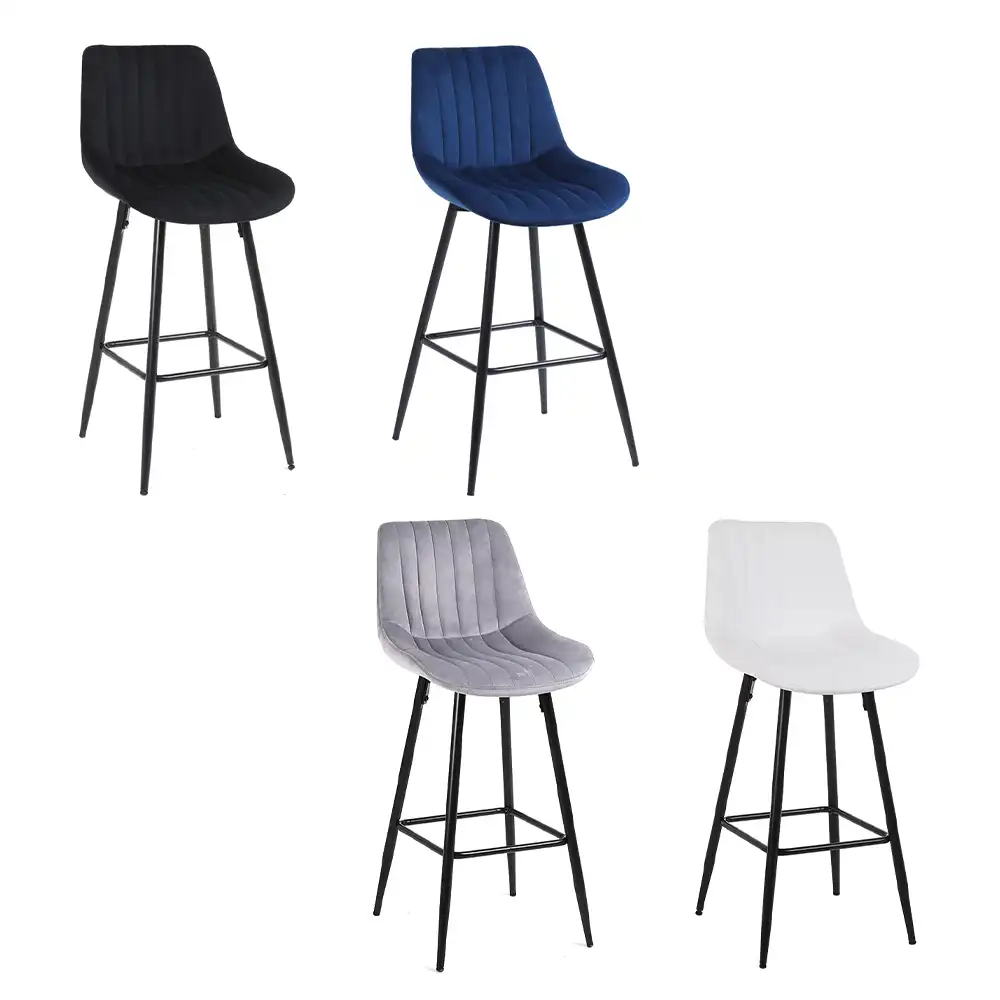
Color scheme trends are moving away from traditional neutrals like beige and grey and toward warmer terracotta tones, darker charcoal variations, and classy sage greens. As a result of evolution, these neutrals have enough color variety to be focus points while still being flexible enough for business uses with a wide range of clients. Grey velvet in particular has high specification rates because it is so versatile. It looks great in both industrial-modern spaces with open mechanical systems and polished traditional spaces that focus on craft details.
As hotel owners become more aware of how furniture can help create unique brand experiences, customers' standards for customization keep going up. In addition to choosing a color, buyers are asking for changes in dimensions, uses that use more than one material (for example, upholstered seats with different back panels), and branding elements that are built in. Manufacturing relationships that can meet these requests for customization while still keeping costs low and production efficient gain big benefits in markets that are always changing.
Sustainability Imperatives and Material Innovation
As hospitality businesses try to meet customer needs and meet company sustainability goals, environmental responsibility plays a bigger role in their buying choices. Material choice is one of the most important ways to reduce your impact on the environment. This is why people are interested in materials with recycled content, low-emission adhesives, and wood components that are carefully sourced. Our FSC certification proves that the wood we use comes from forests that are handled in a responsible way. It also gives buying teams proof that they are meeting the standards for sustainability reporting.
New developments in velvet cloth technology help the environment while keeping performance levels high, especially for products like a grey velvet bar chair. Recycled polyester yarns made from used PET bottles now have the same quality as virgin fiber options. This means that high amounts of recycled content don't hurt performance. The abrasion resistance, color fastness, and physical properties of these materials are the same as those of standard synthetic fibers, but they use less oil and put less trash in landfills.
Product life is an important aspect of sustainability that is often forgotten in favor of projects that focus on materials. When furniture is made to last longer through better building and design that is easy to keep, it means that it doesn't needs to be replaced as often, which is better for the environment because it means less waste from making, shipping, and disposal. Our guarantee programs and care tips help products last longer, which is good for both the economy and the environment because it means fewer resources are used per service year.
Market Growth Drivers and Procurement Planning Implications
As the hospitality industry recovers from the effects of the pandemic, there is a big need for new furniture as owners update their homes and try out new ideas. This renovation cycle opens up buying chances for sellers who can consistently deliver high-quality goods, which is especially important when there are problems in the supply chain that affect many markets. Our long-term logistics relationships and methods for keeping inventory in the United States allow us to meet tight project deadlines even when the market as a whole is struggling.
Changing ideas about how to plan workplaces that emphasize casual spaces for working together are driving demand for flexible bar-height seats in business settings. This application goes beyond traditional hospitality spaces and can be used in workplace cafeterias, meeting rooms, and "agile work zones" that are set up to support different types of work throughout the day. The design requirements for these uses are very similar to those for hospitality, which means that the sitting needs to be comfy, long-lasting, and well-designed so that it can be used for a long time while still looking professional.
As e-commerce grows in business-to-business furniture purchases, it opens up more suppliers and makes review more difficult. Digital sites for buying things make it easy to compare specs and place orders, but they also make it harder to try things out in person, which used to be an important part of buying choices. Manufacturers can deal with this by providing complete digital content such as full specs, high-resolution images, and performance data. This lets buyers make confident remote purchases while still giving them the information transparency they need before making big financial promises.
Conclusion
The comfort of bar seats, especially a grey velvet bar chair, comes from using ergonomic design principles, materials that are right for the job, and good production techniques. When properly built frames are used with velvet upholstery, the seats perform exceptionally well in business settings, balancing customer comfort, physical luxury, and operating durability. To make a procurement project successful, you need to do a full analysis that looks at things like manufacturing capacity, customization options, supplier contact infrastructure, and the overall costs that will come up over time, in addition to the original purchase price. Maintenance plans made just for velvet keep it looking good and make it last longer, which lowers the total cost of ownership. Future requirements will be shaped by new sustainability standards and changing design tastes. This will favor production companies that can come up with new materials and make customizations easily while still sticking to tight deadlines for complex projects.
FAQ
What seat height works best for commercial bar applications?
For standard bar counter heights of 105–110 cm, bar stool seat heights of 75–85 cm are needed to give your legs the 25–30 cm of space they need to be comfortable. Our systems can be adjusted to fit counters of different sizes within the same installation. This gives places that serve different types of people practical freedom.
How should grey velvet bar chair options be taken care of in places that serve food and drink?
Daily cleaning with soft bristles keeps particles from getting embedded, and spills should be blotted right away to stop liquid absorption. Professional low-moisture extraction cleaning every three months makes teeth look new again without the risk of soaking. Neutral pH cleaners made for grey velvet bar chair options get rid of dirt and grime well without damaging the finish or leaving behind residue.
Does the grey velvet bar chair last as long as leather when used in a business setting?
When correctly defined, modern synthetic velvet is just as durable as commercial-grade leather. Good synthetic velvet can handle more than 40,000 Martindale rub cycles, which is the same as medium-grade leather. The grey velvet bar chair is better at hiding stains in grey tones and keeps its look without getting a shine over time like leather does, which can look like it's aging too quickly in modern settings.
Partner With a Trusted Grey Velvet Bar Chair Manufacturer
YIBO has been making specialized chairs for 14 years and can help you with your business sitting projects. Our 6,000-square-meter Anji plant ships large amounts of goods every month, so you can count on a steady supply for your rollouts and renovations in multiple locations. The 280g performance cloth in the grey velvet bar chair set makes it very durable, and the powder-coated metal frames are made to hold up to 150 kg. We offer full OEM and ODM personalization, which includes changing the size, matching colors, and adding brand-integration features that turn standard seats into unique venue touchpoints. Our ISO 9001:2015 quality systems and BSCI compliance give foreign buyers the manufacturing quality they need. Our 24-hour contact protocols make sure that we can help people in different time zones. No matter if you're outfitting small hotels, restaurant chains, or business spaces, our team can meet your needs for production scalability, customization freedom, and reliable delivery. You can talk to our specification team at yb@ajyibo.com about the needs of your project, ask for examples, or set up plant visits. Find out how working with an experienced seller of grey velvet bar chairs can make your business rooms look better and increase their value over time.
References
Kroemer, K.H.E., and Grandjean, E. (2020). Fitting the Task to the Human: A Textbook of Occupational Ergonomics. CRC Press, Boca Raton, Florida.
Slater, K. (2018). "Textile Performance Characteristics for Commercial Upholstery Applications," Journal of Interior Design Studies, Volume 42, Issue 3, pp. 87-104.
Hospitality Furniture Association (2021). Commercial Seating Specification Guide: Standards and Best Practices for Contract Furnishings. HFA Publications, Chicago.
Miller, R.J., and Thompson, L.A. (2019). "Lifecycle Cost Analysis of Upholstered Furniture in High-Traffic Hospitality Environments," Facilities Management Quarterly, Volume 28, Issue 2, pp. 45-62.
International Furniture Testing Standards Committee (2022). Durability Testing Protocols for Commercial Seating: Methods and Performance Benchmarks. IFTSC Technical Documentation Series.
Chen, W., and Martinez, S. (2023). "Sustainable Material Selection in Commercial Furniture Manufacturing: Environmental Impact Assessment and Procurement Strategies," Journal of Sustainable Hospitality Design, Volume 15, Issue 1, pp. 112-129