

 (1)_1777442575043.jpg)
Bar Stools With Backs Vs Backless Bar Stools
When setting up bars, restaurants, or business areas, the choice between bar stools with and without backs has a big effect on comfort, turnover rates, and how well the space is used. backless counter stools, which don't have lumbar support, make the best use of space by tucking fully under counter overhangs. This keeps walkways clear and sightlines clear in high-traffic business areas. Backless counter stools provide more sitting ease, but they take up more space on the floor. When purchasing managers understand these trade-offs, they can make seating decisions that are in line with working goals, customer dwell time, and room limitations in a wide range of business settings.
Understanding Bar Stools With Backs and Backless Bar Stools
Structural and Functional Distinctions
Backed bar stools have a vertical support structure that goes from the seat platform to the back. These structures can be simple and low-profile, or they can be fully configured to support your lower back. For normal 42-inch bar counters, these units are usually 30 inches high, which helps with posture when sitting for long amounts of time. The backrest makes the structure more complicated because it needs stronger joints or welded links to handle forces that come from moving backward.
backless counter stools don't have any vertical support, so they have a shape that is 24 to 26 inches wide, which fits normal 36-inch kitchen counters. This design focuses on making the best use of space and allowing mounting from any angle. Users can come up from any direction without having to go around backrests that are in the way. This is especially helpful in busy service areas where customers and staff have to work in tight spaces.
Evolution of Backless Seating in Commercial Spaces
Traditional backless counter stools came from industrial workshops and bars where quick assembly, easy cleaning, and stackability were more important than comfort. This simple idea has been updated over time to become more stylish sitting options. Modern backless counter stools have ergonomic seat contouring, high-density foam padding, and high-quality fabric that make them comfortable without giving up the space-saving benefits that make them useful in business settings.
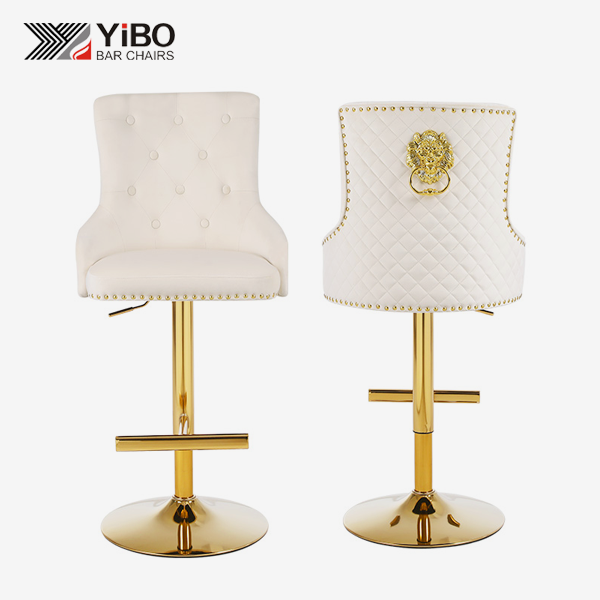
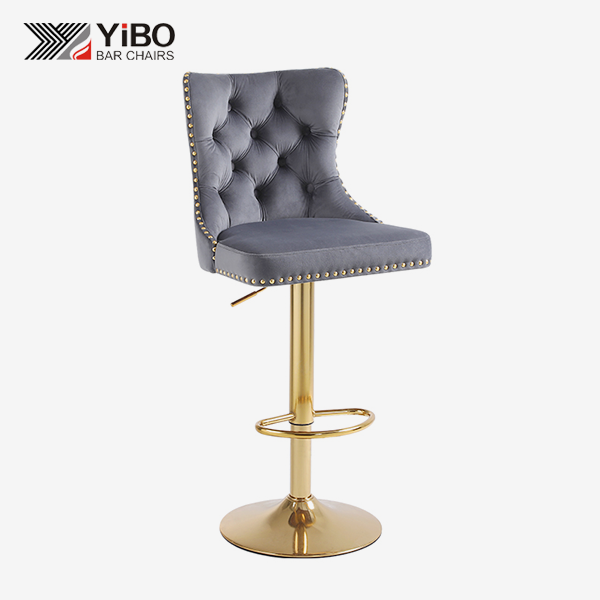
Adding turning devices and footrest rings has made the furniture even more useful. With 14 years of specialized production experience, companies like Anji Yibo Furniture Co., Ltd. have improved these parts, creating backless counter stools models that balance a minimalist look with the commercial-grade sturdiness standards needed for restaurant settings.

Key Comparison Factors: Bar Stools With Backs Vs Backless Bar Stools
Ergonomic Performance and Usage Duration
backless counter stools let you sit for longer periods of time because they spread your upper body weight across the backrest, which makes your lower back and hip flexors less stressed. Because of this, they can be used in full-service restaurants where people stay for more than 60 to 90 minutes on average. The backrest supports a slouched position that shows relaxation, which, based on your turnover goals, can be good or bad.
backless counter stools encourage active resting by making small changes to your posture that work your core muscles. This design means that soft seats can only be used for 45 to 60 minutes at a time. This makes them useful for coffee shops, casual dining counters, and quick-service restaurants where higher table turnover directly leads to higher profits. The lack of back support slightly discourages long periods of standing without being uncomfortable during the right times to use it.
Material Durability and Commercial Specifications
How the frame is built affects how much weight it can hold and how stable it will be in the long run. Commercial-grade stools with backs need stronger joints where the seat meets the backrest. These joints are usually made with mortise-and-tenon joints in wood or full-penetration welds in metal. These places where two roads meet could break under repeated stress, especially when people move backward.
backless counter stools designs put most of the structure's strength in the link between the base and the seat, which makes quality control processes easier. High-performance types have powder-coated 16-gauge tubular steel frames that don't wear down easily when cleaned with industrial chemicals. High-density foam padding that weighs more than 2.5 pounds per cubic foot is built into seat bases. This padding keeps its shape over thousands of sitting cycles. Commercial-grade fake leather is one choice for upholstery because it can be cleaned many times and is easy for hotel staff to maintain.
Spatial Efficiency and Visual Impact
Backed chairs leave a visible and physical mark whether they are being used or not. Their size needs include the depth of the seat and the projection of the backrest, which add up to 18 to 24 inches of floor room per unit. This permanence makes clear areas for sitting but limits the use of places that can be used for more than one thing.
backless counter stools versions can be completely hidden under table overhangs, so they aren't visible when they're not in use. This feature keeps open floor plans and clear sightlines, which are very important in modern hotel design. Being able to nest or stack backless counter stools models makes it easy to change the floor plan quickly for private events or yearly changes in capacity. This gives you more practical flexibility than backed models.

Selecting the Right Stool: Tailored Recommendations for B2B Buyers
Matching Seating to Business Environment
Figuring out your business model helps you choose the right stool. Fine dining restaurants that want to give their customers longer experiences benefit from choices that make it easier to eat slowly. The money spent on adding more floor room per seat pays off because people stay in their seats longer and write bigger checks.
Businesses like fast-casual restaurants, coffee shops, and beer taprooms do best with backless counter stools that can handle more customers coming and going. The efficient use of space lets people sit closer together without making it too crowded, which increases sales per square foot. backless counter stools designs are used in hotel breakfast areas and business cafeterias to make service go quickly during busy times while keeping the look nice during slow times when stools hide under tables.
Critical Procurement Specifications
Accurate height has a direct effect on how well it works and how safe it is. For 36-inch counters to fit properly, counter-height uses need seat heights between 24 and 26 inches. Dimensional tolerance is very important; even differences of two inches can cause problems with thigh trapping or uncomfortable leg hanging that make the customer experience worse.
The swivel feature makes it easier to get to, which is especially helpful for backless counter stools that can be mounted from different angles. High-quality swivel mechanisms have sealed ball bearings that keep the mechanism rotating smoothly over time without wearing out or buzzing. The placement of the footrest should suit the fifth percentile of females to the ninety-fifth percentile of males in terms of height, weight, and width. Usually, a ring diameter of 14 to 16 inches should be placed 8 to 10 inches below the seat height. Specifications for weight capacities guard against liability and extend the life of tools. Stools used in businesses need to be able to hold at least 300 to 350 pounds, which is about 100 pounds more than what is required in homes.
Assembly and Installation Considerations
When purchasing in bulk, styles that require little setup work are more likely to be chosen. Premium backless counter stools from reputable makers come with floor protectors already installed, swivel mechanisms already attached, and fully upholstered seats, so all that's left to do is connect the legs. This ease of building lowers the cost of installation during large-scale rollouts in many places.
Space-optimized packaging measurements affect how quickly and cheaply containers can be loaded. With 45x45x30cm packaging that fits two units per box, efficient designs make it possible for 20-foot cases to hold large orders. These transportation issues have a direct effect on landed costs and project timelines for foreign buyers who are planning the opening of a restaurant or renovating a hotel.
Procurement Insights: Buying Backless and Backed Bar Stools for B2B Clients
Supplier Evaluation and Quality Assurance
Having a history of making things shows that you can be consistent with your work and keep an eye on quality. Suppliers with specialized sites that cover a lot of space can handle orders for multiple containers and repeat production runs that meet the same standards for each batch. Anji Yibo Furniture Co., Ltd. has a 6,000-square-meter factory that specializes in making backless counter stools. This makes sure that the company can produce enough for distributors and project contractors who need standard goods for multiple installs.
OEM and ODM options help private-label companies and custom hospitality projects stand out from the competition. R&D teams with a lot of experience can change things like seat sizes, fabric options, frame finishes, and base configurations to fit the needs of different markets. Quality marks prove that a structure works well and meets safety standards. ANSI/BIFMA X5.1 approval covers industrial chair standards, such as testing for static loads, making sure legs are strong, and checking for stability. These validations by a third party lower potential concerns and make sure that goods meet the needs of demanding hospitality settings.
Strategic Negotiation and Order Optimization
Strategies for combining containers make shipping more efficient and lower the cost of moving each unit. Combining product lines that go well together, like backless counter stools with eating chairs and bar-height options, makes the best use of container cubes and increases the variety of items available for store channels. Manufacturers with a lot of experience give thorough packaging specs that make it possible to plan loads very precisely.
Structures that require a promise in volume usually give access to better prices and earlier production scheduling. Setting standard order amounts and planning to restock them on a regular basis creates stable demand, which makers reward by lowering costs and speeding up turnaround times. Flexible payment terms show that the seller is confident in your business and your finances. Manufacturers that have been around for a while and have a good track record with exports can work with payment plans that are tied to project goals instead of asking for full payment up front.

Maintenance and Longevity: Caring for Backless Counter Stools
Material-Specific Cleaning Protocols
To keep the surface from wearing down, pH-neutral cleaning products must be used on backless counter stools with faux leather furniture and microfiber cloths. Spot cleaning should be done every day in commercial dining settings to get rid of food spills and drink leftovers before they get stained. Deep cleaning leather once a week with approved leather products keeps it soft and stops it from cracking too soon in high-use areas.
Powder-coat finishes on metal frame parts should be checked every so often, especially at welded joints and pedal links where wear and tear builds up. Touch-up paint that matches the original finish can fix small chips before they turn into rust from water getting in. Stainless steel footrest rings should be cleaned once a month with a vinegar solution to keep them looking clean and free of fingerprints.
Assembly Best Practices and Troubleshooting
With the right leg connection torque, vibrational stress during regular use doesn't cause the joint to come loose. It is better to use measured tools to tighten leg bolts to the manufacturer's specs than to over-torque them, which can damage the threads in receiver plates. By stopping fasteners from moving, thread-locking compound that is used during the initial assembly greatly lowers the need for upkeep.
Lubricating the swivel gear keeps the movement smooth and stops the bearings from wearing out too quickly. Food-grade silicone spray that is sprayed through access points every six months keeps gears running quietly without letting dust build up. Regular checks for steadiness find problems before they become a safety risk. Checking for wobble or uneven weight distribution on a regular basis can show damaged floor guards or bolts that have come loose that need to be fixed right away.
Conclusion
When deciding between bar stools with and without backs, you have to weigh your comfort needs against space limitations and working goals. backless counter stools are the best way to save space and change the look of a room quickly and easily in a business setting that values visual clarity and high turnover. Backed options offer extra comfort that works well for full-service restaurants where keeping customers is more important than reducing the size. For buying plans to work, they need to look at ergonomic performance, material durability, and source skills through the lens of what the business needs. Partnering with well-known makers that offer customization options, quality certifications, and quick customer service guarantees seating solutions that improve business areas while protecting the long-term value of investments.
FAQs
Are backless counter stools suitable for all-day restaurant use?
backless counter stools work best for sitting periods shorter than 90 minutes, so they can be used for breakfast service, lunch counters, and casual meals. Extended full-service dinner settings benefit from backed options that support the lower back during multi-course meals that last more than two hours.
What weight capacity should commercial buyers specify?
For commercial setups, the minimum weight capacity must be 300 pounds so that they can handle a wide range of customers and the changing loads that come from mounting hits. This guideline goes beyond the requirements for homes and lowers the risk of responsibility while increasing the product's useful life in high-use areas.
Can backless stools be customized for specific brand aesthetics?
Manufacturers who have been around for a while and can do OEM work change frame finishes, fabric materials, seat sizes, and base configurations to meet brand standards. Custom specifications usually have minimum order amounts, which means that this method can work for hospitality groups with multiple locations and store chains.
Partner With YIBO for Premium Backless Counter Stools Manufactured for Commercial Success
Commercial-grade backless counter stools made for tough dining settings are available from Anji Yibo Furniture Co., Ltd. Because we've been making things for 14 years, we know how to combine ergonomic design with industrial sturdiness to make seating options that can handle heavy use while still looking good. The construction of each unit is simple, it can turn in all directions, it has high-density foam padding, and the leather covering is easy to clean. Each unit comes with a full quality guarantee.
As a well-known company that sells backless counter stools to customers all over the world, we offer full OEM and ODM customization to meet the needs of private-label brands and special projects. Our 6,000-square-meter building has the ability to produce as much as a container, and we use space-efficient packaging and reliable export operations to make sure that. Your investment and image are safe with quality control procedures that are in line with international business standards.
Procurement teams get help 24 hours a day, seven days a week from experienced salespeople who know how to handle large orders, make the best use of containers, and meet project deadlines. Email our team at yb@ajyibo.com to talk about your unique seating needs, ask for special samples, or look into pricing plans for large orders. Find out how YIBO's manufacturing skills can change business spaces by adding durable, stylish seats that makes the customer experience better while also increasing operating efficiency.
References
American National Standards Institute. (2021). ANSI/BIFMA X5.1 Standard for Commercial Seating: Safety and Performance Testing Requirements. Business and Institutional Furniture Manufacturers Association.
Cranz, G. (2018). The Chair: Rethinking Culture, Body, and Design in Commercial Seating Applications. W.W. Norton & Company.
Hospitality Design Magazine. (2022). Seating Selection Strategies for High-Turnover Restaurant Environments. Hospitality Design Publications.
Kroemer, K.H.E. & Grandjean, E. (2020). Fitting the Task to the Human: A Textbook of Occupational Ergonomics in Commercial Furniture Design. CRC Press.
Panero, J. & Zelnik, M. (2019). Human Dimension and Interior Space: Anthropometric Applications in Commercial Seating Design. Watson-Guptill Publications.
Restaurant Business Magazine. (2023). Furniture Selection Impact on Table Turnover Rates and Revenue Optimization in Casual Dining. Winsight Media.