

 (1)_1777442575043.jpg)
Best Nordic Dining Chair for Modern Interiors
It's very important to find the right mix between business durability and good looks when looking for seating for hospitality projects, workplace cafeterias, or small shops. Modern interior design has put the Nordic dining chair at the top of the list. It combines Scandinavian simplicity with strong building standards. Clean lines and natural materials give these chairs a classic beauty that can stand up to the tough conditions of high-traffic areas. If procurement professionals want to find scalable, customizable seating that appeals to a wide range of market segments, they need to know what makes a good Nordic chair, from the quality of the materials used to the manufacturing partnerships that support long-term client relationships and brand positioning.
Understanding Nordic Dining Chairs: Design, Benefits, and Materials
Origin and Distinctive Design Elements
Nordic dining chairs come from the Scandinavian design movement in the middle of the 20th century, when Danish and Swedish artisans pushed for usefulness without losing style. This way of thinking, which is sometimes called "democratic design," put an emphasis on being easy to use and useful. Unlike traditional furniture with lots of decorations, these chairs have slim lines, legs that slope, and soft curves that were made by steam-bending. The end result is a piece that is light but strong, and it clears up small eating areas, which is very important for restaurants and office spaces in cities.
The design language is based on biophilic features and organic forms. Backrests that follow the natural curve of the spine, seats that are shaped for long-term comfort, and frames that show off the wood grain instead of covering it up with a thick coat of varnish. Modern standards for sustainability are met by this openness in how materials are used, and the softness that cold industrial seating often lacks is provided. At Anji Yibo Furniture, we respect these customs while also using modern techniques for making furniture. After 14 years of focusing on ergonomic seats, we know that to please foreign wholesalers, our products must have a real Scandinavian look and be durable enough to be exported.
Functional and Aesthetic Benefits for Commercial Interiors
In addition to looking good, these chairs solve certain problems that arise during operations in business settings. Ergonomic design keeps guests from getting tired during long meetings or meals, which has a direct effect on customer happiness scores. The small size increases seating capacity without making the space feel crowded, which is important for hospitality places that want to make the most money per square foot.
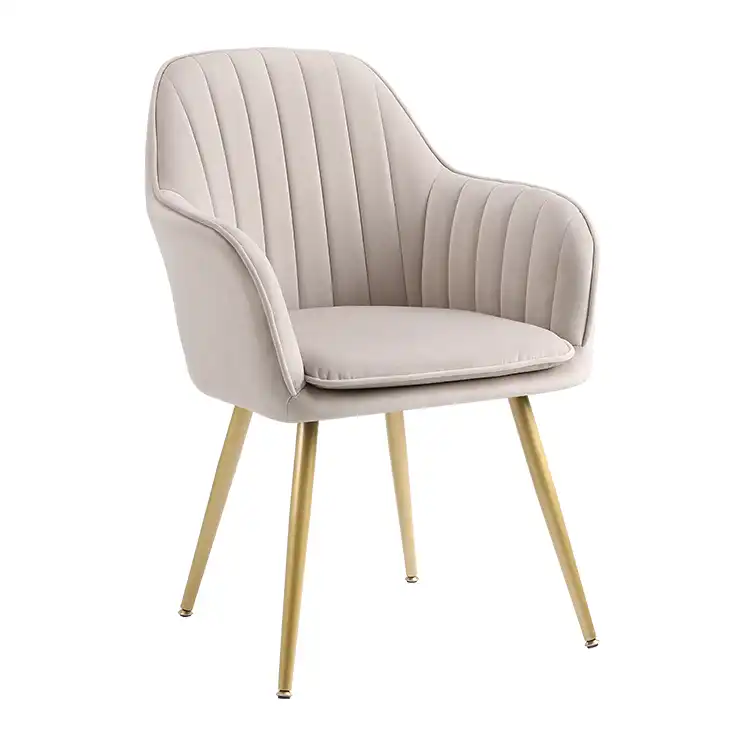
Because materials are so flexible, they can be used in a wide range of furniture designs. Solid wood frames add a natural warmth to simple cafes, and walnut finishes look great in high-end hotel eating rooms. Upholstery choices, such as high-end velvet and performance fabrics, let you make changes that are in line with brand standards or local tastes. Our YB-1107 model is a great example of this because it has thickly padded seats made of stitched velvet fabric that makes them more comfortable without changing the classic Nordic shape. High-polish floors are kept safe by floor protection pads, a small detail that shows care for business property management.
Durability is by far the best thing about it. Mortise-and-tenon joinery and corner block supports make chairs that can handle the wear and tear of daily restaurant use much better than cheaper options. The 150 kg weight limit of our solid wood frames is higher than the industry standard. This means that they can accommodate a wide range of guests while still remaining structurally sound over years of use.
Material Composition and Longevity Considerations
Real Nordic chairs are made from high-quality hardwoods. White oak, ash, and beech are some of the best types because their Janka hardness scores are higher than 1200 lbf, which means they are very hard to dent or scratch. Kiln-drying these woods to 8–12% moisture content is important to keep them from twisting in climate-controlled business spaces with changing humidity levels.
For industrial-style rooms, metal frames are an option for the frames, but solid wood is still the most common choice for Nordic design. The type of upholstery you choose affects both how it looks and how much upkeep it needs. Velvet feels luxurious and is good for small hotels. Performance fabrics with stain-resistant coatings are better for casual eating places that serve a lot of people. As more business clients try to get LEED certification and report on their sustainability, eco-friendly upholstery choices are being added to more and more requirements.
Surface treatments for Nordic dining chair should be carefully looked at. Low-VOC oils and soap treatments keep the natural structure of wood and let patina form, which gives wood character over time. Matte polyurethane lacquers are better at keeping surfaces stain-free in places like cafeterias and coffee shops where spills happen all the time. When procurement managers understand these basic material science concepts, they can choose finishes that work with business needs and upkeep funds.
How to Choose the Best Nordic Dining Chair: Criteria and Comparisons?
Key Selection Criteria for B2B Procurement
The purity of the material is what quality rating is based on. Ask for specifics like the type of wood, the amount of moisture, and the hardness grade. Make sure that the adhesives you buy meet E0 or CARB P2 formaldehyde emission guidelines. This is especially important if you are selling to hotel groups that have strict health compliance requirements. At our Anji plant, we follow strict rules for checking materials, which makes sure that every container shipment meets international safety standards.
The end-user's experience and likelihood to return are directly affected by ergonomic comfort. For the best fit, seats should be 44 to 46 cm high when paired with normal 75 cm eating tables. Backrest curves between 95 and 105 degrees support the lower back while you sit for long amounts of time. Spreading the weight across the seat pan stops pressure spots that are uncomfortable. Before placing a container-level order, we suggest that you ask for samples to test in the real world in the setting you want to use them in.
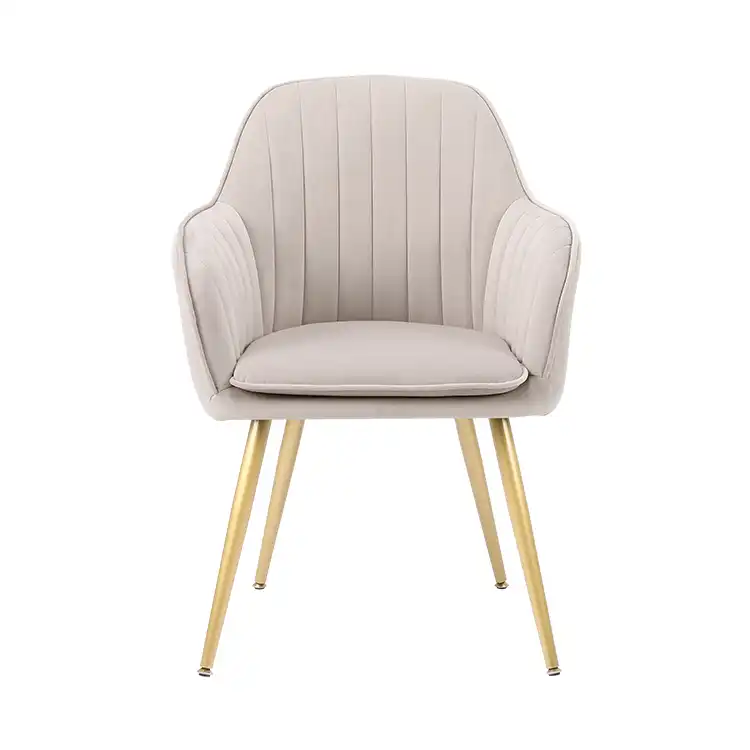
Criteria and comparisons for selecting the best Nordic dining chair depends on how customizable they are. Can the sizes be changed to fit tables of different heights? Can paint colors be changed to match company colors? How easy is it to choose between different types of cloth and styles for upholstery? Suppliers with their own research and development teams, like our design department with more than 10 people, can make samples faster and work with you to create private name goods. This flexibility is very helpful when reacting to changing fashion trends or putting out sets just for a certain area.
Comparative Analysis: Frame Materials and Design Variations
Wood frames are the warmest and most classic choice. The solid wood construction makes it last for generations, and as the years go by, it develops a beautiful color. Ash is strong, but it's a lighter color, which makes Scandinavian-style rooms look better. Walnut has deeper tones that make it a good choice for high-end businesses. These hardwoods can be steam-bent to make organic curves while still holding up under heavy industrial loads.
Metal-frame options look good in modern or industrial settings. Powder-coated steel has a high strength-to-weight ratio and is easy to maintain, which is important for outdoor eating areas or places near the coast where it is hot. But metal doesn't have the biophilic warmth that studies show lowers stress and improves eating happiness.
Adding an armrest relies on how much room is available and who the product is meant for. Armless designs make it easier to get in and out of the chair, which makes them perfect for fast-casual places. In executive meeting rooms and places where seniors live, chairs with arms make them more comfortable. Seat forms include shaped saddles that spread weight smoothly and flat pads that can fit a variety of body types. Think about how you'll be using the item. Banquet halls care most about how easily it can be stacked and stored, while tourist restaurants care most about making guests feel comfortable.
Vetting Supplier Reliability and Support Services
Supplier steadiness has a direct effect on your ability to keep clients' promises and meet return orders. Use building tours or specific capability statements to figure out how much can be made. Our more than 6,000-square-meter plant sends many containers every month, giving bulk buyers the flexibility they need. Check how quality control is done. For example, third-party approvals like EN 16139 for contract-grade seating show that strict testing procedures were followed.
Warranty terms for Nordic dining chair show how confident the company is in the product's durability. Our 1-year maker guarantee covers structural flaws, so your investment won't break down before it's time. To prevent conflicts, make it clear up front what the warranty doesn't cover and how to file a claim. Responding quickly and effectively after the sale is what sets great sellers apart from average ones. We promise to answer questions within 24 hours because we know that project delays affect your relationships with clients. To make sure the service is consistent, ask for examples from current customers in similar market groups.
Top Nordic Dining Chairs for 2024: Product Highlights and Market Trends
Budget-Conscious Options Under $200 for Volume Orders
Solutions that are low on costs don't have to skimp on important quality markers. Models with sturdy beech frames and simple matte lacquer finishes have real Nordic looks at prices that are easy for mid-level hotel projects to afford. These chairs usually come in standard sizes and a few colors. This keeps customization costs low while still meeting industrial sturdiness standards. Purchasing managers who outfit casual eating chains with multiple locations like standardized production runs because they make prices more stable and cut down on wait times.
When looking at cheap choices, pay close attention to how the joinery is done. Mortise-and-tenon structure and corner blocks should always be standard, even in entry-level models. Giving up on structural soundness leads to warranty claims and early replacements that cancel out the savings you made at first. Value engineering must keep performance traits that matter to end users, as we've learned from making things for 70 countries.
Premium Offerings: Advanced Materials and Customization
High-end types are used in small hotels, restaurants with Michelin stars, and high-end apartment buildings where unique design is worth the extra money. These chairs are made from rare woods like walnut or teak, have hand-applied oil finishes that show off their complex grain patterns, and are upholstered in designer fabrics that are made just for them. Changes to the sizes, custom stain formulas that match brand standards, and special packing for white-glove shipping are all examples of customization.
Premium levels are set apart by advanced comfort features. When it comes to back support, contoured seats made from laminated woods are better than flat ones. Comfort during multi-course meals is improved by spring support systems under cushioned seats. These improvements cost more, but they set hotels apart in competitive markets where online reviews and return bookings are based on how well guests feel during their stay.
Our YB-1107 model is a great example of this high-end category because it has a strong wood frame and thickly padded seats covered in high-end velvet. The stitched details and floor protection pads show that the makers of dining spaces care about the little things. The dimensions of 83 cm high, 58 cm wide, and 58 cm deep make it suitable for most eating arrangements, but they can be changed to fit the needs of a specific project.
Emerging Color Palettes and Styling Trends
In 2024, natural wood tones will still be very popular, with natural oak and walnut styles showing the most sales. The best Nordic dining chairs for 2024 are in line with larger biophilic design trends that value natural products and connecting with nature. But we're seeing more interest in black and white finishes, especially for restaurants in cities that want monotone or high-contrast spaces. These colorless choices keep the Nordic style's simplicity while making stronger visual statements.
Upholstery colors are moving toward earthy neutrals. Warm grays, sage green, and terracotta go well with natural wood frames without taking away from the clean, simple look. Jewel tones like sapphire and green are used in boutiques where chairs are used as accents. Texture becomes more important, and boucle and chenille fabrics make smooth wooden frames feel more interesting to touch.
Sustainability qualities for Nordic dining chair are becoming more and more important in requirements. Corporate buyers with ESG goals are interested in FSC-certified wood, recycled metal parts, and low-emission finishes. When more than one bidder meets basic quality standards, suppliers can be set apart by clear supply chain paperwork, such as carbon footprint reports.
Procurement Considerations: Ordering, Shipping, and Customization
Best Practices for Large-Volume Purchases
Compared to trading companies, working directly with manufacturers gives you more control over price and design. Hiring suppliers like Anji Yibo Furniture that can do everything from making the iron frames to putting them together at the end cuts out middlemen and ensures consistent quality. Ask for certifications from the plant and output schedules that are in line with the milestones of your project.
Optimizing containers cuts shipping costs by a large amount per unit. Our usual packing of two pieces per box that is 60x59x59 cm and has a volume of 0.209 m³ makes loading easy. Figuring out exact container sizes stops partial exports that drive up the cost of freight. Mixed-container features let you place a wide range of orders, including orders for different types of chairs or products that go well with them, like bar stools. This makes buying more efficient.
Details about how to pay and how much to put depend on the provider. Established makers often give better terms to customers who have bought from them before and shown that they can be trusted. Make sure you understand the Incoterms (FOB, CIF, etc.) so you know exactly what transportation costs you're taking on. Our normal shipping window for bulk orders is 30 days, which gives you a good idea of when to plan your project. However, custom finishes may make wait times longer.
International Shipping Logistics and Cost Management
When choosing a freight way, you have to weigh time against cost. For container-level sales, ocean shipping is still the cheapest option, but it takes an average of 3–4 weeks to get to US ports. Air freight is good for jobs that need to be done quickly or for sending samples, but it costs a lot more. Check how close your ports are to your distribution sites. Ports on the West Coast serve the Pacific areas well, while arrivals from the East Coast make inland shipping easier for Atlantic markets.
Having correct customs paperwork stops delays that cost a lot of money. Make sure that the business invoices, packing lists, and certificates of origin match the items of the shipment exactly. Our team and other experienced exporters know how to use HS code classifications and provide paperwork forms that make customs clearing easier. When you figure out the total landing cost, you need to include taxes and tariffs. For example, the current US tariff rates on wooden furniture depend on how it is built and where it comes from.
Customization Opportunities and Warranty Provisions
Freight forwarder agreements make operations easier. Reliable forwarders take care of planning, paperwork, and coordinating the last mile of delivery. Get quotes from several companies, but choose the most reliable one over the cheapest one. Damage to or delays in shipping often cost more than the money you save from discount sellers.
OEM and ODM features make it possible to use private labels and make changes that are specific to a market. Our research and development team works together to change sizes, create new colors, and make unique upholstery uses. Customization usually has minimum order numbers that start at container-level volumes. Adding branding can be subtle, like with names that are raised in relief on the bottom of the seats, or big, like with custom metal tags that are attached to the frames. Customized packaging helps with store presentation or uses stronger materials to protect fragile packages. With these services, you can turn plain seats into branded Nordic dining chairs that help you stand out in the market.
Certain business use situations for Nordic dining chair should be covered by the warranty. Our structural guarantee for one year shows that we trust the longevity of the frame and joinery. Find out if furniture and finishes are covered separately. Fabric wear is a normal part of high-traffic areas and doesn't usually qualify for guarantee claims. Learn about how to return items and where to find new parts so that problems don't stop operations too much.
Styling Your Procurement: Practical Tips for Integrating Nordic Dining Chairs into Modern Interiors
Complementary Furniture Pairings and Decor Strategies
Practical Advice for Adding Nordic dining chairs to Modern Interiors look great with simple tables made of natural materials and clean lines. Light wood or ash tables that match the frames of chairs make uniform schemes that look bigger. To add contrast, put blonde wood chairs next to dark walnut tables. This will create a visible order while keeping the style consistent.
The lighting you choose has a huge effect on the atmosphere. Pendant lights that are finished in brass or matte black go well with Nordic style without clashing. Make sure there is enough light for business safety standards while also adding warmth with layered lighting that includes ambient, job, and accent sources that work together.
Adding textiles softens hard surfaces and changes the colors. Linen table runners in basic colors go well with themes of natural materials. Throw pillows on cushioned chairs support your lower back and let you change the colors of your furniture without having to buy new ones. With these small touches, you can update your looks to keep up with changing design trends without having to spend a lot of money.
Maintenance Protocols for Commercial Longevity
How to take care of a wood frame relies on what kind of finish it has. In places with a lot of foot traffic, oil-treated surfaces need to be reapplied every six months to keep their look and ability to block wetness. Use wet cloths to wipe up spills right away instead of harsh chemicals that remove protection layers. Lacquered finishes are easy to take care of; regular cleaning with light soap solutions keeps the shine and protects the wood underneath.
Upkeep for upholstery is based on the type of fabric used. To keep dust from building up in the pile fibers of velvet, it needs to be vacuumed once a week with a soft brush attachment. Performance fabrics can be cleaned in spots with methods suggested by the maker. Set up rules for cleaning and teach your staff the right way to do it—using the wrong methods will void your warranty and speed up wear and tear.
Inspections done on a regular basis find problems before they become major problems. Every three months, tighten any loose screws and look for cracks or separations in the frame. Also, look for tears in the cushion that need to be fixed. Regular maintenance greatly increases the life of a service, protecting your investment and upholding the standards of tourist experience that your brand offers.
Powder coating soundness checks on metal frame parts once a year are helpful. Fixing chips right away will stop rust from spreading. As directed by the maker, grease any moving parts on folding or stacking devices.
Conclusion
When choosing Nordic dining chairs for business interiors, you have to balance your desire for good looks with the practicalities of buying it. The classic draw of Scandinavian design comes from the fact that it is both aesthetically pleasing and honest in its use of materials. This style works well in hotel, office, and store settings as long as the manufacturers are reliable and know how to export. When procurement professionals put material integrity, ergonomic performance, and source trust at the top of their list of priorities, their projects are set up for long-term success across a wide range of market niches. As the need for sustainability and customization grows, building partnerships with experienced makers who can offer flexible production and quick service becomes more important for staying ahead of the competition.
FAQ
What distinguishes Nordic dining chairs from general Scandinavian styles?
Nordic dining chairs are a type of furniture that is influenced by Danish and Swedish mid-century design, featuring simple shapes, natural curves, and wood grain that can be seen. "Scandinavian" style includes a lot of different styles, but real Nordic furniture is based on practical simplicity and democratic reach. It may have brighter colors or more rustic details. This difference is important to keep in mind when choosing furniture for projects that need to look good together.
How should I calculate order quantities for bulk commercial projects?
Start by figuring out how many seats you need exactly, then add 10 to 15 percent extra for repairs and routine maintenance. Think about the different areas, like dining rooms, bars, and meeting rooms, that might need different types of chairs. Our sales team does math to make sure that your containers are shipped efficiently and that you don't have too much extra stock.
Can Nordic chairs accommodate branding without compromising design integrity?
Of course. Subtle ways of marking, like using raised names on the bottom of seats or custom metal tags connected to the frame rails, keep the look clean while letting people know who owns the item. When used in stores, personalized wrapping with your logo turns opening the box into a brand experience. We work together to find solutions that balance exposure with the restraint and usefulness that are important in Scandinavian design.
Partner with YIBO: Your Nordic Dining Chair Manufacturer
Anji Yibo Furniture Co., Ltd. has been making comfortable seats for 14 years, so they can help you with your buying needs. Our 6000+ square meter facility is in Anji, which is the center of furniture manufacturing in China. It has workshops for making iron frames, workshops for padding, and quality control labs all in one building. This vertical integration makes sure that all orders for containers are the same, but also gives B2B buyers the customization options they need. Our experienced research and development (R&D) team takes your ideas and turns them into goods that are ready for the market. They do this by providing OEM and ODM partnerships that help your brand stand out. Our attention to 24-hour reaction times and 1-year warranty show that we have high standards for quality. We have the scalable production capacity and export paperwork knowledge that your foreign operations need, whether you're outfitting hotel chains with multiple locations or making your own brand collections. Email our sales team at yb@ajyibo.com to talk about your Nordic dining chair supplier needs and to ask for models that show how well we do our work. You can see our whole selection of seating at ajyibo.com. That's why sourcing workers in over 70 countries trust YIBO to provide them with reliable, stylish furniture.
References
Hansen, P. (2021). Scandinavian Furniture Design: Function and Beauty in Modern Interiors. Nordic Design Press.
Johansson, K., & Lindström, M. (2022). Material Science in Commercial Seating: Durability Standards for Hospitality Environments. International Furniture Research Journal, 18(3), 127-145.
Sørensen, L. (2023). Sustainable Procurement in the Global Furniture Industry: Best Practices for B2B Buyers. Copenhagen Business School Publications.
Williams, R. (2022). Ergonomic Seating Design: Impact on Customer Satisfaction in Hospitality Settings. Journal of Interior Design Research, 47(2), 89-104.
Zhang, W., & Chen, Y. (2023). Export Manufacturing Excellence: Quality Control in Chinese Furniture Production. Asian Manufacturing Review, 31(4), 201-218.
Andersson, E. (2024). 2024 Commercial Interior Design Trends: Nordic Influence in North American Markets. Design Futures Quarterly, 12(1), 34-52.