

 (1)_1777442575043.jpg)
Choosing the Perfect Elegant Bar Stool: Style, Comfort & Functionality
Choosing the right elegant bar stools requires a plan that strikes a balance between how they look and how well they work. For business-to-business buyers looking for sitting solutions for hotels, stores, or business projects, these options must provide uniform quality and match the brand's style. In this guide, we'll talk about important decision factors that affect purchasing outcomes, such as material specifications and the dependability of the supplier. This will help you make smart choices that support your long-term business goals and meet the needs of a wide range of markets across international furniture supply chains.
Understanding Elegant Bar Stools: Style and Design Essentials
What Defines Elegance in Commercial Seating
When it comes to elegant bar stools design, elegance comes from using high-quality materials, creating shapes that are just right, and working very carefully. Unlike basic functional seating, elegant bar stools are designed in a way that improves the look of the space while still keeping the structure strong. Details that make the difference include smooth welding joints on metal frames, precise stitching on fabric, and sizes that work with a range of interior styles without being too harmonious.
Material Choices That Balance Durability and Visual Appeal
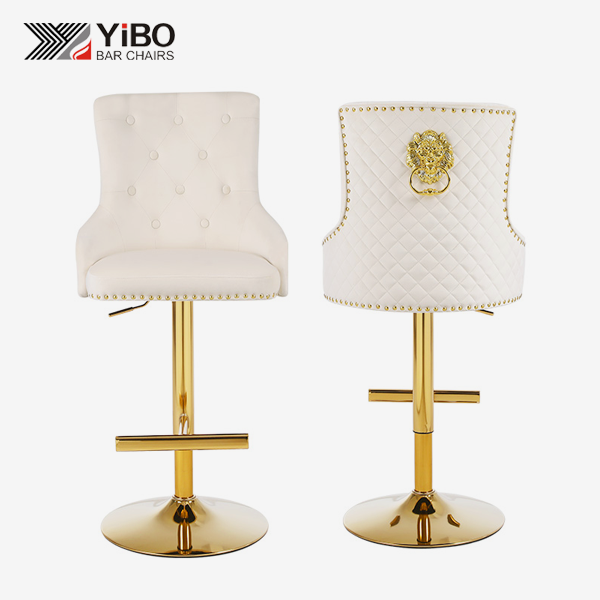
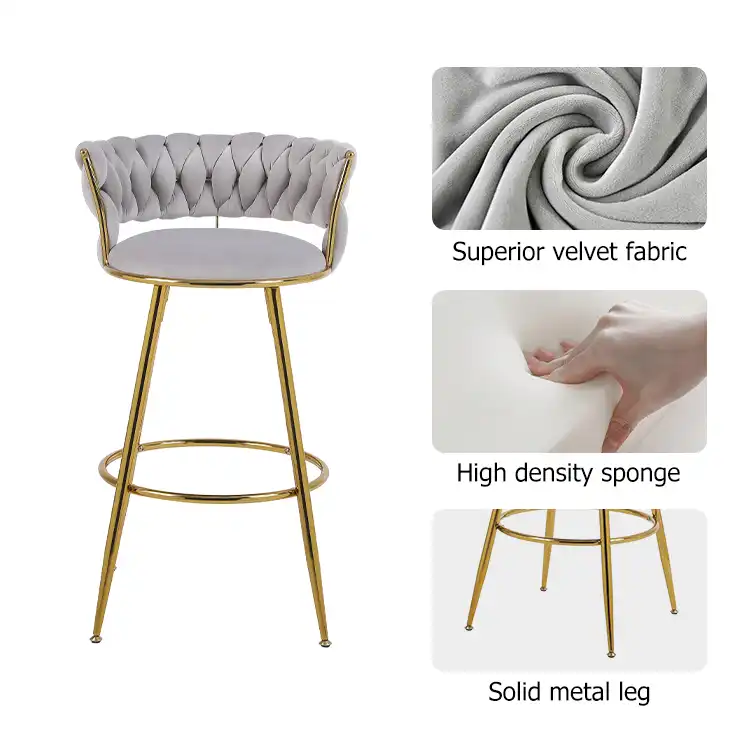
When metal frames are made from high-grade stainless steel, they last a very long time in high-traffic areas because they don't rust and stay stable even after years of use. Kiln-dried hardwoods can be used to make wood products that are warm and have a natural feel. These are especially good in dining settings that want to create a classic atmosphere. Commercial-grade fabrics used on upholstered types make them both comfortable to touch and easy to clean. Our handmade elegant bar stools with silk cushioning, which have soft padding and are easy to install, show how the quality of the materials directly affects how happy guests are and how efficiently the business runs. The 300-pound weight limit makes it reliable for a wide range of users while keeping the stylish measurements.
Adapting Style to Diverse Commercial Environments
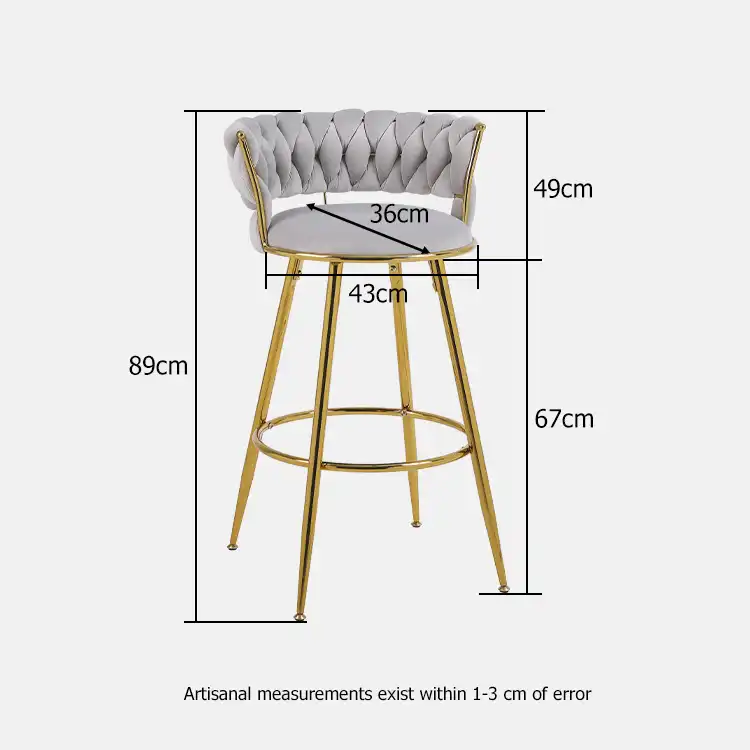
Rich wood finishes and classic designs with turned legs work well in high-end restaurants and wine bars where the brand's message of timeless luxury fits. Modern versions of elegant bar stools with simple shapes and clean lines work well in modern rooms that value light and space. Transitional styles are a mix of these two looks, making them useful for places that need furniture that can be changed easily. Height specs are very important. Counter-height models, which are 24 to 26 inches high, work well in kitchen islands and relaxed eating areas. Bar-height models, which are 28 to 30 inches high, fit normal bar counters and pub tables, making sure that you are comfortable from an ergonomic point of view.
How to Choose the Perfect Elegant Bar Stool: A Decision Support Framework
Aligning Business Objectives with Seating Solutions
Getting elegant bar stools and business goals to work together is essential, as procurement methods for commercial and residential uses are very different. When it comes to longevity, hospitality owners look for measures that can survive thousands of sitting cycles per year, while home wholesalers focus on visual difference and placing themselves in the market. The amount of work that needs to be done affects the choice of supplier. For example, makers that need to make containers need to have proven production capacity and experience with international logistics. Unit prices aren't the only things that budget limits need to think about. They also need to think about shipping costs, duty effects, and possible customization fees that affect total landed costs.
Evaluating Comfort Features for Extended Use
The shape of the backrest has a big effect on how long guests stay in restaurants and lounges where they sit for longer than just a short time to talk to service staff. The depth of the padding affects both how comfortable the elegant bar stools are and how often they need to be replaced. For example, high-resilience foam keeps its shape longer than regular padding, so it doesn't need to be replaced as often. Swivel features make things easier when you're with other people, but they add mechanical parts that need to be checked for quality. Where you put the footrest affects how well it supports your balance. For example, circle designs make it easier to reach from all sides than single-bar designs.
Supplier Assessment Criteria for Long-Term Partnerships
Experience in manufacturing means consistent quality. Suppliers with long production records have better methods and problem-solving skills that they've gained from feedback from the market. Customization features are important for making elegant bar stools fit regional tastes or private label needs. These features include choosing the right cloth, matching colors, changing sizes, and putting products in labeled packaging. Communication timeliness is directly linked to project success, especially when planning container exports, fixing quality issues, or changing specs in the middle of production. Warranty clauses protect purchases, and full coverage shows that the maker is confident in the product's long life.
Comparing Elegant Bar Stools: Key Market Options and Trends
Style Variations and Market Positioning
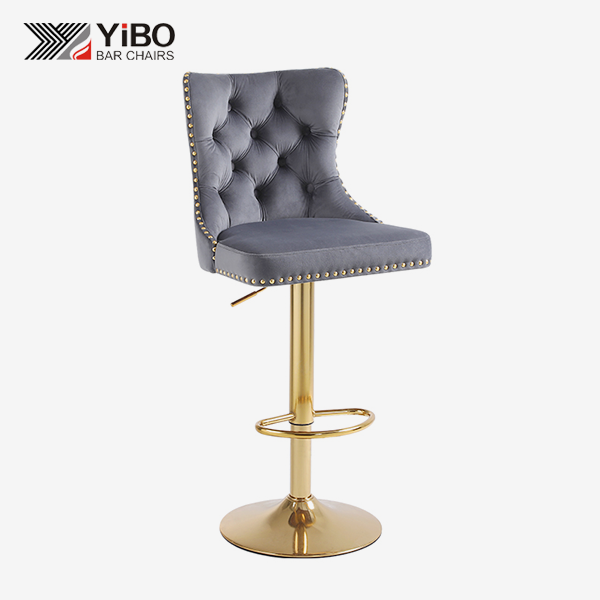
Modern elegant bar stools focus on simple frames made of metal that can be seen. This style works well in urban events and modern store settings. These designs focus on making spaces look bigger and brighter, and they support open-plan plans where furniture shouldn't get in the way of views. Traditional, elegant models have artistic features like button tufting, nailhead trim, and carving wood details that make the furniture look more expensive in high-end stores. More and more, the market wants designs that fit into more than one of these groups. These designs offer fine features in simple shapes that can be used in a variety of business settings.
Cushioned Versus Wooden Seat Construction
Upholstered elegant bar stools provide instant comfort that encourages longer occupancy, which is good for businesses where customer stay time is related to revenue production. The type of fabric you choose affects how much upkeep you have to do. Performance textiles that are treated to prevent stains require less cleaning and last longer. When there is a lot of foot traffic and replacing the furniture gets too expensive, wooden seats are a good option because they last longer. However, for ergonomic comfort, they may need to be shaped or given extra cushions. When you look at costs, you should think about how much they will cost over their whole lifetime. For example, buying better furniture at first may be cheaper in the long run than buying cheaper ones more often.
Functional Considerations for Operational Efficiency
Fixed-base elegant bar stools are very stable and don't have any mechanical weak spots. They are perfect for casual eating and quick-service settings where keeping things simple means less upkeep work needs to be done. Swivel devices make it easier for people to connect with each other and get to things, but they need to be well-built so they work smoothly for a long time. Lightweight designs make cleaning and rearranging spaces easier, which is helpful in places that are used for more than one thing and need flexible plans. Space-saving shapes with small footprints are ideal for urban businesses where square footage directly affects profits. They allow for more seats without obstructing traffic flow.
Procurement Insights: How to Buy Elegant Bar Stools Effectively
Evaluating Purchasing Channels and Logistics Considerations
When you work directly with a producer of elegant bar stools, you can get the best prices for large sales and have more control over the quality of the products. Our Anji plant is more than 6,000 square meters and has integrated production skills that make it easier to communicate and quickly fill orders. You can save money by buying in bulk at the container level, but you have to make sure the specs are correct before committing to production. Prototype approval processes lower risk by making sure the product meets standards before full production runs. For delivery planning to work, people need to know how long it will take for things to be made, inspected for quality, and shipped internationally. Usually, this time period goes from acceptance of the specifications to arrival at the port.
Negotiation Strategies for High-Volume Orders
Making a promise to buy a lot of elegant bar stools gives you more power to get better terms on things like unit price, flexible payment options, customization without minimum order fees, and first-choice production scheduling during busy times. Building relationships with suppliers who see partnerships as ongoing projects rather than one-time transactions is good for both parties. Buyers get responsive support and special treatment, and makers get more predictable production. Clear documentation avoids mistakes that can slow down shipments or lead to differences in specifications, which means that thorough purchase orders must list materials, measurements, finishes, packing needs, and quality standards.
Warranty Structures and After-Sales Support Systems
Full guarantee protection shows that the maker trusts you and safeguards your purchases of elegant bar stools against flaws in the materials or the work. Our warranty plans cover structural soundness, finish quality, and the functionality of mechanical parts. They are based on 14 years of production experience and a dedication to client happiness. Responding quickly after the sale is important for dealing with problems that come up during the product's use; suppliers that offer 24-hour contact lines and dedicated account management make this easier. Support includes more than just fixing problems; it also includes upkeep advice, access to replacement parts, and expert help that keeps the product working well throughout its service life.
Maintenance Tips and Longevity for Elegant Bar Stools
Material-Specific Cleaning Protocols
Periodically, elegant bar stools with metal frames need to be cleaned with non-abrasive products that get rid of buildup without damaging protective treatments. They then need to be dried completely to avoid water spots. Stainless steel can be cleaned with special products that bring back its shine and keep it from rusting in damp places. Wood surfaces need treatments to keep them from drying out and cracking, especially in business areas that are climate-controlled and have low humidity levels. Upholstered furniture needs to be vacuumed regularly to get rid of dust and dirt that speeds up the wear and tear on the fabric. Spot cleaning should also be done using manufacturer-recommended products that don't damage stain-resistant finishes or fade colors.
Extending Product Lifecycle in High-Traffic Settings
Rotation plans spread out wear patterns across all of the elegant bar stools, so there isn't a buildup of damage in high-demand areas and the quality of the show stays the same all over the place. Scheduled structural inspections find problems like loose screws, worn glides, or mechanical breakdowns before they happen. This lets you do preventative maintenance that costs a lot less than replacing things when they break down. Protecting the floor with the right glides stops both damage to the surface and too much noise when the seats are being adjusted. Felt pads work best on hardwood floors, while non-marking rubber is better for tile and stone floors.
Recognizing Replacement Indicators
Visual damage to elegant bar stools like pilling, finish wear-through, or frame darkening can mean that an item is getting close to the end of its useful life, even if its structural soundness is still good. Functional degradation shows up as squeaking, shaking, or technical problems that make using the product less enjoyable or even unsafe. As the market changes, new designs and materials may make proactive upgrades necessary even if existing inventory is still in good enough shape. For example, replacing seating to keep up with current trends could make the business more efficient by making it last longer or requiring less maintenance.
Conclusion
When choosing elegant bar stools strategically, you have to weigh a lot of factors that affect both the short-term costs of buying them and their long-term usefulness. Design choices affect how people see a brand and how well a space works, while material specs determine how long something will last and how much upkeep it needs. Supplier relationships based on manufacturing knowledge, the ability to customize, and quick contact help projects succeed for both large orders (containers) and ongoing restocking needs. Procurement pros find seating solutions that improve business spaces while lowering the total cost of ownership over multiple years by using structured evaluation models that put comfort features, quality building, and lifecycle value at the top of the list.
FAQ
What seat height works best for commercial bar counters?
For standard 40-42-inch bar tables, elegant bar stools with seat heights between 28 and 30 inches are needed to give your legs the 10 to 12 inches of space they need. Applications with counter-heights of 34 to 36 inches go with seats that are 24 to 26 inches wide. Adjustable types are flexible, but they have mechanical parts that need to be checked for quality.
How do cushioned models compare with wooden seats for long-term durability?
Cushioned elegant bar stools are more comfortable for long periods of time, but in business settings, they need higher-quality upholstery to keep its good looks after a lot of use. Fabric wear isn't a problem with wooden construction, and it works well in places with a lot of people coming and going. However, for natural comfort, the shape may need to be changed. In a lifecycle cost study, the number of replacements should be weighed against the beginning investment.
What lead times should procurement teams expect for bulk orders?
For container-level orders of elegant bar stools, it usually takes 4-6 weeks from the time the specifications are approved until the order is shipped internationally. The shipping time depends on the port of arrival. Customization adds one to two weeks to the time it takes to get materials and approve a sample. These factors should be included in planning stages, along with extra time for clearing borders and traveling within the country.
Partner with YIBO: Your Trusted Bar Stool Manufacturer for Commercial Excellence
YIBO has been a specialized manufacturer for 14 years and helps business buyers find reliable elegant bar stools sources with stable quality and scalable production capacity. Our factory in Anji uses both high-tech tools and skilled labor to make homemade, elegant bar stools with soft padding, high-quality velvet upholstery, and easy installation that meets international standards for hospitality. We support OEM and ODM relationships by letting you fully customize the materials, sizes, finishes, and packing, as well as providing quick contact and logistics knowledge at the container level. You can email our experienced sales team at yb@ajyibo.com to talk about your project needs, get samples, or find out how our products with warranties and 24-hour support services can help you find better business furniture.
References
Anderson, M. (2023). Commercial Furniture Procurement: Strategic Sourcing for Hospitality Environments. New York: Hospitality Press.
Chen, L. & Williams, R. (2024). Ergonomic Design Standards for Bar Seating in Public Venues. Journal of Commercial Interior Design, 18(2), 45-67.
International Furniture Manufacturing Association. (2023). Quality Standards for Upholstered Seating in Commercial Applications. Geneva: IFMA Publications.
Morrison, T. (2024). Material Selection and Lifecycle Analysis in Contract Furniture. London: Design Economics Institute.
Roberts, K. (2023). Supply Chain Management for International Furniture Procurement. Chicago: Business Logistics Forum.
Zhang, W. (2024). Contemporary Trends in Bar and Counter Seating Design. Furniture Design Quarterly, 31(4), 112-128.