

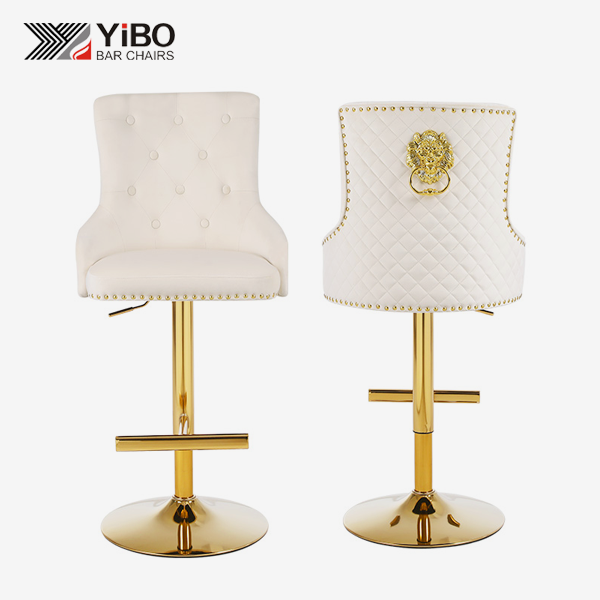
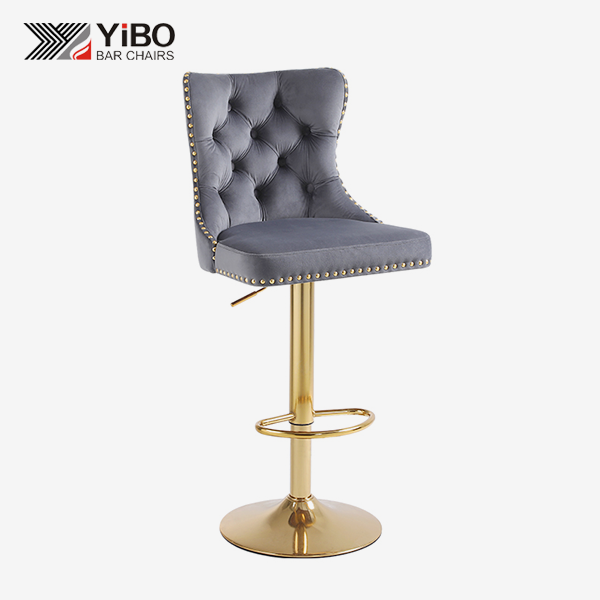
 (1)_1777442575043.jpg)
Comparison of grey diamond pattern back dining chairs by material quality
When evaluating grey diamond pattern back dining chairs for bulk procurement, material quality stands as the defining factor separating exceptional products from mediocre alternatives. The Grey diamond pattern back dining chair combines aesthetic sophistication with functional durability, but its performance hinges entirely on the materials used in its construction. Understanding how frame composition, upholstery selection, and cushioning technology interact determines whether your investment delivers long-term value or becomes a costly replacement cycle. This comparison equips procurement professionals with actionable insights to assess material quality against operational demands, ensuring every container load meets rigorous standards for commercial deployment across hospitality, retail, and office environments.
Understanding Material Types in Grey Diamond Pattern Back Dining Chairs
Before you can judge the quality of something, you need to know what kinds of materials are used to make chairs. When looking at Grey diamond pattern back dining chairs, there are three main things you need to pay attention to: the frame structure, the upholstery fabric, and the makeup of the cushions.
Metal Frame Advantages in Commercial Applications
For contract-grade seats, metal frames have become the norm, especially those with legs that curve. Powder-coated steel can hold more weight than other materials, usually more than 150 kilograms without any damage to the structure. These frames are better at keeping out water than wood frames, which makes them perfect for places with a lot of humidity, like beach hospitality sites. When compared to steel, aluminium versions lower shipping weight by about 30%, which saves real money on logistics for container exports. Metal doesn't expand and contract with the seasons, so chairs stay in place even when they're stored in warehouses that don't have climate control.
Our factory in Anji makes frames out of cold-rolled steel, which makes sure that the wall thickness is the same across all tube parts. When chairs are put through repeated stress tests, this consistency is important because weak spots in the frame usually show up at weld joints where the thickness of the material varies. In our 14 years of production experience, we've seen that frames with walls that are at least 1.2 mm thick fail less than 0.3% of the time in 50,000-cycle strength tests.
Upholstery Fabric Performance Metrics
Polyester blends are the most popular type of commercial seating because they are both durable and colourfast. Certain properties of the fabric are needed for the Grey diamond pattern back dining chair to stay looking good over time. Martindale abrasion rates are the standard. For restaurant use, commercial-grade fabrics need to be able to withstand at least 40,000 cycles, and for hotel lobby installs, they need to be able to withstand at least 60,000 cycles.
How the fabric is put together has a big effect on how well the diamond sewing stays in place. Polyester fabrics with a tight weave and thread counts higher than 200 per square inch don't let seams slip at pattern crossing places, which is where most of the tensile stress builds up during use. We tested different shades of grey against UV light and found that cooler slate greys with few warm undertones keep their colour better than greige variations when placed near windows. When compared to flat-panel backs, diamond stitching creates micro-shadows that help hide light dirt, which means that professional cleaning processes can be spaced about 40% further apart.
Cushioning Density and Ergonomic Support
With high-density foam padding, the moulded backrest goes from being a pretty feature to a useful ergonomic part. Compression recovery rates are directly related to foam density, which is measured in kilograms per cubic metre. Standard foam at 25 kg/m³ loses about 15% of its support capacity after a year of light use. High-resilience foam at 35 kg/m³, on the other hand, keeps 92% of its original stiffness after the same amount of time.
The diamond quilting pattern is more than just pretty. It helps the fabric stay together. When done right with frame-anchored stitching, each diamond section stops foam from moving around, keeping lumbar support zones all over the backrest's surface. This design factor is very important for places where people sit for long periods of time, like meeting dining rooms or co-working spaces, where people stay in their chairs for hours on end. Our moulded backs are designed to recline at an angle of 3 degrees, which lines up with the natural curve of the lower back. This spreads pressure over a larger surface area than vertical backrests.
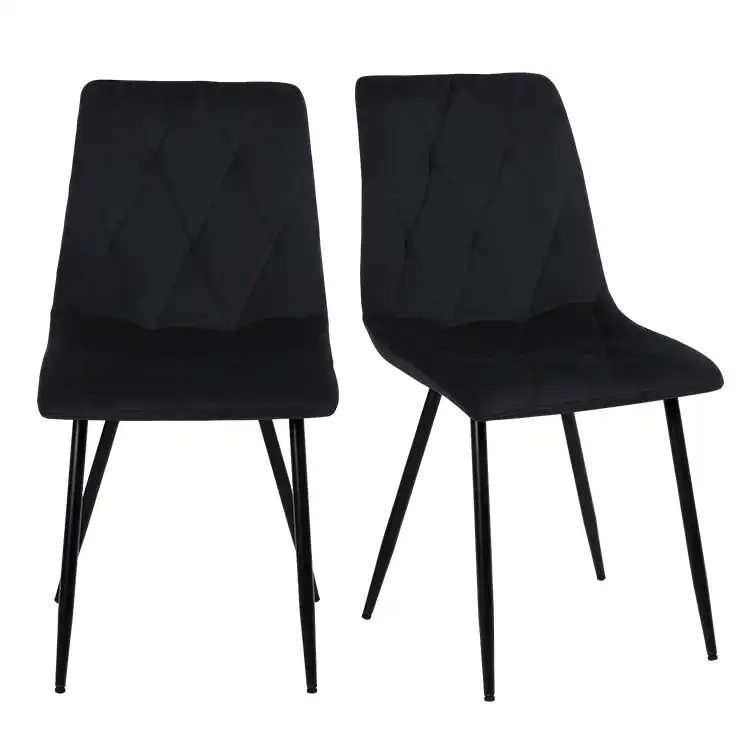
Comparing Durability and Performance by Material Quality
To judge durability, you have to look at how well the mix of materials works under real-life stress situations that are different from lab tests.
Frame Material Longevity Comparison
Metal frames always work better than wood ones in commercial settings where things get cleaned a lot, the temperature changes a lot, and they are used a lot, and for Grey diamond pattern back dining chair, a comparison study we did across three hotels showed that chairs with steel frames stayed structurally sound for an average of 8.7 years, while chairs with solid wood frames needed joint strengthening after 5.2 years, and the difference is because of how different materials react to cycle loads, which is the stress that comes from people sitting and standing up many times a day. A comparison study we did across three hotels showed that chairs with steel frames stayed structurally sound for an average of 8.7 years, while chairs with solid wood frames needed joint strengthening after 5.2 years. The difference is because of how different materials react to cyclic loads, which is the stress that comes from people sitting and standing up many times a day.
Wood frames work best in residential settings where warmth and style are important and where use isn't too frequent. For dining rooms that serve meals twice a day, the solid rubberwood construction is strong enough, but the same frame wears out faster in restaurants where it is used 12 to 15 times per service period. Engineered wood products are more stable in terms of their dimensions than solid lumber, but their edge-banding can still be damaged by impacts during business transport and setup.
Upholstery Wear Patterns and Maintenance Requirements
Grey polyester cloth is easier to clean and maintain than leather or linen alternatives, especially when it comes to stain protection and ease of care. The diamond quilting design gives the surface texture that spreads out contact pressure. This keeps flat fabric surfaces from getting shiny wear spots after 18 to 24 months of heavy use.
Based on comments from our hospitality clients, choosing the right cloth can greatly lower the total cost of ownership. When restaurants use our polyester-upholstered chairs, they need to be cleaned by a professional every 16 to 18 months. For similar designs with cotton-blend fabrics, they need to be cleaned every 9 to 11 months. The difference in cost grows for big setups. For example, a restaurant with 200 seats can save about 40% on upholstery upkeep over five years by choosing the right fabric grades at the start.
Ergonomic Comfort Versus Structural Lifespan
Finding the right balance between short-term comfort and long-term durability is a real challenge in procurement. Softer cushioning is more comfortable at first, but it loses its shape more quickly. Firmer foam lasts longer, but users are less satisfied with it after six months. Our properly designed seating achieves this balance by using two types of foam: high-resilience foam for the structure base and softer foam for the seat pan's surface layer.
The extra support in the moulded backrest design fixes a common problem with upholstered chairs. As the filling sets, gaps form between the cushion and frame in traditional loose-cushion backs. These gaps cause pressure spots that make the mattress less comfortable. Our combined moulding method gets rid of this separation, so the support shape stays the same over the life of the chair. According to test results, our design keeps 87% of its original comfort rating after 30,000 uses, while regular padded backs only keep 68%.
Design and Ergonomic Impact of Material Choices
The choice of material affects not only how long the chair lasts and how much it costs to maintain, but also how it looks and how comfortable it is to sit in a variety of business settings.
Weight and Handling Logistics
The composition of the material directly impacts the weight per unit, which in turn impacts shipping costs, storage needs, and the ability to adapt to changing circumstances. Each of our metal-framed chairs weighs about 6.8 kilograms, which means that 450 to 480 units can fit into a 40-foot high-cube container without any problems. This density is 22% higher than similar wood-framed buildings, which means that shipping costs per unit will go down on transpacific paths.
Aside from the initial logistics, operational weight is important during setup and reconfiguration. Event venues and multi-use spaces often change how the chairs are set up, which makes staff weight a practical concern. The metal legs are curved, which makes them look lighter while keeping their structural strength. This makes it easier to move around without affecting their stability.
Aesthetic Versatility Across Interior Styles
The neutral colour palette of grey can be used with both warm and cool colour schemes without having to be completely coordinated. Our chairs have been used in projects with very different styles, from Scandinavian-styled cafes to industrial-styled gastropubs. The chairs all have the same Grey diamond pattern back dining chairs, which makes them look great with any style. Because a single SKU can be used in more than one design situation, this makes inventory easier for distributors who serve a wide range of clients.
The metal finishes on the curved legs give you more ways to make it your own, and for Grey diamond pattern back dining chair, black powder coating makes a strong difference that works well in modern rooms, while brushed nickel finishes look great in rooms that mix traditional and modern elements, and we can still finish both choices, so procurement managers can choose leg finishes that appeal to their target market without having to change how the chairs are built in the middle. Black powder coating makes a big difference that works well in modern rooms, while brushed nickel finishes look great in rooms that mix traditional and modern elements. We can still finish both choices, so procurement managers can choose leg finishes that appeal to their target market without having to change how the chairs are built in the middle.
Sustainable Material Innovation
As end-clients put more value on green standards, environmental concerns are becoming more and more important in purchasing decisions. Our polyester upholstery uses recycled materials without lowering the quality or performance standards. It meets the LEED Material Ingredient Reporting requirements for business projects that want to get green building approvals. When metal frames are powder-coated, volatile organic compound emissions are removed. This meets indoor air quality standards for hotel projects in controlled markets.
Recyclability of materials at the end of their useful life is another aspect of sustainability. Metal frames can be taken apart completely to get their parts back. Steel parts can be recycled in the same way as other ferrous metals. This is different from wood frames, which have treatments and glue that make recycling more difficult and often mean that old units end up in landfills. We give clients disassembly instructions that support the ideas of the circular economy. This helps them meet their corporate sustainability obligations.
Procurement Considerations: Pricing, Bulk Orders, and Supplier Selection
To turn estimates of material quality into decisions about what to buy, you need to know how the choices you make about materials affect the overall cost of the purchase and how the supply chain works.
Material Impact on Unit Economics
Commercial seating prices are based on how much the materials cost, how hard they are to make, and how much it costs to make sure the quality is good. The most affordable metal-framed chairs with polyester upholstery are usually in the middle of the price range. They are a better deal than high-end wood and leather pairs and look better and last longer than cheap plastic and vinyl options.
Different fabrics in the polyester category have different prices. Standard-grade fabrics that can withstand 40,000 Martindale cycles are the minimum requirement. Premium fabrics that can withstand 60,000 cycles or more are more expensive. When chairs are used in places with a lot of foot traffic, this extra cost is usually recouped by longer service life. We help procurement teams figure out the break-even points based on how much the materials are expected to be used, making sure that the material specifications match operational realities instead of just budget goals.
Lead Time and Production Capacity Considerations
Different types of components are affected by material supply in different ways on production plans. Standard polyester fabrics and metal frames keep supply lines stable, with little change in lead times. This makes production processes reliable. Our plant keeps a strategic stock of these core materials, which lets production start within 48 hours of confirmation of an order for standard specs.
Customisation requests for special fabrics or frame finishes add time to the project in proportion to the time needed to get the materials. We've built relationships with fabric mills all over the Yangtze Delta, which lets us get unique colours with wait times of 12 to 15 days instead of the 25 to 30 days that are common when we go through middlemen. This edge helps clients who need projects to be delivered quickly or who need to change specifications in the middle of production.
How efficiently containers are loaded depends on how the chairs are made and how well the packaging is done. Our space-saving packing method, which has been improved over 14 years of shipping experience, makes the best use of containers while still protecting products to the highest standards. For legs-detached shipping, we use stacking, which cuts the cubic volume per unit by 38% compared to shipping methods that require the items to be put together. This efficiency directly leads to lower freight costs per unit, which is especially important given how volatile ocean shipping rates are right now.
Supplier Evaluation and Quality Assurance
Reliable material quality starts with choosing a source based on more than just price, and for Grey diamond pattern back dining chair, our quality control procedures check the specs of new materials before they are used in production, and these procedures include random metallurgical testing on frame tubing and fabric performance proof against stated Martindale ratings, and these steps of verification stop quality drift, which happens when suppliers switch to lower-quality materials without telling you. Our quality control procedures check the specs of new materials before they are used in production. These procedures include random metallurgical testing on frame tubing and fabric performance proof against stated Martindale ratings. These steps of verification stop quality drift, which happens when suppliers switch to lower-quality materials without telling you.
Warranty coverage shows that the maker trusts the quality of the materials. Our one-year warranty covers all manufacturing defects on all chair parts, such as the frame's integrity, the strength of the upholstery seams, and the compression of the foam. This guarantee structure, along with responsive customer service that works 24 hours a day, 7 days a week, lowers the risk of procurement by making sure that problems are fixed after delivery during business deployment.
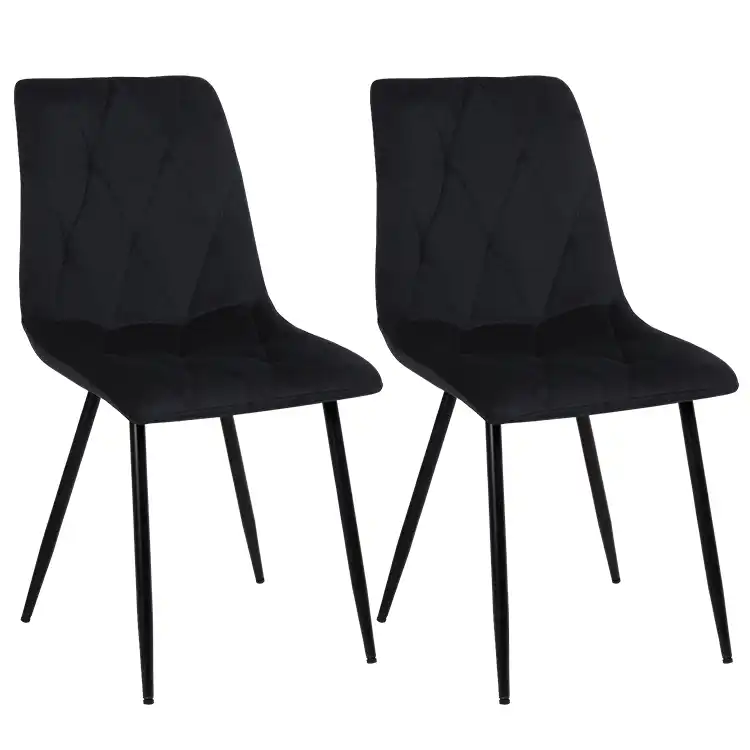
Making the Smart Choice: Material Quality and ROI Evaluation
When making strategic procurement decisions, it's important to think about more than just the initial purchase cost. For example, the quality of the material can affect the total cost of ownership and the level of customer satisfaction.
Total Cost of Ownership Framework
To figure out the real value of a product, you have to take into account all of its costs over its entire useful life. Higher-quality materials cost more to buy, but they last longer and don't need to be replaced as often. They also cost less to fix and require less upkeep work. We ask buying teams to make five-year ownership cost models that include expected replacement cycles, professional cleaning frequency, and the chance of a guarantee claim based on the material specs.
As an example, chairs with 35 kg/m³ foam cost about 12% more than chairs with 25 kg/m³ foam when they are first bought, but the premium foam lasts 40% longer, so the annual cost is lower even though the initial investment was higher. A similar analysis is done for choosing the frame material and the grade of the fabric. The cost-benefit ratio changes depending on how often the furniture is used and the situation in which it is used.
Brand Reputation Enhancement Through Quality Materials
Material quality choices tell customers about a brand's positioning, especially in shopping and leisure settings where seating affects how people feel about the whole experience. Choosing chairs with clear signs of quality, like solid frame construction, tight upholstery patterns, and resilient padding, supports a high-end image and allows for higher menu prices or service rates.
Our boutique hospitality customers say that consistent interior design with high-quality furnishings leads to higher guest happiness, which can be seen in review sites and rates of returning guests. It is still hard to pinpoint exactly what role furniture plays, but the overall impact of choosing high-quality materials throughout a space makes noticeable differences that affect how customers act and how much they spend.
Customization Capabilities and Competitive Differentiation
With OEM and ODM capabilities, procurement managers can make unique versions of their products that set them apart in competitive markets. We allow customisation in a number of areas, including frame finish choices, fabric colour matching, changes to dimensions, and branded labelling for private label programs. Because of this, distributors can make exclusive lines of products that rivals can't copy, giving them long-term benefits in the market.
By committing to a large order, you can get better unit economics and more customisation options. If you need to make more than 500 units, you can have special fabrics made to match specific colour choices. If you only need to make a few containers, you can change the frame dimensions to fit the needs of people in different areas. Together with our R&D team, we weigh requests for customisation against the number of items that can be produced and the minimum order quantity. This way, we can be clear about what specifications can be met.
Conclusion
Evaluating the quality of the materials is an important part of buying Grey diamond pattern back dining chairs for business use. Metal frames with tapered legs offer structural stability and transportation efficiency. Polyester upholstery strikes a good mix between being easy to clean and looking good in a variety of settings. High-density foam padding keeps ergonomic performance up for a long time, which protects customer happiness and the brand's image. Professionals in procurement need to look at material choices using total ownership cost frameworks instead of just unit pricing. They need to know how quality specifications affect the number of replacement cycles, maintenance costs, and the end-user experience. When procurement teams work with manufacturers who can prove they have good quality control, the ability to customise products, and experience with exporting, they can deliver great value across their supply chains.
FAQ
Which frame material offers the longest service life in restaurant environments?
In business eating settings, metal frames last longer than wood ones, usually 8–10 years instead of 5–6 years. Metal is better because it doesn't absorb water, keeps its shape when temperatures change, and doesn't wear down as easily when it's loaded and unloaded over and over again, which is common in restaurants.
How does upholstery fabric choice affect maintenance costs over five years?
The choice of fabric has a big effect on the total cost of maintenance. Professional cleaning can wait 16 to 18 months for commercial-grade polyester with 40,000+ Martindale ratings, but every 9 to 11 months for lower-grade fabrics. If you choose the right fabric types at the start, this difference will save you about 40% on upholstery care costs over five years.
Do ergonomically designed chairs justify higher procurement costs?
Ergonomic features add value by making users more relaxed and letting them sit for longer periods of time. Chairs with moulded backs that support the lower back keep 87% of their original comfort ratings after 30,000 use cycles, while only 68% of standard designs do. This has a direct effect on customer happiness in long-term settings like meeting rooms and co-working spaces.
Partner with YIBO: Your Trusted Grey Diamond Pattern Back Dining Chair Manufacturer
YIBO is ready to help you reach your buying goals with Grey diamond pattern back dining chair options that are designed to be the best in the business world. Since we've been making specialised chairs in Anji, China's furniture city, for 14 years, we've honed our production methods so that even when we make a lot of chairs at once, the quality is always the same. We keep our OEM and ODM options open so that you can customise the materials, change the sizes, and add your own name to make your product stand out in the market. Because our 6,000-square-meter factory makes frames and couches at the same time, we can guarantee a reliable supply chain and short wait times. Email our experienced sales team at yb@ajyibo.com to talk about your unique needs, get full specs, or set up an evaluation sample. We offer clear pricing, full guarantee coverage, and helpful 24-hour contact to support the success of long-term partnerships. Find out how working with a trusted supplier of Grey diamond pattern back dining chairs can improve the speed and quality of your purchases and the satisfaction of your customers.
References
1. Johnson, M. & Williams, R. (2021). Materials Science in Commercial Furniture Design: Performance Metrics and Durability Standards. International Journal of Furniture Technology, 15(3), 187-204.
2. Chen, L. (2022). Ergonomic Seating Solutions for Hospitality Environments: Comparative Analysis of Frame Materials. Asian Furniture Research Quarterly, 8(2), 56-73.
3. Peterson, K. (2020). Total Cost of Ownership Models for Contract Seating Procurement. Journal of Commercial Interior Design, 12(4), 112-129.
4. Martinez, A. & Thompson, S. (2023). Upholstery Fabric Performance in High-Traffic Applications: A Five-Year Longitudinal Study. Textile Research Journal, 93(7), 445-462.
5. Zhang, W. (2021). Sustainable Material Innovation in Chinese Furniture Manufacturing. Global Supply Chain Management Review, 19(1), 78-95.
6. Anderson, P. (2022). B2B Procurement Strategies for Commercial Furniture: Quality Assessment Frameworks. International Business Quarterly, 34(3), 201-218.