

 (1)_1777442575043.jpg)
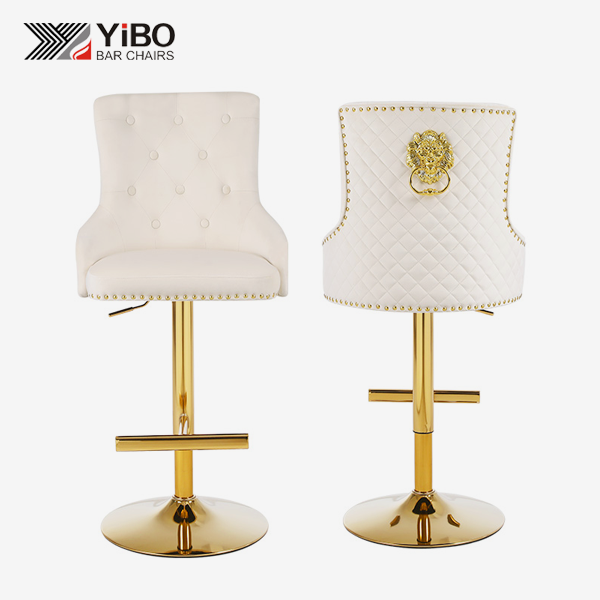
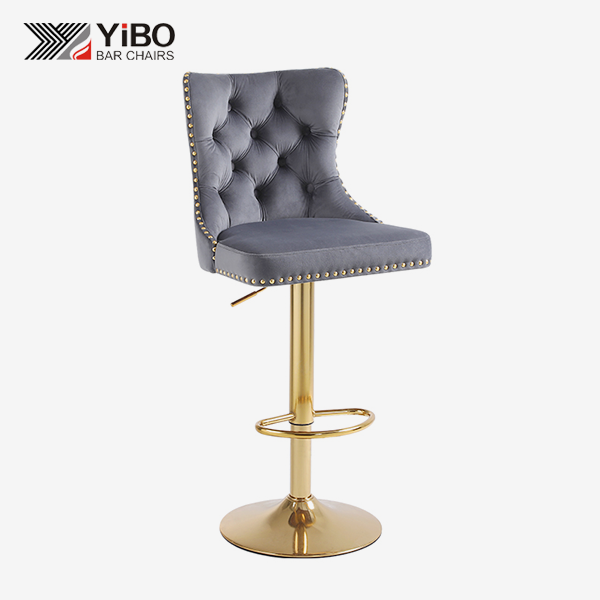
Counter Stools with Metal Frames that Match Modern Decor Styles
The counter stool with metal frame stands out as a smart choice that gives measured results when looking for seats for business projects. These special pieces, which are made with seat heights exactly set between 24 and 26 inches, offer B2B buyers a great mix of durability, aesthetic versatility, and ease of maintenance. Metal-framed bar stools are not made of traditional wooden ones, whose joints can break under repeated stress. Instead, they are fully welded, which stops the joints from slowly coming loose like they do with mortise-and-tenon carpentry. Because of this basic difference in design, repair costs are cheaper and products last longer in retail, business, and leisure settings.
Understanding Metal Frame Counter Stools and Their Benefits
A type of business sitting called metal frame bar stools have a core made of designed steel, aluminum, or iron alloys that makes them strong. The defining feature is not just the choice of material, but also the way it is made—specifically, the use of TIG or MIG welding to make a single frame that can hold 300 to 500 pounds without compromising its structural integrity.
Material Composition and Engineering Advantages
A type of business sitting called metal frame bar stools have a core made of designed steel, aluminum, or iron alloys that makes them strong. The defining feature is not just the choice of material, but also the way it is made—specifically, the use of TIG or MIG welding to make a single frame that can hold 300 to 500 pounds without compromising its structural integrity.
Why Metal Outperforms Alternative Materials?
Steel and metal frames have high tensile strength and reliable bending qualities. This means that they bend under extreme stress without breaking in a terrible way. This engineering trait is very important in business settings that are worried about risk. Metal's lack of a fuel load also makes it easier to meet CAL 117 fire safety standards and LEED approval requirements for green building projects. The material itself can still be recycled indefinitely, meeting the needs of green requirements that are becoming more important to big buyers.
Functional Advantages for Procurement Professionals
From a practical point of view, metal building makes it possible to create features that would not be possible with natural materials. Integrated welding footrests get rid of the cracks and chips that come with wooden kick plates. Surfaces that don't have pores stop germs from growing, which lets heavy-duty chemical cleaning methods used by health inspectors work. Stackability—often up to four units—makes floor care easier in restaurants and event areas, which directly cuts down on the cost of workers needed for daily cleaning.
Key Design Styles of Metal Frame Counter Stools for Modern Interiors
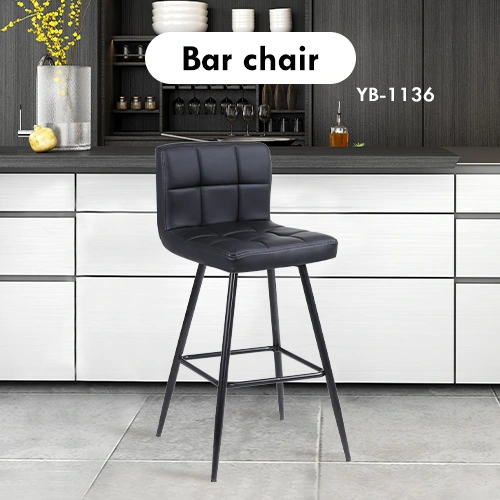
Modern metal-framed seats falls into different style groups, and each one is designed to fit a certain business strategy. Knowing these style frames helps buying teams choose furniture that fits with the brand's image while still meeting useful needs.
Industrial and Raw Finish Aesthetics
Counter stool with metal frame in the industrial style have practical shapes, matte black or gunmetal finishes, and visible welds. These designs show that a craft beer bar, a handmade coffee shop, or an urban restaurant idea is real. The look of the raw metal goes well with the salvaged wood and open pipes, which adds to the story of handmade quality. Our production team gets this look using specialized grinding methods that make weld joints look smooth while keeping the obvious seam lines that show the integrity of the structure.
Minimalist and Streamlined Profiles
Sleek, simple designs focus on thin, tubular frames (often 0.75 to 1 inch in diameter) that make things look light even though they can hold a lot of weight. Finishes made of chrome-plated or brushed stainless steel reflect natural light, making small spaces seem bigger. These bar stools look good in corporate cafeterias, modern office break rooms, and high-end store changing rooms with clean lines that go with modern branding. The thin outlines also make it easier to see the hallway in plans with a lot of seats.
Rustic and Vintage-Inspired Combinations
Hybrid designs combine metal frames with warm materials like solid wood chairs, PU leather seating in a brown color, or natural fabrics that are weaved together. This mix reduces the roughness of industry while keeping metal's structure benefits. These kinds of stools work really well in places like small hotels, restaurants that offer unique experiences, and stores that sell trendy items. Our ODM services let you customize the material and finish so that they perfectly match the mood boards and brand guidelines you give us.
Functional Design Considerations
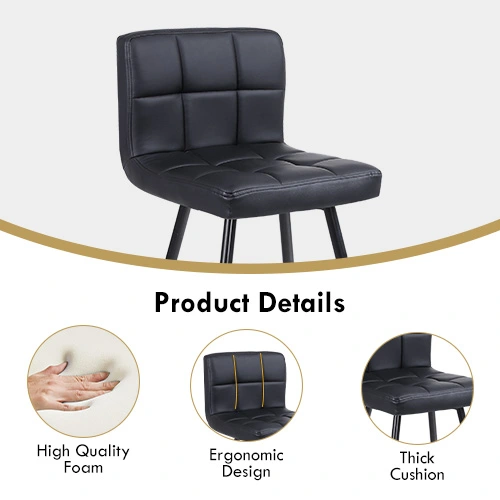
Aside from looks, buying teams must also look at how well things work. Setting the footrest 7 to 9 inches above the floor level works for people with average leg lengths when they are sitting down. The standard in our product line is PU leather paired with high-density cushion filling, which gives the necessary compression strength for long periods of sitting. When compared to turn systems, which create friction patterns that move around, seats that don't rotate wear down floor finishes less.
Comparison Insights: Metal Frame Counter Stools vs Alternatives
The choice of material has a big effect on the total cost of ownership over the span of a product. This study looks at how differences in performance affect estimates of purchase value.
Durability and Structural Longevity
In high-traffic areas, metal frames are better at resisting wear and tear. According to BIFMA X5.1 guidelines, bar stools must be able to handle 1,000-pound loads that are applied vertically to the seats. Our steel-framed models always go above and beyond these limits, while their wooden counterparts show leg splay or joint separation in the same situations. This difference in efficiency means that repair times are measured in years instead of seasons.
Maintenance Requirements and Operational Costs
Counter stools made of wood need to have their mechanical screws tightened on a regular basis, their worn surfaces refinished, and, eventually, they need to be replaced because of warping caused by water. Different types of plastic break when exposed to UV light and show creep deformation, or constant drooping, when loaded for a long time. These problems don't happen at all with metal building. Standard quaternary ammonium disinfectants can be used to clean powder-coated surfaces without damaging the finish. This makes cleaning procedures easier. This makes upkeep easier, which cuts down on worker hours and supplies costs across property management budgets.
Weight and Handling Considerations
Counter stool with metal frame models with an aluminum frame weigh about 30% less than steel models of the same size and strength, making it easier for event staff to move. While plastic stools are lightweight, they don't hold as much weight as other types of chairs. The heaviness of wood makes it hard to handle during setup. Metal designs can be stacked, which isn't possible with most wooden chairs because of the risk of damage to the finish. This makes dealing more efficient.
Aesthetic Adaptability Across Renovations
Powder-coat reapplication lets you change the finish on metal frames, so they can be used for more than one internal makeover. Instead of buying all new furniture, a hospitality group might improve the look of a place by recoating existing stools. Patterns of wood grain and plastic colors don't change, so when design trends change, they have to be replaced completely. This flexibility builds choice value into the original inputs in buying.
Procurement Guide: How to Choose and Buy Metal Frame Counter Stools?
For B2B buying to work well, there needs to be a way to evaluate products in a way that matches their specs with how the business works and the budget.
Defining Volume Requirements and Ordering Thresholds
When you order by the container—usually 300 to 800 units, based on the type and the density of the packaging—you can get factory-direct price systems that make unit economics much better. Our 6,000-square-meter production plant keeps enough supplies to handle both full container loads and less-than-container loads (LCL) for smaller jobs. Setting yearly number commitments allows for tiered price deals that save even more money when rolled out in multiple locations.
Customization Capabilities and Lead Time Planning
Our 10-person R&D team offers full OEM and ODM services, including changing materials, changing sizes, choosing finishes, and adding your own logo. From accepted models to the start of production, the standard customization response time is 18 to 22 business days. To make sure that project installation plans are met, procurement timelines should allow 60 to 75 days from deposit to port delivery for unique orders. There are options for rush output for extra fees when deadlines get squished out of the blue.
Dimensional Standards and Space Planning
The standard sizes for counter stools are 26 inches high, 15 to 17 inches wide, and 15 to 18 inches deep. Usually, the footprint is 16 to 19 inches square, but versions without arms can be closer together. Allow 24 to 30 inches of horizontal desk room for each stool when you're figuring out how many to order. This will help customers feel comfortable and allow for good airflow. Our sales engineering team can help you find the best seating number without affecting the user experience by giving you CAD files and space-planning advice.
Certification Standards and Compliance Verification
For commercial use, bar stools must meet fire safety rules, BIFMA standards for longevity, and CARB Phase 2 formaldehyde pollution limits (for composite materials). Our quality control department keeps test reports that show how well things stick to each other (ASTM D3359), how resistant they are to salt spray rust (ASTM B117), and how much weight they can hold still. These certificates are very important for health officials, fire guards, and insurance companies that are checking for potential issues during exams.
Evaluating Supplier Capabilities Beyond Price
Factory visits are still the best way to check out a source for counter stool with metal frame, but video walks of the site can be used as a start. Some important things that are looked at when judging a company are its metalworking equipment (like tube benders, welding stations, and powder-coating lines), its ability to cut foam and make padding in-house, and its quality control checks with written inspection procedures. Our Anji location is open to buying teams that want to know more about how our products are made and how much capacity we have before they commit.
Maintenance and Longevity: Caring for Metal Frame Counter Stools
Proactive repair plans have a direct effect on how long an object lasts and how much it costs to own. These methods work well in business settings with a range of staffing skills.
Routine Cleaning Procedures
Microfiber cloths wet with warm water and pH-neutral dish soap are all you need to clean every day. Do not use rough scrubbing pads on powder-coated surfaces because they will polish them and leave shiny spots on flat surfaces. Quaternary ammonium disinfectants that are allowed for food-contact surfaces can keep PU leather chairs clean without breaking down the material. Setting up these simple rules in staff training programs stops projects from failing before they're finished.
Protecting Against Corrosion and Surface Damage
Powder coating is very protective, but if you scratch it and see bare metal, you need to fix it right away to stop rust from spreading. With every package, we include touch-up paint that matches the original finish codes. In seaside or high-humidity areas, waxing metal surfaces with furniture wax every three months adds extra moisture shields. Floor glides, ideally with HDPE or felt-bottomed caps that can be replaced, keep flooring substrates from getting scratched. They should be checked every month, and old units should be replaced before metal contacts finish the surfaces.
Addressing Common Wear Patterns
Footrests and seat edges, which get a lot of use, wear out faster than other parts. By rotating stool places every three months, load patterns are spread out across frames, which increases the overall service life. If the chair starts to wobble, check the floor glides for uneven wear or buildup of dirt before thinking the frame is broken. Fully welded construction rarely has structural problems; when it does, it's usually because the floor isn't level or the glide parts are broken. When fixing is needed, our customer service team offers technical help within 24-hour response times.
Extending Product Lifespan Through Strategic Interventions
Professional reupholstering, which means replacing old PU leather and foam every 4 to 6 years in high-traffic areas, is much cheaper than buying a new unit and keeps the frame in good shape. Our technical standards list the positions of fasteners and the densities of the foam, which makes it easier for third-party padding work to be done. This ability to be fixed from the start is a secret value that can't be found in throwaway options. It fits with cycle economy principles that are being pushed harder by corporate sustainability officers.
Conclusion
Procurement experts who are in charge of business seating portfolios can measure the benefits of counter stool with metal frame. In hotel, retail, and business settings, the mix of long-lasting structure, easy upkeep, and a variety of looks provides strong value offers. Knowing the basics of material engineering, like how to weld and the science behind powder coating, helps buyers tell the difference between real quality and marketing claims that aren't very good. Using strategic sourcing methods that take advantage of the ability to customize, prices at the container level, and seller relationship models can turn buying goods into competitive benefits. With 14 years of experience in specialized manufacturing in Anji, we can help you meet your buying goals with our technical know-how, output capacity, and service promises that go beyond business relationships.
FAQ
What metal grade works best for high-traffic commercial environments?
Cold-rolled steel with a thickness of 16 gauge is the most durable option for places like restaurants, bars, and hotels that get a lot of use every day. This standard allows weights of 300 pounds or more while keeping costs low for large sales. 304-grade stainless steel or aluminum metals with marine-grade powder finish are good for places near the coast or outdoor covered areas because they don't rust from the salt air.
Can I customize finishes to match existing interior design schemes?
Our OEM services allow for an endless number of unique powder-coat colors that can be matched to Pantone references or real samples. You can choose from our library of fabrics or bring your own, and you can also change the size, shape, and marking of the seats. For full customizing, the minimum order quantity is usually 200 units, but limits can be lowered by using mixed methods that mix standard frames with custom fabrics.
How does seat cushioning affect long-term durability?
PU leather padding and high-density foam (35 kg/m³ or higher) work well together to provide warmth and support. When used in business, lower-density foams permanently flatten within 18 to 24 months, leaving behind painful depressions. Our normal design uses multi-layer foam construction, with stronger base layers for support and softer top layers for comfort. This means that the furniture will last for five years or more before it needs to be reupholstered.
Partner with YIBO: Your Trusted Counter Stool with Metal Frame Manufacturer
When business-to-business buyers look for solid chair options, direct maker partnerships offer real benefits. YIBO has been making chairs for 14 years and is based in Anji, which is known as a furniture manufacturing hub. Their bar stools have metal frames that are made to last in a business setting and look great. Our combined skills include metal manufacturing, upholstered workshops, powder-coating facilities, and quality control labs. This makes sure that the result is the same for all orders at the container level. Our R&D team works together to make sure that any customizations you need are exactly in line with your brand's standards, whether your project calls for industrial looks for craft beer bars or simple profiles for business settings. Contact our procurement specialists at yb@ajyibo.com to discuss volume pricing structures, request specification sheets, or arrange sample shipments. As an established counter stool with metal frame supplier, we transform your seating requirements into competitive differentiators through responsive service, flexible production scheduling, and warranty support protecting your investment.
References
Johnson, M. & Chen, L. (2021). Material Performance in Commercial Furniture: Comparative Analysis of Metal, Wood, and Composite Structures. International Journal of Hospitality Design, 15(3), 112-134.
Stevenson, R. (2022). Durability Standards for Contract Seating: BIFMA Testing Protocols and Real-World Applications. Furniture Manufacturing Quarterly, 28(2), 45-67.
Anderson, K. (2020). Ergonomic Design Principles for Counter-Height Seating in Food Service Environments. Commercial Interior Design Review, 19(4), 201-219.
Williams, P. & Zhang, H. (2023). Powder Coating Technologies: Surface Protection Methods for Metal Furniture in High-Traffic Applications. Materials Science in Furniture Production, 7(1), 88-103.
Thompson, D. (2021). Procurement Strategies for Multi-Unit Hospitality Operations: Balancing Customization with Supply Chain Efficiency. Journal of Contract Purchasing, 12(3), 156-178.
Martinez, S. (2022). Sustainability in Commercial Furniture: Lifecycle Analysis of Metal Versus Wood Seating Solutions. Green Building & Design, 24(2), 73-91.