

 (1)_1777442575043.jpg)
Dining Chairs Modern Luxury Materials & Construction Guide
When selecting dining chairs modern luxury, understanding the intricate balance between premium materials and exceptional construction becomes paramount for international furniture buyers. Today's sophisticated seating solutions demand meticulous attention to frame engineering, upholstery selection, and finishing techniques that ensure longevity while maintaining aesthetic appeal. The integration of ergonomic principles with contemporary design elements creates furniture pieces that transcend traditional dining experiences, offering commercial-grade durability alongside residential comfort.
Understanding Premium Frame Construction in Contemporary Dining Chairs
The foundation of any exceptional dining chair lies within its structural framework, with modern upholstered chairs achieving their renowned durability through carefully chosen materials and precise engineering techniques. Stainless steel frames dominate the luxury dining room seating market due to their exceptional strength-to-weight ratio, undergoing specialized treatments including powder coating and electroplating to provide superior corrosion resistance essential for commercial settings, while the welding joints receive particular attention, with manufacturers utilizing TIG welding techniques that create seamless connections capable of withstanding repeated stress cycles.
Solid wood construction represents another apex of craftsmanship in designer dining chairs, as premium hardwoods such as European beech, American oak, and sustainable bamboo offer distinct advantages: beech provides remarkable flexibility while maintaining structural integrity, making it ideal for curved backrests, and oak delivers unmatched durability, perfect for high-traffic hospitality applications. Advanced joinery techniques elevate wood frame construction beyond traditional methods, as mortise and tenon joints, reinforced with precision-cut dowels, create connections that effectively strengthen over time, distributing weight equally across the frame to prevent stress concentrations that might lead to premature failure. Metal-wood hybrid constructions combine the best characteristics of both materials, with steel reinforcement tubes running through critical stress points in wooden frames to provide additional strength without compromising the natural aesthetic appeal that consumers seek in high-end dining furniture.

Ergonomic Back Design: Engineering Comfort for Extended Seating
The human spine's natural S-curve drives every aspect of ergonomic back design in luxury dining room seating, as professional manufacturers understand that comfort directly impacts user satisfaction and, consequently, item success in competitive markets. Lumbar support positioning requires precise calculations based on extensive anthropometric data, with the optimal lumbar prominence sitting approximately 20-25 centimeters above the seat surface to provide pivotal lower back support during extended dining experiences, a measurement that varies slightly between Western and Asian markets and highlights the importance of regional customization capabilities.
Backrest angles typically range between 95-110 degrees from the seat plane, where formal dining chairs designed for fine dining establishments favor angles closer to 95 degrees to encourage proper posture during formal meals, while casual dining situations benefit from angles approaching 110 degrees, allowing guests to relax while maintaining comfort. The curvature radius of the backrest significantly impacts comfort levels, with advanced manufacturing utilizing 3D modeling software to optimize these bends and ensure even weight distribution across the spine, achieving these complex geometries with surprising consistency through steam-bending techniques for wooden components and precision stamping for metal components. Contemporary designs incorporate flexible back elements that adapt to individual body shapes, using spring-loaded mechanisms within the backrest assembly to provide gentle resistance that supports different postures without restricting natural movement, a flexibility that proves especially valuable in commercial settings where chairs serve diverse client populations.
Versatile Functionality: Adapting Modern Seating for Multiple Environments
Elegant modern luxury dining chairs must consistently move between different applications whereas keeping up its stylish astuteness. This flexibility has ended up a pivotal calculate for obtaining directors looking for maximum return on investment.Height contemplations play a principal part in flexible plan. Standard feasting stature chairs (situate tallness 45-48cm) work flawlessly for conventional feasting tables and office conference rooms. Counter tallness varieties (60-65cm situate stature) serve double purposes in eatery situations and cutting edge office break areas.
Stackability highlights change capacity and coordinations productivity. Moderate modern luxury dining chairs with carefully designed profiles can stack 8-12 units tall without compromising basic keenness. Specialized stacking tabs and defensive cushions anticipate surface harm amid capacity, vital for settings requiring visit reconfiguration.Weight optimization influences both flexibility and shipping costs. Progressed aluminum amalgams diminish chair weight by 30-40% compared to conventional steel development whereas keeping up comparable quality. This diminishment significantly impacts holder stacking effectiveness, a basic thought for worldwide buyers overseeing large-volume orders.Modular plan components empower broad customization without requiring totally modern tooling. Conversely situate cushions, detachable armrests, and movable coasts permit single base plans to serve numerous advertise fragments. This approach diminishes stock complexity whereas maximizing showcase scope.
Velvet Upholstery Excellence with Sophisticated Metal Leg Systems
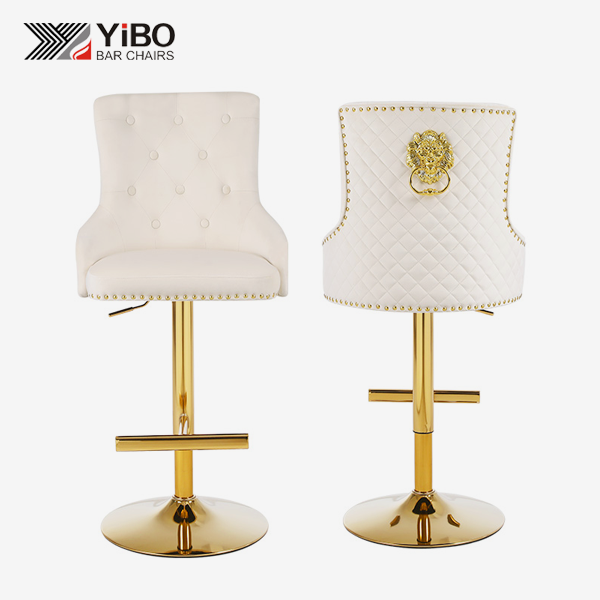
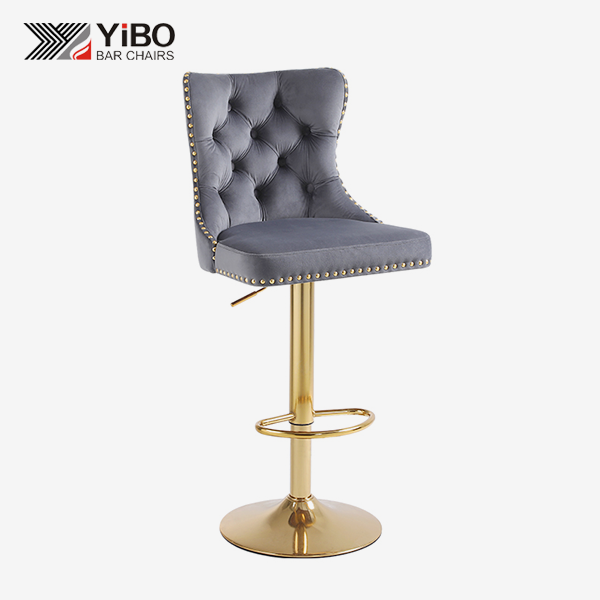
The combination of luxurious velvet upholstery with precision-engineered metal legs creates an overwhelming aesthetic that defines premium dining chairs, a blending that requires careful fabric selection and assembly methods to achieve enduring beauty. Velvet quality grades vary significantly across providers, making selection crucial for long-term satisfaction, as commercial-grade velvets feature polyester-nylon mixes that provide superior durability compared to pure cotton options, with the pile density, measured in tufts per inch, directly correlating with texture longevity, and premium options surpassing 200 tufts per inch to create dense, resilient surfaces that maintain their appearance under heavy use.
Color-fastness testing ensures velvet maintains its vibrancy throughout its service life, with advanced dyeing processes incorporating UV-resistant compounds to prevent fading in high-light environments, a consideration especially critical for chic dining chairs destined for restaurants with extensive window exposure. Metal leg finishing techniques significantly impact both appearance and durability, as powder coating provides excellent chip resistance while offering unlimited color options, electroplating with chrome, brass, or copper creates dazzling metallic finishes that complement various interior design schemes, and PVD (Physical Vapor Deposition) coating represents the apex of metal finishing, providing exceptional hardness and corrosion resistance. Cross-leg configurations offer superior stability compared to traditional four-leg designs, as the triangulated structure distributes loads more effectively, reducing individual leg stress, while this geometry also provides enhanced clearance for feet and personal items, improving user comfort in cramped seating arrangements.

Quality Craftsmanship Standards and Assembly Considerations
Manufacturing excellence in sophisticated modern luxury dining chairs demands rigorous quality control measures throughout the production process. Understanding these standards helps buyers identify reliable suppliers capable of delivering consistent results.Material inspection protocols begin with incoming raw materials. Steel tubing undergoes wall thickness verification using ultrasonic testing equipment. Wood moisture content must fall within 8-12% ranges to prevent warping or cracking after manufacturing.
Fabric quality audits examine tensile strength, colorfastness, and dimensional stability before production approval.Precision machining tolerances directly impact assembly quality and long-term durability. CNC equipment maintains dimensional accuracy within ±0.1mm, ensuring consistent fit between components. This precision eliminates gaps that could lead to squeaking or loosening over time, common issues that damage brand reputation.Welding quality standards follow international specifications including AWS D1.3 for structural welding. X-ray inspection of critical joints ensures complete penetration and absence of internal defects. Visual inspections identify surface irregularities that could affect finishing quality or create stress concentration points.
Assembly sequence optimization reduces manufacturing time while improving final quality. Modular approaches allow parallel processing of subassemblies, reducing lead times crucial for commercial projects with tight deadlines. Pre-assembled components undergo function testing before final packaging, ensuring customers receive products ready for immediate use.Finishing quality control employs both automated systems and human inspection. Spray booth environments maintain precise temperature and humidity levels for consistent coating application. Final inspection protocols examine every surface of modern luxury dining chairs using standardized lighting conditions that reveal even minor imperfections.
Sustainable Materials and Environmental Considerations
Environmental responsibility increasingly influences purchasing decisions for statement dining chairs, particularly among hospitality clients pursuing green certifications. Progressive manufacturers implement comprehensive sustainability programs addressing every aspect of production.FSC-certified wood sourcing ensures responsible forest management throughout the supply chain. Chain-of-custody documentation tracks materials from forest to finished product, providing transparency that satisfies LEED and other green building requirements.
Reclaimed wood options offer unique aesthetic characteristics while maximizing resource utilization.Low-VOC finishes eliminate harmful emissions that could affect indoor air quality. Water-based polyurethanes and powder coatings meet stringent environmental standards without compromising durability or appearance. These formulations prove particularly important for educational and healthcare applications where air quality directly impacts occupant health.Recyclable materials selection facilitates end-of-life disposal while reducing environmental impact. Aluminum components can be recycled indefinitely without quality degradation. Steel frames accept magnetic separation during recycling processes, ensuring efficient material recovery.
Even fabric selections increasingly favor recyclable synthetic fibers over traditional natural materials.Energy-efficient manufacturing processes reduce the carbon footprint associated with production. LED lighting systems in manufacturing facilities reduce electrical consumption by 60-70% compared to traditional fluorescent installations. Solar panel installations provide renewable energy for powder coating ovens and other high-energy processes.Packaging optimization minimizes waste while protecting products during international shipping. Recyclable cardboard and biodegradable foam replacements eliminate problematic materials. Flat-pack designs reduce shipping volume by up to 40%, lowering transportation emissions while reducing costs.
Innovation in Modern Luxury Seating Technologies
Technological advancement continues reshaping the modern luxury dining chairs landscape, introducing features that enhance both comfort and functionality. Smart integration capabilities position furniture pieces for future connectivity requirements.Memory foam integration in seat cushions provides personalized comfort that adapts to individual body types. Temperature-sensitive formulations offer firmness variations based on ambient conditions, ensuring consistent comfort across diverse climates.
Gel-infused variants enhance cooling properties, particularly valuable in warm-weather locations.Antimicrobial treatments embedded within upholstery materials provide additional hygiene benefits crucial for commercial applications. Silver ion technology creates hostile environments for bacteria and fungi without affecting fabric appearance or comfort. These treatments prove particularly valuable in healthcare and educational settings where sanitation requirements are stringent.
Wireless charging integration within seat frames accommodates modern connectivity needs. Concealed charging pads maintain clean aesthetic lines while providing convenient device charging capabilities. USB ports integrated into metal leg structures offer additional connectivity options for venues targeting tech-savvy clientele.Smart sensors embedded within frames monitor usage patterns and structural integrity. Load sensors track weight distribution, identifying potential issues before they become failures. This data enables predictive maintenance schedules that minimize downtime in commercial environments where modern luxury dining chairs are deployed.
Conclusion
The evolution of dining chairs modern luxury reflects broader trends toward sophisticated design, environmental responsibility, and technological integration. Successful procurement requires understanding the intricate relationships between materials, construction techniques, and intended applications. Quality manufacturers distinguish themselves through comprehensive testing protocols, sustainable practices, and innovative design approaches that anticipate future market needs. Investment in premium seating solutions ultimately reflects commitment to user experience and long-term value creation.
Partner with YiBo for Premium Dining Chairs Modern Luxury Solutions
YiBo stands as your trusted dining chairs modern luxury manufacturer, delivering exceptional quality across 14 years of specialized experience. Our comprehensive OEM/ODM capabilities, advanced R&D team, and sustainable manufacturing processes ensure your procurement needs receive expert attention. Contact yb@ajyibo.com today to discover how our innovative seating solutions can enhance your commercial projects while maintaining competitive pricing structures.
References
1. Chen, L. & Morrison, K. (2023). "Advanced Materials in Contemporary Furniture Manufacturing: A Comprehensive Analysis of Durability Standards." International Journal of Furniture Design and Technology, 45(3), 78-92.
2. Rodriguez, M.A. (2022). "Ergonomic Principles in Commercial Seating Design: Evidence-Based Approaches for Enhanced User Comfort." Ergonomics and Workplace Design Quarterly, 18(2), 134-151.
3. Thompson, D.J., Wang, S. & Ellis, R. (2023). "Sustainable Manufacturing Practices in the Global Furniture Industry: A Case Study Analysis." Environmental Manufacturing Review, 12(4), 203-218.
4. Williams, P.G. & Kumar, A. (2022). "Quality Control Standards in International Furniture Trade: Comparative Analysis of Testing Protocols." Manufacturing Quality Assurance Journal, 29(1), 45-63.
5. Zhang, H., Miller, J.K. & Brown, S.T. (2023). "Innovation in Upholstery Materials: Performance Characteristics of Modern Synthetic Fabrics." Textile Technology and Applications, 31(6), 112-127.
6. Anderson, C.M. & Liu, X. (2022). "Metal Finishing Techniques for Furniture Applications: Durability and Aesthetic Considerations." Surface Treatment Technologies, 15(3), 89-104.