

 (1)_1777442575043.jpg)
Find the Perfect Accent Chair: A Guide to Style, Comfort and Fabric
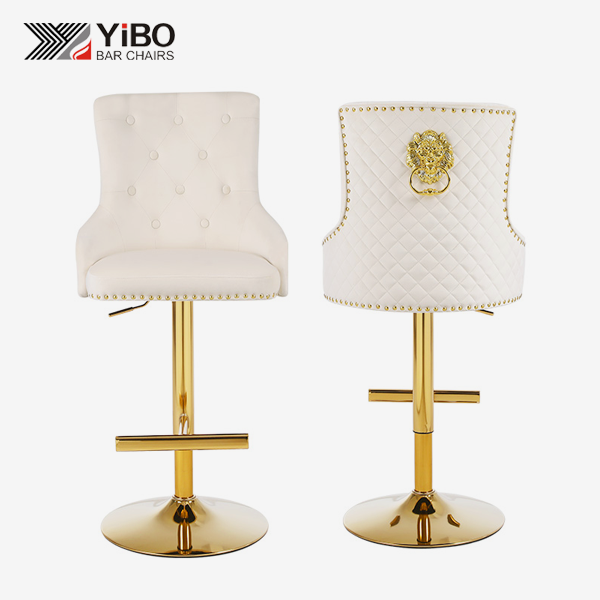
To find the best oversized accent chair for a business place, you need to find a balance between how it looks and how well it works. A "chair-and-a-half" or oversized accent chair has extra-large seats that are in the middle of normal armchairs and loveseats, usually with sizes between 45 and 60 inches. These statement pieces solve important space problems in hotel lobbies, business lounges, and retail showrooms by making a strong visual impact and offering superior comfort. When procurement managers look for seating options, they need to know how style, fabric choice, and ergonomic design all work together to make spaces that are welcoming, can handle heavy business use, and still stay true to the brand.
Understanding Oversized Accent Chairs: Features and Benefits
What Makes an Accent Chair "Oversized"?
The technical meaning is based on measurements that are bigger than what is normally used for seating in the business. Standard armchairs are about 30 inches wide and have 20-inch seat levels. An oversized accent chair, on the other hand, are 35 to 60 inches wide and 35 to 40 inches deep. This bigger size lets people sit in a variety of ways, from formal, upright positions to casual, relaxing positions. This makes them especially useful in semi-public areas where people expect both comfort and formality.
Commercial Advantages in High-Traffic Environments
Hospitality places and business settings need chairs that can stand up to heavy use. An oversized accent chair with strengthened frames can handle the repeated stress of 50 or more contacts every day and still stay structurally sound. The bigger surface area spreads weight more evenly than regular chairs, so the fabric and frame parts don't wear out as quickly in certain places. Hotels that use these pieces in their lobby setups say that they need to be replaced 30% less often than regular seating groups. It's also impossible to overstate the visual impact—one well-placed big chair makes an anchor point that organizes the area around it and sets up seating zones in a hierarchy without buying any more furniture.
Ergonomic Support Across User Demographics
A wide range of people with different physical needs work in commercial settings. Seats that are wider can easily fit people of all body types, which is an issue that normal 22-inch seats can't solve. The extra depth lets people sit all the way back and get good spine support, or they can lean forward for short conversations. This adaptability is especially useful in waiting areas where people stay for a wide range of lengths of time. According to physical therapists, chairs that let you sit in different positions are better for your muscles and joints when you're sitting for long amounts of time. This is something that should be thought about for office meeting areas and co-working spaces.
Comparison With Alternative Seating Solutions
Even though recliners can be adjusted, they don't have the official look that's needed in a business setting, and they have places where they can break. Traditional couches look proper, but they don't provide the comfort that is needed in modern "resimercial" settings that combine the ease of home life with business needs. Loveseats add space, but they also make people sit close together, which might not be acceptable in a work setting. An oversized accent chair is the perfect compromise between comfort and space-saving design. They offer lounge-like ease in a size that's good for one person's use, while also presenting a level of design sophistication that supports brand positioning.
Key Styles and Fabric Options for Oversized Accent Chairs
Contemporary Design Trends in Commercial Interiors
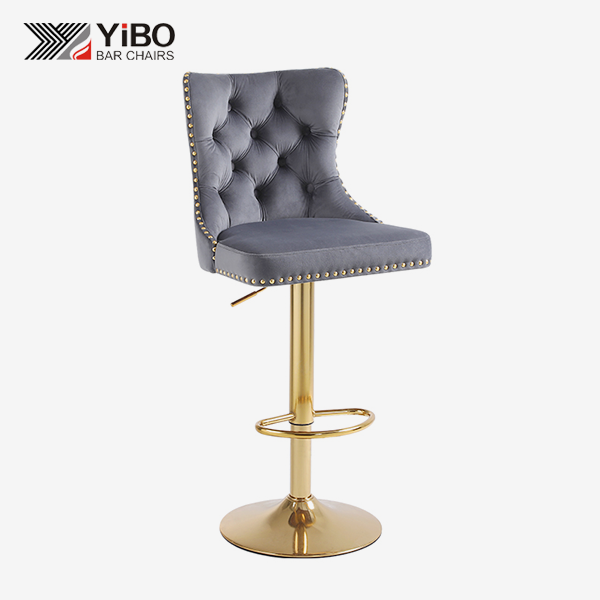
At the moment, the market likes shapes with clean lines and small curves that soften the geometry of modernism. Tech company sites like low-profile designs with track arms and visible wood legs finished in walnut or ash. These styles make the furniture look sophisticated without being too formal. More and more, boutique hotels are asking for artistic pieces with channel stitching or pleated backs that look good on social media but are still comfortable to use. Scandinavian design is still very popular. Purchasing managers want furniture with light wood frames and natural fabrics that match the rest of the furniture on the property.
Mid-Century Modern and Vintage Aesthetics
Design languages from the 1950s to the 1970s are still popular and drive a lot of definition work. The tapered wooden legs, button tufting, and curved backs are all reminiscent of this era, while current production makes them last longer. This style is especially popular in co-working spaces and creative companies because it shows that the person is real and has good taste. Reproduction pieces now have modern foam thicknesses and stain-resistant finishes that the original historical items didn't have. This means that they can be used in business settings. Buyers like that these styles age well—a little wear adds to the style instead of making it look broken, which makes the item seem to last longer.
Fabric Performance: Velvet and Upholstery Textiles
Premium velvet furniture looks amazing, but it needs to be engineered for performance before it can be sold commercially. While solution-dyed synthetic velvets don't fade or stain, they still look shiny like natural fiber forms. For moderate-traffic areas, abrasion resistance ratings should be higher than 50,000 double rubs (Wyzenbeek method); for high-use areas like hotel halls, ratings of 100,000 or more are required. The horizontal pile of velvet makes the colors look slightly different, which hides light dirt between expert cleanings. We use high-end velvet fabrics from Abner, Jaegar, Galotti, and Case at Anji Yibo Furniture Co., Ltd. These fabrics meet strict industrial durability standards and have a soft, luxurious feel that goes well with high-end furnishings.
Leather and Synthetic Alternatives
Top-grain leather looks expensive and gets a nice patina over time, but synthetic options are often more cost-effective. Modern polyurethane materials look and feel like leather, but they are more stain-resistant and easier to clean. Procurement managers should ask for samples that show they won't crack when they're cold and will keep their flexibility after a lot of use. Bonded leather, which is made of leather bits that are joined together with polyurethane, shouldn't be used in business settings because it tears when it's used a lot. Full aniline leather looks like the real thing, but it doesn't have the protecting finish that businesses need. For these reasons, semi-aniline or pigmented leather are better options.
Performance Textiles for Demanding Applications
Crypton and other similar performance fabric technologies surround each fiber with moisture shields that keep liquids out while still letting the cloth breathe. These engineered fabrics stop germs from growing and make it easier to clean, which are important qualities as health-conscious building management becomes the norm. Outdoor-rated fabrics, such as solution-dyed acrylics, are very long-lasting and easy to clean, but their slightly rougher hand-feel might not work in high-end business areas that look like homes. Using a mix of natural fibers and manufactured fibers to make clothes creates the best balance between how they look and how well they work.
Sizing and Space Planning Considerations
The people in charge of procurement have to keep track of the real floor footprints, which include any gaps. To allow for side gaps and visible breathing room, an oversized accent chair needs at least 70 inches of wall space. If there are devices for reclining, the depth measures should include those angles. For example, a 38-inch stated depth may need 55 inches when the sofa is filled. The height of the ceiling affects how big something looks. For example, 8-foot ceilings require designs with lower profiles, while 12-foot ceilings allow for tall backs that would be too much for private areas. Traffic flow patterns need 36 to 48-inch gaps between groups of seats, which lowers the real capacity compared to CAD plans that don't take into account the needs of people moving around.
How to Choose the Perfect Accent Chair: A Decision Support Approach
Assessing Application Scenarios and Environments
Office rooms are places where people can stop for a short time to work together or focus on their own work. The seats here need to support you while standing and have medium-firm padding that doesn't encourage you to relax for long periods of time at work. Hotel entrances need visual interest and a place for guests to put their bags next to where they are sitting, which means that the bases must be open and not have stretcher bars. An oversized accent chair is used in retail stores as both useful seating and marketing tools that show quality and need to be kept spotless even when customers are around. Different situations call for different needs that can't be met by standard seats.
Understanding User Demographics and Comfort Expectations
Companies with a lot of young workers can ask for styles that are on trend and have stronger, more modern cushions. Higher seat heights (18–20 inches versus normal 17 inches) are needed in senior living and healthcare-adjacent restaurants to make it easier for people to stand up, with arms placed to help with balance. International hotels have to take into account what people from different cultures want. For example, people from Asia tend to want harder seats, while people from North America expect softer ones. Patterns of user length are also important. Waiting areas where people only stay for 15 minutes at a time can put more emphasis on looks than comfort, but airport bars where people stay for hours need real ergonomic performance.
Style Compatibility With Interior Design and Branding
Brand personality is present at all points of contact, even when choosing furniture. Financial companies usually like frames made of leather and metal because they look stable and long-lasting. Technology businesses are specifying residential-style comfort more and more, which shows that they are approachable and value their employees. Boutique hotels are different because they purposely mix styles and times, creating a tailored eclecticism. To keep things consistent across multiple furniture sellers and assembly stages, procurement managers should write down design guidelines that list accepted style parameters, finish choices, and scale relationships.
Evaluating Fabric Resilience and Warranty Terms
Commercial guarantees are very different from private ones. Manufacturers with a good reputation will cover the frame for 5 to 10 years and the fabric for 2 to 3 years if the furniture is used for business purposes. Read the exclusions carefully, because many warranties aren't valid if you use the wrong cleaning methods or expose chemicals that aren't supposed to be there. Ask for performance records on the fabric from a third party, such as Wyzenbeek abrasion results, colorfastness scores (Grade 4+ on AATCC 16 testing), and flame resistance certificates that meet local code standards. Standardized tests, not marketing claims, should be used to show that something is stain-resistant.
Sustainability Certifications and Responsible Sourcing
Environmental concerns are becoming more and more important in buying choices. FSC-certified wood frames show that the trees were cut down in a responsible way, and Greenguard certification shows that the frames have low VOC emissions that protect the air quality inside. Organizations that have to be environmentally friendly care about recycled material amounts and how easy it is to recycle at the end of its life. Environmental Product Declarations (EPDs) show that manufacturers are honest about how their products affect the earth over their whole lifetime. These standards also make it easier to earn LEED points for new buildings and big renovations where furniture adds to the total sustainability grade of the building.
Supplier Evaluation: Reliability and Customization Capabilities
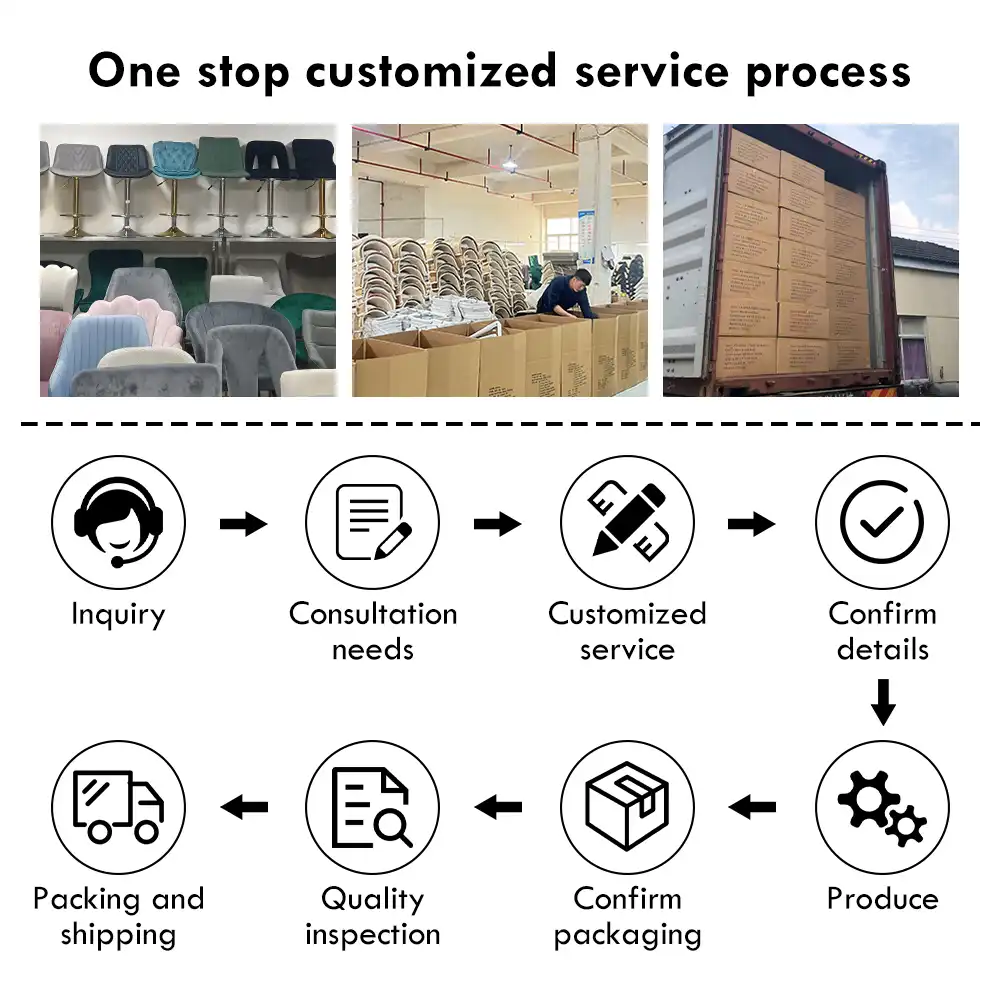
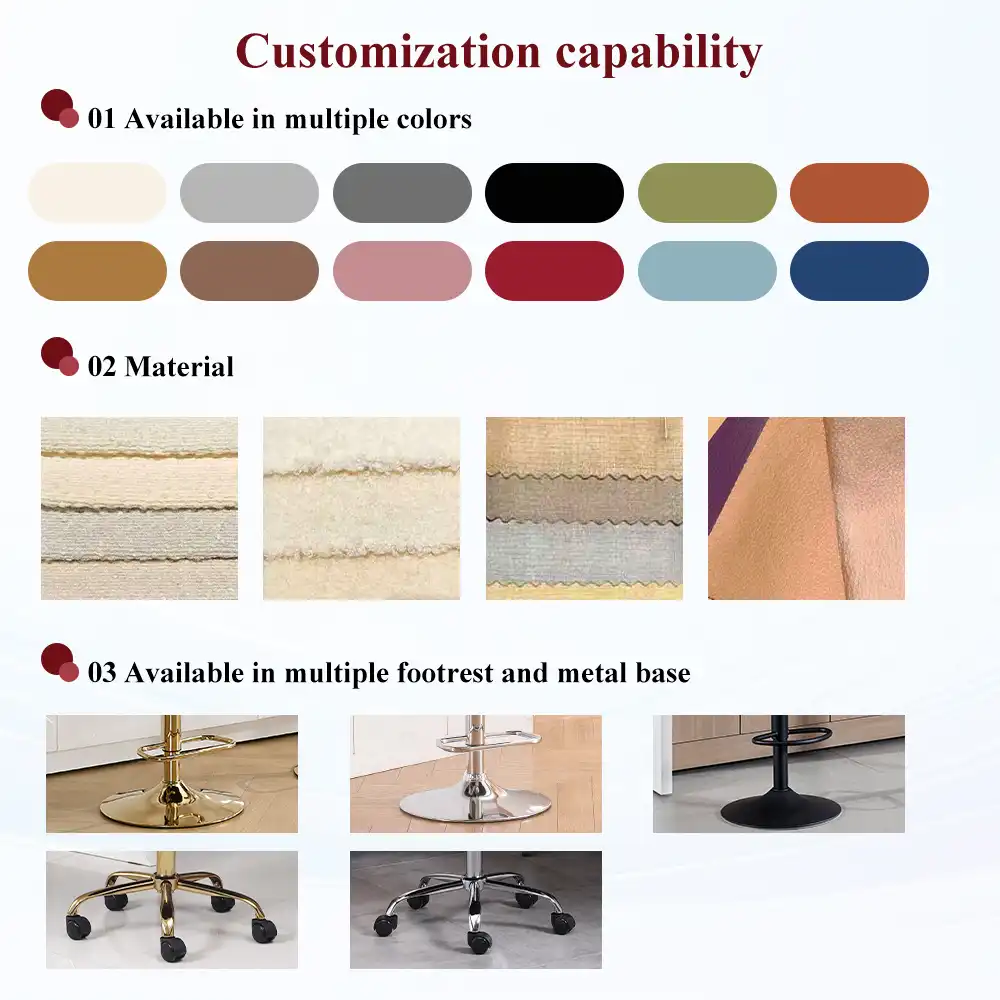
Evaluation of vendors includes more than just product quality; it also includes operating dependability. Performance in on-time delivery affects project plans and how well contractors work together. Clear lines of contact and sales help in English keep mistakes from happening during the buying and design process, which can be very expensive. When regular goods don't exactly match what was planned, customization options like changing dimensions, COM (Customer's Own Material) programs, and matching finishes give you more options. Anji Yibo Furniture Co., Ltd. has been making chairs for 14 years and can do both OEM and ODM work. This means that we can customize our seating solutions to meet the needs of each project while keeping our prices low enough for sales and retail partners.
Procurement Insights: Buying Oversized Accent Chairs for Business Use
Strategic Sourcing Channels for Bulk Orders
When you buy oversized accent chairs directly from a maker, you don't have to pay markups to a distributor. This can save you 20–40% on container-level sales. China-based production, especially from Anji, which is known as a global hub for chair making, offers the best quality-to-cost rates for buyers on a budget. Trade shows like High Point Market and the Cologne International Furniture Fair let you see the furniture in person before making a purchase, but more and more advanced sample programs also let you specify from afar. Online business-to-business (B2B) tools help find vendors and get initial quotes, but they don't provide the level of relationship depth needed for complex customization. When digital study is combined with direct contact with the manufacturer, the results are better in both terms of speed and quality.
Financing and Delivery Negotiations
The cost of moving containers changes a lot depending on how services work around the world. When you negotiate FOB terms, make sure you know if the price includes delivery to the port, clearing customs, or inland freight to the end location. If there is space in the warehouse, making volume promises for more than one delivery date can get you better prices than a single big order. Payment terms vary. Chinese makers usually ask for 30–50% down payments, with the rest due before shipping. However, if you have a history with them, you may be able to work out better terms. Instead of just looking at unit prices, you should think about the total landed cost, which includes taxes, freight, and any possible storing.
Balancing Cost Management With Quality Requirements
Performance standards must match the limits of the budget. Well-made items from reputable makers last longer than cheap options by many years, which means that even though they cost more to buy, they end up saving you money in the long run. Set basic standards for frame construction (kiln-dried hardwood vs. engineered wood), cushion density, and fabric specs, and then look at different sellers who meet these standards. Avoid vague quality levels like "commercial grade" that don't come with any specifics. These marketing terms don't have a standard meaning. Ask for full details of the building processes, such as the types of wood used, the spring systems, and the thicknesses of the foam, so that you can make an objective comparison.
Case Study: Hospitality Deployment
A 150-room boutique hotel company asked for an oversized accent chair with custom finishes to be used in the lobby and hallways of five different sites. Working with an experienced Anji maker, they came up with a modified standard design with marine-grade stain resistance, reinforced frames that can hold up to 350 pounds, and different finish choices that would match the color scheme of each site. The manufacturer's ODM skills let them use unique design features that set the brand apart while using tried-and-true building methods that ensured dependability. The cost per unit was 35% less when getting in bulk compared to buying from a domestic source with the same wait time, even when North American manufacturers had backlogs. Two years after it was installed, the furniture is still in great shape with only regular upkeep, which proves the plan for buying it was right.
Distribution and Wholesale Considerations
Distributors who buy to resell need different help than end users. Sample programs with lower prices make it easier to set up displays in showrooms. Drop-shipping from maker locations lowers the costs for distributors who carry inventory. Customers can make accurate promises when there are clear minimum order amounts and wait times. Distributors can lower their sales costs by getting marketing help like professional photos and detail sheets. When enough volume is sold, exclusive area agreements can be made, which protects the distributor's investment in developing the market. These parts of a partnership turn buying things one-time into long-term relationships with suppliers that are good for both parties.
Conclusion
When looking for the right statement seats for a business, you need to think carefully about the space you have, how the fabric will perform, how the style will fit with your brand, and how the seller can support a long-term relationship. An oversized accent chair has special benefits in places like hotels, offices, and stores where they need to look good and make people feel more comfortable. A good procurement process combines the short-term budget with the long-term value of the goods, knowing that well-specified furniture from reputable makers lasts for years and reinforces the brand image that is wanted. These choices are hard because they involve judging how something looks, making sure it meets technical requirements, and evaluating suppliers. This shows how important it is to work with experienced makers who can provide both high-quality goods and full support throughout the whole buying process.
FAQ
What distinguishes oversized accent chairs from standard seating?
An oversized accent chair that are bigger have seat widths that are 45 to 60 inches, while normal armchairs have seat widths that are 28 to 32 inches. They also have deeper seats that are 35 to 40 inches. This bigger size allows for different sitting positions and more people to use it at the same time, and it has a strong visual presence that works well in business spaces.
How do I determine appropriate fabric choices for commercial use?
Check the abrasion resistance rates (at least 50,000 double rubs for modest traffic), how easy it is to clean, how well it resists stains, and how well it fits with your brand's look. Most of the time, performance textiles and solution-dyed fabrics work better than natural fibers in business settings that need to be cleaned often and are used a lot.
What warranty terms should commercial buyers expect?
Manufacturers with a good reputation will cover the frame for 5 to 10 years and the fabric for 2 to 3 years if the furniture is used for business purposes. Check the exceptions for upkeep needs and allowed cleaning methods, as not taking proper care of something can often void coverage. Before committing to a purchase, ask for written proof of the guarantee terms.
Can manufacturers accommodate custom dimensions and finishes?
Suppliers with a lot of experience and OEM/ODM skills can change standard designs to fit particular needs, such as by changing the sizes, using custom fabrics, matching finishes, and adding unique design elements. For fully custom work, minimum order numbers are usually higher, but for finish and fabric substitutions, they are usually cheaper.
Partner With YIBO for Your Commercial Seating Solutions
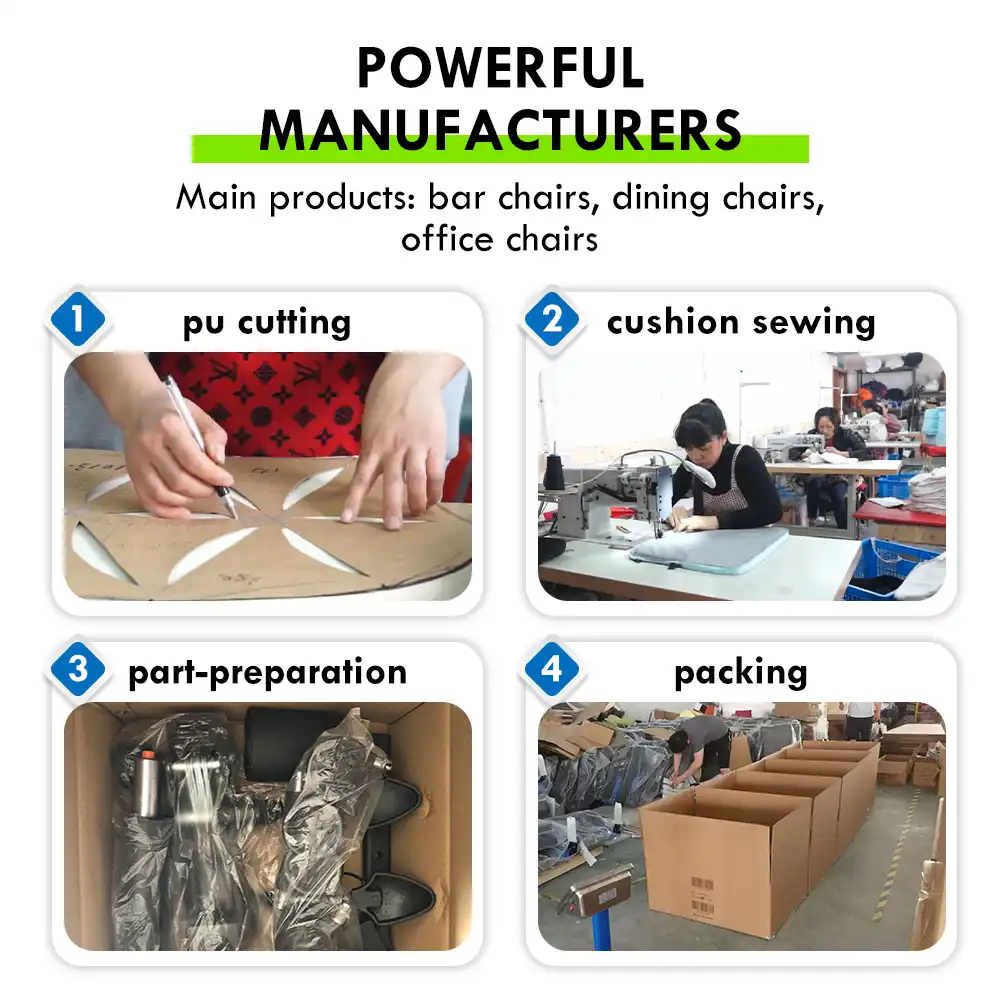
The main thing that Anji Yibo Furniture Co., Ltd. does is make high-end statement seating that meets the strict needs of foreign hotels, businesses, and stores. Our company has been making an oversized accent chair for 14 years, so we know exactly what procurement professionals are looking for when it comes to the right mix between style and sturdiness. Our 6,000-square-meter factory in Anji, China, which is known as the chair manufacturing center of the world, uses both high-tech tools and skilled labor to make ergonomic designs with high-quality velvet upholstery, a strong metal frame, and foam-filled cushions that are made to last.
As an OEM or ODM customer, you can fully customize our products by choosing the sizes, styles, fabrics, and design changes that are perfect for your brand and project needs. Our strict quality control measures and foreign certifications, such as ISO 9001:2015, BIFMA, and FSC, make sure that the same high standards of manufacturing are used for all container-level sales. We've built long relationships with distributors, wholesalers, and project workers in 70 countries thanks to our helpful customer service that's available 24 hours a day, seven days a week, and our efficient packing that saves space and works best for moving goods abroad.
Get in touch with our knowledgeable sales team at yb@ajyibo.com to talk about your future seating needs. We give you thorough quotes, set up shipping of samples, and work with you to find solutions that balance your style preferences with your budget and delivery times. Find out how working with a dedicated seller of oversized accent chairs can make your search easier while still giving your business projects the quality and dependability they need.
References
1. Miller, Sarah and Thompson, Robert. "Commercial Furniture Specification: A Guide for Hospitality and Corporate Buyers." Interior Design Press, 2023.
2. Chen, David. "The Anji Furniture Manufacturing Cluster: Quality Production in China's Chair Capital." Asian Manufacturing Review, Vol. 18, No. 3, 2022.
3. Williams, Jennifer. "Fabric Performance Standards for Contract Interiors." Textile Technology International, 2023.
4. Anderson, Mark. "Ergonomics in Commercial Seating: Accommodating Diverse User Populations." Journal of Interior Architecture, Spring 2024.
5. Roberts, Elizabeth. "Sustainable Procurement in the Hospitality Industry: Environmental Certifications and Supplier Selection." Green Business Quarterly, 2023.
6. Zhang, Wei and Liu, Xiaoming. "Global Furniture Supply Chains: Strategic Sourcing from Chinese Manufacturers." International Trade Journal, Vol. 37, No. 4, 2024.