

 (1)_1777442575043.jpg)
Golden Bar Stool Combines Elegant Finishes with Durable Commercial Performance
When procurement managers search for seating solutions that deliver both aesthetic impact and long-term reliability, the golden bar stool emerges as a standout choice. This seating category marries luxurious metallic finishes with engineered durability, addressing the dual demands of visual sophistication and commercial-grade performance. Whether outfitting a boutique hotel bar, a high-volume restaurant, or a corporate event space, these stools provide the design statement and structural resilience necessary to justify investment in competitive hospitality markets.
Understanding Golden Bar Stools: Elegance Meets Durability
What Defines a Golden Bar Stool?
Stainless steel grades 201 or 304 are usually used to make the frame of a golden bar stool. Special surface finishes are used to give the stool its signature shiny look. Physical Vapor Deposition (PVD) titanium plating and other advanced methods bond the gold tone at the molecular level. This makes a finish that is much more resistant to chipping, fading, and corrosion than regular spray paint. This engineering method fixes a problem that many businesses have: surfaces that wear down quickly in places with a lot of foot traffic and surfaces that tarnish in wet or seaside areas.
Premium Materials That Deliver Commercial Longevity
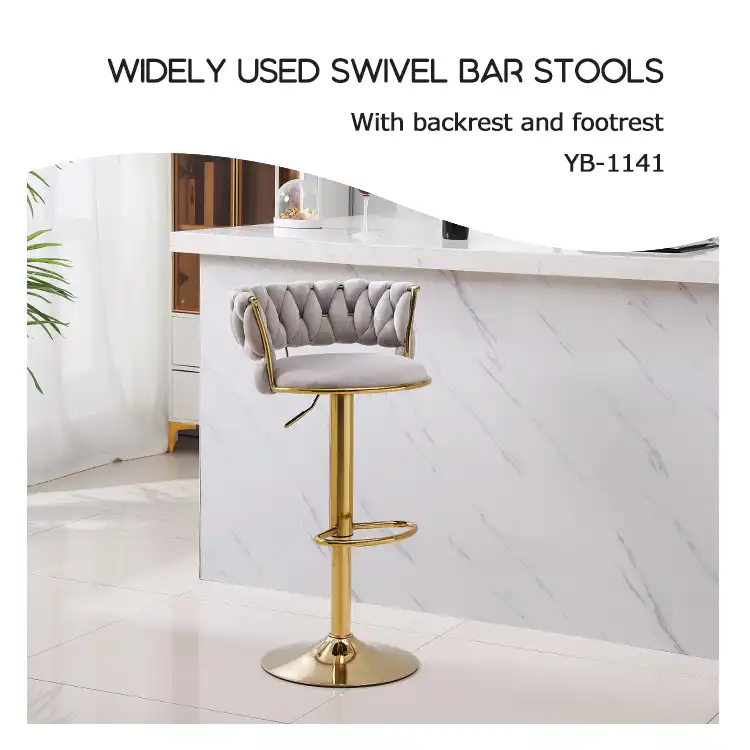
The choice of material is the key to making sure that the seating is stable. This idea is shown by our YB-1141 model, which has a 385mm×1.1mm electroplated round frame that keeps it stable and can hold up to 300 pounds of standing load. The 330# secondary air rod makes it easy to change the height from 30 to 38 inches, so it can be used for both counter-height and bar-height tasks. The type of upholstery you choose is also important. For example, 220-gram velvet matched with standard-density sponge is comfortable without losing the shape retention that is needed for long-term use. The iron handle and semicircular footrest finish off the useful design, meeting practical needs in places where people move around a lot.
Benefits Beyond Visual Appeal
It is possible for corrosion-resistant metal types to keep their shape even after years of cleaning with commercial-grade chemicals. A key measure of quality, salt spray testing shows that high-end finishes can stand up to 24 to 48 hours of contact without oxidizing. This level of performance sets professional-grade products apart from cheaper options for homes. The effect on brand recognition is so great that it cannot be emphasized enough. Customers can tell that a finish is high-quality by its metallic look. This makes the finish seem more valuable in hotel settings where the mood directly affects how much people spend.
How to Choose the Ideal Golden Bar Stool for Your Business Needs
Assessing Your Operational Context
Purchasing managers need to make sure that the product specs match how the golden bar stool will be used. A drink bar might focus on swivel features and plush padding to make guests more comfortable for longer periods of time, while a quick-service restaurant might focus on surfaces that are easy to clean and stackability to make floor management easier. When measuring the space between bar counters and floors, make sure there is enough room for the 16-inch base diameter that most stable designs have. Backrests affect both comfort and room use. Backless types make the most of under-counter storage but may shorten the average amount of time spent sitting.
Critical Decision Criteria for B2B Buyers
Height adjustability is a must-have for places that serve a variety of purposes. Models with gas lift systems can be used with counters of different heights and with users' wishes without having to keep multiple SKUs in stock. Cushioning density directly affects how often you need to replace it. High-resilience foam that is more than 45 kg/m³ keeps its shape for thousands of uses, so you don't have to replace it as often. Swivel systems make things easier to use, but they have moving parts that need to be inspected every so often. Buyers have to weigh this against the better user experience.
Performance Comparison: Metallic vs. Wooden Bar Stools
| Requirements | Golden Metallic Finish | Hard Wood |
|---|---|---|
| Lasting Power | PVD coating is about 2000 HV hard, so it is very resistant to hits and cuts. | Moderate; holes and surface wear are common |
| Taking care of | Wipe it down with a microfibre cloth and light soap. | Needs regular oiling and refinishing |
| Resistance to Moisture | Better when the base is made of stainless steel | Poor; chances of bending and cracking |
| How much | lighter; cleaners can move it around more easily. | Heavier adjustment that takes more work |
| Feeling free with your looks | Modern, glitzy, and appropriate for modern themes | Warm and traditional, it goes with classic and country themes. |
Maintenance and Care: Prolonging the Life of Golden Bar Stools
Recommended Cleaning Protocols
To keep the shine looking like a mirror and ensure the golden bar stool lasts, you should stay away from acidic or rough substances that damage protective coatings. To get rid of fingerprints and drink residue, we suggest cleaning small areas every day with microfibre cloths that have been dampened in pH-neutral soapy water. Every week, you should deep clean your furniture by checking all the contact points, like the footrests, handles, and seat edges, where dirt can gather. Facilities management teams should keep track of the cleaning products they use. Chlorine-based disinfectants are good for keeping things clean, but they can speed up the rusting of less durable finishes.
Preventive Inspection Checklists
Structure checks should be part of every three-month maintenance plan. For example, check the gas lift tanks to make sure they work smoothly, look for tiny cracks in the weld joints, and tighten any bolts that connect seat sections to bases that are loose. Pay close attention to the small levelling feet under each stool called "adjustable floor glides." Uneven flooring makes the furniture wobble, which guests see as a sign of low quality. Rotating the wheels every three months makes sure that the wear is spread out evenly. Taking care of these small problems ahead of time will save you the money you would have lost by taking units out of service during busy times.
Troubleshooting Common Issues
Wobbling is usually caused by uneven floors rather than problems with the way the product was made. By testing the stools on completely flat surfaces, like glass countertops, the problem can be found. If you clean lower-quality finishes the wrong way, surface scratches may show up. Moving to approved ways stops progress. If furniture shows signs of early wear, check to see if the fabric choice fits the amount of traffic—commercial-grade materials should be able to handle more than 30,000 Martindale rubs.
Procurement Strategies for Golden Bar Stools in Bulk and Custom Orders
Understanding Price Determinants
The level of sophistication of the materials directly affects how much a golden bar stool costs. Stools made of 304 stainless steel with PVD finishing cost more than those made of 201-grade steel with powder coating, but the difference in performance is worth it for places with a lot of moisture or that are close to nature. Models with complicated cutout designs or mixed materials (like metal frames with wood accents) cost more to make because they need more steps in the making process. Buyers should ask for full specifications to understand what the numbers given mean and look for ways to save money.
Negotiation Leverage Points
Orders at the container level allow for big savings of scale. When manufacturers get bulk orders, they can make the most of their production runs and packaging, which saves them money that they often share with customers who buy from them again. Another benefit of seasonal buying is that making orders during manufacturing slow times (usually after the Canton Fair) can lead to better terms as companies try to keep their workers busy. Long-term supply agreements are good for both parties. Buyers get stable prices and priority production slots, and suppliers get stable income that lets them invest in infrastructure.
Supplier Evaluation Framework
Certifications are important. For example, ANSI/BIFMA X5.1 compliance shows that goods meet well-known safety standards for business furniture, which lowers the risk of being sued. Logistics run more smoothly when you have experience exporting. Suppliers who know how to optimise container packing, fill out customs paperwork, and follow foreign shipping rules reduce delivery delays. Ask for references from clients in related markets. For example, a supplier that does great work with hotels might not have the fast prototyping tools that small shops need. Anji Yibo Furniture has been making bar stools for 14 years, so we know how to deal with these subtleties. We help clients from the first specification to final delivery in 70 countries.
Customization and Branding Advantages
With OEM and ODM, general goods can be turned into brand assets. Custom powder coating matches company colour schemes, and backrests with raised logos help people remember the brand. Customised packaging keeps goods safe during shipping and helps with marketing; for example, branded cartons make it more fun for customers to open their packages. Our research and development team works with buyers to change sizes, materials, and finishes so that products are suitable for local tastes. In Europe, buyers tend to like simple matte finishes, while in North America, they like high-gloss finishes that look good in photos for social media promotion.
Design Inspirations and Trends in Golden Bar Stools
Modern Minimalist Aesthetics
This group of furniture has simple, geometric shapes. Cylindrical seats on thin pedestals give the room a lightness that goes well with Scandinavian-style decor. The shiny finish gives minimalist rooms the "jewelry moment" that a golden bar stool provides, adding warmth without adding too much stuff. To mix industrial and natural elements, use these with colour schemes that are all one colour and natural patterns like concrete or raw wood.
Vintage Glamour Revival
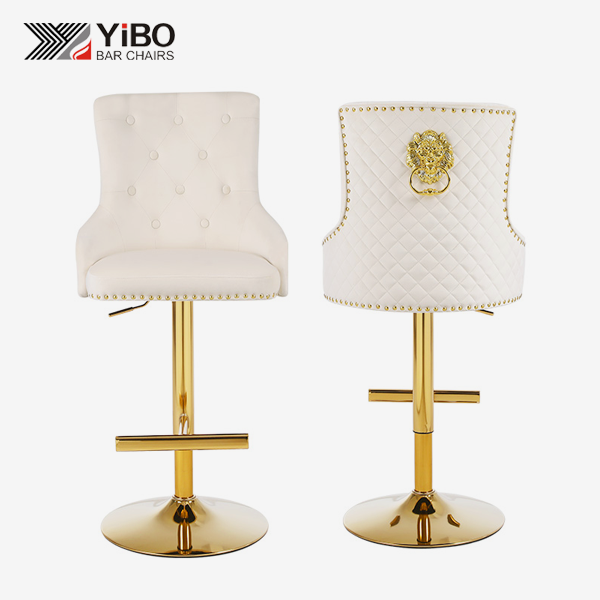
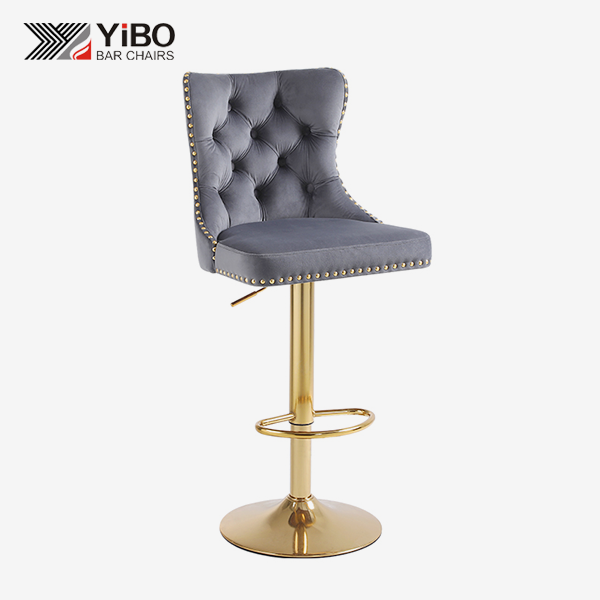
In hospitality design, Art Deco styles are coming back, which is driving demand for stools with gold-finished bases and pleated velvet seating in jewel tones like emerald, sapphire, and ruby. Channel-back details and nailhead trim raise the level of luxury, making it appealing to boutique hotels and high-end bars that want to attract people who want to try new kinds of food. This style works especially well in places that focus on making their interiors look good on Instagram and encourage people to share on social media.
Industrial Chic Integration
Putting together different types of raw materials makes things look more interesting. For example, golden metal frames with reclaimed wood seats or worn-out leather pillows combine class and roughness. When done on purpose, exposed fasteners and welds add to the sense of authenticity that is valued in brewery taprooms and urban restaurants. The difference between the brushed steel footrests and the finished gold frames gives the chairs more depth.
Emerging Market Directions
Sustainability factors are becoming more and more important in purchasing decisions. Brands that care about the environment like suppliers who use recyclable materials and low-VOC finishing methods. Modular furniture systems that let you change parts (like old pillows with new ones) and keep the bases help products last longer and produce less waste. Smart technology integration is still new, but it's growing. For example, wireless charging pads built into seats or Internet of Things (IoT) monitors that track how furniture is used are the next big thing in furniture innovation.

Conclusion
Because they look good and are strong, golden bar stools with a gold finish are a good investment for sophisticated hotel owners and commercial project contractors. With careful attention paid to material specs, finish technologies, and ergonomic design, these goods give measured returns through fewer replacements and better venue atmosphere. Product characteristics must be matched with practical facts for procurement to be successful. Intensity of traffic, environmental conditions, and brand positioning all play a role in making the best choices. As design trends move toward more personalised, Instagram-inspired experiences, the flexibility that comes with OEM/ODM partnerships becomes more valuable. It helps businesses stand out in competitive markets while still meeting the quality standards that global supply chains require.
FAQ
What distinguishes PVD finishing from standard paint on bar stools?
Through pressure chamber processes, PVD (Physical Vapor Deposition) bonds titanium nitride molecules to the parent metal of the golden bar stool. This makes the coating hard (around 2000 HV), so it doesn't chip or scratch. When used in a business setting, standard spray paint leaves a layer on top that can flake off. This difference has a direct effect on the total cost of ownership, since PVD-finished units keep their look over years of use while painted ones need to be touched up or replaced more often.
Can these stools function in outdoor or high-humidity environments?
Units made with 304 stainless steel bases and PVD finishes don't rust naturally, so they can be used on covered patios or along the coast when marine-grade materials are used for the upholstery. Standard types with wooden seat bases and fabrics that aren't weatherproof should stay inside. Always check that the specifications match the levels of environmental exposure to keep things from breaking down too quickly.
How do I address wobbling issues?
Most footing problems are caused by floors that aren't level. Good commercial stools have adjustable floor glides, which are like levelling feet, that can make up for uneven surfaces. Turn each glide until the unit sits still and doesn't rock. Check for frame defects like twisted welds if the wobbling continues on flat surfaces. This is a rare problem that requires replacement because it was made incorrectly.
What maintenance schedule optimizes lifespan?
Spot cleaning every day gets rid of surface dirt and grime before it sticks to finishes. Inspections once a week find problems like loose bolts or cloth snags before they get worse. Deep maintenance should be done every three months and should include lubricating the gas lift, checking the structure thoroughly, and adjusting the floor glide. This rhythm keeps small amounts of wear from getting worse and causing units to stop working, which would mean they could no longer be used.
Partner with YIBO: Your Trusted Golden Bar Stool Manufacturer
We at Anji Yibo Furniture Co., Ltd. have spent 14 years perfecting the mix between high-end style and long-lasting use that makes for great golden bar stool making. Our 6,000-square-meter factory in Anji, China's furniture heartland, uses cutting-edge PVD coating technology and strict quality standards to make sure that every unit that leaves our production lines meets ANSI/BIFMA standards. Every month, we ship a lot of containers to wholesalers, importers, and project workers in North America and Europe. Our space-efficient packaging lowers freight costs, and our sales team is quick to respond and solve problems within 24 hours. Our R&D experts take your needs and turn them into goods that are ready for the market, whether you need container-level bulk orders or ODM teamwork on custom finishes. Get in touch with our purchasing team at yb@ajyibo.com to talk about how our collections can make your next project better with competitive prices and on-time delivery.
References
1. American National Standards Institute (ANSI). "BIFMA X5.1-2017: General-Purpose Office Chairs – Tests." Business and Institutional Furniture Manufacturers Association, 2017.
2. Henderson, Mark. "Material Science in Commercial Furniture: Advances in Corrosion-Resistant Coatings." Journal of Hospitality Design and Manufacturing, vol. 28, no. 3, 2022, pp. 112-127.
3. Chen, Wei and Thomas Becker. "Ergonomic Seating Solutions for High-Traffic Hospitality Environments." International Furniture Production Review, vol. 15, no. 2, 2023, pp. 45-61.
4. Rodriguez, Elena. "Surface Treatment Technologies: Comparing PVD, Electroplating, and Powder Coating in Metal Furniture Applications." Materials Engineering Quarterly, vol. 41, no. 4, 2021, pp. 203-218.
5. Global Furniture Procurement Association. "Best Practices in B2B Commercial Seating Procurement: A Comprehensive Guide for Hospitality Buyers." Industry White Paper, 2023.
6. Liu, Jianming. "Sustainability and Lifecycle Management in Contract Furniture Manufacturing." Asian Manufacturing Excellence Journal, vol. 19, no. 1, 2023, pp. 78-94.