

 (1)_1777442575043.jpg)
Golden Bar Stool Designs Add Luxury Appeal to Premium Hospitality Spaces
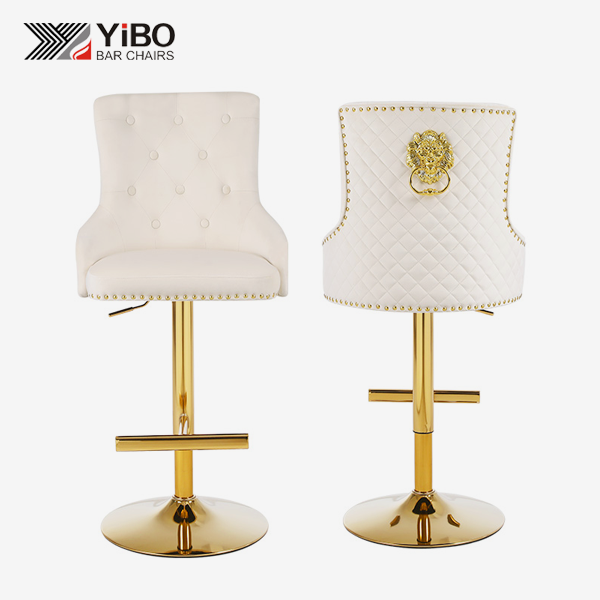
When hospitality venues seek to distinguish themselves in competitive markets, design choices speak volumes. Golden bar stool designs have emerged as strategic assets that communicate luxury, attention to detail, and brand sophistication before guests even take their seats. These pieces transcend their functional purpose, becoming visual anchors that define the character of upscale lounges, hotel bars, and premium restaurants across the United States hospitality landscape.
Introduction
When it comes to high-end dining settings, the choice of seats is more than just practical. Golden bar stools are a deliberate statement of elegance, refinement, and thoughtful design that appeals to discerning customers. The hardest part for procurement professionals in charge of big hospitality projects is finding the right balance between how things look and how long they last. Working with skilled manufacturers who know how to change designs and build things that are strong enough for commercial use will make sure that your investment lasts. We at Anji Yibo Furniture Co., Ltd. have spent 14 years improving this balance by making seating options that look high-end while also being strong enough for places with a lot of people. Our factory in Anji, Zhejiang, which is known as China's furniture manufacturing hub, sends containers of carefully made seats to hospitality projects all over the world every month, helping sourcing teams that won't settle for less than quality or on-time delivery.
Understanding Golden Bar Stool Designs and Their Luxury Appeal
The Evolution of Metallic Finishes in Hospitality Seating
Trends in metal finishes for business furniture show that people are moving toward warmer, more mature tones. Chrome and brushed nickel were popular in the 1980s and 1990s, but now gold-toned finishes are popular in hotel design because they look both old-fashioned and high-tech. This change is part of a larger trend in interior design that uses Art Deco revival elements and maximalist touches in rooms that are normally very simple.
Physical Vapour Deposition (PVD) titanium plating, standard electroplating, or electrostatic powder coating are the three most common ways that the surface of high-end metal seats is treated. Titanium nitride is bonded at the molecular level by PVD technology. This makes the surface hard, close to 2000 HV, so it doesn't get scratched by belt buckles, bag hardware, and the constant friction of business use. This method fixes a common problem in the industry: painted finishes that chip and flake within months of being put on. This is an expensive upkeep problem that hurts the high-end image that places try to create.
Material Composition and Structural Integrity
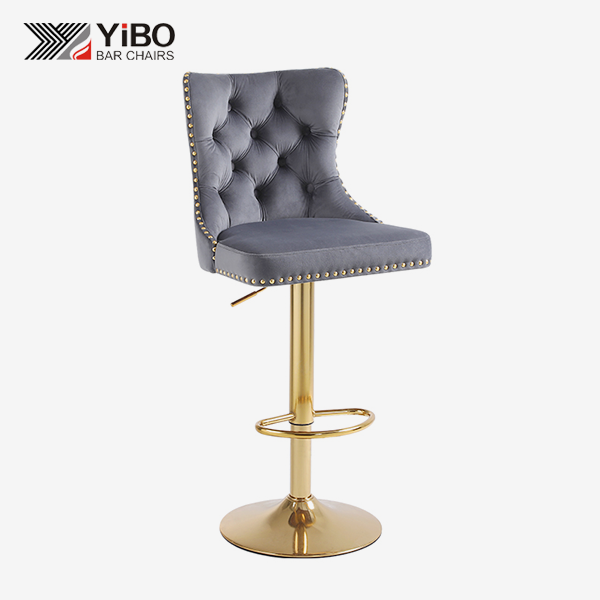
Choosing the right frame is the first step in making commercial-grade bar seats. When we make things, we use 201-grade stainless steel because it is the best combination of corrosion resistance and cost-effectiveness in controlled indoor environments. On the other hand, 304-grade stainless steel is used for projects near the coast or in places with a lot of humidity, where salt spray testing standards apply. The frame's shape is based on years of field research into ergonomics, and the seat height can be adjusted from 30 to 38 inches using pneumatic mechanisms. In particular, our 330# secondary gas lift allows for smooth height adjustment across this range while supporting weights of more than 300 pounds.
Upholstery choices have a big effect on both how comfortable guests are and how much upkeep is needed. The sitting surface of our flagship model is made of standard-density foam and 220-gram velvet, which makes it both soft and stable. This fabric weight looks rich, like it would belong in a high-end setting, and is easy to clean thanks to microfibre technology that doesn't let liquids soak in. The mix does well in Martindale rub tests, consistently going over 30,000 cycles, which is the limit for commercial-grade hospitality uses.
Design Features That Enhance Guest Experience
Modern bar stool design includes small details that make the experience better for the user without drawing attention to themselves. The 385mm diameter chrome-plated base keeps the chair stable while keeping its appearance light. This keeps the chair from looking too heavy, which can happen with some commercial seating. Guests of all heights can rest their feet easily on semicircular footrests that are set at properly calculated heights. This keeps the lower back from straining during long periods of sitting. Integrated handles made of powder-coated iron make it easy for floor cleaning staff to move things around while adding a touch of style.
This combination creates what hotel planners call "invisible luxury"—a level of quality that guests feel without even realising it, through comfort and unity rather than overt showiness.
Key Considerations When Selecting Golden Bar Stools for Hospitality Spaces
Height Calibration and Counter Compatibility
If you plan your dimensions correctly, you can avoid the common mistake of seating and counter heights that don't match, which is uncomfortable no matter how well the design is done, and for golden bar stool, standard bar tables are 40 to 42 inches high from the floor to the top of the surface, which means that stool seats need to be 28 to 32 inches high to give legs 10 to 12 inches of space to move, and seat heights range from 24 to 26 inches and counter heights are 34 to 36 inches, and these ranges are flexible because the mechanisms can be adjusted to fit places with non-standard sizes or bar setups with more than one height. Standard bar tables are 40 to 42 inches high from the floor to the top of the surface. This means that stool seats need to be 28 to 32 inches high to give legs 10 to 12 inches of space to move. Seat heights range from 24 to 26 inches and counter heights are 34 to 36 inches. These ranges are flexible because the mechanisms can be adjusted to fit places with non-standard sizes or bar setups with more than one height.
Spatial Planning and Traffic Flow Optimization
The number of seats must take into account both how comfortable the guests will be and how easy it will be for staff to get around. According to industry guidelines, each stool should have 24 to 30 inches of straight counter space. For upholstered versions with backrests, the bigger space is better. This arrangement keeps things from feeling crowded, which takes away from the feeling of luxury, and makes sure that servers can get to the bar quickly during busy times. Our models' bases have a diameter of 16 inches, which is big enough for stability without making walkways dangerous for tripping.
Maintenance Accessibility in High-Traffic Venues
For surfaces to last in business settings, they need to be able to handle being cleaned harshly. Unlike painted surfaces, PVD finishes don't change colour when exposed to bleach-based cleaners and alcohol solutions over and over again. The velvet furniture we've chosen has Crypton fabric technology built into it. This is a protective barrier that is put on the fibre level and can't be felt when touched. With this new technology, maintenance goes from being a complicated process that needs a professional cleaner to being as easy as spot-cleaning with mild soap solutions. This saves a lot of money over the life of the furniture.
Comparison Insights: Choosing the Best Bar Seating for Premium Hospitality
Material Finish Analysis: Gold-Tone Versus Alternative Metallic Options
Choose between gold, silver, or brass finishes based on more than just personal taste. You should also think about how easy they are to clean and how many ways they can be used in different designs. Rich wood tones, deep jewel-colored upholstery, and the dramatic lighting schemes that are common in high-end lounges go well with gold-toned finishes that give off a sense of warmth and luxury. Silver and metal finishes give off a modern, cool vibe that works well with simple designs, but they can look cold in traditional or eclectic rooms.
Aesthetic choices are supported by practical concerns. When compared to polished chrome, gold PVD coats are better at hiding fingerprints, so you don't have to clean them as often between service times. This feature is especially useful in places with a lot of people where staff can't always keep an eye on surfaces and wipe them down.
Backrest Configuration: Supported Versus Backless Designs
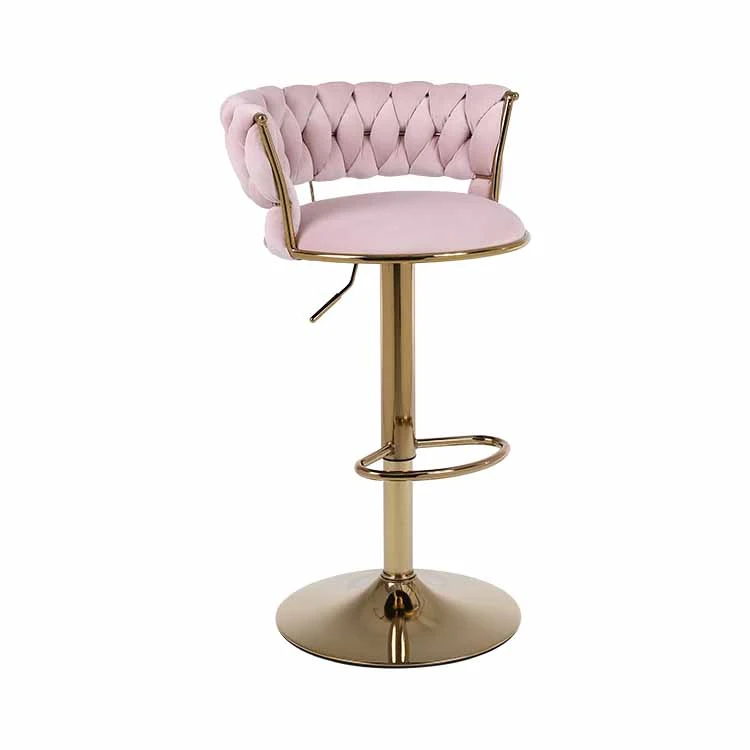
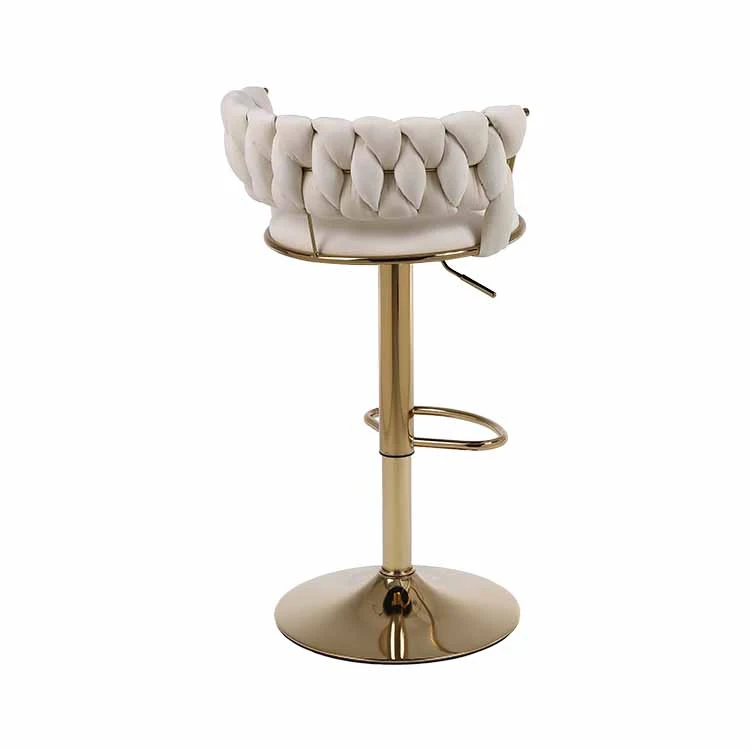
Whether to choose a chair with a back depends on how long you plan to use it for and how much space you have. Backless designs are very flexible because they let people come in from any direction, which is helpful in social settings where people move around a lot between conversation groups. These models don't take up much viewing room, so they don't block views in open floor plans. But long-term comfort is worse without lumbar support, so backless choices work better in bars that focus on movement rather than staying put.
Backrest models encourage people to stay longer, which is good for businesses that are based on long eating experiences or craft cocktail programs where people stay seated for hours. The higher cost per unit is due to the extra material and structure complexity, but the better comfort makes up for this difference in concept-appropriate situations.
Upholstered Comfort Versus All-Metal Construction
Cushioned sitting feels luxurious right away and blocks out noise, which is important in places where the quality of conversations affects how happy guests are. Customisation options for the upholstery include choosing the fabric, which makes it easy to match exact colours and design stories for brands. When you only use metal to build something, the finish becomes the main design element, making the shapes more sleek and modern. All-metal designs are better for outdoor or semi-outdoor uses where moisture can shorten the life of upholstery because they are easier to clean.
Procurement Strategies for Golden Bar Stools in B2B Hospitality Projects
Volume Purchasing and Quality Consistency
Ordering by the container allows for more cost-effective price and makes sure that the finish is the same throughout the whole installation, and for golden bar stool, manufacturing differences in metal tone can be seen when units come from different production runs, and these differences cause small mismatches that ruin the unified look that is important for luxury placement, and our production planning sets aside dedicated runs for big orders so that both metallic finish and upholstery dye lots stay consistent from batch to batch. Manufacturing differences in metal tone can be seen when units come from different production runs. These differences cause small mismatches that ruin the unified look that is important for luxury placement. Our production planning sets aside dedicated runs for big orders so that both metallic finish and upholstery dye lots stay consistent from batch to batch. This focus on uniformity is especially important for projects with more than 50 units, where even small differences can be seen when the lighting is organised.
Customization Capabilities for Brand Differentiation
With OEM and ODM services, hotel brands can add unique elements to the furniture specs that make them stand out. Dimensional changes can be made to fit different table heights or limited room without changing the design. Custom upholstery programs let you choose more than just fabrics; they can also add stitched names, contrast piping, or button tufting patterns that go with larger interior design themes. Our R&D team, which is made up of more than 10 experts focused on ergonomic innovation and adapting designs to fit specific markets, works directly with procurement teams and their design consultants to turn conceptual sketches into specifications that can be manufactured while still meeting cost and structural standards.
Supplier Evaluation Criteria for Long-Term Partnerships
A successful hospitality buying strategy includes more than just getting good products. It also includes making sure deliveries happen on time, being prompt after the sale, and making sure there is enough supply for future growth. Evaluation frameworks should check the manufacturing capacity by touring the facility or looking at virtual documents. Our 6,000-square-meter production floor has computer-controlled upholstery cutting and automatic welding units that make sure the quality of the work is always the same, no matter how many orders we have. Export experience is very important. Suppliers who know about the paperwork needed to bring goods into the U.S., how to load containers most efficiently, and the logistics of international shipping can avoid delays that cost a lot of money. We are present in the market by taking part in the Canton Fair and the Guangzhou Furniture Fair. Our plans to grow into German and American trade shows show that we are committed to making our products available to buyers from around the world.
When building partnerships with suppliers, you should pay close attention to how warranties work and how easy it is to get new parts. Our normal business warranty covers flaws in the structure and finishes, and it comes with quick response times for questions—important when problems arise in busy hospitality settings in the middle of the season.
Enhancing Brand Trust and Maximizing Value Through Strategic Seating Selection
Case Applications Across Hospitality Segments
In the bars of high-end hotels, metallic chairs are used as signature parts of bigger design stories. Our gold-finished models were chosen to anchor a Gatsby-style cocktail bar in a recent makeover project at a boutique hotel in Manhattan. The warm metals were paired with green velvet and black marble surfaces. For the fitting of 40 units, the height had to be precisely adjusted to fit both the main bar and the raised cocktail tables. Our adjustable mechanisms were used to make the furniture look the same in all the different sitting areas while still being ergonomically sound.
Another important section is high-end home kitchen uses. More and more, high-end open-concept homes have commercial-grade seats that can handle family use while still looking like it belongs in a showroom. Non-marking floor glides protect hardwood and marble floors, and the upholstery is easy to clean and can handle the spills that happen every day without any special care.
When it comes to transportability and finish longevity, the event rental business has its own specific needs. Rental companies like finishes and layouts that can be stacked and are strong enough to withstand multiple loading, transporting, and setting up processes. PVD coatings stop the stacking friction that chips paint, which increases the rental lifecycle return.
Future-Oriented Design Trends and Sustainability Considerations
New designs for hotels are using sustainability stories more and more, but they don't take away from the luxury feel. New materials include frame constructions made from recycled metal and couch fabrics made from used plastic. These specs are good for buying teams that work with brands that care about being socially responsible, but they still meet the performance needs of business apps. In our development pipeline, we're looking into bio-based foam alternatives that use less oil and still give guests the comfort and shape retention they expect.
Maximalist eclecticism, which mixes metal finishes, bright colours, and different textures in the same area, is becoming more popular in design. This trend favours suppliers that offer a variety of finish choices and customisation options. This way, designers can get a lot of matched pieces from one manufacturer instead of putting together a bunch of different collections.
Conclusion
When choosing strategically where to sit in high-end dining settings, you have to balance how things look with how they work. Golden bar stool designs provide the visual luxury that distinguishes high-end venues, and commercial-grade construction guarantees years of dependable service in tough conditions. Partnerships with makers who know both the finer points of design and the structural engineering needed for high-traffic areas are key to successful procurement. Investing in good seating pays off in the long run by improving how guests feel, lowering upkeep costs, and extending the time between replacements, all of which improve the project's profits.
FAQ
What distinguishes PVD finish from standard spray paint on metallic bar stools?
PVD bonding happens at the molecular level in vacuum tanks, making a layer on top of the base metal that blends in with it instead of sitting on top of it. Because of this, the finish has a hardness close to 2000 HV and doesn't chip or scratch when used in a business setting. Standard spray paint makes a layer on the surface that is easy to flake off when it comes in contact with chemicals used to clean surfaces in hotels and other public places.
How should metallic finishes be maintained in commercial settings?
To get rid of fingerprints and surface oils, PVD-finished surfaces only need to be wiped down regularly with microfibre cloths and mild soap solutions. Cleaners that are too acidic or rough can dull the finish over time. For 304 stainless steel bases, the metal itself doesn't tarnish, so they don't need any extra treatments to keep them safe.
Can these bar stools function in outdoor or semi-outdoor applications?
Standard types are only good for climate-controlled rooms. Marine-grade materials, such as 304 stainless steel frames, replaceable seats, and weather-resistant fabrics, must be specified for outdoor use. When properly applied, the metallic finish can handle being wet, but standard model substrate materials, such as wood parts in some seat constructions, break down when exposed to weather.
What weight capacity should commercial bar stools meet?
Professional-grade hospitality chairs should be able to hold at least 300 pounds, and the best types are made to hold up to 500 pounds. This rating makes sure that there are enough safety margins to account for dynamic loading, which is the force that is created when guests sit down heavily or quickly move positions. Our frame welding and gas lift specs are in line with ANSI/BIFMA X5.1 testing standards, which make sure that structures are strong even when they are under a lot of stress.
Partner with YIBO: Your Trusted Golden Bar Stool Manufacturer for Premium Hospitality Projects
Anji Yibo Furniture Co., Ltd. has been making specialised furniture for 14 years and can help procurement teams find reliable seating options for busy business settings. Our collections of golden bar stools combine high-end looks with the structural strength that venues with a lot of foot traffic need. They are backed by full OEM and ODM capabilities that allow for precise brand alignment. Our 6,000-square-meter plant is in the center of Anji's furniture manufacturing hub. It has state-of-the-art production equipment and skilled workers who keep the quality standards that container-level orders require. We'd love to hear from importers, wholesalers, dealers, and project contractors who are looking for a manufacturing partner who knows both how to make great designs and how to run foreign furniture supply chains. Email our team at yb@ajyibo.com to talk about the details of your project, get samples, or set up a tour of our site for when you come to China to do some shopping. Find out why hotel brands in 70 countries choose YIBO as their top seller of golden bar stools for projects where quality and on-time delivery are essential.
References
1. Miller, Rebecca. "Material Innovation in Commercial Furniture: Engineering for Hospitality Applications." Journal of Interior Design Manufacturing, vol. 28, no. 3, 2022, pp. 112-128.
2. Thompson, David and Laura Chen. "Surface Treatment Technologies in Metal Furniture: Comparative Analysis of Durability and Aesthetic Qualities." International Furniture Production Review, 2021, pp. 89-105.
3. Hospitality Design Standards Committee. "Ergonomic Guidelines for Commercial Seating in Food and Beverage Environments." American Society of Interior Designers, 2023.
4. Patterson, James. "Luxury Positioning Through Material Selection: A Study of U.S. Boutique Hotel Design Trends 2018-2023." Cornell Hospitality Quarterly, vol. 64, no. 2, 2023, pp. 203-219.
5. Zhang, Wei. "Manufacturing Excellence in China's Furniture Export Industry: Case Studies from Zhejiang Province." Asia Pacific Business Review, vol. 29, no. 4, 2022, pp. 567-584.
6. Anderson, Marie. "Sustainable Materials in Hospitality Procurement: Balancing Environmental Responsibility with Performance Requirements." Green Building and Design, Spring 2023, pp. 34-47.