

 (1)_1777442575043.jpg)
Grey Velvet Bar Chair Design Ideas
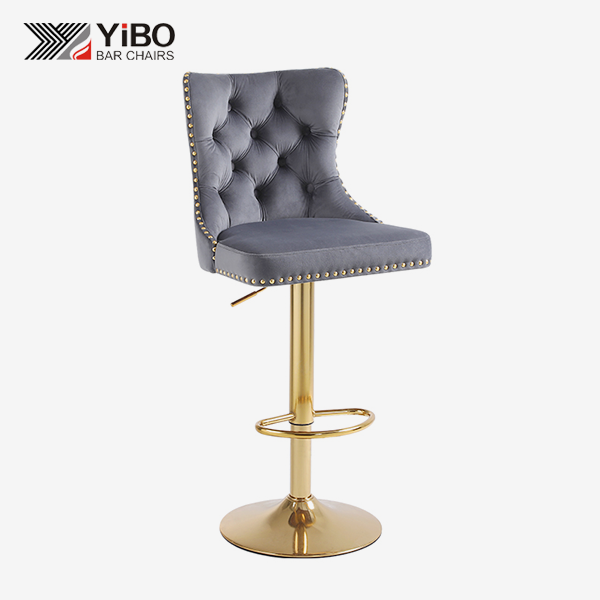
Grey velvet bar chairs are one of the few forms of seating that combine beauty and durability in professional settings. These pieces have gone from stylish accent pieces to essential restaurant, break room, and shop furniture. The simple grey color scheme complements many decor styles, and the soft velvet texture adds luxury without breaking the bank. Knowing construction, fabric performance, and customization choices may convert a basic furniture purchase into a strategic investment that increases corporate identification and customer experience for buying managers handling large orders.
Understanding Grey Velvet Bar Chairs: Styles, Dimensions, and Benefits
Core Design Variations and Structural Features
Modern bar stools with comfortable cushions available in various forms and sizes to suit corporate demands. Swivel versions with 360-degree rotating mechanisms perform well in restaurants and bars where people speak. For high-traffic locations like checkout lanes, fixed-seat variants are more stable. Backrests, from low-profile lumbar supports 15-20 cm high to full-height backrests 40 cm above the seat, affect how pleasant they are to use for extended periods. The choice to include an armrest is crucial. Armrest-equipped versions occupy roughly 25% more floor space but reduce fatigue during 30- to 45-minute office lounge informal discussions.
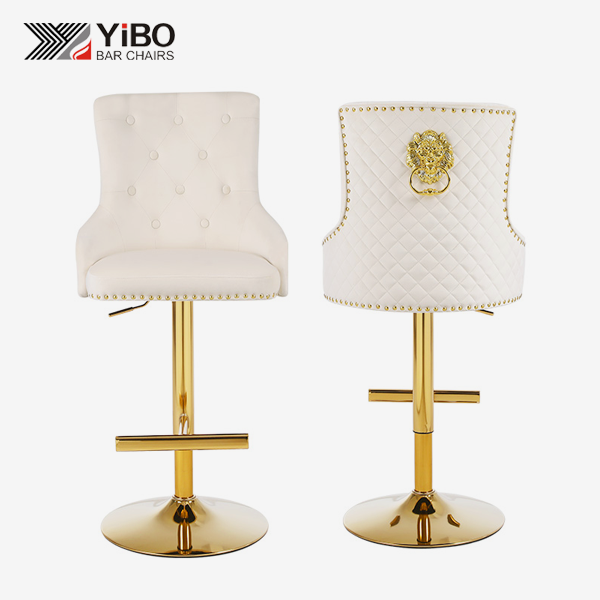
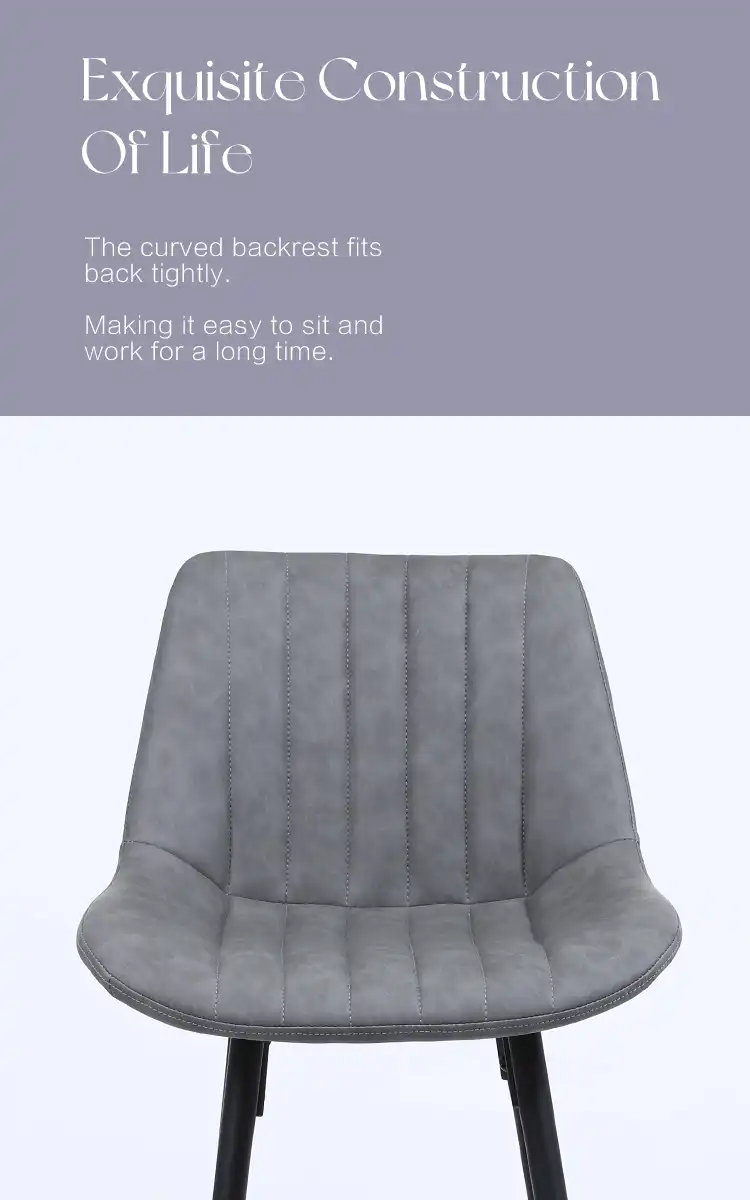
Seat forms have evolved from round to waterfall-edged rectangle to improve thigh blood flow when sitting for lengthy periods. The YIBO YB-1074 model illustrates this development. The ergonomically designed seat and 280g performance velvet give it a dense pile structure that doesn't wear out. Its black powder-coated steel frame is strong enough for business while preserving the light appeal of modern homes.
Essential Ergonomic Dimensions for Commercial Applications
Accurate measurements affect user satisfaction and space usage. Counter-height variants with 65–70 cm seat heights work well with 90–95 cm kitchen islands and café counters. This provides 25–30 cm of acceptable leg room. Pub-style bars typically 105 to 110 cm high, therefore 75–80 cm bar-height alternatives fit. Common office products include adjustable gas lift mechanisms that alter height by 20 cm, however the seals wear out after frequent usage.
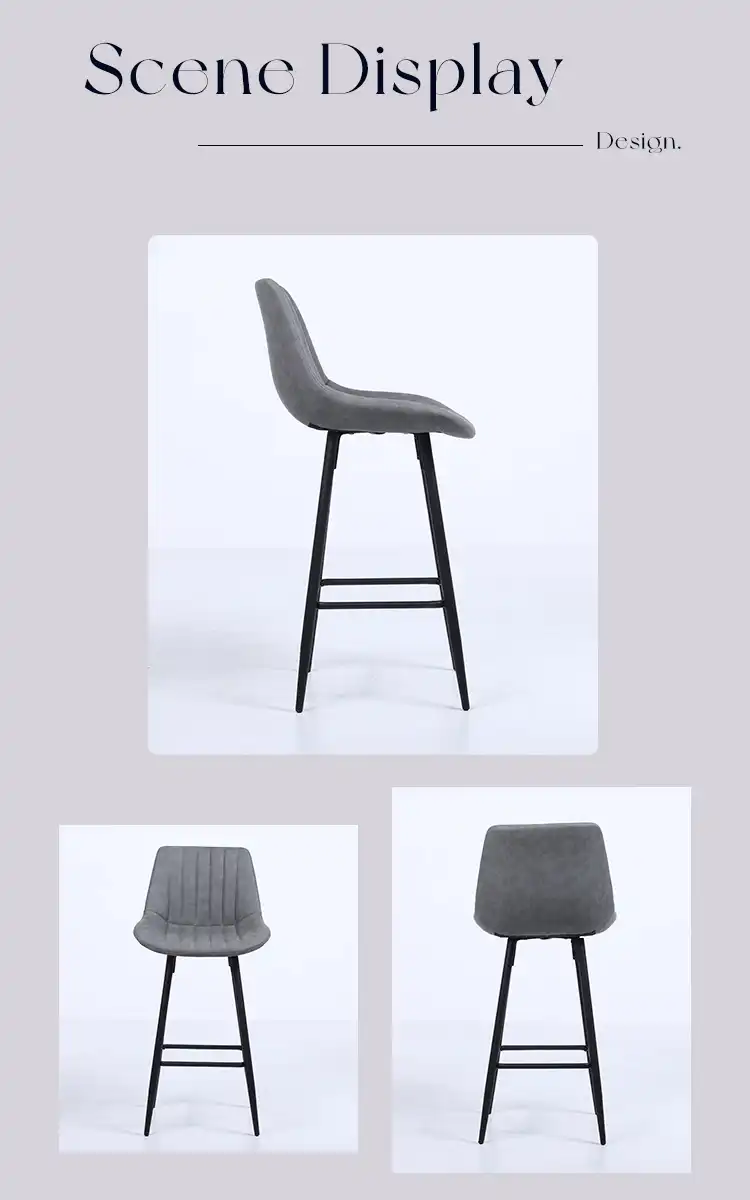
Footrest positioning matters too. The support bar should be 20–25 cm below the seat base for best positioning. This helps persons of varying heights rest their feet without straining their hip flexors. When erected, YIBO had black-painted iron feet. The broader footprint forms make them more sturdy, and they don't rust like naked metal feet in humid bars.
Material Advantages: Velvet Versus Leather and Faux Leather
Grey velvet bar chairs are unique in business upholstery because they solve leather issues. Genuine leather ages unevenly in high-traffic areas and requires careful cleaning. Polyester velvet, however, maintains seat color. Its pile structure covers light dirt better than smooth leather, making everyday usage between major cleanings less noticeable. This feature is important in restaurants where appearances must be impeccable despite constant traffic.
Performance measurements distinguish quality velvet even more. Martindale rub tests for wear resistance should exceed 50,000 rounds for contract usage. The 280g velvet structures readily exceed this need. Natural sound absorption by fabric reduces background noise by 0.15-0.20 NRC. Open-plan restaurants are quieter for conversation. Faux leather is simple to clean but doesn't muffle sound and breaks along stress areas 18–24 months of commercial use.
How to Choose the Right Grey Velvet Bar Chair for Your Business?
Sector-Specific Procurement Criteria
Hospitality consumers desire stain-resistant, easy-to-clean items. Performance velvets with hydrophobic coatings prevent spills for three to five seconds, providing personnel time to mop up wine or beverages. Since grey covers minor stains better than cream or blue, you may wait three months between professional furniture cleanings instead of six.
Ergonomics and warranty coverage are crucial when selecting workplace supplies. Products meeting BIFMA X5.1 requirements are guaranteed structurally sound under 113 kg static load and 100,000-cycle caster durability tests. In businesses whose furniture lasts seven to ten years, longer guarantee durations for structural soundness (typically three years) and upholstery wear (one to two years) safeguard budgets. In agile organizations, swivel characteristics enable dynamic cooperation without velvet bar chair movement.
Visual appeal and space efficiency are vital in retail. Makeup stations and tasting rooms with high rent per square foot benefit from armless arrangements, which allow more people to sit. Because they don't seem like cushioned bases, metal-leg designs improve shop floor visibility. Adjustable height devices, albeit difficult to install, allow modular shop designs to vary counter heights with the seasons.
Material and Construction Comparisons
Stress durability depends on frame materials. Powder-coated steel tube with a wall width of 1.2 to 1.5 mm can withstand heavy commercial usage and won't rust in seaside or hospitality situations near pools. Kiln-dried timber frames are popular with eco-conscious purchasers, but they must be stored in a climate-controlled room to avoid joint breakdown. Aluminum is lighter than steel, which is useful for mobile furniture, but it costs 30–40% more.
Upholstery density distinguishes household and commercial items. Foam cores should fulfill fire safety criteria defined by CA117-2013 and have densities between 35 and 40 kg/m³ to prevent premature compression. The pile weight of 280g velvet is high enough to recover from pressure distortion. This is crucial to preventing "seat shading" after six months. Lower-quality 180–220g velvets wear out faster, generating glossy compression zones that make it harder to maintain the appearance over installs.
Customization Capabilities and Sustainability Considerations
OEM and ODM agreements let brands stand out with unique specs. Custom leg finishes like brushed brass, matte black, or electroplated chrome match intended room hardware. If you deal with skilled makers that keep their production lines open, you may adjust the dimensions to accommodate non-standard counter heights or ADA accessibility standards without retooling.
Color customization goes beyond grey to brand-specific Pantone matching. This is crucial for hotel chains that wish to maintain a uniform look. Custom colorways normally need 200–300 container-level orders. This works effectively for hotel renovations and restaurant chain launches.
Sustainability clearances are increasingly crucial in buying decisions. FSC-certified timber and OEKO-TEX Standard 100 velvet suit many commercial and institutional purchasers' environmental standards. Environmental Product Declarations (EPDs) manufacturers assess a product's lifetime carbon impact. LEED projects can donate to green building incentive programs to minimize project expenses.
Styling Tips and Design Ideas for Grey Velvet Bar Chairs in Commercial Spaces
Strategic Color Pairings and Material Coordination
Grey velvet bar chairs serve as a classic neutral that works with many styles. High-end gastropubs, where cool fabric tones against gleaming metals soften industrial design, benefit from warm brass or aged bronze elements to make luxury more approachable. Walnut or oak wood adds warmth to contemporary velvet couches and traditional design features in small hotels that desire to retain their history.
With polished concrete floors and one-color color schemes, matte black finishes like YIBO's painted iron feet enhance modern simplicity. Urban coffee shops that wish to attract design-savvy clients can use this color scheme since the velvet's texture provides visual appeal without overpowering the hues. Grey cloth with blush pink or sage green accent walls makes corporate break rooms cozier by leveraging color psychology to make sterile office environments feel more human.
Spatial Arrangement Strategies for Optimized Layouts
Each linear counter stool needs 60–65 cm for arm spacing and bag placement. In hotel lobbies and executive lounges, three to four armed chairs make good discussion groupings. The 75 cm circle footprint of each chair (including arm space) creates smaller spaces within larger ones. Armless models fit 50 cm along store counters, where brief perching is more prevalent than protracted sitting.
Behind seating guests, circulation pathways need 90–120 cm to allow service professionals pass without disturbing diners. This size can reach 150 cm in ADA-compliant businesses with wheelchair-accessible turning radii. Tiers of bar-height and counter-height seats offer visual interest and are functional for laptop users who require forearm support and rapid service exchanges.
Maintenance and Care Guide to Maximize Durability
Routine Cleaning Protocols for Commercial Environments
Daily maintenance involves dry methods to preserve pile integrity. Soft-bristle upholstery brushes rearranged crushed pile fibers when lifted against the nap. This restores fabric evenness after usage. Weekly vacuuming with 80–100 mmH2O suction removes hidden particles without removing too much of the pile. Spinning brush attachments naturally destroy velvet by rubbing too vigorously.
Monthly deep cleaning for velvet bar chair employs solvent-based upholstery shampoos designated for synthetic textiles (typically labeled "S" for solvent-only cleaning). Avoid over-wetting and water rings by spreading the product sparingly using microfiber applicators in 30 cm portions. To keep the cloth supple, brush the pile while drying right immediately. Commercial-grade fabric protectors applied every three months increase hydrophobicity, which is useful in bars with lots of spillage.
Preventative Measures Against Common Damage
The biggest velvet issue is pile collapsing under long-term strain. Rotating seats every three months in set installations distributes wear patterns and extends furniture life by 40–60%. Clear polyurethane coatings help protect high-contact frame locations where hand oils might accelerate metal surface degradation. Replacement gliding caps on metal feet stabilize the feet and prevent floor scratches when they wear out.
UV light fades colors. Window film or cautious furniture arrangement is essential in sunny areas because long-term sunlight turns grey pigments plum or brown. In indirect natural light, premium performance velvets with Lightfastness Grade 4+ won't fade for 3 to 5 years, whereas untreated textiles degrade after 18 months.
Structural inspections should occur biannually, checking weld integrity at frame joints and gas lift functionality in adjustable models. Tightening hardware prevents movement, which accelerates stress point wear. In high-turnover businesses, update compressed foam cores every 30,000 to 40,000 sitting cycles to maintain ergonomics.
Procuring Grey Velvet Bar Chairs: Best Practices and Supplier Insights
Evaluating Sourcing Channels and Lead Time Management
Compared to dealers, buying directly from a maker saves 25–35% and allows for adjustments that catalogs don't. Container orders from Chinese businesses like YIBO take advantage of production economies. Prices drop 18% when numbers exceed 200. Normal configurations take 35–45 days, whereas exceptional configurations that involve materials or tool adjustments take 60–75 days.
Domestic companies simplify operations and reduce shipment times to two to four weeks, but they cannot compete on pricing for large orders. Since full containers are hard to store, this method works well for changing products rapidly or introducing them gradually. Hybrid techniques use Asian manufacturers for major inventories and US sources for 10–15% in case of demand increases.
Payment conditions greatly impact shopping budgets. Standard 30% payment and 70% pre-shipment arrangements need cash flow planning. Established connections may negotiate net-30 or net-60 terms following delivery. Letters of credit protect both parties in the initial deal, but bank fees of 1.5% to 2.5% increase the cost.
Quality Assurance and After-Sales Considerations
Third-party testing services uncover factory defects that cause costly returns before shipping. Inspections of fabric weight, frame dimensions, and finish quality cost $200–350 every production run. This tiny expense prevents 5–10% of problems in unreviewed orders. Requesting pre-production samples ensures color and building procedure accuracy before ordering full quantities.
Examine warranty structures carefully. Frame warranties cover construction failures for three to five years, while fabric guarantees cover manufacturing faults for one to two years. To avoid conflicts, specify what isn't covered for typical wear and tear, poor cleaning, or environmental damage. Response time for after-sales queries, such as 24-hour support, helps address issues after the device is installed.
YIBO has made chairs from Anji, Zhejiang, for 14 years and is a good example of company collaboration. This is because Anji makes high-quality furniture. In-house steel frame fabrication in their 6,000-square-meter factory reduces supply chain concerns and ensures quality from all parts. Its ISO 9001:2015 and BSCI certifications demonstrate worldwide production standards. This satisfies increasingly strict corporate social responsibility standards in purchase practices. The firm attends trade fairs like the Canton Fair and plans to attend the High Point Market and Cologne Furniture Fair to engage with worldwide markets and develop new goods.
Conclusion
You must balance aesthetics and functionality while picking velvet-upholstered business chairs. Grey velvet bar chairs provide design versatility and are easier to clean than brighter or darker colors. Home and commercial products differ in performance cloth specifications, ergonomic measures, and structural stability. Successful procurement requires working with makers that give flexible customization, unambiguous quality assurance, and timely support throughout the product lifespan. From researching materials to arranging spaces, buyers may locate seating options that improve client experience and provide them quantified returns by lasting longer and costing less to maintain.
FAQs
What distinguishes commercial-grade velvet from residential upholstery?
Commercial velvet contains hydrophobic processes that prevent moisture absorption and higher Martindale abrasion scores (50,000+ cycles vs. 15,000–20,000 for domestic grades). The pile density of 280g professional textiles rebounds after compression, preventing persistent darkening in lighter fabrics. Textiles that meet local corporate building requirements (such as UK Crib 5 and California TB117-2013) meet fire safety standards that household textiles don't.
How do cleaning requirements compare between velvet and leather bar chairs?
Leather can be cleaned using pH-neutral solutions, while velvet needs expert dry cleaning and shampooing. To avoid cracking, leather must be conditioned every three to six months, and worn areas develop a unique patina. Despite its difficult cleaning recommendations, grey velvet bar chairs hide minor stains better than light leather, thus it needs less cleaning. Performance velvets with stain-resistant treatments reduce maintenance costs significantly.
Can dimensions and colors be customized for large orders?
Famous firms like YIBO can handle OEM and ODM requests including custom sizes, Pantone-matched upholstery, and leg designs. Customization minimum order quantities match container shipments at 200–300 pieces. However, experienced providers may offer reduced minimums for long-term consumers. Custom requirements requiring material purchases take 3–4 weeks longer than typical manufacture.
Partner with YIBO for Premium Velvet Bar Seating Solutions
YIBO has designed grey velvet bar chairs for hospitality, retail, and corporate applications to fulfill your industrial seating demands. We are a well-known Anji furniture producer with 14 years of experience. We make steel frames in-house and employ ISO 9001:2015 standards to ensure quality. OEM/ODM services bring your creative ideas to reality, whether you need Pantone-matched fabric, bespoke sizes, or specific finishes. Competitive container prices, space-saving packaging, and dependable international logistics will help you fulfill project deadlines and stay under budget. Talk to our experienced sales staff at yb@ajyibo.com about your buying needs. We promise a 24-hour response time, so you can trust that people who understand the difficulty of finding large volumes of furniture will answer your inquiries swiftly and thoroughly.
References
1. Miller, J. & Thompson, R. (2021). Commercial Upholstery Standards: Material Performance in High-Traffic Environments. New York: Hospitality Design Press.
2. Chen, L. (2022). "Ergonomic Seating Design for Food Service Applications," International Journal of Hospitality Management, 98, 145-162.
3. Davidson, P. (2020). Textile Testing for Contract Interiors: Abrasion, Flammability, and Colorfastness Standards. London: Interior Specifications Publishing.
4. Rogers, S. & Kim, H. (2023). "Lifecycle Cost Analysis of Commercial Seating Materials," Facilities Management Quarterly, 41(2), 78-94.
5. Anderson, M. (2022). Procurement Best Practices for Hospitality Furniture: Supplier Evaluation and Quality Assurance. Chicago: Foodservice Equipment Institute.
6. Wu, X. & Martinez, C. (2021). "Sustainable Material Selection in Commercial Furniture Manufacturing," Journal of Cleaner Production, 287, 112-128.