

 (1)_1777442575043.jpg)
High Chairs Counter Bar Stools vs Low Dining Chairs: Which Fits?
Choosing between high chairs counter bar stools and low dining chairs depends on your specific space requirements, operational workflow, and customer experience goals. High chairs counter bar stools excel in maximizing floor space utilization and creating dynamic social environments, making them ideal for bars, kitchen islands, and modern collaborative workspaces. Low dining chairs provide traditional comfort and accessibility, better suited for formal dining rooms, conference areas, and spaces requiring extended seating periods. The optimal selection hinges on surface height compatibility, traffic patterns, and ergonomic considerations specific to your commercial environment.
Understanding Seating Categories and Their Applications
Standard Dimensions and Ergonomic Specifications
Counter bar stools usually have seat heights between 24 and 32 inches so they can fit tables that are 36 to 42 inches high. Seating that is 24 to 27 inches high goes with kitchen islands and casual dining counters. Seating that is 28 to 32 inches high goes with normal bar tops and pub tables. The seat heights of low dining chairs stay between 17 and 19 inches, the same height as a standard dinner table, which is 28 to 30 inches.
The ergonomic effects are very different between the groups. For proper leg circulation and support when climbing and dismounting, elevated seating needs built-in footrests that are placed 7 to 10 inches below the seat. Wider bases and anti-tip features are required for high chairs counter bar stools to ensure user safety in busy business settings.
Commercial Environment Applications
In restaurants and other places with a lot of people, raised seating makes separate areas within open floor plans. Elevated seating creates a social setting that's great for sports bars and casual dining restaurants by making it easier to see entertainment displays and pushing people to talk to each other. Counter-height seating is used in kitchen counters in hotel breakfast areas and business cafeterias to make service faster while keeping the area looking classy.
More and more, offices are using hybrid seating solutions that combine standard meeting chairs with choices that are higher for working together. Standing-height meeting spaces with high chairs counter bar stools support flexible work practices and encourage short, focused conversations that boost output while shorten meeting times.
Critical Factors to Consider When Choosing Between High Chairs, Counter Bar Stools, and Low Dining Chairs
Height Compatibility and Adjustability Features
The right amount of space between the seat and the floor keeps the user comfortable and stops mechanical strain. Standard guidelines say that there should be 10 to 12 inches of space between the seat area and the table or bar top. There may be small differences to accommodate different user groups. Adjustable height systems that use pneumatic gas cylinders are flexible for settings with a lot of different uses. However, commercial-grade cylinders that are rated for 100,000 rounds or more will keep them from breaking too soon when they're used a lot.
Professional procurement teams look at weight numbers. Commercial-grade goods can hold 300 to 500 pounds, while domestic standards only allow 250 pounds. Ball-bearing systems in swivel mechanisms make sure that the mechanism can rotate smoothly and keep its structural integrity for long periods of time.
Material Quality and Safety Compliance
Building materials have a direct effect on how long something lasts, how much upkeep it needs, and how clean it needs to be in business settings. Metal frames made of 16-gauge tubular steel are stronger and lighter than aluminum frames, and powder paint processes make them resistant to rust and easy to clean, which is important in food service settings.
Fire safety rules say that upholstery choices must meet standards like California Technical Bulletin 117-2013 for foam's ability to catch fire. High-density foam cores (at least 2.5 lb density) covered in polyurethane leather or commercial-grade vinyl don't stain easily and are easy to clean between service times. For wood parts to be able to handle the side forces that come from normal use, they need to be made of kiln-dried hardwoods and mortise-and-tenon joints.
Precision-engineered parts that improve both performance and life are part of quality manufacturing standards. Siamese hardwood structure with a thickness of 1.0 to 1.2 cm gives the best strength while keeping the weight down. Cushion systems with 4.8 cm of filler cotton provide constant comfort, and 0.8 mm half-PU upholstery makes sure that they will last in business settings. The structural stability of the product is maintained throughout its lifetime by assembly hardware that includes 4 pieces of 6x16mm screws.
Safety Regulations and Structural Stability
Commercial seating has to meet the standards set by ANSI/BIFMA X5.1. These standards cover requirements for steadiness, static load capacity, and dynamic stress resistance. Products are put through a lot of tests, such as back pull tests and seating stability tests, to make sure they are structurally sound under both regular and extreme usage circumstances. Tipping analysis makes sure that raised seating stays stable when it's hit by side forces. This is especially important for models that can turn.
Comparing High Chairs and Counter Bar Stools: Performance and User Experience
Design Versatility and Footprint Efficiency
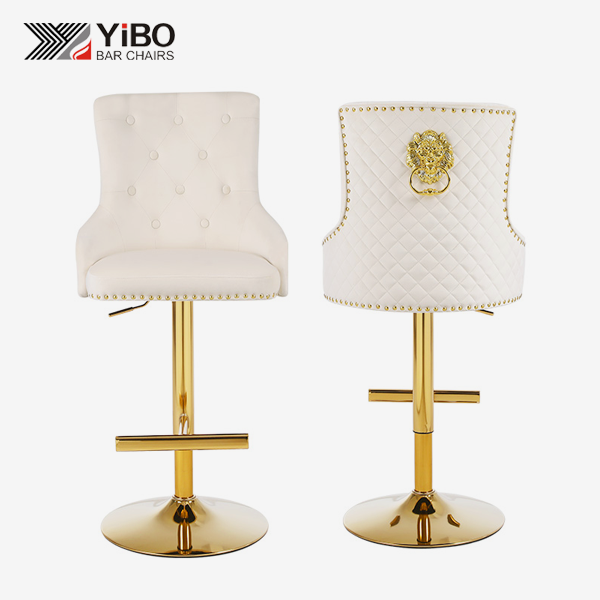
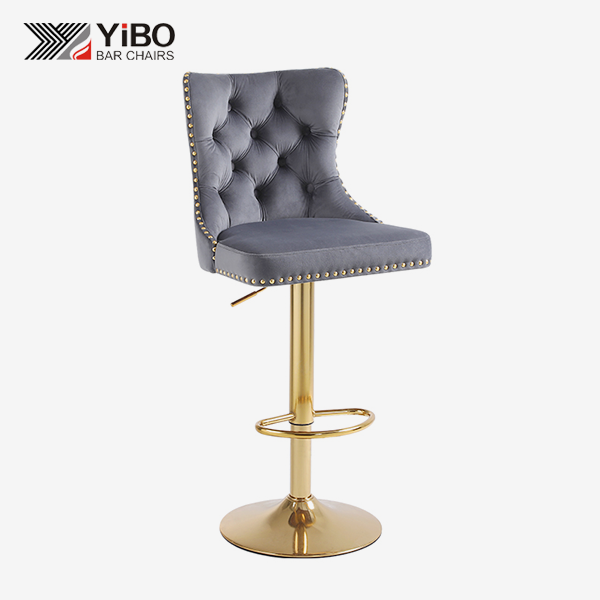
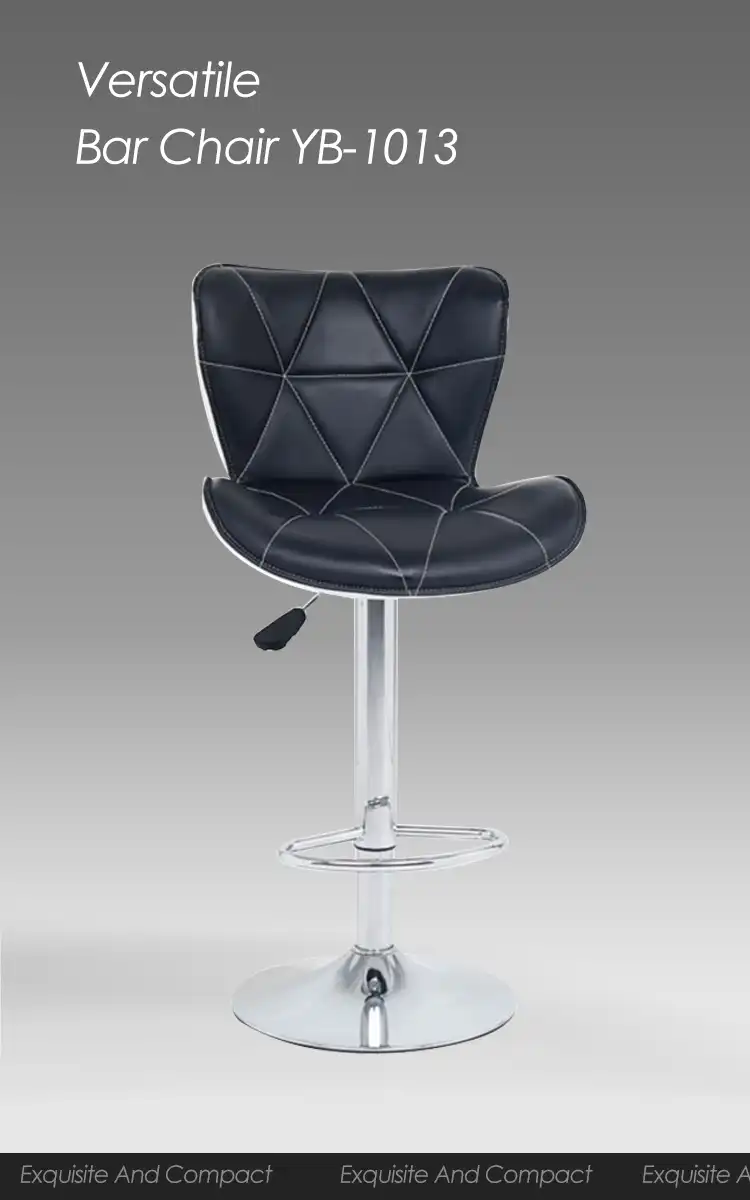
Modern high chairs counter bar stools feature smart design elements that strike a balance between physical appeal and practicality. Users can move between different conversation areas without moving the chair itself with swivel mechanisms. This is especially useful in social eating areas and collaborative offices. The small footprint of elevated seats makes the best use of floor space, so businesses can fit more people into the area they already have.
Modern building styles go well with clean lines and simple designs that are popular in modern design. Sleek metal frames with built-in footrests keep the look consistent while still meeting structural needs. Upholstered choices offer more comfort without sacrificing the clean look that is important in business settings.
Cost-to-Lifecycle Value Analysis
B2B buyers look at the total cost of ownership, which includes the original cost of the product, the cost of repairs, and how often it needs to be replaced. High chairs counter bar stools usually cost more than other items because they require more complicated engineering and special ways to make them. But the better customer experience and better use of room often make up for higher original investments by bringing in more money and operations run more smoothly.
When there is a lot of foot traffic, well-built raised seats is more likely to last. Quality items can handle the extra stress that comes with mounting and dismounting them often and still look good for a long time. The procurement teams figure out the return on investment by looking at how often something is used, how much upkeep it needs, and how long they think it will last.
Professional packing methods keep goods safe while they're being shipped and handled. The 200lb five-layer reinforced corrugated container (59x45.5x48cm) can hold two units per box while reducing the risk of damage and improving shipping efficiency. This packing standard lowers the cost of replacing damaged items during shipping while also supporting environmentally friendly shipping methods.

Procurement Strategy for Seating Solutions: From Bulk Purchase to Custom Orders
Supplier Evaluation and Sourcing Strategies
Established producers with a history of dependability offer benefits in terms of consistent quality, on-time delivery, and help after the sale. Companies like Anji Yibo Furniture Co., Ltd. have been designing and making chairs for 14 years and offer a wide range of services, such as comfortable design help, the ability to customize products, and international quality certifications.
Deals for buying in bulk can save you a lot of money and make sure you have enough supplies for big jobs. Volume savings usually run from 15% to 30%, but they rely on how many items you buy and how complicated your specifications are. The people who work in procurement discuss payment terms, delivery schedules, and warranty terms that work with the budget and time limits of the project.
International providers can offer lower prices and the ability to make more at once, but coordinating transportation needs to be carefully planned. Shipping containers saves money on shipping costs, and plant inspection routines make sure that quality standards are met before the shipment. Professional makers keep up with ISO 9001:2015 approval as well as BIFMA and EN 16139 compliance. This makes sure that quality and safety standards are always met.
Customization Options and OEM Opportunities
Custom solutions meet particular operating needs, such as changing sizes, choosing materials, and incorporating branding. Through OEM relationships, procurement teams can be very clear about what they need while also benefiting from the manufacturer's technical and production efficiency know-how. Professional R&D teams work with clients to come up with solutions that meet their specific needs in terms of function and style.
Green buying efforts are having a bigger effect on how suppliers are chosen. Sustainable materials, like hardwoods that are carefully found and metal parts that can be recycled, help companies meet their environmental goals while still meeting performance standards. Organizations that care about the environment can get more value from manufacturers who use eco-friendly production methods and packing materials.

Maintenance, Longevity, and Maximizing ROI on Seating Investments
Routine Care Procedures and Preventative Maintenance
Effective repair plans keep a product's look and usefulness while extending its life. Metal parts need to be checked for frame integrity and hardware tightness on a regular basis. High-stress connection points, like turning mechanisms and base attachments, need extra attention. To maintain a powder coating, it needs to be gently cleaned with approved industrial cleaners that protect the finish's structure while getting rid of dirt and germs that have built up.
Upholstered surfaces should be cleaned every day with the right cleaning products that protect the material's features and meet health standards. Regular inspection can find early signs of wear so that repair is not needed before it's too late. Professional maintenance plans combine regular repair with business needs so that equipment is available as much as possible with as little downtime as possible.
Supplier-Supported Programs and Upgrade Opportunities
Modern makers give full support programs that include advice on how to do upkeep, access to replacement parts, and upgrade services that make products last longer. These programs help B2B clients keep up their best performance while also changing to meet new business needs. Professional customer service teams offer technology support and help with fixing problems, which keeps operations running smoothly and with little downtime.
Investments are protected by warranty programs, which also give people a way to get their money back if something breaks or wasn't made right. Full coverage that includes flaws in the materials, problems with the work, and broken parts gives you peace of mind and helps you plan your budget and control your risks.

Conclusion
Before choosing between high chairs counter bar stools and low dining chairs, you need to think carefully about your business needs, available room, and user experience goals. Elevated sitting options are great for making the most of floor space and making social spaces that are always changing, while standard dining chairs are comfortable enough for long periods of time. Professional buying strategies stress the importance of reliable suppliers, high-quality building, and a total cost of ownership analysis to get the best returns on investments. In the end, the choice comes down to unique operational settings. Each option has its own benefits when it is properly matched to the needs of the application.
FAQ
What determines the optimal height difference between counter and bar stools?
Counter stools should have a seat height of 24 to 27 inches for 36-inch surfaces, and bar stools should have a seat height of 28 to 32 inches for 40 to 42-inch surfaces. To make sure optimal comfort and proper leg positioning, there should be 10 to 12 inches of space between the seat and the floor.
How much spacing is required between individual stools for commercial applications?
For commercial installs, the space between stools must be 26 to 30 inches center-to-center, with 6 to 10 inches of extra space on the sides for easy access and exit. While allowing people of different sizes and styles to use the equipment at the same time, this space keeps people from bumping into each other.
Are hydraulic adjustment mechanisms suitable for high-traffic commercial environments?
For commercial use, gas lift cylinders that are rated for 100,000 rounds or more are needed to make sure they work reliably even when they are being adjusted a lot. When used heavily in business, lower-quality cylinders often break after 6 to 12 months, so it's important to double-check the specifications before buying.
Partner with YIBO for Premium Seating Solutions
YIBO specializes in manufacturing high chairs counter bar stools designed for demanding commercial environments, combining 14 years of industry expertise with advanced production capabilities. Our comprehensive product line serves hospitality businesses, furniture retailers, and commercial spaces worldwide through ergonomic design excellence and reliable manufacturing standards. We offer customizable solutions including OEM/ODM services, competitive bulk pricing, and professional R&D support tailored to specific operational requirements. Contact our procurement specialists at yb@ajyibo.com to explore our curated selection of high-quality seating solutions, request product samples, and discuss custom manufacturing opportunities that align with your business objectives while maximizing long-term value and customer satisfaction.
References
1. Thompson, M. & Rodriguez, A. (2023). "Commercial Seating Standards and Ergonomic Guidelines for Hospitality Environments." Journal of Commercial Interior Design, 45(3), 78-92.
2. Chen, L. (2024). "Material Science Applications in Modern Bar Stool Manufacturing: Durability and Safety Considerations." International Furniture Technology Review, 31(2), 134-148.
3. Williams, K. & Park, S. (2023). "Procurement Strategies for Commercial Seating: Cost-Benefit Analysis and ROI Optimization." Business Furniture Quarterly, 28(4), 203-217.
4. Anderson, R. (2024). "Ergonomic Assessment Methods for Elevated Seating in Professional Environments." Workplace Design and Safety Journal, 19(1), 45-59.
5. Martinez, C. & Johnson, D. (2023). "Sustainability Trends in Commercial Furniture Procurement: Environmental Impact and Green Manufacturing." Corporate Sustainability Review, 12(3), 167-182.
6. Lee, J. & Brown, T. (2024). "Safety Standards and Compliance Requirements for Commercial Bar Seating: BIFMA and International Guidelines." Furniture Safety and Standards Quarterly, 22(2), 89-104.