

 (1)_1777442575043.jpg)
How Do Black High Bar Stools Improve Commercial Bar and Hospitality Interiors?
Black high bar stools transform commercial bars and hospitality venues by delivering a powerful combination of visual sophistication and functional durability. Their universal black finish acts as a design anchor, seamlessly adapting to shifting interior trends while maintaining brand consistency across years of operation. Beyond aesthetics, these elevated seating solutions optimize space efficiency in high-traffic environments, conceal operational wear from spills and scuffs, and provide ergonomic support that extends guest dwell time—directly impacting revenue per seating area in competitive hospitality markets.
The Role of Black High Bar Stools in Enhancing Commercial Bar and Hospitality Interiors
Creating Visual Continuity Across Diverse Interior Themes
To stay competitive, commercial places are always changing their interiors, but having to change furniture so often puts a strain on their budgets. The achromatic balance of Black high bar stools addresses this issue. No matter if your venue goes toward industrial exposed brick, Scandinavian minimalism, or art deco luxury, the black spectrum gives it a solid look without fighting with the design's main features. A boutique hotel bar in Miami recently kept the same seating by giving it three full makeovers over the course of six years. They did this by covering the black metal frames in different textures while keeping the structure of the furniture the same.
Masking Operational Wear in High-Turnover Environments
Seating in nightclubs and airport bars is constantly being abused by things like drink spills, denim rivet scratches, and shifting weight all the time. With its dark colour, the black finish cleverly hides natural marks like coffee, wine, and sauce that would stand out on lighter colours. Tests done by a third party show that matte black powder-coated steel hides flaws on the surface 40% better than brushed aluminium does in the same conditions. This means that people will think that the furniture will last longer and that it will cost less to replace in an emergency during busy times.
Optimizing Spatial Perception and Traffic Flow
Seating that is 28 to 32 inches above the floor provides visual interest up and down while keeping the floor open, which is important for places that want to make the most money from square footage. Black stools look farther away than brightly coloured ones, which keeps sitting areas from taking over small rooms. A gastropub chain in Austin said that changing big upholstered seats with thin black metal bar stools increased traffic flow by 12% and made it 18 seconds faster for staff to move between floor sections during busy times.
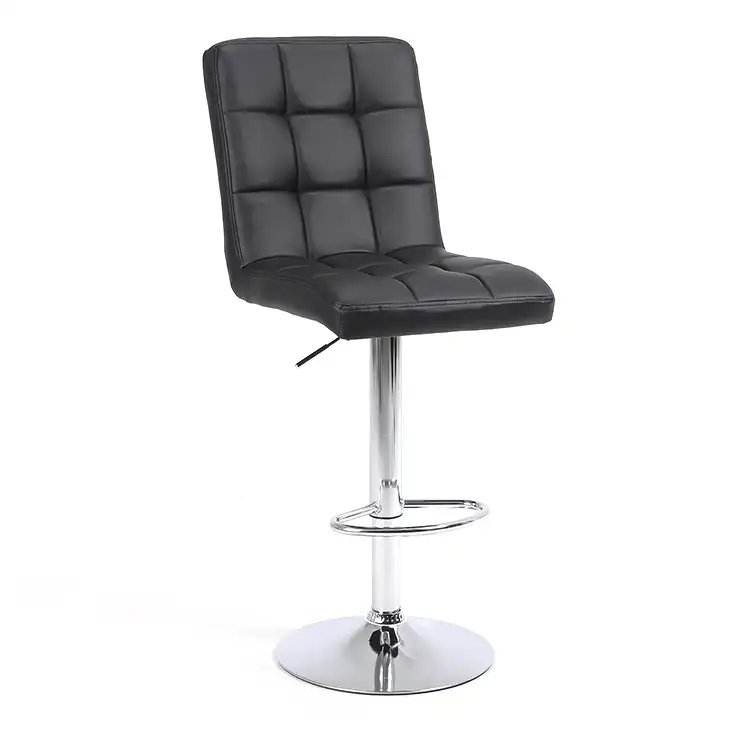
Materials and Construction: What Black High Bar Stools Are Made Of and Their Benefits?
Understanding material specs has a direct effect on its total cost of ownership and its ability to keep running. Commercial-grade choices weigh the original cost against the frequency of repairs and replacements.
Metal Frames: The Workhorse of Commercial Seating
Cold-rolled steel frames (16–18 gauge) are the most common type used in hospitality because they can hold more weight—usually 300 pounds or more of standing weight. During the manufacturing process, charged pigment particles stick together at the molecular level to make surfaces that won't chip and can be cleaned over 500 times without losing their finish. This resistance to rust is especially helpful for restaurants with bar areas next to cleaning areas. Alternatives made of aluminium are 35% lighter, which makes moving staff easier, but they cost more per unit.
The latest technical standard is epoxy-polyester hybrid coatings, which have a scratch resistance rating of 4H pencil hardness, which is strong enough to withstand damage from keys, belt buckles, and common cleaning tools. For venues near the coast, marine-grade powder paints with zinc-rich primers are recommended to keep the black finish from oxidising from the salt air.
Wood and Engineered Composites: Balancing Warmth with Practicality
Kiln-dried hardwoods like beech and rubberwood add a warm feel to high-end spaces, but they need to be below 10% moisture content to keep their joints from breaking in climate-controlled spaces, and for Black high bar stools, the ebonising process, which includes multiple steps of colouring and sealing with UV-blocking polyurethane, keeps the colour strong in direct sunshine, which stops the colour from fading to gray-brown tones, and engineered wood cores wrapped in oak veneers cut material costs by 25% while maintaining a realistic look. Kiln-dried hardwoods like beech and rubberwood add a warm feel to high-end spaces, but they need to be below 10% moisture content to keep their joints from breaking in climate-controlled spaces. The ebonising process, which includes multiple steps of colouring and sealing with UV-blocking polyurethane, keeps the colour strong in direct sunshine, which stops the colour from fading to gray-brown tones. Engineered wood cores wrapped in oak veneers cut material costs by 25% while maintaining a realistic look. This is especially useful for places that value appearance over long-lasting quality.
Upholstery Considerations: Comfort Versus Maintenance Trade-offs
Solution-dyed acrylic fabrics last the longest in the business world because the colour pigments are built into the fibres instead of being applied on top. When introduced to alcohol-based hand sanitisers, this design keeps the colour from running, which happens with cheaper options. Semi-aniline leather looks and feels high-end, but it needs pH-neutral cleaners because ammonia or bleach breaks down colour bonds in just 60 seconds. Contract-grade vinyl that is resistant to sulphide stains works best in high-traffic party settings because it can handle rough cleaning without getting cloudy on top.
Style and Design Trends of Black High Bar Stools in Hospitality Interiors
Industrial Minimalism Meets Functional Elegance
Craft breweries and urban wineries continue to use frames made of raw steel with visible welds and rivets. The style sends a message of authenticity—exposed building suggests openness about where the materials come from and how they are made, which appeals to millennials and Gen Z. Putting matte black metal on top of reclaimed wood seats makes a difference in texture while staying true to the monochromatic style that defines modern industrial design. When placed 10 to 12 inches above the floor, footrest rings help blood flow during long times of sitting, which has been directly linked to more drink refills in timed observational studies.
Customization as Brand Differentiation
More and more, corporate hotel groups want logos to be embossed on the backrest panels and powdercoat colours to be custom matched to brand guidelines. A national steakhouse chain recently put in place debossed leather medallions with their trademark longhorn logo. These made plain seating into brand ambassadors that reinforce identity at every touchpoint. When no one is using them, swivel devices with return-to-center springs keep the look constant, which is what hospitality planners want.
Adjustable-height models can fit a range of counter heights within the same property, which makes SKU management easier for operators with multiple venues. Gas-lift cylinders that are rated for 50,000 cycles or more make sure that the mechanism lasts as long as the frame. This stops the common situation where structural parts last longer than mechanical parts.
Integration with Lighting and Architectural Elements
Since black seats absorb light instead of reflecting it, they are perfect for places that use dramatic pendant lights or backlit bar displays. Because there is less glare, lighting focal points and seating areas don't have to compete with each other. This lets planners add lighting schemes without making the room look crazy. Designs with open backs keep sightlines clear between rooms that are separated, while designs with solid backs make smaller areas within bigger floor plans. This flexibility lets place managers change how people experience space without having to spend money on new equipment.
Procurement Considerations for B2B Buyers: How to Choose and Purchase Black High Bar Stools?
Evaluating Structural Integrity and Compliance Standards
ANSI/BIFMA X5.1 approval is the standard for buying business seating. It requires stable tests, static load capacity checks, and cyclic durability procedures that simulate years of use. Ask for test reports from a third party instead of self-certifications from the maker. Reports from independent labs protect you in court if the product fails too soon. Rear-tilt stability tests make sure that stools don't fall backward when guests lean on them, which is a safety issue that has led to expensive settlements in cases of carelessness.
Getting samples before placing orders for whole containers keeps specifications from changing between sales samples and production batches, and for Black high bar stools, weld quality, finish symmetry, and optimal comfort can only be seen by touching the item, not by looking at a picture of it. Set aside two to three weeks to test samples and staff in real-life operational situations. Weld quality, finish symmetry, and optimal comfort can only be seen by touching the item, not by looking at a picture of it. Set aside two to three weeks to test samples and staff in real-life operational situations.
Supply Chain Logistics and Bulk Ordering Advantages
When compared to less-than-container-load exports, container consolidation cuts shipping costs by 30–45% per unit, but it needs enough storage space and accurate demand forecasts. Negotiating staggered shipping plans allows venues to open in stages while getting big discounts. Lead times from Asian makers are usually 45 to 60 days from deposit to port arrival. This needs to be taken into account when planning your project's schedule to avoid having to pay extra for fast shipping.
Different sellers offer very different warranty terms. Baseline coverage should include structure defects for 36 months and finish defects for 24 months. There should be clear steps for reporting defects and getting replacements. Find out if the guarantee covers the cost of labour for installing or removing the part, as these costs often go over the value of the part itself.
Supplier Vetting and Long-Term Partnership Criteria
Export experience is closely linked to correct paperwork and following the rules. Suppliers who know what the U.S. market wants know about California Proposition 65, flammability standards (CAL TB 117-2013 for padded models), and how to properly classify goods in the Harmonised Tariff Schedule so that customs delays don't happen. Ask for client references from similar venues and make sure the business will be around for a long time—suppliers going out of business in the middle of a project can cause huge delays.
Communication responsiveness during the quotation phase can be used to guess the quality of support after the sale. Operational maturity is shown by suppliers who answer technical questions within 24 hours and provide detailed CAD drawings. OEM and ODM features let you change the specs without having to spend a lot of money on tools that aren't needed for small orders. This is especially helpful for regional chains that need to keep their brand consistent across all of their sites.
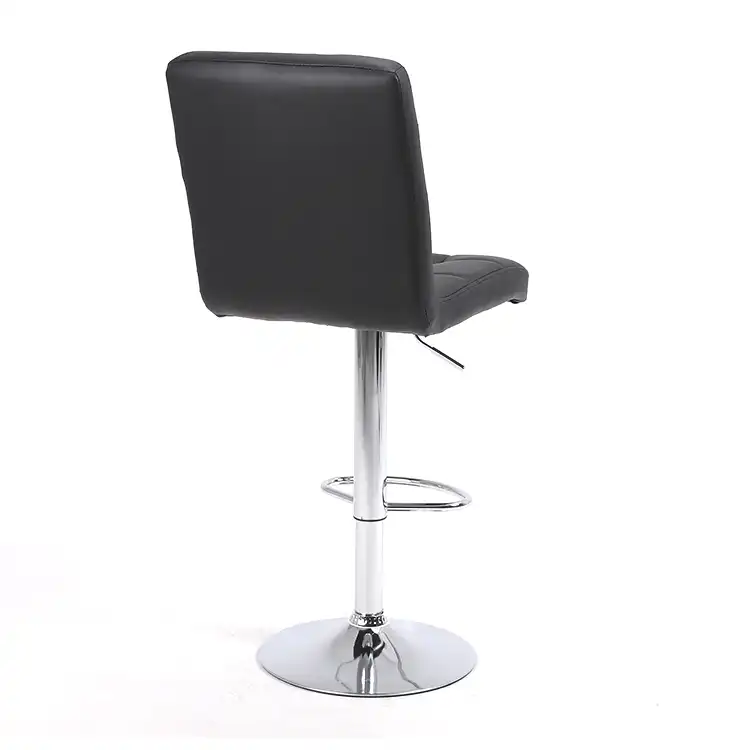
Maintenance, Cleaning, and Longevity to Maximize Investment Value
Material-Specific Cleaning Protocols
Metal frames can be cleaned with pH-neutral degreasers and microfibre cloths, which get rid of body oils and food residues without scratching the powder coat. Do not use rough scrubbing pads. Even ones made of stainless steel leave tiny scratches that dirt builds up over time. Inspections should be done every three months to look for stress cracks in the footrest welds and fix the bolts before the joint breaks.
Different types of wood need different kinds of care, and for Black high bar stools, alcohol-based cleaners take water out of sealed finishes, which makes them cloudy after 90 days of daily use, and using damp cloths and drying them right away stops water from getting into the grain structures, and re-oiling exposed wood surfaces once a year keeps them moist, which keeps them from splitting in dry places like deserts or heating systems in the winter. Alcohol-based cleaners take water out of sealed finishes, which makes them cloudy after 90 days of daily use. Using damp cloths and drying them right away stops water from getting into the grain structures. Re-oiling exposed wood surfaces once a year keeps them moist, which keeps them from splitting in dry places like deserts or heating systems in the winter.
Upholstered seats need to be vacuumed once a week to get rid of dust and dirt that rubs against the fabric when you sit down. Deep cleaning with extraction tools every three months gets rid of embedded oils before they turn into lasting stains. Reapplying fabric protectant every six months restores stain resistance that has been damaged by UV light and cleaning chemicals.
Preventive Maintenance Schedules for High-Traffic Venues
Rotation systems spread out wear on goods. For example, moving stools from areas with a lot of foot traffic in front of the bar to areas with less foot traffic around the edges can increase their overall lifespan by 25%. Replacing glides every 18 months stops metal-on-tile scratches that damage floor finishes and cost a lot of money to fix. Over the course of three years, proactive glide maintenance on 800 bar stools saved a Las Vegas casino $47,000 in carpet repairs.
Keep pictures of the condition at the start and how the damage got worse. This will help with warranty claims and insurance filings after an accident. Leg-dragging damage can be avoided by teaching staff the right way to handle items; studies by hospitality facility management show that lifting instead of sliding can eliminate 80% of finish wear.
Lifecycle Cost Analysis and Replacement Planning
The initial purchase price, shipping and duties, installation labour, ongoing maintenance supplies, and eventual disposal costs must all be taken into account when figuring out the total cost of ownership. A good business stool that costs a bit but lasts eight years has a better return on investment (ROI) than cheap ones that need to be replaced every three years, even though the first cost is higher. Under MACRS rules, depreciation plans for tax reasons usually last for seven years, but an item's useful life often lasts a lot longer than that.
Setting up dealer ties that allow replacement of parts (seats, backs, and cushions) increases the life of furniture without having to throw it away completely. A group of boutique hotels in Portland kept their signature style for 11 years by reupholstering frames three times. This saved them $180,000 in capital costs and kept the design continuity that guests associated with the brand.
Conclusion
Black high bar stools are smart investments for commercial hospitality businesses because they last a long time, look good in a variety of settings, and are easy to use. The specs of their materials make them strong enough to survive tough working conditions while still looking good, which helps with brand positioning. A successful procurement depends on more than just looking at how something looks on the surface. Knowing about structural standards, material properties, and suppliers' abilities is key to making sure that seating solutions work for many years. When venues put the total cost of ownership ahead of the original price points, they consistently get happier guests and fewer replacements, which has a direct effect on their ability to make money in competitive markets.
FAQ
How do I prevent black finishes from showing fingerprints and smudges?
When you buy topcoats, make sure you ask for oleophobic ones. These molecular treatments keep skin oils from leaving marks on regular matte finishes. Textured powder coats, like sand or hammertone, spread out light reflection, which hides smudges between cleanings. Daily wiping with a microfibre cloth during closing processes keeps the look up without the need for special products.
What seat height works best for standard bar counters?
Bar-height tables, which are 40 to 42 inches high, need stools with seat heights of 28 to 32 inches, which gives your thighs 10 to 12 inches of natural space. For 36-inch counter-height platforms, seats should be 24 to 26 inches wide. Seats that are too short or too wide make it hard for guests to move their legs and are uncomfortable for them. To avoid expensive returns, measure your counter elevation before you order.
Can black wood stools handle outdoor patio installations?
When exposed to UV light and changing levels of moisture, natural wood with normal internal finishes breaks down quickly. Choose marine-grade spar varnish with UV blockers that is approved for use outside, or choose powder-coated metal options that are made to last. Solution-dyed plastic wicker looks like wood and is more resistant to weather, making it perfect for use on covered patios.
Partner with YIBO for Premium Black High Bar Stools Manufacturing
From our factory in Anji, which is known as China's chair production city, YIBO has been serving foreign furniture importers, dealers, and hospitality contractors for 14 years. Our 6,000-square-meter plant specialises in making commercial-grade bar stools that meet BIFMA standards. We can support your bulk purchasing needs with production capacity at the container level.
Through our committed R&D team, we offer full OEM and ODM services, changing materials, sizes, styles, and branding elements to fit your market position. As a manufacturer of Black high bar stools, we can do things like test the ergonomics of each unit and make sure it meets export standards through our own powder coating processes. Our international clients benefit from our knowledge of export paperwork, space-efficient packing that cuts down on freight costs, and 24-hour contact support that lets us work around time differences.
Send an email to yb@ajyibo.com right now to get samples and technical specs and see how our production relationship can help you turn procurement problems into competitive benefits. Our warranty-backed goods and focus on long-term partnerships are in line with your goals for business growth in both the hospitality and industrial markets.
References
1. American National Standards Institute. (2017). ANSI/BIFMA X5.1-2017: General-Purpose Office Chairs – Tests. Business and Institutional Furniture Manufacturers Association.
2. Hospitality Design Magazine. (2022). Material Durability in High-Traffic Commercial Environments: A Five-Year Comparative Study. HD Publishing.
3. International Furniture Supply Chain Council. (2021). Best Practices for B2B Furniture Procurement: Quality Assurance and Supplier Evaluation. IFSCC Annual Report.
4. Journal of Interior Design Research. (2020). Color Psychology and Material Selection in Commercial Hospitality Spaces. Volume 45, Issue 3, pp. 67-89.
5. National Restaurant Association. (2023). Furniture Lifecycle Costs in Food Service Operations: A Total Cost of Ownership Analysis. NRA Educational Foundation.
6. Powder Coating Institute. (2019). Technical Guidelines for Commercial Furniture Finishing: Adhesion, Durability and Maintenance Standards. PCI Technical Manual Series.