

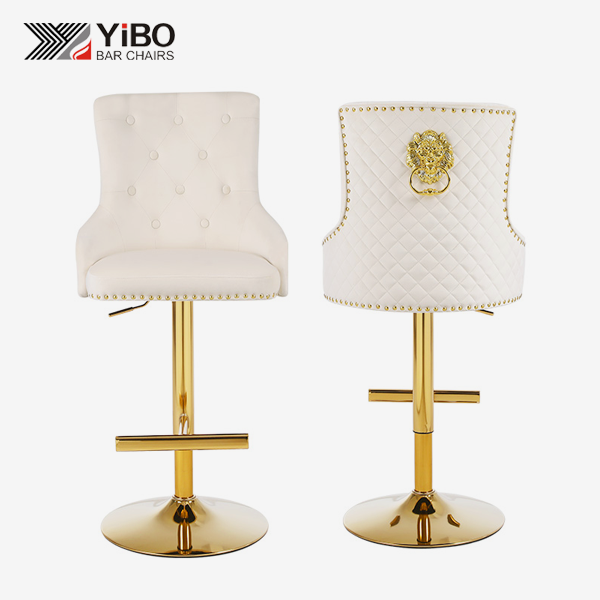
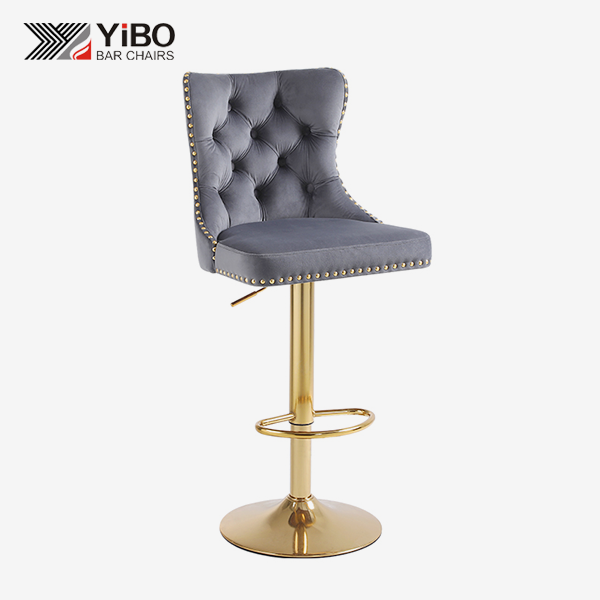
 (1)_1777442575043.jpg)
How to Care for Leather Upholstered Bar Stools?
A strategy method that balances looks, longevity, and operating efficiency is necessary when caring for leather upholstered bar stool in business settings. With regular care, bar stools will last a lot longer, keeping their good looks and saving your furniture investment. If you're in charge of a busy hotel bar, a business break room, or a restaurant chain, knowing how to care for leather seats properly will keep them looking great and working well. This guide talks about the specific problems that procurement managers face and gives them steps they can take to reduce the cost of replacements and increase the value of assets over the course of a product's existence.
Understanding Leather Upholstered Bar Stools and Their Common Care Challenges
Material Composition and Structural Integrity
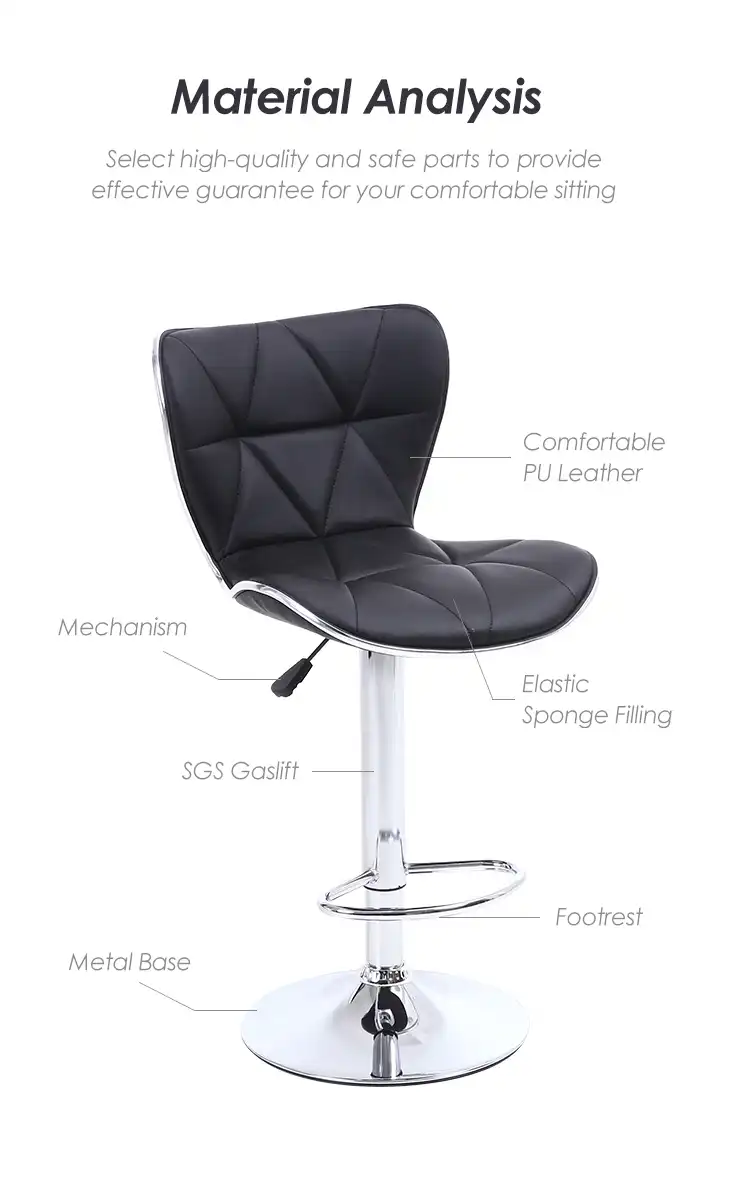
Bar stools with leather seats are a varied product group with a range of material requirements. Full-grain leather naturally breathes and gets a nice color over time, which makes it perfect for high-end dining settings. Top-grain leather is very durable and has a more regular look, making it a good choice for business areas with a lot of foot traffic. At Anji Yibo, we use 0.8 mm thick PU leather over high-density sponge filling in our making process. This gives the shoes a natural feel while also being easy to clean. The 1.0-1.2CM thick Siamese plywood base makes the structure stable, and the 6*16MM screws make sure the assembly is strong enough to handle the daily stress of use.
Material Types and Their Maintenance Implications
There are different ways to take care of different types of leather, which has a direct effect on running costs. Real leather needs to be treated with conditioners to keep it soft and stop it from cracking in climate-controlled spaces. Bonded leather is cheap because it is made of leather bits and polyurethane, but it needs to be cleaned gently so that the surface doesn't wear down. There are options to real leather that don't absorb liquid, like PU and PVC materials. This makes them useful for places where drinks are served. Knowing these things about the materials helps buying teams make sure that the furniture they choose fits within the budget and can be maintained.
Longevity is directly related to the quality of the stitching. High-tensile nylon stitching with 6–8 stitches per inch keeps seams from coming apart when they are stressed from the side, which is very important when people are turning on swivel seats. The quality of the padding affects how well you stay comfortable. Our high-resilience foam, which has a density value of 35–50 kg/m³, keeps you from bottoming out and keeps providing natural support even after thousands of sitting cycles.
Common Challenges in Commercial Environments
When keeping upholstered seats in B2B settings in good shape, procurement managers run into certain problems. A lot of foot traffic speeds up wear patterns, especially on the sides and arms of seats. When alcoholic drinks spill, they leave behind spots that are hard to get rid of and can get into weak surfaces if they are not cleaned right away. Depending on the environment, changes in temperature and humidity in different parts of a building can dry out leather or cause mold to grow. Over time, UV light near windows fades colors and damages fibers. Using strong chemicals in home cleaners or other improper cleaning methods can remove protection finishes and speed up the breakdown process. Because of these problems, upkeep plans need to be planned ahead of time instead of being made after the fact, which is more expensive and causes problems with operations.
Key Principles and Best Practices for Cleaning and Maintaining Leather Bar Stools
Daily Cleaning Protocols for Commercial Settings
Setting up regular cleaning schedules for leather upholstered bar stool protects its look and structure. Microfiber cloths should be used to dry-dust the surface every day so that dirt and dust don't scratch the finish. This easy step stops particles from building up that can get stuck in leather pores and wear them down over time.
A little more care needs to be taken with weekly procedures. To get rid of dust from seams and embroidery details, vacuum gaps with soft brush attachments. Wipe down surfaces with a wet cloth that has been wrung out almost dry. Too much water can get into the stitching and damage the padding below. Our YB-510 model's surface is designed to be easy to clean, which speeds up the time between service periods and reduces downtime in busy business settings.
After regular maintenance is done, facilities should set up spot-cleaning processes to quickly clean up spills. If you don't rub the spot, it won't spread, and pH-neutral leather cleaners get rid of leftovers without hurting protective topcoats. When you teach your staff these techniques, they will be able to use them consistently across jobs and places. This will protect your furniture purchases by making everyone more alert.
Deep Cleaning and Stain Removal Techniques
Deep cleaning every three months gets rid of built-up dirt that regular cleaning misses. Professional-grade leather cleaners made for business use get rid of deep-down dirt successfully while protecting the material's structure. Use soft brushes to apply cleaner minimally and work in circle motions to get into rough areas. To get rid of any leftover soap, rinse with clean, wet clothes and then dry completely with lint-free blankets.
Specific stain types demand targeted approaches:
When food service leaves oil-based marks, absorbent powders like cornstarch need to be used right away. The powders should be left on for a few hours to work before being gently brushed off. Isopropyl alcohol can be used on ink marks by dabbing them with cotton swabs instead of rubbing them to remove the colors without spreading them. Spills of drinks, especially acidic cocktails, need to be cleaned up right away with weak soap solutions and then rinsed well to keep the color from staying.
After a good clean, conditioning techniques bring back the balance of wetness. Leather treatments with natural oils get deep into the fibers to keep them flexible and stop them from breaking. Depending on the weather, use conditioner every three to six months in thin coats that soak in completely without leaving behind greasy leftovers. This preventative step makes things last a lot longer, which means they don't have to be replaced as often and the total cost of ownership is lower.
Protective Measures Against Environmental Damage
Strategies for proactive defense stop damage before it happens. Using window curtains that block UV rays or strategically placing furniture can help reduce the amount of sun that damages fibers and fades colors. Humidity control systems keep the right amount of wetness in the air, which is usually between 40 and 60% relative humidity. This stops mold growth in damp places and breaks in dry places. In seaside or wet areas, it's important to choose PU materials that are resistant to breakdown and have been tried in wild conditions to make sure they last as long as they're supposed to.
When you use leather protectants on a regular basis, they form layers that keep liquids and stains from getting through. To stay in line in business areas, these products should meet fire safety standards like CAL 117-2013. Our fire safety-compliant goods have TB 117-2013 approval, which makes sure that regulations are followed in all areas and gives you more security.
Comparative Analysis: Leather vs Faux Leather Bar Stools in Terms of Maintenance and Lifespan
Maintenance Complexity and Requirements
To take care of real leather upholstered bar stool properly, you need to follow special steps that require staff training and product expense. Conditioning plans, specific cleaning agents, and careful wetness control all add costs that affect how workers are assigned. Genuine leather, on the other hand, can fix itself from small scratches. The natural oils in the leather allow light abrasions to smooth out with gentle heat and pressure, keeping the leather's look without the need for professional help.
Faux leather alternatives make upkeep a lot easier. PU furniture doesn't naturally color, so soap and water are often all that's needed to clean it. Contract-grade vinyl can stand up to strong cleaners, like the mild bleach solutions that are needed in healthcare settings. Less complicated maintenance means less training is needed and cleaning processes are shorter, which are both good for businesses with multiple locations that want to be consistent.
Durability and Lifecycle Cost Considerations
Lifespan estimates are very different for different types of materials. If kept in good condition, premium full-grain leather can be used in a business setting for 15 to 20 years. Over time, it will develop a nice sheen that makes it look better instead of worse. When kept in the same way, top-grain leather usually lasts between 10 and 15 years. Most fake leather options last between 5 and 8 years before they start to show signs of wear. However, performance can vary depending on the grade quality.
Procurement teams need to look at costs that go beyond the initial cost of acquisition. The higher initial cost of genuine leather is spread out over a longer service life, which could mean cheaper yearly costs even though it costs more. Because faux leather doesn't last as long as real leather, it needs to be replaced more often, which costs money and causes problems when furniture is switched out. Logistics for disposal and repair add secret costs that should be found in a full study.
The value of recovering an asset also varies a lot. High-quality leather furniture can be sold on secondary markets for 20 to 30 percent of its original cost, even after the building has been updated. Faux leather items lose their value more quickly and usually have very little repair worth. When buying things on a big scale, these financial issues become especially important because the saves add up over many places and repair rounds.
Practical Maintenance Strategies for B2B Clients: From Purchase to On-Site Use
Inspection Protocols Upon Receipt
Receiving processes set standards for quality and record the original state. Check the fabric for consistent color under normal lighting. Delta E values below 1.0 mean that the batches are matching well. Check the stability of the stitches by gently pulling on the seams and making sure that the stitch density is the same all the way through. Check the leather's surface for flaws in the way it was made, like puddles, odd grain patterns, or finish differences that could mean poor quality control.
As part of structural proof, weight capacity tests and mechanical component function tests are done. Our 300-pound weight limit can handle the demands of business use, but making sure it's stable before putting it to use avoids legal problems. Check the turning gears, gas lift settings, and seat placement to make sure everything works well. Any problems should be reported right away, and problems should be photographed so that the provider can be contacted and insurance claims can be made if needed.
Storage and Pre-Deployment Handling
Proper storage between delivery and installation keeps damage from happening too soon. Climate-controlled storage keeps the purity of leather during storage times. Our five-layer strengthened perforated cardboard packaging keeps units safe while they're being shipped, but for long-term keeping, the packing needs to be taken off so that moisture doesn't build up and cause mold to grow.
Be careful with the leather upholstered bar stool pieces as they are being sent to centers. Do not drag stools across rough surfaces, as this can damage the legs or the fabric. When moving from one place to another, use safety covers. When setting up furniture before installing it, keep it off the ground so that the concrete slabs don't soak up any moisture. These steps keep the furniture in perfect condition until it is used, so customers get it in perfect condition.
Staff Training and Maintenance Protocols
For operations to go smoothly, everyone on the team must follow the repair steps exactly. Clear rules written down in visual guides can help people who don't speak the same language work together more effectively. Show the right way to clean during the hiring process and let the person practice under supervision before giving them full duty. Set up cleaning plans that hold people accountable and keep track of when tasks are finished to make sure that regular tasks are always done.
Damage detection skills should be part of training. When employees can spot early signs of wear, like seams coming apart, finishes getting dull, or foam squeezing together, they can fix small problems right away, before they get worse and cost a lot to fix. Set up ways for building teams and maintenance managers to quickly share information and talk to each other, so that problems can be dealt with more quickly.
Warranty Utilization and Supplier Support
Supplier ties go beyond the first purchase. Our guarantee plans cover problems with the way the products were made, as well as material fails and structure problems that happen with normal use. When problems happen, it's easier to file a claim when you know the guarantee terms and the paperwork that's needed. Keep track of when you bought something, when it was installed, and any upkeep that you do. This will show that you took good care of it and help your guarantee claim.
Support after the sale adds value to furniture throughout its lifecycle. Talk to the expert teams of your suppliers if you're having strange maintenance problems or want advice on how to take care of a certain product. Our promise to respond within 24 hours makes sure that procurement managers get advice quickly, which cuts down on downtime and speeds up problem-solving. When you work together with your providers, you build partnerships that go beyond transactions. These partnerships help both of you succeed by committing to the performance of your products.
Case Studies and Real-World Applications in Procurement and Facility Management
Success Story: Extended Lifespan Through Disciplined Maintenance
In all 200 sites of a national restaurant chain, thorough leather upholstered bar stool care procedures were put in place. Daily cleaning and conditioning plans were given to dedicated staff members. Within three years, the usual number of stool replacements dropped by 40%, which saved a lot of money. Consistent look across sites improved how people thought of the brand, and customer happiness scores for atmosphere went up significantly. The program's success showed that spending money on repair pays off by making things last longer and giving customers a better experience.
Hospitality Sector: Balancing Aesthetics and Durability
An upscale hotel group with sites in humid coastal areas first noticed that natural factors were causing leather to wear out faster than expected. After talking to suppliers and using hydrolysis-resistant PU materials along with dehumidification systems, the average life of the furniture went from 4 years to 8 years. The case shows how important it is to match the specs of materials to the conditions of the surroundings. It also shows that making informed buying decisions is better than trying things out and learning as you go.
Lessons from Common Maintenance Failures
Another example of being careful is using all-purpose cleaners with silicone on real leather, which made the surfaces slippery and took away the leather's natural shine. In an attempt to save money that wasn't smart, professional repair services were needed that cost a lot more than the right products should have. These lessons make it clear how important iA corporate office site didn't do regular maintenance, which is why 500 bar stools cracked all over in 18 months.
The cost of replacement was ten times higher than the cost of good upkeep. After the fact, research showed that being too cheap with upkeep led to bad results, which led to policy changes that put more emphasis on preventive care. Maintenance supplies and staff are now properly budgeted for by facility managers, who see these costs as investments rather than costs.t is to use specific goods and do what the maker says instead of general options that might not work.
Conclusion
To take good care of leather upholstered bar stool upholstered bar seats, you need to know how the materials work, follow the same rules every time, and buy them in a way that balances the cost at first with the value over time. When properly cared for, real leather looks good and lasts a long time, while fake leather options are useful in places with a lot of activity. Setting up thorough upkeep programs by procurement pros protects furniture investments, extends the time between replacements, and maintains the high-end look that is good for brand identity. Facility managers get the most out of their sitting investments and make sure that both guests and workers are relaxed and happy by teaching staff, working with informed suppliers, and taking care of problems before they become a problem.
FAQ
How often should commercial bar stools be professionally cleaned?
Commercial spaces with a lot of foot traffic can benefit from skilled deep cleaning every three months and daily normal upkeep. Bars and restaurants that serve a lot of drinks may need professional maintenance once a month, while offices that don't get used as much can go with every six months. The best amount of cleaning time is also affected by things like temperature and sun exposure.
Can standard household cleaners be used on leather bar stools?
Most everyday home items have strong chemicals, silicones, or rough materials in them that damage leather finishes and make them wear out faster. pH-neutral cleaners made just for leather furniture protect the protection layers while getting rid of dirt and grime effectively. A small investment in the right goods can avoid expensive damage and greatly extend the life of furniture, making expert cleaners a smart financial choice for businesses.
What distinguishes maintenance needs between full-grain leather and faux leather stools?
To keep its natural oils, full-grain leather needs to be conditioned on a regular basis. This keeps it from drying out and breaking. It needs to be cleaned with softer methods and items that are good for fibers. It's easier to take care of faux leather because it can handle harsher cleaners and doesn't need much treatment. But fake leather can't heal small scratches like real leather can, so preventing damage is especially important to keep its look during its shorter useful life.
Partner with YIBO for Premium Seating Solutions and Expert Support
With 14 years of experience making business seats, Anji Yibo Furniture Co., Ltd. is ready to help you with your needs. Our leather-upholstered bar stool provider can do more than just send products; they can also help you with all aspects of purchasing, such as customizing products to fit your brand's standards and meeting business needs. We know that buying furniture is a big investment that needs to be backed by dependable partners who can offer consistent quality, on-time container shipments, and helpful service after the sale. Our building is over 6,000 square meters and uses both high-tech tools and trained labor to make practical designs that are comfortable, long-lasting, and nice to look at. Our R&D team works closely with you to make your idea come true, whether you need OEM changes for private label programs or ODM development for a unique place in the market.Contact our procurement specialists at yb@ajyibo.com to discuss bulk order solutions tailored to your specific operational needs. Visit ajyibo.com to explore our full product range and discover how strategic partnership with an experienced manufacturer maximizes your furniture investment value while ensuring the premium quality your brand deserves.
References
Anderson, M. (2021). Commercial Furniture Maintenance: Best Practices for Hospitality and Corporate Environments. Facility Management Press.
Chen, L., & Roberts, K. (2020). Material Science in Modern Upholstery: A Technical Guide for Procurement Professionals. International Furniture Research Journal, 45(3), 178-195.
Davidson, P. (2022). Lifecycle Costing in Contract Furniture: Strategic Approaches for B2B Buyers. Commercial Interiors Quarterly.
Miller, S. (2019). Leather Care and Conservation in High-Traffic Environments. Professional Cleaning Institute.
Thompson, R., & Wu, J. (2023). Sustainable Furniture Management: Extending Asset Life Through Preventive Maintenance. Global Procurement Review, 12(2), 88-104.
Williams, H. (2020). Comparative Analysis of Upholstery Materials in Commercial Applications. Contract Design Association Technical Bulletin, Volume 8.