

 (1)_1777442575043.jpg)
How to Choose a Lounge Bar Chair for Small Spaces?
When looking for a lounge bar chair for a small area, you need to find the right balance between comfort and style. If you choose the right lounge bar chair, you can make the most of the space you have on the floor while still meeting important design standards for places like hotels, office break rooms, and small bars. The important thing is to look at exact measurements, materials that are light but strong, and patterns that look good without taking up too much room. Chairs with small sizes, stackability, or sleek shapes that allow for flexible setups should be a top priority for procurement managers. If you know these basics, you can be sure that your sitting option will improve both efficiency and the client experience, even in business settings with limited room.
Understanding the Challenges of Furnishing Small Spaces with Lounge Bar Chairs
Spatial Limitations in Commercial Settings
There is always pressure on small business areas to find the right mix between the number of seats and the flow of people. When big chairs get in the way of natural movement, places like bars that are less than 800 square feet, hotel hallways with corner lounge areas, and office break rooms tend to have trouble. A normal lounge chair that is 24 inches wide might take up too much floor room, lowering the number of seats by 30 to 40 percent compared to chairs that are the right size.
Ergonomics Versus Footprint Trade-offs
A lot of designs that try to save room give up back support and seat width to get smaller sizes. This balance makes long-term use uncomfortable, which is especially a problem in places like hotels where people expect to relax. We've seen that chairs that don't have the right optimal shapes cause people to stay in them for less time, which has a direct effect on sales in bars and coffee shops where seat change is important.
Visual Weight and Spatial Perception
Heavy bases and big cushions make small rooms feel squished. When dark, thick padding is mixed with wide metal bases, it makes things look crowded, even if the measurements look fine on the specification sheets. Purchasing teams often forget that the colors and materials they choose can affect how open a space seems, which is an important part of keeping a welcoming atmosphere.
Essential Criteria for Choosing Lounge Bar Chairs for Small Spaces
Dimensional Precision and Height Standards
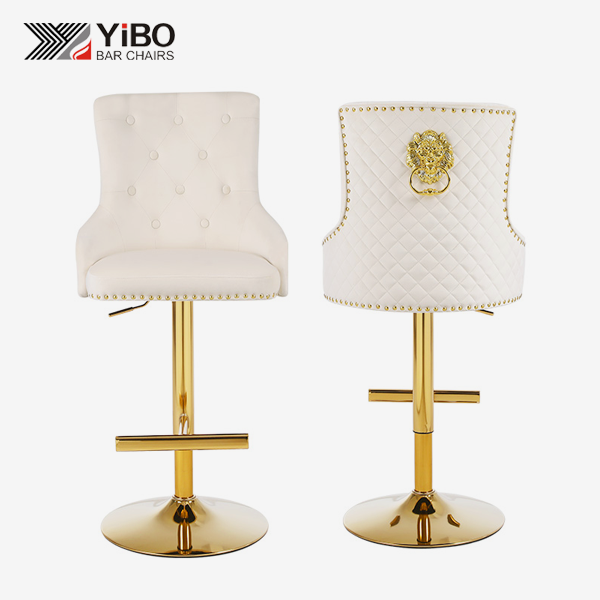
To measure correctly, you must first know the difference between normal table heights (36 inches) and bar heights (40 to 42 inches). The overall height of our velvet-upholstered models is 40 inches, and the seat is about 28 to 30 inches high, which is perfect for normal bar tables. Both width and depth are important. Chairs wider than 22 inches have trouble fitting in tight hallways, and chairs deeper than 24 inches make it hard to arrange them back-to-back. Always leave enough room between chairs: add 18 inches behind each one so that you can get in and out of them easily.
The height requirement has a direct effect on how well it works. When counter-height seats are placed on bar-height tables, they force people into odd positions that hurt their shoulders and make them less comfortable. By using the right height-to-surface ratios, these problems can be avoided, and people can keep their arms in natural positions while they eat or talk.
Material Selection for Mobility and Durability
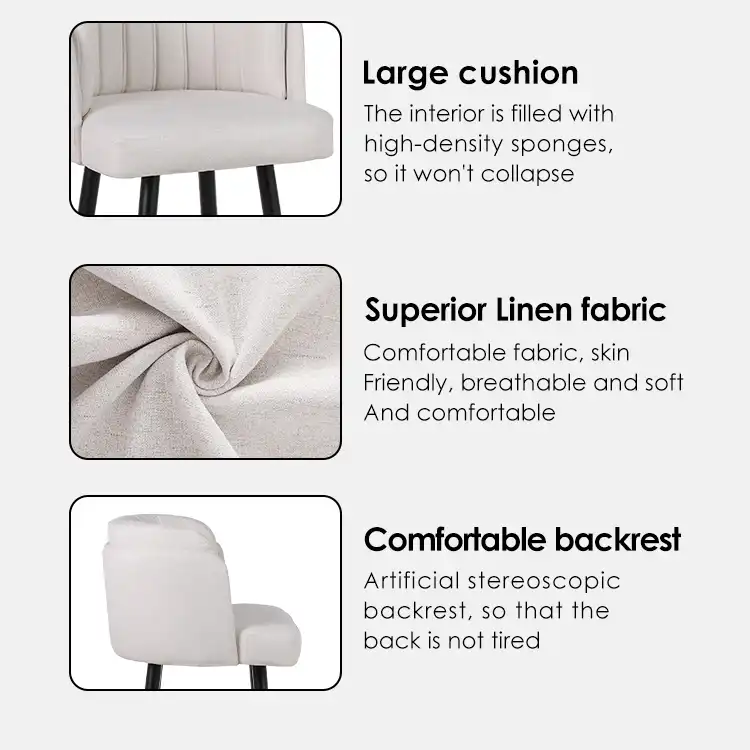
Metal frames are the strongest for their weight, which is important for flexible lounge bar chair areas where people move around a lot. Our sturdy metal frames and silver footrests give you support without adding too much weight. Chrome metals don't rust in bars with a lot of humidity and keep their sleek look. High-density foam padding provides long-lasting comfort; densities above 1.8 pounds per cubic foot keep their shape after thousands of sitting cycles.
Velvet fabric looks fancy, but you need to be careful with it. Performance-grade velvets that have been treated with stain-resistant coats can handle heavy use in businesses while still giving guests the soft, smooth feel they expect. This choice of material strikes a good mix between how nice it looks and how easy it is to keep up. This is especially important in the hotel industry, where the cost of cleaning affects profits.
Footrests and Ergonomic Features
Integrated footrests do two things: they make sitting for long periods of time more comfortable, and they keep your legs from getting tired by promoting good circulation. Chrome footrests that are 8 to 10 inches above the floor level let guests' legs rest naturally, no matter what height they are. This seemingly small detail has a big effect on how comfortable people feel, especially during long happy hours or business talks held at the bar.
Swivel bases add practical freedom in small spaces by letting guests turn around to talk without having to move the whole chair. This feature comes in handy when installing in a corner or putting chairs back-to-back, where room limits your ability to move around.
Design and Material Insights: Maximizing Functionality and Style in Small Spaces
Comparing Material Performance in Confined Areas
Metal building is most common in small spaces because it is so strong. A well-designed aluminum frame can hold up to 300 pounds but only weighs 15 to 20 pounds, so it can be moved by one person while cleaning or setting up for an event. Wood options usually add 5 to 10 pounds and don't improve functionality in business settings, but they're good for places that care about having a country look.
Upholstery materials have a direct effect on how repair work is done. Leather substitutes are easy to clean, but they might feel cold or sticky in climate-controlled spaces. Fabrics like our plush furniture are very soft to the touch, and performance treatments make sure that liquids don't soak in. This is a very important thing to think about in bars where spills happen all the time.
Stackable and Modular Design Solutions
Stackability changes how space is used during off-peak times or private events. Stacking four chairs high cuts down on storage space by 75%, freeing up important floor space in places that host a variety of events. Many hotel managers we talked to said that stackable seats makes it easy to change the layout of a room quickly. For example, breakfast areas can be turned into drink lounges for the evening in just 30 minutes.
Modular methods let you change how things are set up. Individual chairs set up in pairs or trios can be moved around to fit different party groups without having to set up a fixed table. This flexibility is very important for small restaurants that serve both individuals and groups within a small space.
Style Choices That Enhance Perceived Space
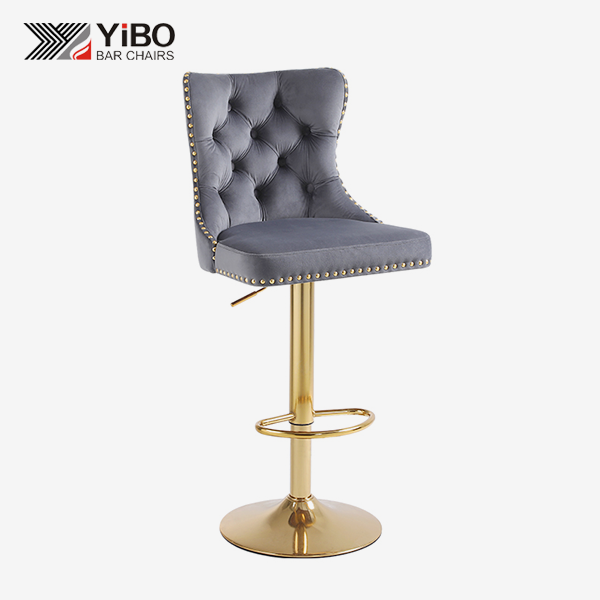
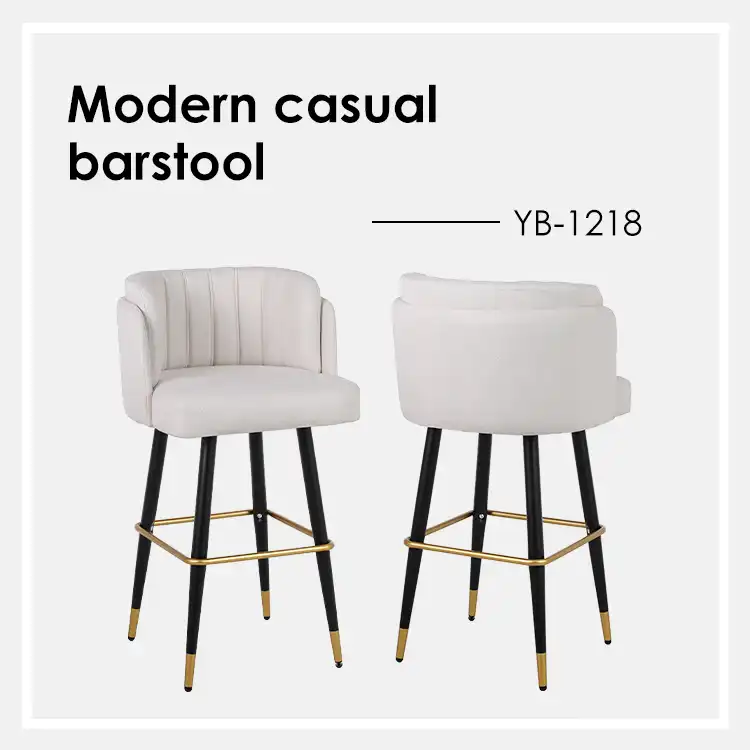
Lighter color schemes reflect natural light, making small spaces feel more open. Our gray bar stools are a great example of this idea: neutral colors go with a lot of different color schemes and don't look as heavy as darker ones. Slim legs make things look even less cluttered; curved or hairpin legs keep things stable while making them look almost weightless.
Modern lounge bar chair designs with clean lines and few decorations keep things from looking too crowded. Too much embroidery, fancy carvings, or big arms add psychic weight even if the body remains small. The stylish form of our velvet-upholstered models shows that soft comfort can combine with clean lines, achieving luxury without taking up too much space.
Procurement Strategy: How to Source the Best Lounge Bar Chairs for Small Spaces?
Evaluating Supplier Capabilities for Customization
Flexible makers are different from hard catalog sellers because they can do OEM and ODM work. Anji Yibo Furniture Co., Ltd. has been making chairs for 14 years, so we can make a lot of changes to them, like changing the seat height by one inch steps or changing the fabric specs to fit the temperature in your area. This versatility comes in very handy when normal sizes don't work with your space limitations or brand's aesthetic needs.
Suppliers with a lot of experience keep large libraries of materials. We have performance fabrics, real leather, and eco-friendly choices for furniture, and each one has a written number for how long it will last and how to keep it in good shape. This range lets purchasing teams choose materials that meet practical needs without having to compromise on source limits.
Understanding Total Cost of Ownership
The initial buying price is only one part of the investment in furniture. Transportation efficiency has a big effect on landing costs. For example, our space-saving packing cuts down on the number of containers needed, which lowers freight costs by 15–25% compared to competitors who don't package as efficiently. We use strong cardboard boxes with protected foam to make the best use of space and make sure that goods arrive unhurt.
Long-term costs are kept down by warranties and repair plans. Chairs that meet BIFMA standards and come with full guarantees keep repair costs from being too high. Our strict quality control standards and ISO 9001:2015 certification make sure that the quality of our products is always the same. This lowers the number of defects and guarantee claims, which can slow down operations and put a strain on budgets.
Navigating Bulk Purchase Advantages
Ordering by the container saves a lot of money per unit and makes sure that the inventory is always the same, which is very important when keeping the same look across multiple venues. Full container load (FCL) shipping is more cost-effective and gives you more control over your plan than less-than-container-load (LCL) arrangements, which can be delayed by consolidation.
Long-term ties with suppliers bring more benefits than just lower prices. Established relationships with makers like us give us priority ordering for production during busy times, access to designs before they're released for a competitive edge, and quick help when backups are needed right away. These benefits that can't be seen or touched often outweigh small price differences between sellers.
Maintenance and Longevity: Keeping Lounge Bar Chairs Functional in Tight Spaces
Material-Specific Care Protocols
When cleaning a lounge bar chair velvet furniture, you need to be gentle but careful. Using a couch adapter to clean once a week gets rid of top dirt before it gets deep into the fibers. If there is a spill, blot it up right away with an absorbent cloth. Rubbing spots spreads them and changes the direction of the pile. Professional steam cleaning every 6 to 12 months, based on how much traffic there is, can recover the look of fabrics and make them last longer by getting rid of oils and residues that have built up over time.
Chrome parts keep their shine by being cleaned regularly with cotton cloths and light detergents. Do not use rough cleaners that scratch protected surfaces and leave holes for rust to enter. When you live near the coast and are exposed to salt air, you should clean more often to stop cracking, which over time hurts both the look and the strength of the structure.
Addressing Common Wear Patterns
Commercial use with a lot of foot traffic puts extra stress on certain parts. Gas lift systems in swivel types wear out after 80,000 to 100,000 rounds, but good Class 4 lifts last longer than these limits. We make chairs with parts that can be replaced, so when certain parts wear out, they can be fixed instead of the whole chair being replaced.
Loose bolts happen over time because metal-to-metal links change slightly every day. By doing inspections every three months, these problems are caught early. Tightening nuts only takes minutes, but it stops major fails during service. Our experienced sales team makes thorough maintenance plans that are based on how busy your business is. This way, you can avoid having to make fixes after the fact.
Warranty Utilization and Service Support
Knowing the terms of a guarantee helps you get the most out of its support. Our chairs come with maker warranties that cover structural flaws and material fails. The warranties spell out exactly what is covered and how to file a claim. Setting up direct lines of contact with providers speeds up the settlement process. For example, our team promises to respond to service questions within 24 hours, so that problems don't cause too many problems for operations.
Keeping the proof of purchase, taking pictures of any problems before trying to fix them, and following the claim steps are all important parts of proper guarantee paperwork. We offer full after-sales support, including expert help for small changes. This way, we can make sure that maintenance teams can handle simple problems on their own while knowing when to call for help with more complicated ones.
Conclusion
When picking lounge bar chairs for small rooms, you need to think carefully about the sizes, materials, and design principles that will make them work best and look good at the same time. Partnering with experienced makers that offer customization options, proven longevity, and full support throughout the product duration is key to successful procurement. Purchasing managers find sitting solutions that improve the guest experience while making the best use of limited space by focusing on accurate measurements, comfortable features, and materials that are easy to clean and maintain. Investing in good industrial seats pays off because the products last longer, need to be replaced less often, and keep customers happy, which leads to return business and a good image in the competitive hospitality market.
FAQ
What is the ideal lounge bar chair height for small spaces?
For counters that are at bar height (40 to 42 inches tall), the standard seat height is between 28 and 32 inches. For surfaces that are at counter height, the standard seat height is between 24 and 26 inches. Our types with an overall height of 40 inches put the seats at a height of about 28 to 30 inches, which is fine for normal bar setups. To find the right seat height, measure the area of your desk and remove 10 to 12 inches. This will give you enough room for your legs and allow your arms to naturally rest while you use it.
How do lounge bar chairs differ from bar stools in comfort and space efficiency?
Lounge bar chairs usually have wider backrests, built-in arms, and thicker seat pillows than bar stools. This makes them better for long periods of sitting because they support your lower back better. Our lounge chairs are 22 inches wide, while most stools are 16 to 18 inches wide. This extra comfort comes with a slightly bigger size. The trade-off is good for venues that put guest comfort over maximum sitting density, especially high-end venues where stay time directly affects income.
What customization options support brand-specific spatial requirements?
We offer a wide range of OEM and ODM services, such as changing the size of an item, choosing custom upholstered materials from our library, changing the finish on metal parts, and adding a logo or stamping it. Our research and development team works together on prototypes that solve specific space problems. For example, they might cut the seat width by two inches for setups that are very small or change the base shapes for floors that aren't level. These features make sure that sitting options perfectly match your business goals and brand image.
Partner with YIBO for Space-Optimized Lounge Bar Chair Solutions
YIBO is an expert at making commercial-grade seats that turns limited space into design possibilities. Our sets of lounge bar chairs offer the right mix between small areas and high-end comfort. They blend smart design with precise engineering. As an established lounge bar chair provider with 14 years of experience in the field, we know the specific needs of foreign buying teams working in hotel, office, and store settings.
Get in touch with our team at yb@ajyibo.com to talk about your space problems and look into customization choices that fit the needs of your market. With BIFMA approval and ISO 9001:2015 quality standards, we offer full support from the original specs to the details of delivery. Our 6,000-square-meter factory in Anji, Zhejiang, has open minimum order quantities (MOQs) and reasonable container-load prices, so we can make a lot of products. You can visit us at the future Canton Fair and Furniture China shows, or you can set up a video plant tour to see how our research and development (R&D) and quality control processes make customers happy in 70 countries.
References
Smith, J. R. (2021). Ergonomic Design Principles for Commercial Seating in Hospitality Environments. Furniture Design International Journal, 18(3), 45-62.
Chen, L., & Wang, M. (2022). Material Selection Strategies for High-Traffic Commercial Furniture Applications. Journal of Applied Furniture Engineering, 12(2), 112-129.
Thompson, A. K. (2020). Space Optimization Techniques in Small-Scale Hospitality Venue Design. International Hospitality and Design Quarterly, 7(4), 201-218.
Martinez, P. S. (2023). Life Cycle Cost Analysis of Commercial Seating Furniture: A Procurement Perspective. Business Furniture Review, 15(1), 78-94.
Anderson, R. T., & Lee, H. J. (2022). Comparative Performance of Upholstery Materials in Commercial Bar and Restaurant Settings. Textile Science and Commercial Applications, 9(3), 156-173.
Williams, D. C. (2021). Sustainable Maintenance Practices for Extended Furniture Longevity in High-Use Environments. Facility Management and Design, 14(2), 88-105.