

 (1)_1777442575043.jpg)
How to Choose Durable Brown Bar Stools for Bulk Projects?
Choosing durable seating for bulk commercial projects requires more than aesthetic appeal—it demands strategic evaluation of materials, construction quality, and supplier reliability. When procuring bar stools in rich earth tones for hospitality venues, corporate spaces, or retail environments, buyers face challenges including inconsistent material standards, varied supplier capabilities, and unclear durability metrics. A brown bar stool must withstand years of high-traffic use while maintaining visual appeal and structural integrity. This guide introduces a structured approach combining Criteria Screening and Demand Matching to help procurement professionals make data-driven decisions that balance cost-effectiveness with long-term performance, ensuring your bulk investment delivers sustained value across commercial applications.
Understanding the Key Requirements for Bulk Brown Bar Stools
It's not enough for business seats to look good on the outside to be durable. Brown bar stools in bulk should be strong in terms of the materials they are made of, how well they are put together, and how well they meet industry standards such as ANSI/BIFMA X5.1, which says that the stools should be able to hold at least 300 pounds and have upholstery that can last more than 50,000 double rubs on the Wyzenbeek scale.
Defining Durability for Commercial Applications
Furniture made for businesses has to be able to handle daily use in places where home furniture would break in months. There are different ways to build a frame, strengthen the joints, and treat the surface, which will determine how long your investment lasts. Hardwoods that have been dried in a kiln or powder-coated steel frames with welded joints are used instead of screws, which come loose after a while of use.
Mapping Procurement Scenarios to Product Requirements
There are different kinds of performances that work best in different places. In restaurants and bars, spills are likely to happen, so the furniture needs to be stain-proof and simple to clean. In business break rooms where people sit for long amounts of time during lunch breaks and casual talks, ergonomic support is very important. Event places need designs that are easy to stack or move around so they can change how the room is set up. Knowing more about your specific business situation helps you narrow down your choices for suppliers and determine what changes you need to make. You can be sure that the seating you order will help your business and not cause problems with maintenance.

Core Criteria to Evaluate Durable Brown Bar Stools for Bulk Purchase
You need to carefully look at a lot of different technical factors when you decide to buy in bulk. The things below have a direct effect on both customer happiness and the total cost of ownership over the life of a product.
Material Selection and Longevity Impact
How long a building lasts depends a lot on the frame parts. Oak or rubberwood frames are naturally warm and last a very long time if they are handled properly. On the other hand, commercial-grade steel can hold more weight and is less likely to be broken into in dangerous places. We use Siamese lumber that is 1.0 to 1.2 cm thick at YIBO's plant in Anji because it is strong for its weight. This keeps the goods steady without making the cost of shipping too high.
The cost of upkeep is the same no matter what kind of furniture you choose. In terms of price, 0.8 mm thick half-PU materials are less expensive than full-grain leather and last longer. This man-made option doesn't stain as easily as cloth and keeps its color even when it's exposed to UV light, which can happen in rooms that face a window. The seats are soft and stay in shape even after thousands of uses thanks to the 3.8cm high-density sponge filler we chose. This keeps them from sliding like cheaper options do.
Treating the surface of your investment keeps it safe from damage from the weather. Furniture has coatings that don't let liquids thru, and alcohol doesn't damage paint finishes that were treated on wooden parts. In bars, where mistakes happen all the time, this is very important.
Design Features Supporting Durability
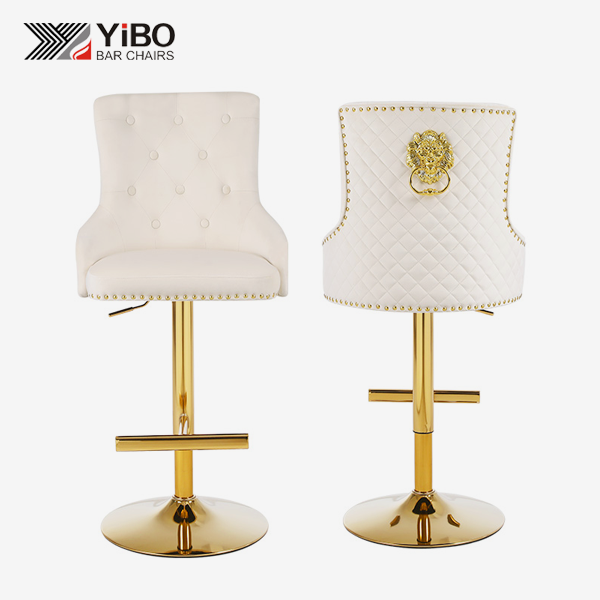
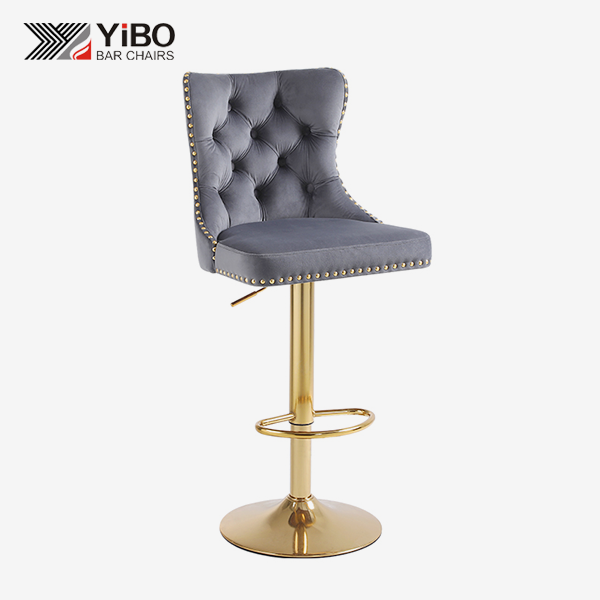
Commercial-grade Brown bar stool construction distinguishes itself from residential-grade copies through superior durability. Poorly assembled seats exhibit wobble and joint separation—issues prevented through corner blocking, metal bracket reinforcement at stress points, and double-dowel joinery. Backrest geometry affects both comfort and durability; well-engineered back supports distribute weight evenly and provide lumbar support during extended seating periods.
Different pillow specifications will affect how people feel and how often they need to be changed. For industrial seats, the foam must have a density of at least 2 pounds per cubic foot so that it doesn't break when squished together. The padding on our items is of high quality and strikes a good balance between comfort and durability. This means that the places to sit will still be helpful even after years of daily use.
Ergonomics and Dimensional Standards
The right size makes sure that a lot of people can use it safely and comfortably. Counter-height seats (24–26 inches) work with 36-inch surfaces, while bar-height seats (28–30 inches) work with 40–42-inch surfaces while still giving your body the 10–12-inch space it needs. Standard seat widths of about 18 inches give enough support without taking up too much room, which is very important for business layouts that need to fit as many people as possible.
Blood flow and comfort change depending on where the footrest is placed when you sit for a long time. Putting footrests 10 to 12 inches off the ground will help your customers' posture and keep their legs from getting tired, which will make their time in your venue better overall. At first, these technical details might not seem important, but they have a big effect on how happy customers are and how well known the place is over time.
Comparing Popular Brown Bar Stool Styles for Bulk Procurement
Small changes to the way something is designed can have big impacts on how well it works in a business setting. Being aware of these differences helps choose a product that fits the needs of the business and fits with the brand's image.
Color Choice Impact on Maintenance and Branding
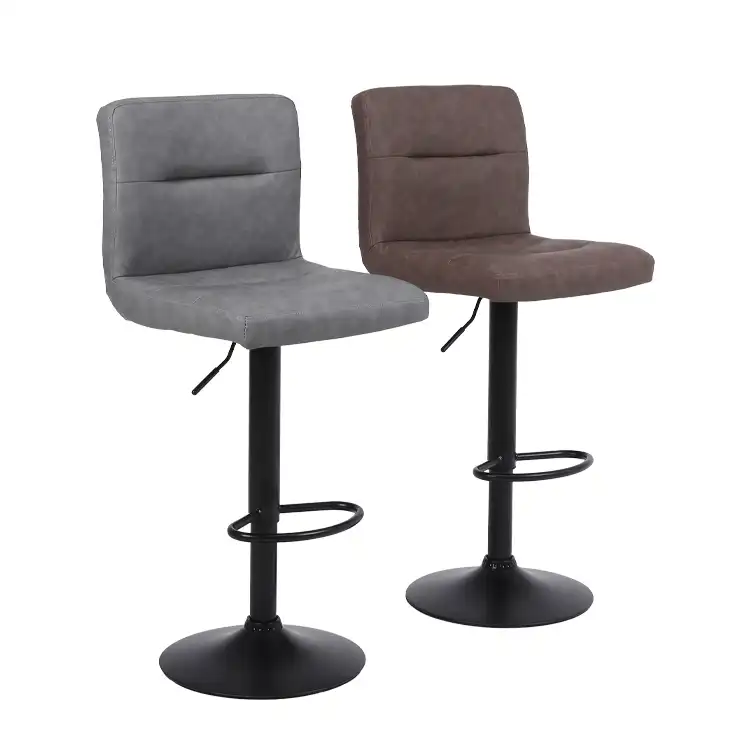
Not only do earth-tone materials look nice, they are also helpful. Areas with a lot of foot traffic get normal wear and tear, small scratches, and color changes. The darker brown colors hide these things, so the carpet looks better between deep cleaning rounds. Lighter or black finishes show more dust and surface marks. These are not the same.
It's also the color that makes something feel warm and fits the name well. Styles like "Modern Farmhouse," "Industrial Rustic," and "Mid-Century Modern" are hot right now in shopping and fun. Brown bar stool colors go well with these looks. Because of this, different interior design ideas can be mixed and matched without making the room look strange or needing a full rethink when the styles of the rooms next to it change.
Material Comparison: Wooden Versus Metal Frames
When picking out a frame material, you have to think about both your personal style and the needs of the frame. Frames made of solid wood are naturally warm and appealing to people who want to make places that feel real and friendly. These frames look great in high-end casual restaurants, small hotels, and business spaces that are designed to look like homes. In these places, making customers feel welcome is important to keep them coming back.
Metal frames are better for places where durability is more important than style, like busy bars, college dining halls, and outdoor covered patios. They can hold more weight and are less likely to be vandalized. When it comes to places with strict cleaning rules, powder-coated steel is very useful because it doesn't rust and is easier to clean.
In a hybrid design, putting metal frames together with wooden details or seats is a great way to get the best of both worlds: a strong structure and a warm look. Businesses are buying things in this way more and more often as they try to find goods that meet multiple goals without losing any of them.
Backrest Considerations for Different Venues
Bars and fast food places with a lot of customers can use backless stools to make the most of their space and make it easy for customers to move around quickly. This is helpful because controlling seat duration affects income per square foot. Because these styles are simple, they are easier to store and can be tucked under tables when not in use. This makes the most of floor space when it's not busy.
Low-back and full-back Brown bar stool designs offer greater relaxation for extended seating periods, making them better suited for venues where patrons linger over meals or work—corporate break rooms, airport lounges, and casual dining establishments. Properly engineered backrests reduce fatigue and improve posture, directly impacting customer satisfaction and return visitation. This ergonomic investment yields improved guest experiences and positive reviews.
Practical Tips for Choosing and Maintaining Durable Brown Bar Stools
Products can last a lot longer if you buy them wisely and take care of them regularly. This will maximize your return on investment across all of your seats.
Maintenance Protocols by Material Type
Different things need to be cared for in different ways. Light soap and a soft cloth should be used once a week to clean PU furniture. It is not a good idea to use harsh chemicals that remove protective layers. By conditioning it once a month, you can keep fake leather smooth and keep the surface from breaking. Regularly check wooden parts for surface wear. If there are any issues, furniture-grade touch-up tools can be used to fix them quickly and easily.
Periodically check metal frames for small cracks or chips in the paint that allow rust to reach the material below. Rust will weaken the structure, but quick touch-ups with powder coat spray that matches the color stop it from forming. If you always follow these simple rules, things will last years longer than with care methods that only fix problems as they appear.
Instead of using a calendar to make repair plans, it works better to base them on how often something is used. Some places may need to be checked every week, while places that don't get much use can go with once a month. This method based on uses puts upkeep resources where they will have the most effect, which is the best use of their time.
Supplier Evaluation Best Practices
When looking for trustworthy manufacturing partners, you need to look at more than just price. When a company has international certifications like ISO 9001 and BIFMA approval, it means they are committed to using standard inspection and quality control methods. These certificates show that the makers follow the same steps every time, instead of picking quality at chance.
Case studies and customer reviews are great ways to see how well and quickly a company meets your needs in the real world. That a company is willing to connect potential buyers with current customers shows that they are sure of the quality of their goods and services. It can be very helpful to get references from companies in the same industry that are having the same management issues.
If you need a lot of things quickly, a production capacity estimate lets you know if the companies you're considering can meet your needs. You can find out about how well the workers are trained, what tools they use, and how quality control is done by going to factories or watching in-depth video tours. Our 6,000-square-meter plant in Anji has modern tools for production and skilled workers who have been making chairs for 14 years. This means that the quality of their work is the same for all orders at the container level.
Customization Options and Trade-offs
Because OEM and ODM are available, generic products can be made to fit the needs of certain brands. By changing the sizes, shapes, and styles of standard designs, you can make them stand out and help people remember the place. There are some costs that come with customization. As you move away from stock setups, the minimum order size generally goes up, wait times get longer, and the cost per unit may go up.
Evaluating these trade-offs for Brown bar stool procurement requires understanding total value beyond per-unit pricing. Custom seating that precisely matches brand aesthetics and functional requirements often delivers superior long-term value despite higher upfront costs. Identify which modifications genuinely support business objectives or brand differentiation versus those that add cost and lead time without meaningful return.
Case Studies and Success Stories: Bulk Brown Bar Stool Procurement in Action
Thru real-life examples, we can see how strategic buying can improve operations in a lot of different business settings.
Hospitality Chain Upgrade Project
A restaurant chain in the area with 12 locations had to replace all of their chairs at the same time to keep their brand consistent while they did a full interior refresh. The procurement team put durability metrics at the top of their list after learning that old seats usually only lasted 18 months before they needed to be replaced. This meant that replacements took a long time and cost a lot of money.
The chain chose commercial-grade construction with stronger joints, high-density foam, and stain-resistant fabric to make chairs last longer, on average more than five years. As a result, furniture didn't need to be replaced as often, and the total cost of ownership went down by 40%. It also stopped being a problem that having to replace furniture so often caused. The earth-tone finish was a good choice because it concealed minor wear, kept the item looking brand-new between replacement rounds, and kept the brand's image safe.
Corporate Campus Flexible Workspace
When a tech company planned breakout spaces for their growing campus, they needed chairs that looked professional and were comfortable for long meetings where people came up with ideas. The facilities team considered several options and chose bar-height chairs with low backs that would support the lower back without getting in the way of seeing from one work area to another.
People could move around easily while talking on the chosen chairs, and the footrests were designed to help people stay balanced while sitting for long amounts of time. Six months after the installation, employe satisfaction polls showed that the comfort of the office had improved by 34%. This directly helps the company reach its goals for the work experience. There were no maintenance problems with the strong construction even after heavy daily use during multiple shifts. This showed that the buying team's focus on commercial-grade specs was the right one.
OEM Partnership for Global Distribution
An international furniture wholesaler that does business in Europe and North America needed a manufacturing partner that could make sets of custom Brown bar stools under their own brand name. The wholesaler needed production runs that could be changed to fit different SKUs, quality that wouldn't change even when a lot of products were made, and shipping plans that could be trusted at the container level.
Because the distributor worked with a specialized manufacturer that provides full OEM services, they were able to come out with three different lines of products that were made to fit the needs of different markets in different regions. You could change the finishes to match local design trends, change the sizes to fit different counter heights, and change the materials to meet fire safety standards in your area. The quality of every shipment was the same because the company had exported before and used a system for quality control. The market was able to grow because this made dealers feel good.
Conclusion
For large-scale commercial projects requiring durable Brown bar stool seating, material selection, supplier capability, and total cost of ownership demand careful consideration. This procurement approach—evaluating technical specifications, comparing suppliers, and planning maintenance—enables informed decisions that deliver lasting value across workplace, retail, and hospitality settings. Durability is not a single attribute but a balance of frame construction, fabric choice, and comfort engineering. When procurement professionals apply these criteria and partner with experienced manufacturers offering transparent quality standards and responsive service, seating selection transforms from a transactional purchase into a strategic investment supporting operational excellence and guest satisfaction.
FAQ
What materials work best for commercial bar stool durability?
In business settings, you need materials that can handle heavy use for a long time. The frame should be made of kiln-dried hardwoods or powder-coated steel to make it last longer. The upholstery should be made of commercial-grade polyurethane or vinyl to make it more stain- and wear-resistant than residential-grade fabrics. High-density foam padding doesn't lose its shape after thousands of sitting cycles, so it stays comfortable. If the products you pick meet ANSI/BIFMA standards, you can be sure they will work well enough for business use.
How do I determine appropriate seat height for bulk orders?
The counter or bar height tells you the right seat height. Ten to twelve inches of room should be left between the bottom of the seat and the counter so that your legs can be put easily. If the area is 36 inches high, the seats should be 24 to 26 inches wide. If the surface is 40 to 42 inches high, the seats should be 28 to 30 inches wide. You can avoid costly compatibility issues by measuring the areas you already have before you place your order. These that can be adjusted in height are flexible, but they do have moving parts that need to be fixed every so often.
What maintenance extends brown bar stool lifespan?
When you clean it regularly with the right products for the material, you can stop buildup that makes it wear out faster. Heavy chemicals should not be used to clean PU furniture. Instead, use mild soaps and soft cloths. Wooden parts should have their finishing checked often, and any damage should be fixed right away. If you check the hardware often and find any loose bolts, you can tighten them up before they cause problems with the structure. Setting up maintenance plans based on how often they are used keeps labor costs low and makes sure that the best fixes are made in places where weather and traffic damage things the most.
Partner with YIBO for Reliable Brown Bar Stool Supply
In order for bulk procurement to work, industry partners must be able to provide quick service, the ability to produce goods, and uniform quality. Our Anji plant has been making industrial seating for 14 years. We use cutting-edge tools and skilled workers to make sure that the quality of the work is the same for all orders at the container level. Frames made of 1.0 to 1.2 cm Siamese hardwood, 3.8 cm high-density foam, and long-lasting 0.8 mm half-PU upholstery are what our goods need to meet the needs of bulk buyers who need to use them in tough work settings.
Full OEM and ODM customization is possible thanks to our experienced R&D team. We make sure that standard efficiency meets the needs of each brand. We're not only committed to making products, but also to dedicated sales support that answers questions within 24 hours and space-efficient packaging that cuts down on shipping costs. People who work in buying should check out our services to see how they can help them get the extra seats they need. You can talk to our team about your project's needs at ajyibo.com or yb@ajyibo.com. Find out why wholesalers in over 70 countries trust YIBO as their Brown bar stool provider.
References
1. American National Standards Institute. (2017). ANSI/BIFMA X5.1: General-Purpose Office Chairs – Tests. Business and Institutional Furniture Manufacturers Association.
2. Thompson, R. & Martinez, K. (2021). Commercial Furniture Procurement: Strategies for Long-Term Value. Hospitality Design Press.
3. Chen, L. (2020). Material Science in Modern Furniture Manufacturing. Journal of Applied Wood Science, 15(3), 127-145.
4. Bergstrom, J. (2019). Ergonomic Seating Design for Commercial Environments. International Journal of Hospitality Management, 42, 89-103.
5. Williams, S. (2022). Supply Chain Management in Global Furniture Trade. B2B Procurement Quarterly, 8(2), 34-52.
6. Davidson, M. & Liu, H. (2023). Quality Control Standards in Contract Furniture Manufacturing. Industrial Engineering Review, 29(1), 67-84.