

 (1)_1777442575043.jpg)
How to Choose Materials When Buying a Lion Head Modern Bar Stool?
Picture this: You've just invested thousands in renovating your upscale bar or restaurant, but your seating falls flat, literally and figuratively. Your guests shift uncomfortably after ten minutes, and those supposedly luxurious bar stools already show wear after just three months. Choosing the right materials for your Lion Head modern bar stool isn't just about aesthetics—it's about durability, comfort, and protecting your investment. The difference between premium materials and subpar alternatives can mean the distinction between furniture that elevates your space for years versus pieces that disappoint within months.
Understanding the Core Materials in Lion Head Bar Stools
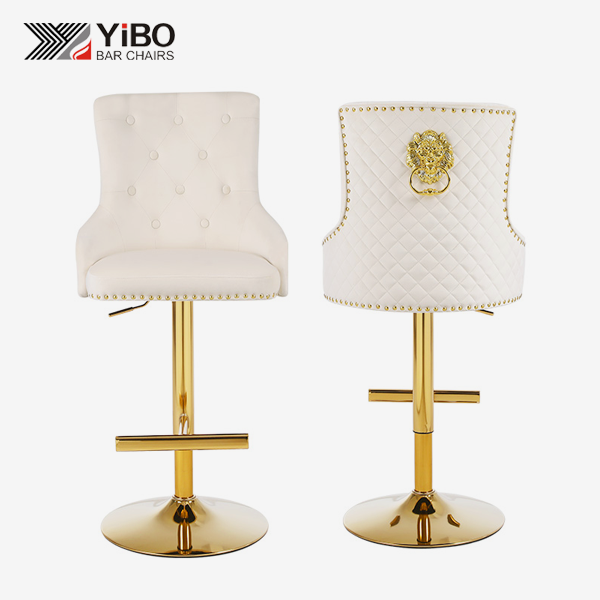
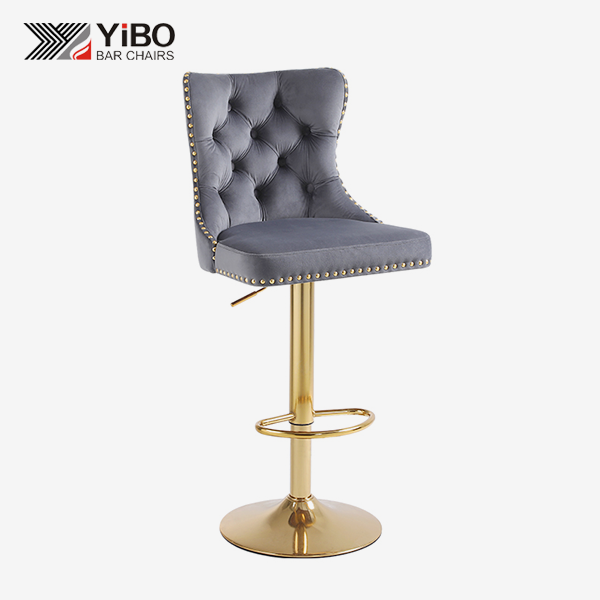
When investing in a bar stool with lion head design, understanding the fundamental materials used in construction becomes critical to making an informed purchasing decision. The Lion Head modern bar stool typically incorporates multiple material components that work together to create both structural integrity and visual appeal. These sophisticated pieces combine traditional craftsmanship with contemporary engineering, utilizing materials that have been tested across demanding commercial environments for durability and performance.
-
Frame Construction Materials
The foundation of any quality lion head stool begins with its frame construction. Premium Lion Bar Stools typically feature metal frames crafted from steel or aluminum, providing the essential structural support needed for daily use in commercial settings. Steel frames offer superior weight capacity, often supporting up to 300 pounds or more, while maintaining stability even with frequent use. The metal construction ensures longevity that wooden alternatives simply cannot match in high-traffic environments. For establishments serving customers throughout extended hours, this durability translates directly into reduced replacement costs and consistent customer experience. Many manufacturers, including those specializing in premium bar furniture, utilize powder-coated finishes on metal frames to prevent corrosion and maintain aesthetic appeal even in environments with high humidity or frequent cleaning. The thickness and gauge of metal used in frame construction significantly impacts overall stool performance. Professional-grade Lion Head modern bar stool options incorporate metal tubing with walls measuring between 1.0 to 1.2 millimeters thick, providing the optimal balance between weight and strength. This specification ensures the frame can withstand constant use without becoming prohibitively heavy for staff to move when cleaning or rearranging the space. The joints and welds in quality metal frames are reinforced and smoothly finished, eliminating sharp edges while ensuring connections remain secure through thousands of seating cycles.
-
Upholstery and Cushioning Components
The comfort level of any Lion Head Bar Stools depends heavily on the upholstery materials and internal cushioning systems employed in their construction. Premium models incorporate high-density foam cushioning, typically measuring 6.8 centimeters thick with density ratings around 22, which provides substantial comfort for extended sitting periods without compromising support. This density specification represents the sweet spot for commercial applications, offering enough softness for comfort while maintaining resilience against compression over time. Lower density foams may feel initially comfortable but quickly develop permanent indentations and lose their supportive properties. Velvet fabric has emerged as the premier upholstery choice for luxury bar stool with lion head designs, offering both tactile pleasure and visual richness that elevates any interior space. This material selection isn't merely aesthetic—quality velvet fabrics demonstrate remarkable durability when properly maintained, resisting wear patterns that would quickly damage lesser materials. The dense pile construction of premium velvet fabrics helps conceal minor staining and shows less visible wear compared to smooth leather or synthetic alternatives. Additionally, modern velvet treatments often include stain-resistant coatings that make cleaning straightforward, requiring only gentle vacuuming and occasional spot treatment with appropriate cleaning solutions. Alternative upholstery materials like faux leather provide different advantages for specific applications. Faux leather offers exceptional ease of cleaning, making it ideal for establishments serving food where spills occur regularly. However, discerning buyers should understand that not all faux leather performs equally—premium grades incorporate polyurethane constructions that breathe better and resist cracking far longer than cheaper PVC-based alternatives. The choice between velvet and faux leather ultimately depends on your specific operational requirements and the overall aesthetic you wish to achieve in your space.
Decorative Elements and Hardware Specifications
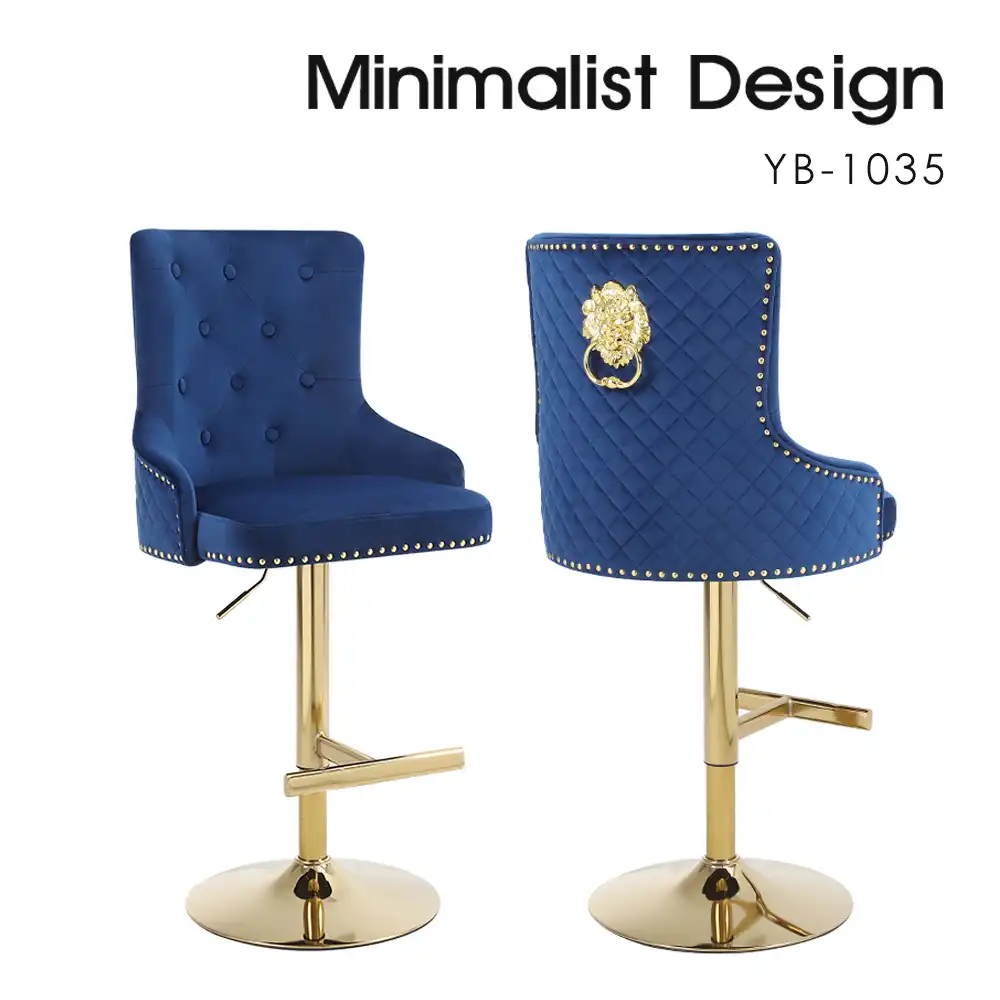
The signature feature distinguishing Lion Head modern bar stool designs from conventional seating options is, of course, the ornamental lion head decoration. This decorative element typically attaches to the backrest, creating an unmistakable focal point that commands attention and communicates luxury. Quality manufacturers craft these lion head embellishments from durable materials like resin, metal alloys, or carved wood, each offering distinct advantages. Metal lion head decorations provide exceptional longevity and can be finished in various metallic colors including gold, bronze, or antique silver to coordinate with existing décor schemes. These decorative elements can often be customized, allowing establishments to select specific finishes or even commission unique designs that reflect their brand identity.
-
Essential Hardware and Assembly Components
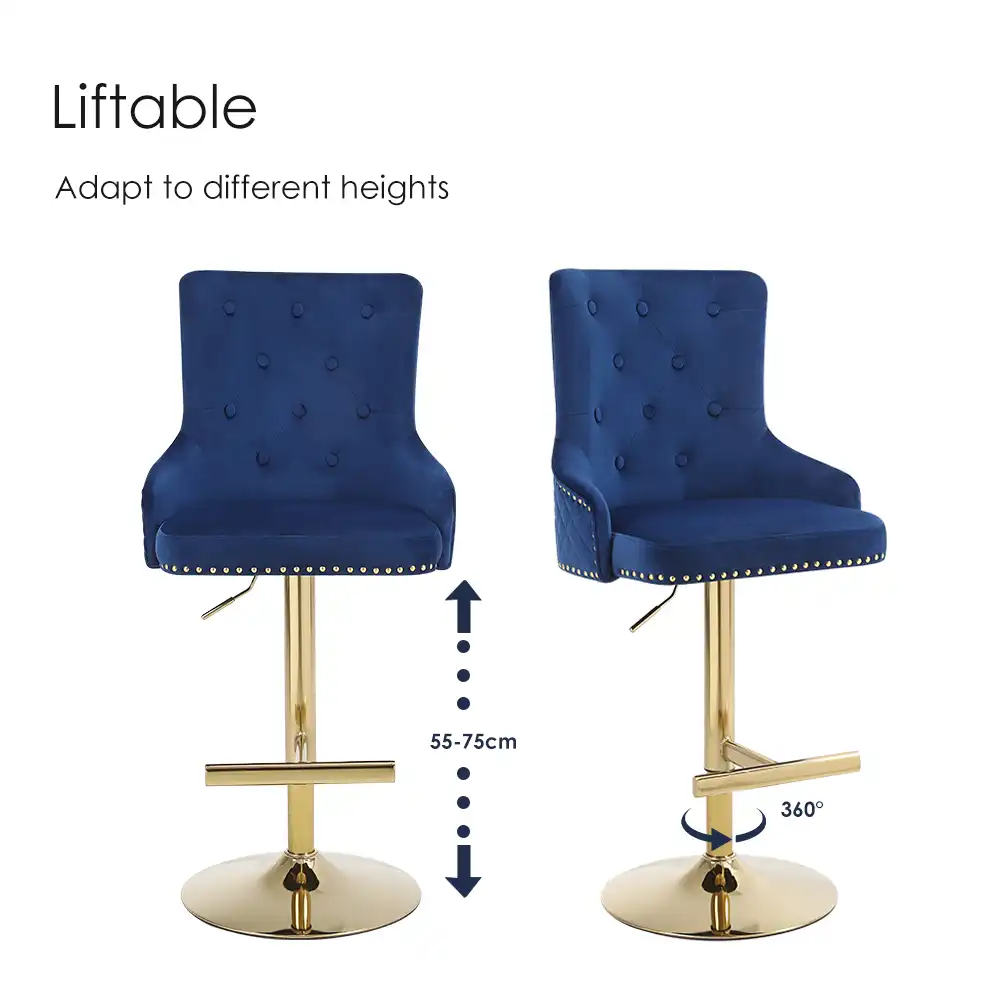
Behind every stable lion head stool lies a network of carefully selected hardware components that secure the various elements together. Professional-grade models utilize corrosion-resistant screws, typically measuring 6x16 millimeters, at critical stress points throughout the structure. This hardware specification ensures connections remain tight through repeated assembly and disassembly cycles, which becomes particularly important for establishments that periodically store or transport their furniture. The quality of these fasteners directly impacts both safety and longevity—inferior hardware can loosen over time, creating wobbling seats and potential safety hazards for guests. Height adjustment mechanisms in quality Lion Head Bar Stools incorporate precision-engineered hydraulic or pneumatic lift systems that operate smoothly through thousands of cycles. These mechanisms typically allow seat height adjustments ranging from 40 to 48 inches, accommodating various counter and bar heights while ensuring optimal ergonomic positioning for users of different statures. The internal components of these adjustment systems should feature sealed chambers and quality gaskets that prevent air or hydraulic fluid leaks, maintaining consistent performance throughout the product's lifespan. Regular lubrication of moving parts ensures continued smooth operation and prevents premature wear of mechanical components.
Material Selection Based on Your Specific Environment
Choosing appropriate materials for your bar stool with lion head requirements demands careful consideration of your specific operational environment and usage patterns. High-volume commercial establishments like busy nightclubs or popular restaurants need to prioritize durability and ease of maintenance above all other considerations. In these demanding environments, metal frames with powder-coated finishes combined with durable faux leather or commercial-grade velvet upholstery typically deliver the best long-term value. The constant use, frequent cleaning, and occasional accidents that characterize busy hospitality venues would quickly degrade furniture constructed from less robust materials. Conversely, upscale hotel lounges, executive offices, or residential applications where usage remains moderate can embrace more luxurious material combinations without sacrificing practicality. These environments can successfully incorporate more delicate velvet fabrics, ornate carved wooden elements, and elaborate metallic finishes that might not withstand the rigors of high-volume commercial use. Understanding your specific usage context allows you to optimize material selection, investing in premium aesthetics where they'll be appreciated and maintained properly rather than selecting materials that quickly disappoint in inappropriate applications. Climate considerations also influence optimal material selection for Lion Head modern bar stool purchases. Establishments in humid coastal environments should prioritize rust-resistant hardware and moisture-resistant upholstery fabrics that won't absorb humidity and develop mildew issues. Conversely, extremely dry climates may cause certain materials like natural leather to crack and fade prematurely without regular conditioning treatments. Quality manufacturers can provide guidance on material combinations that perform optimally in your specific geographic and environmental conditions, ensuring your investment delivers years of reliable service.
Quality Indicators and Manufacturing Standards
Distinguishing superior Lion Head modern bar stool options from inferior alternatives requires understanding the quality indicators that separate professional-grade furniture from budget compromises. Premium manufacturers implement rigorous quality control procedures throughout their production processes, ensuring consistent standards across every unit produced. These procedures include dimensional accuracy checks, weight capacity testing, upholstery inspection for defects, and hardware torque verification to confirm all fasteners meet specifications. Manufacturers committed to quality typically maintain certifications like ISO 9001:2015 quality management standards and BIFMA compliance, demonstrating their adherence to internationally recognized furniture manufacturing benchmarks.
-
Material Grade Verification
When evaluating potential lion head stool suppliers, request detailed specifications regarding the specific material grades used in construction. Premium Siamese plywood backing materials should measure between 1.0 to 1.2 centimeters thick, providing adequate structural support without unnecessary weight. The foam density specifications matter tremendously—insist on cushioning with density ratings of 22 or higher to ensure longevity and sustained comfort. Fabric selections should include composition details and any protective treatments applied, allowing you to verify that materials meet your durability and maintenance requirements. Reputable manufacturers willingly provide material samples and detailed specification sheets that allow independent verification of quality claims. Be cautious of suppliers who offer vague descriptions or resist providing specific technical details about their products—these red flags often indicate inferior materials or inconsistent manufacturing standards. Quality suppliers understand that professional buyers need comprehensive information to make informed decisions and enthusiastically provide the documentation necessary to build confidence in their products.
Maintenance Requirements for Different Material Combinations
Understanding the maintenance demands of various material combinations helps ensure your Lion Head Bar Stools maintain their appearance and functionality throughout their service life. Velvet upholstery requires regular vacuuming to prevent dust accumulation within the fabric pile, typically on a weekly basis in commercial environments. Spot cleaning should be addressed immediately using appropriate velvet-safe cleaners, as allowing stains to set makes removal significantly more difficult. Professional deep cleaning every 6-12 months helps restore velvet's luster and extends the fabric's lifespan considerably. This maintenance investment proves worthwhile given velvet's superior aesthetic appeal and comfort properties. Metal frame components benefit from periodic inspection and maintenance to ensure continued performance and appearance. Wipe down metal surfaces regularly with appropriate cleaning solutions that won't damage protective finishes. Check hardware connections quarterly, tightening any fasteners that may have loosened through normal use. Apply touch-up paint to any areas where the powder coating has been scratched or chipped, preventing corrosion from developing in exposed metal. These simple maintenance practices dramatically extend the service life of metal frame components, protecting your furniture investment. The lion head decorative elements require careful cleaning to preserve their intricate details and finishes. Use soft brushes or cloths to remove dust from carved surfaces, avoiding harsh chemicals that might damage metallic finishes or painted surfaces. Metallic finishes can be maintained with specialized metal polishes appropriate for the specific finish type, restoring shine and preventing tarnish development. For establishments in high-humidity environments, applying protective wax coatings to decorative metal elements helps prevent oxidation and maintains their appearance between deeper cleaning sessions.
Conclusion
Selecting the right materials for your bar stool with lion head design requires balancing aesthetic preferences with practical durability considerations specific to your environment. Premium materials including high-density foam cushioning, quality velvet or faux leather upholstery, robust metal frames, and well-crafted decorative elements combine to create furniture that delivers years of reliable service while maintaining visual appeal. Understanding material specifications, manufacturing standards, and maintenance requirements empowers you to make informed purchasing decisions that protect your investment and enhance your space.
Cooperate with Anji Yibo Furniture Co., Ltd.
As a leading China Lion Head modern bar stool manufacturer with 14 years of specialized experience, Anji Yibo Furniture Co., Ltd. delivers exceptional quality and competitive pricing that opens overseas markets effectively. Our China Lion Head modern bar stool factory occupies over 6,000 square meters in Anji, Zhejiang—China's renowned hometown of chairs—equipped with advanced production equipment and staffed by experienced craftsmen committed to excellence. We maintain our own iron frame factory and warehouse facilities, ensuring consistent quality control throughout every production stage while offering High Quality Lion Head modern bar stool options at competitive Lion Head modern bar stool prices.
Our professional R&D team supports complete OEM and ODM customization services, developing products tailored to specific market requirements across 70 countries we serve. As a trusted China Lion Head modern bar stool supplier offering Lion Head modern bar stool for sale with comprehensive warranties, we provide 24-hour response times to all inquiries, space-saving packaging solutions, and industry-leading delivery schedules backed by generations of manufacturing expertise. Whether you're furnishing upscale restaurants, luxury hotels, or stylish commercial spaces, our China Lion Head modern bar stool wholesale programs deliver exceptional value without compromising the ergonomic comfort and enduring beauty that define our brand. Contact us today at yb@ajyibo.com to discuss your specific requirements and discover how our diverse product range and comprehensive service can elevate your space.
References
1. Wood, Samuel J. "Furniture Material Selection for Commercial Applications." Journal of Hospitality Design, vol. 15, no. 3, 2023.
2. Chen, Margaret and Thompson, David R. "Durability Testing Standards for Upholstered Seating." International Furniture Manufacturing Review, 2022.
3. Anderson, Robert K. "Ergonomic Design Principles in Modern Bar Seating." Furniture Design Quarterly, vol. 28, no. 2, 2024.
4. Williams, Patricia E. "Material Science Applications in Contemporary Furniture Construction." Applied Design Technology Journal, 2023.