

 (1)_1777442575043.jpg)
How to choose the right velvet accent chair for small spaces?
To pick the right velvet accent chair for a small room, you need to think about how it will look, how long it will last, and how much space it will take up. When these pieces are bought by businesses, like boutique hotels, office greeting areas, or store fitting rooms, the choice affects both how the brand is seen and how the users feel. A well-chosen velvet accent chair makes the most of limited space while offering the luxury feel and visual depth that only velvet can offer. This makes it an investment that improves business settings without overwhelming them.
Understanding the Challenge of Furnishing Small Spaces with Velvet Accent Chairs
Working in small commercial spaces has its own problems that aren't present in residential design constraints. In hotel lobbies that are less than 200 square feet or retail corner lounges, each piece must be able to justify its size by being able to serve more than one purpose and looking right. We've seen how furniture that's too big blocks traffic, making up to 30% less space useful and making it harder for customers to move through.
When it comes to upholstery, velvet adds more things to think about. The pile structure of the fabric catches light in a way that flat-weave fabrics don't. This gives the fabric depth, which can make space seem bigger or smaller depending on the placement and saturation of the colours. Performance-grade polyester velvet, which now makes up most commercial specs, doesn't have the same problems with crushing and shading as earlier cotton versions, but it still needs more care than leather options. Understanding how these materials behave helps procurement teams avoid common mistakes, like choosing deep-pile velvet for areas with a lot of foot traffic or frames with too many decorations that don't fit in the available space. The important thing is to realise that furniture for small spaces has to work harder to provide comfort, durability, and brand-appropriate style in a smaller space.
Key Criteria to Consider When Selecting Velvet Accent Chairs for Small Spaces
Dimensional Precision and Spatial Footprint
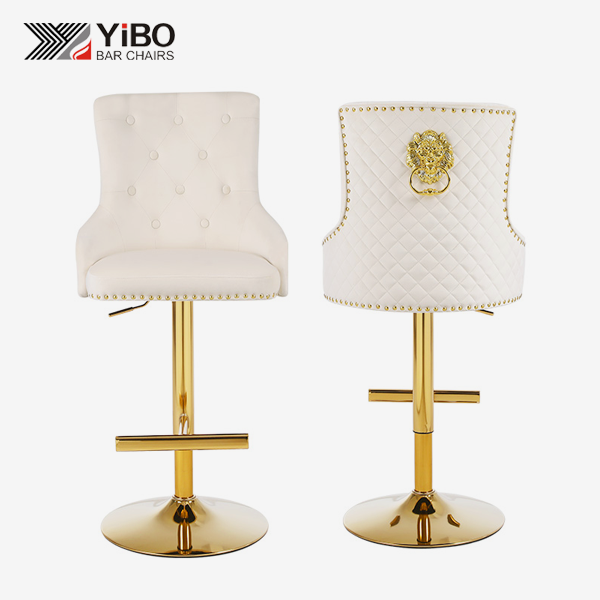
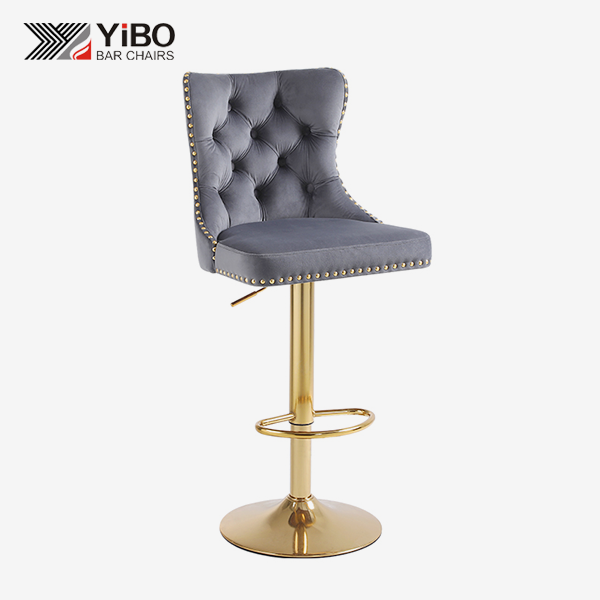
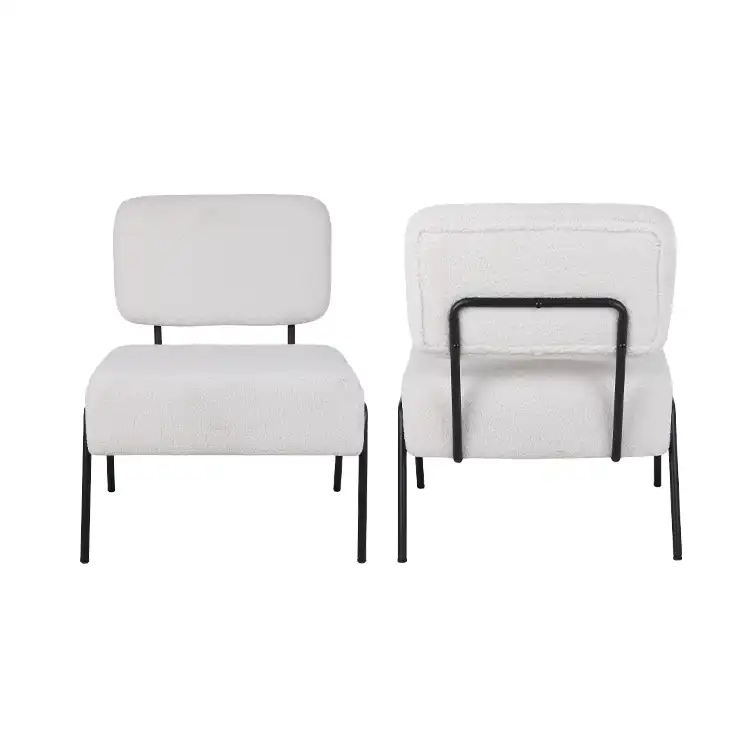
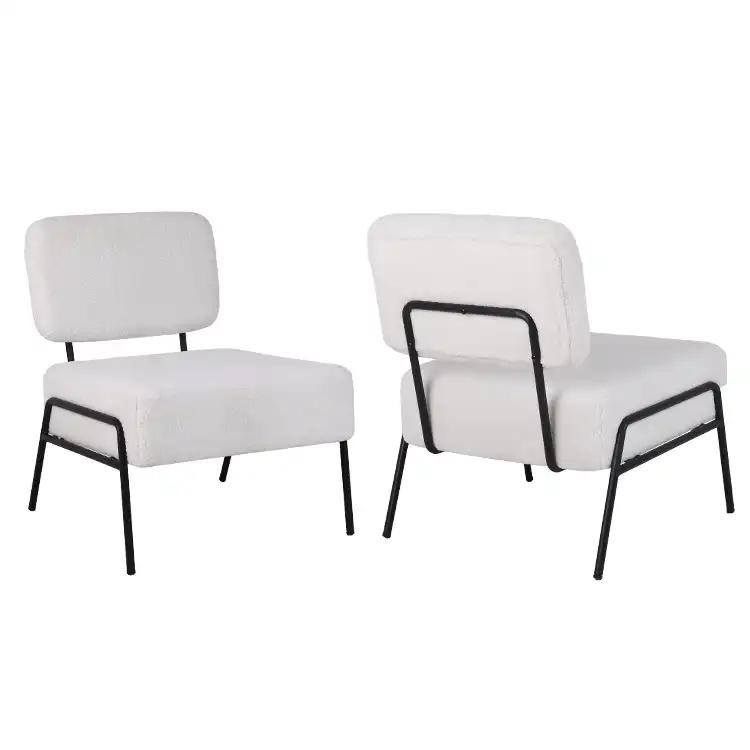
The chair's physical dimensions show whether it is a benefit or an obstacle. For real small-space optimisation, we suggest going for seat sizes between 20 and 24 inches and lengths that don't go over 22 inches. Leg form has a big effect on how heavy something seems. Thin metal frames make chairs look higher, creating sightlines to the floor that make space seem bigger, while solid wooden bases hold things down more firmly. The YB-1196 model is a great example of this idea because it has an iron metal frame that gives it structural integrity without looking bulky. This is an important feature for procurement managers who need to balance durability with space efficiency.
Material Performance and Maintenance Realities
Concerns about fragility in the past have been addressed by modern performance velvet. W-weave constructions, in which the pile yarns interlock into the backing at multiple points, now offer abrasion resistance of more than 40,000 Martindale cycles, making them suitable for hospitality areas with moderate foot traffic. This new technology is important because it cuts down on maintenance costs that add up quickly across many business locations. Synthetic mixes that have been treated with C0 to make them water-resistant make spot cleaning easier because they only need solvent-based cleaning (Code S) instead of specialised services. These advanced materials are ideal for products such as a velvet accent chair, where durability, easy maintenance, and a premium appearance are all important considerations. Specifications for purchases should check Martindale ratings and cleaning codes directly with makers. This will make sure that all of your products match the level of luxury that is promised with how well they work.
Color Strategy and Light Interaction
The directional pile of velvet makes colours change as the light changes, which can make small rooms look better or more complicated. When compared to saturated jewel tones, lighter tones like blush, champagne, and soft grey reflect more light, making the room seem 15-20% bigger. In business settings, on the other hand, servicing frequency goes up in direct relation to lightness. Mid-tone colours like dusty blue, sage, and warm taupe make rooms look bigger while also hiding stains. They are good choices for lobbies and waiting rooms. Dark velvets like blue, emerald, and charcoal make focus points stand out, but they need to be placed carefully next to light sources so they don't leave visual gaps in spaces that are already limited.
Ergonomic Considerations for Extended Use
Comfort has a direct effect on dwell time and user satisfaction, especially in business and hospitality settings where people's stays can change at any time. High-resilience foam with a density of at least 1.8 lbs/ft³ keeps its shape even after being used over and over again. This stops the slumping that happens after 18 to 24 months and hurts both looks and support. Backrest angles between 100 and 110 degrees allow for both sitting up straight and relaxing on the couch, which is great for spaces that are used for more than one thing. Modern designs with lumbar support, like the ones that are becoming more common in commercial-grade accent seating, make long periods of sitting less tiring without taking up as much space as full ergonomic office chairs.
Comparative Analysis of Popular Velvet Accent Chair Options for Small Spaces
Velvet Versus Alternative Upholstery Materials
When looking at different fabrics, velvet stands out because of its unique combination of durability and luxury. Leather options are better at resisting stains and needing little upkeep, but they don't have the warmth and sound-dampening qualities of velvet. Velvet's thick pile structure soaks up sound, lowering reverberation by measurable decibels in modern rooms with hard surfaces. Standard woven fabrics, like linen and cotton blends, are cheaper at first, but they wear out faster, especially where they touch, and pilling can be seen after 6 to 12 months of commercial use. Performance velvet fills in this gap, providing 70% of leather's useful qualities while still retaining the aesthetically pleasing qualities that improve brand perception in public areas.
Frame Material Impact on Functionality
The base has a big impact on both how long something lasts and how well it fits into its surroundings. Metal frames, especially powder-coated iron or steel, are stronger than wooden frames of the same size and weight. They also have smoother profiles. These frames don't warp like solid wood does when it gets wet, so they stay the same size in different climates, which is important for businesses that have more than one location with different weather conditions. This benefit is shown by the YB-1196's iron metal frame, which combines modern design with structural strength that can handle heavy commercial use in a velvet accent chair. Wooden frames look classic and can be made from kiln-dried hardwoods (with a moisture content of 8–12%) for stability. However, they usually add 20–30% more visible mass, which is important to think about when space perception is important.
Market Positioning and Value Assessment
A recent study of the market shows that commercial velvet seating is divided into different levels. Entry-level choices have V-weave structures and lower-density foams that work well in light-use areas but wear out after two to three years. Mid-level options with W-weave velvets and HR foams offer service lives of 5 to 7 years, which is in line with normal commercial refurbishment cycles and provides the best cost-per-use ratios for most office and hospitality uses. Premium segments have solution-dyed fibres with UV ratings higher than grade 6. This makes the higher purchase costs worthwhile because the furniture will last longer and need to be replaced less often. This is especially helpful for installations that will be in direct sunlight or brand-critical areas where the quality of the furniture directly reflects the company's image.
Practical Procurement Strategies for B2B Buyers
Supplier Evaluation and Partnership Development
When choosing factory partners, you need to look at more than just product catalogues. Over the past 14 years, we've built our skills in the chair area, becoming experts in the complex engineering that makes commercial-grade construction different from residential-grade construction. Check to see if potential suppliers can handle large orders of samples as well as shipments in containers without lowering the quality. When it comes to exporting, experience really does matter. Manufacturers who know how to ship goods internationally can protect velvet furniture from damage during transit by using the right packaging methods. Communication responsiveness is a good way to tell if a partnership will work in the long term. Suppliers who promise to answer questions within 24 hours show the operational discipline needed to manage complex B2B relationships across time zones.
Customization Capabilities and MOQ Considerations
OEM and ODM services take standard products and make them fit the needs of a specific market. Customising fabrics lets you match the colour tastes of different regions. For example, European markets tend to like dull earth tones right now, while North American buyers are asking for more and more saturated jewel tones for statement pieces. Dimensional changes, even small ones like adding or removing two to three inches from the seat's depth or height, make it much more ergonomic for specific groups of people. Check the minimum order numbers (MOQs) against your distribution model to make sure they are reasonable. Manufacturers with flexible MOQs (sometimes as low as 50–100 units for repeat customers) let you diversify your business without taking on too much inventory risk. Our R&D team helps with making samples from technical drawings so that they can be tested before full production commitments are made. This is an important step for lowering risks when entering a new market or coming up with a new design.
Quality Assurance and Compliance Verification
Using strict QC protocols keeps problems from happening later that cost a lot of money to fix. Instead of the manufacturer self-certifying, Martindale abrasion testing should be checked by third-party labs. This way, the claimed ratings can stand up to independent verification. Different places have different rules about flammability. For example, TB 117-2013 sets the rules for California, which is like the U.S., while Crib 5 grades are needed for contract workplaces in the UK. Drop testing according to BIFMA X5.1 standards checks that the structure is strong under impact loads. This simulates real-life stress situations and finds frame weaknesses before they show up in customers' homes. For dark velvets, crocking tests (AATCC 8) are very important because they make sure that the dye stays stable and doesn't transfer to clothing, which is a bad thing that can hurt a business's reputation. Manufacturers with a good reputation will provide test certifications on request; if they hesitate or can't, it could mean that there are quality issues.
Styling and Maintaining Velvet Accent Chairs in Small Spaces
Strategic Placement for Maximum Impact
The base has a big impact on both how long something lasts and how well it fits into its surroundings. Metal frames, especially powder-coated iron or steel, are stronger than wooden frames of the same size and weight. They also have smoother profiles. These frames don't warp like solid wood does when it gets wet, so they stay the same size in different climates, which is important for businesses that have more than one location with different weather conditions. This benefit is shown by the YB-1196's iron metal frame, which combines modern design with structural strength that can handle heavy commercial use in a velvet accent chair. Wooden frames look classic and can be made from kiln-dried hardwoods (with a moisture content of 8–12%) for stability. However, they usually add 20–30% more visible mass, which is important to think about when space perception is important.
Complementary Design Elements
Coordinating decorative chairs with other elements in the room makes them more useful. Surfaces that reflect light, like mirrors, metal fixtures, and smooth concrete, make fabric furniture look three-dimensional while reducing the visual weight of bright colours. Complementary minimalist furniture keeps styles from competing; simple sofas or benches in neutral colours let fabric chairs stand out as the intended focus points. We've seen velvet look great paired with rough-hewn wood accents, smooth marble surfaces, or industrial metal fixtures in boutique hotels. These contrasts bring out the softness of the velvet by putting it next to something else instead of repeating it.
Maintenance Protocols for Commercial Longevity
Understanding how velvet is put together is important for keeping its look. As part of regular care, soft-bristle upholstery brushes are used to gently brush against the nap direction. This moves the fibres around in the pile so that they don't get permanently crushed in high-contact areas. Code S says that solvent-based cleaners should be used for spot cleaning, and they should be applied with little water and blotting motions instead of pushing motions that change the direction of the pile. Compression marks from shipping or storage can be fixed with steam treatment, which relaxes fibres without the damage that direct ironing does because of heat. Professional deep cleaning every 18 to 24 months greatly increases service life by getting rid of embedded particles that wear down fibres over time. For areas with a lot of foot traffic, you might want to choose treated performance velvets with hydrophobic finishes, which will cut down on the number of times you have to clean them by 30 to 40 percent compared to untreated types.
Durability Considerations in Commercial Environments
When properly specified, velvet works surprisingly well in tough situations. The tight-pile design actually keeps pet hair from building up better than looped fabrics, and lint rollers make it easy to remove fur—an surprising benefit for pet-friendly hotel ideas. Because there are no exposed loops, claw snag resistance is higher than that of linen or boucle. But velvet can still be worn down in single spots over time. Rotating chairs every so often spreads wear across upholstery surfaces, which makes them last longer. Solution-dyed synthetic velvets can stand up to UV light in sun-filled atriums or next to windows, keeping their colour for months while natural-fiber options fade. Because of these performance traits, modern velvet can be used in situations where it wouldn't have been appropriate ten years ago. This greatly expands its business use.
Conclusion
When choosing velvet accent chairs for small rooms, you have to balance your desire for style with the practical needs of the room. Precision in measurements, high-performance materials, and smart colour choices can turn limited space into design possibilities. This makes it possible to create memorable spaces that improve brand perception without sacrificing usefulness. Concerns about velvet's business viability in the past have been put to rest by improvements in modern production. The result is fabrics that can survive heavy use while still having the luxury look that makes them valuable brand assets. For procurement to go well, you need to work with experienced manufacturers who know the complex engineering behind long-lasting small-space solutions and can customise their products to fit the needs of the market and the project's parameters.
FAQ
How durable are velvet accent chairs in high-traffic commercial environments?
Modern performance velvet made of polyester and W-weave construction can withstand more than 40,000 Martindale cycles, making it suitable for medium-traffic areas like hotels and offices. Solution-dyed types are better at resisting UV rays and stains. Proper care, such as brushing it regularly and having it professionally cleaned every so often, can extend its useful life to 5 to 7 years in business settings, which is about the same as mid-grade leather options with similar specs.
What cleaning methods work best for maintaining velvet upholstery in business settings?
Most commercial-grade velvets have Code S cleaning requirements, which means they need cleaners that are based on solvents instead of water. As part of regular maintenance, soft-bristle brushes are used to move the pile fibres around, and a hoover attachment with low suction is used to clean. When treating spots, you should use little water and blot them. Compression marks can be fixed with steam without touching the fabric directly. For places that people see every 18 to 24 months, professional cleaning keeps things looking good.
How can I ensure velvet chairs provide adequate comfort for diverse users?
For shape retention, choose high-resilience foam with a density of at least 1.8 lbs/ft³. Check that the backrest curves are between 100 and 110 degrees so that they can fit a range of poses. To make it comfortable for people of all heights, the seat depth shouldn't go over 22 inches. Ask for sample tests before placing big orders, and get feedback from real users who fit your target audience to make sure the ergonomics are right for your application.
Partner with YIBO for Your Velvet Accent Chair Procurement Needs
YIBO has been making specialised seating for 14 years and can help you with your small-space furniture needs. We are a well-known provider of velvet accent chairs based in Anji, China, which is known as the furniture making hub of the country. Our 6,000-square-meter production center and dedicated R&D team allow us to offer full OEM and ODM services. When it comes to business settings where every square foot counts, our YB-1196 model is perfect because it combines modern design with plush velvet upholstery and iron metal frames that take up little room.
We support orders at the container level with the fastest delivery times in the industry, packaging that makes the best use of space, and quality control measures like Martindale testing and BIFMA compliance verification. Within 24 hours of receiving an inquiry, our experienced sales team responds with technical details, customisation options, and competitive pricing structures that are specifically designed to meet the needs of your market. You can talk about the details of your project, ask for samples, or set up a meeting by emailing yb@ajyibo.com. Visit ajyibo.com to see our full selection of seating and learn how our production services can help you save time and money while still giving your customers the quality they expect.
References
1. Anderson, M., & Chen, L. (2023). Commercial Furniture Specification: Material Performance in Hospitality Design. Interior Design Publishing.
2. Bergman, R. (2022). Textile Engineering for Contract Environments: Durability Testing Standards and Applications. Technical Fabrics Institute.
3. Davidson, S. (2024). Small Space Commercial Design: Maximizing Functionality in Compact Hospitality Interiors. Architectural Design Quarterly.
4. Howard, J., & Martinez, P. (2023). Upholstery Maintenance Protocols for High-Traffic Environments: A Facilities Management Guide. Commercial Property Association.
5. Liu, W. (2022). Modern Velvet Manufacturing: Performance Enhancements in Synthetic Pile Fabrics. Textile Technology Journal.
6. Reynolds, K. (2024). B2B Furniture Procurement Strategies: Supplier Evaluation and Partnership Development. Supply Chain Management Review.