

 (1)_1777442575043.jpg)
How to Pick the Right Counter Stools for Your Kitchen
When you're looking for backless counter stools, you need to find one that looks good, works well, and is comfy. It's clear that backless counter stools are a good choice for modern rooms, especially small ones or rooms that are used for more than one thing. Not only do these simple gadgets make backless counter stools look smaller, but they also make them easy to get to and move around in. Buyers and interior designers can make better decisions that meet business needs and personal style goals when they know the basics of design, such as how to line up heights, how long materials last, and how to make the best use of space.
Understanding Backless Counter Stools and Their Benefits
What Defines Backless Counter Stools
One type of stool that doesn't support your lower back is a backless counter stool. The seat height is usually between 24 and 26 inches so that it can fit on most 36-inch kitchen tables. A simple design that saves room over long-term comfort is one thing that makes them stand out. These units are different from eating chairs or seats with backs because they let people stand up from any direction. This makes social situations more lively. Since they don't have backs, they can be tucked completely under table overhangs. In open-concept plans where visual flow is important, this keeps the lines of sight open.
Space-Saving Advantages in Commercial and Residential Settings
The small size of these backless counter stools is helpful when a lot of people need to sit down at once. If you want to make storage space more useful in places like coffee shops and relaxed dining tables where people aren't busy, you can stack or nest multiple units. In home kitchens with less space, the same idea works: the backless counter stools slide under the table's edge when they're not being used to make room for a way. For small kitchens or places where the table spread is less than 10 inches, this design style works best. This is because regular backless counter stools would block important work areas.
Flexibility and Mobility for Diverse Applications
Backless counter stools are easier to move around than ones with fixed seats. A lot of the new types have features that let you turn in any direction without getting off. This makes it easy to talk while working or cooking with other people. When paired with metal frames, the light design makes it easy to get from one useful area to another quickly. This gives people the freedom to have stand-up conversations on the spot at mobile offices with tables that can be adjusted for height. Hospitality venues like being able to quickly change how people are seated when events change because it saves them money on the labor costs of moving backless counter stools.
Key Factors to Consider When Choosing Backless Counter Stools for Your Kitchen
Material Composition and Durability Considerations
How long something lasts and how much care it needs for different uses depend on the material you choose. Frames made of powder-coated steel or metal are better because they don't rust and can hold more weight (about 300 pounds). It's important how the surface is finished. For homes with little foot traffic, electroplated gold works well. For food service, commercial-grade powder coating can handle the rough cleaning products that are used. The warmth of wood is great in traditional rooms, but if you live somewhere wet, you may need to repair the wood every so often. To get the best of both style and durability, metal bases are used with wood or padded backless counter stools in combination designs.
Design Style Alignment with Interior Themes
In business settings, making sure that the seats and buildings around it look the same helps build brand identity. It helps you build your own style when you're alone. Metal frames that aren't decorated much and are in a modern industrial style look good. The finish on these frames is often matte black or brushed metal. In traditional kitchens, legs made of turned wood or faded finishes that match the look of the cabinets look great. For styles from the 1950s to the 1970s, legs should be bent and backless counter stools should have natural shapes. For modern simplicity, forms need to be straight and clean. As long as buying teams know these style cues, they can pick items that blend in well without standing out.
Functional Features: Swivel Mechanisms and Cushioning Options
Simple ideas become more useful when they are made to work better. The backless counter stool has swivels that let you turn it all the way around. This makes it easier to move from facing the table to facing the room. In kitchen tables that are used for both work and eating, this is especially useful. A lot of different things affect how well turning plates are made. Commercial-grade ball-bearing systems, on the other hand, keep working easily even after years of use, while less expensive ones start to move and make noise. When support is more important than movement, like when there are close table rows and swiveling would make it hard for the person next to you to work, fixed backless counter stools are best.
Size and Height Optimization for Different Counter Configurations
When dimensions are matched correctly, problems with ergonomics and bad looks are avoided. For backless counter stools to have 10 to 12 inches of room between the seat and the counter, the height of the backless counter stool must be 24 to 26 inches from the floor to the top of the seat. However, the height of the counter must be 36 inches. When you have a 42-inch-high bar table, you need backless counter stools that are 30 to 32 inches high. The size of the seat doesn't matter. A 15-inch circle seat fits most people well without too much overhang, while a 17-inch width seat works best for bigger people or high-end homes with lots of space for big sizes.
Footprint dimensions influence spacing calculations. If you give each backless counter stool 24 to 30 inches of table space, your arms won't touch when you use them. Some places of business, though, cut this width down to 22 inches to make more space for people to sit. Check the base width or footprint measures to make sure the backless counter stool is stable. When people lean or change their weight, a backless counter stool with a narrow base and a wide seat can fall over. People should be able to use weight values that are right for them. For instance, specs for home use usually say 250 pounds, but for business use, they need 300 pounds with safety limits.
How to Evaluate and Choose the Best Backless Counter Stools for B2B Procurement?
Understanding Client Use Cases and Environment Requirements
To buy in bulk, you must first carefully consider what you need. When office kitchens are built, durability and cleanliness are the most important things because many workers use them so often. In places like makeup counters and wine tasting rooms, backless counter stools need to match the brand's style and be strong enough to hold people up. There are many issues that hotels, restaurants, and bars that serve food and drinks need to handle. A lot of people have to sit down, and they have to clean up quickly between service times. In different settings, you need different types of materials, weight limits, and ways to keep them in good shape.
The weather and the environment affect the things that people choose to buy. Because of the salty air, restaurants near the coast need to use materials that don't rust as easily. This is one time when marine-grade metal or stainless steel is better than powder-coated treatments. Because it is so hot, some kinds of backless counter stools can't be used outside or in places that are only partly covered. Vinyl and fake leather, for instance, break when they come in contact with UV light, so solid or solution-dyed plastic fabrics are needed instead. The dampness level changes the types of wood that can be used. When the weather changes, the sizes of made wood items stay the same longer than solid hardwoods.
Supplier Evaluation Criteria for Long-Term Partnerships
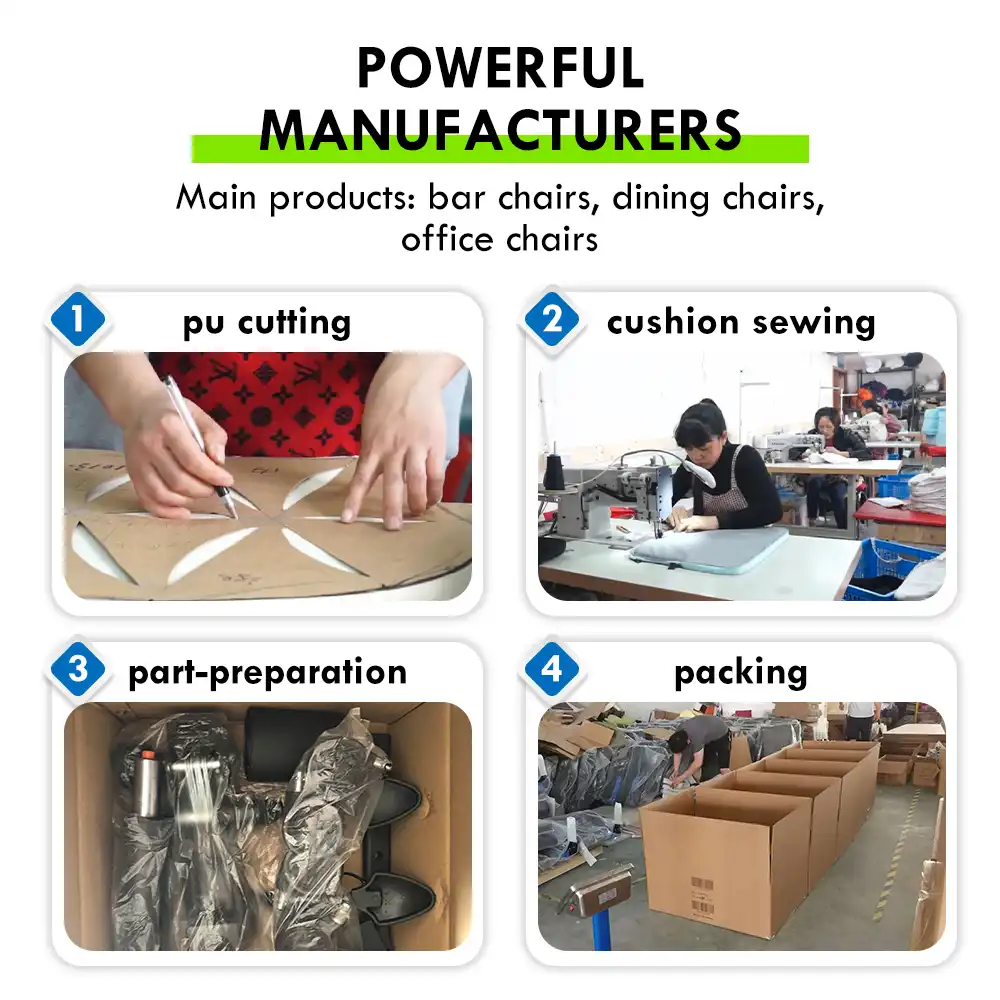
When looking for possible factory partners, it's not enough to just compare prices. You should also check out how well they run their business and how well they provide service. Suppliers can meet container-level requests within acceptable timeframes if they can produce enough. The 6,000-square-meter factory of Anji Yibo Furniture, which has been making specialized backless counter stools for 14 years, is a good example of the size needed for safe bulk supply. It's very important to have export knowledge. When suppliers know how to ship goods abroad, they can keep things running smoothly, make sure that all customs rules are followed, and use packaging that takes up less room, which lowers the cost of freight. With FCL and LCL shipping, buyers with a range of order amounts don't have to pay extra.
There are tools that can tell you which sources you can trust and which ones you can't. When companies follow ISO 9001 or similar systems, they have written checking methods in place at many stages of production. This cuts down on the number of problems and returns. You think the backless counter stools will last if you offer a promise. Long-term guarantees that cover a lot of things show that you care about your customers for a long time. Responding lines of communication are needed to talk about requirements and figure out solutions. YIBO's specialized sales team and other suppliers that offer 24-hour reaction times make it easier to carry out projects.
Customization Capabilities and OEM/ODM Services
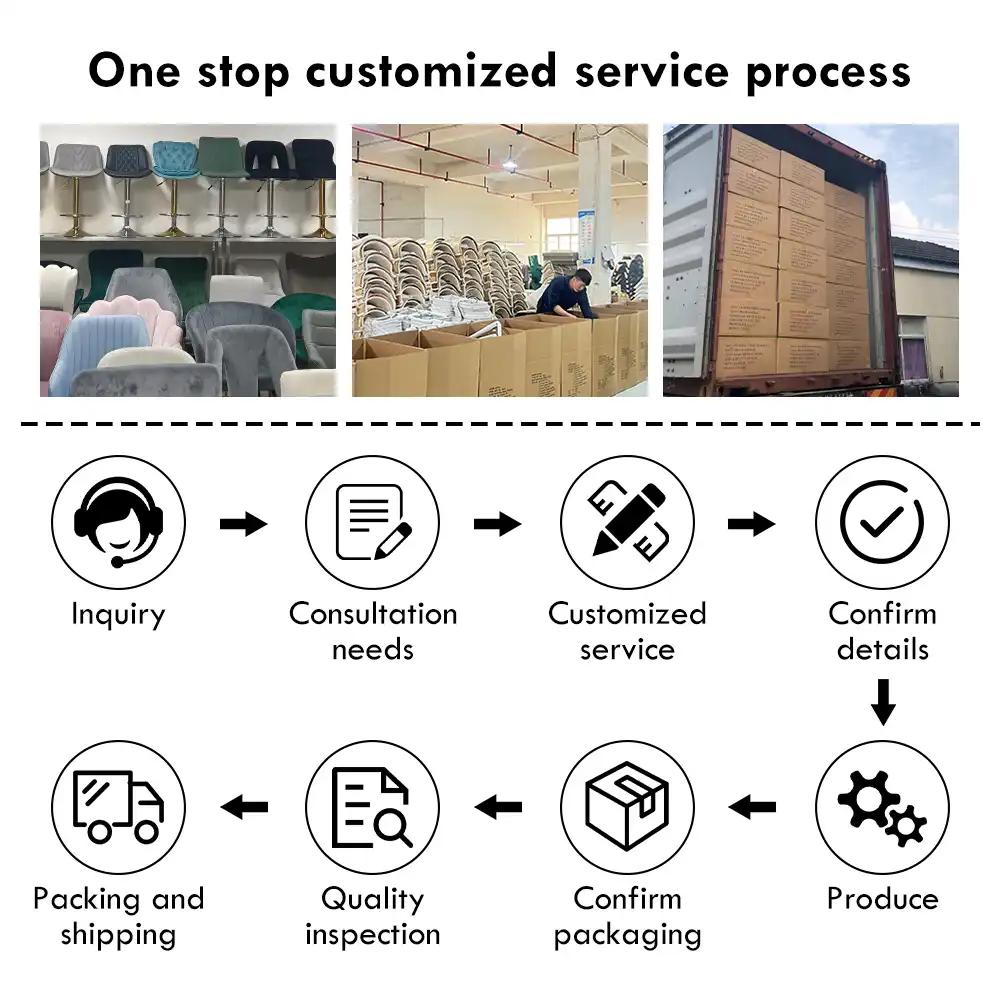
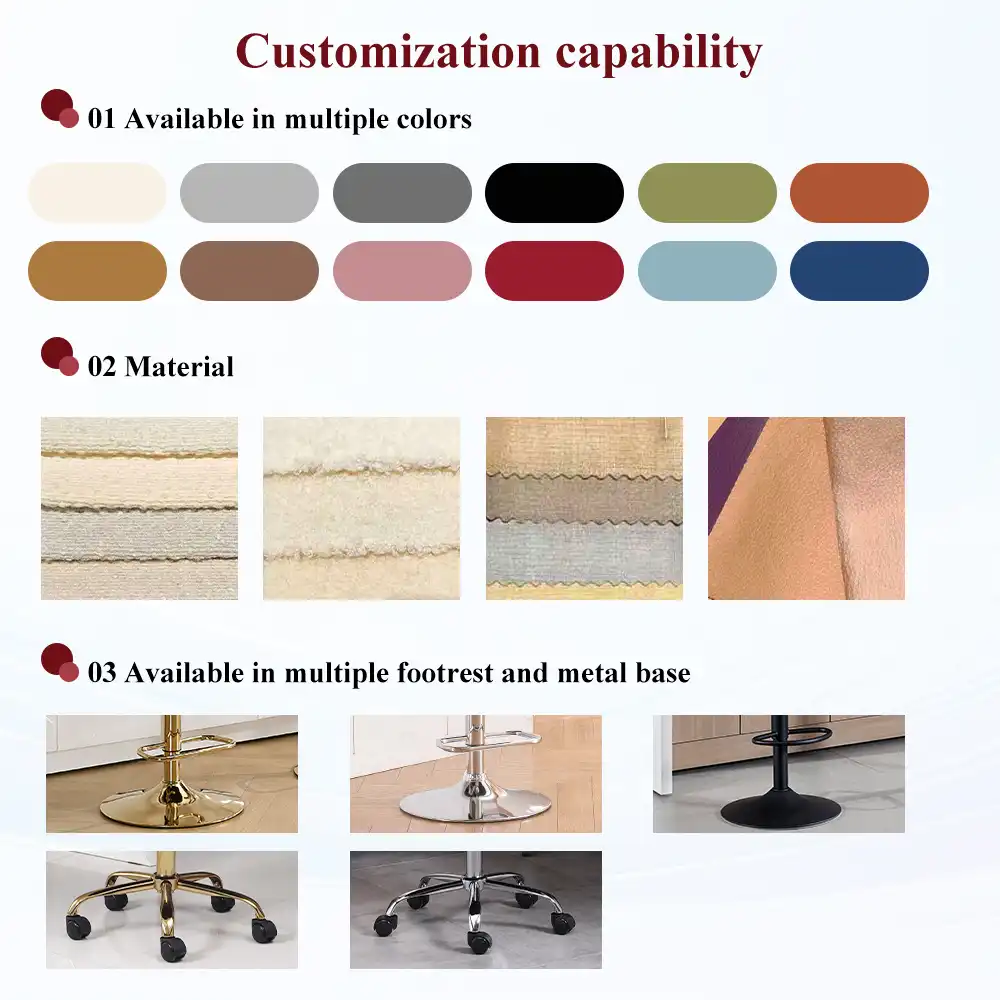
Often, making changes to backless counter stools that aren't on the usual list is how you set your business apart. When people use OEM services, they can ask for changes like special sizes, different materials, or brand stamping without having to make the goods all over again. Manufacturers can use their design skills to make one-of-a-kind models through ODM relationships, which let them work together more closely. Teams that buy things should look at how good sellers are at research and development (R&D). Design teams that have access to prototyping tools can make sample creation and feedback processes go faster.
Choosing the right materials for a product makes it more useful for a larger group of people. Color matching services make sure that the backless counter stools match the color themes or design plans that are already in use for a brand. This is very useful for hotel chains that want to make sure all of their sites look the same. What you put on a backless counter stool can make it look different, like when you fade, old, or give it a high gloss shine. If you want to customize your backless counter stools, you can pick from different types of fabric, designs, and performance treatments like fire retardancy or stain resistance. Changing the way packing looks meets the needs of shops. For instance, B2B bulk packaging that is made for container economy is very different from consumer-ready packing with brand images.
Price-Value Analysis and Total Cost of Ownership
Lifecycle economics is a part of a full cost estimate that includes more than just the unit price. The buy price is only a part of the total cost. It shows how much it costs to make backless counter stools, how good the products are, and how much the seller makes. How well the backless counter stools are packed affects how much it costs to ship them. YiBo's efficient packing of two units per 45x45x30cm box lowers the volume of the container, which in turn lowers the freight costs per unit. Import taxes, customs, and compliance testing fees are added to the landing cost. These fees vary from country to country and product to product.
The prices of running something add up over time. When designs are durable and have parts that can be changed, they need to be replaced less often. This lowers the ongoing costs, even though the original investment is higher. How much it costs to maintain backless counter stools varies on what you choose. Metal frames, on the other hand, only need to be cleaned every once in a while. On the other hand, in high-traffic places, padded backless counter stools may need to be reupholstered or changed every few years. Some of the risk moves from the buyer to the seller when there is a warranty. This could keep expensive fixes from needing to be done too soon. People who make big promises are given volume discounts, but these must be carefully controlled so that backless counter stools don't go out of style.
Case Studies and Practical Application Examples
Hospitality Sector: Boutique Cafe Implementation
A local company that runs a coffee shop that specializes in craft coffee was looking for long-lasting backless counter stools that looked good. For the design plan, the backless counter stools had to look good with open brick and used wood, and they had to last for four years before they had to be changed. Backless counter stools with black powder-coated steel frames and walnut-stained wooden seats were selected because they look warm and aren't too difficult to clean. During busy morning hours, the 360-degree turn feature made things better for customers because they could go from counter service to windows facing the street without getting up.
The deal for the purchase was made with a company that does OEM work for orders of 200 units or more. As part of the customizing process, the foam density was raised to 2 pounds per cubic foot and the seat width was increased from 15 inches to 16 inches to make backless counter stools more comfortable. The stackable design from the provider made it easier to store backless counter stools while they were being fixed, which the client hadn't asked for but found useful. Some people were worried about how comfortable backless counter stools would be for long stays, but mood polls after 18 months showed that customers liked having clear views. This proved that the backless design was the right choice.
Office Environment: Collaborative Workspace Optimization
When a tech company rebuilt its offices, they put food pantries on each floor so that people could hang out and meet for tea or coffee. Because there wasn't a lot of room for break areas, the facilities team focused on making sure that everything was easy to clean, mobile, and made the best use of space. They requested backless counter stools with chrome spinning bases and fake leather seats. Some small signs of wear were hidden by the light gray cloth, which kept the current look. The backless counter stools were made of light materials, so workers could easily move them from the bar seats to the nearby work desks.
Group prices let me save 18% on the price of getting 150 units at once instead of buying backless counter stools one at a time. It came with clear instructions on how to put backless counter stools together, and floor covers were already put in by the manufacturer, which made the fitting process easier for the grounds team. It took 30% less time to clean backless counter stools than the old full-back chairs, according to the grounds manager after a year. This was because backless counter stools were easier to clean and had simpler shapes. People who worked there liked how flexible the backless counter stools were—the same backless counter stools were used for both short work sessions and quick lunch breaks. This showed how important it is to buy backless counter stools that can be used for more than one thing.
Retail Space: Wine Tasting Room Experience
The tasting room at a winery in the city was set up so that people could talk to each other while looking at the wine displays. For the design team, they picked backless counter stools that had chocolate brown padded seats and bronze-finished metal frames. The oak barrel details gave the whole thing a classy look. The low profile design let the client see the bottle displays on the back walls, which was important to them because they were afraid that regular high-back stools would block their view. The 37-inch taste bars that were made by hand from used wine barrels looked great with the 25-inch seat height.
The seller sent samples of the materials and CAD models during the specification phase so that the building could check that the backless counter stools would fit before the work began. Color-matching services made sure that the fabric looked great with the leather backless counter stools that were already in the room. People who bought the backless counter stools said that they were very important because they were easy to clean. The owner didn't have to worry as much about having to buy new backless counter stools because red wine spills could be cleaned off of the treated fake leather without leaving a mark. You could turn toward the sommeliers during the introduction without having to move backless counter stools uncomfortably, which made the taste better.
Conclusion
To pick the right backless counter stools, you need to think about style, usefulness, and how much they will cost in the long run. Backless counter stools are great because they don't take up much room and come in many styles. They come in handy in modern businesses and small homes. It's not enough to just look at the price at the start; you need to look at the goods, the supplier's skills, and the prices over the course of their whole life. If you know what the application needs, whether it's a fast-paced restaurant or a team-based office, you can make specification choices that are in line with business facts. We looked at some examples that show how picking the right product and working with reliable makers who offer customization and quick service can create long-lasting value by making backless counter stools easier to use and keep up.
FAQ
What is the ideal seat height for counter stools?
Backless counter stools with tables that are 36 inches high should have seats that are 24 to 26 inches off the ground. This makes it easy to get on and off the backless counter stool and gives your legs enough room to be comfortable. backless counter stools that are 30 to 32 inches high should go with 42-inch bar-height tables. A unique or old counter might not be the same size as a normal one, so check the counter height before you place your order.
Are cushioned or non-cushioned stools better for commercial use?
Seats without cushions make it easier to stay for shorter periods of time, which is good for food service with a lot of customers coming and going. Seats with cushions make it easier to stay for longer periods of time, which is good for break rooms or at home. People who want to buy backless counter stools for a business should think about how simple it is to clean. Cushioned backless counter stools that are treated to prevent stains are a good balance between comfort and ease of upkeep. Solid surfaces, on the other hand, are better for places that value cleanliness.
How do I choose between wood and metal frame materials?
Frames made of metal are better for business use because they can hold more weight (about 300 pounds vs. 250 pounds for wood), last longer in wet places, and don't need as much maintenance. Wood frames look warm and go well with classic rooms, but they need to be polished often and don't hold up well against water. You should think about your income, your style goals, and the conditions of the area when you choose the materials for backless counter stools.
Partner with YIBO for Premium Backless Counter Stool Solutions
YIBO has been making specialized backless counter stools for 14 years and brings that knowledge to every big order. They make backless counter stools that are both sturdy and well-designed. In Anji, China, which is known as the "heartland" of furniture making, our 6,000-square-meter plant makes backless counter stools that hotels, shops, and businesses all over the world trust. We make sure that every unit has helpful features like leather covers that are easy to clean, metal frames that can turn 360 degrees, and high-density foam padding. Each of these benefits comes with a full warranty. We have been selling backless counter stools for a long time and can help you with OEM and ODM design to meet the needs of your market. We can help you choose the right material and color. Our team responds quickly and gives prices within 24 hours. Our simple packing cuts down on shipping costs. You can get examples or talk about bulk prices for your next project by emailing yb@ajyibo.com to our buyers.
References
1. Miller, A. (2022). Commercial Furniture Specification: A Buyer's Guide to Quality and Durability. New York: Interior Design Publishers.
2. Chen, L., & Roberts, M. (2021). "Ergonomic Considerations in Counter-Height Seating Design." Journal of Hospitality Furniture Research, 15(3), 112-128.
3. Thompson, K. (2023). Space Planning for Small Commercial Kitchens: Maximizing Efficiency Through Smart Furniture Selection. Chicago: Foodservice Design Association.
4. Williams, R. (2022). "Material Durability in High-Traffic Hospitality Environments: A Comparative Analysis." International Journal of Contract Furnishings, 28(2), 45-61.
5. Zhang, W. (2021). Sustainable Manufacturing Practices in the Asian Furniture Industry. Singapore: Global Supply Chain Press.
6. Davidson, P., & Martinez, S. (2023). "Total Cost of Ownership in Commercial Furniture Procurement." Facilities Management Quarterly, 41(1), 78-94.