

 (1)_1777442575043.jpg)
How to Select Design Bar Stools for Hotels and Retail Projects?
Selecting the right design bar stool for commercial hospitality and retail environments requires balancing aesthetic appeal, durability, and functional performance. Unlike residential seating, commercial bar stools must withstand high-frequency use while reinforcing brand identity and optimizing space utilization. Procurement professionals should prioritize ergonomic design, material quality, and supplier reliability to ensure long-term value. This guide helps B2B buyers navigate critical selection criteria, compare popular options, and implement proven sourcing strategies that align with project goals and budget considerations.
Understanding Design Bar Stools and Their Role in Commercial Spaces
What Defines a Professional Design Bar Stool?
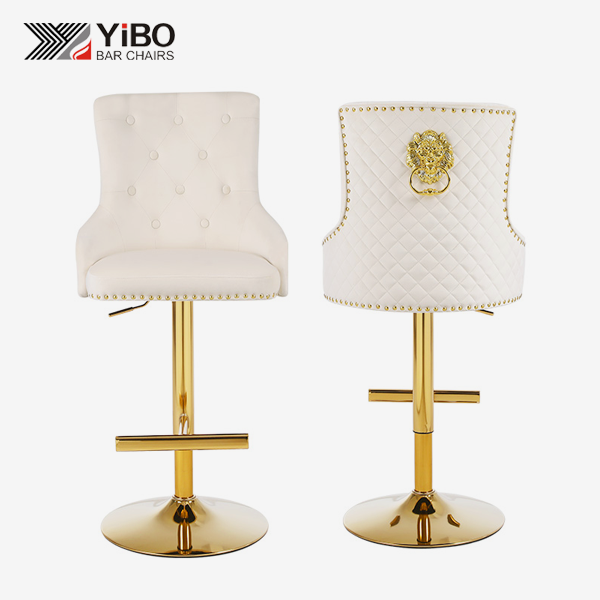
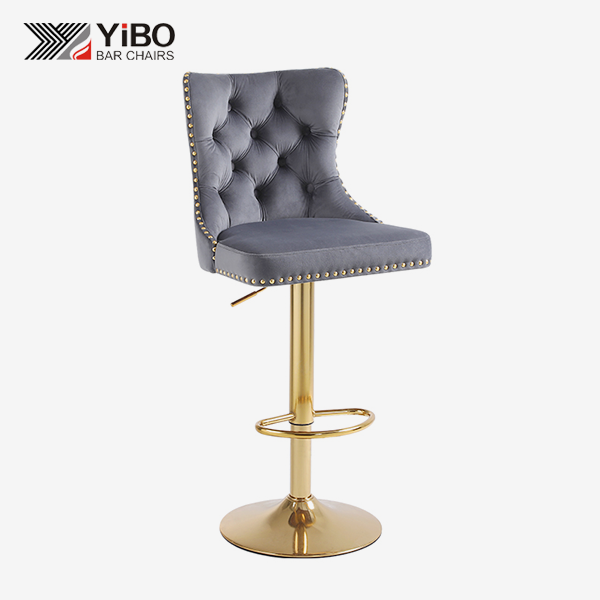
A design bar stool is more than just a raised seat; it's also a clever piece of architecture that combines functional and aesthetic concerns. These stools are designed to solve certain business problems, like finding your way around in open-plan spaces and distributing your visual weight in a variety of interior designs. High-quality models have structural reinforcements like kiln-dried hardwood with controlled moisture content or tubular steel with walls thicker than 1.5 mm. This keeps the dimensions stable even when the model is used all the time. These pieces are practical works that keep their unified design stories while being very durable thanks to the use of molded plywood, reinforced polypropylene, or hand-welded steel frames.
Commercial Applications Across Multiple Sectors
Design bar stools are used in a wide range of business situations, each of which requires a different set of performance qualities. In places with a lot of foot traffic, like hotel bars and nightclubs, the leather on stools needs to be contract-grade and approved for more than 50,000 Martindale cycles to keep them from getting stained or worn from people walking over them over and over again. Return-swivel memory functions keep things looking good when seats are empty, so the intended aesthetic composition is kept. In corporate offices, these stools are used in meeting areas and standing-height conference rooms to make it easier for people to sit down and work together. In open working spaces, acoustic blocking materials are necessary to keep noise from being too annoying. Lightweight, stackable designs are good for retail spaces because they make it easy to change the layout quickly during sales or seasonal changes in merchandise. This increases operational flexibility without compromising structural integrity.
Material Innovation and Performance Standards
Modern commercial bar stools use cutting-edge material science to meet high standards of performance. Metal parts get surface treatments like trivalent chrome plating or powder coating that is applied at a thickness of 60 to 80 microns. These treatments make the metal more resistant to corrosion and wear, which is proven by Salt Spray Testing procedures. Class 3 or Class 4 nitrogen gas lift cylinders are used in adjustable types to make sure smooth changes in height and impact absorption over thousands of adjustment rounds. Maintaining the right distance between the seat and the footrest, usually 40 to 45 cm, is required by ergonomic design to relieve pressure on the popliteal artery during long periods of sitting. This level of technical accuracy has a direct effect on the comfort and happiness of guests in professional settings where the length of time spent sitting changes a lot during business hours.
Key Decision Criteria When Selecting Design Bar Stools
Height Specifications and Ergonomic Compatibility
It's important to know the difference between counter height and bar height types so that you don't make mistakes that cost a lot of money. Counter-height bar stools have seat heights of 60 to 65 cm and are made to fit 90 cm surface heights that are popular in casual eating areas and checkout areas. Bar-height types are 74 to 80 cm high to fit 105 cm surfaces that are common in hotel bars and high-end clubs. When these groups can be switched around, it puts a lot of stress on users' bodies, which shortens their stay and makes the customer experience worse. Before deciding on seat heights, procurement managers need to make sure they know the exact dimensions of the counters and take into account how the footrests should be placed to allow for natural leg angles and weight distribution. Adjustable gas lift types are flexible, but the quality of the tank needs to be checked to make sure that the seal doesn't fail too soon and nitrogen leaks out, which causes the seat to sink over time.
Stability Systems and Safety Engineering
Significant differences exist in stability between tripod and multi-leg design bar stool frames, each offering distinct advantages for commercial applications. Pedestal stools employ precise base-diameter-to-seat-width ratios that lower the center of gravity and resist tipping, with weighted internal ballast—typically cast iron within the trumpet base—providing additional stability. This configuration proves particularly valuable in dense bar settings where patrons must navigate confined spaces. Four-legged frames distribute weight across multiple contact points, offering enhanced stability on uneven floors common in historic building renovations or outdoor patio installations. Buyers should specify rubberized bands or felt-injected polymer glides at the base perimeter to prevent direct metal-to-floor contact that damages expensive flooring and creates audible friction during seat movement.
Material Selection for Environmental Conditions
When choosing materials, they need to be compatible with the environment and easy to maintain. Real leather furniture is usually used in business settings inside. It looks and feels luxurious, which helps build a brand's reputation. To stand up to water and rust from the weather, commercial bars that are outside need to be made of UV-stabilized polypropylene, marine-grade rope weaving, or powder-coated aluminum. Standard leather and metal finishes wear down quickly in direct sunlight and water, so they have to be replaced too soon, which costs a lot of money. Sustainability issues are becoming more important in business-to-business purchases. For example, many buyers need FSC-certified wood parts or proof of recycled metal content to meet their environmental obligations. When you look at how often you need to fix things, how often you need to replace them, and how well they fit with changing rules about commercial furniture, the choice of material has a direct effect on the total cost of ownership.
Comparing Popular Design Bar Stool Options for Commercial Projects
Backrest Configurations and User Comfort
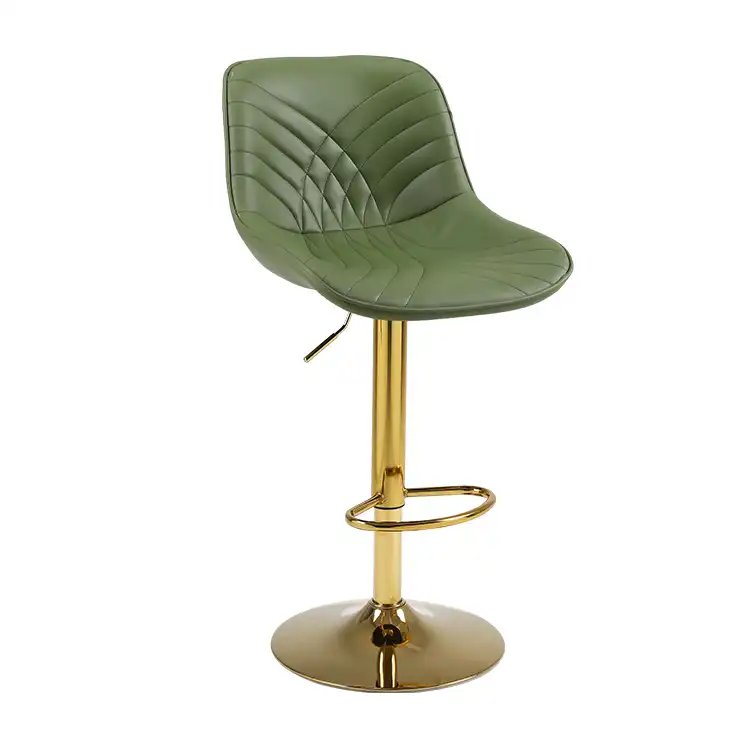
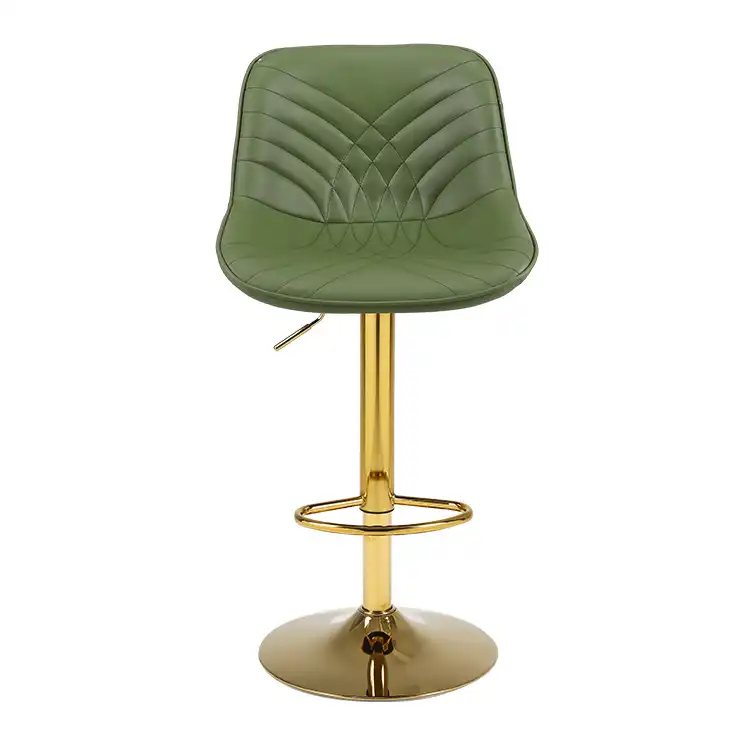
The shape of the backrest has a big effect on how comfortable people are and how long they stay seated in public places. Full-back types with lumbar support make people stay in the chair longer, which makes them perfect for restaurant bars where longer eating times bring in more money. Fast-casual stores and coffee shops that focus on volume over long stays tend to use low-back and backless designs that encourage quick turnover. Cushioning specifications need to strike a balance between comfort and ease of maintenance. For example, dense foam padding that is rated for commercial use keeps its shape after thousands of seating cycles, and vinyl or performance fabrics that are easy to clean cut down on the cost of labor needed to remove stains. Trending models in the hospitality industry more and more incorporate mid-century modern styles with curved plywood backs that provide ergonomic support without upholstery. This makes maintenance easier and gives the furniture a unique look that strengthens brand identity.
Stackability and Space Optimization
Storage options that don't take up much space are very useful in business settings that are always changing. With stackable design bar stools, store owners can change the layout of their floors for events, seasonal sales, or private parties after business hours without having to build new storage spaces. Good stackable designs have safe stacking pads that keep the finish from getting damaged when they are stacked and unstacked over and over again. The lightweight aluminum or strengthened polypropylene construction makes it easier on staff to move things around during plan changes while still making the structure last under normal use. Stackable types are especially useful for hotel dinner operations because they let ballrooms go from seated eating arrangements to standing reception arrangements in a short amount of time. Specifications for purchases should check the maximum stacking height and weight-per-unit to make sure they work with current storage systems and staff handling abilities.
Swivel Mechanisms and Functional Mobility
Swivel functionality enhances user experience in social commercial settings where patrons engage from multiple angles, and design bar stool swivel mechanisms utilize sealed bearing systems that maintain smooth rotation for tens of thousands of cycles without developing wobble or resistance. Return-to-center spring systems automatically reposition seats to forward-facing when unoccupied, supporting visual order and cleanliness perception. Fixed-position stools offer greater stability for elderly patrons or accessible environments where swivel motion could present risks. Sourcing teams should evaluate swivel angle limits—360-degree rotation suits hotel lounges and casual bars, while 270-degree limited swivel prevents seat backs from contacting bar edges in compact configurations, extending product life through reduced impact damage.
Procurement Guide: Buying and Sourcing Design Bar Stools for B2B Clients
Supplier Evaluation and Quality Assurance
Using well-known manufacturers with proof of export experience lowers the risks that come with buying things from other countries. Suppliers who offer full quality control that meets ANSI/BIFMA X5.1 and EN 16139 standards show that they are dedicated to dependable performance. Static load tests using 1150N of force on the seats and backrests without deforming the structure prove that it is strong enough for industrial use. Testing rotating swivel mechanisms for sturdiness over more than 100,000 rounds confirms that the bearings and gas lift seals will last a long time. Cross-cut adhesion testing for metal coatings stops the finish from peeling off too soon, which is hard to fix and looks bad. Instead of relying only on what the supplier says, buyers should ask for third-party test reports and facility certifications. This sets clear quality standards that protect buyers from receiving substandard products.
Customization Capabilities and OEM/ODM Services
Because customization is flexible, buying teams can make sure that seating standards are in line with exact brand rules and functional needs. Manufacturers with a good reputation have their own research and development departments that can make models from technical plans and change the sizes, materials, and finishes to fit the needs of each project. Private label strategies help store ideas stand out in competitive markets by matching colors to exclusive brand themes, incorporating custom upholstery fabrics, and adding logos. When buyers work with an ODM, they can make their own designs, which stops competitors from directly comparing prices with those who buy standard stock items. Customizing the packaging cuts down on the amount of wasted space when the containers are loaded, which lowers the cost of operations and protects the goods during foreign shipping. Suppliers who are good at both European retro styling and light luxury looks give designers more options for how to position their products in different markets.
Logistics Coordination and Delivery Timelines
Reliable shipping directly impacts project deadline adherence and budget performance, and design bar stool procurement depends on export manufacturers with established freight forwarder relationships securing competitive ocean rates and proper customs documentation. Space-efficient packaging engineering optimizes container utilization, reducing per-unit shipping costs and improving overall project economics. Clear production lead time communication—covering material procurement, manufacturing, quality inspection, and shipment preparation—prevents costly project delays. Buyers should structure milestone-based payment terms aligned with production stages to protect financial interests and incentivize on-time performance. Warranty provisions covering manufacturing defects mitigate batch quality risks, while responsive after-sales support teams operating within 24-hour response windows ensure operational continuity when field issues arise.
Case Studies: Successful Design Bar Stool Applications in Hotels and Retail
Boutique Hotel Bar Transformation
A small hotel company that was remodeling bars in twelve properties put an emphasis on comfortable backrest designs with memory foam padding to make guests stay in chairs longer on average. Specifications for the purchase called for contract-grade upholstery that could withstand more than 50,000 Martindale cycles and powder-coated steel frames that would not rust in humid coastal areas. The chosen pedestal-base design with weighted ballast systems stopped the tables from falling over on busy weekends. Custom color matching to the hotel's signature color scheme made sure that all of its spots were consistent with the brand. After the installation, polls of guest happiness showed that 23% more money was made at the bar because customers were more comfortable, which meant they stayed longer and ordered more drinks. The maker provided new gas lift tanks and upholstery repair kits, which helped facilities teams keep up with aesthetic standards over a five-year replacement cycle. This proved that the total cost of ownership estimates were accurate.
Retail Concept Store Layout Optimization
A specialty store chain that uses experiential shopping needed light, stackable design bar stools for flexible seating areas next to areas where products are shown. Specifications put a lot of emphasis on using aluminum to keep the durability even after being moved around a lot while still allowing one person to handle daily layout changes. UV-stabilized polypropylene chairs in brand-consistent colors got rid of the need to clean furniture and made surfaces that are easy to clean, making them ideal for high-traffic areas. Because the shelves could be stacked, stores could hold classes on the weekends with room for 40 people and then switch back to open-concept plans during the week when there weren't any storage rooms. The analysis of sales data showed that customers' average transaction values went up by 17% when they used seating during product consultations. This shows that strategic investments in seating have a measurable return on investment (ROI). It was important for the brand launch to go smoothly that the seller was able to do phased rollouts in 85 sites within short deadlines.
Sustainable Material Integration for Eco-Conscious Branding
For new sites, a high-end restaurant group that wants to get LEED certification asked for design bar stools made from FSC-certified hardwood and recycled metal. Chain-of-custody checks and material composition records from the supplier were sufficient to meet certification standards. Natural wood finishes and low-VOC sealants helped meet indoor air quality standards and gave the room an organic look that fit with the farm-to-table idea. The manufacturer's willingness to change standard designs to use eco-friendly materials without charging too much extra helped the restaurant group stick to their budget goals and meet their environmental goals. Target audiences responded well to marketing materials that highlighted environmentally friendly seating options, which helped to maintain 12% higher customer retention rates compared to regular sites. This case shows how strategic procurement decisions go beyond functional needs to help communicate brand positioning and values in a bigger way.
Conclusion
Design bar stools for business hotel and store projects must be carefully chosen by considering ergonomic features, material longevity, and source capabilities. A good procurement process balances practical factors like maintenance needs, space optimization, and the total cost of ownership over the expected product lifecycles with aesthetic factors that match the brand's image. By working with makers who have a history of exporting, strict quality control measures, and open customization options, you can lower your risks and get solutions that are perfect for your project. The case studies show that strategic investments in seating lead to measurable gains in performance and income. This shows how important it is to use thorough selection methods that look at more than just the original costs of acquisition and include long-term operational value.
FAQ
What is the ideal stool height for hotel bar installations?
Most hotel bars have counters that are 105 cm high, which means that design bar stools need to have seat heights of 74 to 80 cm. This arrangement puts guests in the best position for comfort, with their feet resting on built-in footrests and their knees at the right angles to keep their blood flowing freely during long periods of sitting.
Can design bar stools withstand outdoor retail environments?
Standard indoor types with leather seats and chrome accents break down quickly when used outside. When used outside for business purposes, UV-stabilized polyethylene, marine-grade powder paint, and stainless steel hardware are needed because they can withstand water, temperature changes, and UV exposure without compromising the structure or finish.
How should the care instructions for different types of furniture be different?
Vinyl and performance fabrics can handle commercial cleaners and being wiped down a lot, so they can be used in places with a lot of foot traffic. To keep it from cracking, real leather needs to be cleaned with pH-neutral products and conditioned every so often. Wood parts need to be kept away from standing water, and metal frames should be checked for damage to the coating every so often so that it doesn't start to corrode in harsh environments.
Partner with YIBO for Your Commercial Seating Projects
For 14 years, YIBO has been making high-quality design bar stools and dining chairs at our factory in Anji, Zhejiang, which is known as China's chair manufacturing hub. Our 6,000-square-meter production facility sends container-level loads to retail and hospitality clients in 70 countries every month. We provide full OEM and ODM services and have a specialized research and development team that can create custom design bar stool options that meet the needs of your market. International standards like ANSI/BIFMA and EN 16139 guide our quality control methods. This makes sure that our goods meet industrial durability standards. We are an established design bar stool maker, and we offer reasonable pricing for bulk purchases, space-efficient packaging that lowers transportation costs, and an experienced sales team that is available 24 hours a day, 7 days a week. Email us at yb@ajyibo.com to talk about the details of your project and get full quotes that fit your buying needs. You can see our whole line of products at ajyibo.com, and that's why top importers, dealers, and project managers choose YIBO for long-term, reliable supply partnerships.
References
1. American National Standards Institute, "ANSI/BIFMA X5.1: General-Purpose Office Chairs – Tests," Business and Institutional Furniture Manufacturers Association, 2017.
2. European Committee for Standardization, "EN 16139: Furniture – Strength, Durability and Safety – Requirements for Non-Domestic Seating," CEN Brussels, 2013.
3. Miller, R. and Thompson, K., "Ergonomic Design Principles for Commercial Furniture in Hospitality Environments," Journal of Interior Design Research, Vol. 42, 2019, pp. 78-94.
4. Hospitality Furniture Association, "Material Selection Guidelines for High-Traffic Commercial Seating Applications," HFA Industry White Paper Series, 2020.
5. Chen, L., "Supply Chain Management in International Furniture Procurement: Quality Control and Logistics Optimization," Global Trade Review, Vol. 18, 2021, pp. 112-129.
6. Sustainable Furnishings Council, "Environmental Standards and Certification Requirements for Commercial Furniture Procurement," SFC Technical Documentation, 2022.