

 (1)_1777442575043.jpg)
How to Spot Quality in a Brown Dining Chair: A Buyer's Guide
You've spent weeks searching for the perfect brown dining chair, only to discover your purchase wobbles after a few months or the fabric starts to peel within the first year. This frustrating scenario happens to countless buyers who struggle to distinguish genuine quality from clever marketing. Whether you're furnishing a new home, upgrading your dining space, or purchasing for a commercial establishment, understanding how to evaluate a brown dining chair before buying can save you money, disappointment, and endless returns. This comprehensive guide reveals the insider secrets manufacturers don't always advertise, empowering you to make informed decisions and invest in brown dining chairs that combine lasting durability with timeless elegance.
Understanding Frame Construction and Structural Integrity in Brown Dining Chairs
The foundation of any quality brown dining chair lies hidden beneath the upholstery and visible surfaces. Frame construction determines whether your chair will serve you for decades or require replacement within months. When evaluating brown dining chair quality, always inquire about the frame material and construction method. Premium manufacturers use solid hardwood frames such as oak, ash, or beech, which offer superior strength and longevity compared to softwoods or particleboard alternatives. Metal frames, particularly powder-coated steel, provide exceptional durability for contemporary designs and commercial applications. Pay close attention to joinery techniques, as these connections bear the stress of daily use. Traditional mortise and tenon joints, where one piece of wood fits precisely into another, create incredibly strong bonds that resist loosening over time. Dovetail joints, recognizable by their interlocking finger-like pattern, demonstrate craftsmanship excellence and structural reliability. Avoid chairs relying solely on screws or staples, as these fasteners can loosen with repeated stress. Corner blocks, wooden or metal reinforcements positioned at stress points, significantly enhance stability. When examining a brown dining chair, gently rock it from side to side and front to back. Quality construction produces minimal movement, while excessive wobbling signals inferior joinery or inadequate bracing. The weight of a brown dining chair often indicates construction quality. Solid wood and metal frames naturally weigh more than hollow or particleboard alternatives. While heavier doesn't always guarantee quality, a suspiciously lightweight chair deserves scrutiny. Flip the chair over to inspect the underside, where manufacturers reveal their true attention to detail. Quality brown dining chairs feature smooth, fully finished wood surfaces without rough edges or exposed staples. The upholstery should be neatly secured with no loose fabric or visible glue. This hidden craftsmanship reflects the manufacturer's commitment to quality throughout the entire product, not just the visible surfaces.
Evaluating Joint Construction and Hardware Quality
Examine how different components connect within the brown dining chair structure. High-quality chairs incorporate multiple reinforcement points, including cross braces between legs and robust attachment systems for seats and backrests. Hardware such as bolts, screws, and brackets should be heavy-duty and corrosion-resistant. Plastic components in critical stress areas indicate cost-cutting that compromises longevity. When chairs require assembly, the hardware kit should include substantial metal fasteners with clear, professional instructions. Manufacturers confident in their brown dining chair construction often provide warranties covering structural defects, demonstrating their commitment to durability.
Assessing Weight Capacity and Stability Features
Commercial-grade brown dining chairs typically support weight capacities of 150 kilograms or more, achieved through reinforced frames and strategic weight distribution. Residential chairs should still accommodate diverse users comfortably and safely. Inquire about tested weight limits rather than estimated capacities. Stability features include floor protection pads that prevent scratching while ensuring even weight distribution, preventing rocking on uneven surfaces. Quality manufacturers test their brown dining chairs under conditions exceeding normal use, including drop tests, repetitive sitting tests, and sustained load tests. Requesting information about testing protocols helps you distinguish manufacturers prioritizing durability from those focused solely on aesthetics.
Material Selection and Upholstery Quality in Brown Dining Chairs
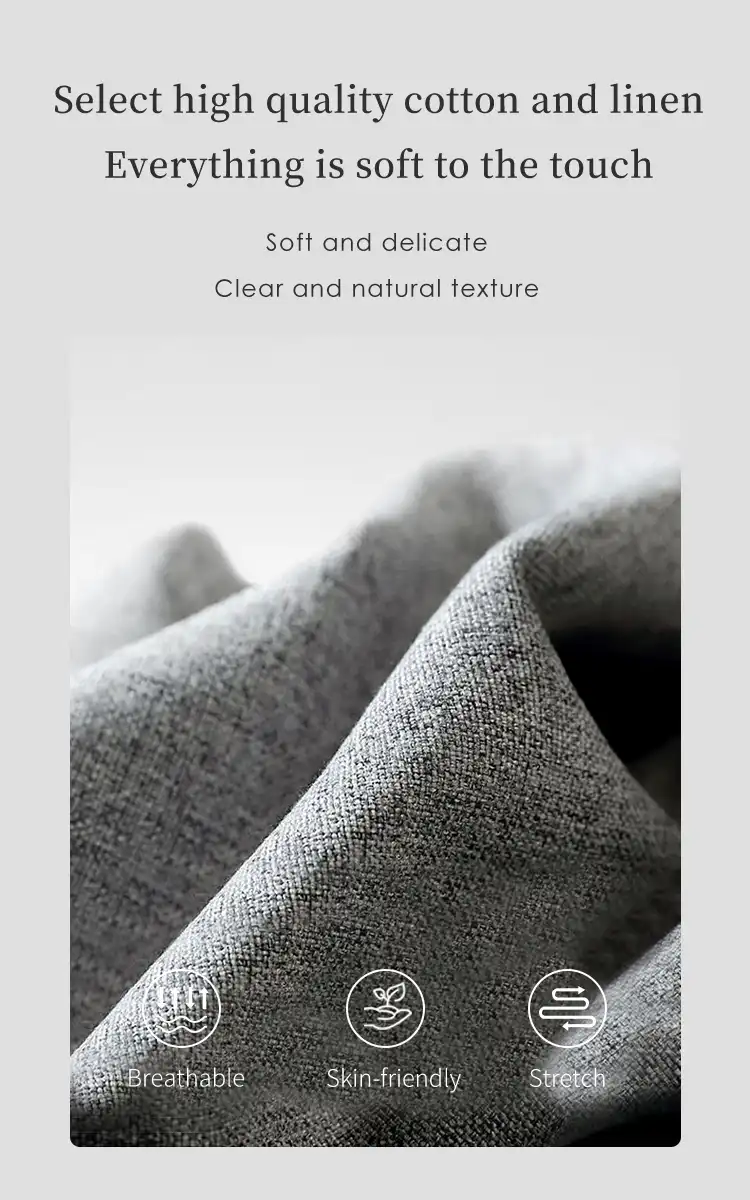
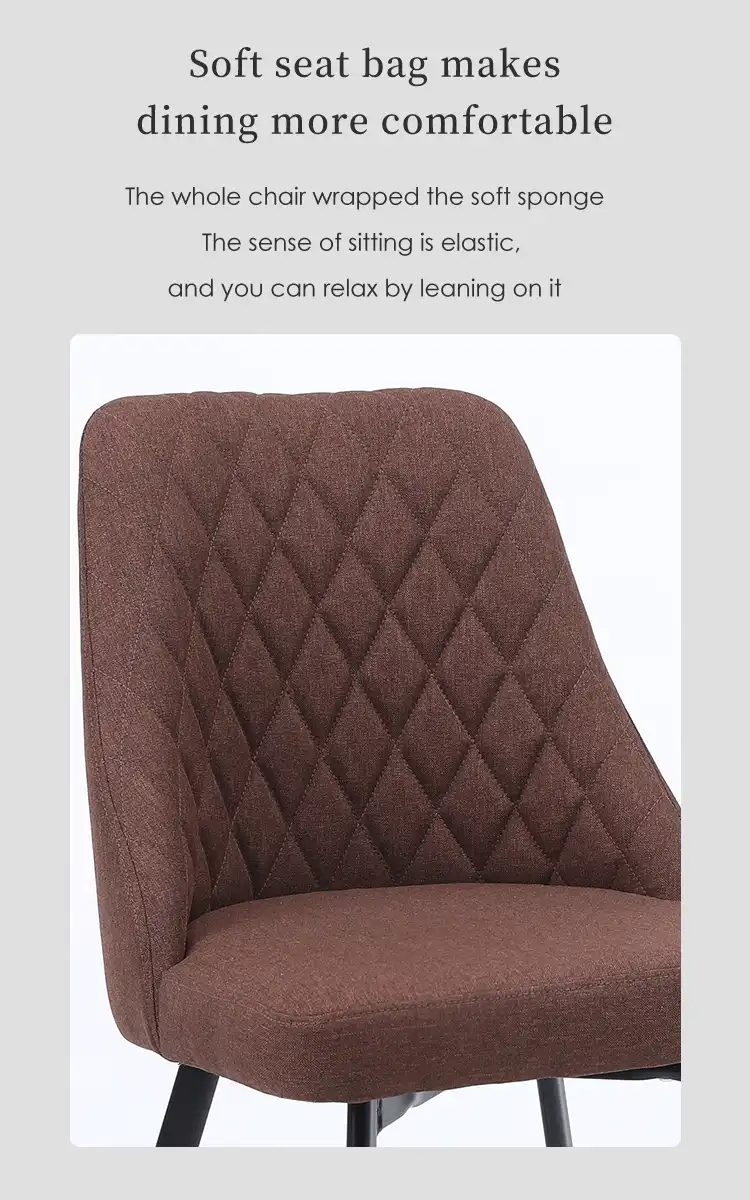
Material selection dramatically impacts both the appearance and longevity of brown dining chairs. The upholstery fabric or leather covering your chair faces constant friction, spills, and exposure to body oils, making material quality crucial for maintaining appearance over time. Velvet upholstery brings luxurious texture and depth to brown dining chairs, with diamond-stitched patterns adding visual interest and reinforcing seating surfaces. Premium velvet features tight weaving that resists crushing and maintains its plush appearance despite regular use. Lower-quality velvet quickly shows wear patterns and loses its softness. Leather represents the pinnacle of dining chair upholstery, offering unmatched durability and aging gracefully to develop rich patina. Full-grain leather, the highest quality, retains the hide's natural texture and markings, becoming more beautiful with age. Top-grain leather, slightly processed for consistency, provides excellent durability at a lower price point. Genuine leather, often misleadingly named, consists of leather scraps bonded together and offers inferior longevity. When evaluating brown leather dining chairs, examine the surface for consistent texture and natural variations. Quality leather flexes without creasing excessively and recovers its shape when pressure releases. Fabric upholstery provides versatility in texture and maintenance characteristics. Performance fabrics treated for stain resistance and durability suit households with children or pets. Linen offers natural elegance with a relaxed aesthetic, though it wrinkles more readily than synthetic blends. Polyester blends combine durability with easy maintenance, resisting fading and staining. When assessing fabric quality on brown dining chairs, check the thread count and weave tightness. Dense, tightly woven fabrics withstand abrasion better than loose weaves. Rub the fabric vigorously between your fingers—quality materials resist pilling and maintain their texture.
Understanding Cushion Construction and Comfort Features
Cushion quality directly affects your brown dining chair comfort during extended meals and gatherings. High-density foam padding provides firm support that maintains its shape over years of use. Lower-density foam initially feels soft but compresses permanently, creating uncomfortable depressions. Quality brown dining chairs incorporate multiple foam densities, with firmer foam for support and softer foam for comfort. Thickness matters—cushions should be at least five centimeters thick for adequate comfort. Some premium designs include memory foam layers that conform to your body while providing support. Examine how cushions attach to the chair frame. Removable cushions with secure ties or fastenings allow for cleaning and potential replacement. Permanently attached cushions should feature robust stitching that won't separate from the frame. The cushion edges reveal construction quality—neatly finished edges with tight stitching indicate attention to detail, while loose threads or uneven seams suggest rushed manufacturing. Press firmly on the cushion and release—it should spring back quickly without leaving prolonged indentations, demonstrating resilient foam quality appropriate for daily use in your brown dining chair.
Assessing Upholstery Attachment and Finishing Details
The method used to attach upholstery to your brown dining chair frame significantly impacts durability. Stapled upholstery represents the most common attachment method, but staple quality varies dramatically. Premium manufacturers use heavy-duty staples spaced closely together, creating secure attachment that resists loosening. Inferior construction features widely spaced staples or light-gauge staples that pull out easily. Hand-tied upholstery, though rare in modern production, represents the highest quality, with fabric carefully stitched to the frame at numerous points. Examine seams and stitching patterns on your brown dining chair upholstery. Double-stitched seams provide redundancy if one thread breaks, while single stitching creates potential failure points. Stitching should follow straight lines without puckering or uneven spacing. Piping or welting along edges serves both aesthetic and functional purposes, reinforcing seams while adding visual definition. Quality brown dining chairs feature piping color-matched to the upholstery with consistent stitching throughout. Decorative elements like diamond stitching should penetrate through all upholstery layers, creating genuine depth rather than superficial appearance.
Finish Quality and Surface Treatment on Brown Dining Chairs
Surface finishes protect brown dining chairs from daily wear while enhancing their natural beauty. Wood components require protective finishes that resist scratches, moisture, and staining. Polyurethane finishes offer superior durability, creating hard protective layers that extend furniture lifespan. These finishes suit high-use environments, resisting heat and moisture better than alternative treatments. Examine the finish surface under good lighting—quality application appears smooth and even without bubbles, drips, or rough patches. Run your hand across finished surfaces, feeling for consistent texture without sticky residues or uneven areas. Lacquer finishes provide excellent protection with faster drying times than polyurethane. Modern lacquer formulations resist yellowing and maintain clarity over time. Oil finishes penetrate wood rather than coating surfaces, enhancing natural grain while providing moderate protection. Though requiring more maintenance than film-forming finishes, oil-finished brown dining chairs can be easily refreshed, maintaining their appearance indefinitely. Color consistency throughout the brown finish indicates quality staining processes. Examine multiple surfaces on the chair—legs, seat frame, and backrest should display uniform color without blotchy areas or dramatic variation unless intentionally distressed. Metal components on brown dining chairs require appropriate finishes to prevent corrosion and maintain appearance. Powder-coating creates durable, chip-resistant finishes available in numerous colors and textures. This process electrostatically applies dry powder that's then heat-cured, creating a finish more durable than conventional paint. Chrome plating offers brilliant shine and excellent corrosion resistance for contemporary designs. Brushed metal finishes hide fingerprints and minor scratches better than polished alternatives. Inspect metal finishes for consistent coverage without bare spots, runs, or texture variations indicating poor application technique.
Identifying Quality Issues in Brown Dining Chair Finishes
Several telltale signs reveal inferior finishing work on brown dining chairs. Rough or splintered edges indicate incomplete finishing processes, particularly on wood components. Quality manufacturers sand all surfaces smooth and apply finish to every surface, including undersides typically hidden from view. Uneven stain application creates blotchy appearances with darker and lighter areas not attributable to natural wood variation. Finish thickness should remain consistent—thick pooling in corners or along edges suggests careless application. Test finish durability by gently pressing your fingernail into an inconspicuous area. Quality finishes resist indentation, while soft finishes dent easily, indicating insufficient curing or inferior products. Smell the brown dining chair—strong chemical odors suggest recently applied finishes that haven't fully cured or low-quality products with high solvent content. Quality finishes cure completely before shipping, eliminating odors. If ordering online, customer reviews mentioning chemical smells or sticky surfaces indicate finishing problems worth avoiding.
Ergonomics and Comfort Considerations for Brown Dining Chairs
Beyond structural quality and material selection, brown dining chair ergonomics determine whether you'll enjoy extended meals or experience discomfort requiring frequent position changes. Seat height represents the most critical ergonomic dimension, affecting both comfort and functionality. Standard dining tables measure approximately 75 centimeters from floor to tabletop, requiring seat heights between 45 and 50 centimeters for proper clearance. This spacing allows comfortable leg room while positioning users appropriately for eating and conversation. Seat depth significantly impacts comfort, particularly during extended sitting. Seats measuring 40 to 45 centimeters deep accommodate most adults without causing circulation problems or inadequate support. Excessively deep seats force shorter individuals to perch uncomfortably forward or sacrifice back support. Shallow seats provide insufficient thigh support, causing discomfort during longer meals. Test brown dining chairs by sitting normally—your back should contact the backrest while maintaining two to three centimeters clearance between the seat edge and the back of your knees. Backrest design determines support quality and dining posture. Contoured backs following the spine's natural curve provide superior comfort compared to flat designs. The backrest angle should recline slightly from vertical, typically five to ten degrees, promoting relaxed posture without encouraging slouching. Lumbar support, achieved through curves or padding in the lower back region, prevents fatigue during extended sitting. Backrest height affects both support and aesthetics—taller backs provide more support and formal appearance, while lower backs create casual, open feelings. Consider your typical meal duration when evaluating backrest design on brown dining chairs.
Understanding Armrest Functionality and Clearance
Armrests enhance comfort and assist users when sitting and standing, particularly benefiting elderly individuals or those with mobility challenges. However, armrests require careful consideration regarding dining table compatibility. Measure the distance from your table's underside to the floor, then compare against the brown dining chair armrest height. Armrests should slide completely beneath the table, allowing chairs to tuck in neatly when not in use. Standard armrest heights range from 65 to 70 centimeters, fitting beneath most tables. Armrest width affects how closely chairs position to tables and neighboring diners. Wider armrests provide more comfort but require additional space between chairs. Consider your typical dining scenarios—formal dinners benefit from armchairs at table heads with armless chairs along sides, maximizing seating capacity while providing special seating for hosts. Examine armrest construction quality, as these components endure significant stress when users push themselves up from seated positions. Armrests should attach firmly to the chair frame with no wobbling or flex when pressure is applied.
Evaluating Seat Width and Spacing Requirements
Individual brown dining chair width determines how many chairs comfortably fit around your table. Standard chairs measure 45 to 50 centimeters wide, allowing comfortable seating with adequate elbow room. Calculate your table's perimeter and divide by desired chair width plus spacing—allow approximately 10 centimeters between chairs for comfortable dining. Wider chairs increase individual comfort but reduce maximum seating capacity. Consider your typical gathering size when selecting brown dining chair dimensions.
Manufacturer Credentials and Quality Assurance for Brown Dining Chairs
Evaluating the manufacturer behind your brown dining chair purchase provides insight into expected quality and after-purchase support. Established manufacturers with decades of experience typically develop refined production processes and quality standards. Research the company's history, production facilities, and specializations. Manufacturers focusing exclusively on seating products generally possess deeper expertise than those producing diverse furniture categories. Facility size and equipment quality affect production capabilities—larger, well-equipped factories handle complex designs and maintain consistent quality across large orders. Certifications demonstrate commitment to quality and safety standards. ISO 9001 certification indicates manufacturers maintain quality management systems ensuring consistent production standards. BIFMA certification, specific to furniture manufacturing, verifies products meet rigorous safety, durability, and structural adequacy standards. Fire safety certifications prove upholstery materials resist ignition and flame spread, critical for commercial applications and increasingly important in residential settings. Request documentation of certifications rather than accepting claims without verification. Quality assurance processes reveal how seriously manufacturers treat defect prevention. Companies implementing multi-stage inspection procedures catch defects before shipping, reducing customer dissatisfaction and return rates. Inquire about testing protocols—reputable manufacturers subject brown dining chairs to stress testing simulating years of use before releasing designs for production. Customer service responsiveness indicates overall company quality. Test manufacturers by asking detailed questions about construction, materials, and warranties. Knowledgeable, responsive communication suggests well-run operations, while evasive or delayed responses raise concerns.
Understanding Warranty Coverage and Support Services
Warranty terms reflect manufacturer confidence in their brown dining chair quality. Comprehensive warranties covering structural defects for multiple years indicate quality construction, while limited warranties or coverage excluding common failure points suggest anticipated problems. Read warranty terms carefully, noting exclusions and claim procedures. Some manufacturers offer extended warranties for additional fees, though truly confident companies provide robust standard coverage. Clarify whether warranties cover only structural components or include upholstery and finish defects. Return policies and satisfaction guarantees demonstrate customer-focused business practices. Generous return windows allow adequate time to evaluate brown dining chairs in your actual dining environment, ensuring satisfaction before commitment. Understand return condition requirements and who pays return shipping. Some manufacturers charge restocking fees, reducing your refund and creating barriers to returns. Customer testimonials and reviews provide real-world quality insights beyond manufacturer claims. Look for reviews discussing long-term durability rather than initial impressions, as quality becomes apparent through extended use.
Price Points and Value Assessment in Brown Dining Chairs
Price ranges for brown dining chairs vary dramatically, from budget options under one hundred dollars to luxury designs exceeding one thousand dollars per chair. Understanding what drives these price differences helps you identify genuine value rather than paying for brand prestige alone. Budget brown dining chairs typically feature particleboard or plywood frames, basic foam cushioning, and synthetic upholstery. These chairs suit temporary living situations or rarely-used spaces but require replacement within a few years. Mid-range options, priced between two hundred and five hundred dollars, often provide the best value, combining solid construction with quality materials that withstand daily use. Premium and luxury brown dining chairs justify higher prices through superior materials, advanced ergonomics, and exceptional craftsmanship. These chairs feature hardwood frames, high-density cushioning, genuine leather or performance fabrics, and refined finishing. Luxury pricing sometimes reflects brand reputation and designer names rather than proportional quality increases. Evaluate whether premium features align with your needs—a chair perfect for a design enthusiast may offer excessive quality for practical daily use. Calculate total cost of ownership when comparing brown dining chair options. Inexpensive chairs requiring replacement every few years ultimately cost more than durable mid-range chairs serving for decades. Consider maintenance costs—leather requiring special cleaners, delicate fabrics needing professional cleaning, or complex assemblies requiring periodic tightening add to long-term expenses. Factor in your usage patterns and household conditions. Households with children or pets benefit from investing in stain-resistant, durable brown dining chairs, while adults-only homes can consider more delicate materials.
Recognizing Quality Red Flags in Pricing
Exceptionally low prices relative to claimed quality suggest corners were cut somewhere in production. Be skeptical of brown dining chairs advertised as solid hardwood at prices typical for composite materials, or genuine leather at prices suggesting synthetic alternatives. Manufacturers cannot defy economics—quality materials and construction require appropriate pricing. Conversely, exorbitant prices don't guarantee proportional quality. Research multiple manufacturers producing similar designs, comparing specifications and construction details rather than relying on price as a quality indicator. Bulk purchasing often provides significant savings when buying brown dining chairs for large dining areas or commercial spaces. Manufacturers offering volume discounts typically maintain consistent per-unit quality, making this an effective cost-reduction strategy. However, purchase at least one sample before committing to large orders, verifying quality matches descriptions and expectations. Seasonal sales and clearance events offer legitimate savings opportunities, particularly when manufacturers introduce new collections, discontinuing previous designs despite their quality.
Conclusion
Investing in quality brown dining chairs requires evaluating multiple factors beyond initial appearance—from frame construction and material selection to ergonomic design and manufacturer credentials. By understanding these critical quality indicators, you can confidently select brown dining chairs that provide years of comfortable, reliable service. Remember that true quality reveals itself through hidden details: reinforced joinery, consistent finishes, resilient cushioning, and manufacturer transparency. Whether furnishing your home or a commercial establishment, prioritizing quality over price alone ensures your brown dining chairs enhance every dining experience while standing the test of time.
Cooperate with Anji Yibo Furniture Co., Ltd.
Partner with Anji Yibo Furniture Co., Ltd., your trusted China brown dining chair manufacturer, supplier, and factory specializing in high quality brown dining chairs for sale at competitive wholesale prices. With 14 years of expertise in the bar chair and dining chair industry, our 6,000+ square meter facility in Anji—China's furniture manufacturing hub—produces ergonomic, durable seating solutions exported to 70 countries worldwide. Our brown dining chair collection features thick cushioned seats, diamond-stitched luxury velvet, metal frames with premium upholstery, and floor protection pads, backed by ISO 9001:2015 certification, fire safety standards, and BIFMA compliance. We support OEM and ODM customization through our professional R&D team, ensuring your specifications are met with precision. Our experienced sales team answers all inquiries within 24 hours, providing comprehensive service from initial consultation through production and delivery via space-saving packaging and reliable logistics. Contact us at yb@ajyibo.com to discuss your brown dining chair requirements—whether you need samples, bulk orders, or custom designs. Bookmark this guide and reference it whenever evaluating furniture quality, then reach out to discover how our competitive brown dining chair prices and exceptional craftsmanship can elevate your dining spaces while building a long-term partnership.
References
1. "Dining Chairs Buying Guide" by Timothy Oulton Design Team, Timothy Oulton Furniture Guide Series
2. "Evaluating Quality in Luxury Dining Chairs: Construction and Materials" by Sarah Mitchell, Modern Loft Interiors Furniture Journal
3. "The Complete Guide to Dining Room Furniture Selection" by Interior Design Association, Professional Furniture Buyer's Handbook
4. "Wood Furniture Craftsmanship: Identifying Quality Through Inspection" by James Chen, Furniture Manufacturing Standards Institute
5. "Ergonomic Seating Design Principles for Dining Applications" by Dr. Rebecca Thompson, International Journal of Furniture Design and Ergonomics