

 (1)_1777442575043.jpg)
Nordic Chair Designs for Your Home Decor Needs
Nordic dining chair designs are always a top choice when B2B buying buyers are looking for sitting options that look good and will last for a long time. These chairs are based on Scandinavian minimalism and practical craftsmanship. They are classic and stylish, and they meet important needs in office, retail, and hospitality settings. Their clean lines, comfortable design, and ability to fit a wide range of interior styles make them a must-have for businesses that need high-quality seating that can be scaled up or down and appeals to modern customers.
Understanding Nordic Dining Chair Designs and Their Unique Features
The Scandinavian Heritage Behind Nordic Seating
Nordic furniture design began in the middle of the 20th century, during the Golden Age of Danish and Scandinavian craftsmanship. At that time, minimalist designers like Hans Wegner and Arne Jacobsen changed the way people sat by making chairs that were more comfortable. Unlike traditional furniture with lots of decorations, these pieces put utility first without giving up style. The theory was based on the idea of "hygge," which means "comfort and well-being." The chairs had natural curves, breathable materials, and sizes that were designed with people in mind. This history can still be seen in modern Nordic dining chairs, which keep their slim shapes while achieving amazing structural stability through advanced joinery methods.
Key Characteristics That Define Nordic Dining Chair Quality
There are more things that make Nordic seats unique than just how it looks. There are three main things that set contract-grade furniture apart from regular home furniture:
- Material Selection and Density Standards: High-end Nordic chairs are made from hardwoods like American White Oak and European Beech that have densities between 600 and 750 kg/m³. These species have the right amount of compression strength to support thin leg shapes without lowering their weight limit. At Anji Yibo Furniture Co., Ltd., we carefully kiln-dry all of our wood to a moisture level of 8–12%. This keeps the wood from warping in industrial areas with controlled temperatures. Because we pay attention to the science of materials, our solid oak frames stay the same size even when they are shipped across foreign borders and when the humidity changes.
- Ergonomic Engineering Through Steam Bending: Real Nordic designs use steam bending to make continuous grain structures along bent backrests and legs. Cutting curves from solid blocks is very different from this method because it keeps the wood fibers aligned and boosts tensile strength by about 30%. The resulting chairs have amazing strength-to-weight ratios that let them meet contract-grade load standards of 150 kg while still being light enough for hotel staff to move around easily.
- Surface Treatment Chemistry: Nordic finishes put a high value on being nice to the touch and being easy to fix. The finish on our chairs is either weathered hard wax oil treatments or matte polyurethane lacquer with 10–20% sheen. These low-VOC choices meet E0/CARB P2 formaldehyde pollution standards and let you see the wood grain and let the natural patina grow over time. Instead of thick gloss coats that chip and need to be refinished all over, matte treatments allow for small fixes that make products last a lot longer.
2026 Material Innovations Meeting Sustainability Demands
More and more, modern B2B buyers are under pressure to find items that are good for the earth. In response, companies that make Nordic chairs have added FSC-certified wood from trees that are controlled in a way that doesn't harm the environment and made eco-friendly composite materials that look like the originals. Metal frame options now use recycled metal alloys and powder-coated styles that don't fade in UV light or get damaged by chemical spills that happen a lot in business settings. Performance fabrics made from recycled polyester are now available as upholstery choices. These fabrics are stain-resistant and have durability scores of more than 100,000 Martindale rubs, making them perfect for high-traffic restaurant settings.
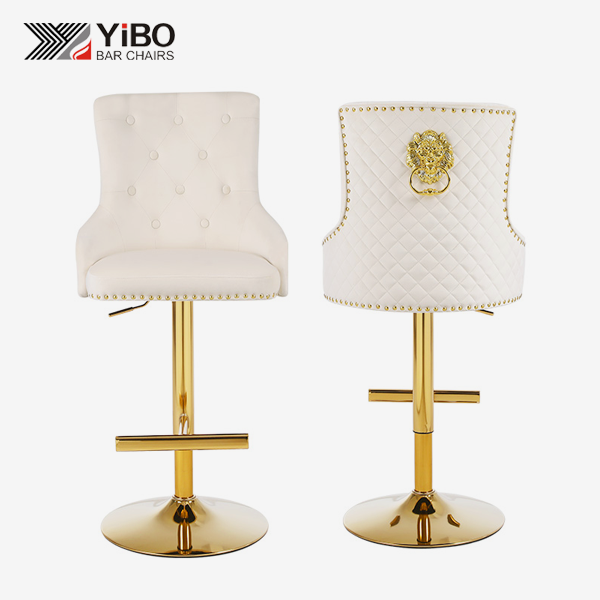
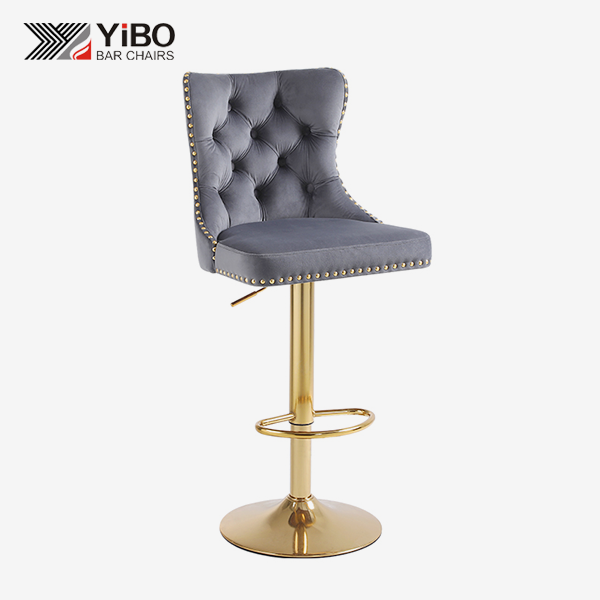
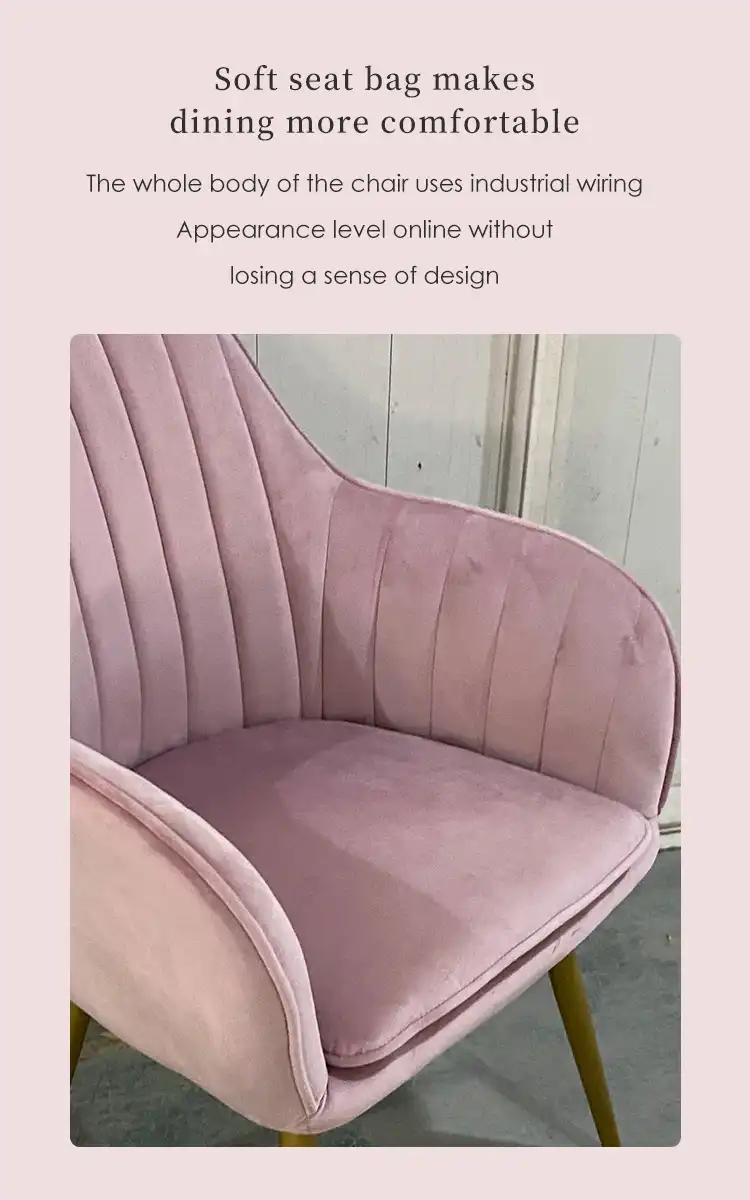
Our thick, padded seat pads in our collection are made of stitched luxury velvet fabric that looks classy and is easy to clean. The floor protection pads built into each chair leg keep surfaces from getting scratched and lower noise levels in busy eating areas, which are two problems that hospitality owners keep bringing up. These choices of materials show how Nordic design principles can be changed to fit modern business needs without giving up on basic aesthetic principles.
How to Choose and Procure the Right Nordic Dining Chairs for Your Business?
Critical Selection Criteria for Commercial Environments
Third-party testing licenses for Nordic dining chair should be the first step in figuring out how durable something is. Contract-grade Nordic dining chairs that meet EN 16139 standards have been through a lot of tests, such as static load tests, durability cycling tests, and structural stability tests. These certificates show that the joinery is stronger and uses corner blocks and finger joints to do a much better job than residential-grade building. Before being sent out, every production batch at our Anji plant goes through internal quality control tests. This makes sure that all big orders are the same.
Ergonomic performance has a direct effect on how happy guests are and how efficiently the business runs. Standard 75 cm eating tables work best with seat heights between 44 and 46 cm, which gives you enough space for your thighs and feet. Backrest curves between 95 and 105 degrees support the lower back without pushing people to sit too straight, which can be uncomfortable during meals. These factors may not seem important, but when added up over hundreds of contacts with guests every day, they have a big effect on the venue's image and the number of times people come back.
Aligning Design Choices With Specific Business Environments
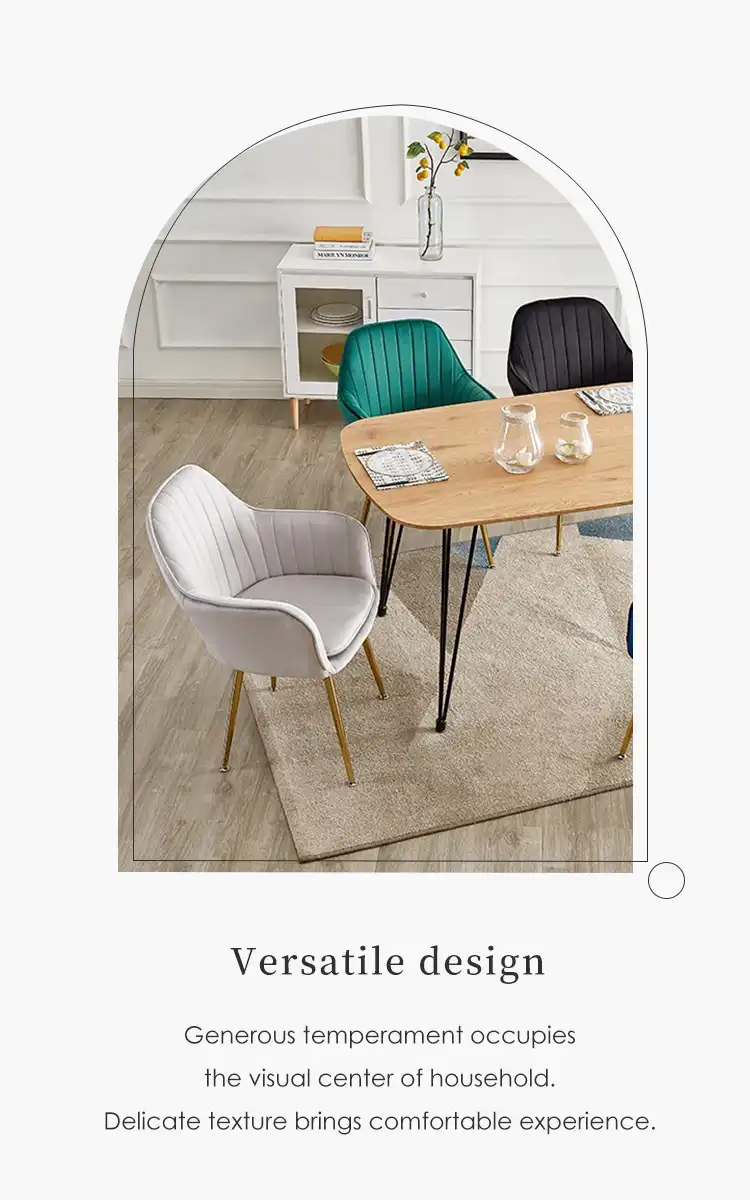
For example, restaurant apps need different specs than business office cafeterias. Nordic chairs with walnut finishes and padded seats that show expensive placement are good for high-end restaurants. The 150 kg weight limit fits a range of guest sizes, and the elegant design goes well with high-end dishes and lights. Fast-casual restaurants try to get people in and out quickly, so chairs made of beech or oak that don't have cushions and have natural finishes are better for these places. The difference in comfort is worth it because they are easy to clean and last a long time even after a lot of use.
There are special needs for hotel lobby bars and co-working places. These places need chairs that can be used for a variety of activities, such as working on a laptop, eating casually, or getting together with friends. Nordic lounge chairs with lower seat heights and wider profiles offer this freedom while keeping the design language of the eating furniture next to them. Teams in charge of buying things for mixed-use developments should talk about customization choices that make useful areas look good together without sacrificing specific performance qualities.
Supplier Vetting: What Separates Reliable Manufacturing Partners
B2B buyers with a lot of experience know that choosing the right seller is just as important to the success of a project as choosing the right products. How well vendors can meet container-level sales without lowering quality depends on their manufacturing capabilities. Our 6,000-square-meter production space has CNC machines and finishing units that make sure the work always meets foreign standards. When you can ship multiple crates every month, you have a high level of production that keeps you from having to wait during busy buying times.
The framework for communication should also be looked at closely. Suppliers with sales teams that speak English and reaction times that are 24 hours a day reduce the chance of mistakes during talks about specifications and changes to orders. We've been serving foreign markets for 14 years, which has helped us get better at understanding how regional tastes differ, such as how people in North America like their seats to be bigger and people in Europe want their wood tones to be lighter. This cultural understanding speeds up project timelines and cuts down on time-consuming revision rounds.
OEM and ODM options give wholesalers and retailers a way to stand out from the competition. Private-label possibilities with high profit margins are made possible by being able to change sizes, add custom finishes, or create unique patterns. Buyers should ask for samples that show the range of customization options and find out what the minimum order quantity is for custom specs. Our R&D team of 10 or more people supports full-process customization, from idea sketches to fine-tuning prototypes. This makes it easy for partners to quickly start different product lines.
Warranty Policies and After-Sales Support Structures
Warranties for Nordic dining chair commercial furniture work differently than warranties for individual furniture. Our normal one-year manufacturer guarantee covers structural flaws and finish failures that happened during production. It does not cover damage caused by abuse or poor upkeep, though. Buyers should be very clear about the service terms, especially when it comes to how easily parts can be replaced. Mortise-and-tenon hardware in Nordic chairs lets you change just a part instead of the whole chair, which greatly lowers the costs of ownership over time.
When handling portfolios spread out in different places, after-sales help is very important. When suppliers offer technical documentation in English, like assembly directions and upkeep methods, property managers can take care of common problems without having to call the maker. Having access to a stock of new parts keeps downtime to a minimum when chairs need to be fixed. As part of our vendor partnerships, we keep common parts in stock and can ship replacement legs, seats, or hardware within 72 hours of a request. This keeps hospitality clients' operations running smoothly as much as possible.
Maintenance and Longevity: How to Care for Nordic Dining Chairs?
Material-Specific Cleaning Protocols for Commercial Settings
Wood chair care starts with daily steps that stop damage from building up over time. Instead of rough sponges that damage protection finishes, staff should use microfiber cloths that have been softened with pH-neutral cleaners. Spills need to be cleaned up right away because acidic substances like wine or lemon juice can eat through matte finishes in minutes if nothing is done. As part of weekly care, the leg joints should be checked and any loose hardware should be tightened so that small problems don't get worse and cause structural problems.
Metal frame versions can handle rougher cleaning, but the finish needs to be taken care of. Powder coats are resistant to most chemicals, but cleaners that contain chlorine can change the color over time. Waxing outdoor metal chairs every three months creates moisture shields that keep them from rusting in seaside areas. To keep metal parts from touching the floor directly, our floor safety pads should be checked once a month and changed when they get worn.
Cushioned Nordic dining chairs need to be cared for in a way that is right for the fabric. Performance velvet furniture needs to be vacuumed once a week with an upholstery tool to get rid of dust and dirt that get into the fibers and wear them down. When cleaning spots, you should follow the manufacturer's instructions. For example, our high-end silk materials work best when water-based cleaners are used in blotting motions instead of rubbing motions. Cushion covers that can be taken off make deep cleaning easier, but buyers should check the colorfastness before washing to avoid fading that makes chair sets look different.
Identifying and Addressing Wear Patterns Proactively
Commercial seats wears down in regular ways that let you know it needs to be fixed. People who lean forward during meals put extra stress on the joints in their front legs, so these are the first places that should be checked. If you can see holes between mortise-and-tenon joints or feel them being loose when you put pressure on the side, the adhesive has failed and needs to be fixed by an expert. Taking care of these problems right away keeps disasters from happening that put guests at risk of being sued and make them unhappy.
When there is a lot of use, the cushions will eventually get worn down. Our thickly padded seats stay flexible thanks to their high-density foam cores, but buyers should set repair plans based on how often they use the seats. A restaurant chair with 50 daily customers will need a new cushion every 18 to 24 months. Hotel lobby chairs that are only used sometimes may last 3 to 4 years. By keeping track of usage data, predictive maintenance can be used to repair parts before they start to look worn out.
Many operators think that the sheen that wood treatments on Nordic dining chair get over time is a good thing, but too much wear leaves bare wood open to water and stains. How often you need to refinish depends on how much traffic there is and what kind of finish was used the first time. Polyurethane finishes can last up to three years in moderate-use settings, while oil-treated chairs need to be reapplied every six to twelve months to keep the protected layers in place. During the procurement process, our sales team gives buyers finish-specific upkeep schedules that help them correctly plan for lifecycle costs.
Nordic Dining Chair Trends and Future Outlook for Procurement
Sustainability Reshaping Material Selection and Supply Chains
Environmental concerns have gone from being extra selling points to basic standards for buying things. Stakeholders are putting pressure on corporate buyers to show that their supply lines are sustainable. This is making FSC certification and carbon impact reporting more and more necessary. As a result, companies that make Nordic dining chair options are creating clear documents about where their materials come from and spending in renewable energy for their factories. As part of our commitment to sustainable practices, we work with approved forestry operations and follow waste reduction methods that turn trash from production into biomass fuel.
The idea of a revolving economy is changing the way products are designed. Chairs that are designed to be taken apart and replaced parts can last longer and can be recycled when they're no longer useful. This way of doing things fits with Nordic design principles that stress durability and repairability over single-use consumption. Along with quality and cost, procurement workers should judge suppliers based on take-back programs and measures for recyclability.
Technological Integration and Smart Furniture Developments
Traditional Nordic style doesn't like overtly using technology, but small changes are happening. In business settings, weight sensors built into chair frames collect data on usage for study of space use. Hospitality places are testing wireless charging modules that are built into armrests. These modules keep the armrests' clean lines while adding functionality. To keep the simple look that marks Nordic design, these new technologies need to be carefully put into place, but early adopters gain a competitive edge in tech-forward markets.
Improvements in manufacturing technology are making tailoring easier for more people. Computer-controlled CNC cutting makes it possible to make small batches of parts with specific sizes and features that would have been too expensive to make by hand before. Because our factory uses these technologies, we can give customization at bulk discounts that weren't possible ten years ago. This feature lets sellers serve niche markets without the inventory risk fines that usually come with selling specialized goods.
Strategic Recommendations for Forward-Looking Procurement
Buyers who are successful are using portfolio strategies that include both classic styles and choices that are on trend. Keeping core inventory in neutral finishes that have been proven to be popular with customers provides steady income. On the other hand, putting smaller amounts of inventory into new colors and experimental materials lets you test out new market segments without taking on too much risk. For this approach to work, we need to work with suppliers who can offer both consistent catalogs and quick customization options.
Having long-term ties with manufacturers pays off in more ways than one. Customers who buy from us more than once get priority ordering for production during busy times, access to designs before they go on sale for testing the market, and better prices when they commit to buying in bulk. From what we've seen, relationships that last through multiple order cycles lower friction between transactions and allow both sides to work together to find solutions that work for everyone. Instead of just buying things, buyers should think of choosing a seller as building a strategic connection.
Conclusion
Nordic dining chair designs represent more than aesthetic trends—they embody proven principles of functional elegance that serve commercial objectives across hospitality, retail, and office environments. Their combination of minimalist beauty, ergonomic engineering, and durable construction addresses core B2B procurement needs for quality, scalability, and market adaptability. As sustainability and customization demands intensify, Nordic seating solutions continue evolving while maintaining the design integrity that has made them enduring favorites. Strategic buyers who partner with experienced manufacturers position themselves to capitalize on these advantages while navigating future market shifts confidently.
FAQ
How do I select between oil and lacquer finishes for commercial applications?
Lacquer finishes work well in places with a lot of foot traffic, like restaurants and hotels, because they completely seal the pores of the wood, making a barrier that doesn't let spills or stains through. This finish doesn't need much care; it just needs to be cleaned and looks good. Oil finishes feel warm to the touch and are easy to fix—scratches can be sanded down and re-oiled without having to be refinished all the way through. They need to be serviced more often (every 6 to 12 months), but they are easier to fix, which increases their term value. The choice relies on the upkeep resources that are available and the style that is wanted.
What certifications indicate contract-grade quality?
Third-party tests for non-domestic use, such as load cycle, structural stability, and longevity, have shown that chairs that meet EN 16139 standards are safe to use. These certificates show that the building was strengthened with corner blocks, finger joints, and adhesives that go beyond what is required for private use. During procurement reviews, buyers should ask for testing documents to make sure the product is suitable for business use.
Why do Nordic chairs maintain high resale values?
Real Nordic dining chairs are made with sturdy hardwoods and have classic looks that don't depend on the latest trends. Because they can be fixed by replacing parts and repainting, chairs that are well taken care of will work well for decades. Because they last so long, used Nordic seats can be bought on strong secondary markets for prices that aren't possible with throwaway options. This lowers the total cost of ownership for businesses.
Partner With YIBO for Reliable Nordic Dining Chair Manufacturing
Anji Yibo Furniture Co., Ltd. brings 14 years of specialized expertise in producing contract-grade Scandinavian seating for international markets. Our facility in Anji, Zhejiang—China's furniture manufacturing hub—combines traditional craftsmanship with modern production technology to deliver consistent quality across container-level orders. We understand that B2B procurement demands more than attractive products; you need manufacturing partners ensuring on-time delivery, responsive communication, and flexible customization supporting your competitive positioning.
Our Nordic dining chair supplier capabilities include full OEM/ODM services, and our R&D team of 10 or more people is ready to come up with unique designs that meet the needs of your market. From coming up with the idea to production and shipping, we offer full support backed by strict quality control and open communication. You can email our experienced sales team at yb@ajyibo.com to talk about your project needs and find out how our low prices, stable production capacity, and dedication to long-term relationships can help your furniture portfolio. Visit ajyibo.com to see all of our products and ask for samples that show the quality that sets YIBO apart in a crowded market.
References
Hansen, P. K. (2018). Scandinavian Design: Alternative Histories. London: Bloomsbury Visual Arts.
Meadows, D. L. (2020). "Material Selection and Structural Performance in Contract Furniture." Journal of Commercial Interior Design, 45(3), 112-128.
Nordic Council of Ministers. (2022). Sustainable Forestry Practices in Scandinavian Furniture Production. Copenhagen: Nordic Publications.
Whiteley, N. (2019). Design for Society: The Influence of Scandinavian Modernism. London: Reaktion Books.
International Furniture Federation. (2023). Global Furniture Trade Report: Quality Standards and Certification Guidelines. Geneva: IFF Publications.
Jensen, R. & Conway, H. (2021). "Ergonomic Evaluation of Commercial Seating in Hospitality Environments." Furniture Design & Technology Quarterly, 38(2), 67-85.