

 (1)_1777442575043.jpg)
OEM Guide: Manufacturing a Custom PU fabric leisure chair
Picture this scenario: you've invested thousands of dollars in furniture for your hospitality venue, only to face cracked upholstery, wobbly frames, and dissatisfied guests within months. The root cause? Partnering with manufacturers who lack expertise in custom PU fabric leisure chair production. This comprehensive OEM guide eliminates that risk by walking you through every critical stage of manufacturing a custom PU fabric leisure chair, from material selection to quality control protocols. Whether you're furnishing hotels, restaurants, offices, or residential spaces, understanding the manufacturing process ensures you receive durable, aesthetically pleasing seating solutions that deliver exceptional value and longevity for your investment.
Understanding PU Fabric Leisure Chair Manufacturing Fundamentals
The foundation of any successful OEM partnership begins with comprehensive knowledge of what defines a quality PU fabric leisure chair. PU fabric, also known as polyurethane leather, represents a synthetic alternative to genuine leather that combines affordability with remarkable durability and aesthetic versatility. In the context of leisure chair manufacturing, PU fabric serves as the primary upholstery material, offering businesses and consumers alike a cost-effective solution without compromising on visual appeal or comfort. The manufacturing process involves coating a fabric base, typically polyester or cotton, with a polyurethane layer that mimics the texture and appearance of natural leather. This innovative material has revolutionized the furniture industry by providing designers and manufacturers with unprecedented flexibility in creating custom pu chairs that meet specific functional and aesthetic requirements. When evaluating potential manufacturing partners for your custom PU fabric leisure chair project, understanding the technical specifications becomes paramount. Quality pu leather dining chairs and leisure seating solutions require precise attention to material composition, frame construction, and ergonomic design principles. The polyurethane coating thickness, base fabric density, and finishing treatments all contribute to the final product's durability and longevity. Manufacturers with extensive experience in producing pu chairs understand that different applications demand varying material specifications. For instance, commercial-grade PU fabric intended for high-traffic hotel lobbies requires enhanced abrasion resistance compared to residential applications. The manufacturing process also incorporates texturing techniques that replicate natural leather grain patterns, embossing methods that add visual depth, and protective topcoat applications that enhance water resistance and stain protection. These technical considerations directly impact the chair's performance characteristics, maintenance requirements, and overall lifespan in real-world usage scenarios.
Material Selection and Quality Standards
Selecting appropriate materials represents the cornerstone of manufacturing exceptional PU fabric leisure chairs that withstand the test of time while maintaining their visual appeal. The quality of polyurethane leather varies significantly based on manufacturing methodologies, with wet-process and dry-process techniques yielding distinctly different material characteristics. Premium-grade PU fabric features a high-density polyester base fabric that provides structural integrity and dimensional stability, preventing the upholstery from stretching, sagging, or deforming under regular use. The polyurethane coating itself must achieve optimal thickness, typically ranging between 0.8 to 1.2 millimeters, to balance durability with flexibility and breathability. Manufacturers should specify the coating composition, including additives for UV resistance, antimicrobial properties, and enhanced color retention. Quality pu chairs incorporate materials that meet international safety and environmental standards, including certifications such as REACH compliance for chemical safety, California Proposition 65 for consumer product safety, and BIFMA standards for commercial furniture performance. When partnering with OEM manufacturers, requesting detailed material specifications, technical data sheets, and physical samples enables thorough evaluation before committing to large-scale production runs.
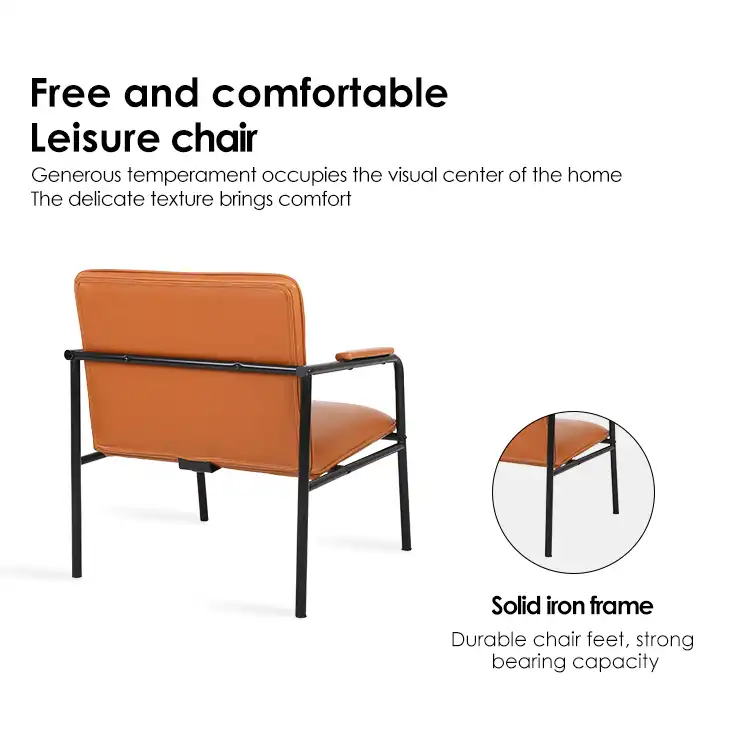
The frame construction of PU fabric leisure chairs equally demands rigorous material standards and engineering precision. Superior pu leather dining chairs utilize metal frames constructed from either carbon steel or stainless steel, with wall thickness specifications that ensure structural integrity under maximum weight capacity conditions. The most reliable manufacturers employ A3-grade carbon steel with minimum wall thickness of 1.2 millimeters for load-bearing components, providing chairs capable of supporting weights exceeding 150 kilograms without flexing or permanent deformation. Frame joints require proper welding techniques performed by experienced craftsmen, with weld seams ground smooth and finished to prevent sharp edges or structural weak points. The metal finishing process typically involves multi-stage surface preparation including degreasing, phosphating for corrosion resistance, and electrostatic powder coating that creates a durable, attractive finish resistant to chipping, scratching, and environmental degradation. Alternative frame materials such as solid wood or engineered wood products offer different aesthetic and functional characteristics, with hardwood frames providing traditional elegance while requiring different joining techniques and finishing processes. Understanding these material specifications and manufacturing requirements enables informed discussions with OEM partners, ensuring your custom pu chair project achieves desired quality benchmarks and performance expectations.
The Complete OEM Manufacturing Process
Navigating the OEM manufacturing journey for custom PU fabric leisure chairs requires understanding each production stage, from initial concept development through final quality inspection and shipment preparation. The process begins with comprehensive design consultation where clients communicate their vision, functional requirements, dimensional specifications, and aesthetic preferences to the manufacturer's research and development team. Professional furniture manufacturers like those specializing in pu chairs maintain dedicated R&D departments staffed with industrial designers, ergonomics specialists, and materials engineers who collaborate to transform conceptual ideas into technically feasible production plans. During this initial phase, clients provide reference images, dimensional drawings, material samples, or competitor products that exemplify desired characteristics. The R&D team analyzes these inputs, considering manufacturing feasibility, cost implications, material availability, and production timeline constraints to develop preliminary design proposals that balance client aspirations with practical manufacturing realities.
Following design approval, the manufacturing process advances to prototype development and sample production stages. Experienced pu leather dining chairs manufacturers create initial prototypes using the specified materials, construction methods, and finishing techniques to produce tangible samples that clients can physically evaluate. This critical phase allows for hands-on assessment of comfort, proportions, material quality, color accuracy, and overall construction quality before committing to full-scale production. Clients should scrutinize every aspect of sample chairs, testing weight capacity, evaluating upholstery seam quality, examining frame welds, and assessing finishing consistency. Any design modifications, material substitutions, or construction improvements identified during sample evaluation can be implemented before production begins, significantly reducing the risk of costly issues emerging during bulk manufacturing. Professional manufacturers welcome this iterative refinement process, recognizing that thorough sample approval ensures client satisfaction and minimizes expensive production corrections or rejected shipments.
Production and Quality Control
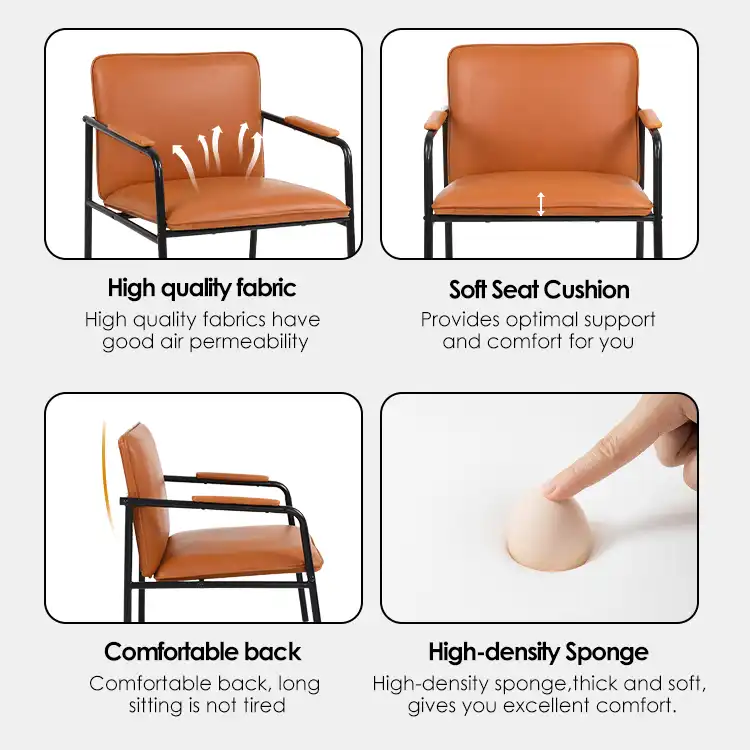
Once sample approval is secured, full-scale production commences with materials procurement, component fabrication, and assembly operations coordinated according to established production schedules and quality control protocols. Manufacturing facilities specializing in pu chair production typically organize workflow into specialized stations including frame fabrication, surface finishing, upholstery cutting, foam padding preparation, and final assembly areas. Frame components undergo precision cutting, welding, grinding, and finishing operations performed by skilled technicians using specialized equipment that ensures dimensional accuracy and consistent quality across all units. Simultaneously, PU fabric materials are precision-cut according to pattern templates that optimize material utilization while ensuring sufficient fabric for proper upholstery tension and seam allowances. High-density foam padding materials are cut to specified dimensions and densities, with ergonomic contouring performed where design specifications require specialized comfort features or lumbar support characteristics.
Quality control represents an integral component throughout every manufacturing stage, with inspection checkpoints established at critical process intervals to identify and correct potential defects before they propagate through subsequent production stages. Professional manufacturers implement multi-stage quality assurance programs that include incoming materials inspection, in-process quality checks, and final product inspection protocols. Frame components undergo dimensional verification, weld integrity examination, and surface finish evaluation before advancing to upholstery operations. Completed chairs receive comprehensive final inspection that evaluates dimensional accuracy, weight capacity performance, upholstery tension and seam quality, hardware functionality, finish consistency, and overall craftsmanship standards. Manufacturers maintaining ISO 9001 certification demonstrate commitment to systematic quality management practices, with documented procedures, statistical process control, and continuous improvement initiatives that enhance product consistency and customer satisfaction. Understanding these quality control measures and requesting detailed inspection reports provides assurance that your custom PU fabric leisure chair project will deliver products meeting specified quality standards and performance expectations.
Customization Options and Design Flexibility
One of the most compelling advantages of OEM manufacturing partnerships for pu chairs lies in the extensive customization possibilities available to clients seeking distinctive products that align perfectly with their brand identity and functional requirements. Professional manufacturers offer comprehensive customization services encompassing dimensional modifications, material selections, color specifications, finishing options, and functional feature additions that transform standard designs into unique products tailored to specific applications. Dimensional customization allows clients to adjust seat height, backrest angles, armrest positioning, and overall chair proportions to accommodate specific user demographics or spatial constraints. Material customization extends beyond PU fabric selection to include alternative upholstery materials such as genuine leather, performance fabrics, or specialty textiles, along with frame material options including various metal finishes, wood species, or composite materials that complement existing décor schemes or brand aesthetics.
Color customization represents another powerful differentiation tool, with manufacturers capable of producing PU fabric in virtually any color specification through custom dyeing processes that match Pantone references, RAL color standards, or physical color samples provided by clients. Surface texture variations including smooth finishes, embossed grain patterns, suede-like textures, or glossy coatings create distinctive tactile and visual characteristics that enhance the chair's premium appearance and user experience. Functional customizations such as swivel mechanisms, height adjustment features, rocking capabilities, or integrated accessories like tablet arms, cup holders, or storage compartments add practical value while differentiating products within competitive marketplaces. Manufacturers with strong R&D capabilities and flexible production systems can incorporate specialized features including fire-retardant materials for hospitality applications, antimicrobial treatments for healthcare environments, or enhanced durability specifications for high-traffic commercial installations. Discussing customization possibilities early in the OEM engagement process ensures that all desired features are technically feasible, properly quoted, and incorporated into production planning timelines.
Selecting the Right Manufacturing Partner
Choosing an appropriate OEM manufacturing partner for your custom PU fabric leisure chair project ranks among the most consequential decisions affecting project success, product quality, production timelines, and overall satisfaction with the partnership experience. The ideal manufacturing partner combines technical expertise, production capacity, quality management systems, responsive communication, and customer-centric service orientation that transforms what could be a transactional relationship into a collaborative partnership focused on achieving your business objectives. When evaluating potential manufacturers, prioritize companies demonstrating substantial industry experience, with established track records producing similar products for clients operating in your target markets. Manufacturers specializing in pu leather dining chairs and related seating products possess specialized knowledge regarding material characteristics, construction techniques, quality standards, and common application requirements that generic furniture manufacturers may lack. Production capacity and facility capabilities represent critical evaluation criteria, as manufacturers must possess adequate equipment, workforce, and operational systems to handle your project's scale and timeline requirements. Tour potential partners' manufacturing facilities when possible, observing production floor organization, equipment condition and sophistication, workforce skill levels, quality control implementation, and overall operational professionalism. Facilities occupying substantial floor space with organized workflow patterns, modern equipment, and systematic quality checkpoints indicate operational maturity and capability to handle complex projects reliably. Manufacturers maintaining their own iron frame fabrication facilities, upholstery workshops, and finishing departments demonstrate vertical integration that enhances quality control, cost efficiency, and production flexibility compared to operations relying heavily on external subcontractors for critical components or processes.
Certifications, Compliance, and Quality Assurance
Quality certifications and compliance documentation provide objective evidence of a manufacturer's commitment to systematic quality management, safety standards, and operational excellence. When evaluating OEM partners for pu chair manufacturing, prioritize companies holding relevant international certifications that demonstrate adherence to recognized industry standards and best practices. ISO 9001 certification indicates implementation of comprehensive quality management systems encompassing documented procedures, process controls, corrective action protocols, and continuous improvement initiatives that enhance product consistency and customer satisfaction. For commercial furniture applications, BIFMA certification demonstrates that products meet rigorous performance, safety, and durability standards established by the Business and Institutional Furniture Manufacturers Association, providing assurance that chairs will perform reliably in demanding commercial environments.
Additional certifications relevant to furniture manufacturing include environmental management system certifications such as ISO 14001, demonstrating commitment to sustainable manufacturing practices and environmental responsibility. Fire safety certifications become particularly important for hospitality and commercial applications, with materials and finished products tested according to standards such as California Technical Bulletin 117, UK Furniture and Furnishings Fire Safety Regulations, or other jurisdiction-specific fire performance requirements. Chemical safety compliance including REACH registration for European markets, California Proposition 65 compliance, and absence of restricted substances provides assurance that products meet health and safety regulations in target markets. Request copies of relevant certifications, test reports, and compliance documentation during manufacturer evaluation, verifying that certifications remain current and cover products similar to your intended application. Manufacturers willingly providing comprehensive documentation demonstrate transparency and professionalism, while reluctance to share certification evidence may indicate quality or compliance concerns warranting additional investigation.
Communication, Service, and Partnership Approach
Beyond technical capabilities and quality systems, the nature of the working relationship with your OEM manufacturing partner significantly influences project success and overall satisfaction with the engagement. Professional manufacturers recognize that effective communication, responsive service, and customer-centric approaches transform standard business transactions into productive partnerships yielding superior outcomes for all parties. During initial discussions with potential partners, evaluate their communication responsiveness, technical knowledge, willingness to answer questions thoroughly, and demonstrated understanding of your specific requirements and concerns. Manufacturers employing experienced sales teams with technical knowledge provide more valuable guidance throughout the specification, design, and production processes compared to generic sales representatives lacking furniture industry expertise or manufacturing understanding.
Service orientation manifests through various partnership touchpoints including proactive project updates, transparent issue resolution when challenges arise, flexible accommodation of reasonable change requests, and genuine commitment to achieving customer satisfaction rather than merely fulfilling contract minimums. Experienced manufacturers understand that successful projects require collaborative problem-solving, mutual respect, and shared commitment to quality outcomes. They welcome questions, provide detailed explanations of manufacturing processes and timeline expectations, offer professional recommendations regarding material selections or design optimizations, and maintain open communication channels throughout the engagement. Companies demonstrating this partnership approach typically cultivate long-term relationships with clients, resulting in repeat business, referrals, and mutually beneficial collaboration on future projects. When selecting your OEM manufacturing partner for custom pu fabric leisure chair production, prioritize companies whose communication style, service orientation, and partnership philosophy align with your expectations and working preferences, recognizing that the relationship quality influences project outcomes as significantly as technical capabilities.
Packaging, Shipping, and Delivery Logistics
Proper packaging and shipping logistics represent critical considerations often overlooked during initial OEM manufacturing planning, yet inadequate attention to these elements can result in damaged products, customer dissatisfaction, and unexpected costs that undermine project profitability. Professional manufacturers specializing in pu chairs employ sophisticated packaging methodologies specifically designed to protect finished products throughout international shipping, warehouse handling, and final delivery to end users. Standard packaging approaches utilize five-layer reinforced corrugated cartons engineered to withstand the compression forces, impacts, and vibrations encountered during containerized ocean freight and ground transportation. Carton specifications should match product dimensions appropriately, minimizing excess space while providing adequate clearance for protective materials that cushion the chair and prevent movement within the package during transit. Interior packaging materials including foam corner protectors, polyethylene bags, corrugated separators, and molded foam inserts provide multiple layers of protection against scratches, moisture exposure, and impact damage. PU fabric surfaces receive particular attention through protective wrapping or bagging that prevents surface abrasion and contamination during handling and storage. Frame components may receive additional padding at vulnerable points such as welded joints, protruding features, or decorative elements susceptible to damage from impact or compression. Professional manufacturers optimize packaging designs to balance protection requirements with dimensional efficiency, recognizing that excessive package dimensions increase shipping costs through wasted container space while insufficient protection results in damage rates that generate replacement costs, customer dissatisfaction, and brand reputation damage.
International Shipping and Delivery Timelines
International shipping logistics for bulk furniture orders require careful coordination of production schedules, container booking, customs documentation, and delivery arrangements to ensure timely arrival without excessive inventory carrying costs or rushed production compromising quality standards. Most OEM manufacturing partnerships for pu leather dining chairs and similar products operate on production timelines ranging from 40 to 60 days after order confirmation and deposit payment, with specific timelines varying based on order quantity, customization complexity, and manufacturer capacity allocation at the time orders are placed. Following production completion and final quality inspection, products are carefully loaded into shipping containers at the manufacturer's facility or nearby consolidation warehouses, with loading patterns optimized to maximize container utilization while maintaining safe weight distribution and adequate bracing to prevent load shifting during ocean transit.
Ocean freight transit times vary significantly based on departure and destination ports, shipping routes, and service level selections. Common transit times from major Chinese ports to North American destinations range from 15 to 30 days, while European destinations typically require 25 to 40 days, and other international markets may involve longer transit periods depending on routing and transshipment requirements. Manufacturers with experience serving international markets maintain relationships with freight forwarders and shipping lines, facilitating efficient container booking, competitive freight rates, and reliable shipping schedules. Upon arrival at destination ports, products clear customs inspection, with proper documentation including commercial invoices, packing lists, certificates of origin, and relevant product certifications expediting clearance processes. Final delivery from ports to customer warehouses or project sites occurs via ground transportation, with delivery scheduling coordinated according to customer preferences and project timeline requirements. Understanding these logistics considerations and establishing clear delivery expectations during initial OEM discussions prevents misunderstandings and ensures products arrive when needed for project completion or inventory replenishment.
Conclusion
Successfully manufacturing custom PU fabric leisure chairs through OEM partnerships requires comprehensive understanding of materials, processes, quality standards, and partnership dynamics. This guide has equipped you with the knowledge to make informed decisions that result in superior products meeting your specific requirements.
Cooperate with Anji Yibo Furniture Co., Ltd.
Anji Yibo Furniture Co., Ltd. stands ready to transform your custom PU fabric leisure chair vision into reality. As a China PU fabric leisure chair factory with 14 years of specialized experience, we combine technical expertise with customer-centric service. Our China PU fabric leisure chair manufacturer credentials include a 6,000+ square meter facility equipped with advanced machinery and skilled craftsmen, plus our own iron frame factory ensuring complete quality control. As a leading China PU fabric leisure chair supplier, we export to 70 countries, specializing in European and American retro and light luxury styles. Our China PU fabric leisure chair wholesale pricing structure benefits bulk orders while maintaining exceptional quality standards. Browse our High Quality PU fabric leisure chair collection and competitive PU fabric leisure chair price options for sale. Our professional R&D team supports full OEM/ODM customization, backed by ISO 9001:2015, BIFMA certification, and comprehensive warranty coverage. Contact us today at yb@ajyibo.com to discuss your project requirements, request samples, or schedule a factory visit. Experience the Anji Yibo difference—where quality craftsmanship meets reliable partnership in creating outstanding seating solutions for commercial and residential applications worldwide.
References
1. "Furniture Manufacturing: Design, Production and Quality Control Standards" - Chen, Wei; International Furniture Research Association, 2023
2. "Polyurethane Materials in Modern Furniture: Technical Properties and Applications" - Johnson, Michael R.; Materials Science Quarterly, 2024
3. "OEM Partnership Strategies in Global Furniture Supply Chains" - Thompson, Sarah and Martinez, Carlos; Journal of Manufacturing Management, 2023
4. "Commercial Furniture Durability Testing: BIFMA Standards and Compliance" - Business and Institutional Furniture Manufacturers Association Technical Committee, 2024
5. "Sustainable Manufacturing Practices in the Chinese Furniture Industry" - Wang, Li and Zhang, Hui; Asian Manufacturing Studies, 2023