

 (1)_1777442575043.jpg)
PU fabric leisure chair Care: Cleaning & Maintenance Tips
Picture this scenario: You've invested in beautiful PU fabric leisure chairs for your restaurant, office, or home, but within months, you notice cracks forming on the surface, stubborn stains setting in, and the once-luxurious appearance fading away. This frustrating reality affects thousands of furniture owners who simply don't know the proper care techniques. The good news? With the right cleaning and maintenance approach, your PU fabric leisure chair can maintain its pristine condition for years, protecting your investment and keeping your space looking professional and inviting.
Understanding Your PU Fabric Leisure Chair
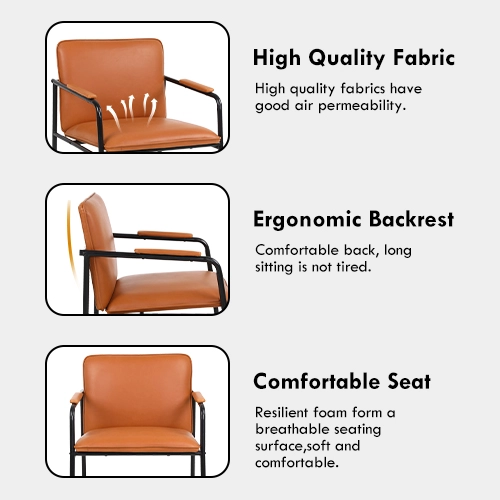
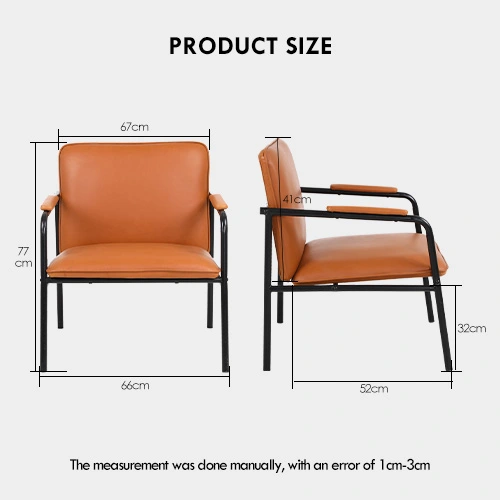
Before diving into maintenance routines, it's essential to understand what makes PU fabric leisure chairs unique and why they require specific care methods. Polyurethane fabric, commonly known as PU leather or faux leather, has become increasingly popular in furniture manufacturing due to its attractive appearance, durability, and cost-effectiveness compared to genuine leather. This synthetic material consists of a fabric base coated with a polyurethane layer, creating a water-resistant surface that mimics the look and feel of real leather while offering easier maintenance and better environmental sustainability. At Anji Yibo Furniture Co., Ltd., our PU fabric leisure chairs are manufactured using premium-grade materials featuring spray-painted matte black iron frames and high-quality PU fabric upholstery. These pu leather dining chairs are designed with ergonomic comfort in mind, supporting up to 150kg weight capacity while maintaining their structural integrity. The material's non-porous surface makes it naturally resistant to liquid absorption, which is why PU chairs have become favored choices for commercial establishments like restaurants, hotels, and corporate offices where durability meets aesthetic appeal. Understanding the composition of your pu chair helps explain why certain cleaning methods work while others can cause irreversible damage. The protective polyurethane coating can be compromised by harsh chemicals, excessive moisture, direct heat sources, and abrasive cleaning tools. Unlike fabric chairs that absorb liquids, or genuine leather that requires conditioning oils, PU material needs a balanced approach that cleans effectively without stripping away the protective layer that gives it longevity and appearance.
The Science Behind PU Material Degradation
The primary enemy of PU fabric leisure chairs is environmental stress combined with improper care. High humidity environments cause the material to absorb moisture gradually, which can lead to stiffening and eventual cracking. Conversely, extremely dry conditions or direct sunlight exposure accelerate the breakdown of plasticizers within the polyurethane coating, causing the material to become brittle and lose its flexibility. Body oils, perspiration, and accumulated dirt create a film on the surface that changes the pH balance of the coating, potentially leading to discoloration and premature aging. This is why establishing a proper maintenance routine from day one is crucial for maximizing the lifespan of your pu chairs.
Daily and Weekly Care Routines for Your PU Fabric Leisure Chair
Establishing consistent maintenance habits is the foundation of preserving your PU fabric leisure chair's appearance and functionality. Daily care doesn't need to be time-consuming or complicated, but it makes an enormous difference in preventing the accumulation of dirt, body oils, and environmental contaminants that gradually degrade the material. For commercial settings like restaurants or offices where these pu leather dining chairs see heavy daily use, implementing a quick wipe-down routine at the end of each day can prevent the buildup that leads to stubborn stains and material deterioration. The most effective daily maintenance involves using a soft, dry microfiber cloth to gently wipe down all surfaces of your pu chair. Microfiber is ideal because its fine fibers capture dust and debris without scratching the delicate polyurethane surface. Pay special attention to high-contact areas such as armrests, seat cushions, and backrests where body oils and perspiration accumulate most heavily. This simple thirty-second routine removes surface contaminants before they have a chance to bond with the material or penetrate into seams and crevices.
Weekly Deep Cleaning Protocol
Once weekly, your PU fabric leisure chair benefits from a more thorough cleaning that addresses accumulated grime and refreshes the entire surface. Begin by preparing a gentle cleaning solution using lukewarm water mixed with just a few drops of neutral pH soap or mild dish detergent. The key word here is "mild" - avoid any cleaning products that contain harsh chemicals, bleach, ammonia, or strong solvents, as these will break down the polyurethane coating and cause irreversible damage to your pu chairs. Dampen a clean microfiber cloth with your cleaning solution, making absolutely sure to wring it out thoroughly until it's only slightly damp, not wet. This is critical because over-wetting PU material can allow moisture to seep into seams and the underlying padding, leading to mold growth, unpleasant odors, and structural damage. Gently wipe the entire surface of your pu leather dining chairs using light, circular motions, working from top to bottom to prevent dirty water from dripping onto already-cleaned areas. Never scrub aggressively or use brushes with stiff bristles, as this accelerates surface wear and can damage the protective coating. After cleaning with your soap solution, take a second clean microfiber cloth dampened only with plain water and go over all surfaces again to remove any soap residue. Soap left on the surface can create a sticky film that actually attracts more dirt and can dull the appearance of your pu chair over time. Finally, use a third dry microfiber cloth to thoroughly dry all surfaces, paying extra attention to seams, crevices, and any areas where water might pool. Allow the chair to air-dry completely in a well-ventilated area, away from direct sunlight or heat sources, before it's used again.
Addressing Spills and Stains on PU Fabric Leisure Chairs
Even with diligent preventive care, spills and stains are inevitable, especially in dining or commercial environments where your pu leather dining chairs serve multiple users throughout the day. The golden rule for stain management is immediate action - the faster you respond to a spill, the easier it will be to remove and the less likely it is to cause permanent damage. Understanding how different types of spills interact with PU material helps you choose the most effective response strategy for your PU fabric leisure chair. For liquid spills such as coffee, wine, juice, or water, immediately blot (never rub) the affected area with a clean, absorbent cloth or paper towel. Blotting lifts the liquid away from the surface, while rubbing spreads it across a larger area and can push it into seams or microscopic pores in the material. Work from the outside edges of the spill toward the center to prevent expanding the stained area. Once you've absorbed as much liquid as possible, use your standard cleaning solution of mild soap and water to gently clean the spot, then rinse with a damp cloth and dry thoroughly.
Tackling Stubborn and Set-In Stains
For stains that have had time to set or involve oily substances like food grease, cosmetics, or ink, a slightly more aggressive approach is needed while still respecting the delicate nature of your pu chairs. Create a paste using baking soda and a small amount of water, then gently apply it to the stained area using a soft cloth in small circular motions. Baking soda is mildly abrasive enough to help lift stubborn stains while being gentle enough not to damage the PU surface. Let the paste sit for five to ten minutes to allow it to draw out the stain, then wipe away with a damp cloth and dry thoroughly. For particularly persistent stains on your PU fabric leisure chair, isopropyl alcohol can be effective, but must be used with extreme caution. Dampen a cloth with seventy percent isopropyl alcohol and gently dab at the stain, never soaking the area or leaving alcohol on the surface for extended periods. Alcohol's drying effect can strip plasticizers from the polyurethane coating if overused, leading to stiffness and cracking. After using alcohol for stain removal, it's essential to apply a PU leather conditioner to the treated area once it's completely dry to restore moisture and flexibility to the material. This conditioning step is often overlooked but is critical for maintaining the long-term integrity of your pu leather dining chairs. Never use bleach, harsh solvents, acetone, or abrasive scrubbing pads on PU material, as these will cause immediate and irreversible damage including discoloration, surface degradation, and peeling. If a stain proves impossible to remove with gentle methods, it's better to consult a professional upholstery cleaner who has experience with synthetic leather materials rather than risk damaging your pu chair with increasingly aggressive home remedies.
Long-Term Maintenance and Protection Strategies
Beyond regular cleaning, implementing long-term protection strategies significantly extends the lifespan and appearance of your PU fabric leisure chair. Environmental factors play an enormous role in how well PU material ages, so controlling your chairs' exposure to damaging conditions should be a priority. Position your pu chairs away from direct sunlight, as ultraviolet rays break down the polyurethane coating over time, causing fading, stiffness, and surface cracking. If window placement makes this impossible, consider using UV-protective window films or curtains to filter harmful rays. Temperature and humidity control also impact PU material longevity. Ideal conditions for pu leather dining chairs fall within the moderate range - avoid extremely dry environments that can cause brittleness and excessively humid conditions that promote moisture absorption and potential mold growth. In coastal areas or regions with high humidity, consider using dehumidifiers in rooms housing your furniture. Conversely, in very dry climates or heated indoor environments during winter, a room humidifier can help maintain the flexibility of PU material by preventing it from drying out and cracking.
Conditioning and Protection Products
Professional-grade PU leather conditioners should be applied to your PU fabric leisure chair once or twice annually, or more frequently in harsh environmental conditions or with heavy daily use. These products replenish plasticizers in the polyurethane coating, helping maintain the material's flexibility and resistance to cracking. When selecting a conditioner, ensure it's specifically formulated for synthetic leather or PU material - products designed for genuine leather may contain oils that can actually damage PU surfaces. Apply conditioner sparingly according to manufacturer instructions, buff gently with a soft cloth, and allow adequate drying time before using the pu chair. Fabric protection sprays designed for synthetic materials can create an additional barrier against stains and moisture on your pu chairs. These products work by forming an invisible shield that causes liquids to bead up on the surface rather than being absorbed, giving you crucial extra seconds to wipe up spills before they can cause staining. When applying protection products to your pu leather dining chairs, always test in an inconspicuous area first to ensure compatibility, apply in thin even coats, and allow complete drying between applications and before use.
Structural Maintenance of PU Fabric Leisure Chairs
While surface care of the PU upholstery is crucial, comprehensive maintenance of your PU fabric leisure chair must also address the structural components that support the fabric and ensure proper function. At Anji Yibo Furniture Co., Ltd., our chairs feature sturdy metal frames with spray-painted matte black finishes, and maintaining these structural elements is just as important as caring for the upholstery. The metal frame, connection mechanisms, bolts, and casters all require periodic inspection and maintenance to ensure your pu chair remains safe, stable, and functional throughout its lifespan. Every two to three months, perform a thorough structural inspection of your pu chairs. Check all bolts, screws, and connection points to ensure they remain tight, as regular use can gradually loosen fasteners. Use appropriate tools to carefully tighten any loose hardware, being careful not to over-tighten, which can strip threads or crack plastic components. Inspect the metal frame for any signs of rust, scratches in the protective finish, or structural damage. If you notice rust forming, address it immediately by cleaning the affected area, treating with rust remover if necessary, and touching up with appropriate paint to prevent spread.
Caster and Base Maintenance
The casters or feet of your PU fabric leisure chair bear the entire weight of both the furniture and its occupant, making them critical components that need regular attention. Casters can accumulate hair, thread, dust, and debris around their axles, causing them to become stiff, noisy, or uneven in movement. Every month or two, turn your pu chair upside down and clean each caster thoroughly using a damp cloth to wipe away visible debris. Use tweezers or scissors to carefully remove any hair or thread wrapped around the axle. Once clean, apply a small drop of light machine oil or silicone lubricant to each caster's moving parts to restore smooth rolling action and prevent squeaking. For pu leather dining chairs with stationary feet or glides, inspect these regularly for wear and ensure they remain level and firmly attached. Uneven feet can cause your chair to wobble, which not only creates discomfort but also places uneven stress on the frame and upholstery that can lead to premature failure. Replace worn feet promptly to maintain stability and protect your flooring from scratches.
Common Mistakes That Damage PU Fabric Leisure Chairs
Understanding what not to do is just as important as knowing proper care techniques when it comes to maintaining your PU fabric leisure chair. Many well-intentioned owners inadvertently damage their pu chairs through common mistakes that could easily be avoided with the right knowledge. One of the most frequent errors is using cleaning products designed for other materials on PU upholstery. Genuine leather cleaners and conditioners often contain oils and waxes that can leave sticky residues on synthetic leather surfaces, attracting dirt and creating a dull appearance on your pu leather dining chairs. Another critical mistake is applying too much moisture during cleaning. Because PU material has a fabric backing beneath the polyurethane coating, excessive water can seep through seams or any small imperfections in the coating, saturating the underlying padding and potentially causing mold, mildew, and odor problems that are extremely difficult to remedy. Similarly, using steam cleaners on pu chairs is generally not recommended, as the high heat and moisture combination can damage the polyurethane coating and cause it to separate from the fabric base.
Heat and Environmental Damage
Exposing your PU fabric leisure chair to direct heat sources represents another common but serious mistake. Never place your pu chair near radiators, space heaters, heating vents, or in direct sunlight streaming through windows, as heat accelerates the breakdown of polyurethane material. Some people make the mistake of using hair dryers or heat guns to speed drying after cleaning, not realizing this can cause immediate damage including warping, cracking, and delamination of the coating. Always allow your pu chairs to air-dry naturally in a well-ventilated area at room temperature. Physical damage through improper use is another frequent issue that shortens the lifespan of pu leather dining chairs. Sitting on armrests, standing on chairs, or allowing sharp objects like keys, belt buckles, or jewelry to contact the surface creates scratches, punctures, and tears that cannot be fully repaired. Pet claws represent a particular hazard, as even a single scratch from a cat or dog nail can penetrate the polyurethane coating and expose the fabric base beneath. Educating all users about proper care and implementing protective measures in environments where damage risks are high helps preserve your investment in quality pu chairs.
Seasonal Care Considerations for PU Fabric Leisure Chairs
Just as you adjust your personal routines with changing seasons, your PU fabric leisure chair benefits from seasonal variations in care and attention. Different times of year present unique challenges and opportunities for furniture maintenance, and adapting your approach ensures optimal condition year-round. During summer months, increased humidity, perspiration, and higher temperatures can take a toll on pu leather dining chairs, requiring more frequent cleaning and careful monitoring for moisture-related issues. Summer care should emphasize more frequent surface cleaning to remove sweat, sunscreen, and other body products that accumulate more heavily in warm weather. If your pu chairs are in spaces without air conditioning, pay extra attention to ventilation to prevent moisture buildup. Consider using breathable furniture covers when chairs won't be in use for extended periods, though ensure these covers themselves are clean and allow adequate air circulation. In commercial settings like outdoor patios or semi-enclosed restaurant spaces, bringing pu fabric leisure chairs indoors during particularly hot or humid periods can significantly extend their lifespan.
Winter and Fall Maintenance
Winter presents its own challenges, particularly in climates with indoor heating that creates very dry conditions. Low humidity levels can cause the polyurethane coating on your pu chairs to lose flexibility and become prone to cracking. During winter months, consider using a room humidifier to maintain moderate moisture levels, and apply PU leather conditioner more frequently to replace plasticizers that evaporate in dry conditions. If you live in a snowy climate and track salt or de-icing chemicals indoors, be particularly diligent about prompt cleaning, as these substances can be highly corrosive to both metal chair frames and PU upholstery. Fall is an ideal time for comprehensive maintenance and preparation. Before winter arrives, perform a thorough inspection and conditioning of all your pu leather dining chairs. Check and tighten all structural components, apply fresh conditioner to the upholstery, and address any minor damage or wear spots before they worsen during the harsh winter months. This preventive approach, combined with our understanding of seasonal stresses on your PU fabric leisure chair, ensures your furniture enters each new season in optimal condition.
Conclusion
Proper care of your PU fabric leisure chair doesn't require excessive time or expensive products, just consistent attention and the right techniques to preserve its beauty and functionality for years.
Cooperate with Anji Yibo Furniture Co., Ltd.
As a China PU fabric leisure chair manufacturer with fourteen years of specialized expertise, Anji Yibo Furniture Co., Ltd. offers exceptional High Quality PU fabric leisure chair options that combine ergonomic design with durability. Our China PU fabric leisure chair factory produces premium pu leather dining chairs for commercial and residential clients worldwide, backed by comprehensive warranties and professional R&D support. Whether you need a China PU fabric leisure chair supplier for bulk orders or seeking competitive PU fabric leisure chair price quotes for your project, our experienced sales team provides answers within twenty-four hours. Discover our extensive range of PU fabric leisure chair for sale through our China PU fabric leisure chair wholesale programs, supported by ISO certifications and international quality standards. Contact us at yb@ajyibo.com to discuss your specific requirements and experience the Anji Yibo difference in quality, service, and value.
References
1. "Furniture Care and Maintenance Guidelines," International Furniture Association, 2024
2. Smith, Jennifer L., "Synthetic Leather: Properties and Preservation," Journal of Materials Science, 2023
3. Chen, Wei and Liu, Xiaoming, "Polyurethane Coatings in Modern Furniture Manufacturing," Furniture Technology Review, 2024
4. "Commercial Furniture Maintenance Best Practices," Hospitality Industry Standards Board, 2023
5. Rodriguez, Maria, "Environmental Factors Affecting Synthetic Upholstery Longevity," Interior Design Research Quarterly, 2024