

 (1)_1777442575043.jpg)
Selecting the Perfect Cafe Stools for Your Space
When choosing the right cafe stools for your business, you need to think about both how they look and how long they will last. Coffee bar stools are important for making customer experiences unique and for keeping things running smoothly. These custom sitting options need to be able to handle heavy daily use in busy places while still fitting in with your brand. Aside from how something looks, buying teams must also look at how well it works with service processes, how durable the materials are, and how ergonomic the design is. This complete guide gives B2B buyers, like furniture importers and hotel builders, the tools they need to make smart stool choices that will improve both customer satisfaction and long-term return on investment.
Understanding Coffee Bar Stools: Types, Materials & Design Essentials
For coffee shops, espresso bars, and business beverage stations, coffee bar stools are a specific type of raised seating. In contrast to regular bar seating, these units meet specific operating needs such as optimizing space in high-rent urban areas, being resistant to acidic liquids and heat transfer, and providing ergonomic support for the lean-forward position that is common when using a laptop or drinking a drink. The difference between counter-height models (seat height: 24 to 26 inches) for brew bars and bar-height models (seat height: 28 to 30 inches) for window sitting has a big effect on how customers move through the space and how long they stay.
Stool Configuration Options
Backrest vs. backless designs completely change how customers feel and how much room is used. Backless models help high-volume specialty roasteries turn over quickly by letting customers come in from different directions while keeping their clear views of the whole space. When you want to get customers to stay for 15 to 45 minutes, these setups work really well. On the other hand, low-back and full-back choices offer lumbar support, which is important for workplace co-working pantry areas where people need to be comfortable for long periods of time while they work. The choice has a direct effect on both how long customers stay with a business and how they are cleaned between care times.
Adjustable height systems are useful in a wide range of business situations because they are flexible. Gas lift tanks make it easy to adjust the height of the counter to fit different users' needs and preferences. However, they need to be maintained carefully because the seals may wear out over time. Alternatives with a fixed height have better structural stability and easier upkeep plans, so they are better for standard café layouts where consistency is more important than flexibility. Cushioned seats make long stays more comfortable, but the upholstery has to meet contract-grade durability standards, which usually mean it can handle more than 50,000 double rubs on Wyzenbeek tests to handle industrial wear patterns.
Material Selection and Performance Characteristics
Wood building gives warmth and a sense of luxury that appeals to people who want to feel like they're in a real café. Kiln-dried hardwoods, like ash and walnut, have moisture levels fixed between 8 and 12%. This keeps them from warping when the humidity changes in a café near a cappuccino machine. To keep the joints strong, these materials need to be polished every three months and the humidity level checked, especially in coastal areas. Wood frames look great with upholstered seats that have hydrophobic treatments that keep hot liquid spills from happening without using dangerous PFAS chemicals. This solves the main problem of stains in drinking areas.
Metal frames, especially tube steel with a powder covering that is 60 to 80 microns thick, are very durable and don't chip easily. Floor scratches and rust spots from cleaning chemicals can be avoided by wiping the floor every day and checking the foot glides every so often. Metal builds support the simple design styles that are popular in modern specialty coffee shops and make cleaning easier between customers. Because the material is naturally strong, thinner shapes can be used to make more seats without affecting the structure's ability to hold up under 300 pounds of weight.
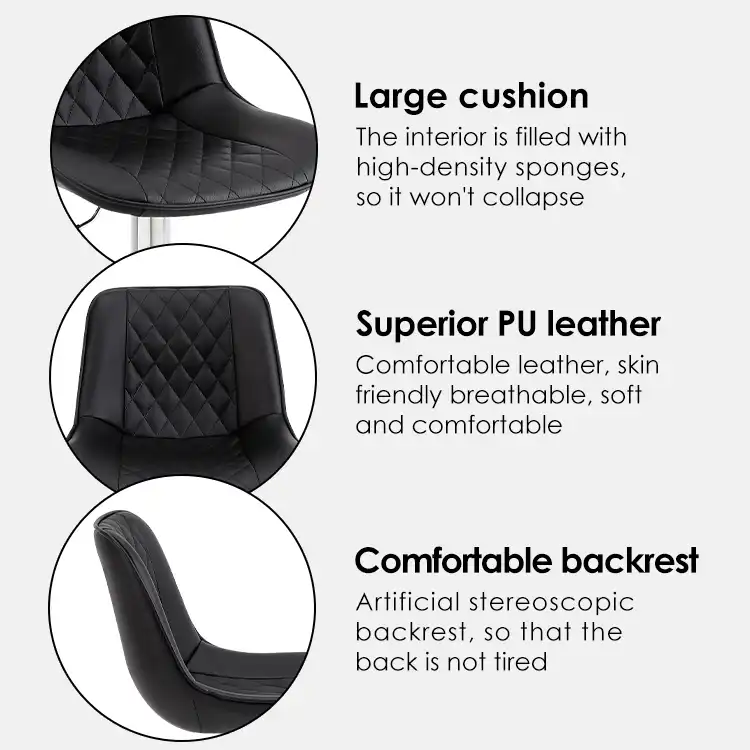
When choosing upholstery materials, you need to be very exact. Solution-dyed acrylics and high-quality vinyl make shields that stop organic liquids from getting through. They also let bleach-based cleaning work without losing the color. High-density polyurethane foam with a density of at least 2.5 lbs/ft³ and an ILD grade between 35 and 50 keeps the cushion from bottoming out during long-term use, so it stays comfortable for thousands of sitting cycles. These technical details set commercial-grade units apart from domestic options that don't have internal support and break down quickly when used by the public.
Design Integration with Brand Identity
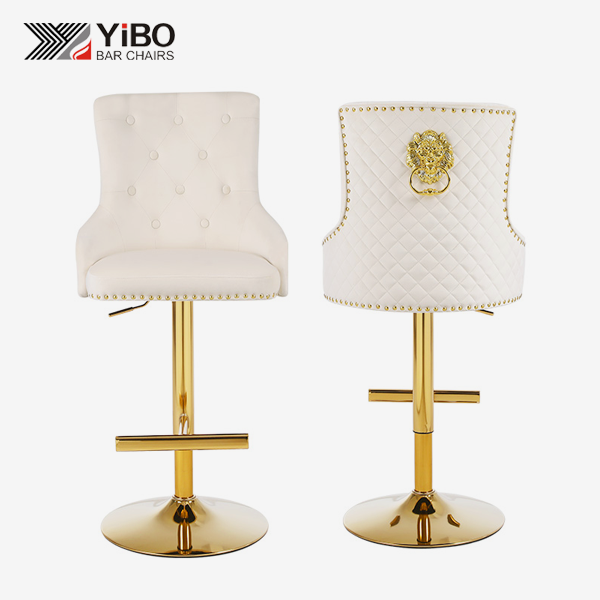
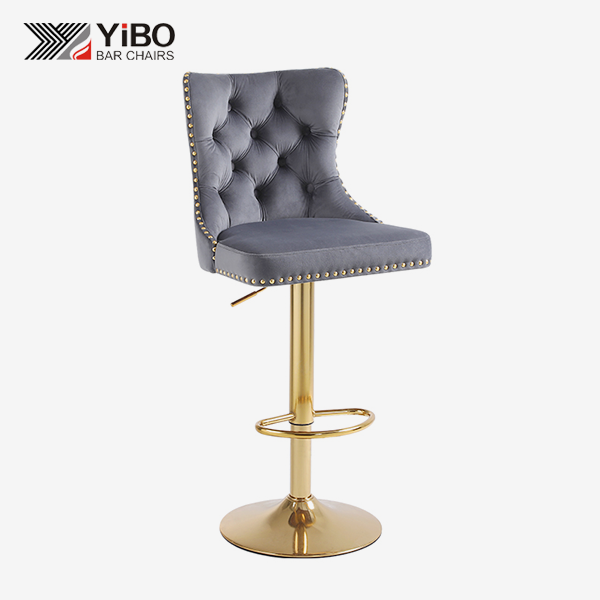
Visual consistency between coffee bar stools and the general style of the space makes the brand more recognizable. Designs that are retro-inspired and use old leather and brass accents give the impression of being handmade, which is appealing to third-wave coffee shops that focus on craft stories. Light, high-end looks with bouclé fabrics and powder-coated matte finishes go well with high-end café ideas aimed at businesspeople. The shape, color, and details of the stool need to match the cabinets, lights, and service counters to make a unified visual experience that sets your business apart from others in the same field.
The placement of the footrest affects both comfort and upkeep. Elevated footrests keep your lower back from hurting when you sit for long periods of time, but they also make steps that collect dirt and need to be cleaned regularly. Models with built-in footrest fatigue tests (50,000+ repeat vertical load applications) make sure that the weld is still strong at this common point of failure. Self-leveling glides can handle uneven old tile floors that are common in remodeled cafés. They stop wobble, which makes customers less confident and speeds up structural wear by distributing load unevenly.
How to Choose the Right Coffee Bar Stools for Your Business Space?
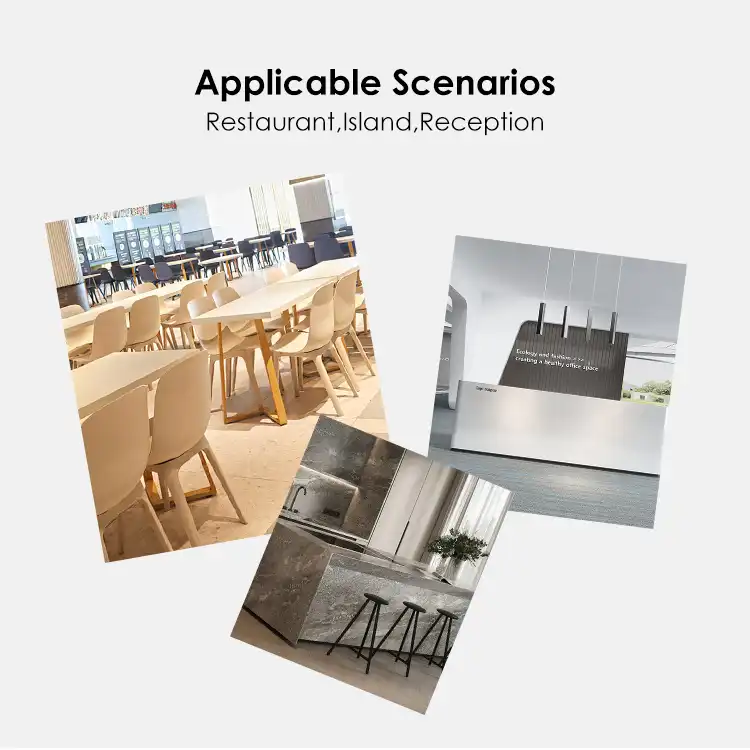
To figure out what a business needs, it starts by looking at how customers act and how operations work. Specialty roasteries with a lot of customers need backless or low-back designs that make it easy to switch customers quickly and set up the floor between runs. For corporate co-working spaces, lumbar support that is better and 360-degree swivel devices that let people work together without having to move their chairs are needed. In boutique hotels, coffee shops that look like living rooms put an emphasis on visual warmth and touch luxury while still keeping commercial-grade stain resistance. By matching the features of a stool to how it will be used, costly specification mistakes that hurt either working efficiency or customer happiness can be avoided.
Ergonomic Considerations and Comfort Standards
The usual distance between the seat surface and the bar is 10 to 12 inches. This keeps knees from bumping into each other and lets you drink and type with your elbows at the right angles. This factor has a direct effect on how comfortable customers are during long visits, which in turn affects the number of times they come back. The depth and width of the seat pan must be able to fit people of different body types without causing pressure spots. Seats that are contoured and have waterfall ends keep thighs from being squished, while flat profiles work best for quick-visit models where speed of change is more important than blood flow issues. Memory return swivel mechanisms automatically move seats to face forward when they are not being used. This saves staff time and effort that is needed to keep floor plans organized and maintain the consistent look that is important for a premium brand's image.
The bulk and tension properties of foam are based on anthropometric design principles. When low-quality foam collapses under body weight, causing people to sit on hard surfaces, the feeling of "bottoming out" is avoided by seats made of high-density polyurethane with the right ILD values. With this technical detail, professional-grade seats can be told apart from similar-looking home options that don't last through thousands of uses without losing their comfort. Instead of depending on short, subjective comfort assessments made in showrooms, procurement teams should ask for details on foam density and compression test results.
Material Quality and Durability Assessment
Testing for structural stability shows how well something will work under real-world stress. ANSI/BIFMA X5.1 static load testing puts units through 300-pound functional loads and up to 800 pounds for structural failure limits. This makes sure that all user body types are safe. Testing for stability involves applying horizontal forces to backrests to make sure they don't tip over. This is especially important for raised seats where center-of-gravity positions make instability risks inherent. Drop tests that simulate impact loads make sure that the leg joints will hold up when the units are dragged or knocked over during service.
Standards for textile performance are very important in places where drinks are served. Wet and dry crocking tests (AATCC 8) check how colorfast something is when it's exposed to things like coffee spills and denim dye transfer. This keeps the look from getting worse over time. For contract-grade upholstery, it must last more than 30,000 Martindale cycles or 50,000 Wyzenbeek double rubs. However, for mission-critical seating in flagship sites, luxury standards often require 100,000 cycles or more. Hydrophobic treatments raise the surface tension, which stops liquids from penetrating the fibers and makes spot cleaning a lot easier. This also makes replacement times longer.
Height Compatibility and Spatial Planning
The right coffee bar stools seat height choices are based on counter connections. Most brew bars are 36 to 38 inches high, which means they need counter-height stools with seat heights of 24 to 26 inches. Window counters and standing-height tables that are 40 to 42 inches tall go with bar-height types that have seats that are 28 to 30 inches deep. When you pair things wrong, it leads to weird attitudes that make people not want to stay for long, which goes against the welcoming experience your café is trying to create. Instead of assuming standard sizes, procurement specs should list real table heights. This is especially important in remodeled rooms with custom millwork.
Seating density estimates are affected by the size of the base area. Compact four-leg designs fit more units along counters per linear foot, which means more money can be made per square foot of prime real estate. Wider platform bases make things more stable, but they take up more room space, which limits their capacity. In this trade-off, safety concerns must be weighed against measures of financial success. Pay attention to packaging that takes up little space as well. For importers who handle foreign logistics, the ability to put containers on top of each other lowers the cost of shipping containers, which directly lowers the landed cost structures.
Warranty and Supplier Reliability
A full guarantee shows that the maker is confident in the product's durability. Commercial-grade units should come with at least a three-year structural warranty that covers the frame's stability and a five-year cushion warranty that covers foam compression and fabric delamination. Exclusions are very important. For example, guarantees that don't cover use outside or weight limits below 300 pounds show that the building isn't built to be used in public places. To keep operations running as smoothly as possible when problems happen, procurement deals should spell out how to fix them, when replacement parts will be available, and how long it will take for an answer.
Shipment success rates are directly related to how much experience a supplier has exporting. Manufacturers who have been doing business with other countries for more than 14 years know what paperwork is needed, how to package goods for ship freight, and how to communicate with people from different languages and time zones. Going to big trade shows like the Canton Fair and the Cologne Furniture Fair shows that you are committed to the market and gives you a chance to meet people in person. Customization requests are important for private label strategies, and factories with dedicated research and development teams and the ability to do samples can help. This turns suppliers into strategic partners instead of transactional vendors.
Maintenance and Longevity: Ensuring Maximum ROI on Your Coffee Bar Stools
Material-specific care plans keep things looking good and make them last longer. Wood frames need to be treated every three months with the right oil or wax mixtures that feed the fibers without leaving behind a sticky film that attracts dirt. Controlling humidity keeps joints from separating and surfaces from checking. This is especially important near espresso machines that produce steady wetness. Daily washing with pH-neutral cleaners that get rid of coffee stains without breaking down powder coating is good for metal parts. Checking foot glides on a regular basis keeps worn parts from scratching floors and spreading loads incorrectly, which speeds up structural fatigue.
Upholstery Care and Stain Management
If you clean up spills right away, you can keep even the most tough fabrics from getting permanently stained. When training staff, they should focus on wiping instead of rubbing, which forces liquids deeper into textiles. Solution-dyed materials can be cleaned with diluted bleach to get rid of organic spots, but it's best to test them first in a hidden area to avoid any unexpected color responses. Professional deep cleaning every six months gets rid of the buildup of oils and dirt that make things look dull even with regular upkeep. Setting up written care guidelines makes sure that they are followed the same way in all places and by all staff members. This protects your seating investment by giving it regular attention.
When you clean a cloth on coffee bar stools a lot, the surface tension traits decrease, so hydrophobic treatments need to be applied again. Monitoring the formation of water beads during regular maintenance lets teams know when retreatment is needed, which usually happens every 12 to 18 months based on how much the surface is used. This proactive method stops the slow loss of performance that goes unnoticed until staining events show that protection has been weakened. Setting aside money for regular professional repair services keeps up look standards that would otherwise slip slowly until replacement is needed.
Ergonomic Impact on Customer Satisfaction
Ergonomic sitting affects customers' health and happiness during visits, affecting both their instant comfort and their desire to come back. Seats with the right amount of back support and pressure distribution keep people from getting tired during long work sessions. This directly supports the third-place position that many cafés try to achieve. Positioning the footrest so that it lets you change your stance reduces lower back pain. This is especially important for long trips. Memory return swivels get rid of the minor annoyance of seats that aren't lined up right, making experiences smoother, which sets high-end businesses apart from mass-market rivals. These seemingly small details add up to make people feel satisfied, which leads to return business and good word-of-mouth advertising.
The difference in height between the seat and the bar changes your stance and comfort during visits. The 10–12-inch clearance guideline keeps knees from bumping into each other and lets people naturally place their elbows when drinking or using a laptop. Deviations from this standard cause a mild sense of unease that you might not be aware of, but that affects how you subconsciously judge the place. Instead of assuming standard sizes, procurement teams need to check real desk heights to make sure they are compatible and provide the ergonomic benefits that were meant. Paying attention to how things fit together in space is a professional trait that sets smart seating purchases apart from buying random chairs.
Lifecycle Cost Analysis
The total cost of ownership includes more than just the price of buying something. It also includes upkeep costs, how often it needs to be replaced, and how it affects operations. Premium units that cost more up front often have better lifetime economics because they need less upkeep and are serviced less often. Comparing buying prices alone doesn't show the real value of something until you figure out its cost-per-seated-hour over its expected lifespan. Even if the starting costs are higher, high-quality industrial seating that can last 7–10 years of heavy use is better than cheap options that need to be replaced every two to three years.
During coverage times, warranty coverage shifts the cost of replacement back to the makers, which has a big effect on lifecycle economics. Full structural and cushion guarantees protect your finances and show that you trust the goods. To keep working disruption and income losses to a minimum when failures happen, procurement deals should spell out how to fix problems and what replacement parts are available. Suppliers who keep new parts in stock can make fixes quickly, which extends the life of units beyond the normal replacement cycle and increases the return on investment even more through continuous service delivery.
Procurement Strategies: Buying Coffee Bar Stools in Bulk and Custom Orders
Through economies of scale, shopping by the container for coffee bar stools unlocks big savings on costs. Suppliers offer tiered price systems that credit customers for buying in bulk, and break points usually happen at full container loads to make shipping as efficient as possible. When maximum container density is reached, these saves grow because the cost of freight per unit goes down. Standardized specs make it possible for buyers to place bulk orders that lower costs and maintain uniform customer experiences across multiple properties. This is helpful for buyers who serve multi-location concepts or delivery networks. Strategic inventory management weighs the need for up-front cash against the benefits of saving money on purchases and avoiding running out of stock.
Supplier Negotiation and Quality Assurance
Effective talks include more than just unit price. They also include payment terms, warranty terms, and shipping plans that protect the interests of the buyer. Net-60 or Net-90 payment terms make it easier to handle cash flow, especially for importers who have to deal with long ocean travel times. Delivery penalty terms encourage packages to be made on time, which is very important for projects with set start dates. Before ocean freight promises are made, pre-shipment checks make sure the quality of the manufacturing. This keeps expensive disputes and replacement logistics from happening after delivery. Building relationships with providers who know how to keep quality control systems and export documentation skills makes transactions go more smoothly and creates the basis for long-term partnerships.
Third-party quality checking services make sure that factory standards are met and that shipments are correct. Before containers leave factories, these checks make sure that the results of the structure stability tests, the upholstery specs, and the quality of the finish are correct. The small amount of money spent on inspections keeps terrible things from happening, like when whole shipments don't meet specs, which causes project delays and costs much more than the inspections cost. Suppliers with a good reputation accept verification processes because they know that written quality assurance builds buyer trust and helps to keep business relationships going.
OEM and ODM Customization Processes
Original Equipment Manufacturing agreements let buyers choose exclusive designs that are made just the way they want them. This way of thinking supports private label tactics, in which importers and sellers brand goods for local markets that have different tastes in how things look. Dimensions, material choices, cloth choices, finish colors, and package design are some of the things that can be customized. This helps reinforce brand identity at all points where a customer interacts with the product. To justify investing in tools, minimum order numbers usually start at container loads. This means that the market needs to be carefully studied to make sure there is enough demand to cover inventory agreements.
Original Design Manufacturing partnerships use the knowledge of suppliers to make goods that are right for the market. Manufacturers with a lot of experience and their own research and development teams know how regional tastes work and can suggest specs that will make their products more appealing to target markets. This collaborative method helps buyers who don't have their own design resources and gives suppliers a chance to use the knowledge they've gained from working with foreign customers for years. Usually, the deal includes agreements about shared intellectual property that spell out usage rights and limits on access to protect both parties' business interests. When ODM relationships work well, providers are more like strategic partners who help the market succeed instead of just finishing orders.
Conclusion
To choose the best coffee bar stools, you need to carefully consider how they look, how well they work for your body, how long the materials last, and how much they cost. When procurement workers look at an item, they need to think about more than just the price at which it is bought. They also need to think about how it will affect customer happiness over its entire life. These organized decision models give B2B buyers the power to make smart choices that meet both short-term project needs and long-term business goals. When buying things in the hotel industry, it's important to know about technical specs and what suppliers can do. This is true whether you're looking for standard solutions that can be put into action quickly or custom designs that help your brand stand out.
FAQ
What seat height should I choose for my café counter?
To find the right seat height, measure the height of your bar and remove 10 to 12 inches. This space keeps knees from bumping into each other and lets elbows be properly positioned. Bar-height stools (28 to 30 inches) go with 40 to 42-inch tables, while counter-height stools (24 to 26 inches) go with 36 to 38-inch surfaces. Check the measurements instead of thinking they are standard, especially in remodeled rooms with handmade millwork that might not follow standard rules.
Can adjustable stools work across different café applications?
Adjustable devices make places that are used for different things and different counter heights possible. But gas cylinders need to be serviced every so often because the seals wear out over time. Fixed-height options are more reliable over the long term for specific café uses with normal counter connections. The choice will rely on whether the benefits of adaptability outweigh the costs of upkeep in your unique operational setting.
How do bulk purchase agreements improve procurement efficiency?
Ordering at the container level allows for tiered price savings and improved freight economics, which greatly lowers the cost per unit. Standardized standards across multiple sites make sure that customers always have the same experience and make managing supplies and getting replacements easier. Volume promises show that a buyer is serious about what they want to do, which strengthens relationships with suppliers and makes service more fast. Because of these benefits, bulk methods work really well for operators with multiple locations and delivery networks that serve markets in multiple regions.
Partner with YIBO: Your Trusted Coffee Bar Stools Manufacturer
Anji Yibo Furniture Co., Ltd. has been making business seating for 14 years and works with furniture importers, dealers, and hospitality workers from 70 different countries. Our 6,000-square-meter factory in Anji, China, which is known as the furniture making hub of the world, uses cutting-edge production equipment and skilled workmanship to make coffee bar stools that are comfortable, durable, and a good value. Our skilled research and development (R&D) team can help with full OEM and ODM design, making sure that all of our materials, sizes, finishes, and packaging meet the exact needs of your brand. In our in-house iron frame workshop and large showroom, you can see that we can make styles that are both retro-inspired and modern and high-end. With experienced export logistics, quick contact 24 hours a day, and product warranties to back up our quality promise, YIBO turns procurement problems into business possibilities. Container-level production capacity guarantees a steady supply for your large orders, and packing that uses minimal space makes shipping cheaper. Get in touch with our sales team at yb@ajyibo.com to talk about your coffee bar stool needs and get custom solutions that will help your business succeed in the tough hotel market.
References
American National Standards Institute. (2019). ANSI/BIFMA X5.1: General-Purpose Office Chairs – Tests. Business and Institutional Furniture Manufacturers Association.
Hedge, A. (2016). Ergonomic Workplace Design for Health, Wellness, and Productivity. CRC Press.
Rybczynski, W. (2017). Now I Sit Me Down: From Klismos to Plastic Chair – A Natural History. Farrar, Straus and Giroux.
Schielke, T. (2018). Designing with Light: Hospitality Spaces. DETAIL Business Information GmbH.
Stickdorn, M., Hormess, M., Lawrence, A., & Schneider, J. (2018). This Is Service Design Doing: Applying Service Design Thinking in the Real World. O'Reilly Media.
Yeang, K. (2020). Ecodesign: A Manual for Ecological Design. Wiley.