

 (1)_1777442575043.jpg)
The Comfortability of Restaurant Dining Chairs
Restaurant dining chairs are always brought up when people in the hospitality industry talk about how to improve the guest experience. These sitting options are much more than just useful furniture. They're an important investment that has a direct effect on how happy your customers are, how long they usually stay at your business, and your bottom line. When a person is physically comfortable, they stay longer, order more, and come back more often. At the same time, procurement teams have to find business seating that is both comfortable and durable enough to last through hundreds of daily service rounds while still looking good and being efficient. This guide takes these problems head-on by looking at ergonomics, material choices, selection criteria, buying strategies, and new trends that will define comfortable business seats in the competitive hospitality market of 2026.
Understanding Comfort in Restaurant Dining Chairs
When it comes to business seats, comfort is a complex mix of many ergonomic factors that buying professionals must carefully consider. Real comfort is based on three main things: good cushioning that spreads body weight evenly across the seat pan; lumbar support that keeps the spine's natural curve while sitting for long periods of time; and seat geometry that works for all body types without creating pressure points.
The Ergonomic Foundation of Dining Comfort
Ergonomic design principles tell designers what measures to use to make sure that all of their customers are as comfortable as possible. Most restaurant dining chairs should have seat heights that are 17 to 19 inches from the floor. This will allow most people to rest their feet flat on the floor and keep their knees at a 90-degree angle. The depth of the seat is also very important. A depth of 16 to 18 inches gives your thighs enough support without cutting off blood flow behind your knees. The slope of the backrest is very important. Studies show that a 95- to 105-degree recline lowers spine compression compared to poses where the back is straight up. These standards aren't just random choices based on how things look; they're backed by research and have been shown to improve the eating experience in casual, fine dining, and quick-service restaurants.
Common Comfort Challenges in Commercial Settings
Many businesses have ongoing comfort problems because their sitting choices don't match. When there isn't enough cushioning density, you feel like you're "bottoming out" after 20 minutes, which makes people move around a lot or ask for a different table. On the other hand, padding that is too hard feels uncomfortable at first, making a bad first impression. Narrow seat sizes don't let people with bigger bodies in, and backrests that are too short don't support people who are taller. The ability of a material to breathe affects temperature comfort. For example, vinyl seating keeps heat in during the summer, while metal frames keep cold out when used outside in the winter. Taking these factors into account during the design phase keeps you from having to buy expensive replacements and keeps your brand's image safe.
Dimensional Standards That Support All-Day Comfort
Aside from basic measures, advanced ergonomic factors include waterfall-edge seat fronts that keep leg arteries from putting pressure on the seat, curved backrests that support the lower back without feeling too tight, and where the armrests should be placed when they are needed. Commercial seating must fit the 5th to the 95th percentile of adult body sizes. This standard range makes sure that the seating can be used by a wide range of customers. Commercial-grade seating is usually specified for 250 to 350 pounds to provide enough safety gaps. Weight capacity is another important feature. These measurement standards turn vague ideas about comfort into specific buying requirements that purchasing teams can check when they evaluate suppliers.
Key Types and Materials of Restaurant Dining Chairs for Comfort
There is a huge range of business seating available, and each design offers different comfort features that are best for different work environments, from ergonomic task chairs for offices to durable restaurant dining chairs that withstand high turnover and frequent cleaning. By knowing these differences, procurement experts can better match seating options with the needs of the place.
Cushioned Versus Non-Cushioned Seating Options
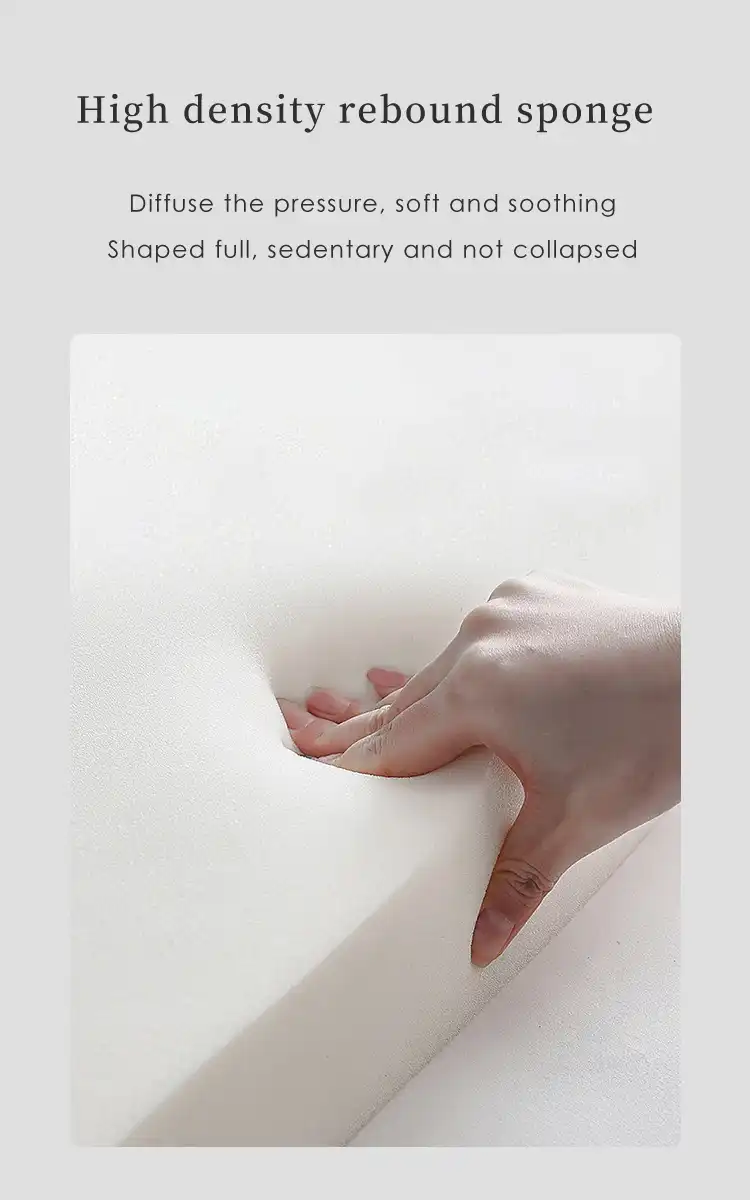
High-density foam padding, which is usually 2 to 3 inches thick and has compression values between 35 and 50 ILD (Indentation Load Deflection), makes padded restaurant dining chairs very comfortable right away. This building is good for high-end restaurants where long meals are worth the extra money spent on comfort. Memory foam layers in modern padding technologies mold to the shape of each person's body, and high-resilience foam keeps its supportive qualities even after thousands of compression cycles. Products with molded plastic or contoured wood chairs instead of padded ones are better for fast-casual settings that value quick change, easy cleaning, and lower upkeep needs. Molded designs can include ergonomic shapes that make them surprisingly comfortable even though they don't have standard padding. This makes them good for counter-service places where people usually eat for less than 30 minutes.
Material Performance Across Operational Demands
How the frame is built has a big impact on how long it lasts and how stable and comfortable it is. Metal frames made from steel tube or aluminum extrusions are very strong for their weight, and powder-coated finishes protect them from damage from chemicals, water, and scratches. These frames don't change size when the air changes, which makes them perfect for patios or places with a lot of customers. Beech, oak, or rubberwood frames look classic and are naturally warm, but they need mortise-and-tenon joint that is strengthened with corner blocks to handle business stress loads. When it comes to furniture, luxury velvet fabric gives off an upscale vibe and is soft to the touch, which makes meals more casual. Commercial-grade vinyl makes surfaces that don't absorb liquids, which is very important in family eating ideas where managing spills can slow down operations. Leather furniture looks classy and is appropriate for steakhouses and other high-end restaurants. If properly cared for, leather will develop a unique sheen over time.
Specialized Configurations for Diverse Hospitality Needs
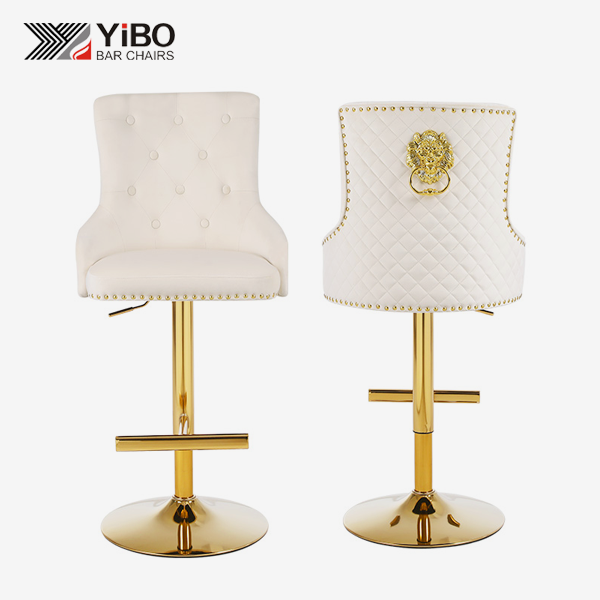
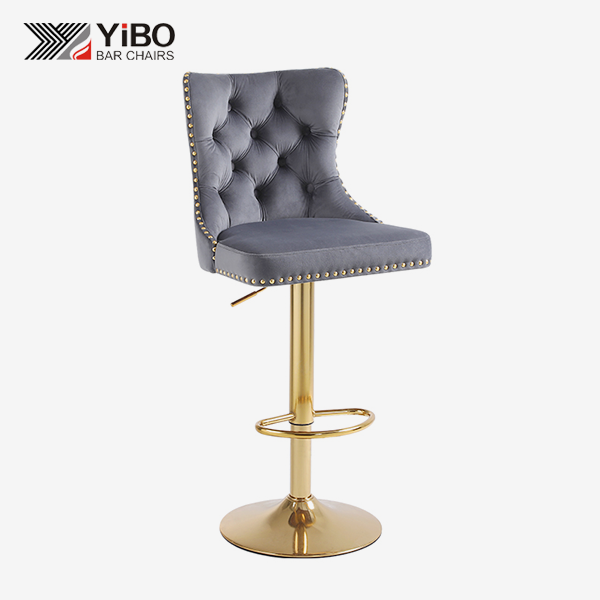
Stackable designs make up for lack of space in meeting halls and multipurpose eating areas. Protective bumpers keep the finish from getting damaged while the furniture is being stored. These restaurant dining chairs usually stack four to six high, which makes them 75% easier to store than chairs that don't stack. Lightweight metal construction makes it easy to rearrange without adding more work, but procurement teams need to make sure that lowering the weight hasn't hurt the structure's sturdiness. When it comes to comfort, bar-height seating is different. For example, footrests are needed to keep your legs in the right position for long amounts of time, and swivel mechanisms make it easier to talk in a club setting. Outdoor-specific building uses UV-stabilized materials, seat pans with drainage holes, and hardware that doesn't rust and can handle ocean salt air and high temperatures.
How to Choose the Most Comfortable Restaurant Dining Chairs for Your Business?
To choose the best seats, you need to carefully look at your business's working factors, customer demographics, and brand positioning. This method for making decisions helps procurement teams find answers that meet both short-term needs and long-term goals.
Aligning Seating Specifications with Venue Characteristics
Fine dining restaurants should have fully upholstered restaurant dining chairs with wide seats (18 inches or more), thick backrests that reach to the middle of the shoulder, and available arms that show friendly, patient service. These details make it clear to guests that they should take it easy and enjoy the longer meals. When you have a casual eating concept, you need well-balanced solutions that keep you comfortable during 45- to 60-minute dining windows without allowing too much lingering, which slows down table turnover. Quick-service restaurants purposely choose seats that are stronger and more upright so that customers are comfortable while they eat and are gently encouraged to leave when their meals are over.
Critical Selection Criteria for Bulk Procurement
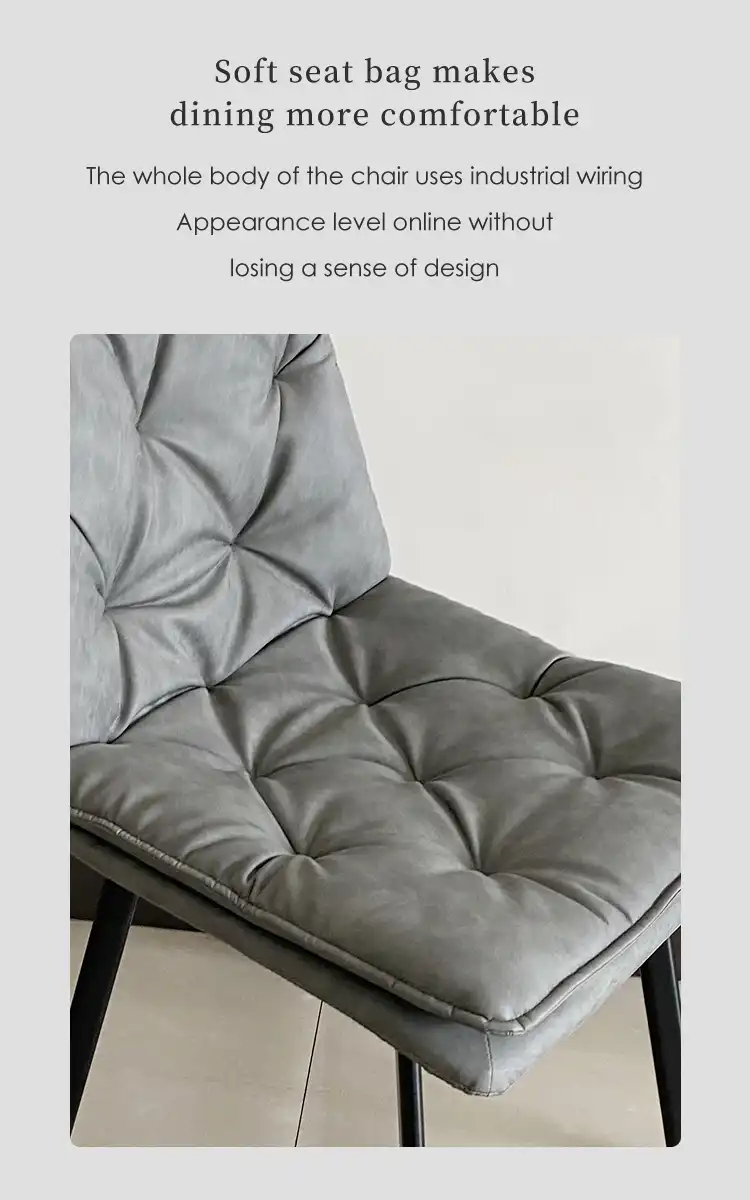
The main thing that determines comfort in padded restaurant dining chairs is the quality of the cushions. High-density foam that weighs more than 1.8 pounds per cubic foot doesn't collapse too quickly, so it keeps its comforting properties for years. Diamond-stitched patterns in high-end velvet cloth add visual interest and keep furniture from shifting, so the product's look stays the same over time. Floor protection pads keep hardwood or tile surfaces from getting scratched and quiet down chair movement, which is a small detail that has a big effect on the mood in high-end settings. Weight limits affect practical freedom. For example, restaurant dining chairs that weigh less than 15 pounds are easier to clean every day and rearrange every so often. Accessibility for maintenance is very important in high-volume settings. Seat cushions that can be removed and cleaned by a professional can be kept clean and stretch the life of the fabric.
Balancing Comfort Investment with Operational Realities
Instead of just looking at the price per unit, procurement teams need to look at the total cost of ownership. Premium seating that costs more up front often has better long-term value because it lasts longer between replacements, needs less upkeep, and improves customer happiness levels that lead to return visits. A business chair that lasts seven to ten years with little maintenance is more cost-effective than cheaper options that need to be replaced every two to three years. Coverage under a warranty shows how confident the maker is in the product. For example, structural components covered by a five-year warranty show that the building is well-built, while limited one-year coverage shows that the product is meant to become obsolete. At Anji Yibo Furniture Co., Ltd., our metal-framed seating with high-density foam padding and luxury velvet fabric is a great example of this measured approach. It provides instant comfort and is made to last in tough business settings.
Procurement Insights: Buying Comfortable Restaurant Dining Chairs at Scale
When you buy in bulk, it's more complicated than just evaluating each product individually. You need to build strong relationships with your suppliers and follow strict quality standards to make sure that all of your big orders turn out the same.
Supplier Evaluation and Partnership Development
Finding reputable sellers requires more research than just getting quotes. How quickly providers can fill container-level orders depends on their manufacturing capacity. Facilities bigger than 6,000 square meters with dedicated production lines usually have the right equipment for solid bulk fulfillment. When buying from other countries, export knowledge is very important, and established logistics partnerships make sure that the right containers are used, that paperwork is correct, and that the goods arrive without any damage. Certifications like ISO 9001:2015, BIFMA standards compliance, and FSC sustainable source proof show that a company follows the rules and has good quality management systems. Compared to makers who haven't been checked out, these qualifications greatly lower the risk of buying from them.
Customization Capabilities That Align with Brand Identity
OEM and ODM features allow products to be changed, which helps brands stand out, and for restaurant dining chairs, this means tailoring everything from seat dimensions to fabric performance to match the specific dining concept and traffic patterns. Custom sizes can be made to fit specific spaces or table setups, and custom fabric choices can be made to match exact interior design colors. To switch materials, you might ask for performance fabrics that don't stain for family eating ideas or high-end leather for restaurant uses. Customizing the finish on metal frames, from smooth brass to matte black powder coating, makes sure that the look of all of your furniture is the same. Our R&D team at YIBO has been making business seating for 14 years and works with procurement professionals to come up with custom solutions that meet the needs of both aesthetics and ergonomics, as well as industrial durability standards.
Quality Assurance Protocols for Large Orders
Using inspection methods keeps you from making expensive changes to the specifications. Approval of a sample before full production starts lets you check the comfort, finish quality, and accuracy of the measurements in real life. Third-party testing services make sure that production units match accepted samples by giving objective feedback during the manufacturing process. Documentation from load tests backs up claims about weight capacities, and stable tests make sure that restaurant dining chairs stay level on most types of floors. Our factory has strict quality control measures in place, such as static load testing for loads greater than 150 kg, finish adhesion verification, and assembly integrity checks. These steps have helped us successfully send to 70 countries over the course of our past. These rules give buying teams faith that bulk orders will always meet standards across all units.
Trends Shaping the Comfort and Style of Restaurant Dining Chairs
The commercial seating industry is still changing quickly. New innovations are being made to meet the needs of changing customer standards, worries about sustainability, and demands for operating efficiency. Procurement experts can make investments that keep their companies competitive by staying up to date on these trends.
Ergonomic Innovations Enhancing Long-Term Comfort
Modern padding materials now use gel-infused memory foam that molds to your body temperature and evenly distributes pressure better, making restaurant dining chairs more comfortable for extended seating periods. Breathable mesh backrests were first made for office chairs but have since made their way into hospitality settings. They provide spine support and better airflow, which keeps you cooler during long meal times. By replacing worn-out seat cushions or broken backrests without throwing away whole chair frames, modular designs allow for lower lifetime costs and support of environmental goals. These new ideas show that people are becoming more aware of how comfort affects customer happiness and the online review scores that people use to decide where to eat.
Sustainable Materials Meeting Environmental Standards
Environmental awareness is becoming more and more important in the hotel industry when it comes to buying things. FSC-certified wood sources make sure that forest management methods meet strict standards for sustainability, which appeals to customers who care about the environment. When compared to making new materials, recycled metal frames use less energy, and bio-based foam padding made from soy or castor oil reduces reliance on oil. As circular economy ideas gain popularity, the ability to recycle at the end of its useful life becomes a specification requirement. Designs that make it easier to separate materials allow for responsible dumping instead of contributing to landfills. These environmentally friendly buying habits match buying choices with bigger social responsibility promises made by companies, and they also meet more and more rules and regulations.
Digital Integration and Smart Seating Concepts
Smart seating with occupancy monitors and usage tracking is still new in professional dining settings, but it gives businesses useful practical data. These technologies make it possible to get a clear picture of how often tables are turned over, when they're busiest, and how people like to sit, which helps with staffing decisions and plan optimization. Weight monitors can send maintenance alerts when certain structural parts are getting close to the point where they need to be replaced. This changes the model from reactive to forecast maintenance. At the moment, only a few creative early users are using these features. However, as more hospitality businesses adopt data-driven management methods, these features will likely become standard.
Conclusion
Comfortable business seating is an investment that pays off in the long run because it affects how happy customers are, how efficiently operations run, and how people feel about a brand in social settings, and restaurant dining chairs are at the heart of this equation, directly influencing guest satisfaction and return visits. Procurement experts can choose solutions that will last by knowing ergonomic principles, how materials perform, and how to make choices that are in line with specific operating situations. The key is to find a balance between instant comfort and the need for longevity, between aesthetic consistency and useful performance, and between the cost of purchase and the value over the whole lifespan. As the industry moves toward eco-friendly materials, better comfort, and design based on data, keeping up with new trends is important to make sure that your investments in seats stay competitive and useful.
FAQ
What materials provide the best comfort for commercial dining applications?
When you combine high-density foam padding with upholstered fabrics that let air flow, you get the most comfortable seating in most business settings. When it comes to support, foam with a density of more than 1.8 pounds per cubic foot lasts for years, while performance or luxury velvet fabrics are the perfect mix of softness and sturdiness. Metal frames are structurally stable and keep the natural shape no matter how hard the product is used, so the comfort stays the same over its lifetime.
How frequently should comfortable seating be replaced in high-traffic restaurants?
Replacement times depend on how much and how well the item was used at first. With proper care, high-end business seats can last for seven to ten years in most full-service settings. Cheaper options may need to be replaced every two to three years. Keeping an eye on obvious signs of wear, like squished cushions, a frame that isn't tight, or worn-out fabric, lets you replace things based on their state instead of just picking random dates.
What maintenance practices preserve cushioned chair comfort longest?
Regular cleaning gets rid of rough particles that wear down fabrics faster, and treating spills right away stops them from coloring and letting water into foam cores. Professionally cleaning your furniture every 12 to 18 months keeps it looking new and keeps it clean. Regularly fixing the hardware stops the frame from becoming loose, which can damage the structure and make it less stable for sitting.
Partner with YIBO for Superior Commercial Seating Solutions
YIBO is ready to help you reach your buying goals by providing complete seating solutions designed to work well in busy restaurant settings. Our factory in Anji, Zhejiang, which is known as the center of China's chair industry, has 14 years of specialized experience and 6,000 square meters of modern production space. We've become a reliable provider of restaurant dining chairs by always focusing on ergonomic design, strict quality control, and customization options that meet the needs of different brands. This is shown by our YB-1077 model, which has thickly padded seats made of diamond-stitched luxury velvet fabric, strong metal frames, and protected floor pads that can all be customized to your needs. Our experienced team is here to help you every step of the way, whether you need bulk sales at the container level, OEM changes, or ODM development. You can email us at yb@ajyibo.com to talk about your special needs, ask for samples, or set up a visit to our factory to see how we make things and how high our standards are.
References
Hedge, A. (2020). Ergonomic Seating Design for Commercial Hospitality Environments. Cornell University Department of Design and Environmental Analysis.
Restaurant Facility Management Association. (2022). Commercial Furniture Lifecycle Cost Analysis: Best Practices for Hospitality Procurement.
Steinfeld, E., & Maisel, J. (2021). Universal Design in Commercial Spaces: Creating Inclusive Restaurant Environments. Routledge Publishing.
National Restaurant Association. (2023). Restaurant Operations Report: Guest Experience Factors Influencing Satisfaction and Return Visits.
Sustainable Furnishings Council. (2023). Environmental Standards for Commercial Furniture: Material Sourcing and Lifecycle Management.
BIFMA International. (2024). ANSI/BIFMA X5.1 Commercial Seating Standards: Safety and Performance Testing Protocols.