

 (1)_1777442575043.jpg)
The Complete Guide to Bar Stool Features: Swivel, Adjustable & Backrests
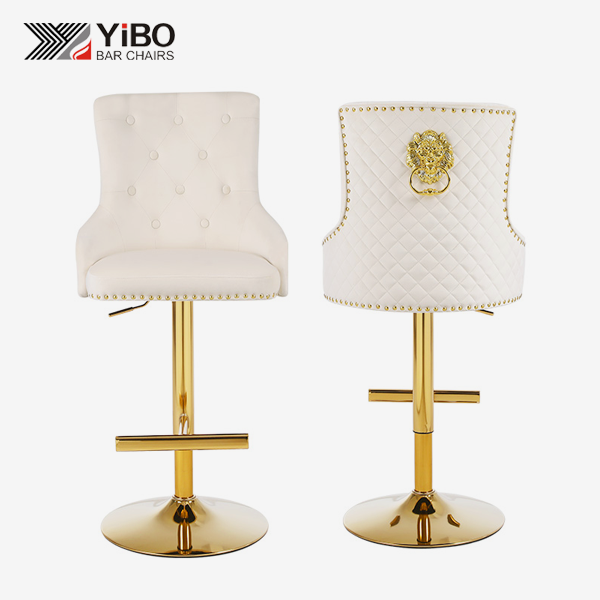
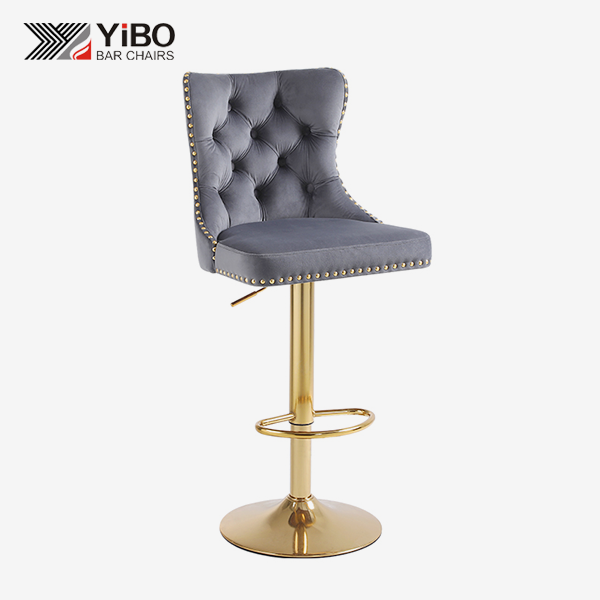
In restaurants, businesses, and professional kitchens, bar stools are essential seating. When choosing chairs for high-traffic areas, grasp turning mechanisms, height adjustment systems, and backrest designs. Choosing the correct counter top height adjustable stool will lead to fewer workplace injuries, improved staff retention, and better customer service. This handbook helps purchasing managers, dealers, and OEM partners grasp bar stool technicalities. This allows them make wise purchases that balance durability and ergonomics. Seat selection affects operations. Understanding how these three major aspects operate together helps buyers pick products for a variety of workplace demands.
Understanding Bar Stool Features: A Dimensional Analysis Approach
Swivel Mechanisms: Enabling Multi-Directional Mobility
The swivel function turns immobile chairs into mobile work tools. Users may spin 360 degrees without standing, making teamwork and volunteering easier on the body. Commercial-grade turning plates contain ball-bearing systems that maintain them moving smoothly after thousands of uses. Restaurant order entry clerks that utilize swivel chairs had fewer lower back discomfort (compared to fixed seats). Its durability relies on its construction. Industrial swivels contain sealed bearings and stronger steel plates to prevent dirt and water damage.
When considering swivel options, procurement teams should consider movement resistance, which impacts user control. Medical-grade swivels incorporate friction dampening to prevent dangerous spins. In manufacturing, swivels that automatically return to a forward position help organize workspaces. Stability also depends on swivel plate width. Wider diameters disperse weight, preventing lateral wobbling.
Height Adjustment Systems: Engineering Vertical Flexibility
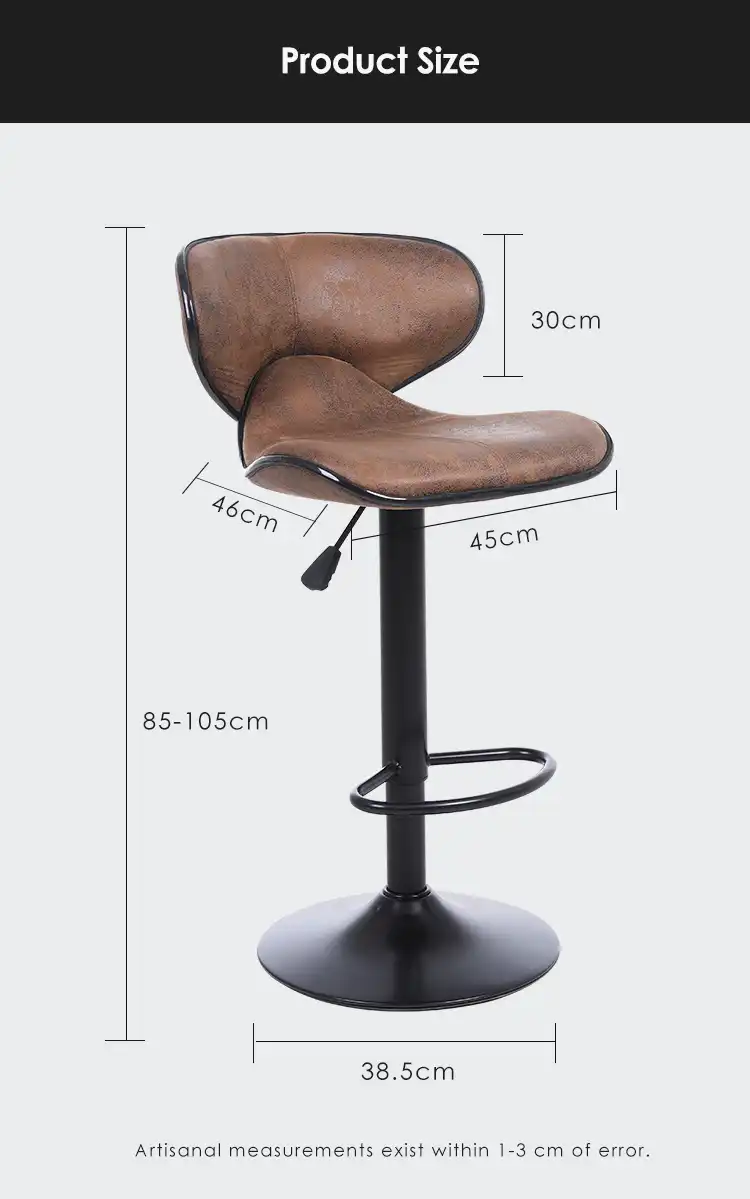
Most height adjustable bar stools use pneumatic gas lift cylinders for smooth vertical movement within defined limits. When the lever is pulled, the pressurized nitrogen inside these tubes moves, allowing seat height adjustment without tools. Our counter top height adjustable stool fits 36-inch kitchen countertops and 42-inch raised bar surfaces. This eliminates the need for separate stools, making restaurant stock management easy.
Gas system reliability depends on cylinder type. We make Class 4 gas lifts that can survive 100,000 compression cycles without breaking. Cheaper cylinders leak nitrogen after a few months, causing the seat to steadily sink and be hazardous and expensive to replace. Cylinder wall diameter and thickness determine weight. Our 300-pound models include strengthened cylinders to withstand heavy loads.
The range of adjustability affects body fit. When employing people from diverse backgrounds, procurement professionals should ensure that the minimum and maximum heights are appropriate for women in the 5th percentile and males in the 95th percentile. The optimal seat-to-table distance is 10–12 inches. This helps people rest their feet flat on footrests and keep their hip angles open to maintain blood flow.
Backrest Options: Balancing Support and Mobility
A person's comfort when sitting for lengthy periods depends on backrest design. Full backrests with lumbar shape support the spine and prevent fatigue during 8-hour shifts at assembly stations or standing workstations. Our production technique uses 3.8 cm high-density foam cushioning, compressed between 1.0 and 1.2 cm plywood, and 0.8 mm half-PU fabric. This stacking construction provides soft support and retains its form when crushed repeatedly.
Backless seats are ideal for fast-casual restaurants and lab benches where individuals stand a lot. The seatless chair is smaller and more accessible from all sides. Many hotel and restaurant furniture buyers choose low-back models that don't support the lower back and open up the dining spaces.
The backrest's height and slope must complement its purpose. Mid-height backrests between the L3 and L5 vertebrae assist the natural lordotic curvature without hindering shoulder movement. Drawing room backrests are usually bent 95–100 degrees from the seat plane. This helps detail-oriented persons sit up straight. Our designers work with ODM clients to ensure the backrest's dimensions meet their specifications.
How to Choose the Right Height Adjustable Bar Stool: A Demand Matching Approach
Segmenting Needs by Commercial Environment
Stools at restaurants and bars must withstand heavy use and accidents. Stainless steel bases and sealed fabric seams are needed to manage spills and water-based cleaning agents. Customers choose swiveling lounge chairs and bar rails with lots of standing room for models without backs. Weight capacity is crucial in busy settings. Our 300-pound rate accommodates several guests and strengthens the construction with 6x14mm screws in the strengthened joints.
Corporate organizations are increasingly using height adjustable stools for working spaces and standing desk pairs. These locations value aesthetic harmony and ergonomic acceptability. Buyers should request BIFMA-compliant business stools and ensure they pass stability testing. Neutral-colored cloth seating matches many interior hues, and lumbar-support backrests reduce workers' compensation claims from prolonged sitting.
Industrial and manufacturing environments require heavy-duty construction and chemical-resistant coatings. Lab and production line workbenches are different heights, therefore air adjustment is needed for stations with several workers. Electrostatic discharge is prevented by anti-static padding and electrical bases in electronics manufacturing. We may personalize your order with powder-coated steel bases that resist cleaning chemicals and industrial oils.
Evaluating Ergonomic Features Against Budget Constraints
Procurement managers should consider feature pairings that maximize value while balancing cost and performance. A counter top height adjustable stool with footrests costs more, but it improves blood flow and output. To keep your knees at the appropriate angle during the change range, negotiate with a supplier to move the footrests at the same time as the seat height.
Cushion depth impacts comfort and replacement frequency. Affordable choices lose form within months and need to be reupholstered, whereas our 3.8cm high-density foam lasts years. Choosing commercial-grade foam with a density exceeding 35 kg/m³ results in longer lifespan and lower ownership costs, despite higher unit costs.
Product warranties demonstrate the manufacturer believes them to last. Our one-year warranty covers common failure points, pneumatic cylinder performance, and structural integrity. Bulk purchase arrangements with longer warranties and replacement part provisions save long-term maintenance expenses.
Customization for Brand Alignment and Market Positioning
Furniture importers can differentiate their products by using different materials, colors, and sizes through OEM agreements. Our R&D team helps wholesalers make market-specific modifications. North American customers want larger height ranges to match American bodies, whereas European purchasers want smaller base diameters for small spaces.
Private label strategies gain popularity when companies provide name embossing, bespoke upholstery, and distinctive colors. Low minimum order numbers for sample development are supported. Wholesalers can see regional tastes before buying by the container. Customized packaging makes selling simpler with branded boxes and multilingual assembly instructions.
Environmentally conscious buyers increasingly want eco-certified materials and recyclable parts. FSC-certified timber and CARB-compliant water-based glues are used in our structure. Documenting these criteria assists purchasers in areas where environmental concerns influence buying decisions.
Material, Durability, and Maintenance: Ensuring Long-Term Performance
Material Selection for Commercial Durability
Coastal restaurants and outdoor decks benefit from stainless steel bases' corrosion resistance. The material is structurally robust and attractive since it can withstand saltwater and chlorine repeatedly. Chrome-plated steel is as durable as plain steel but costs less and must be fully plated. Metal underlying can rust if the coating chips. All metal treatments are salt-sprayed for 24 hours to ensure chemical and marine resistance.
Light and portable aluminum bases are ideal for event spaces with plenty of furniture movement. The material's inherent oxide coating prevents corrosion without washing, reducing maintenance. Little weight—container utilization rises 15% compared to steel versions of the same type—lowers overseas shipping expenses per unit.
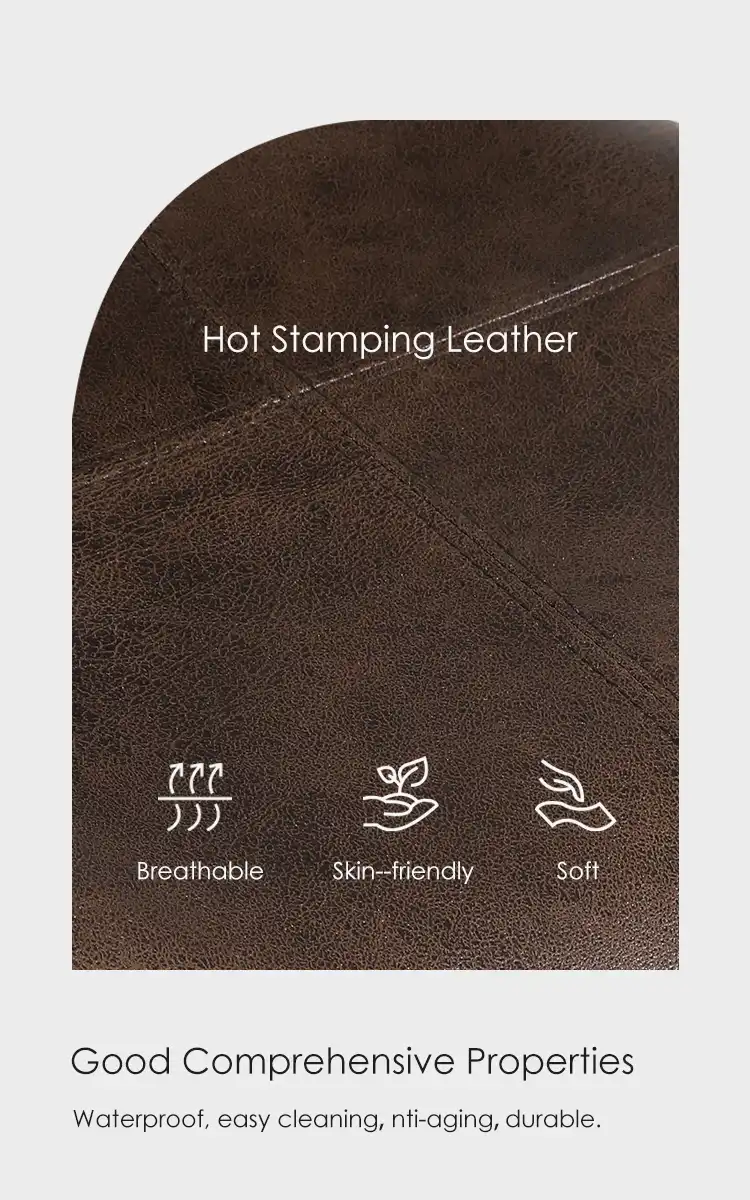
The upholstery material determines its durability and cleaning ease. Our half-PU covering satisfies Martindale abrasion criteria for over 30,000 cycles at 0.8 mm thick, making it ideal for hotel contract use. Chemical-resistant vinyl is suitable for healthcare. But executive rooms look terrific with bonded leather. Colorfastness ratings of Grade 4 or above should be required for purchase to prevent UV fading.
Safety Standards and Load-Bearing Compliance
The construction is sturdy under stress, according to international safety certifications. BIFMA X5.1 requires stools to pass cycle loading tests that simulate years of usage. A stool stability test involves putting weight on it at an angle. Third parties inspect our manufacture, and buying teams receive test records throughout qualification.
Weight capacity ratings must contain safety gaps exceeding limitations. A 300-pound stool should support 450 pounds without breaking, even if the user sits down rapidly. Triangulation and gusset plates are welded to strengthen weak places. These plates distribute strain across frame parts and prevent joint failure.
Full height extension requires tip-over stability. Base diameter-to-height ratios indicate horizontal resistance. Our 450mm bases with 41-inch maximum heights pass EN 1022 stability testing, ensuring stools stay upright if hit. Hotel and commercial building managers are less likely to be sued under this standard.
Maintenance Protocols for Extended Service Life
Regular regular maintenance keeps it operating well for years. The air cylinder should be examined monthly for smooth height adjustment and sink resistance. If nitrogen pressure declines, replace the cylinder immediately to avoid injury when it comes apart.
Restaurants must regularly grease swivel mechanisms using food-grade oils. Annually disassembling and cleaning dusty bearings improves performance. Even though our sealed bearing systems require less maintenance, they still need to be examined for abnormal resistance, which indicates wear.
How to clean upholstery depends on material and usage. PU coverings may be washed weekly with mild detergents to remove grease and stains before they solidify. High-traffic areas should clean down carpets frequently to prevent gritty particles and prolong its life. Double-needle stitching prevents cloth from unraveling at stress points like the front and rear seams, preserving the product's appearance.
Comparison of Popular Height Adjustable Bar Stools in 2026: A Rational Choice Approach
Market Landscape for B2B Procurement
Well-known vendors in North America and Europe use a variety of positioning methods. Some corporations compete by creating many items and utilizing common SKUs, while others work with designers and use rare materials for the ultra-premium market. Importers and wholesalers benefit from mid-market manufactures like YIBO that offer quality control and affordable pricing for multiple container orders.
OEM relationships differ in customizing and minimum order quantities. Our design team of over 10 individuals can respond faster to market changes and buyer demands because we have our own R&D department. The furniture manufacturing powerhouse of China, Anji, has specialized component suppliers and educated labor pools that maintain quality throughout production runs, benefiting the ecosystem.
Feature-by-Feature Comparative Analysis
Swivel and fixed bases have well defined trade-offs. Swivel variants cost 15–20% more but are healthier and less tiring. Restaurants that prioritize customer comfort prefer swivel dining counters, whereas cafeterias with high foot traffic choose fixed models to save money.
A backrest alters comfort and space. Full-back models require additional floor area and shipping, increasing costs. Low-back compromises fit tiny feet and provide mid-range support. Backless counter top height adjustable stools maximize space and function well in standing areas. They reduce unit cost and simplify inventory management.
Product lines have weight limit categories dependent on their application. Standard versions that handle 250 pounds are suitable for offices and restaurants, while heavy-duty models that hold 350 pounds are preferable for industries and healthcare facilities with many users. Reinforced frames cost extra but prevent early breakage, which would damage the brand's image.
Evaluating Total Cost of Ownership
Initial purchase price is merely portion of long-term worth. Warranty coverage, new part availability, and seller quality response time impact total cost of ownership. Our 24/7 customer service ensures procurement managers obtain technical support immediately to avoid downtime.
International shipping costs depend on packing. Our optimal carton sizes—57x45.5x48cm, which can contain two stools—make the most of space and safeguard valuables with five-layer strong cardboard boxes that can hold 200 pounds. Space-saving packaging reduces freight expenses by 10–15% per item.
Trustworthy providers stand apart from transactional ones by their after-sales service. We sell pneumatic cylinders, swivel plates, and fabric parts so purchasers may restore goods instead of discarding them. This service structure reduces long-term procurement expenses and promotes sustainability.
The Ergonomics and Future Trends of Height Adjustable Bar Stools
Ergonomic Principles Driving Design Evolution
The appropriate seating helps avoid musculoskeletal issues that cause many occupational injuries. Keeping eyes level with work surfaces and feet supported helps people maintain good posture. Height adjustable systems enable this. Researchers found that height adjustable seats reduce lower back discomfort by 27%.
The swivel function lowers neck strain by eliminating the need to twist to reach objects or converse to coworkers. This is crucial in collaborative organizations where workers frequently switch desks. Turning effortlessly reduces microtrauma and chronic discomfort.
Backrests that suit the spine curvature prevent slouching and head forwarding when sitting for long periods. Our designers create lumbar profiles for a variety of persons using anthropometric information. This ensures our products are exportable. The buying specifications should ensure that the backrest fits the users.
Sustainability Integration and Material Innovation
Environmental awareness alters furniture materials. Compared to new materials, recycled metal and steel have 70% lower carbon footprints while still being construction materials. We employ post-consumer recycled material in non-structural construction parts to fulfill client sustainability reporting needs.
Modular architecture allows part replacement instead of product disposal. Replaceable upholstery and bases make stools easier to recycle and endure longer. Big customers are increasingly pressuring corporations to make environmental guarantees, and this circular economy technique suits.
Healthcare and educational facilities have high indoor air quality guidelines. These requirements are met by water-based sealants and low-VOC coatings. Our products satisfy CARB Phase 2 formaldehyde regulations, so they may receive LEED points, increasing their value to green building furniture consumers.
Technological Advancement in Seating Solutions
Smart chair integration is still developing, but it might be handy. Digitally controlled pneumatic systems enable you pre-set shared workstation heights so they change quickly for each user. Sensors that detect sitting time encourage movement to promote circulation and alertness.
Material science advancements improve product performance without increasing expense. Self-repairing upholstery has polymer networks that reattach after punctures. This prolongs surface life in high-use regions. Foam with antimicrobials reduces infections in healthcare and food service.
Procurement strategy should balance new technology with proven features that deliver instant benefit. So purchase decisions satisfy operating demands without placing organizations at risk with untested technology, innovation and reliability must be balanced.
Conclusion
When purchasing bar stools, consider how they suit your body, how long they will endure, and how much they cost. Procurement experts must weigh the benefits of swivel mechanisms, height adjustment systems, and varied backrests against operational conditions. A counter top height adjustable stool with high-quality parts reduces injuries, makes workers happy, and extends product life. Knowing the advantages and drawbacks of different materials, safety regulations, and upkeep demands helps you choose the ideal container specifications for your budget. Business-to-business furniture sellers are many. Build connections with producers that give customization, technical assistance, and constant quality control for long-term buying success.
FAQs
What height range should counter-height adjustable stools accommodate?
For 36-inch countertops, 24 to 32 inches broad is optimum, with a 10 to 12-inch seat-to-surface difference. This series accommodates diverse body forms while providing leg space.
How do I evaluate swivel versus stationary stools for my application?
Swivel designs perform well in workplace break rooms and restaurant bars, where people move and collaborate. Cafeterias, where foot traffic is high, benefit from stationary versions since they save expenditures and maintenance.
What weight capacity should commercial bar stools support?
Due of worker diversity and safety gaps, most corporate usage require 250- to 300-pound capabilities. Healthcare and industrial facilities benefit from 350-pound versions that prevent structural failure.
Why do some pneumatic cylinders fail prematurely?
Poorly built Class 2 and Class 3 cylinders lose seals within months, sinking slowly. Class 4 gas lifts with 100,000 rounds or more of testing ensure reliable operation during warranty periods and later.
Partner with YIBO for Premium Counter Top Height Adjustable Stool Solutions
Our 14 years of business seating production make us YIBO's top counter top height adjustable stool supplier. China's furniture capital, Anji, Zhejiang, houses our 6,000-square-meter manufacturing. It meets global container-level quality requirements with high-tech tools and trained staff. Our OEM and ODM services enable you personalize materials, sizes, and styles, helping your business stand out in competitive markets. Our 24/7 technical staff (yb@ajyibo.com) assists with ordering and shipping, and strict quality control ensures BIFMA and CE compliance. For importers, distributors, and project workers seeking a reputable Chinese manufacturer, YIBO offers competitive pricing, space-saving packaging, and flexible MOQs. Contact us to discuss your chair needs and how our engineering expertise and huge manufacturing capacity may aid your supply chain.
References
1. Smith, J. & Chen, L. (2023). Ergonomic Seating Design for Commercial Environments. International Journal of Industrial Ergonomics, 78, 245-258.
2. National Furniture Association. (2024). BIFMA Standards for Commercial Seating: Testing Protocols and Compliance Requirements. Grand Rapids: NFA Publications.
3. Rodriguez, M. (2023). Material Selection in Contract Furniture Manufacturing. Furniture Design & Production Monthly, 45(3), 67-82.
4. Thompson, R. & Yamamoto, K. (2024). Sustainable Materials in Furniture Production: Lifecycle Analysis and Market Trends. Journal of Sustainable Manufacturing, 12(1), 34-51.
5. European Committee for Standardization. (2023). EN 1022: Furniture Stability Testing Standards for Commercial Seating. Brussels: CEN Technical Publications.
6. Wu, H. & Peterson, A. (2024). Pneumatic Gas Lift Technology: Engineering Principles and Quality Assurance in Adjustable Seating. Mechanical Engineering in Furniture Design, 19(2), 112-127.