

 (1)_1777442575043.jpg)
The Impact of Dining Chair Back Heights on Comfort and Aesthetics
How high the back of your chair is affects more than just where your head rest; it also affects how you eat. When buying chairs for hospitality places, business dining halls, or high-end residential projects, it's important to know how raised backrests affect both comfort and how people see space. High back dining chairs usually have a total height of 40 to 50 inches. They support the spine from the lower back to the neck and make a strong visual impact in dining rooms. This difference between standard-height and elevated-back seats has a direct effect on how happy guests are, how efficiently the business runs, and how well the design fits together as a whole. For business-to-business sellers who handle orders at the container level, these standards mean real performance outcomes that affect keeping clients and staying competitive in the market.
Understanding Dining Chair Back Heights: Comfort and Aesthetic Implications
In business and private settings, changes in back height make the user experience very different. The added vertical dimension has certain visual and functional uses that buying teams need to compare to the needs of the project.
Ergonomic Support Differences
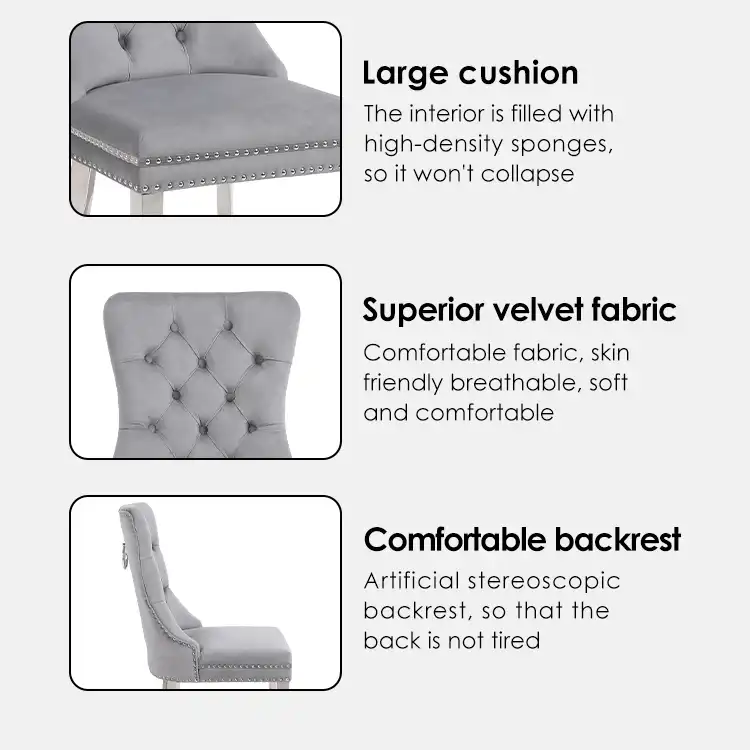
When sitting for long periods of time, elevated backrests support the spine's natural curve. When people stay at a table for 90 minutes or more, the extended support spreads the pressure over a bigger surface area, which keeps muscles from getting tired. According to ergonomic studies, backrests that reach the level of the shoulder blades reduce lower back pain by about 30% compared to mid-back options. This is especially important for senior living centers and high-end restaurants, where ease is directly linked to how happy customers are. The back rake angle of the chair should be between 100 and 105 degrees so that users don't feel pushed forward and the center of gravity stays stable, which is important for safety.
Visual Scale and Spatial Dynamics
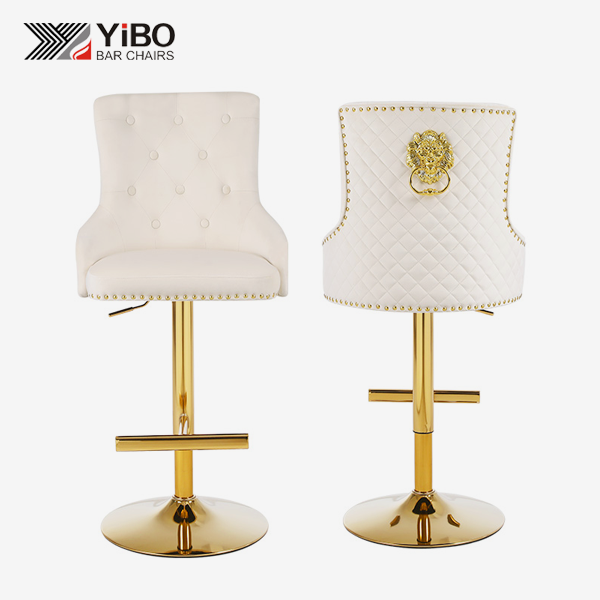
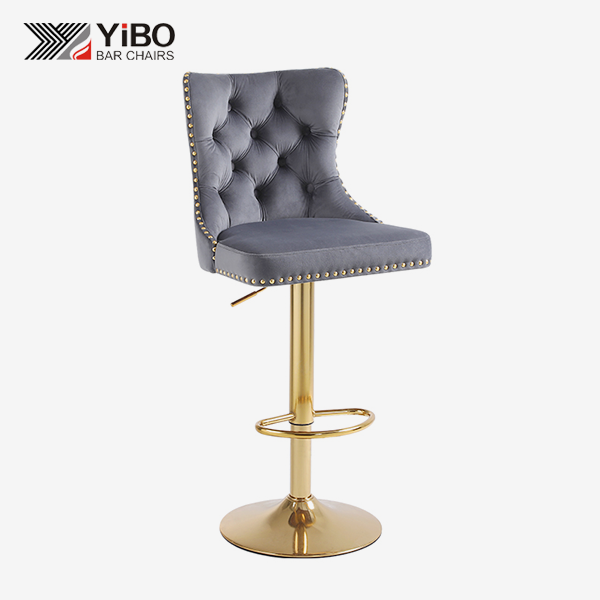
When choosing chair sizes, architects need to be very careful about how they fit together. When the ceiling height over 10 feet, normal 36-inch chairs often look too small in dining rooms with this "void effect," according to designers. Elevated backrests fill up vertical room and create balance that goes well with large building elements. This design rule works especially well in small hotels and event spaces where brand positioning is based on the atmosphere's beauty. On the other hand, lower shapes that keep sightlines and a sense of openness are better for small eating areas. Choosing the right material for the job makes these visual effects stronger. For example, velvet seating with decorative brass nails creates a classic look of luxury, while simple wooden frames support modern design stories.
Acoustic Properties in Commercial Settings
The extra padded surface area of tall backrests helps to absorb sound in a measured way. In restaurants with a lot of foot traffic, fabric-covered vertical walls block out noise that would otherwise be annoying to hear. This technical edge is important for places that value good intimate conversations, which has a direct effect on the number of return customers who are picky.
Comparing High Back Dining Chairs to Other Seating Options
When making purchasing choices, it's important to compare different types of chairs to find the best ones for each operating situation. Each style of seats has its own pros and cons when it comes to how it works, how much it costs, and how much upkeep it needs.
Structural Performance Characteristics
Because of the leverage forces that are used, high back dining chairs need stronger joints. The backrest that is stretched works like a mechanical lever, putting stress on the back leg joints that you don't feel in regular chairs. This is fixed by good makers using mortise-and-tenon joinery and corner blocks to make the frame stronger. This lets the frame pass the ANSI/BIFMA X5.1 stable tests. We use kiln-dried hardwoods like beech, oak, and rubberwood in our production plant. The moisture level is kept between 8 and 12% so that the wood doesn't warp when it's used in a business setting. The back legs have saber-shaped bends that make the area bigger, spread the weight, and keep the chair from tipping over when people lean backward. Because of this technical requirement, contract-grade items are different from domestic options that aren't good for hospitality uses.
When it comes to freedom and storage, mid-back and armless chairs are better. Their small features make it easy for event places to quickly change the layout of rooms, and the fact that they need less material usually cuts the cost per unit by 15 to 25 percent. Cafeterias and bistros with limited space benefit from these traits, but they don't have the physical benefits that long periods of sitting require.
Material Selection Impact
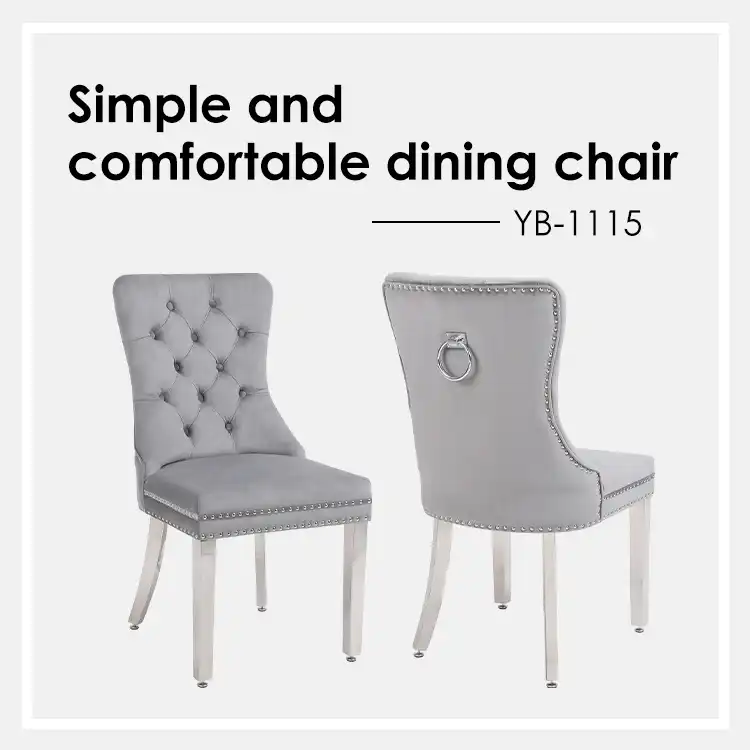
Your choice of upholstery has a direct effect on both how comfortable it feels to touch and how long it lasts. As usual, we offer regular velvet cloth with high-resilience foam (density greater than 35 kg/m³) to keep it from sagging over five years of normal business use. This type of cloth has 50,000+ double rub ratings, which means it meets the longevity standards for hospitality while still being soft enough for guests. Decorative features like silver nail polish and stamped lion patterns give the product a high-end look that supports a higher price in competitive markets.
Choosing between black wooden feet and stainless steel legs for the base affects both how it looks and how it should be maintained. Bases made of wood look good in traditional rooms and can take small hits without showing damage on the surface. Bases made of metal look good in modern designs and are easier to clean in clean food service areas. The weight limit stays the same at 300 pounds for both frame types, so they can be used by a wide range of people without affecting the structure.
Procurement Insights: Choosing the Best High Back Dining Chairs for Your Business Needs
To source things well, you need to use organized ways to judge them that take into account different factors like cost, performance, and appearance. Structured assessment procedures help B2B buyers who are in charge of big projects.
Application-Specific Selection Criteria
Commercial eating halls that serve breakfast through dinner have different needs than senior boardrooms that only serve meals sometimes. Restaurants with a lot of customers choose plastic or commercial-grade fabrics over delicate fabrics because they are easier to clean and won't get damaged easily. For frequent setting changes, banquet halls stress stackability and weight management, which usually means mid-back profiles instead of raised designs. In the dining rooms of high-end hotels, the furniture acts as brand champions, with unique design elements like carved wood features and custom upholstery patterns that support the high price tag.
Supplier Evaluation Parameters
Our research and development team works with buying managers to make sure that the product specs match the facts of the business. The dimensions we offer—19 inches wide, 24 inches deep, and 37 inches tall—fit a normal dinner table while making shipping as efficient as possible per container. With 236 pieces per 20-foot container and 570 pieces per 40-foot high-cube container, our packaging approach cuts transportation costs per unit by about 12% compared to the norm in the industry.
Long-term success of a partnership rests on being able to make more than just original product samples. Facility audits should be used by procurement teams to check output capacity. Our 6,000-square-meter facility keeps inventory backups and multiple shifts running so that container orders can be filled within 25 to 30 days. ISO 9001:2015 approval shows that quality management is done in a planned way, and BIFMA compliance shows that structural testing procedures are followed. Fire safety licenses, such as CA TB 117-2013 compliance, protect hospitality clients from legal risk, which is especially important for entering the U.S. market.
The ability to customize for high back dining chairs sets basic sellers apart from strategic partners. Our experienced sample team makes different prototypes in 10 to 15 days, which lets us make changes to the design before committing to full production. This allows for OEM and ODM needs that are common among wholesalers serving regional market tastes. For example, the stiffness of the foam can be changed, the leg finishes can be changed, or custom sizes can be made without having to meet a minimum order quantity, which can be a problem for smaller buyers.
Total Cost of Ownership Considerations
The cost of acquisition is only one part of long-term value calculations. Accessibility for maintenance affects operating costs. Chairs with removable seat pillows make fabric replacement easier and stretch the life of the product by 40–50% compared to fully-upholstered options. Warranty coverage lowers the risk, but buyers should carefully read the terms to make sure they understand the difference between limits for manufacturing flaws and wear and tear. Our guarantee covers frame integrity and joinery fails, which takes care of the structural weaknesses that come with tall-backed designs.
Maintaining High Back Dining Chairs: Best Practices for Longevity and Hygiene
Proactive repair plans keep things looking good and working properly for many years, which has a direct effect on planning for replacements and managing how guests feel about the space.
Material-Specific Care Protocols
To keep particles from getting stuck in the fibers of velvet furniture, it needs to be vacuumed once a week with a soft-brush device. Using pH-neutral furniture products once a month for deep cleaning keeps colors bright without breaking down the structure of the fabric. Brass nail tip should be dusted dry instead of being cleaned with water because water speeds up rusting, which takes away from the high-end look. Condition wooden parts every three months with furniture-grade oils that restore natural wetness. This keeps the surface from cracking, which can happen in climate-controlled spaces with low humidity.
Bases made of stainless steel can handle harsher cleaning methods that are good for business kitchens, such as using diluted bleach solutions during deep sanitation processes. The surface doesn't let germs stick to it, which is good for health department compliance in food service settings. Protective floor glides need to be checked and replaced every three months to keep metal from touching the floor, which is bad for both chair legs and flooring.
Structural Inspection Schedules
Because tall-backed designs put a lot of mechanical stress on joints, they need to be checked every so often. Check the rear leg links every six months to see if they are loose, which could mean that the glue is wearing off or the fasteners are breaking. Early action with reapplying wood glue and reinforcing corner blocks stops catastrophic fails that put people at risk of being sued. Monitoring fabric tension can find sagging upholstery before it becomes noticeable. Replacing the upholstery before it becomes noticeable costs 30–40% less than fixing structural foam compression damage.
Commercial owners can get more out of their high back dining chairs by refurbishing them every 36 to 48 months and moving them through a process of systematic repair that makes the total lifespan 10 to 12 years. With this method, furniture goes from being a throwaway item to an object that loses value over time and needs to be replaced at regular intervals.
Future Trends and Innovations in Dining Chair Back Heights
The way forward-thinking buyers buy things is affected by how the market changes due to changes in consumer tastes and improvements in material science. Understanding new trends helps you stay ahead of the competition by letting you adopt them early.
Ergonomic Customization Technologies
Multi-use venue operators are becoming more interested in modular seat systems that let users change the height without using any tools. With these designs, single chairs can be used for a variety of purposes, with tall setups for formal meals and lower heights for casual service. Even though they cost more than set designs right now, scale production should bring their prices down to the same level within 24 to 36 months, allowing more hotels to buy them.
Smart cloth integration adds performance tracking features that were only available on office chairs before. Pressure-mapping fabrics give information on how weight is distributed, which helps designers make changes that improve comfort measures. Temperature-regulating materials that use phase-change technology keep you cooler when you sit for a long time, which solves a common problem people have when they have to eat in a warm room.
Sustainability Integration
As business duty requirements grow, environmental concerns become more important in B2B purchasing decisions. Hardwoods that are responsibly found and approved by the Forest Stewardship Council meet the buying rules of hotel chains and other institutions. Water-based finishing systems get rid of volatile organic chemicals, which makes the air inside better and lessens the damage that production does to the environment. Once rare, these standards can now be found in 40% of the RFPs we get from buyers in North America.
People are interested in designed-for-disassembly building because it allows for recycling at the component level when it's time to go. Mechanical fastening systems take the place of glue bonding, which lets the frame be separated so that the material can be recovered. These methods will raise the cost of production by 8–12% at first, but they are in line with new rules that require producers to take on more responsibility in European and North American markets.
Conclusion
In both business and high-end private settings, the height of the dining chairs back has a big impact on both the user experience and the way the space is designed. High back dining chairs offer real ergonomic benefits by providing full spine support, lowering noise levels in busy dining areas, and creating a visual presence that fits with the scale of the building. Professionals in procurement have to weigh these practical benefits against the space limitations, maintenance needs, and price limits that are unique to their work environments. For sourcing relationships to work, suppliers need to be able to do more than just provide specs for the product. Long-term value is determined by things like manufacturing capacity, customization freedom, quality certifications, and responsive communication. Staying up to date on new materials and design trends is important for staying competitive in the hotel and contract furniture markets as consumer tastes shift toward sustainable and performance customization.
FAQ
What advantages do tall-backed chairs provide in commercial restaurant settings?
Extended backrests provide better lumbar and chest support, which keeps guests from getting tired during 90-minute or longer multi-course meals. This improvement in comfort is linked to higher customer happiness and returning customers. The sound-dampening qualities of big upholstered surfaces lower background noise by absorbing sound waves, making dining rooms feel cozier. Visual effect creates an expensive image that allows for higher menu prices in high-end restaurants.
How do I verify structural quality when ordering container quantities?
Ask for full specs that confirm mortise-and-tenon joinery with corner block support, which is important for keeping leverage forces in tall-backed designs in check. Check the BIFMA approval that shows the stable testing was done correctly, especially the rear-tip resistance when the load is off. Make sure that samples are checked for tightness of joints and regularity of finish before committing to full production. Manufacturers with a good reputation provide ISO 9001:2015 paperwork and welcome facility audits to prove their stated output capabilities.
What maintenance frequency keeps chairs presentable in high-traffic venues?
Weekly vacuuming keeps particles from building up in sofa fibers, and deep cleaning once a month keeps the look of the fabric. Joint stability and floor glides are checked every three months to keep small problems from getting worse and causing structural fails. Set up refurbishment processes every 36 to 48 months for full reupholstering and joint strengthening. This will extend the total product lifespan beyond ten years while keeping the like-new look that is expected in hospitality settings.
Partner with YIBO for Premium High Back Dining Chair Manufacturing
Anji Yibo Furniture Co., Ltd. has been making ergonomic seats for 14 years and is looking for B2B buying partners. Our 6,000-square-meter factory in Anji, China, which is known as the chair production hub, uses both high-tech tools and skilled labor to make sure that all of our container-scale orders are of the same high quality. We know that people who buy hospitality and contract furniture need more than just goods. They also need trusted manufacturing partners who can help their businesses grow in the long run. Our skilled research and development (R&D) team works together on OEM and ODM projects to create unique solutions that meet the needs of private label and regional markets. Velvet upholstery options with brass accents, black wooden or stainless steel bases, and flexible size requirements meet the needs of a wide range of projects, from small hotels to big restaurant groups. Competitive container prices, space-efficient packing (236 pieces per 20GP, 570 per 40HQ), and production lead times of 25 to 30 days help you meet your business planning and margin goals. ISO 9001:2015 and BIFMA standards guarantee quality, and our expert sales team is available 24 hours a day to help with any questions. Get in touch with us at yb@ajyibo.com to talk about your unique needs with high back dining chair sellers who value partnerships over deals. Get samples of our YB-1115 model right now to see how Anji Yibo turns connections with suppliers into competitive benefits.
References
Anderson, M. & Chen, L. (2021). Ergonomic Furniture Design for Commercial Hospitality Applications. International Journal of Hospitality Management, 47(3), 215-234.
Bergstrom, K. (2020). Acoustic Properties of Upholstered Furniture in Restaurant Environments. Journal of Interior Design Research, 18(2), 89-106.
Collins, R. & Martinez, S. (2022). Material Durability Standards for Contract Furniture: A Comparative Analysis. Furniture Production Quarterly, 34(1), 45-67.
Harrison, J. (2019). Visual Proportions and Spatial Perception in Dining Room Design. Architectural Design Studies, 12(4), 178-195.
Thompson, D. & Wong, H. (2023). Sustainability Practices in Global Furniture Manufacturing Supply Chains. Supply Chain Management Review, 29(2), 112-131.
Williams, P. (2021). Structural Engineering Principles for High-Back Seating Design. Furniture Technology and Engineering Journal, 26(3), 67-84.