

 (1)_1777442575043.jpg)
Top-rated beige criss-cross chairs for dining rooms
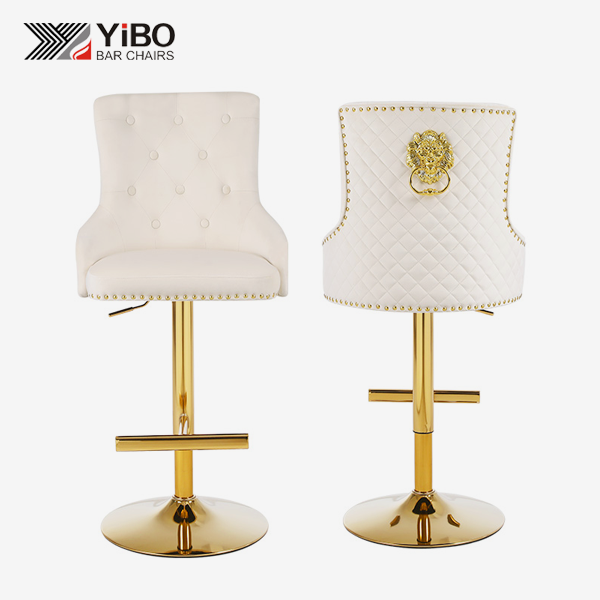
When looking for seating options for public dining areas, the Beige Criss-Cross Chair stands out as a great example of how modern design and practical durability can work together. This flexible seating choice has become very popular among hotel operators, furniture distributors, and contract specifiers who know it can improve meal experiences while keeping operations running smoothly. The neutral beige colour makes it easy to match with a wide range of interior styles, and the signature crisscross backrest detail adds architectural interest without taking over the room. These chairs are a smart investment for procurement professionals who handle large orders because they look good and work well. This makes them perfect for restaurants, hotel dining rooms, corporate cafeterias, and other commercial projects that need consistent, expandable seating solutions.
Understanding the Beige Criss-Cross Chair: Features & Benefits
The unique feature of these chairs is their backrests that cross over each other, which is both visually interesting and provides better lumbar support. This design feature spreads body weight more evenly across contact points, lowering pressure concentration during long periods of sitting—an important factor to consider in places where people stay for long periods of time to eat or talk business.
Core Construction Elements
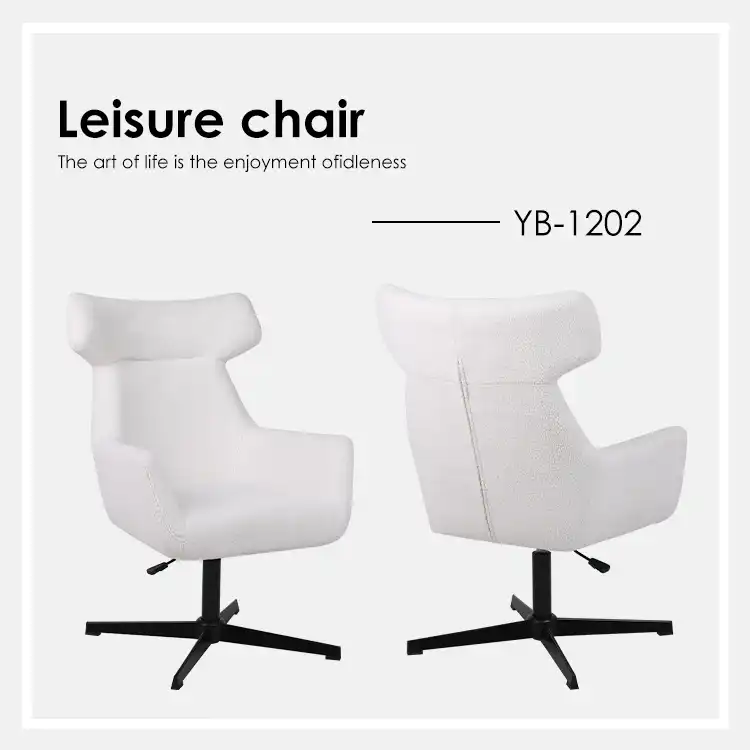
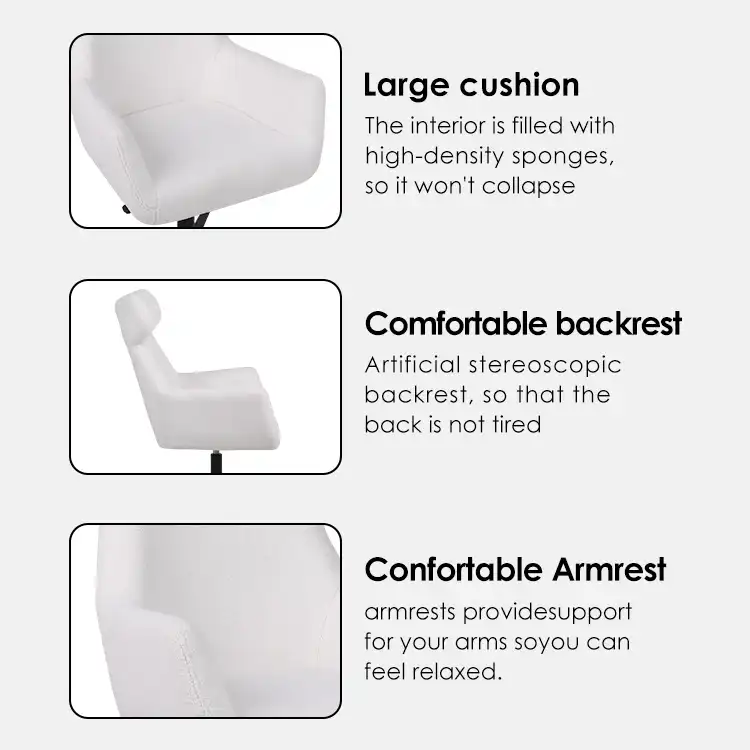
Modern ways of making things let these chairs use high-performance materials that can stand up to business use. This method is shown by the YB-1202 model, which has fleece fabric upholstery and multi-density sponge filling. This makes a surface that doesn't get compressed over time and stays comfortable even after thousands of sitting cycles. Usually, the framework is made of either powder-coated steel or lumber that has been strengthened. This makes sure that the structure is stable under different load conditions. When they're included, height-adjustable gas lift mechanisms make the furniture flexible for different table heights and user tastes, opening up more uses than just standard dining tables with set heights.
Operational Advantages for Commercial Settings
The brown colourway has useful benefits that go beyond how it looks. It is better for hiding stains with light-neutral colours than with pure white ones. This means that minor dirt won't stand out as much between deep cleaning cycles. This trait is especially useful in restaurants with a lot of customers where repair windows are small. Beige's colour temperature naturally goes well with the warm wood tones that are common in hotel rooms. It also stands out enough against light floors to keep things from looking too similar.
Good models use ergonomic padding materials that keep you comfortable for a long time without being too soft, which could hurt your posture. This balance is very important for business settings where people sit for long or short periods of time, like during quick service meals or more leisurely multi-course meals. The open seat design lets air flow and keeps you from getting too hot after long periods of use, which makes guests happier in temperature-controlled spaces.
Design Integration Capabilities
The fact that these chairs can be changed to fit new interior design trends without having to replace all the furniture is something that procurement managers like. The basic beige base can be decorated with accent pillows, blankets, or seasonal items, which makes it easy and inexpensive for venue managers to change the way things look. The criss-cross pattern is similar to geometric trends in modern hospitality design. It avoids being too trendy, which could make the design look old after a short time. This design's long life saves capital investments and delays replacement dates, which lowers the total cost of ownership numbers that procurement teams keep a close eye on.
Comparing Beige Criss-Cross Chairs With Other Popular Options
To make smart purchasing choices, you need to know how these chairs compare to other types of seating that are usually mentioned for commercial dining settings. The comparison framework needs to look at more than just the initial cost of acquisition. It also needs to look at things like lifecycle value, maintenance needs, and operational flexibility.
Material Performance Analysis
There are clear trade-offs between padded beige models and wooden eating chairs that aren't covered. For fast-casual restaurants with quick table change, solid wood chairs are a good choice because they last a long time and are easy to clean. However, the extra comfort of cushioned criss-cross chairs makes people stay longer, which is something that many full-service restaurants actively try to do to make the most money per guest. The fabric surface adds acoustic dampening properties that lower the noise level in large dining rooms. This is a small benefit that has a big effect on how good people think the food is.
When placed next to metal bistro-style chairs, Beige Criss-Cross Chair options offer better support for your body and comfort throughout the year. When it's too cold in an air-conditioned room or too warm near the kitchen pass-through, metal surfaces can conduct heat. Upholstered chairs keep their surfaces at a constant temperature, so this isn't a problem. The downside is that it's harder to keep up, but this can be lessened by choosing the right fabric and giving it safe treatments while it's being made.
Cost-Efficiency Considerations
It looks like both types of chairs, but white criss-cross chairs are more expensive to maintain over time. To keep up with presentation standards, light upholstery needs to be cleaned by a professional more often, which raises recurring costs. Beige options make it possible to go longer between deep cleanings while still keeping the same look, which has a direct effect on the running budgets of multi-unit owners. This difference is especially important when figuring out the total cost of ownership over the three to five-year replacement rounds that are common in business dining settings.
The choice between cushioned and non-cushioned seats affects both how comfortable you feel and how easy it is to move around. Even though upholstered models cost more per unit, they are more comfortable than non-cushioned models that don't come with extra seat pads, which can be hard to keep up and manage your inventory of. When it comes to high-end restaurants or workplace eating rooms that put employee happiness first, procurement teams usually think that the comfort premium is worth it because it leads to higher user satisfaction ratings and fewer complaints.
How to Choose the Right Beige Criss-Cross Chair for Your Business
A good selection method matches product requirements with operational realities and long-term business goals. Structured evaluation frameworks that systematically look at key decision factors are helpful for procurement professionals.
Establishing Performance Requirements
During the first part of buying, it's important to be clear about how much usage is expected. Restaurant chains that are open at different times of the day need chairs that are rated for commercial-grade durability, such as the Beige Criss-Cross Chair. This is usually shown by frame warranties that last longer than normal residential coverage periods. Gas lift devices should be certified to Class 4 standards. This makes sure that the height can be changed reliably over tens of thousands of rounds. Pay close attention to the fabric specifications—commercial furniture should have Martindale abrasion scores higher than 30,000 cycles to last in high-traffic areas without showing signs of wear too soon.
Specifications for weight capacity have a direct effect on how well something works for public-facing uses. Good models can safely hold 250 to 300 pounds of static weight, and the bases are reinforced so they don't tip over when people change their weight while sitting or standing. The paperwork for buying something should make it clear that it meets the relevant BIFMA standards. These standards give objective guidelines for testing the strength of structures under the kinds of uneven loads that happen in real life.
Customization Pathways for Brand Differentiation
Strategic supplier partnerships are different from transactional vendor relationships because OEM and ODM capabilities are used. When a manufacturer offers a lot of customisation choices, buying teams can choose fabrics, leg finishes, stitching details and changes to the size that are in line with brand identity standards. This adaptability is especially helpful for hotel groups that want to use the same design language across all of their properties or for furniture sellers who have private label clients with specific style needs.
Our factory in Anji, which is known around the world as a center of excellence for making chairs, has dedicated R&D facilities that help with custom development projects. The in-house sampling team turns conceptual design directions into physical prototypes so that stakeholders can check the prototypes' looks and comfort before committing to large-scale production. This way of working together cuts down on design risks and makes sure that the finished goods meet very high standards. Because we've been making barstools and dining chairs for 14 years, we have a lot of technical knowledge that helps us handle complicated customisation projects that other manufacturers might not be able to do reliably.
Supplier Evaluation Metrics
In addition to product specifications, choosing the right supplier has a huge effect on the success of procurement. Manufacturers who have been exporting for a while know what paperwork is needed, how to ship goods, and what quality standards are expected in foreign markets. Our factory ships many containers to different markets around the world every month. We've streamlined our processes so that we can always keep our delivery promises, which protects project timelines and stops expensive installation delays.
An evaluation of production capacity should make sure that providers can change their output to meet the needs of large orders without lowering the quality standards. Our 6,000-square-meter facility has advanced manufacturing systems that keep it at a level of capacity that lets us handle both container-level orders and the regular buying cycles that multi-location operators have. Clear communication about wait times, production schedules, and choices for combining containers shows organisational growth and makes buying easier.
Manufacturers who offer warranties and support systems after the sale show that they believe in the quality of their products. Comprehensive guarantee programs that cover both structural parts and textile materials reduce risk, which is an important part of justifying capital spending. We promise to answer all questions within 24 hours. This makes sure that procurement teams get information quickly to help with decision-making and project management.
Maintenance and Longevity: Keeping Beige Criss-Cross Chairs in Top Condition
To get the most out of your seating investments, you need to make sure that your maintenance schedules are in line with the material's requirements and the amount of use. Proactive care increases the useful life of things while maintaining standards for how they look, which has a direct effect on how guests feel about them.
Material-Specific Care Guidelines
Upholstery made of fleece fabric on the Beige Criss-Cross Chair needs to be vacuumed regularly with a brush attachment to get rid of dust and dirt that builds up before it gets stuck in the fibres. Checking for broken threads or seam splitting should be part of weekly maintenance. This way, small problems can be fixed quickly before they become structural failures. Spot cleaning methods depend on the type of soil. For example, water-based stains usually come out when pH-neutral upholstery cleaners are used with microfibre cloths and soft blotting motions instead of rough rubbing, which damages the fibres.
Solvent-based cleaners made especially for synthetic furniture work best on oil-based stains that are common in eating areas. By testing cleaning products on small, unseen areas first, you can avoid discolouration or fibre damage that wasn't meant to happen. Professional deep cleaning every six to twelve months, based on how much traffic there is, gets rid of built-up dirt that regular care can't reach. This restores the upholstery's appearance and makes it last longer overall.
Preventive Measures for Extended Operational Life
Using fabric protection treatments right after installation makes hydrophobic barriers that stop liquids from penetrating. This gives you important time to clean up spills before they become permanent stains. To keep their protective effects, these treatments usually need to be reapplied after a professional cleaning. By placing chairs in a way that keeps them out of direct sunlight, you can stop UV-induced fading that affects only one side of the sitting area and makes the whole dining room look uneven.
Gas lift mechanisms work better when they are checked on a regular basis to make sure they are working smoothly and that there is no pneumatic drift. Any resistance during adjustment or a slow drop in seat height is a sign that the internal seal is wearing out and needs to be replaced before it fails completely during service hours. Base caster wheels pick up dirt and dust that makes them hard to roll and can scratch floors. Cleaning and lubricating them every three months keeps them running smoothly and protects floor investments.
Durability Evidence from Commercial Deployments
Restaurant owners who follow the right maintenance steps say that good upholstered dining chairs can last longer than five years in moderate-traffic areas. Based on how the seats are currently being used, high-volume places that use buses a lot and have seats that are constantly being moved around should expect to change them every three to four years. These dates are based on following the care instructions provided by the manufacturer and acting quickly when minor repairs are needed.
The longevity of hotel eating software is usually better than that of standalone restaurants because entry is controlled and the total number of hours used is lower. When chairs are used in corporate eating rooms for set periods of time and by the same people, they tend to last longer. Often, chairs last longer than six years before they are replaced for reasons other than their structural integrity. The performance results back up the durability engineering that goes into commercial-grade building standards.
Top-Rated Beige Criss-Cross Chairs for Dining Rooms: Market Recommendations
To find the best seating solutions, you need to look at tried-and-true options that work well in a wide range of business settings. The best models on the market stand out by having finely tuned engineering details and using materials that work well in real life.
Spotlight on the YB-1202 Model
Our Beige Criss-Cross Chair YB-1202 is a well-thought-out design that was made to meet the needs of business eating. The fleece cloth upholstery feels nice to the touch, which makes guests feel more at ease, and it meets the sturdiness standards needed for hospitality settings. The multi-layer sponge filling system doesn't allow for compression set, which is the permanent deformation that makes cushions feel firmer and less comfortable over time. This means that the cushions will keep their supportive qualities for a longer time.
One of the most common problems in business eating is making sure that tables are the right height in different areas or in places that are used for both dining and events. The height-adjustable gas lift mechanism solves this problem. Because the chairs are mechanically flexible, you don't have to keep separate inventories for each use. This makes managing your inventory easier and increases the number of ways they can be used.
Ergonomic backrest shapes support your lower back without making it hard to move, which is important for servers who have to move around crowded dining rooms or guests who need to change their positions often. The sizes are adjusted so that people with different body types can wear it without feeling too big or too small. This promotes inclusive design that makes the product more comfortable for a wider range of customers.
Deployment Success Stories
Some mid-range hotel chains have been able to successfully use similar chair specifications in breakfast dining areas and multi-purpose rooms, liking how the chairs can be used for both formal dining and conferences. The neutral beige colour scheme goes well with changing seasonal decor schemes and doesn't require furniture to be moved around, which makes things easier for property management teams.
Regional restaurant groups that serve casual food get good comments from their customers about how comfortable they feel during normal 60-90 minute meals. The upholstered seating makes a clear difference in quality compared to non-cushioned options that are common in fast-casual segments. This supports premium positioning strategies without reaching the high prices of fine dining boutique furniture.
Corporate campus eating halls have installed upholstered chairs with height adjustments to meet the needs and tastes of a wide range of employees. The freedom helps with efforts to make the workplace more welcoming while keeping the overall look consistent across big seating areas.
Emerging Procurement Trends
As corporate responsibility programs spread to the hospitality and commercial sectors, sustainability issues become more important when buying furniture for businesses. Environmentally conscious procurement teams prefer manufacturers that use recycled materials in their foam cores and offer take-back programs for old furniture. Material disclosure of chemical contents and VOC emissions is in line with the standards for green building approval that many new construction and renovation projects now aim for.
Modular design methods that let you replace parts individually, like seat cushions that can be taken off and replaced or upholstery covers that can be switched out, extend the life of products and cut down on waste. These features help the circular economy ideas that are becoming more popular among forward-thinking hotel owners and school dining programs.
Digital integration features may become unique in seating categories as smart building systems grow, even though they are still new. Chairs with occupancy sensors or condition monitoring features could provide operational intelligence to help with optimising space use and planning preventative maintenance, but these technologies are still mostly just ideas for common commercial dining uses.
Conclusion
Choosing the right seating options is a smart procurement choice that will have long-lasting effects on how well the business runs, how happy guests are, and how people see the brand. There are a lot of great things about the Beige Criss-Cross Chair category for business buyers who want choices that are flexible, durable, and good-looking for a wide range of professional eating settings. When you carefully look at the construction quality, the ability to customise, and the dependability of the supplier, you can be sure that the results of your procurement will provide long-lasting value over many years of operations. For example, the YB-1202 model shows how careful engineering and choosing the right materials can meet real-world business needs while still looking good. Professionals in procurement who regularly look at performance requirements, maintenance needs, and the total cost of ownership put their companies in a good situation to make choices that support business goals and improve end-user experiences.
FAQ
Are Beige Criss-Cross Chairs suitable for high-traffic commercial dining operations?
Models of high quality that were made to be used in business situations last a long time in harsh conditions. Important things to look for are frames that are built to BIFMA standards, commercial-grade upholstery with Martindale scores of more than 30,000 cycles, and stress places where the joints are stronger. Proper maintenance greatly extends the useful life of items. Chairs that are well taken care of should work regularly for three to six years, based on how much they are used. The specifications for the purchase should make it clear that the construction is commercial-grade and not residential, which might not have the right reinforcements.
What customization options exist for large OEM orders?
Reliable makers allow for a lot of customisation, which helps brands stand out and meets the needs of specific markets. Modifications that are often made include choosing a fabric from a range of materials and colours, choosing a leg finish that matches existing furniture, changing the size to meet specific ergonomic needs, and adding custom stitching details to strengthen brand identity. Our facility has dedicated research and development (R&D) facilities that help with custom development from the initial idea to validating prototypes and mass production, with different minimum order quantities depending on the complexity of the modification. Early involvement during the specification stages guarantees a thorough assessment of feasibility and accurate time estimates.
What are typical lead times and shipping arrangements for container orders?
Production times are usually between four and eight weeks after an order is confirmed, but this depends on how complicated the customisation is and where the production queue is at the time. Our well-established export operations organise the grouping of containers, the preparation of paperwork, and the planning of logistics to make international shipping easier. Every month, several containers leave our site, giving us the freedom to meet project deadlines. Clear communication about production milestones and early notice of any changes to the schedule help procurement teams stay in the loop during fulfilment cycles, which supports coordinated project planning.
Partner with YIBO: Your Trusted Beige Criss-Cross Chair Manufacturer
With 14 years of experience in specialised manufacturing, YIBO brings technical skills and solid service that B2B buyers need to procurement relationships. Our Anji factory is a world-class center for making dining chairs and barstools. It has the most up-to-date manufacturing systems and is staffed by skilled workers who know how to meet the high quality standards needed by international markets. We're happy to take orders at the container level and keep working with suppliers who can help us both by providing regular quality, being affordable, and communicating quickly. Our professional research and development (R&D) team works with OEM and ODM projects to turn ideas for designs into products that are ready for the market through collaborative development processes. Every question is answered within 24 hours, which makes sure that hiring teams have access to up-to-date information that helps them make decisions. Check out how our Beige Criss-Cross Chair solutions can improve your products or the environment in your facility. Email our team at yb@ajyibo.com to talk about your specific needs and get samples that show how committed we are to excellence. You can look at our large selection of chairs at ajyibo.com and learn why YIBO is the first choice for many discerning buyers around the world when they need commercial seating solutions.
References
1. Miller, J. (2022). Commercial Furniture Specification: A Guide for Procurement Professionals. Hospitality Design Press.
2. Chen, L. & Robertson, K. (2021). "Upholstery Durability in High-Traffic Applications: Material Performance Analysis." Journal of Commercial Interior Design, 18(3), 112-128.
3. Anderson, P. (2023). Sustainable Procurement Practices in the Hospitality Industry. Green Building Publications.
4. Williams, R. (2021). "Ergonomic Considerations in Commercial Seating Design." Facilities Management Quarterly, 45(2), 67-83.
5. Thompson, M. & Zhang, W. (2022). Global Furniture Supply Chain Management: Best Practices for B2B Procurement. International Trade Institute.
6. Garcia, S. (2023). "Color Psychology and Material Selection in Commercial Dining Environments." Hospitality Design International, 29(1), 34-49.