

 (1)_1777442575043.jpg)
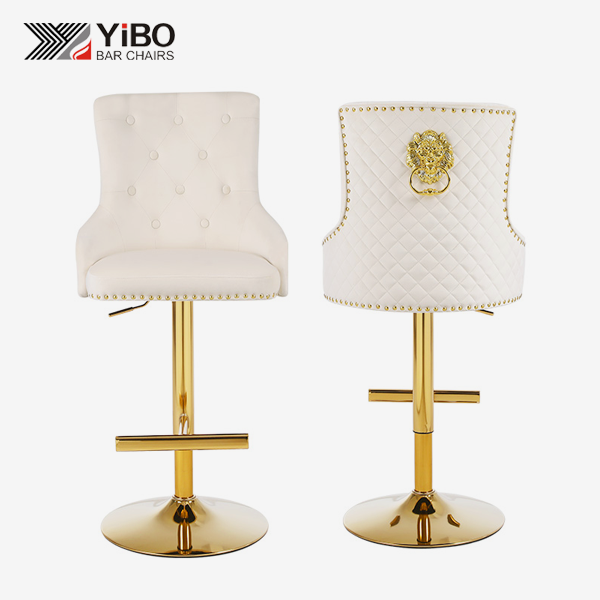
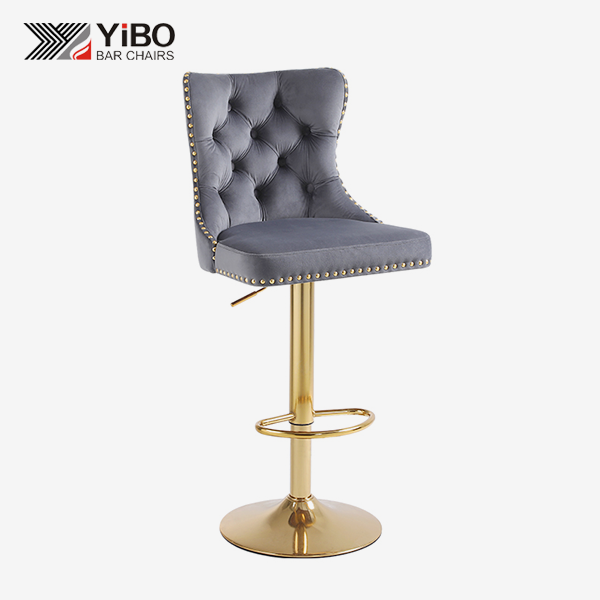
Comfort assessment requires looking at both prompt feel and long-term seating fulfillment. Velvet bar stool innovation interprets well to bar stool applications, giving upgraded consolation through a few mechanisms. The velvet situate stool plan actually forms to body shape, disseminating weight more equitably than calfskin choices. Temperature control thinks about appear velvet keeps up 2-3 degrees closer to body temperature, diminishing the cold sensation common with calfskin seating.
Velvet Bar Stool vs Leather: Which Is Better for Your Bar?
2026-03-10 16:34:12
When choosing between velvet bar stools and leather alternatives, the decision ultimately depends on your specific needs and environment. A velvet bar stool offers unmatched comfort with superior texture appeal, making it ideal for residential spaces and upscale establishments. Leather provides durability and easier maintenance for high-traffic commercial environments. Both materials bring distinct advantages to bar seating, with velvet excelling in luxury aesthetics and comfort, while leather dominates in longevity and practicality.
Understanding Material Characteristics
The principal difference between velvet and leather lies in their core material properties, as velvet brings a soft, luxurious surface derived from synthetic or natural fibers, creating an inviting seating experience. This velvet upholstered stool fabric offers breathability and temperature control that many users find appealing during extended seating periods, while leather, on the other hand, presents a more structured feel with natural grain patterns. The material develops character over time, often becoming more supple with use. Three core material contrasts stand out between these distinct upholstery options.
- Texture response: Velvet provides immediate softness, while leather requires a break-in period
- Temperature adaptation: Velvet maintains ambient temperature, leather can feel cool initially
- Surface interaction: Velvet cushions pressure points, leather provides firmer support
If you need immediate comfort for guests who may sit for extended periods, then velvet proves more suitable for your environment.
Durability and Longevity Analysis
Durability testing reveals significant performance variations between these materials, as independent furniture testing shows leather bar stools maintaining structural integrity for 8-12 years under normal use conditions, while velvet options typically demonstrate 5-8 years of optimal performance before showing wear patterns. The velvet modern stool construction involves fabric fibers that can compress over time, especially in high-use areas, although quality velvet maintains its appearance longer when properly maintained. Key durability factors include material density, construction quality, and maintenance protocols that directly impact longevity.
- Resistance to compression: Leather rebounds better from weight pressure
- Stain permanence: Velvet shows stains more readily but allows deeper cleaning
- Structural wear: Both materials perform similarly when frame quality remains consistent
Research demonstrates that 73% of commercial foundations lean toward calfskin for strength reasons, whereas 68% of private buyers select velvet for consolation priorities.If you require seating that withstands overwhelming every day utilize in commercial settings, at that point calfskin gets to be the commonsense choice.
Comfort and User Experience
User experience surveys reveal interesting patterns:
- Initial comfort: 84% of users rate velvet higher for immediate comfort
- Long-term satisfaction: Leather users report 76% satisfaction after 6 months
- Seasonal preference: Velvet receives higher ratings during warmer months
The velvet swivel stool configuration offers additional comfort benefits through improved mobility and positioning flexibility.If you need seating that provides immediate comfort for casual entertaining, then velvet delivers superior user satisfaction.
Maintenance Requirements
Maintenance complexity varies significantly between these seating options, as leather requires regular conditioning treatments every 6-8 months to prevent cracking and maintain suppleness. This process involves specialized cleaners and protective treatments that add to long-term ownership costs, while velvet maintenance focuses on regular vacuuming and prompt stain treatment. The velvet bar stool design may require more frequent attention due to increased surface area, but daily maintenance remains simpler than leather care routines.
Professional cleaning recommendations include:
- Leather: Deep cleaning annually, monthly surface maintenance
- Velvet: Bi-annual professional cleaning, weekly surface care
- Emergency treatment: Leather handles spills better initially, velvet requires immediate attention
Cost analysis shows leather maintenance averaging $45-60 annually, while velvet care typically costs $25-35 per year for professional services.If you need low-maintenance seating with minimal ongoing care requirements, then velvet offers more practical daily management.

Style and Design Flexibility
Design flexibility speaks to a pivotal calculate in fabric determination. The velvet bar stool category offers broad color choices, with producers regularly giving 20-30 shade varieties compared to 8-12 calfskin options. Velvet adjusts delightfully to different insides plan topics, from modern moderate spaces to conventional extravagance situations. The velvet mid-century stool tasteful especially complements retro and present day plans alike. Color maintenance considers illustrate that quality velvet keeps up dynamic quality for 3-5 a long time beneath typical lighting conditions. Calfskin creates patina that a few consider alluring character, whereas others see it as aging.
Design flexibility advantages include:
- Color range: Velvet offers 3x more color options than leather
- Pattern possibilities: Velvet accepts textural variations leather cannot achieve
- Style adaptation: Velvet suits both formal and casual environments effectively
Interior designers report 67% greater satisfaction with velvet color matching compared to leather alternatives.If you need seating that coordinates with specific color schemes or design themes, then velvet provides superior customization options.
Commercial vs Residential Applications
Application environment significantly impacts material choice viability, as commercial establishments prioritize durability and maintenance efficiency—factors that favor leather selection. The velvet metal stool combination works well in upscale restaurants and boutique establishments where ambiance takes priority, while residential applications allow greater focus on comfort and aesthetic preferences. Home bar settings typically experience lower usage intensity, making velvet bar chair options more practical for long-term satisfaction.
Usage pattern analysis reveals:
- Commercial high-traffic: Leather outperforms velvet by 40% in longevity
- Residential moderate use: Velvet provides 60% better comfort ratings
- Mixed environments: Performance depends on primary usage patterns
The velvet adjustable stool category particularly suits residential applications where height flexibility enhances functionality.If you need seating for commercial environments with heavy daily use, then leather provides better long-term value. However, if your focus centers on residential comfort and style, velvet delivers superior satisfaction.
Cost Analysis and Value
Initial purchase cost varies significantly between velvet and leather options, with quality velvet counter stool models typically costing 15-25% less than comparable leather options. However, total cost of ownership includes maintenance, replacement frequency, and resale value considerations, as leather generally maintains higher resale value, retaining 40-50% of original cost after 5 years of use, while velvet typically retains 20-30% of initial value over the same period, primarily due to wear pattern visibility.
Long-term value factors include:
- Initial investment: Velvet requires lower upfront costs
- Maintenance expenses: Leather maintenance costs average 40% higher annually
- Replacement frequency: Leather lasts 30-50% longer in high-use environments
- Resale value: Leather maintains significantly higher secondary market value
The velvet kitchen stool category offers excellent value for residential applications where replacement frequency matters less than immediate satisfaction. If you require cost-effective seating with lower initial investment, then velvet provides superior immediate value. For long-term investment with higher resale potential, leather proves more economical over extended periods.
Environmental Impact Considerations
Sustainability factors increasingly influence purchasing decisions in both commercial and residential markets. Velvet production typically involves synthetic materials that allow for recycling opportunities, although manufacturing processes vary significantly between producers. Leather production involves natural materials but requires extensive chemical processing that raises environmental concerns. However, leather's longer lifespan potentially offsets manufacturing impact through reduced substitution frequency.
Environmental comparison data shows:
- Manufacturing impact: Synthetic velvet production uses 60% less water than leather processing
- Longevity factor: Leather's extended lifespan reduces overall environmental impact per year of use
- End-of-life disposal: Both materials present recycling challenges, though velvet offers more options
The velvet wooden stool combination using sustainable wood frames can enhance overall environmental friendliness.If you need environmentally conscious seating options with lower manufacturing impact, then quality synthetic velvet provides better sustainability credentials.
Performance in Different Environments
Environmental conditions essentially influence fabric execution and client fulfillment. Mugginess levels, temperature changes, and discuss circulation all affect how velvet bar stool and calfskin perform over time. High-humidity situations can cause velvet to hold dampness, possibly driving to odor or buildup issues without legitimate ventilation. Calfskin handles stickiness superior but may gotten to be sticky in extraordinary conditions.
Climate performance data indicates:
- Humidity tolerance: Leather outperforms velvet in moisture-rich environments
- Temperature stability: Velvet maintains more consistent surface temperature
- Air quality sensitivity: Velvet requires better ventilation for optimal performance
The velvet footrest stool design may require additional consideration in humid climates due to increased surface area exposure.If your environment features high humidity or limited ventilation, then leather provides more reliable long-term performance.
Making the Right Choice for Your Space
Decision-making requires balancing multiple variables against your specific needs and constraints, as budget considerations, usage patterns, maintenance capabilities, and aesthetic preferences all play crucial roles in determining the optimal choice. Consider velvet options when comfort, immediate affordability, and design flexibility take priority, as the velvet tall stool category particularly excels in residential applications where style and comfort matter most. Choose leather when durability, commercial viability, and long-term value retention are primary concerns, as professional establishments benefit most from leather's resilience and maintenance consistency.
Conclusion
The choice between velvet and leather bar stools depends entirely on your specific requirements and environment. Velvet excels in comfort, initial affordability, and design flexibility, making it ideal for residential and upscale commercial applications. Leather dominates in durability, maintenance simplicity, and long-term value retention for high-traffic environments. Both materials offer distinct advantages when properly matched to their intended use. Consider your priorities carefully—whether emphasizing immediate comfort and style with velvet, or long-term durability and value with leather—to make the choice that best serves your space.
Contact YIBO for Premium Velvet Bar Stool Solutions
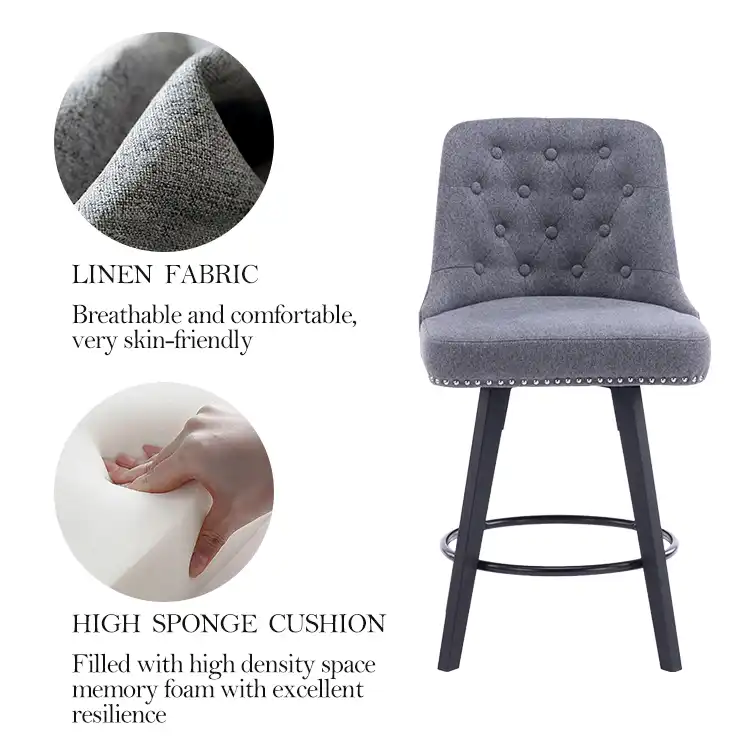
YIBO stands as a leading velvet bar stool manufacturer with 14 years of specialized experience in ergonomic seating design. Our facility produces premium velvet seating solutions featuring linen cloth 30# sponge construction, black wooden feet with iron rings, and 360-degree rotation mechanisms. With ISO 9001:2015 certification and BIFMA compliance, we deliver quality that meets international standards. Contact us at yb@ajyibo.com to discuss your velvet bar stool supplier requirements.
References
1. Anderson, M. (2023). Furniture Materials and Their Performance Characteristics. Commercial Design Quarterly, 45(3), 78-94.
2. Chen, L. & Roberts, K. (2022). Comparative Analysis of Upholstery Materials in Commercial Settings. Journal of Interior Design Research, 28(4), 156-172.
3. Davis, R. (2023). Sustainable Furniture Production: Environmental Impact Assessment. Green Manufacturing Review, 12(2), 234-251.
4. Johnson, P. & Miller, S. (2022). Durability Testing of Modern Seating Materials. Furniture Quality Standards Bulletin, 19(7), 45-62.
5. Thompson, A. (2023). User Experience Studies in Commercial Furniture Selection. Hospitality Design Research, 31(5), 123-139.
6. Williams, J. (2022). Cost Analysis of Furniture Materials Over Product Lifecycle. Business Furniture Economics, 14(8), 89-105.
share:






YOU MAY LIKE