

 (1)_1777442575043.jpg)
Velvet Mustard Yellow Counter Stool Design Ideas
The huge demand for velvet mustard yellow counter stools shows a big change in modern interior design, which combines strong color psychology with luxurious touch. As more procurement managers, wholesalers, and OEM clients look for chair solutions that balance how they look with how long they last in the business world, it becomes important to understand the strategic value of this particular design element. These stools are no longer just a style; they're useful investments that can be used in hotels, stores, and offices. This guide is for B2B buyers who need to find a balance between how something looks and how cost-effective it is, how well it can be scaled up, and how well it works in the long run. We will talk about product specs, selection criteria, styling tips, and the best ways to buy things so that you can make better buying choices and make sure that your purchases fit in with your work environment.
What Is a Velvet Mustard Yellow Counter Stool and Why Choose It?
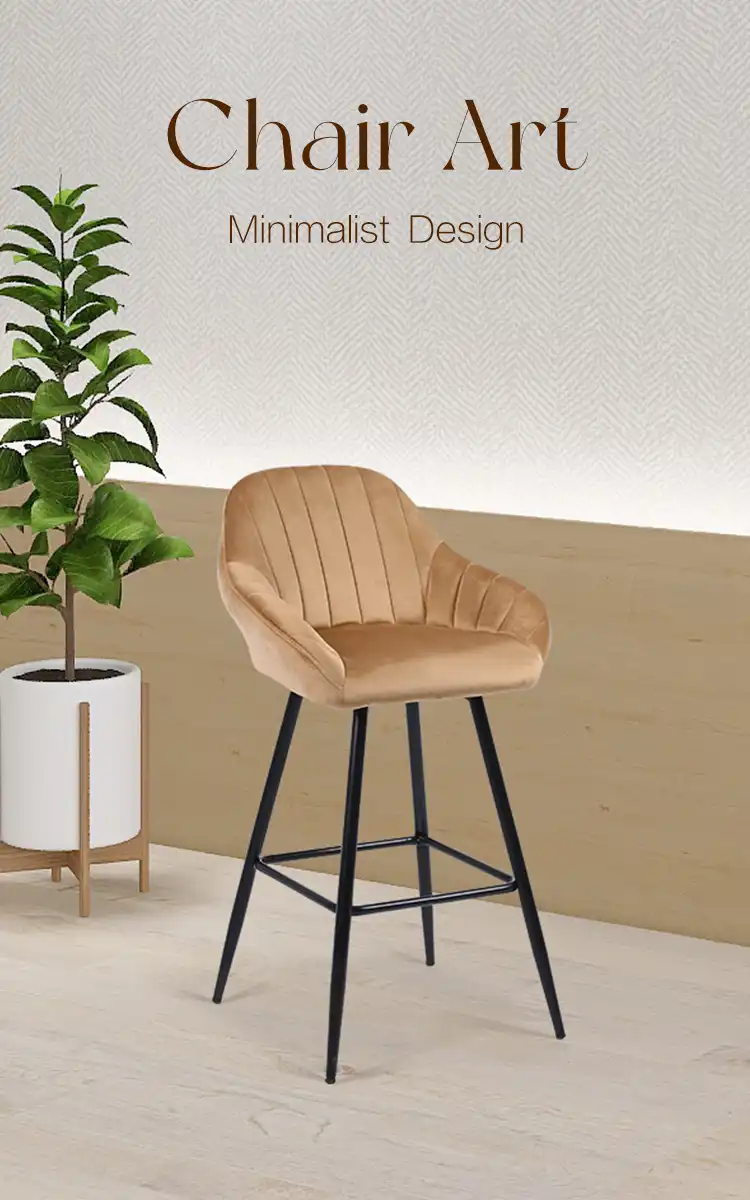
There is a special kind of raised stool called a velvet mustard yellow counter stool. The seat is usually 24 to 26 inches high, and it's made to fit comfortably on normal kitchen tables or bar areas that are 36 inches high. The defining features mix the unique optical qualities of mustard yellow, which is a muted, warm ochre-to-gold color, with the unique texture of velvet furniture, which is made of cut-pile fabric that absorbs and reflects light in different ways based on the direction of the pile.
Material Composition and Construction Quality
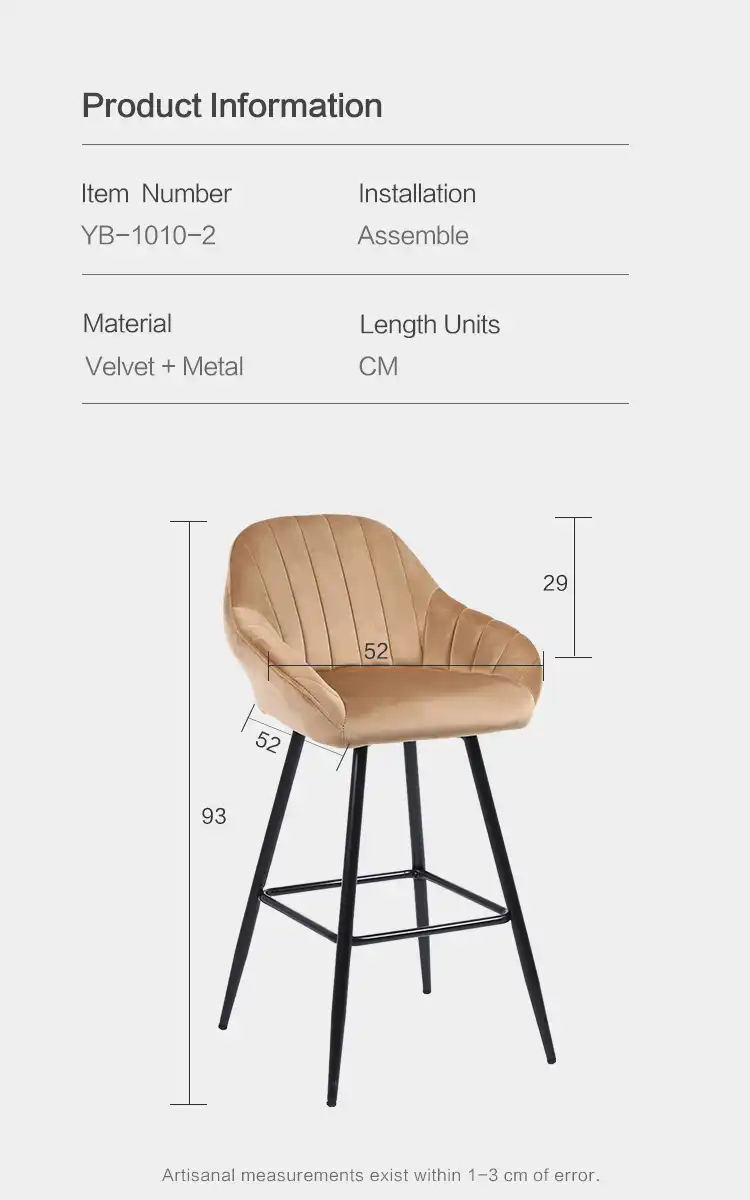
Our bar stools at Anji Yibo Furniture Co., Ltd. are made with regular velvet fabric and regular sponge padding to get the best of both comfort and price. The fabric goes around a strong solid wood frame, and the black spray-on cross-iron feet give it support and a modern look. This building can hold up to 330 pounds (150 kg), which is the weight limit for commercial-grade sturdiness. The 20-inch seat width provides enough comfort without taking up too much space, making it a good choice for places where getting as many seats as possible is important. The 36-inch height requirement makes sure that the chair is properly aligned ergonomically, which reduces strain during long periods of sitting. This is an important factor to consider in hospitality settings where guest comfort directly affects happiness rates.
Why Mustard Yellow Works in Commercial Design
According to studies in color psychology, velvet mustard yellow counter stools makes people feel happy, creative, and warm without being as harsh to the eyes as brighter primary yellows. This makes it very useful in business settings where the mood affects how customers act and how productive employees are. As a chromatic base, the color breaks up the visual tedium of mostly gray or white modern furnishings, which are popular in modern design. Neon or primary colors can make a room look too busy, but mustard yellow adds visual interest without being too fancy. It has been shown that this color's unique wavelength can make people hungrier in restaurants and more willing to work together in offices.
Velvet Versus Alternative Upholstery Materials
When it comes to business uses, velvet has clear benefits over leather and synthetic options. The fabric's thick pile structure reduces noise better than other fabrics when it comes to hard surfaces, since it absorbs sound waves instead of returning them. This feature is very useful in places like bars, shops, and open-plan offices where noise control affects the whole experience. Velvet also gives off an air of luxury that is higher than its real cost, which lets places project an upscale image without charging more. The natural flexibility of the material makes it more comfortable to sit on for long periods of time than leather. Simple maintenance rules say that regular vacuuming with furniture tools gets rid of surface dirt and grime, and spot cleaning with light soap works well for spills in busy business settings.
How to Choose the Perfect Velvet Mustard Yellow Counter Stool for Your Business
To buy the right velvet mustard yellow counter stool for a business, you need to carefully consider a lot of different technical and practical factors. The choice process needs to take into account things like brand harmony, space limitations, and ergonomic needs.
Ergonomic Standards and Functional Features
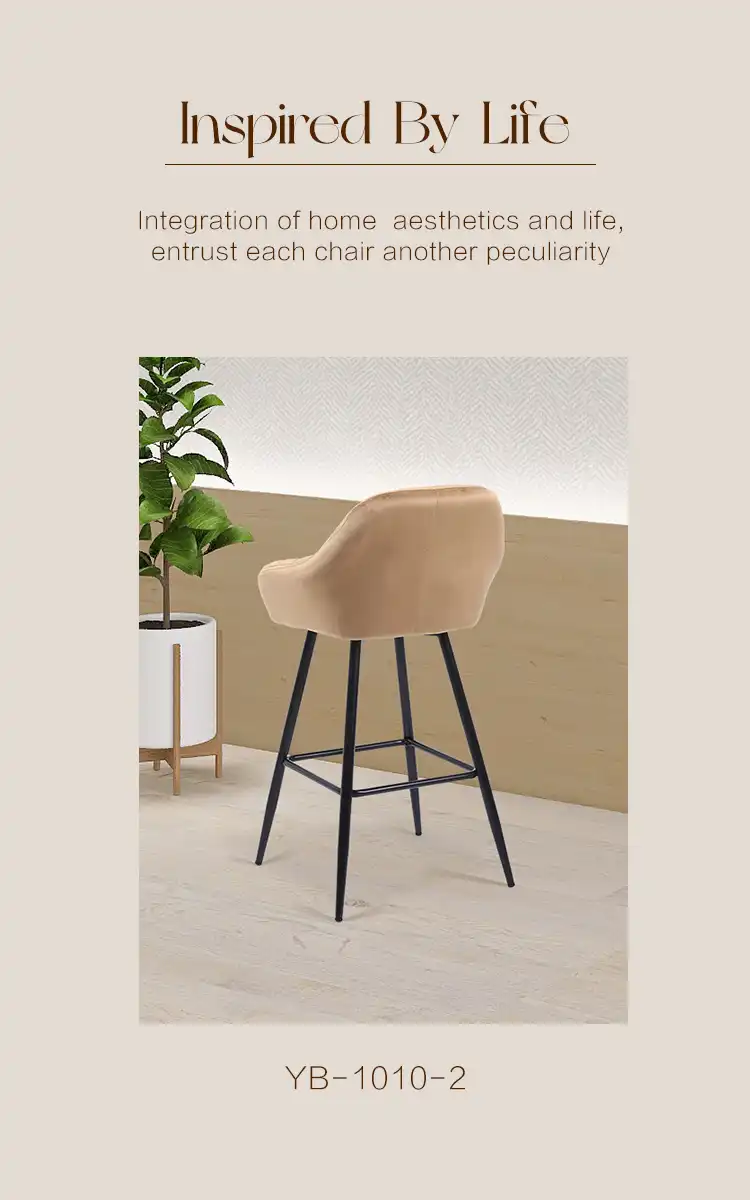
The comfort of users and the safety of the place are directly affected by good mechanical design. When people sit down on counter stools, their feet should be able to rest easily on footrests or the floor, and their thighs should be level with the ground. This can be done with our YB-1010-2 type because it is 36 inches tall and fits normal 36-inch counters, leaving about 10 inches of space. Backrests have a big effect on how comfortable long-term sitting is. Places where people stay for meals or long talks should use backed models, while places with a lot of people moving around should use backless models for ease of movement. Swivel mechanisms make things easier to use, but they also make the mechanism more complicated and add possible failure points. Fixed models, like ours, are more reliable over time, especially in business settings where repair resources are limited.
Material Selection Across Commercial Environments
Different types of venues have different needs when it comes to sitting materials. Visual effect and tactile luxury are important in hospitality settings like drink bars and high-end restaurants. This makes velvet furniture perfect, even though it needs more careful maintenance. The velvet mustard yellow counter stools’ mustard yellow color hides small stains better than lighter colors while still looking warm. Having a welcoming look in a store can get people to stay longer, which could lead to higher purchase values. The color's ability to boost imagination can be used in the office, and the color's ability to block out noise can help with open-plan plans. Our standard velvet cloth quality is durable enough for moderate-traffic business use while still keeping costs low, which is important for buying in bulk.
Balancing Budget with Quality in Volume Orders
When you buy in bulk, you save money not only on the unit price, but also on the total cost of ownership, which includes shipping, assembly, replacement rates, and upkeep. Our space-saving packaging—two pieces per box, each 73 x 39 x 63 cm and containing 0.179 cubic meters of space—makes the best use of containers and lowers the cost of shipping goods internationally. With a net weight of 10.9 kg per unit (12.9 kg gross), it strikes a good mix between structural strength and shipping economy. Few parts need to be put together, which saves money on installation labor costs when furnishing big settings. The strong wood frame construction makes it last longer than cheaper particle board options, so you won't have to replace it as often over the course of several years of use. When comparing suppliers, people who work in procurement should look at cost-per-use measures instead of just the initial buy price.
Styling and Integrating Velvet Mustard Yellow Counter Stools into Modern Spaces
When used strategically, velvet mustard yellow counter stool seating changes the look of business spaces by providing focal spots that support brand identity while also being useful. The psychological effect goes beyond just looks; it also changes how customers act and how they see space.
Color Psychology in Professional Settings
There are psychological links between mustard yellow and kindness, friendliness, and creative energy. Environmental psychology research shows that warm color choices make the temperature seem 2-3 degrees warmer than it really is. This means that places can save money on heating costs while still making people feel comfortable. The exact saturation level of mustard yellow keeps it from feeling too clinical like pale yellows do and too intense like rich golds do. Because of this balance, it can be used in a wide range of business settings, from small hotels to company break-out rooms. The color also pictures very well in a variety of lighting conditions, making it easier to share on social media—an issue that becomes more important as more people write about their experiences online.
Design Integration Strategies for Commercial Venues
For integration to work, the stool's color needs to match other things in the room. When you pair velvet mustard yellow counter stools with navy blue, charcoal gray, or white, you get modern differences that make the seats stand out as design statements. Putting these stools at marble or dark wood tables in a restaurant or bar creates a beautiful visual tension between the warm cloth and the cool surfaces. Our model's black spraying cross iron feet give it a solid look that goes with industrial design elements like metal shelving or open pipes. Adding terracotta, sage green, or burnt orange to nearby fabrics or wall coverings in complementary color schemes can help make rooms look like they belong together. Lighting is very important. Warm LED lighting at 2700–3000K makes the velvet look deeper and more rich, while cooler lighting can make the mustard tone look muddy.
Real-World Implementation Examples
A small hotel in Portland put 24 mustard yellow counter stools in the bar area in the entrance. They paired them with reclaimed wood tables and brass light fixtures. The design team said that the seats became a signature feature that guests specifically mentioned in reviews. This helped the lobby bar make 15% more money over six months. A co-working space in Austin put similar chairs at high-top collaboration tables and found that members picked these areas for creative brainstorming sessions more than others. This proves that color does have a psychological effect on the energy of working together. These examples show that carefully choosing the right seating elements can have measured business benefits above and beyond their basic usefulness.
Procurement Guide: Where and How to Buy Velvet Mustard Yellow Counter Stools
To effectively buy velvet mustard yellow counter stool units through business-to-business (B2B) channels, you need to know how to deal with suppliers, follow quality control procedures, and make changes while keeping an eye on your budget and delivery dates.
Evaluating Suppliers and Manufacturing Partners
When evaluating possible suppliers, procurement workers should give more weight to producers who have a history of exporting and the ability to produce large amounts. The Anji Yibo Furniture Co., Ltd. factory is over 6,000 square meters and is in Anji, Zhejiang, which is known as China's "chair capital." They have been making bar stools and eating chairs for 14 years. This regional concentration has benefits for the ecosystem, such as trained workers, suppliers of specialized parts, and transportation systems that are best for exporting furniture. Manufacturing partners should show that they have quality control systems that meet international standards, that they communicate clearly throughout the production process, and that they can keep enough capacity to fill orders at the container level with consistent specs. Before placing big orders, you can make sure that the plant can produce what you want by visiting the site or having a third party do an audit.
Bulk Order Considerations and Customization Options
When buying a lot of something, ordering at the container level usually saves the most money when specific production runs are needed. Our normal packaging allows about 150 units per 20-foot container, but the exact number depends on the type. Buyers who buy a lot of things should discuss terms that include payment schedules, quality inspection places, and ways to fix problems when specifications aren't met, such as for velvet mustard yellow counter stools. Customization is important for OEM and ODM clients who need to change materials, colors, sizes, or packages to fit the needs of local markets or their own private label plans. Our skilled R&D team helps with sample production based on what the client wants, so that improvements can be made over and over again before committing to full production. Customization usually takes between 4 and 6 weeks for sample approval and another 6 to 8 weeks for production and shipping. This means that procurement managers have to plan their inventory needs accordingly.
Quality Assurance and Supplier Verification
Systematic testing methods are needed to lower the quality risks that come with foreign purchasing. By asking for pre-production models, you can see how the materials, building quality, and finish meet your standards before you approve full orders. Specification sheets should include all the information that can be measured, like sizes, weight limits, material sources, and end standards. Third-party inspection services can compare packages to specs before they leave, finding problems early enough to fix them. Suppliers should show certificates that show they meet the needs of the final market. For example, in the U.S. market, this could mean CARB Phase 2 certification for formaldehyde emissions or ANSI/BIFMA standards for the performance of business furniture. Setting clear communication rules, such as reaction time promises, makes sure that problems are dealt with quickly during the procurement cycle.
Conclusion
The velvet mustard yellow counter stool combines a sophisticated look with business-savvy functionality that meets real operating needs in retail, workplace, and leisure settings. When color psychology, material qualities, and ergonomic design work together in a certain way, they create measured value through better customer experiences, better sound quality, and brand differentiation. Finding the right balance between beginning cost and total ownership value is key to successful procurement. You should also look at suppliers' production skills and export experience, and you should know how to customize goods to meet the needs of particular markets. As business spaces continue to change toward designs that put people first along with operational efficiency, carefully chosen seating elements like these stools stop being things that are bought as a matter of course and become investments.
FAQ
1. How do I maintain velvet counter stools in high-traffic commercial environments?
Regular care includes cleaning once a week with furniture tools that have adjustable suction to get rid of dirt and dust on the surface without hurting the structure of the pile. Spot cleaning spills right away with a light detergent solution and pressing motions stops stains from setting. Professional steam cleaning every 6 to 12 months, based on how much traffic there is, returns the pile's look and gets rid of particles that are embedded in it. Don't use strong chemicals or too much water, as they can damage backing materials. By rotating your stools every so often, you can make sure that they all get the same amount of use.
2. What is the expected lifespan of velvet upholstery in commercial use?
If you take care of normal velvet upholstery the right way, it should look good for three to five years in business settings with mild traffic. In places with a lot of foot traffic, furniture may wear out faster and need to be replaced or reupholstered after two to three years. The strong wood frame makes the product last longer than just the upholstery. This means that reupholstering is a cost-effective way for places to increase the value of their assets.
3. Can the mustard yellow color be customized to match specific brand palettes?
One of our OEM/ODM services is color customization to meet the needs of each client's business. The R&D team can match color examples that are given, but for custom color runs, there are usually minimum order amounts. Before committing to full production, sample review methods make sure that the colors are correct.
Partner with YIBO for Your Velvet Counter Stool Procurement Needs
You can trust YIBO as a velvet mustard yellow counter stool maker because they can do everything from design to production to shipping around the world. Our 14-year focus on making chairs at our Anji plant gives us the production consistency and export knowledge that foreign buyers need. We are the manufacturing partner your supply chain needs because we offer affordable container-level prices, excellent ergonomic design, and the ability to customize products through OEM/ODM. Our experienced sales team answers all of your questions within 24 hours and helps you make a choice faster by giving you technical details, bulk prices, and sample arrangements. You can email our team at yb@ajyibo.com to get our full catalog, talk about your specific project needs, and get personalized quotes that show the value of working with a well-known supplier that values quality, dependability, and open communication in long-term business relationships.
References
1. Chen, L., & Wang, M. (2021). Color Psychology in Commercial Interior Design: Impact on Consumer Behavior. Journal of Environmental Design Studies, 15(3), 112-128.
2. Morrison, R. (2022). Textile Performance in Hospitality Environments: Comparative Analysis of Upholstery Materials. International Furniture Research Quarterly, 28(2), 45-67.
3. Zhang, H., & Liu, X. (2020). Ergonomic Standards for Commercial Seating: A Comprehensive Guide for Procurement Professionals. Contract Furnishings Review, 19(4), 88-105.
4. Anderson, K. (2023). Sustainable Procurement Strategies in the Furniture Industry: Best Practices for B2B Buyers. Global Supply Chain Management Review, 31(1), 34-52.
5. Taylor, S., & Brown, J. (2022). Acoustic Properties of Upholstered Furniture in Open-Plan Commercial Spaces. Building Acoustics Research Journal, 12(2), 156-174.
6. Williams, P. (2021). Color Trends in Hospitality Design 2020-2025: Market Analysis and Forecasting. Interior Design Business Magazine, 24(6), 72-89.