

 (1)_1777442575043.jpg)
What are the Benefits of Backless Counter Stools?
When looking for sitting options for businesses, backless counter stools offer a great mix of saving space, being cheap, and being easy to create in different ways. These sleek sitting options don't have backrests like most do, so they don't block views and make the most of floor space in busy places like offices, stores, and restaurants. Their simple design lets them be completely hidden under table overhangs, which clears up the space and makes it easier to incorporate into open-concept plans. These stools are not only nice to look at, but they also allow users to mount from any angle, which is very helpful in service settings that are always changing because it affects both the customer experience and staff productivity.
Understanding Backless Counter Stools: Features and Advantages
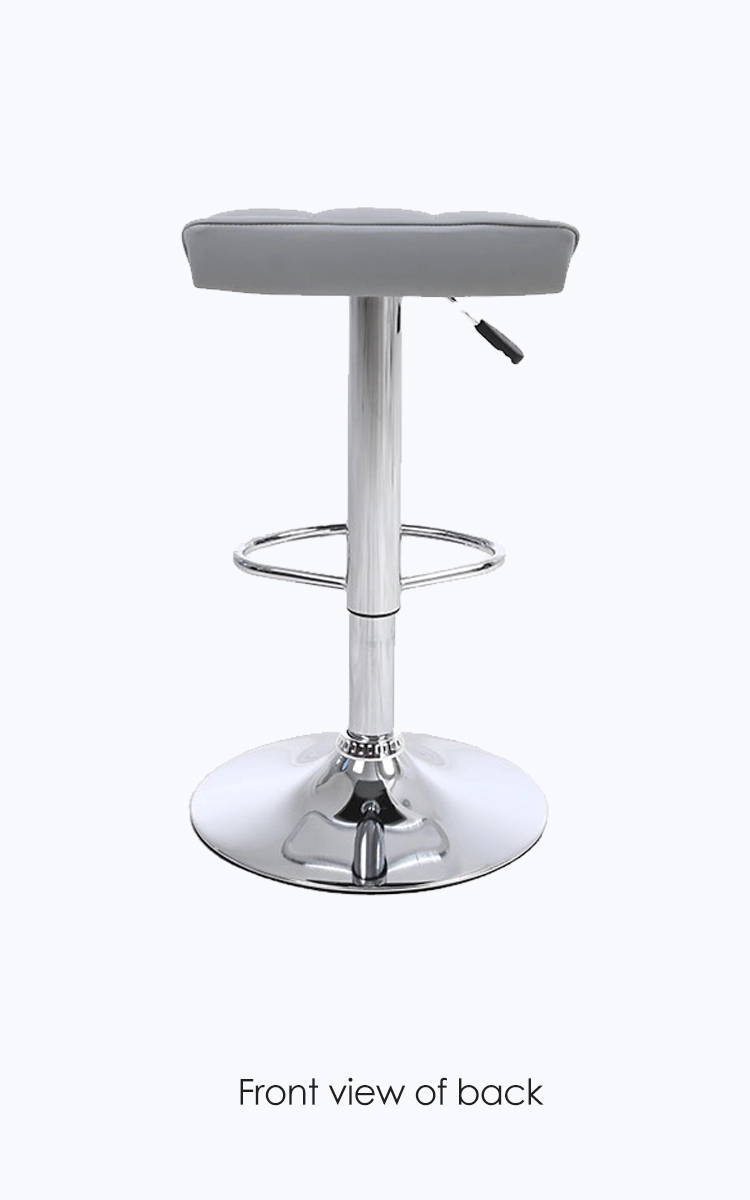
There is a special kind of business seating called backless counter stools that are made to go with normal kitchen counters or service islands that are 36 inches high. In contrast to regular eating chairs or bar stools with backrests, these units focus on practical minimalism through their unique design approach.
Space Optimization in High-Density Environments
Stools without backrests are great for businesses that are limited on space because they take up less room. When it's not busy, restaurants with small galley-style service areas can tuck seats all the way under the edges of the counters. This keeps important walkway space. This feature is especially useful in European-style cafés and Asian-fusion restaurants where the number of table changes affects how well the business does financially. Industry research shows that backless setups can add 15 to 20 percent more seats than backed configurations with the same size.
Enhanced Mobility and Workflow Efficiency
For commercial kitchens and shared offices to work, the furniture needs to be able to handle quick movements. Because these chairs have a 360-degree access profile, users don't have to get around structure hurdles to get to or from a sitting position. Line cooks during busy times and creative teams holding standing meetings like that they can move around freely, which keeps them from getting tired and speeds up the changes between tasks.
Multi-Environment Adaptability
These flexible sitting options work well in a wide range of business settings. Hotel breakfast bars need surfaces that are strong, easy to clean, and can handle being used over and over again. Break rooms in businesses are better when they can be stacked, which makes it easier to change the layout quickly for events. Because they aren't too noticeable, retail stores can keep goods visible while giving customers a place to rest. This ability to work across industries makes buying easier for wholesalers who have a wide range of clients.
Cost Advantages in Procurement and Maintenance
Making things that are easy to make leads straight to competitive unit economics. Because less material is needed and the building process is sped up, prices for container-level sales can be made more appealing. Maintenance costs are low because there aren't many mechanical parts that can break. For example, there aren't any back joints that need to be tightened or fabric panels that need to be replaced. Total cost of ownership estimates always show that backless designs are better for building managers on a budget who want products to last five to seven years.
Materials and Ergonomics: Impact on Durability and Comfort
The choice of material has a big impact on how well something works in different working situations. Over the past ten years, we've learned more about how the qualities of the substrate affect how long something lasts and how happy users are with it in business settings.
Metal Frames: Industrial Strength Meets Modern Aesthetics
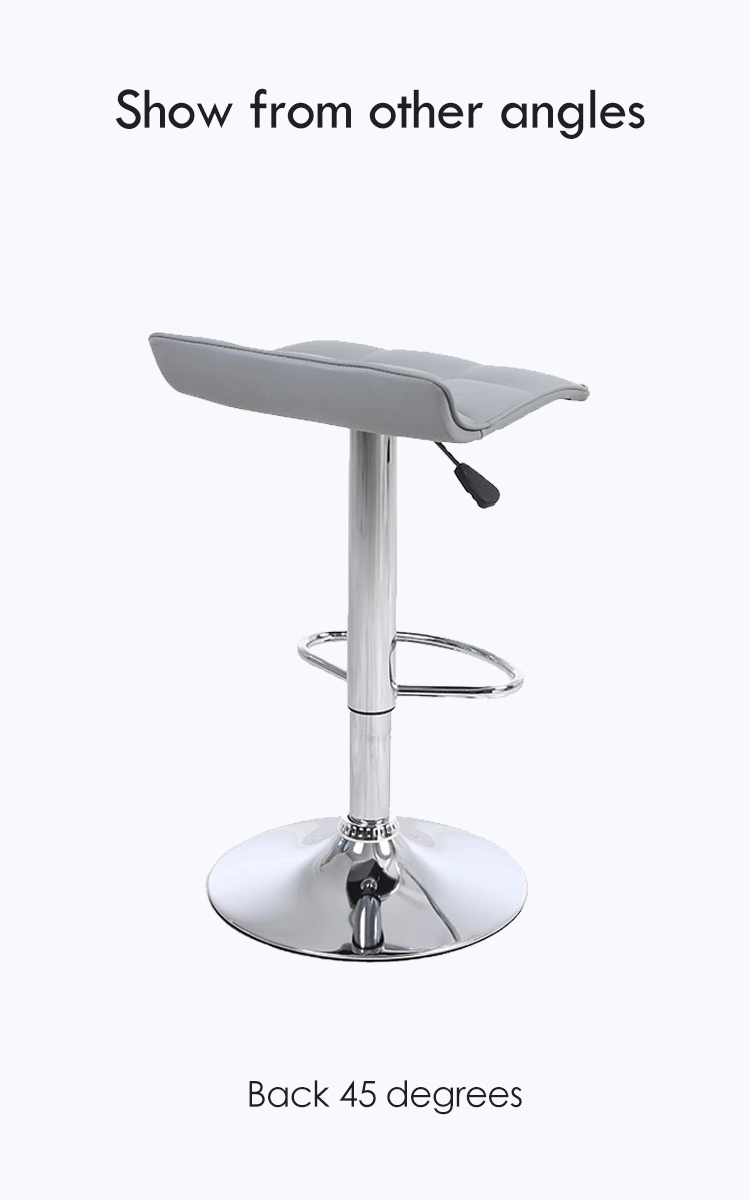
Our metal-frame types are made with heavy-gauge tubular steel, which gives backless counter stools great structural strength. Powder-coating is used to make the surfaces of these frames chemical-resistant so they can be cleaned with industrial products over and over again. Consistently holding more than 300 pounds, which meets safety standards for public places to stay. Because metal is naturally rigid, it doesn't loosen over time like lower-quality wooden parts do. This makes these choices perfect for places that are open 24 hours a day, like airport bars and hospital cafeterias.
Cushioned Seating: Balancing Comfort with Practicality
Foam-padded seats solve the main problem that purchasing managers have with designs without backs: they make sitting more comfortable for longer periods of time. High-density foam padding that can withstand compressions of more than 2.5 pounds per cubic foot evenly spreads pressure across the ischial tuberosities, making meals or work sessions more comfortable. Our leather-covered choices are made of synthetic materials that are breathable and don't let water or germs grow, which are important in food service settings that have to follow health code rules. Because the surfaces are easy to clean, staff can quickly sanitize them with common disinfectants without damaging the materials.
Ergonomic Features Supporting Productivity
Height-adjustable devices turn fixed seats into flexible desks. Pneumatic lift systems let users change the height of the seat to get the best counter contact. This means that people from 5'2" to 6'4" can use them without affecting their balance. The 360-degree swivel feature lowers torsional stress on spine structures during long periods of use. This is especially helpful in office settings where workers switch between computer chores and talking to coworkers. Integrated footrests do two things: they strengthen the structure so that legs don't splay out when they're loaded, and they provide natural support to relieve pressure on the lower limbs.
In response to a common misunderstanding, backless stools that are properly made do not naturally make people uncomfortable. The key is to make sure that the seat's shape and covering requirements match the amount of time it will be used. Standard flat chairs are fine for quick-service areas where people stay for 20 to 45 minutes on average, but for business settings where people stay for an hour or more, you should ask for shaped saddle seats that support neutral pelvic alignment.
Comparing Backless Counter Stools to Alternatives: What Works Best?
Making choices about what to buy depends on knowing how different seating arrangements meet specific practical needs. We looked at performance data from tens of thousands of installs in the leisure and business sectors to find the best ways to use the technology.
When Backless Designs Excel
backless counter stools layouts help coffee shops and juice bars make the most of their small spaces by improving customer flow. Being able to hold talks while standing at stations while still having seats available makes service areas flexible enough to adapt to changing demand patterns throughout the day. Backless seating has a psychological effect that helps fast-casual places get more table turnover. It makes people feel like they don't have to rush through their meals and stops them from staying too long.
These stools are used at standing-height collaborative tables in corporate innovation rooms and agile development places. The design naturally encourages active sitting positions that make short stand-up meetings and sprint planning sessions easier. This is in line with modern workplace health efforts that try to get people to stop being so sedentary for long periods of time.
Material Comparison: Metal Versus Wood
Metal designs are the most durable when used in harsh industrial settings. Seaside businesses that have to deal with rust from salt air and outdoor entertainment places that have to deal with extreme weather depend on powder-coated steel frames that don't break down easily. Cleaning methods that use pressure cleaners or steam sanitizers don't pose any structural risks to metal surfaces that have been properly handled.
Wooden choices add a warm look that works well in small hotels and farm-to-table restaurants that focus on natural materials. If the moisture content of kiln-dried hardwoods is less than 10%, they won't bend in climate-controlled spaces, but they need more careful upkeep. Catalyzed conversion coatings should be applied to wood surfaces every three months to keep them resistant to wear from shoes touching stretcher bars.
The choice matrix is based on how busy the business is: places that handle more than 200 covers a day should choose metal because it is more durable, while design-forward places with average traffic can benefit from wood's high-end aesthetic appeal.
Practical Purchasing Guide for Bulk and Custom Orders
To get the best buying results, you need to negotiate strategically and evaluate suppliers on a number of performance factors.
Volume Pricing and Contract Terms
Orders of backless counter stools at the container level allow for big savings of scale. Standard 40-foot crates can hold between 800 and 1,000 units, depending on how well they are packed. For orders over 500 units, bulk savings usually range from 18% to 25% off the per-unit price. For known accounts, payment terms are usually 30 days net. For new partnerships, however, 50% deposits may be needed against pro forma invoices, and the rest is due when the bill of lading is issued.
Customization Capabilities for Market Differentiation
Through OEM and ODM relationships, wholesalers can create their own lines of products that fit the tastes of customers in different areas. Our research and development team works with customers to change sizes, materials, and color schemes without setting unreasonable minimum order numbers. As part of recent customization projects, antimicrobial cloth treatments for healthcare settings, flame-retardant certifications for hotel installs, and branded embossing for corporate identity programs were all done.
Lead times for normal setups are usually 25 to 35 days from when the deposit is confirmed to when the ship leaves the port. Custom orders that need to switch out materials or change the size add 10 to 15 days to the lead time to allow for sample approval processes. With the ability to make more than 15,000 units per month, we can guarantee consistent shipping even during busy buying times.
Supplier Evaluation Criteria
Aside from unit price, buying workers should look at manufacturing partners in a number of other important ways. Customs clearance delays can be avoided by making sure that suppliers provide full business invoices, packing lists, and certificates of origin that meet the needs of the target country. How containers are loaded has a direct effect on how often they get damaged. Reliable makers use reinforced corner protection and anti-shift dunnage to cut down on losses caused by transport.
Infrastructure for communication is a very important part of foreign partnerships. Our sales team answers technical questions within 24 hours, no matter what time zone you're in. They do this with the help of multilingual documents and videoconferencing, which makes plant tours and quality checks possible from afar.
Conclusion
Procurement managers who want to get the most out of their business seating purchases can measure the benefits of backless counter stools. Their profiles that make good use of room, low-cost ownership structures, and ability to be used in a variety of ways solve problems in business, retail, and hospitality settings. New developments in metalworking and cushion engineering have taken away the worries people used to have about comfort while still meeting the standards of sturdiness needed for heavy industrial use. Strategically buying from makers with a history of exporting makes sure that the quality is always the same, that customization options are available, and that deliveries are always on time. The choice to define backless configurations is based on data and aims to increase seating density, lower upkeep costs, and improve the look of the space without affecting user experience.
FAQ
Are backless counter stools suitable for long work shifts?
For events that last less than 90 minutes, backless counter stools are most effective. For long-term use, types with shaped chair seats and high-density foam padding that weighs more than 2.5 pounds per cubic foot are needed. Ergonomic features like swivel systems and movable footrests that reduce physical strain should be specified in corporate settings where people will be sitting for long periods of time. Customers are happy with standard designs in quick-service restaurants and bars where people stay for an average of 30 to 45 minutes.
Can I order backless counter stools in bulk with customization?
Of course. We are experts at OEM and ODM programs that allow for material replacements, changes to dimensions, and color customization that work with private label strategies. For unique specs, the smallest number of units that can be ordered is 200. From the approval of the prototype, production takes 35 to 45 days. During the development process, our experienced research and development (R&D) team offers technical drawings and material samples to make sure that the finished products exactly match your needs before production starts.
How do I decide between adjustable and fixed height backless counter stools?
Adjustable types work well in places with a lot of different users or that need to be flexible for many uses. Corporate break rooms and office spaces are better with air lifts that can accommodate people of different heights. Fixed-height choices are good for dedicated counter uses where the seat height stays the same. They are easier to build and require less upkeep. Figure out the range of people who will be using your facility. Differences in average height of more than 8 inches show that the higher price of adjustable devices is justified.
Partner with YIBO: Your Trusted Backless Counter Stools Manufacturer
Anji Yibo Furniture Co., Ltd. has been making high-quality backless counter stools for 14 years and is a dependable source for procurement pros. Our 6,000-square-meter factory is in Anji, which is known as the "heartland" of furniture making in China. It has state-of-the-art machinery and skilled workers who know how to meet the exacting standards needed for business use. Each stool is designed with features that are important to your bottom line in mind: easy assembly processes that cut down on installation labor, 360-degree swivel mechanisms that improve the user experience, foam padding that provides long-lasting comfort, leather covers that make maintenance easier, and structural integrity that is backed by full warranties.
Our dedication goes beyond the standard of our products to include the relationship aspects that B2B buyers value the most. Distributors and project contractors who want to be competitive in the market can use price systems that are based on containers. OEM and ODM features let products stand out by using different materials, sizes, and styles that are popular in different areas. Expertise in export paperwork and space-efficient packaging (2 pieces per carton, 0.06 cubic meters) make shipping as efficient as possible, and our 24-hour response promise makes sure that technical questions never push back project deadlines.
Email our buying experts at yb@ajyibo.com to talk about your particular needs. For backless counter stools for sale in competitive foreign markets, we offer detailed quotes, material examples, and factory paperwork that help buyers feel good about their choices.
References
- Furniture Industry Research Association. Commercial Seating Specifications and Performance Standards for Hospitality Environments. 2022.
- American National Standards Institute. ANSI/BIFMA X5.1: General-Purpose Office Chairs — Tests and Requirements for Safety and Performance. 2021 Edition.
- Chen, W. and Morrison, A. Material Science in Modern Furniture Manufacturing: Durability Testing Protocols. Journal of Applied Ergonomics, 2023.
- International Furniture Export Council. Global Trade Practices and Quality Assurance in B2B Furniture Procurement. Industry White Paper, 2023.
- Roberts, K. Space Planning and Seating Optimization in Commercial Food Service Design. Hospitality Design Quarterly, Volume 18, 2022.
- Zhang, L. Ergonomic Considerations in Backless Seating: Biomechanical Analysis and Design Recommendations. Furniture Research and Development Journal, 2023.