

 (1)_1777442575043.jpg)
What is an accent chair?
Picture this: You walk into your living room and something feels incomplete. The sofa is there, the coffee table is positioned perfectly, but there's an empty corner that seems to be crying out for attention. You want extra seating for guests, but you also crave a piece that adds personality and visual excitement to your space. This is exactly where an accent chair becomes your interior design solution. An accent chair is a decorative, standalone seating piece designed to add visual interest, extra seating, and a pop of style to any room. Unlike matching furniture sets, these versatile chairs stand out intentionally, creating focal points that transform ordinary spaces into thoughtfully curated environments.
Understanding the Purpose and Definition of Accent Chairs
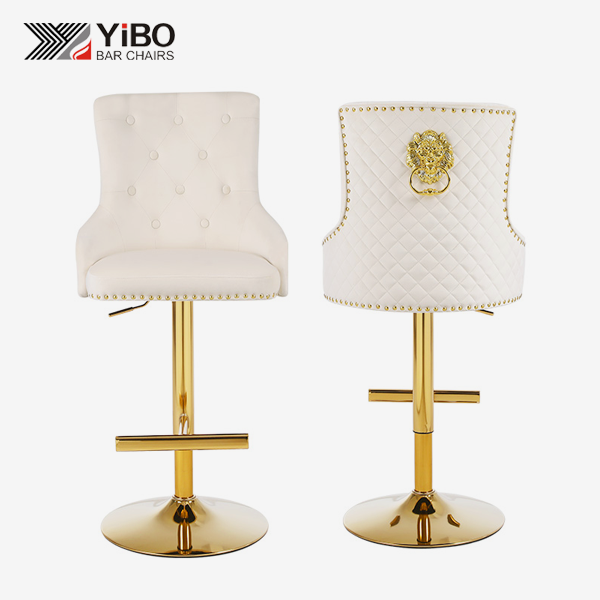
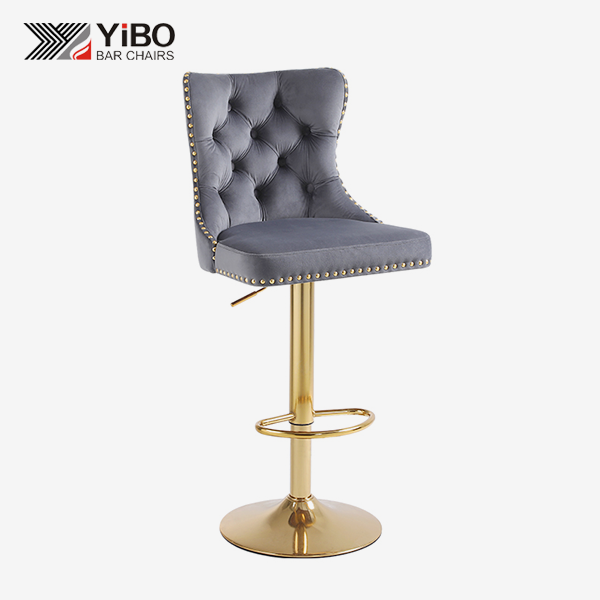
The accent chair has evolved from its historical roots as an "occasional chair" used in aristocratic homes to become an essential element in contemporary interior design. These single-seat chairs are intentionally independent from other furniture pieces, allowing them to pull focus and create visual excitement within a space. The fundamental purpose of an accent chair extends beyond mere functionality; it serves as both a practical seating solution and a decorative statement piece that reflects your personal style and enhances the overall ambiance of your room. When considering what makes a chair an accent chair, several defining characteristics emerge. First and foremost, these chairs are designed to complement rather than match your existing furniture. A velvet accent chair placed alongside a leather sofa creates an appealing textural contrast that adds depth and sophistication to your living space. The chair's smaller scale compared to standard sofas or sectionals makes it versatile enough to fit into various room configurations without overwhelming the space. This deliberate design approach allows homeowners to introduce bold colors, unique patterns, or luxurious materials that might be too overwhelming on larger furniture pieces. The beauty of the accent chair lies in its flexibility and adaptability. Unlike traditional furniture sets where every piece coordinates perfectly, an accent chair gives you creative freedom to express your personality and experiment with different design elements. Whether you're drawn to mid-century modern aesthetics, contemporary minimalism, or classic elegance, there's an accent chair style that aligns with your vision. The velvet accent chair, in particular, has gained tremendous popularity in recent years due to its luxurious texture, rich color options, and ability to elevate any interior from ordinary to extraordinary.
-
The Versatility of Accent Chair Placement
One of the most compelling advantages of incorporating an accent chair into your home is its remarkable versatility in placement and function. These chairs can seamlessly transition between different rooms and purposes, making them incredibly practical investments. In living rooms, an accent chair can be positioned opposite your sofa to encourage face-to-face conversation during gatherings, or placed beside a window to create an intimate reading nook bathed in natural light. The strategic placement of a velvet accent chair near a fireplace transforms that area into a cozy retreat perfect for relaxing with a book on cold evenings. Bedrooms benefit enormously from the addition of an accent chair, providing a comfortable spot for putting on shoes, reading before sleep, or simply having a dedicated space for reflection and relaxation. In home offices, these chairs offer an alternative seating option that breaks away from the rigidity of desk chairs, creating a more relaxed environment for phone calls or brainstorming sessions. The accent chair's mobility and compact design mean you can easily reposition it as your needs change or when you want to refresh your room's layout without major renovations. The ability to place an accent chair in virtually any room extends to often-overlooked spaces as well. That awkward corner in your hallway, the empty space beside your bookshelf, or the area between your dresser and closet can all be transformed into functional and attractive spots with the right accent chair. This versatility makes the investment worthwhile, as you're not limited to using the chair in just one location. A beautifully crafted velvet accent chair can move from your living room to your bedroom to your study, adapting to your changing needs while consistently adding style and comfort wherever it resides.
Exploring Different Styles and Types of Accent Chairs
The world of accent chairs encompasses an impressive array of styles, each offering unique aesthetic qualities and functional benefits. Understanding these different types helps you make informed decisions that align with your space requirements and design preferences. Wingback chairs, characterized by their tall backs and distinctive winged sides, bring classic elegance and timeless sophistication to traditional interiors. These chairs have graced homes since the seventeenth century and continue to be popular choices for those seeking a touch of historical charm combined with contemporary comfort. Mid-century modern accent chairs feature clean lines, organic shapes, and a minimalist approach that appeals to those who appreciate retro aesthetics with modern functionality. These chairs often incorporate wooden legs, geometric forms, and neutral or bold solid colors that make them versatile enough to complement various interior styles. For those seeking ultimate comfort, lounge chairs with deep seats, thick cushioning, and generous proportions create inviting spaces perfect for extended relaxation, movie watching, or entertaining guests who plan to stay awhile. The velvet accent chair deserves special attention as one of the most sought-after styles in contemporary furniture design. Velvet upholstery brings an immediate sense of luxury, warmth, and visual richness to any space. The fabric's characteristic soft texture and light-reflecting properties create depth and dimension that flat fabrics cannot match. Available in stunning colors ranging from deep navy and emerald green to soft blush and sophisticated charcoal, velvet accent chairs allow homeowners to introduce rich, saturated hues that serve as striking focal points within their rooms.
-
Material Choices That Define Your Accent Chair Experience
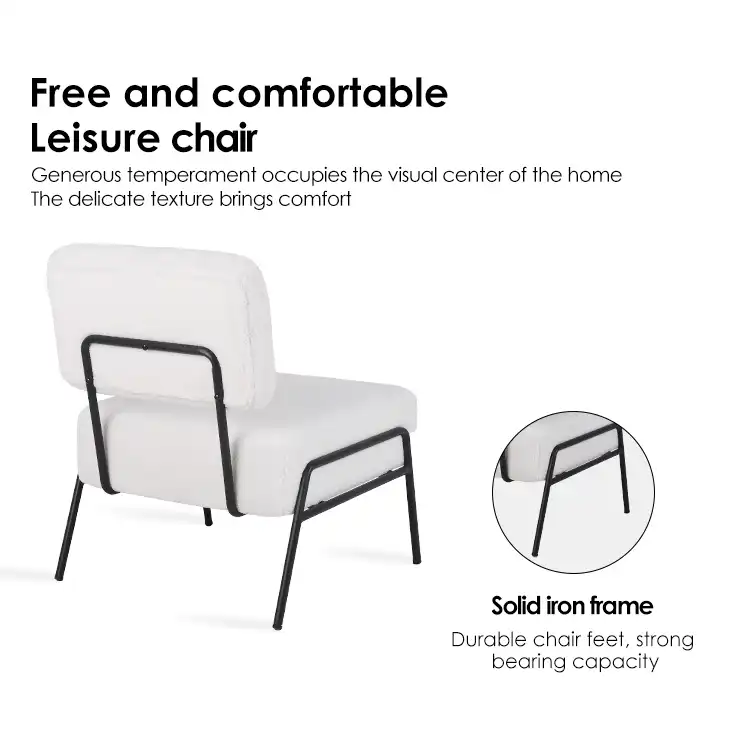
The materials used in accent chair construction significantly impact both the chair's aesthetic appeal and its practical longevity. Premium velvet upholstery, such as the luxurious fabrics used in high-quality manufacturing, offers unparalleled softness and visual appeal. This material works exceptionally well in spaces where the chair serves primarily decorative purposes or occasional use, as velvet requires more careful maintenance than some alternatives. However, the elegance and comfort it provides make it worth the extra care for many homeowners seeking to create sophisticated interiors. Metal frames, particularly iron or steel constructions, provide robust structural support while contributing to contemporary or industrial design aesthetics. These frames offer excellent durability and weight capacity, ensuring your accent chair remains stable and secure through years of use. The combination of metal framing with velvet upholstery creates an appealing contrast between industrial strength and luxurious softness, resulting in chairs that are both beautiful and built to last. This pairing has become increasingly popular in modern interior design, bridging the gap between utilitarian construction and refined elegance. Wooden frames and legs bring natural warmth and organic beauty to accent chair designs, particularly suited to traditional, rustic, or Scandinavian-inspired interiors. Different wood finishes from light maple to rich walnut allow for customization that harmonizes with existing furniture pieces. When evaluating accent chair materials, consider factors such as the chair's intended use frequency, the presence of children or pets in your home, your climate conditions, and your willingness to perform regular maintenance. A velvet accent chair with a sturdy metal frame represents an ideal combination of luxury aesthetics and practical durability for most residential settings.
Selecting the Perfect Accent Chair for Your Space
Choosing the right accent chair requires thoughtful consideration of multiple factors that ensure the piece enhances rather than disrupts your existing interior design. Begin by evaluating your room's current color palette and identifying opportunities for either complementary harmony or intentional contrast. If your space features predominantly neutral tones in beige, gray, or white, a boldly colored velvet accent chair in navy, emerald, or burgundy creates an eye-catching focal point that energizes the entire room. Conversely, if your existing furniture already incorporates strong colors or patterns, selecting an accent chair in a coordinating neutral shade maintains visual balance while still providing the additional seating you need. Scale and proportion play crucial roles in accent chair selection, as the piece must relate appropriately to surrounding furniture and the room's overall dimensions. Measure your available space carefully, considering not just the chair's footprint but also the clearance needed for comfortable access and movement around it. An accent chair should neither overwhelm a small room nor appear insignificant beside substantial sofas or sectionals. The standard seat height of approximately sixteen inches should align within four inches of your sofa's seat height to maintain visual cohesion and ensure comfortable interaction between seating areas. The style coherence between your accent chair and existing decor determines whether the piece feels intentionally curated or randomly placed. While an accent chair should stand out, it must still relate to the room's overall aesthetic direction. In spaces with traditional furnishings, a classic wingback or tufted velvet accent chair reinforces that established style while adding a fresh perspective. Contemporary rooms benefit from sleek, modern accent chairs with clean lines and minimalist forms. However, don't be afraid to mix styles thoughtfully; a carefully chosen vintage accent chair in a modern space or a contemporary piece in a traditional room can create delightful design tension that showcases your sophisticated approach to interior decoration.
-
Color Coordination Strategies for Maximum Impact
Strategic color selection transforms an accent chair from a simple furniture piece into a powerful design element that unifies or energizes your entire space. When working with neutral base furniture like beige or gray sofas, you have tremendous freedom to experiment with accent chair colors. Deep jewel tones such as sapphire blue, emerald green, or ruby red create dramatic statements that draw the eye and become conversation starters. These rich colors work particularly well in velvet upholstery, where the fabric's natural sheen enhances color depth and visual interest. For rooms with darker foundational pieces like charcoal or navy sofas, lighter accent chair colors prevent the space from feeling heavy or closed-in. Creamy whites, soft blushes, or pale grays introduce brightness and create appealing contrast without clashing. If your primary furniture features warm wood tones, consider accent chairs in complementary warm colors like terracotta, mustard yellow, or burnt orange that echo and enhance those natural elements. Cool-toned interiors benefit from accent chairs in blues, purples, or cool grays that maintain the space's overall temperature while adding layered visual interest. Pattern integration through your accent chair offers another dimension of design possibility. If your room features primarily solid-colored furniture and minimal patterns, an accent chair upholstered in a bold print or geometric design adds excitement and personality without overwhelming the space. However, if your existing decor already incorporates multiple patterns through rugs, curtains, or throw pillows, a solid-colored velvet accent chair provides a visual resting place that balances the room's overall composition. The key is maintaining a cohesive color story even when mixing patterns, ensuring all elements share at least one or two colors that tie the design together.
The Role of Velvet Accent Chairs in Modern Interior Design
Velvet accent chairs have experienced a remarkable resurgence in popularity as homeowners and designers rediscover the timeless appeal of this luxurious fabric. The material's unique characteristics make it particularly well-suited to accent chair applications where creating visual impact and tactile comfort are primary goals. Velvet's soft, plush texture invites touch and creates an immediate sense of warmth and welcome in any space. The fabric's pile construction allows it to reflect light differently depending on viewing angles, creating subtle color variations and depth that keep the chair visually interesting from every perspective. The versatility of velvet as an upholstery material extends across multiple design styles and color palettes. A navy velvet accent chair brings sophisticated elegance to traditional interiors while working equally well in contemporary spaces when paired with modern metal frames and clean-lined silhouettes. Emerald velvet evokes luxury and creates stunning focal points, particularly effective in rooms with gold or brass accent hardware. Blush and rose-toned velvet accent chairs soften masculine spaces or add romantic touches to bedrooms and reading nooks, while charcoal velvet provides all the texture and visual interest of the fabric without introducing bold color. Contemporary manufacturing techniques have enhanced velvet's practical qualities, addressing historical concerns about durability and maintenance. High-quality velvet accent chairs now feature performance fabrics that resist staining, wear, and fading while maintaining the material's characteristic softness and luster. These improvements make velvet accent chairs viable options for high-traffic areas and homes with children or pets, expanding their appeal beyond purely formal or low-use spaces. When you invest in a well-constructed velvet accent chair from reputable manufacturers, you're acquiring a piece that combines aesthetic beauty with functional longevity, capable of withstanding daily use while continuing to enhance your interior for years to come.
-
Ergonomic Comfort in Accent Chair Design
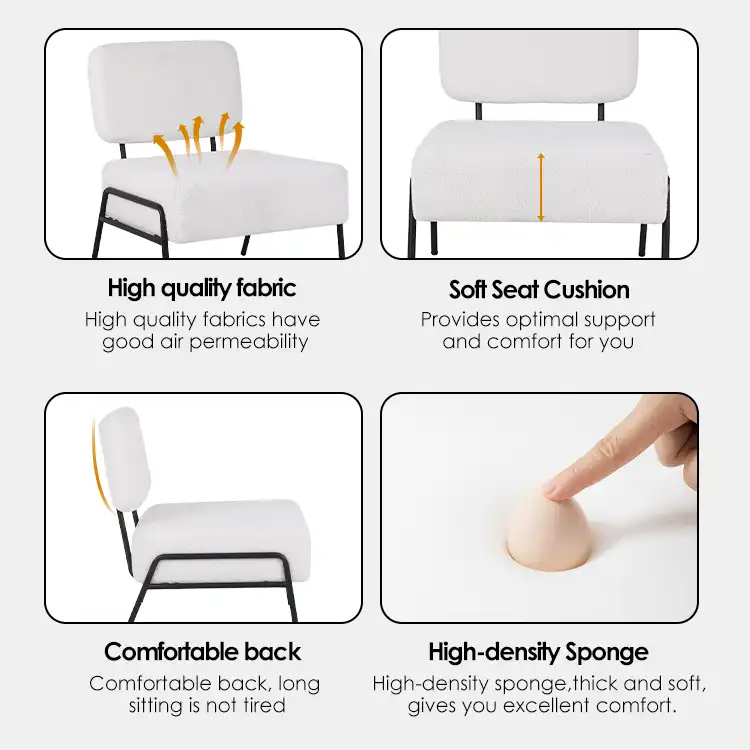
While accent chairs are celebrated for their decorative qualities, the best designs never sacrifice comfort for aesthetics. Ergonomic considerations ensure that your beautiful accent chair also serves as a genuinely pleasant place to sit, whether for brief conversations or extended reading sessions. Proper seat depth allows users to sit back comfortably with adequate lumbar support while maintaining good posture. The seat angle should promote relaxation without becoming so reclined that getting up requires effort, particularly important for older adults or anyone with mobility concerns. High-quality accent chairs incorporate appropriate cushioning density that balances initial softness with long-term support. Foam that's too soft compresses quickly and provides inadequate support, while overly firm cushioning feels uncomfortable and unwelcoming. Premium velvet accent chairs often feature multi-density foam construction with softer top layers for initial comfort and firmer base layers for sustained support. This thoughtful engineering ensures the chair remains comfortable even during extended use, making it truly functional rather than merely decorative. Armrest height and positioning, when present, significantly affect user comfort and the chair's suitability for various activities. Lower arms facilitate easier entry and exit while allowing more freedom of movement, making them ideal for dining applications or spaces where users frequently get up and sit down. Higher, more substantial arms provide better support for relaxation and extended sitting, perfect for reading chairs or conversation areas. Some accent chair designs omit arms entirely, creating a sleeker profile that works well in tight spaces while still offering comfortable seating. When evaluating ergonomic features, consider how you'll primarily use the chair and choose accordingly to ensure it meets your functional requirements while delivering the aesthetic impact you desire.
Conclusion
An accent chair represents more than additional seating; it's a design statement that reflects your style and enhances your living space's functionality and visual appeal.
Cooperate with Anji Yibo Furniture Co., Ltd.
As a leading China accent chair manufacturer with fourteen years of specialized expertise, Anji Yibo Furniture Co., Ltd. offers exceptional value through our comprehensive furniture solutions. Our six-thousand-square-meter facility in Anji, Zhejiang produces high-quality accent chairs combining ergonomic comfort with contemporary design aesthetics. We specialize in velvet accent chairs featuring luxurious upholstery, durable metal frames, and competitive pricing that makes premium furniture accessible. Our professional research and development team supports OEM and ODM customization, while our experienced sales team provides comprehensive service within twenty-four hours. As a trusted China accent chair supplier and China accent chair wholesale partner, we export to seventy countries worldwide, showcasing our products at prestigious exhibitions including the Canton Fair and Guangzhou Furniture Fair. Whether you need accent chairs for sale for commercial projects or residential applications, our high-quality accent chair offerings deliver exceptional value at competitive accent chair prices. Contact our China accent chair factory today at yb@ajyibo.com to discuss your furniture requirements and discover how our expertise, quality standards, and customer-focused approach make us your ideal manufacturing partner for premium seating solutions.
References
1. Pile, John F. "A History of Interior Design." Wiley Publishers, Interior Design History Series.
2. Massey, Anne. "Interior Design Since 1900." Thames & Hudson, Design and Architecture Studies.
3. Grimley, Chris and Love, Mimi. "Color, Space, and Style: All the Details Interior Designers Need to Know." Rockport Publishers, Professional Interior Design Guide.
4. Brooker, Graeme and Stone, Sally. "What is Interior Design?" RotoVision, Fundamentals of Interior Architecture Series.