

 (1)_1777442575043.jpg)
Where to Buy Wooden Velvet Bar Stools with Backs?
When ordering high-end wooden velvet bar chair with backrests for corporate projects or imports, select a dependable manufacturer. The solution is to use professional companies like Anji Yibo Furniture Co., Ltd. in China's chair-making heartland, Anji, Zhejiang. B2B buyers get knowledge and flexibility from OEM/ODM firms with stringent quality control and variable manufacturing capacity. By eliminating the middlemen, direct manufacturer relationships provide steady quality, on-time container delivery, and open customization for hospitality, retail, and commercial customers who demand high-end, durable seats.
Understanding Wooden Velvet Bar Stools with Backrests
Core Design Elements That Define Quality
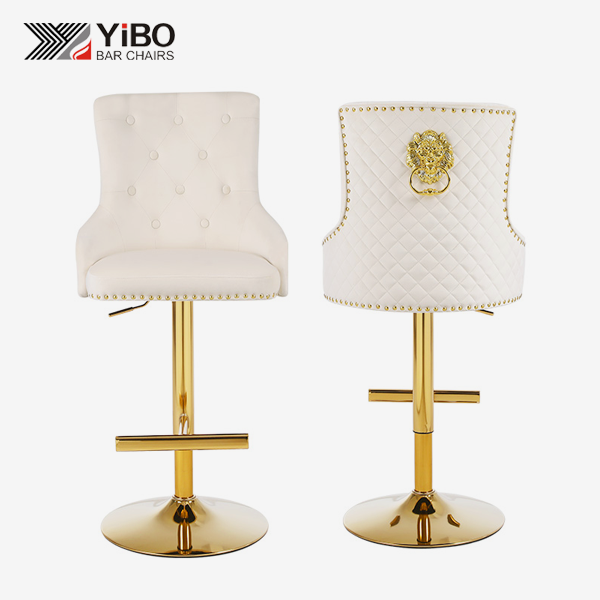
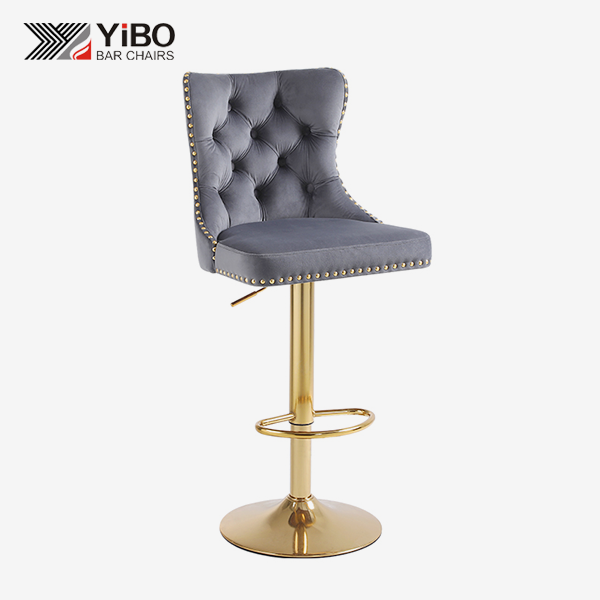
Good design and aesthetics combine in the wooden velvet bar chair with backrest. These elevated seating alternatives include solid beech, ash, or rubberwood frames with luxurious velvet fabric that looks and feels amazing. This bar stool's ergonomic backrest provides spine support that regular barstools lack. This design changes these chairs from casual stools into long, comfortable seats for dinner instead of transitional bar counter use.
Corner blocks enhance mortise and tenon connections in premium models. This maintains stability when utilized for business. The legs' moisture content must maintain between 8 and 12% to prevent warping during overseas shipment and climatic variations. The silk casing should have excellent Martindale damage ratings—commercial norms need 40,000+ cycles to withstand restaurant and hotel usage. This blend overcomes one of the main difficulties in business furniture: making it look beautiful and durable.
Ergonomic Advantages in Commercial Environments
Long-term sitting comfort affects hospitality consumers' satisfaction. Backrests on velvet bar seats support your back, improving posture. Longer stays mean more money per table at restaurants and high-end bars. The comfortable design prevents fatigue during extended social meetings or multi-course dinners, which is crucial for high-end restaurants.
These chairs are useful in modern offices with elevated hot-desking and make guests more comfortable. Bar-height workstations for laptop use require a backrest to keep the neck straight during concentrated work. To match workplace health programs and current design trends, corporate breakout zones are requiring backed bar seats.
Material Selection for Durability and Aesthetics
Choosing the proper wood species influences its durability and compatibility with room colors and designs. Strong for its weight, beech wood makes good bar seats and takes finishes well. Natural hue offers it warm, welcoming tones that match transitional and Scandinavian décor. To prevent scratches, water damage, and business wear and tear, the wood is painted with NC or PU.
Choosing the appropriate velvet fabric is crucial. The more costly 296g silk with polyester mixes more stain-resistant than cotton. In naturally lit areas, the textile must retain its color even when exposed to UV radiation. With varied quantities of low-quality velvet, the nap direction remains the same. This prevents off-color shadowing in low-quality furniture. Like Scotchgard, nanotechnology coatings that resist stains make clothing more functional without affecting their softness or depth.

Comparison and Selection Criteria for Procurement
Backed vs. Backless: Matching Function to Application
Your demands and space determine whether you pick bar stools with or without backrests. Backless stools are ideal for informal bars and shared tables with high foot traffic that require rapid entry and exit. They maximize floor space in tiny areas by fitting entirely beneath tables. However, these designs are uncomfortable for lengthy periods of time, making them unsuitable for food-focused restaurants.
Backless chairs like the wooden velvet bar chair with backrest are appropriate for establishments that aim to make customers feel comfortable and stay longer. Fine dining, wine bars, and tiny hotel lounges benefit from extra support that makes guests feel at home. The backrest exudes firmness and richness, which suits premium placement techniques. Procurement managers should consider guest retention and atmosphere while making this crucial decision.
Wood vs. Metal Leg Construction
Metal bases' clean industrial design makes manufacturing easier, but wooden leg structure has particular commercial purposes. Wood naturally decreases vibrations and noise, making wood dining rooms quieter than metal ones, which create noise on hard flooring. In high-end settings, regulating background noise affects sound quality.
Different materials require different care. Good-painted wooden legs don't scratch easily and may be repaired on the spot, extending their lifespan. In moist seaside settings, metal frames may corrode without marine-grade coatings, which cost more. However, metal building legs are thinner and can support greater weight. Buyers should consider how they want the furniture to appear and utilitarian factors like weather, floor type, and maintenance personnel before picking leg materials.
Evaluating Ergonomics and Build Standards
Commercial-grade bar equipment must work well to be worth it. Check if it fulfills BIFMA X5.1 or EN 16139 for non-domestic seats. These certificates demonstrate that chairs can support 130 kg on the seats and 45 kg on the backrests. The seats also pass dynamic drop tests that simulate years of use.
Seat height standardization aids function. Most high-quality versions have a 30-inch seat height that fits 40- to 42-inch bar countertops, allowing you to position your legs in the appropriate spot and reach the floor. The footrest should feature metal kickplates on wooden crossbars to prevent shoes from wearing down the wood. To assess product quality, procurement teams should request specific specs such as weight limit, foam density (standard: 35-45 kg/m³ high-resilience polyurethane), and joinery processes before agreeing to container sales.
Trusted Suppliers and Sourcing Strategies
Direct Manufacturer Advantages
In Anji, Zhejiang, working directly with famous producers can benefit international buyers. This location has several specialist furniture producers, therefore costs are low due to an efficient supply chain that maintains quality. This benefit is demonstrated by Anji Yibo Furniture Co., Ltd., which has 14 years of expertise creating bar and table chairs in a 6,000-square-meter plant.
Direct connections enable scalable change. With OEM and ODM services, purchasers may pick fabric colors, wood finishes, size adjustments, and packaging layouts that appeal to their target market. Private label collections and hotel group project demands require this versatility. Manufacturers with research and development teams can build models from technical drawings faster than selling firms.
Cost models improve without dealer markups. Buyers may monitor production costs, which helps them budget for several container sales. Export-experienced manufacturers provide comprehensive transportation support, including documentation, customs compliance, and shipment coordination. This simplifies international purchases.
Quality Certifications and Production Standards
Reliable suppliers exercise tight quality control throughout production. Look for firms who test for wobbling on measurable surfaces (leg variation less than 1 mm), seam slippage on upholstery, and moisture content to ensure wood stays stable while delivery. These precautions prevent costly issues when faulty items are identified after maritime shipping.
Factory certificates increase confidence. Environmental certifications such CARB P2 or E1 formaldehyde emission standards suit Western markets' expanding legal requirements. ISO 9001 quality management methods emphasize consistency. Hospitality purchasers should verify fire retardancy under UK BS 5852 or US TB117-2013 requirements. This is crucial for hotel and restaurant building code checks.
Request unbiased lab test reports that demonstrate compliance with the requirements. Suppliers who guarantee their products' quality share load testing, fabric abrasion, and finish binding findings. This level of openness develops confidence and reduces procurement risk far more than vendors who can't provide quality.
Evaluating Supplier Reliability and Support
Long-term collaboration depends on more than product excellence. Check your suppliers' contact speed. Operationally professional manufacturers have experienced sales teams that answer issues within 24 hours. Ask current clients in similar markets or enterprises for examples of your delivery and problem-solving.
Product warranties demonstrate the manufacturer's confidence in its durability. Reliable dealers provide coordinated warranty coverage for manufacturing defects and transparent claim procedures. Also, know how to handle broken products and returns. Experienced importers utilize two components per box with extra cushioning and insurance in case of breakage in transportation.
Samples speed up decision-making. When suppliers supply fabric pieces, finish samples, or whole product samples (typically for free), customers may test the quality before ordering production. This method displays honesty and reduces uncertainty while working with remote persons.

Practical Vendor Selection and Ordering Strategies
Cost-Value Analysis Beyond Unit Pricing
Purchase costs and lifetime value must be matched for procurement to succeed. Unit pricing is significant, but consumers should also consider shipping, import taxes, damage repairs, and product lifespan. Better-made, more costly wooden velvet bar chairs may survive longer and need to be replaced less often.
Volume strongly impacts pricing systems. Manufacturers charge varied costs for different quantities, generally dependent on container size. Knowing these breakpoints lets you carefully plan your order size to save money. Very experienced suppliers can recommend the optimum solutions for maximizing container space by balancing part count and packaging size.
Prices and output vary with seasons. Furniture production peaks during trade exhibitions and pre-season orders. Buyers with flexible schedules may obtain better rates when producers are less busy. Building ties with merchants allows you know about sales or overstock, which is beneficial.
Customization Options Aligned with Market Trends
Design now favors warm, natural wood finishes over thick coatings that mask grain patterns. Original-color beech wood legs match this trend and many home designs. Consider local tastes before picking velvet. Many hospitality spaces use neutral tones like warm grays, taupes, and deep blues.
Customization goes beyond appearance. Buyers might choose seat height adjustments, office swivel systems, or memory foam layers for comfort. Changes to performance velvets that stain less are helpful for crowded situations. Branded boxes or stronger corner protectors aid white-label distribution or minimize installation costs.
Working with makers with R&D teams brings you fresh items and ideas. Eco-friendly foam, antimicrobial textile treatments that became popular during the pandemic, and modular design enable you replace old sections without throwing away the chair. Buyers get an advantage when sellers plan ahead and invest in product development.
Logistics Excellence for Bulk Orders
Container transport management requires careful attention to several aspects that might impact delivery. Set explicit production schedules with checkpoints for raw material purchases, production completion, quality inspection, and shipping. Reliable manufacturers give progress updates and pre-shipment quality inspections.
Good packaging affects how the product arrives. Ask about corner guards, velvet surface covers to prevent crushing, and moisture shields for maritime freight in addition to box packaging. A package's size helps you determine storage space and how to unload it at the destination location.
Correct paperwork reduces customs delays. Experienced exporters handle business bills, packing lists, certificates of origin, and other regulatory documentation. Make sure the merchant knows the destination country's criteria. For markets with formaldehyde emissions, fire retardancy, or product safety regulations, this is crucial.
Maintenance and Longevity Best Practices
Velvet Upholstery Care for Commercial Longevity
Even after years of hard commercial usage, velvet chairs may appear elegant with proper upkeep. Regularly cleaning with gentle brush attachments removes dust and other debris that might harm fibers. Instead of rubbing, wipe the spill with a clean, absorbent towel to prevent discoloration. Avoid spreading a liquid spill by working from the sides to the middle.
Professional cleaning is distinct from home cleaning. Steam washing removes deep-down grime and enhances velvet pile, but avoid getting too much water in the material. Some companies schedule expert cleaning every three months to ensure seat uniformity. Redeploying fabric protectant after deep washing restores its stain-resistant properties.
If velvet is crushed from shipping or storage, gently heating it from a few inches above will reset the pile direction without touching it. This strategy keeps beauty standards high in visitor areas.
Wooden Component Preservation
Solid wood frames require less care yet look beautiful. Wipe wooden legs with slightly moist towels to remove dust and surface debris. Too much dampness might ruin finishes. Lacquered wood furniture cleanser shines and protects.
Check connection points often, especially in high-use areas. After use, wooden chairs may loosen at the legs. Using Allen keys to tighten connecting bolts during routine maintenance prevents further damage. The simple procedure extends chair life and stabilizes them for visitors.
Environmental control influences wooden furniture lifespan. Keeping temperature and humidity constant prevents wood expansion and contraction, which stresses joinery. Making sure chairs have proper air movement around them prevents moisture from damaging wood or growing mildew in humid or coastal environments.
Maximizing Asset Value Through Lifecycle Management
Buying managers can set realistic budgets and replacement rounds by knowing product lifespan. Depending on usage, nice wooden velvet bar chair with backrests can last 5–7 years in a commercial setting with proper upkeep. Restaurants with many clients may have shorter rounds than tiny wine bars.
Checking chairs every six months reveals problems before they break. Fixing loose screws, finish blemishes, and early fabric wear extends the fleet's lifespan and prevents supplies from running out. Some manufacturers supply seat cushions and backrest upholstery, so you can restore pieces instead of buying a new chair.
Monitoring chair performance and recording repairs helps you decide what to buy. Recording which textile colors wear patterns, which wood finishes perform well, and which chair places are most used improves future order requirements.
Conclusion
Finding wooden velvet bar chair with backrests requires balancing aesthetics and business demands. Its robust wood structure and high-quality velvet fabric offer it the class today's hotels and companies demand, while the supporting backrest design provides actual functionality. Successful buying requires working with well-known manufacturers that offer open quality control, flexible customization, and reputable export services. Buyers judge suppliers on output standards, certification compliance, communication responsiveness, and overall cost-value equations to develop long-term relationships that help their organizations prosper. The appropriate maintenance and lifetime management can help you maximize your investment and keep these gorgeous seating alternatives enhancing locations for years.

FAQs
What is the typical lead time for bulk orders of wooden velvet bar chairs?
Production normally takes 25–35 days following order confirmation and payment. This depends on order volume and customization complexity. Standard designs that employ stock textiles arrive faster than completely customized designs that need fresh materials. Container-level sales may take longer during busy manufacturing periods. Experienced vendors provide buyers with milestone production plans and deadlines. This helps buyers schedule inventory and projects.
Can I request samples or fabric swatches before placing large orders?
Reputable manufacturers offer fabric swatches and finish samples to assist you choose. Most goods have full samples available for manufacture and shipment. Sellers may credit sample fees against large orders. Physical samples allow you to inspect the items before buying complete containers, reducing the danger of purchase.
Are sustainable and eco-friendly options available in wooden velvet bar seating?
Many firms now provide FSC-certified wood, low-VOC coatings that fulfill CARB P2 criteria, and recycled silk velvet materials. Environmentally conscious buyers should inform providers of their demands from the outset. Eco-friendly items may effect pricing and lead times, but they are becoming more widespread and less luxurious.
Partner with YIBO for Your Wooden Velvet Bar Chair with Backrest Sourcing Needs
The wooden velvet bar chair with backrest producer Anji Yibo Furniture Co., Ltd. has 14 years of expertise and can help you with your business seating needs. Our 6,000-square-meter Anji facility employs high-tech machines and educated staff to create inexpensive, international-quality containers. Full OEM/ODM services and specialist R&D teams can transform your requirements into production-ready samples. The construction, finish, and covering of each chair are carefully checked before shipping to ensure quality. You can email our professional sales staff at yb@ajyibo.com to discuss your project needs, obtain tailored quotations, or schedule factory visits for your next trip to China to buy.
References
1. Miller, J. (2023). Commercial Furniture Procurement: Standards and Best Practices for Hospitality Buyers. International Furnishings Association Press.
2. Chen, L. & Roberts, M. (2024). "Material Science in Modern Seating: Wood and Textile Integration." Journal of Furniture Engineering, 18(2), 45-67.
3. Thompson, K. (2023). Supply Chain Management for Global Furniture Importers. London: Business Publishing International.
4. Anderson, P. (2024). "Ergonomic Design in Commercial Bar Seating: Impact on Guest Experience." Hospitality Design Quarterly, 31(1), 112-128.
5. European Committee for Standardization. (2022). EN 16139:2013 Furniture - Strength, durability and safety - Requirements for non-domestic seating. Brussels: CEN Publications.
6. Wong, S. & Martinez, R. (2023). The Anji Furniture Cluster: Manufacturing Excellence in China's Chair Industry. Asian Trade Development Studies, Singapore University Press.