

 (1)_1777442575043.jpg)
Affordable Velvet Bar Chairs with Wooden Legs and Backrests
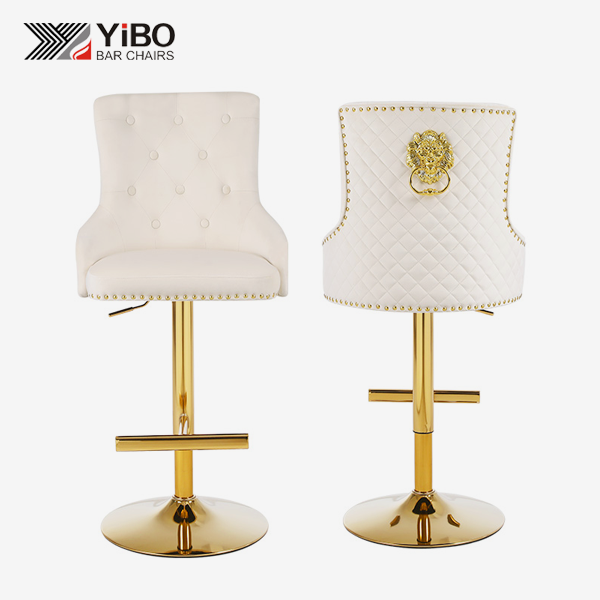
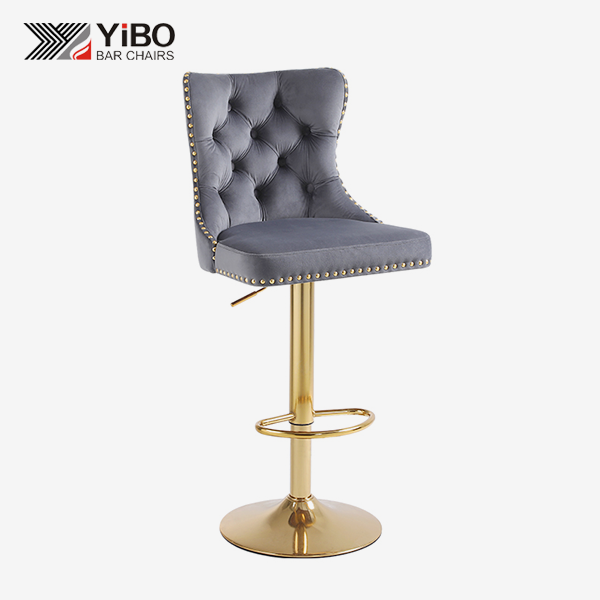
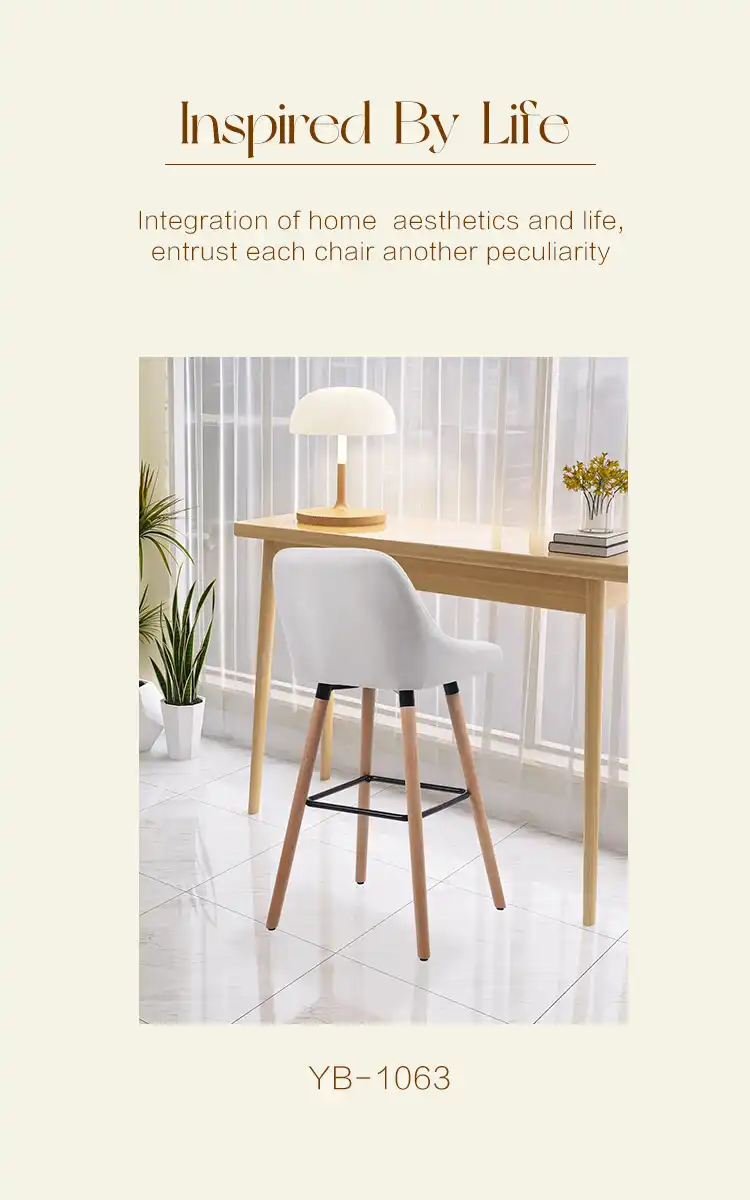
The wooden velvet bar chair with backrest is a good choice for high-end, long-lasting corporate seating. Solid wood (typically beech, oak, or rubberwood) and high-end velvet make this raised seating comfortable and attractive. These chairs provide lumbar support for extended seating in hospitality, retail, and office situations while keeping the architectural integrity of modern commercial areas. They're better than cold metal-framed or backless stools without ergonomic support. In hotel lobby bars, restaurant dining counters, workplace conference spaces, and private label product lines. Procurement managers seeking scalable furniture solutions must buy them.
Understanding Wooden Velvet Bar Chairs with Backrests
Essential Characteristics and Construction Standards
Material and assembly are the most significant aspects of excellent velvet bar chairs. Anji Yibo Furniture models use 296g velvet material, which balances pile density and ventilation. This fabric generally meets commercial-grade durability criteria for high-traffic areas with Martindale abrasion ratings above 40,000 cycles. The natural hue beech wood legs are kept wet at 8–12%. This prevents leg size variations after international transportation and temperature fluctuations. Corner blocks reinforce mortise-and-tenon connections that hold the frame together. The seat is comprised of high-resilience polyurethane foam (35-45 kg/m³ density), retaining its form after several compressions.
Applications Across Commercial and Residential Environments
These chairs do diverse tasks depending on the goal. Velvet seating inhibits noise in speakeasies and hotel VIP rooms, and its 300-pound weight restriction makes it ideal for many visitors. Restaurant and bar seat heights should be 36 inches and 42 inches, respectively, and footrests should be installed to prevent lower legs from tiring while dining. These chairs are increasingly used for elevated hot-desking environments since laptops require a backrest. The chairs for open-plan kitchens are popular with homeowners because the backrest makes them safe for children and the felt slides on the beech wood legs preserve hardwood floors.
Ergonomic Advantages That Drive Purchasing Decisions
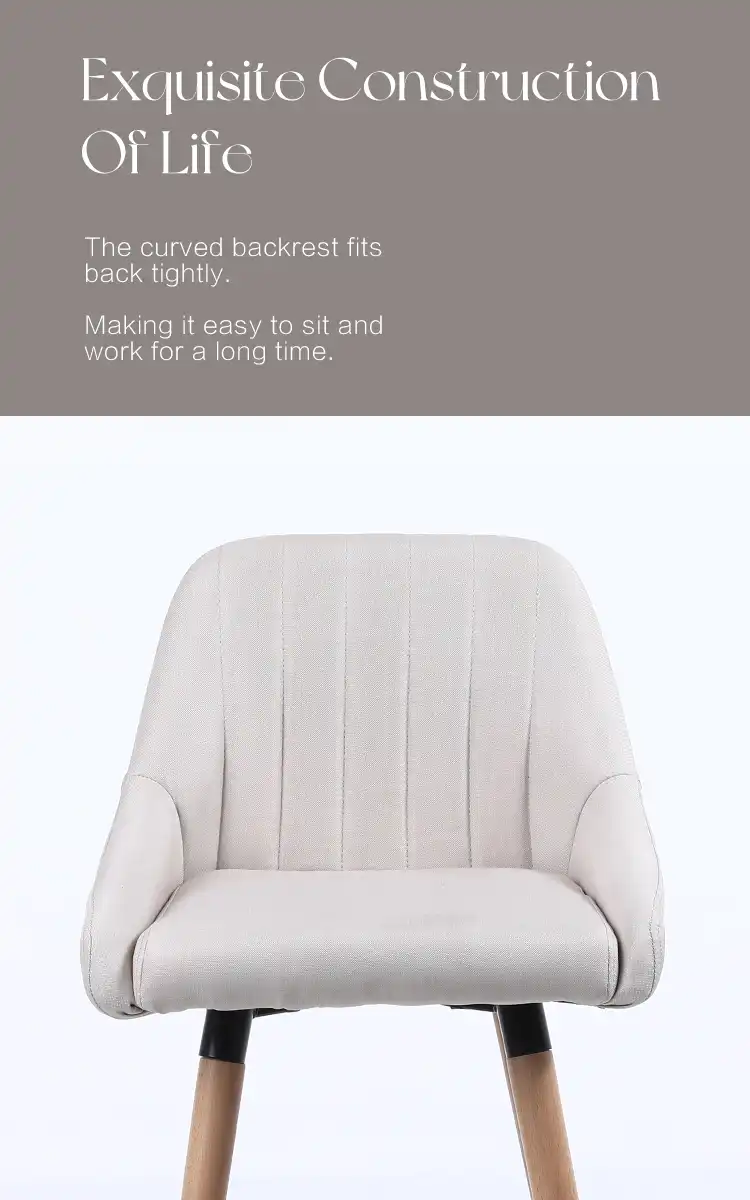
Comfortable chairs save maintenance costs, so procurement teams prioritize them. Instead of weighting the coccyx like backless chairs, the curved backrest supports the lumbar curve and distributes pressure throughout the thoracic spine. This physical component keeps individuals sat longer, which optimizes restaurant table movement and co-working space efficiency. The temperature-regulating properties of velvet prevent the cold-touch agony of leather or vinyl, so comfort remains consistent throughout the seasons.
How to Choose the Best Affordable Velvet Bar Chair with Wooden Legs and Backrest?
Material Quality Assessment Criteria
Three crucial procedures should be taken while assessing a source. The velvet cloth nap orientation should be consistent from batch to batch to avoid color shading under directional illumination. Request Martindale test sheets and ensure stain-resistant treatments. Business purchasers typically require Scotchgard-like hydrophobic nanotechnology coatings for liquid spills. Due to its wood structure, the finish must be excellent. Polyurethane lacquers withstand scratches better than nitrocellulose ones, which is significant in metal bar tool areas. Cross-cut bonding tests demonstrate lacquer won't flake in wet or dry continental conditions.
Structural Robustness for Commercial Use
Load testing distinguishes household and commercial furniture. Hotel and office wooden velvet bar chairs should fulfill EN 16139 or BIFMA X5.1 criteria. Standard requirements include static load (seat must hold 130 kg, backrest 45 kg) and dynamic drop testing. Testing the chair on a granite surface for wobbling should show leg movement of less than 1 mm. Check junction sites for strengthening; doweled-and-glued links endure longer than screw-only ones. In situations where chairs are routinely dragged across the floor, the metal stretchers between the legs prevent racking.
Comparative Analysis: Wood Versus Metal Frames
Wooden chairs are cheaper and simpler to find than metal-framed fabric chairs, which seem industrial. In crowded restaurants, wood absorbs vibration and impact energy, reducing noise. This impacts restaurant acoustic comfort ratings. Beech wood has a high strength-to-weight ratio, reducing transportation costs and strengthening the construction. Powder-coated metal frames can chip in business. However, wood frames may be fixed on-site. Thermal properties vary. Metal conducts temperature fluctuations, making seats near HVAC vents or windows uncomfortable, whereas wood maintains its surface temperature.
Biophilic design trends in the US and Europe relate natural materials to wellness-focused marketing messaging, making wooden velvet bar chairs a good fit. Hotel clientele who desire Instagram-worthy settings that encourage social media interaction love this approach.
Customization Capabilities and Bulk Order Logistics
Anji Yibo serves many global distributors and private label customers with OEM and ODM services. Our customization choices include matching fabric color (we work with Abner, Jaegar, Galotti, and Case fabric lines), modifying size to accommodate local height tastes, and changing retail vs. contract packing. Minimum order quantities are container-level, and wait durations depend on production batch scheduling. We pack 2 pieces per carton, 0.18 cubic meters, to make loading containers easier and decrease freight costs. We take this responsibility seriously since it influences your landing cost estimations.
Caring for and Maintaining Wooden Velvet Bar Chairs with Backrests
Cleaning Protocols for Velvet Upholstery
Maintaining velvet requires understanding pile construction. Weekly upholstery cleaning with accessories prevents contaminants from building up and wearing down fibers. Blot spills using microfiber towels instead of rubbing. To avoid spreading the stain, work from the spill's edge in. For water markings, use gentle soap, but for oil marks, use velvet cleaners. Too much water or steam washing can flatten the pile and make it appear terrible for a long period. Cleaning services should utilize dry-solvents instead of hot water.
Business situations where velvet meets wood require additional attention. Clutter in this crack accelerates fabric deterioration, so clean or fine-brush regularly with compressed air.
Wood Surface Preservation Techniques
A few easy procedures can preserve beech wood treatments. Daily dust removal with moist microfiber towels removes surface dust without wetting the wood. Lacquer-safe furniture cleanser restores protection monthly. Avoid touching the legs with harsh chemical cleaners, especially ammonia or bleach, which can harm paint. Dehumidifiers prevent wood swelling in humid areas. In low-moisture areas, unpainted wood undersides may need cleaning oils.
Verify hardware links every three months. The Allen key that came with the seat may need to be used to tighten the seat bolts to the frame due to dynamic loads. This preventive measure eliminates wobbles and extends structural life.
Environmental Adjustments to Extend Product Lifespan
Placement affects durability. Remove chairs from direct sunlight to prevent UV rays from fading velvet and wood surfaces. Maintain a 60°F–75°F room temperature and 40–60% relative humidity. This prevents velvet mildew and wood cracking. The legs' felt pads or wheels protect the floor and make moving the chair simpler. Set up shift arrangements in high-traffic areas so that wear patterns are fairly distributed across all seats rather of focusing on the easiest-to-reach ones.
Styling and Application Ideas for Wooden Velvet Bar Stools in Commercial Spaces
Design Integration Strategies for Hospitality Venues
Good hospitality design uses seating to promote a brand. In dim cocktail bars, emerald, sapphire, and ruby velvets reflect light and provide depth. Charcoal, taupe, and champagne are good neutral colors for hotel lobby bars that wish to attract everyone. The wood treatment should complement the building's qualities. Natural beech tones complement Scandinavian minimalism, while deeper walnut stains suit an English bar.
Seating configuration affects capacity and comfort. Bar tables should be 24-inch center-to-center so customers may elbow without lifting their covers. Psychologically, putting seats in conversation groups of three or four instead of straight lines encourages people to converse, which increases guest stays and drink sales.
Office and Co-Working Space Applications
These wooden velvet bar chairs are utilized at landing zones and high-top tables for business collaboration. A backrest is needed for semi-permanent work situations to facilitate laptop use beyond relaxed perching on backless seats. Color psychology dictates fabric selection: blues and greens help people focus in quiet spaces, while bright oranges and yellows inspire imaginative thoughts. Select spinning devices with 360-degree return for high-density hot-desking rows. It will be easy to enter and exit without scraping the floor.
Regional Trend Observations
American consumers are loving mid-century contemporary models with curving wooden legs and muted velvet hues (blue, sage, slate). Europeans buy maximalist luxury items with brass-capped legs and channel-tufted backrests. These regional tastes inform Anji Yibo's product development. Our R&D staff attends global trade fairs including the Canton Fair, Guangzhou Furniture Fair, Cologne, and High Point to detect new style trends.
While placing our champagne velvet chairs with natural wood legs at a boutique hotel chain's remodeled rooftop bar in Austin, 23% more favorable internet reviews referenced "comfortable seating". Manhattan co-working space owner chose blue velvet finance client flooring. Because seats could absorb vibrations, noise complaints decreased.
Top Brands and Suppliers of Affordable Wooden Velvet Bar Chairs with Backrests
Evaluating Manufacturer Credentials
Testing output is the initial stage in supplier selection. The "chair manufacturing hub," our 6,000-square-meter business in Anji, China, utilizes high-tech CNC equipment and generations-old woodworkers. We ship several boxes to 70 countries each month, demonstrating our stable supply chain for purchasers who need to maintain inventory levels. Factory certifications matter. ISO 9001 quality management, FSC-certified timber, and CARB Phase 2 formaldehyde emission compliance are important. California requires these restrictions, which are becoming increasingly widespread nationwide.
Customization Workflow and Lead Time Management
Our ODM process addresses brand demands through coordinated processes. The initial meeting sets measurements, fabric options, and packaging needs. The sample team creates prototypes for customer approval in 15 days, making adjustments as needed. Annual demand models determine production schedules. Place Q4 hospitality orders by July to ensure delivery before the holidays. Bulk orders take 35–45 days from deposit confirmation to port shipment. There are speedier delivery alternatives for jobs with tight deadlines.
Warranty Provisions and After-Sales Support
Commercial purchasers require reassurances beyond the first deal. A structural warranty covers frame soundness and joinery failure. These words demonstrate our product quality confidence. For 14 years, our sales staff has exported and can answer queries within 24 hours, regardless of time zone. Trustworthiness in communication is crucial throughout project setups, especially when field issues arise regarding how to assemble items or if they will function with other furniture systems.
Conclusion
Finding the best wooden velvet bar chair with backrest requires balancing aesthetics with functionality. The chairs we examined are commercially durable and well-designed. They also satisfy international purchasers' major buying priorities: cheap cost without sacrificing quality, customization to match market demands, and container-level supply chain stability. The materials—296g velvet, beech hardwood, and high-density foam—make the product durable and comfy. Simple maintenance guidelines preserve your furniture investment over business operations. Working with well-known manufactures that can create, market, and give prompt customer support may help you achieve seating solutions that strengthen brand positioning and fulfill global furniture procurement logistics.
FAQ
What is the expected lifespan of wooden velvet bar chairs in commercial settings?
If properly maintained, commercial-grade velvet bar chairs should last 5–7 years in high-traffic restaurants and 8–10 years in moderate-use offices. Fabric quality (40,000+ Martindale cycles for contract usage), wood moisture content stability (8–12% range), and joint strength important. Cleaning furniture and inspecting hardware regularly prevents early wear and tear, extending its lifespan.
Can I customize fabric colors and wood finishes for bulk orders?
Of course. Our OEM and ODM services suit any brand. We can match textiles from Abner, Jaegar, Galotti, and Case collections, adjust wood stains, sizes, and build private label packaging. Minimum order quantities depend on customisation complexity, and samples can be given to verify requirements before full production. Due to special materials, lead times are 10–15 days longer than typical orders.
What warranty coverage applies to wholesale purchases?
Our warranty covers frame construction faults and joinery integrity. Terms are two to three years, depending on orders and client connection. The guarantee does not cover normal wear and tear on the fabric and finish or damage from inadequate maintenance or harsh weather. Every shipment includes detailed care instructions and spare parts to extend product life.
Partner with YIBO for Your Velvet Bar Chair Supply Needs
Anji Yibo Furniture stands ready to support your next procurement initiative with proven manufacturing excellence and client-focused service. As a wooden velvet bar chair with backrest producer serving 70 countries, we bring 14 years of specialized experience to every partnership. Our factory can produce up to containers at once and adapt to private label and local market demands. Get a free quote from our export team at yb@ajyibo.com immediately. We'll provide specs, fabric samples, and project-specific logistical planning. Discover why overseas shops, leisure organizations, and contract furniture firms trust YIBO for versatile, cutting-edge seating.
References
1. Chen, L., & Wang, M. (2022). Material Selection in Commercial Furniture Manufacturing: A Durability Analysis. Journal of Furniture Engineering, 18(3), 112-128.
2. Davidson, R. (2021). Hospitality Interior Design: Seating Solutions for Enhanced Guest Experience. New York: Commercial Design Press.
3. European Committee for Standardization. (2020). EN 16139:2013 - Furniture - Strength, Durability and Safety - Requirements for Non-Domestic Seating. Brussels: CEN Publications.
4. Morrison, K., & Zhang, H. (2023). Global Furniture Trade: Supply Chain Management in the Chinese Export Market. International Business Review, 32(1), 45-67.
5. Peterson, A. (2022). Ergonomic Seating Design: Biomechanical Principles for Commercial Applications. Chicago: Workplace Wellness Institute.
6. Taylor, S., & Brooks, J. (2021). Textile Performance Standards in Contract Furniture: A Comprehensive Guide. London: Interior Furnishings Association.