

 (1)_1777442575043.jpg)
How to Style Leather Bar Stools in a Minimalist Kitchen?
Style leather kitchen bar stools in a minimalist kitchen to balance their appearance and durability. Select stools with simple designs, basic colors like black, white, or tan, and hardware finishes that complement your kitchen metals. Stools should be 24–30 inches apart for breathing room. Choose basic geometric forms over ones with many tiny, ornate features that disrupt a minimalist style. Turning 360 degrees provides you additional alternatives without crowding the chair. In hospitality and business, you may match upholstery to your brand or project concept.
Understanding Leather Kitchen Bar Stools in Minimalist Kitchens
In minimalist kitchens, "less is more," and every element is functional and attractive. leather kitchen bar stools become more than chairs when utilized this manner; they demonstrate material consistency and design reserve. Anji Yibo Furniture Co., Ltd., a 14-year-old furniture maker, has seen procurement managers seek basic, business-friendly seating alternatives.
Material Specifications That Define Quality
Making quality bar stools requires precise technical criteria. Multi-layer board bases are 1.2 cm thick on our products. The structural support prevents twisting in kitchens with fluctuating humidity. The cushioning layer is 1.8 cm of 22-density primary cotton. This is comfortable without being excessively soft, which might affect your balance over time. The 0.8 mm half-PU leather upholstery is natural-looking and simple to clean, making it ideal for high-traffic commercial spaces. Iron tubes with 0.8 mm walls form the interior structure. It can hold 300 pounds while minimizing shipment weight.
These standards directly address procurement-related durability and cost-effectiveness concerns. Because engineered wood, high-resilience foam, and semi-synthetic leather endure longer than five years of regular commercial usage, the total cost of ownership is substantially cheaper than with lower-quality choices.
Distinguishing Leather Types for Commercial Applications
Genuine, imitation, and eco-friendly leather all have their roles in purchase choice matrices. For luxury applications, top-grain leather breathes best and shines over time. However, it requires maintenance and is readily discolored, making it unsuitable for informal dining. Our tailored pigmented or semi-aniline coatings withstand UV radiation and retain color. This prevents kitchen windows from fading fast, an issue many home and hospitality sellers experience.
Some synthetic leather, notably polyurethane, has consistent coloration, hydrophobic properties that prevent food and drink spillage, and Martindale abrasion resistance over 50,000 rubs. Because of this, they are ideal for restaurant chains and co-working spaces that need to clean many chairs but can't afford new ones. Our Anji facility has over 6,000 square meters and lines for processing real and synthetic leather. We may handle container orders with mixed material standards to satisfy a wide variety of customers.
Styling Principles for Leather Bar Stools in Minimalist Kitchens
Balance, material harmony, and empty space are important when adding leather kitchen bar stools to a minimalist kitchen. The visual weight of each stool should complement islands, counters, and cabinets.
Selecting Silhouettes and Color Palettes
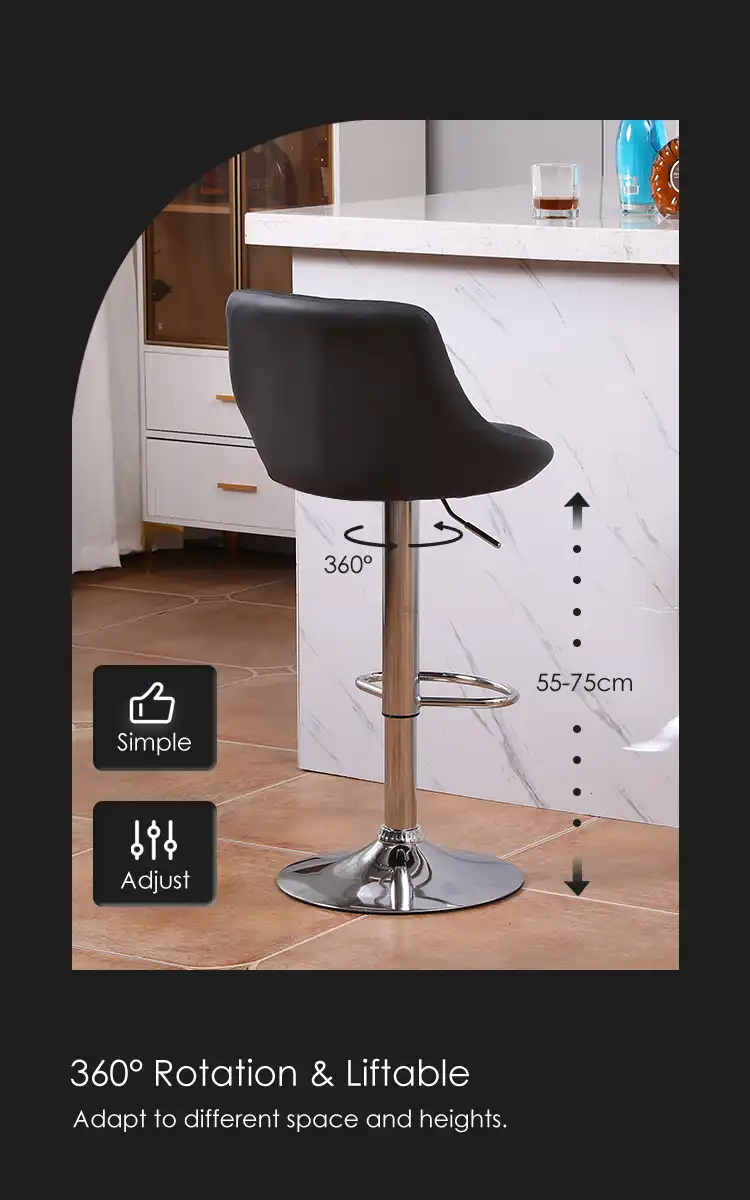
Minimalism prefers geometric purity such circular chairs, straight-leg frames, and unadorned backrests. Our Anji Yibo designers created product lines for this style. These lines are clean-lined without button tufting or elaborate embroidery. Since the moving joint is hidden behind the seat pan, our 360-degree swivel mechanism is functional without bulk.
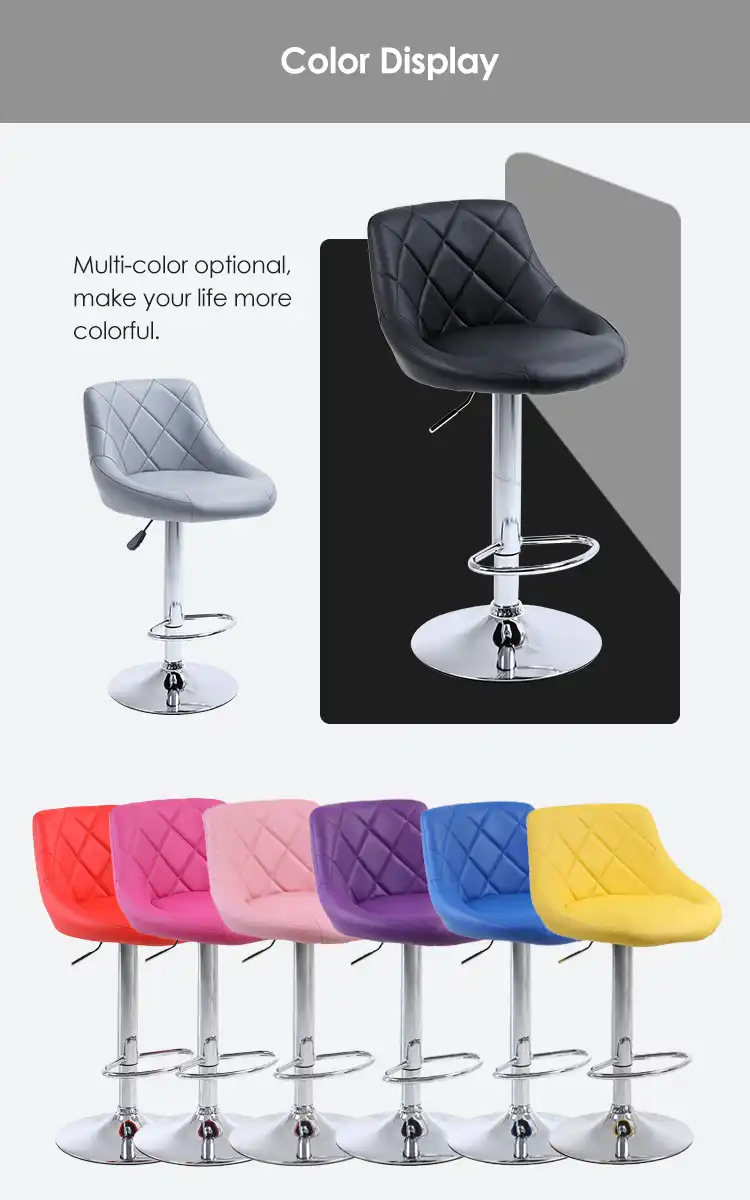
Color selection is crucial to harmony. Leather bar stools in black, white, cream, or gray blend in. This highlights the architecture. Earth tones like brown or beige give warmth without complicating the style. You may match sample leather and velvet hues with our customizing service. Multiple-location hotel interior designers love this capability since they must maintain brand consistency across all properties.
Hardware Finishes and Material Coordination
Most kitchen benches are marble, wood, stainless steel, or synthetic stone. Bar stool hardware should match these materials to complement the furniture. Modern stainless steel appliances and faucets look wonderful with brushed nickel or matte black powder-coated legs. In warm wood kitchens, oil-rubbed bronze or brass-finished frames provide a touch of distinction while maintaining the room's tone.
Frame form doesn't matter. The modern appearance derives from the straight, curving legs, and the slightly slanted supports offer character without altering the clean form. Our R&D team of over 10 specialists monitors European and North American design trends at trade shows like the Guangzhou Furniture Fair and upcoming international shows in Cologne and Las Vegas to keep our catalog current.
Functional Considerations When Styling Leather Kitchen Bar Stools
In business, where long-term, satisfied users are vital to a decent return on investment, appearance should never be prioritized before functionality. Styling leather kitchen bar stools requires attention to performance and long-term durability.
Ergonomic Design and Comfort Durability
Bar stools have higher seats than dining chairs, therefore their seating configurations differ. Even without backrests, lumbar support is needed. Curved seat pans support the legs and buttocks equally. Our 1.8 cm high-density foam maintains compression below 10% after 50,000 load cycles. The "bottoming out" feeling that prompts hotel guests to request new mattresses is maintained.
Footrests 12 to 15 inches below the seat reduce leg fatigue from lengthy sitting. Our built-in footrest rings are welded to the frame, not fastened. They won't fall apart after heavy use. This structural element is hidden to end users, yet it reduces repair calls that damage distributor relationships and brand image.
Maintenance Protocols for Commercial Longevity
Contract furniture costs depend on how easy it is to maintain. Semi-aniline leather surfaces need pH-neutral cleaning sometimes, whereas completely protected colored finishes resist oils, acids, and alcohol. Our sourcing partners receive complete care instructions for each material so they may inform their clients on appropriate cleaning.
ASTM D5053 Crockmeter checks are used in our testing. This prevents dye transfer even when heated, which is crucial in kitchens with little airflow. These strong quality controls, supported by BIFMA accreditation and ISO 9001:2015 compliance, ensure that items operate the same in all climate zones, from humid coastal to dry interior markets.
Comparing Leather Kitchen Bar Stools with Other Materials
Material choice impacts initial investment and lifespan expenses. Procurement professionals benefit from fabric, wood, and leather kitchen bar stools performance comparisons to quantify value.
Durability and Maintenance Economics
High-traffic fabric furniture needs steam cleaning or replacement every 18–24 months since it absorbs spills and odors. Wood chairs are attractive but uncomfortable and crack in areas with frequent temperature fluctuations unless they are finished with high-maintenance finishes. Genuine or faux leather is stain-resistant, simple to clean, and structurally sound for five years or more. Leather has 60% cheaper yearly replacement costs than cloth, according to wholesaler field surveys.
Our half-PU leather is more durable than other woven materials, especially on seat sides and backrests. This longer-lasting advantage immediately lowers total cost of ownership, which procurement managers are increasingly utilizing to demonstrate value beyond the initial purchase.
Operational Versatility Across Commercial Settings
Both swivel and fixed designs meet different operational demands. Restaurants employ swivel seats to accommodate different client sizes and make getting in and out of tight spaces simpler. However, fixed-position seats work well in workplace cafeterias and breakfast bars where managing seating keeps things tidy. We accept mixed-container orders with both types since we are flexible in our manufacturing. Distributors can service many business groups with one shipment.
Backrests require another choice. Fast-service restaurants that emphasize fast change benefit from backless designs that maximize bar area. Low-back or mid-back variants are more comfortable for lengthy laptop usage, making them ideal for high-end bars and co-working spaces. We offer six base versions with adjustable backrests. This enables you alter without making new tools, saving us money that we pass on to bulk buyers.
Procurement Guide for Leather Kitchen Bar Stools in Bulk
Successful bulk buying goes beyond pricing. Using high-quality leather bar stools indicates if a buying connection saves money immediately or offers you a long-term market advantage through reliability.
Evaluating Manufacturing Partners
A supplier's capacity to create, maintain high standards, and sell should be prioritized. Bar stools and dining chairs have distinct lines at our Anji facility. They may produce more than several full containers of items each month to meet North American and European distributors' annual demand variations. Since it doesn't use subcontractors, our iron frame production unit tracks parts and maintains quality.
Certifications verify skills objectively. BIFMA accreditation proves we satisfy structural safety and durability testing criteria. However, our FSC-certified wood components match expanding public buying bid sustainability standards. When buyers demonstrate seller expertise to clients or internal stakeholders, these credentials reduce procurement risk and increase confidence.
Customization and Lead Time Management
Strategic manufacturing partners and transactional providers have varying OEM/ODM capabilities. Research and development makes samples from client drawings. This helps them brand or make alterations to suit local tastes, such as raising seats for Asian markets or making cloth flame retardant to satisfy California TB117-2013 regulations. Without the expensive tooling needed for custom manufacture, wholesalers may offer more items.
Lead-time transparency is crucial. Standard configurations ship 25–30 days following order confirmation, whereas bespoke designs take 35–45 days, depending on material availability. Our shipping partners offer container consolidation for buyers who order several diverse commodities and keep ocean freight charges low. This reduces shipping costs and simplifies customs. We maximize each container cube with two pieces per carton, each 55x45x48 cm, reducing per-unit freight costs by up to 18% compared to rivals that employ less efficient package geometries.
Warranty and After-Sales Commitments
Our one-year limited warranty covers structural faults and early upholstery wear and tear, protecting you against furniture manufacturing variances. We have 14 years of expertise in sales and can help with maintenance and parts after the warranty period. All furniture batches provided over 12 to 18 months must meet brand requirements, making consistency crucial for hotel projects delivered in phases.
Open supplier responses boost procurement efficiency. All queries will be answered within 24 hours. This way, we can rapidly address requirements, sample requests, and shipment tracking issues. This prevents project delays that might cost money or delay venue openings.
Conclusion
You must combine style and function when arranging leather kitchen bar stools in basic kitchens. The materials, ergonomics, and maintenance of high-quality units affect their short- and long-term commercial value. Instead of only looking at the unit price, use material science, supplier evaluation, and lifetime cost analysis when buying. Our experience developing seating solutions for international markets demonstrates that projects go successfully when knowledgeable buyers collaborate with quality, flexible, and on-time manufacturers.
FAQ
What seat height should bar stools have relative to kitchen island counters?
Ergonomic guidelines recommend 10 to 12 inches of clearance between the seat top and counter underside. For 36-inch counter heights, 24-inch seat heights are appropriate, while 42-inch bar-height counters pair with 30-inch stools. Our adjustable models accommodate both configurations.
How does top-grain leather differ from bonded leather in commercial use?
Top-grain leather consists of the hide's outer layer, offering superior durability and breathability. Bonded leather comprises reconstituted leather scraps bonded with polyurethane, prone to peeling within 2 to 3 years. For commercial applications, top-grain or quality PU leather provides better lifecycle value.
Can leather bar stools withstand high-humidity kitchen environments?
Quality leather with protective finishes resists moisture damage when properly maintained. Our half-PU upholstery includes water-resistant coatings, while kiln-dried wood components (6-8% moisture content) prevent warping. Regular conditioning maintains suppleness in genuine leather variants exposed to humidity fluctuations.
What cleaning methods are safe for leather upholstery in kitchens?
Blot spills immediately with clean, dry cloths. Clean with damp microfiber cloths using mild, pH-neutral soap solutions, avoiding harsh degreasers that strip protective finishes. Apply leather conditioner quarterly to restore oils removed during cleaning, particularly important for genuine leather surfaces.
Partner with YIBO for Your Leather Kitchen Bar Stools Procurement
Anji Yibo Furniture Co., Ltd. can assist with your next business furniture project. They have exported, can make multiple full containers of furniture, and provide several customizing possibilities. We create leather kitchen bar stools in China, the furniture capital. Unlike our rivals, we have an iron frame plant, several quality certificates, and space-saving packaging that saves shipping money. Our staff would delighted to provide free samples, bulk prices, and market-specific design conversations. Contact us at yb@ajyibo.com to discuss how our manufacturing expertise may help you accomplish your buying objectives and compete in retail, hospitality, and business.
References
1. Peterson, M. (2021). Contract Furniture Specification: Material Selection for High-Traffic Hospitality Environments. New York: Interior Design Publishers.
2. Williams, R. & Zhang, L. (2020). Ergonomic Seating Standards in Commercial Food Service Applications. Chicago: Foodservice Equipment Research Institute.
3. Thompson, J. (2022). Minimalist Kitchen Design: Principles and Material Applications. London: Architectural Press.
4. Chen, H. (2019). Leather Processing and Performance Characteristics for Furniture Manufacturing. Shanghai: Textile Industry Publications.
5. Anderson, K. (2023). Total Cost of Ownership in Commercial Furniture Procurement. Boston: Supply Chain Management Review.
6. Garcia, S. & Liu, W. (2021). Sustainability and Material Innovation in Global Furniture Supply Chains. Berlin: International Furniture Research Journal.