

 (1)_1777442575043.jpg)
Are Golden Bar Stools a Good Idea for Luxury Interiors?
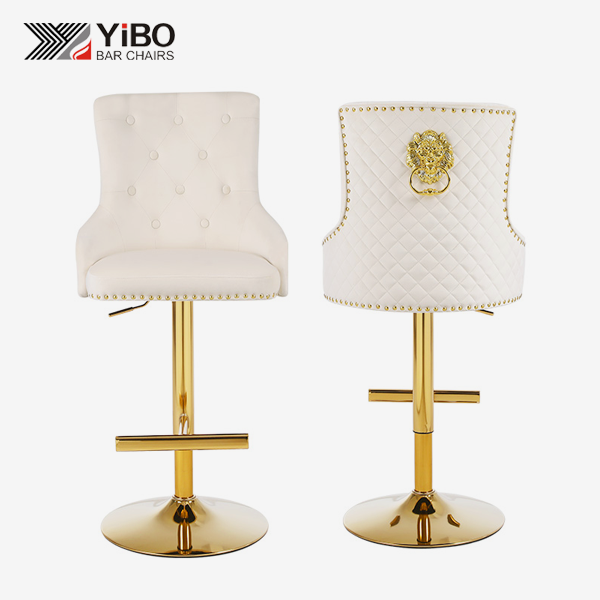
Golden bar stools are a great way to change the look of high-end rooms because they strike a perfect mix between fancy looks and practicality. Advanced surface treatments, such as PVD titanium plating or electrostatic powder coating, are used to give these sitting options their shiny gold finishes. They are also built to last in high-traffic areas. If you buy golden bar stools from a reliable company that specializes in commercial-grade seating, they will look great for a long time and meet the high performance standards needed in high-end restaurants, executive offices, and high-end stores. Because they raise the prestige of a brand and can stand up to heavy daily use, they are a smart purchase for procurement workers who want to stand out in luxury markets.
Understanding Golden Bar Stools in Luxury Interiors
Defining the Golden Bar Stool and Its Design DNA
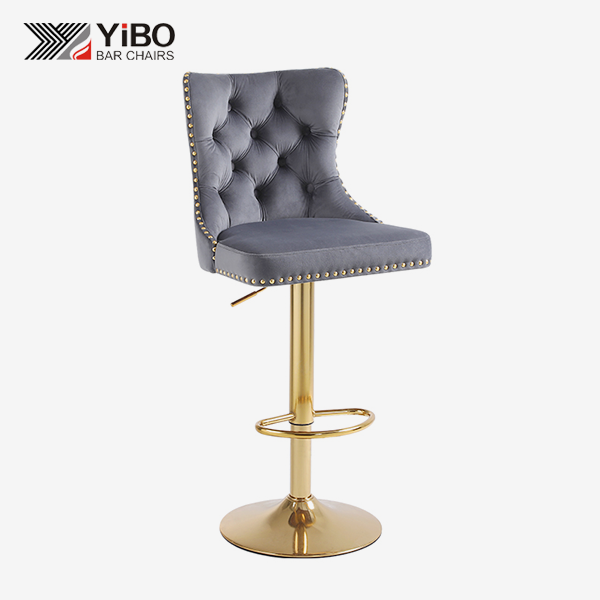
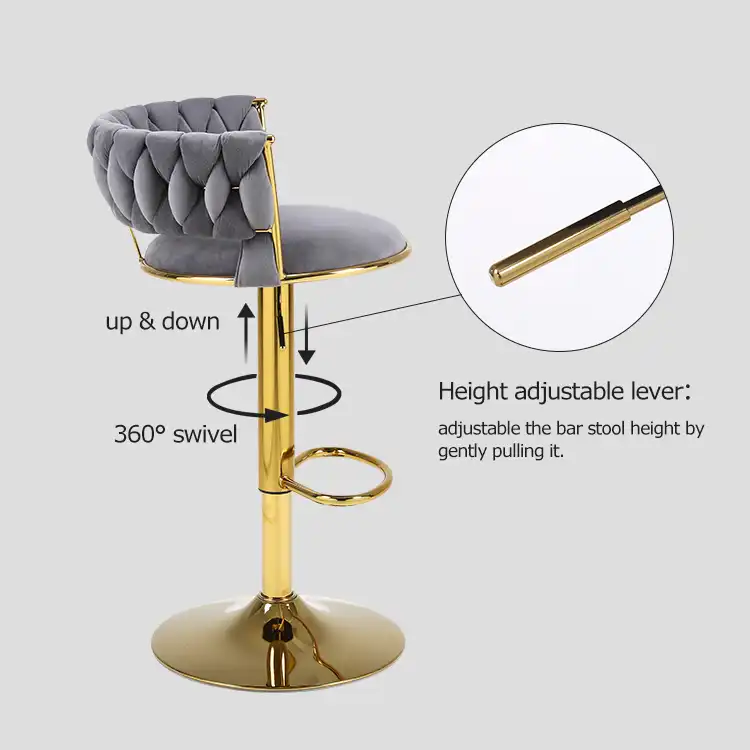
A golden bar stool has a metal frame that is usually made of 201 or 304-grade stainless steel or iron that has been strengthened and then given a shiny gold finish. Advanced surface engineering methods, such as Physical Vapor Deposition (PVD), create this finish by molecularly bonding titanium nitride to the parent metal. This gives the metal a hardness value of around 2000 HV. Water electroplating and powder finishing are two other options. Each has its own benefits when it comes to longevity and cost-effectiveness. The structure is made with center-of-gravity stability in mind, and the seat heights can be adjusted from 65 cm for counter uses to 75 cm for standard bar settings. The footprint engineering spreads leverage forces across reinforced welded joints.
Material Composition and Performance Characteristics
Modern luxury seats is made from high-quality materials that have been chosen for how long they will last in harsh industrial settings. The metal frame is made of stainless steel alloys that don't rust and don't let plating stick, which is especially important in seaside or high-humidity hospitality areas. Upholstery choices use 220g fabric and standard-density foam, which gives the item a luxurious feel while still keeping its shape after a lot of use. As part of our production process, we use 330# secondary air rods for smooth height adjustment and a 385mm x 1.1mm plating round chassis for sturdiness without sacrificing style. Semicircular footrests make long periods of sitting more comfortable, and iron handles make it easy for service staff to move chairs around in busy business settings.
When procurement managers look at long-term performance, the ability of properly designed golden finishes to prevent corrosion is very important. PVD-treated surfaces pass long salt spray tests, which keeps the color stable against UV light and makes sure that the color stays the same from batch to batch over multiple years of supply contracts. The commercial-grade units can hold up to 300 pounds of static weight, which meets safety standards in hotel and business settings where user profiles are very different.
Evolution Within High-End Decorative Trends
Metallic gold details have changed over time from being used in traditional Art Deco styles to being used in modern luxury design ideas. Modern versions balance the warmth of gold tones with simple structural lines, making visual focus points without too much decoration. This change is because business clients want seating that looks classy and works with a variety of interior design styles, from boutique hotel bars with a mix of old and new items to corporate executive lounges that stress clean, modern professionalism. Gold finishes are very flexible, so they can be used with Mediterranean, Mid-Century Modern, and Industrial Chic styles without any problems.
How to Choose the Perfect Golden Bar Stool for Your Luxury Space?
Ergonomic Specifications for Commercial Usability
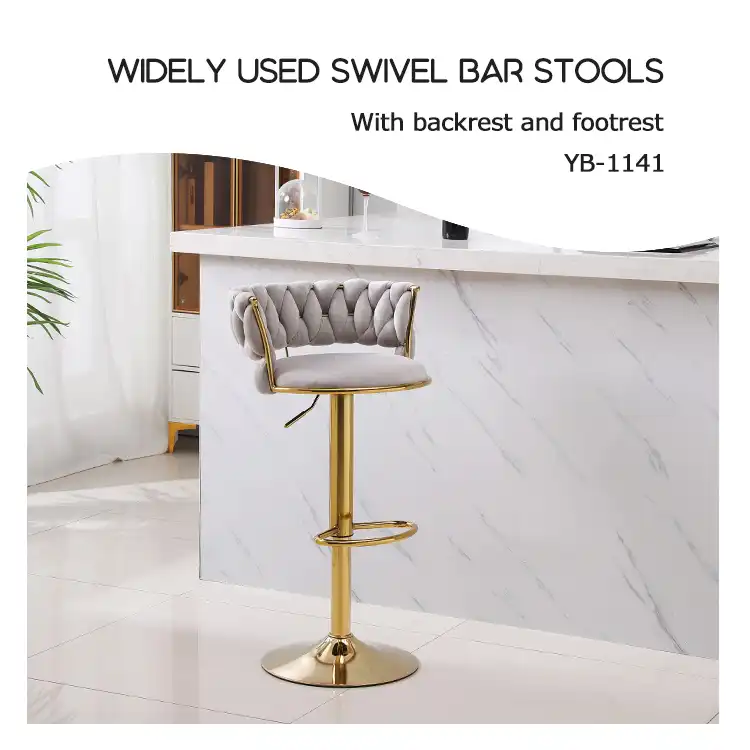
When choosing chairs for business use, it's important to think about how they will support your back and how tall the people sitting in them are, and a golden bar stool must be selected with precise height matching to ensure guest comfort and proper posture at the bar. Standard bar heights of 40 to 42 inches require stools with seat heights of 28 to 30 inches to make sure that your legs are in the right place and to keep you from getting tired after long periods of use. For 36-inch counter-height setups, the seat heights need to be 24 to 26 inches. Adjustable gas lift systems make bar designs more flexible, which is especially helpful in hotel spaces that are used for both business and pleasure. Adding a backrest makes the chair more comfortable for eating areas, while backless designs make it easier to move around in bars with a lot of customers. Putting the footrest 6 to 8 inches below the seat level supports a natural stance and keeps the lower back from hurting from sitting for long periods of time.
Aligning Design Language With Brand Identity
How customers see the quality of a brand is directly affected by how well the sitting choices match up with the overall theme of the room. People who work in procurement need to think about how gold finishes match up with other materials. For example, warm gold tones look great with walnut wood and cognac leather, while cooler champagne tones look great with marble surfaces and brushed nickel fixtures. Choosing the right upholstery color helps the design flow. For example, deep green or blue velvet makes a dramatic difference, while neutral beige or gray tones let the metal base stand out. The shape of the structure, whether it has smooth tube legs, geometric angular frames, or ornately turned features, should support the existing design story instead of adding new styles that are at odds with it.
Durability Considerations for High-Traffic Environments
For commercial seating to last, it needs to be built to last because it is used a lot more than domestic seating. Welded frame joints must meet ANSI/BIFMA X5.1 standards, which include practical impact studies and leg strength tests to make sure the structure doesn't fail under stress. For hospitality uses, upholstery fabrics must have Martindale rub test scores of more than 30,000 to 50,000 cycles. This makes sure that the surface stays intact even after being touched by denim rivets, belt buckles, and cleaning methods many times. The scratch resistance against everyday wear is based on the surface finish's hardness, which can be checked with a pencil. Cross-cut tape binding tests show that gold coatings keep molecular bonds to base metals, which stops the early peeling seen in powder-coated options that aren't as good.
Comparative Analysis: Gold Versus Alternative Finishes
When buying teams look at different metal seating choices, they have to think about both how they look and how much they will cost over time. At about the same price, silver or chrome finishes look cooler, but they don't have the warmth and high-end feel that gold does in high-end dining settings. Natural wood options offer natural warmth, but they need more frequent upkeep and don't have the same structural regularity as metal frames when ordered in large quantities. Brass finishes have similar warm tones, but they rust naturally over time, creating a sheen that some customers like as character and others think of as tarnish. The decision process should look at the initial investment along with the cost of repairs, the number of times the item needs to be replaced, and how well it meets the standards of the target market for luxury presentation.
Maintenance, Cleaning, and Longevity Tips for Golden Bar Stools
Cleaning Protocols for Preserving Finish Integrity
When you follow the right care steps, your luxury seats will last longer and still look like it did when it was first bought, and this is especially true for a golden bar stool, where the PVD finish and upholstery require specific cleaning routines to maintain their premium appearance. To clean PVD-treated surfaces every day, all you need is a damp microfiber cloth mixed with light soapy water. This will get rid of oils and fingerprints without damaging the chemical bond. Do not use acidic cleaners or rough substances that wear away protection layers. Once a week vacuuming with a soft brush tool is best for velvet furniture because it keeps dust from building up in the fabric nap. Spot cleaning needs pH-neutral furniture solutions that are blotted on instead of rubbed, which can change the direction of the pile and make wear patterns that can be seen. Powder-coated products can be cleaned with a little more force, but they still need tools that don't scratch the surface to keep dirt from getting in.
Addressing Common Wear Patterns and Prevention
In business settings with a lot of foot traffic, stress points are likely to happen and need to be managed proactively. Footrest surfaces are subject to heavy rubbing from shoes, so they need to be checked every three months for finish wear and fixed right away with matching paint pens or professional repair services. Floor glide protection keeps wooden or stone floors from getting scratched, and adjustable leveling feet make it possible to use on uneven areas. Rotating seat cushions helps spread out wear more evenly, especially in situations where people are given specific seats. Welded joint checks should happen every six months to look for stress cracks that could weaken the structure before it fails completely. Setting these rules as part of staff training programs makes sure that the quality of care is the same in all venues.
Warranty Coverage and Supplier Support Infrastructure
Contracts for buying things should clearly spell out the guarantee terms for things like frame stability, finish adhesion, and the usefulness of mechanical parts. Standard business guarantees cover structural elements for two to three years and upholstery and finish for one to two years. However, high-end makers may offer longer warranties to show their trust in the quality of the materials. As part of supplier support services, there should be easy ways to communicate about getting new parts, fixing technical problems, and speeding up shipping for important fixes that affect the number of seats that can be used to make money. Our 14-year focus on manufacturing includes specialized after-sales support teams that answer technology questions within 24 hours. This helps procurement managers keep operations running smoothly across distributed retail or hospitality networks.
Procurement Strategies for Golden Bar Stools in B2B Markets
Sourcing Channels: Direct Manufacturing Versus Distribution Networks
Professionals in procurement have to make strategic choices about their ties with suppliers that affect price, the ability to make changes, and the reliability of the supply chain. Directly working with makers in well-known production hubs like Anji, Zhejiang, which is known as China's chair manufacturing center, cuts out middlemen and lets you have in-depth conversations with engineering teams about specifications. This method works especially well for sales at the container level, where the number justifies direct logistics planning. Our 6,000-square-meter building has equipment for making iron frames, putting together upholstery, and checking for quality, which makes it easy to meet large orders. Wholesale wholesalers make it easier to buy smaller amounts or a variety of products, but they charge more because that's how their margins are set up. Online business-to-business (B2B) sites make the market more open, but suppliers' qualifications and product quality must be carefully checked.
Customization Capabilities and OEM/ODM Development
In highly competitive elite markets, products need to be able to stand out more and more through custom specs, and a golden bar stool can be transformed from a standard catalog item into a signature piece through tailored finishes, custom heights, and branded detailing. When a manufacturer offers full OEM (Original Equipment Manufacturer) and ODM (Original Design Manufacturer) capabilities, customers can ask for changes to the dimensions, different fabric materials, custom color matching, and branded package options. Our skilled R&D team works with procurement clients to create variants that are specific to each market. They do this by looking at regional style tastes and practical needs to come up with the best product configurations. Sample production based on technical models lets you test things out before committing to full production runs. This lowers the chance that the specifications won't match up. This ability to customize is very useful for customers who are making their own brand-name products or matching existing furniture sets for home renovations.
Volume Pricing Structures and Payment Flexibility
Understanding price design helps procurement managers get the best deals on terms and make the best use of their budgets. Orders at the container level usually get the best value for money. Depending on how they are packed, 20-foot containers can hold between 200 and 250 normal bar chairs. Volume savings get bigger as the order size goes up. This is because the costs of setting up production, inspecting quality, and coordinating transportation get cheaper per unit. Standard in foreign trade, payment terms usually include a 30% advance deposit and a 70% deposit upon receipt of shipping papers. However, clients who have been doing business with you for a while may be able to get longer terms or consignment arrangements. Some makers offer flexible financing options through trade finance partnerships. This makes it easier to handle cash flow for big projects. Our space-saving packing method (two pieces per carton, 80x47x52.5cm) makes the best use of each container, which directly lowers the cost of shipping each unit for foreign purchases.
Supplier Qualification Criteria and Risk Mitigation
For manufacturing partnerships to be effective, they need to be evaluated systematically across a number of performance factors. Verification of production capacity makes sure that suppliers can meet order numbers within the minimum time frames without lowering quality. For example, our facility sends many crates every month, which shows that the infrastructure for fulfilling orders can be expanded. Quality control certificates and third-party inspection methods make sure that the standards of each production batch are the same. If you've exported before, it means you know how to fill out foreign shipping documents, follow customs rules, and use proper packaging to keep your goods safe during travel. Sustainability credentials are becoming more and more important in purchasing decisions, with environmentally conscious customers giving more weight to sellers who use responsible methods for getting materials and dealing with trash. Long-term relationship attitude, shown by long-term clients and responsive communication, sets producers who want to work together successfully apart from those who are only interested in short-term deals.
Conclusion
In conclusion, golden bar stools are a smart choice for high-end interiors if they are bought through well-informed processes that focus on quality standards, seller dependability, and style that works well with the space. These sitting options can raise the status of your brand in business, retail, and leisure settings thanks to their high-tech surface treatments, commercial-grade construction, and range of stylish options. People who work in procurement can get better results by learning about the materials used, how to maintain them, and how to customize them in ways that maximize their long-term value. Working directly with experienced makers can help you save money on costs, make changes to specifications, and keep the supply chain stable, all of which are important for a project's success. Careful review of suppliers ensures relationships that can adapt to changing design needs and operational needs across multiple deployments.
FAQ
How does PVD finish differ from standard powder coating on metallic bar stools?
In a vacuum, Physical Vapor Deposition forms a chemical link between the titanium nitride and the base metal. This gives the metal extreme hardness and scratch resistance, which keeps it from chipping in industrial use. Powder coating puts on a layer of material that easily flakes off when hit, so PVD is better for high-traffic areas even though it costs more at first. PVD treatments usually make up for the higher cost through longer replacement cycles because they last longer and require less upkeep.
Can these seating solutions function in outdoor hospitality settings?
For outdoor use, materials need to meet certain requirements that go beyond the standard business grades used indoors. The weather protection of the full 304 stainless steel construction with PVD finish is built in, but marine-grade cloth or removable cushion designs are needed for the upholstered parts. Standard setups with plywood seat bases or fabrics that get wet easily shouldn't be used outside without protection covering. Talking to makers about outdoor-rated specs makes sure that the right materials are chosen for places that will be exposed to the elements.
What inspection protocols verify quality before accepting bulk shipments?
Professional procurement teams use multiple levels of verification, such as plant checks before shipping, quality tests by a third party, and inspections at the location when the container arrives. Cross-cut tape binding tests for finishes, pencil hardness scratch resistance checks, ANSI/BIFMA load capacity checks, and Martindale rub tests for seating are some of the most important checkpoints. Keeping records of these checks makes sure that everyone is responsible and supports guarantee claims if problems show up after delivery.
Partner With YIBO for Premium Golden Bar Stool Manufacturing Solutions
As a committed golden bar stool maker with 14 years of experience in Anji, China's most important seating production hub, YIBO provides the quality, customization, and dependability that picky procurement professionals need. Our combined manufacturing plant covers more than 6,000 square meters and has everything needed to make a sofa, from making the iron frame to putting the upholstery on top of it. This way, we can make sure that the quality of every sofa is the same. We know that the goods you choose can affect your image. That's why our engineering team supports detailed OEM and ODM development that is made to fit the needs of your specific market. Our commercial-grade construction, which includes 304 stainless steel frames, PVD gold finishes, and high-resilience fabric, can handle heavy use in hotels and businesses while still looking like they belong in a showroom. You can email our experienced sales team at yb@ajyibo.com to talk about the details of your project, ask for samples, or set up a tour of our building while we're in Germany and the USA for upcoming foreign trade shows.
References
Smith, J. & Anderson, R. (2022). Material Science in Commercial Furniture Manufacturing: Advances in Surface Treatment Technologies. International Journal of Industrial Design, 45(3), 287-301.
Chen, L. (2021). Ergonomic Principles for High-Traffic Hospitality Seating Design. Commercial Interior Design Quarterly, 18(2), 112-128.
Roberts, M. (2023). Luxury Hospitality Trends: The Role of Material Selection in Brand Positioning. Hotel Design International, 31(4), 56-72.
Williams, K. & Thompson, P. (2022). B2B Procurement Strategies for International Furniture Supply Chains. Global Trade Review, 27(1), 143-159.
Zhang, W. (2021). Quality Control Standards in Export-Oriented Furniture Manufacturing: A Case Study of Zhejiang Province. Asian Manufacturing Research, 14(3), 201-218.
Martinez, C. (2023). Sustainable Practices in Commercial Seating Production: Balancing Aesthetics With Environmental Responsibility. Green Building Materials Journal, 9(2), 89-105.