

 (1)_1777442575043.jpg)
Are Grey Velvet Bar Chairs Stain-Resistant for Commercial Use?
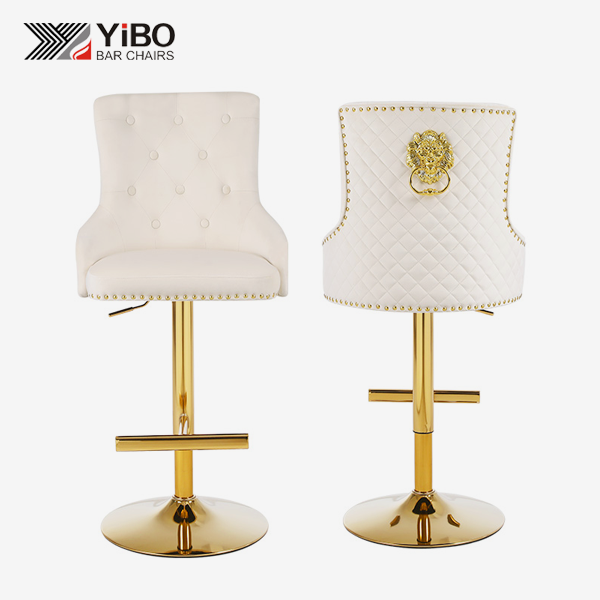
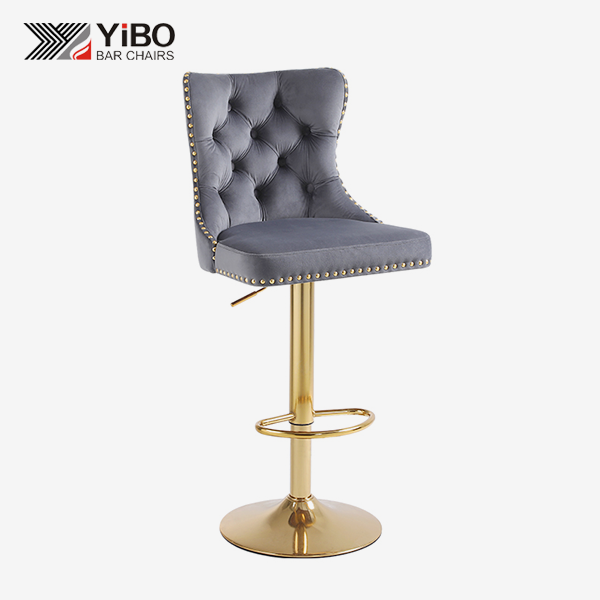
The question of longevity often takes precedence over aesthetic concerns when looking at seating options for places with a lot of foot traffic. The grey modern velvet bar chairs are a great example of how to combine style and utility. The short answer is that the stain resistance of velvet furniture varies a lot on how the fabric is made, what protective treatments are used on it, and how it is maintained. When made with high-density polyester mixes and hydrophobic finishes, modern performance velvets can last as long as commercial-grade fabrics. When procurement managers know these technical details, they can make choices that protect both the initial investment and the long-term costs of running the business.
Understanding Stain Resistance in Grey Velvet Bar Chairs
The Science Behind Velvet Fabric Performance
The image for fragility of velvet comes from historically delicate silk-based fabrics, but modern commercial upholstery is not at all like these delicate fabrics. Modern velvet used in professional bar seating is usually made of 100% polyester or a blend of polyester and nylon. The cloth weight is usually between 300 and 450 GSM. This dense construction has two instant benefits: better opacity that hides discolored foam below, and structural integrity that keeps high-stress seams from tearing.
The pile structure of velvet, which is made up of thousands of tiny vertical threads, naturally repels stains in a way that engineers call "liquid suspension." Spills land on the tips of the fibers at first instead of going straight through to the backing material. Staff can blot up liquids during this 30 to 60 second time before they are absorbed. But this protecting feature only works at its best when the right chemicals are used on fabrics when they are being made.
Commercial-Grade Fabric Treatments That Matter
When looking at velvet bar chairs, people in charge of buying things should specifically ask about three technical details. Martindale abrasion resistance testing finds out how many times a fabric can handle friction before it starts to wear out. For commercial use, the rating must be at least 40,000 cycles, and premium goods should be able to handle more than 60,000 cycles. Crypton and other similar barrier treatments make molecular shields that keep water, oils, and bacteria away from the cloth without changing how soft it feels to the touch. Lightfastness scores of 4 or higher keep the gray pigment from turning purple or brown when it is exposed to UV light all the time near windows.
The neutral gray color has a strategic maintenance benefit that isn't always taken into account in procurement specs. Unlike stark white or deep black options, medium gray tones hide small amounts of lint, dust, and the natural color changes that happen when velvet pile moves from side to side. This "visual forgiveness" makes it seem like cleaning isn't always needed, so in busy business settings, it's possible for longer periods of time to go by between professional maintenance visits.
Comparing Velvet to Alternative Upholstery Materials
Commercial bar seating has traditionally been made of leather because it is easy to clean, but leather is sensitive to humidity and doesn't conduct heat well. Real leather cracks in places that are too dry, and it feels too cold in places with air conditioning. These are both problems that directly affect the comfort of guests in hotel settings. Synthetic leather options get rid of these worries, but they also come with their own problem: after 18 to 24 months of heavy use, the surface starts to show signs of wear, giving it an old look.
Polyester microfiber fabrics are very durable and don't stain easily, but they don't send the same high-end visual message that velvet does. For commercial buyers, the main task is to make sure that material performance and brand positioning are in line with each other. A boutique hotel bar that wants to attract wealthy customers needs the visual language of luxury that only velvet can provide. On the other hand, a sports bar with a lot of customers might put more value on pure usefulness. When procurement teams understand this strategic alignment, they can better explain their material decisions to stakeholders who are only interested in cost-per-unit calculations.
Evaluating Grey Velvet Bar Chairs for Commercial Use: Durability and Maintenance
Frame Construction and Load-Bearing Capacity
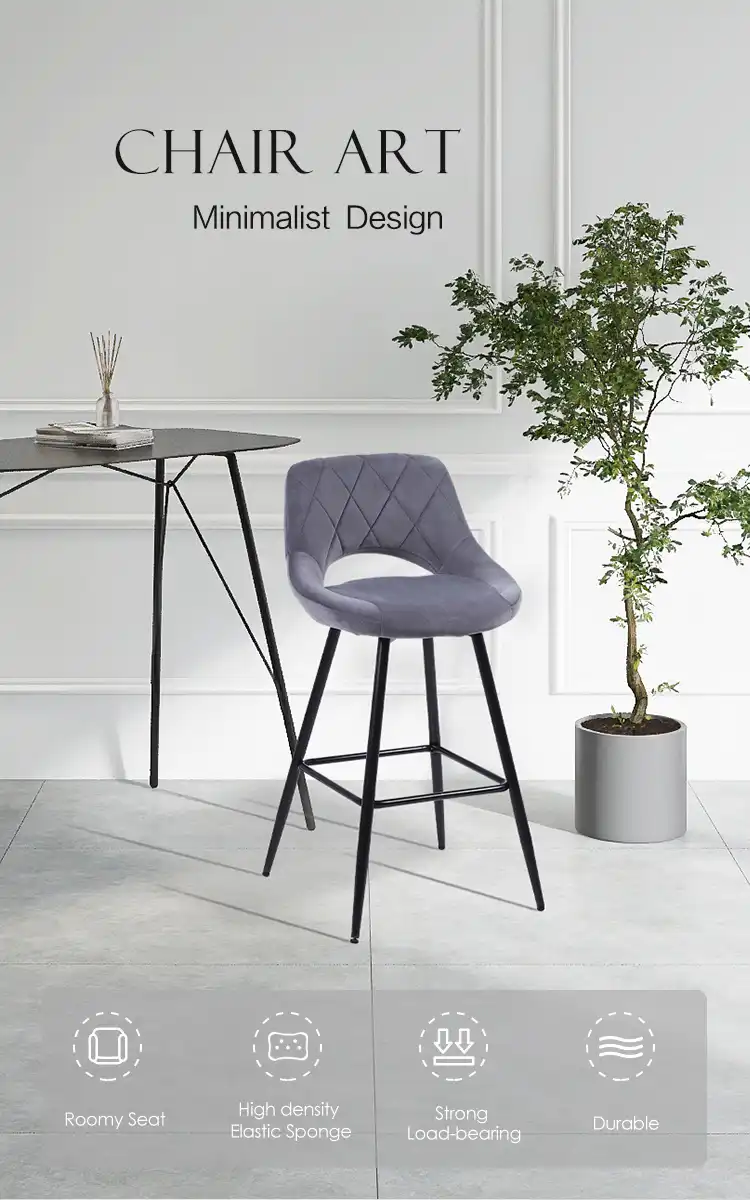
The velvet fabric gets your attention right away, but the frame engineering is what makes the structure strong. The grey modern velvet bar chair from YIBO has black-painted iron feet and a wooden plank base. This mixed construction strikes a good balance between cost-effectiveness and dependability. Frames made of metal can hold more weight—about 300 pounds consistently—while parts made of wood reduce noise in open-plan eating areas by dampening vibrations.
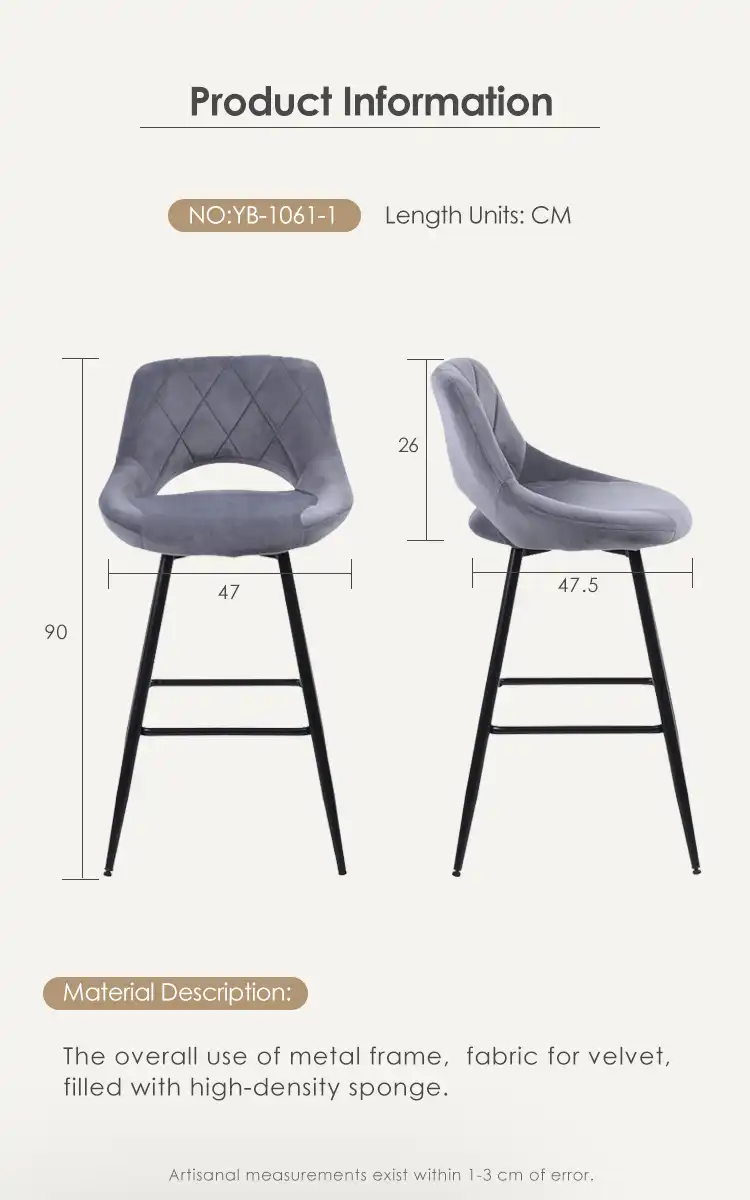
In commercial settings, welded steel building is better than bolted assemblies because it doesn't have the slow loosening that happens with mechanical fasteners. Powder coating on metal parts is more resistant to chipping than liquid paint, so the look stays the same even when chairs are stacked or moved around a lot while they are being cleaned. The footprint measurements of L46×W48×H90 cm make it stable without taking up too much floor space, which is important for places that want to maximize seating density while staying within city occupancy limits.
Maintenance Protocols for Commercial Environments
To clean velvet bar stools every day, all you have to do is dry brush them with a soft-bristle upholstery tool, making sure to follow the natural pile direction to reset the fiber orientation. This 30-second job, done when the door is opened or closed, stops the "shading" effect that makes areas of fabric that are compressed look darker than the rest of the fabric. Once a week, using a handheld attachment to clean gets rid of dust that has settled in before it can mix with skin oils that guests have brought with them.
Professional deep cleaning should happen every three months in places that get a lot of use and every six months in places that get less use. Water-based upholstery cleaners made for synthetic fabrics get rid of built-up oils well without leaving behind a film that draws more dirt. Another option is steam cleaning, which kills germs and resets the crushed pile, but techs need to be careful not to over-saturate the carpet, which could damage the foam padding underneath. Setting these rules up before stains become permanent is the main difference between long-term velvet care that works and premature replacement that doesn't.
Real-World Performance in Hospitality Settings
A case study from a small hotel in Chicago shows useful velvet success metrics. In their bar area, there are 24 grey leather stools, and during busy times, 180 to 210 guests come in every day. After 18 months of using the above-mentioned maintenance plan, the venue said that no chairs needed to be replaced and there wasn't much wear that went beyond the normal pile direction variance. According to the breakdown of practical costs, professional cleaning costs an average of $12 per chair per year. This is a lot less than the costs of replacing cheap chairs every 24 months.
On the other hand, a beach club in Miami chose velvet bar chairs without checking the fabric treatment requirements. Within eight months, 40% of their seating had visible stains and pile matting from being exposed to salt air and not following proper care procedures. The financial impact went beyond the cost of replacements. It also included bad online reviews that specifically mentioned "worn-out furniture" that hurt the venue's standing in the premium market. This comparison shows that technical requirements and operational focus work together to decide if a business can make money.
Buying Guide: How to Choose Stain-Resistant Grey Velvet Bar Chairs for Your Business?
Critical Evaluation Metrics for Procurement Teams
When assessing velvet bar seating options, procurement professionals should implement a structured evaluation framework. Fabric specifications require documented proof of Martindale test results, colorfastness ratings, and specific chemical treatments applied. Frame construction demands clarity on welding versus bolting methods, metal gauge thickness, and powder coating durability. Cushioning materials need density specifications—high-resilience polyurethane foam with 35kg/m³ density prevents the seat collapse that creates guest discomfort and necessitates premature replacement.
Warranty terms reveal manufacturer confidence in product longevity. YIBO provides a standard one-year warranty covering structural defects and material failures, which aligns with industry standards for commercial furniture. However, procurement managers should clarify what specific scenarios trigger warranty coverage versus normal wear exclusions. Understanding these boundaries prevents future disputes and allows accurate total cost of ownership calculations across expected product lifecycles.
Ergonomic considerations extend beyond comfort to impact operational efficiency. Bar chairs with footrests reduce lower back strain during extended seating periods, potentially decreasing guest turnover rates in venues where longer visits correlate with higher per-customer revenue. Backrest angles between 95-105 degrees provide lumbar support without creating a reclined posture inappropriate for bar-height seating. These design elements distinguish thoughtfully engineered commercial products from residential furniture adapted for business use.
Customization Options That Enhance Commercial Functionality
Modern B2B suppliers recognize that standardized products rarely address the specific operational requirements of diverse commercial environments. Adjustable seat height mechanisms transform fixed bar chairs into versatile seating that accommodates varying counter heights across different venue zones. Color customization allows brand alignment—while grey offers universal appeal, some concepts require specific Pantone matches to maintain design consistency across multiple locations.
Material substitutions for velvet bar chair provide another customization avenue worth exploring. Venues in coastal climates might request marine-grade metal finishes that resist salt air corrosion, while cold-weather establishments could specify wood species with reduced humidity expansion coefficients. These modifications typically add 15-20% to base unit costs but eliminate the hidden expenses associated with environmental incompatibility discovered post-installation.
Packaging adaptations significantly impact total landed costs for international buyers. YIBO's space-saving packaging approach reduces container volumes, allowing larger order quantities per shipment and lowering per-unit freight expenses. Procurement teams should request detailed carton dimensions and stacking heights to accurately calculate logistics costs before finalizing supplier selection. This level of operational detail separates strategic sourcing from simple price comparison purchasing.
Supplier Reliability and Long-Term Partnership Indicators
The relationship between furniture buyer and manufacturer extends far beyond initial transaction completion. Reliable suppliers demonstrate consistent quality control through documented inspection protocols—YIBO maintains ISO 9001:2015 certification and BIFMA compliance, providing independent verification of manufacturing standards. These credentials matter particularly for buyers managing multi-location rollouts where product consistency across batches determines brand coherence.
Communication responsiveness serves as a practical reliability indicator. Suppliers offering 24-hour inquiry response times, like YIBO's sales team, enable procurement managers to address urgent issues without operational disruptions. This responsiveness becomes critical during installation timelines when delivery delays cascade into lost revenue from postponed venue openings. Evaluating supplier communication during the quotation phase predicts their performance during inevitable future challenges.
Production capacity transparency helps buyers assess whether a supplier can scale with growing business needs. YIBO's 6,000-square-meter facility and container-level monthly output demonstrate capability to serve wholesale distributors and multi-property hospitality groups. Smaller manufacturers might offer attractive initial pricing but lack the infrastructure to fulfill expansion orders within required timelines, forcing buyers to split inventory across multiple suppliers and sacrifice aesthetic consistency.
Modern Trends and Innovations in Velvet Upholstered Bar Chairs for Commercial Spaces
Contemporary Design Movements Influencing Commercial Furniture
The 2026 commercial furniture landscape reflects broader interior design trends emphasizing biophilic elements and textural diversity. Grey tones specifically align with the continued popularity of greige color palettes that bridge warm and cool aesthetics, allowing furniture to complement diverse interior finishes from concrete and steel to natural wood and stone. Velvet's inherent texture provides visual interest that flat fabrics cannot achieve, satisfying the design principle that successful interiors require varied tactile experiences.
Minimalist silhouettes with refined proportions characterize current bar chair design language. Clean lines and reduced ornamentation create visual coherence in open-plan spaces where furniture remains constantly visible rather than tucked away. The L46×W48×H90 cm dimensions of YIBO's offering reflect this trend—substantial enough to provide comfort and presence without overwhelming spatial flow or creating visual clutter in multi-use hospitality environments.
Sustainability considerations for velvet bar chair increasingly influence procurement decisions as corporate responsibility metrics gain prominence. FSC-certified wood components and recyclable metal frames address these concerns while maintaining performance standards. Velvet's durability contributes to sustainability objectives by extending replacement cycles—a chair lasting seven years rather than three effectively reduces environmental impact by more than half while delivering superior financial returns.
Advanced Fabric Technologies Enhancing Commercial Viability
Nanotechnology fabric treatments represent the most significant recent advancement in velvet commercial applications. These molecular-level coatings create invisible barriers that repel liquids and oils without altering fabric hand or breathability. Unlike earlier chemical treatments that left perceptible surface stiffness, current-generation products maintain the sensory experience that makes velvet appealing while dramatically improving soil resistance.
Antimicrobial fabric technologies address heightened hygiene awareness following recent public health concerns. Silver-ion and copper-infused fibers inhibit bacterial growth on upholstery surfaces, reducing odor development and pathogen transmission between guests. These treatments add minimal cost while providing marketing advantages for venues promoting enhanced cleanliness protocols.
Recycled polyester velvet fabrics now achieve performance specifications matching virgin materials while reducing environmental footprint. Manufacturers convert post-consumer plastic bottles into fiber through mechanical and chemical processes, creating sustainable alternatives without compromising durability or appearance. Forward-thinking procurement teams can leverage these options to meet corporate sustainability targets while maintaining the aesthetic and functional requirements commercial applications demand.
Evolving B2B Procurement Models and Direct Sourcing Benefits
By working directly with manufacturers, you can get rid of the markups that distributors used to add, which drove up the prices of business furniture by 35 to 50 percent. Digital communication tools let foreign buyers and Chinese manufacturers like YIBO work together in real time, getting rid of the need for middlemen who had to deal with language and time issues. This direct relationship lets you customize things in ways that distributors can't, and it also lowers the minimum order size by making operations easier.
When you buy by the container, you can get big price cuts on each unit compared to ordering a mix of products through a general dealer. With a specialized container of bar chairs, you don't have to worry about the damage and logistics that come with combining shipments of different types of goods. The saves usually make up for a little higher inventory carrying costs, especially for businesses with multiple locations that standardize furniture across all of them.
Long-term partnerships with suppliers let both sides work together to develop new products, which is good for everyone. Buyers get access to manufacturing experts who can improve designs for better business performance, and suppliers get market information that helps them focus their R&D efforts on innovations that people really want instead of features that people might want. This approach of working together is the way of the future for buying furniture for businesses. Instead of buying one item at a time, it uses strategic partnerships to give both parties an edge in the market.
Conclusion
The engineered fabric specs, not just the type of material, give grey velvet bar chairs their stain resistance. When paired with a strong frame and strict care rules, modern polyester velvet that has been treated correctly can last for years in a commercial setting. When purchasing these items, people in charge should ask for written performance specs, look at the total costs of ownership that go beyond the initial purchase price, and give more weight to sellers who can show they can produce, have quality certifications, and communicate effectively. The grey modern velvet bar chair is a good compromise because it has the style that high-end venues need and the durability that protects the long-term value of an investment in tough business settings.
FAQ
Can grey velvet bar chairs withstand daily commercial use in high-traffic venues?
Properly specified velvet bar chairs excel in commercial applications when manufactured with high-density polyester fabrics (300+ GSM), protective treatments, and reinforced frame construction. Performance depends on fabric quality rather than material category—synthetic velvet with Martindale ratings exceeding 40,000 cycles and hydrophobic finishes delivers comparable or superior durability to leather alternatives while providing enhanced comfort and aesthetic appeal.
What cleaning methods are safe for commercial velvet upholstery?
Daily dry brushing and weekly vacuuming form the foundation of velvet maintenance. Water-based upholstery cleaners designed for synthetic fabrics safely remove stains without damaging protective treatments. Professional steam cleaning quarterly sanitizes and resets compressed pile. Avoid harsh solvents or bleach-based products that degrade fabric treatments and cause permanent discoloration. Always test cleaning products on inconspicuous areas before full application.
How does stain resistance compare between velvet and leather bar chairs?
Treated polyester velvet and genuine leather exhibit similar stain resistance when properly maintained. Velvet's pile structure suspends liquids temporarily, allowing quick blotting, while leather's sealed surface enables wiping. However, leather requires regular conditioning to prevent cracking, whereas treated velvet needs only routine cleaning. Grey velvet specifically masks minor soiling better than light-colored leather, reducing perceived maintenance needs in commercial settings.
Partner with YIBO: Your Trusted Grey Modern Velvet Bar Chair Manufacturer
YIBO brings 14 years of specialized chair manufacturing expertise to B2B procurement professionals seeking reliable commercial seating solutions. Our grey modern velvet bar chairs combine performance-grade polyester velvet upholstery, high-resilience foam cushioning, and powder-coated iron frame construction engineered specifically for hospitality and commercial applications. Located in Anji—China's furniture manufacturing hub—our 6,000-square-meter facility maintains ISO 9001:2015 and BIFMA certifications while shipping container-level orders monthly to 70+ countries. We support full OEM/ODM customization, from fabric selection and dimension modifications to private label packaging, backed by responsive 24-hour communication and comprehensive warranty coverage. Contact our procurement specialists at yb@ajyibo.com to request detailed specifications, volume pricing for grey modern velvet bar chair supplier partnerships, and samples that demonstrate the quality difference professional manufacturing delivers.
References
1. Textile Institute. "Performance Standards for Commercial Upholstery Fabrics: Abrasion Resistance and Durability Testing." Journal of Commercial Textile Applications, 2023.
2. American Society of Interior Designers. "Material Selection Guidelines for High-Traffic Hospitality Environments." ASID Professional Resource Library, 2024.
3. Business and Institutional Furniture Manufacturers Association. "BIFMA e3 Furniture Sustainability Standard: Lifecycle Assessment Methodology." BIFMA Technical Standards, 2023.
4. International Facility Management Association. "Total Cost of Ownership Analysis for Commercial Furniture Procurement." IFMA Research Report Series, 2024.
5. Hospitality Design Magazine. "2024 Trends Report: Material Innovation and Design Evolution in Commercial Seating." Annual Industry Analysis, 2024.
6. National Restaurant Association. "Furniture Durability and Maintenance Best Practices for Food Service Environments." NRA Operations Handbook, 2023.