

 (1)_1777442575043.jpg)
Are PU Fabric Leisure Chairs Prone to Shipping Damage?
One question that procurement managers and importers often have when looking for furniture for business projects or to sell is: are PU fabric leisure chairs likely to get damaged during shipping? The simple answer is that these chairs are vulnerable during transport, especially to surface scratches, compression damage, and frame deformation. However, these risks can be greatly reduced with good packaging practices and knowledgeable suppliers. Knowing how polyurethane upholstery works and taking smart steps to protect it will make sure that your bulk orders arrive in perfect condition, ready to be used right away or sold in stores.
Understanding PU Fabric Leisure Chairs and Their Shipping Vulnerabilities
What Makes Polyurethane Upholstery Different?
Polyurethane cloth is the next generation of high-tech synthetic materials. It has the feel and look of leather thanks to advanced chemical engineering. Unlike PVC options that use plasticizers to make the surface stiff, good PU goes through a wet coagulation process that makes the structure microporous. This ability to breathe addresses worries about comfort while still meeting the needs of commercial and hospitality clients for water resistance and ease of maintenance.
In the making process, a polyurethane covering (usually 0.8mm to 1.2mm thick) is glued to a microfiber or TC backing substrate. This construction has a very high resistance to wear and tear; in specification tests, it is often rated for 50,000 to 100,000 Martindale cycles. The material fits perfectly into ergonomic chair designs, making sleek upholstery lines that improve the look of table chairs, bar stools, and lounge chairs.
Inherent Transit Vulnerabilities
Even though polyurethane upholstery has these efficiency benefits, the same qualities that make it appealing also make it hard to ship. The coating on the surface is strong when used normally, but it can still be punctured and worn down by sharp items or rough handling during loading. If chair backs and seat cushions aren't properly covered, they can get scratches that make them look bad, even if the structure is still there.
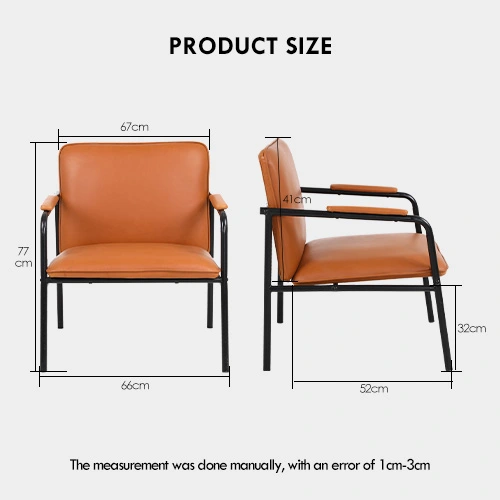
Compression is another important issue to consider. Stacking pressure in containers can bend foam cushions and put too much stress on frame joints for their intended limits. Modern designs often use metal frames, like spray-painted matte black iron structures. These frames need to be carefully spaced apart to keep the finish from getting damaged and the structure from being compromised. Changes in temperature and humidity during ocean freight make things more difficult, especially when moisture shields don't work. These conditions can weaken the ties between layers of upholstery and speed up wear patterns that wouldn't show up in normal storage conditions.
Root Causes of Shipping Damage to Polyurethane Upholstered Furniture
Packaging Inadequacies
It's impossible to say enough about the link between good packing and good arrival condition. We've seen shipments where standard single-wall corrugated boxes broke when they were stacked, letting PU fabric leisure chairs come into close contact with the walls of the boxes. When there isn't enough edge protection, areas like armrests, backrests, and leg assemblies are left open to damage from impacts when moving from one way of transport to another.
The fear of moisture intrusion is especially sneaky. When the temperature changes, condensation can get through packaging that doesn't have the right vapor shields. This can cause water spots on furniture and rust on metal parts. Ocean freight is more dangerous because it travels over longer distances and is exposed to marine conditions. When importers have problems with mildew or corrosion, they almost always find that the problem was caused by poor moisture protection during the packing process.
Handling and Transportation Stresses
There are many places in global logistics chains where people handle goods, which adds variables that shippers can't control. Forklift operations, moving pallets, and setting up shelves in the warehouse can all lead to rough treatment, especially when loading teams are rushed or don't know how to properly handle furniture. During travel by road, vibration can loosen fasteners and put stress on joints. Also, if the cargo isn't properly secured, it can shift, putting more force on certain pieces.
How people stuff containers has a big effect on the results. Pressure points are made when the weight isn't distributed properly, and movement during travel is increased when bracing isn't used. We have seen cases where chairs placed near container doors were damaged more than they should have been by the effects of loading and unloading. This could have been avoided with better placement rules.
Best Practices to Minimize Shipping Damage to Commercial Seating Products
Advanced Packaging Engineering
Protection starts with choosing materials that are resistant to the situations that they will be sent through. Five-layer reinforced corrugated cardboard, which can hold up to 200 pounds per box, is what makes container-level shipments strong. This standard provides a level of resistance to crushing that keeps the structure's integrity under the heavy stacking loads that are common in ocean freight settings.
Besides the strength of the box itself, internal protection systems check the state of the surface when it arrives. Custom-cut foam inserts that fit the shape of the chair stop it from moving inside the boxes while absorbing impact forces. Corner guards protect dangerous spots like the armrests and the tips of the legs. Polyethylene film wrapping keeps out wetness and lets you see inside the package without opening it. These different layers of security work together to make the system stronger. No single part alone is enough to protect it, but together they deal with all possible failure scenarios at the same time.
As sustainable requirements change the way things are bought, environmental concerns affect packaging choices more and more. Modern materials meet two goals: they protect well and can be recycled. Molded pulp padding made from recycled paper, biodegradable edge guards, and water-based glues show that being environmentally friendly doesn't have to mean sacrificing transit safety. When buyers choose these options, they make themselves look good to end customers who care about the environment while still upholding product integrity standards.
Strategic Logistics Partnerships
When choosing a carrier, it's not enough to just compare prices; you should also look at how well they handle furniture and how quickly they settle claims. Freight companies that specialize in furniture logistics know how fragile the products they transport are and hire trained staff who know how to handle them properly. During storage periods, their warehouses usually have temperature control and safety features that make things less dangerous.
Supervising the loading of containers is an important part of quality control. Having representatives from the supplier present during the stuffing process makes sure that the planned configurations are followed and lets changes be made in real time if conditions don't match the specs. Keeping records with photos makes people responsible and helps settle claims if damage happens even after steps were taken.
Transit tracking technology has grown to give us more information than ever before. Temperature and humidity sensors, shock indicators, and GPS tracking make it possible to move before conditions threaten the integrity of the cargo. Even though they cost more, these tools are worth the extra money in situations where there are a lot of purchases and the damage rate has a direct effect on profits and customer happiness.
Evaluating Suppliers: Quality Assurance and Damage Mitigation Protocols
Manufacturing Standards and Certifications
Supplier capabilities extend far beyond leisure sofa chair unit production to encompass systems that ensure consistent quality and minimize transit risk. ISO 9001:2015 certification indicates documented quality management processes, while BIFMA compliance demonstrates adherence to structural performance standards specific to commercial seating. These credentials provide baseline assurance, yet deeper evaluation reveals meaningful differentiation between manufacturers.
Hydrolysis resistance testing offers particular relevance for polyurethane upholstery. Standard Polyester-PU formulations break down when exposed to humidity over time, manifesting as surface peeling or flaking. Premium manufacturers utilize Polycarbonate-PU resins that withstand tropical test conditions equivalent to years of use without degradation. Requesting test reports documenting ISO 1419 Method C compliance separates suppliers committed to longevity from those optimizing for initial cost metrics.
Packaging Customization and Damage Guarantees
Leading suppliers recognize that protection requirements vary with product characteristics, destination markets, and order volumes. They offer packaging consultation that analyzes specific vulnerabilities and designs solutions accordingly. A spray-painted metal frame demands different protection than powder-coated alternatives. Chair models with protruding elements require custom inserts that standard packaging cannot accommodate.
Damage guarantee policies reveal supplier confidence in their systems. Manufacturers who stand behind their products with replacement commitments or credit policies for transit damage demonstrate alignment with buyer interests. The specifics matter—understanding claim procedures, documentation requirements, and resolution timelines prevents surprises when issues arise. Transparent communication during these discussions often correlates with overall partnership quality.
Track Record and Reference Verification
Past performance provides the most reliable predictor of future outcomes. Requesting references from buyers in similar markets conducting comparable order volumes yields practical intelligence that marketing materials cannot convey. Inquiring specifically about damage rates, claim resolution experiences, and packaging effectiveness reveals patterns that inform selection decisions.
At Anji Yibo Furniture, we've spent 14 years refining our export processes through partnerships with importers across 70 countries. Our 6,000-square-meter facility in Anji—China's furniture manufacturing hub—combines advanced equipment with skilled craftsmen who understand that quality extends beyond the product itself to encompass every aspect of the buyer experience. Our track record reflects this comprehensive approach, with damage rates consistently below industry averages through continuous packaging innovation and logistics optimization.
Maintenance Tips Post-Delivery to Extend Product Lifespan
Immediate Inspection Protocols
Systematic inspection after delivery sets the stage for both claim settlement and long-term performance. Keeping track of the condition of the carton before opening it is the first piece of proof needed to support shipping damage claims. By taking pictures of damage that can be seen on the outside and writing down the numbers on the cartons, you can make a record that connects particular units with transit conditions.
When inspecting the inside of a building, a standard list should be used to make sure that the upholstery surfaces, frame stability, finish quality, and hardware security are all checked. By running your hands over the seat, you can feel for scratches or abrasions that you might not be able to see at first glance. By testing the stability of the frame, you can find parts that are loose or structural problems. Aesthetic standards are met by making sure that spray-painted finishes stay even and don't chip or rust.
When problems happen, they need to be reported right away. Most sellers have claim windows that are usually 48 to 72 hours after delivery. If you miss these windows, it can be hard to get your money back. Claims handling is sped up and improved with detailed documentation and photos taken from different angles. When organizing bulk shipments, this process goes more quickly when you keep records organized by purchase order and carton number.
Cleaning and Care Best Practices
Taking care of leisure sofa chair polyurethane upholstery is very different from taking care of cloth or real leather. You can use a soft cloth and light soap and water to clean the synthetic surface. You don't need to use oils, conditioners, or harsh chemicals that could damage the protected topcoat. Regular cleaning stops dirt from building up, which speeds up wear patterns, especially in business settings with a lot of foot traffic.
What happens depends on when the spill reaction happens. Good PU doesn't let liquids soak in right away because it's hydrophobic, but if it's exposed for a long time, the liquids can get through and leave a lasting stain. If you don't rub, you can stop the spread, and if you don't use too much water, it won't get to foam surfaces where it can grow bacteria or mildew.
Small damage can usually be fixed with simple steps. Small scratches might get better with soft buffing with microfiber cloths. Usually, all you need to fix loose screws are some simple tools and some care. Regular maintenance greatly increases the useful life of furniture, which lowers the overall cost of ownership for big furniture installations in business, retail, or hospitality settings.
Conclusion
Damage during transit to polyurethane-upholstered furniture is a manageable risk, not an inevitable result, if buyers work with experienced manufacturers who use tried-and-true safety measures. Because synthetic leather surfaces and metal frames are weak points, certain defenses need to be used. These include stronger corrugated packaging, moisture barriers, custom padding, and smart logistics partnerships. When choosing a supplier, you should look for ones with quality certifications, knowledge of how to package items well, harm guarantee policies, and track records that can be checked. Post-delivery inspection protocols and proper maintenance practices round out the protection strategy. These make sure that your investment gives the looks, comfort, and durability that make people buy commercial furniture.
FAQ
How common is shipping damage with synthetic leather seating?
Damage rates vary significantly based on packaging quality and logistics execution. Industry data suggests that properly protected furniture experiences damage in less than 2% of shipments, while inadequate protection can push rates above 15%. The difference underscores the critical importance of supplier packaging standards and carrier selection in procurement decisions.
Can humidity during ocean freight damage polyurethane upholstery?
Quality PU fabric demonstrates moderate moisture resistance, handling brief exposure without lasting effects. Extended humidity exposure during multi-week ocean transits can affect adhesive bonds and create conditions for mildew growth if moisture barriers fail. Specifying vapor-resistant packaging and requesting Polycarbonate-PU formulations with high hydrolysis resistance mitigates these risks effectively for international shipments.
Do eco-friendly packaging materials provide adequate protection?
Modern sustainable packaging solutions achieve protection standards comparable to traditional materials when properly engineered. Molded pulp cushioning, recycled corrugated boxes, and biodegradable films have matured to the point where environmental responsibility no longer requires compromising product integrity. Many progressive suppliers now offer these options as standard, aligning with corporate sustainability mandates while maintaining low damage rates.
Partner With YIBO for Reliable Polyurethane Upholstered Seating Solutions
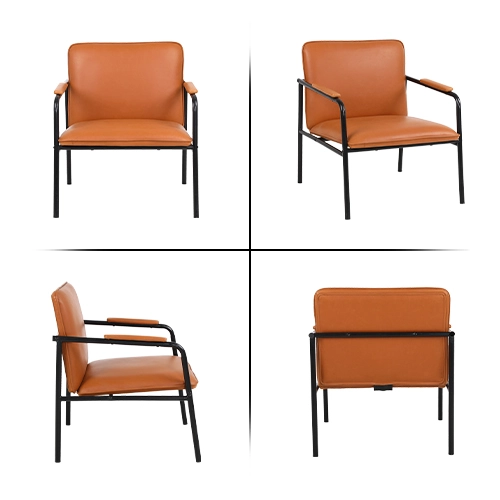
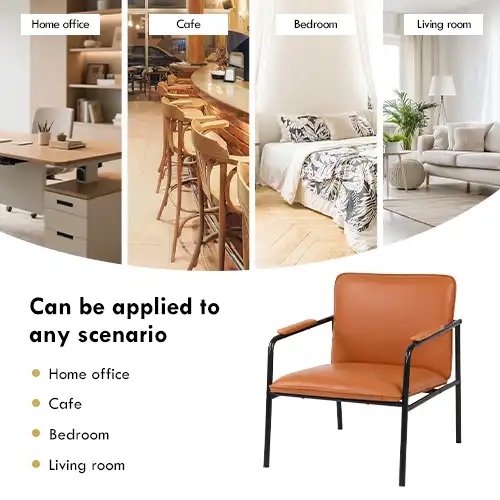
Anji Yibo Furniture specializes in manufacturing commercial-grade seating that combines contemporary design, ergonomic comfort, and transit durability. Our polyurethane upholstered leisure chairs feature spray-painted matte black iron frames and thoughtful construction details that withstand the rigors of global shipping. As an experienced PU fabric leisure chair manufacturer serving importers, wholesalers, and project contractors across North America and Europe, we understand that product quality extends beyond materials and craftsmanship to encompass every aspect of the procurement experience.
Our packaging engineering reflects 14 years of export refinement. Each chair ships in five-layer reinforced corrugated boxes with custom foam inserts, moisture barriers, and protective wrapping designed specifically for container-level ocean freight. This systematic approach keeps our damage rates among the industry's lowest while supporting space-efficient loading that optimizes your shipping costs.
We welcome the opportunity to discuss your specific requirements and demonstrate how our OEM and ODM capabilities can support your market positioning. Contact our team at yb@ajyibo.com to request samples, review our full product line, or explore customization options that align with your brand standards. Let's build a partnership founded on quality, reliability, and mutual success.
References
1. Morrison, T. and Chen, L. (2021). Packaging Engineering for International Furniture Logistics: Materials, Methods, and Risk Mitigation. Global Supply Chain Institute.
2. International Furniture Transporters Association. (2022). Damage Prevention Guidelines for Upholstered Seating Products in Container Shipping. IFTA Industry Standards Publication.
3. Zhang, W. (2020). "Polyurethane Synthetic Leather: Material Properties, Manufacturing Processes, and Performance Testing Standards." Journal of Applied Polymer Science, 137(42), 49287-49301.
4. Business and Institutional Furniture Manufacturers Association. (2023). BIFMA X5.1-2023: Desk and Table Products - Tests. BIFMA Standards Program.
5. Rodriguez, M. and Patel, S. (2022). "Transit Damage Analysis in B2B Furniture Procurement: Risk Factors and Prevention Strategies." International Journal of Physical Distribution & Logistics Management, 52(3), 234-251.
6. European Furniture Logistics Council. (2023). Best Practices in Sustainable Packaging for Export Furniture: Environmental Performance and Product Protection. EFLC Technical Report 2023-08.