

 (1)_1777442575043.jpg)
Latest Trends in Grey Modern Velvet Bar Chair Styles
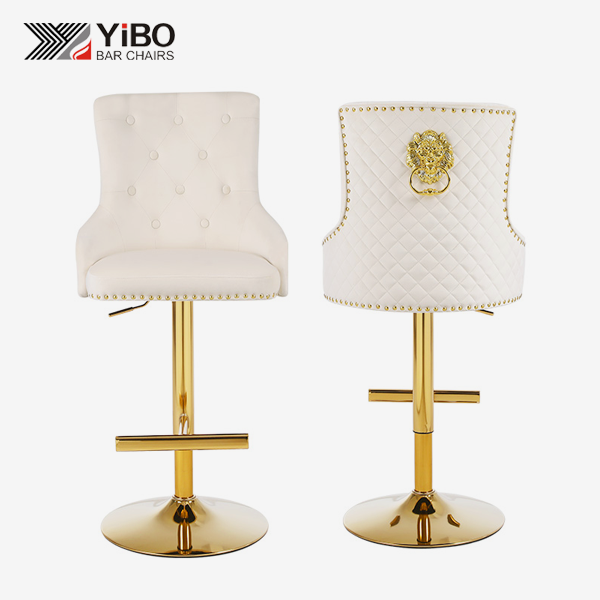
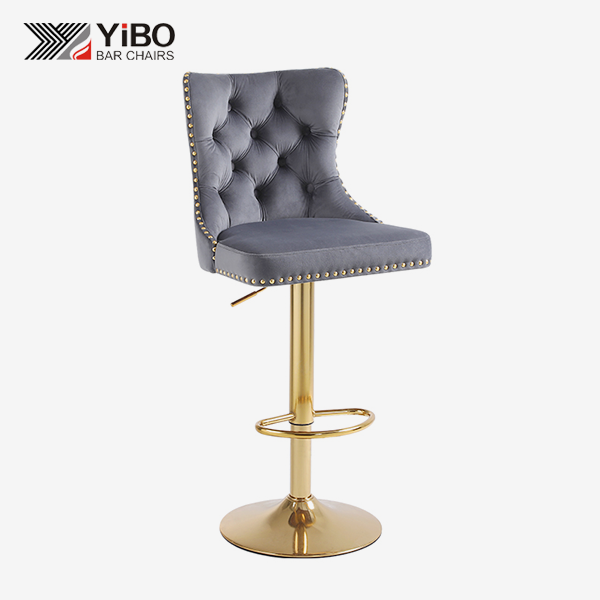
A lot has changed in the world of buying business furniture in 2026. For example, grey modern velvet bar chairs are now a smart investment for retail and hospitality settings. These high-end seating options strike a balance between luxurious feel and long-lasting use. They give B2B buyers an edge by having a neutral look that goes with changing interior styles and hides wear in high-traffic areas. According to recent market research, procurement managers are giving more attention to velvet upholstery because it can absorb sound in open-concept spaces and provide a high-end experience for guests without the upkeep problems that come with real leather options.
Understanding Grey Modern Velvet Bar Chairs: Styles and Benefits
People's tastes in bar chairs have changed a lot over the years, especially when it comes to the materials used for the upholstery and the way the seats are built. When purchasing managers look at investments in seating for container-level sales, it's important to know about the technical specs and aesthetic options of velvet bar stools in order to stay competitive.
Defining Characteristics of Contemporary Velvet Seating
Modern velvet bar chairs are different in a number of ways that can be measured and have a direct effect on how well they do in business. The fabric is usually made up of polyester or poly-nylon mixes with weights between 300 and 450 GSM. This makes sure that the fabric stays opaque and strong over many uses. In these situations, gray pigments are useful for more than just looks. The neutral tone hides small stains better than stark black or white options, which makes upkeep seem less necessary in areas that people will see.
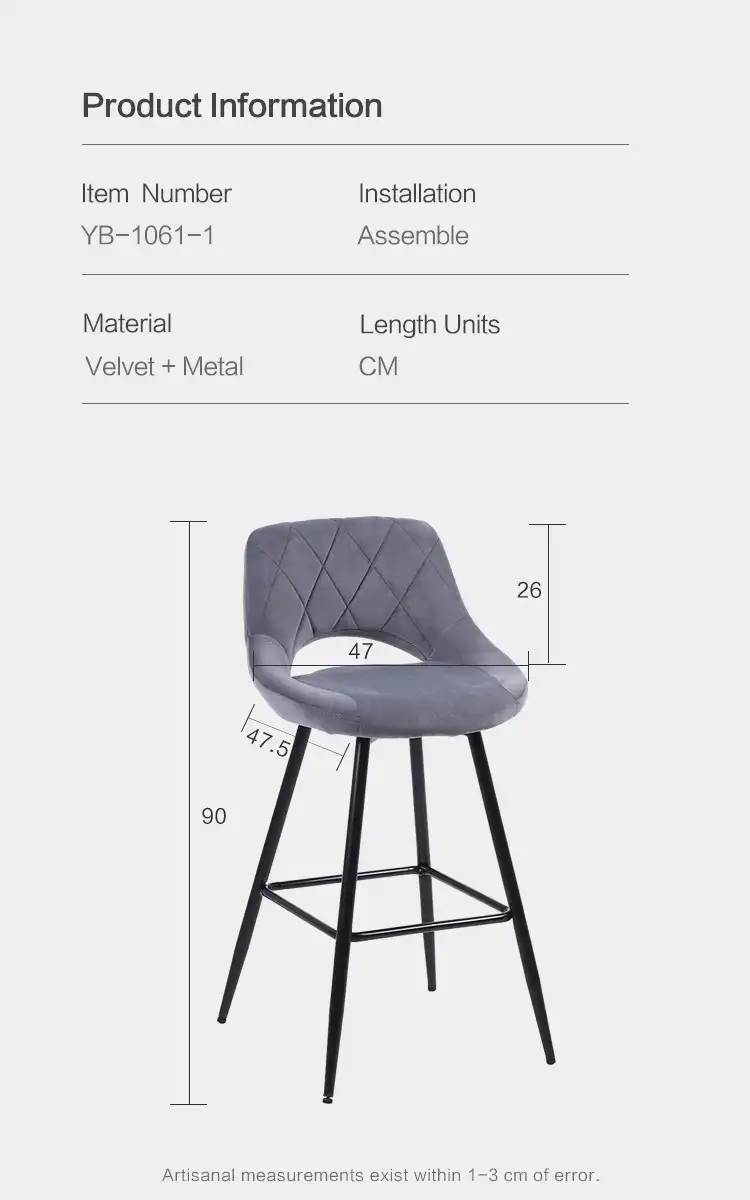
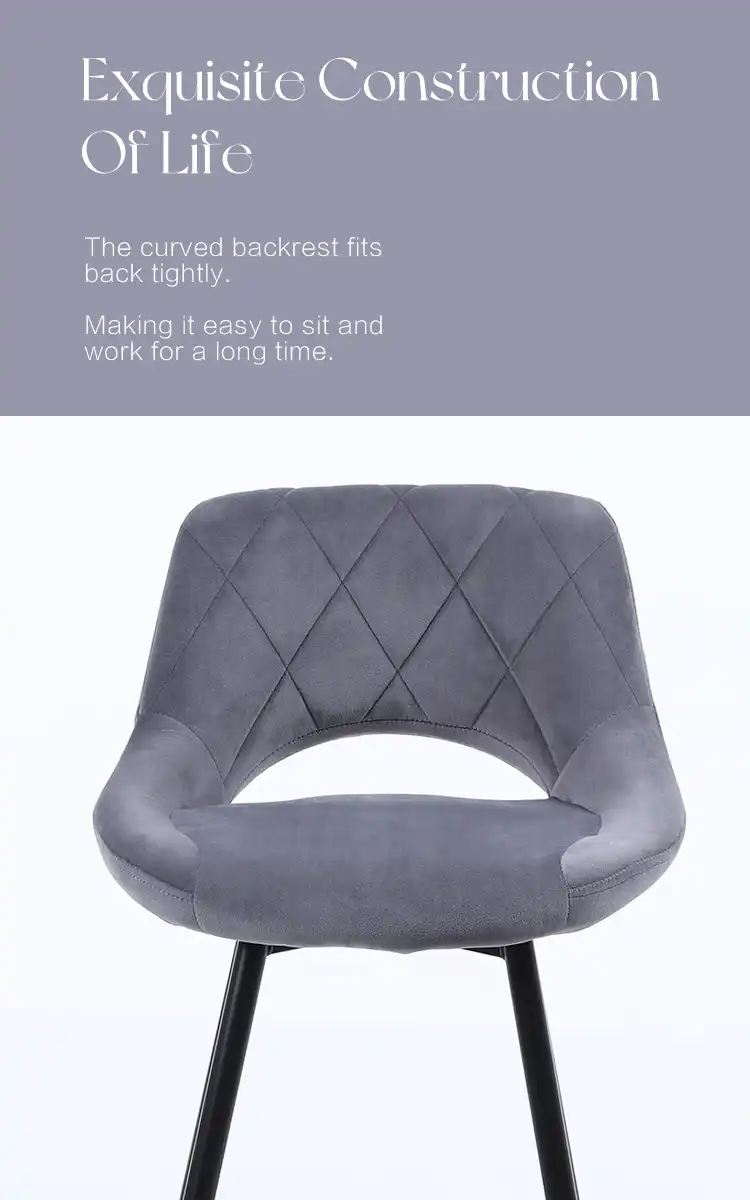
Our factory in Anji, Zhejiang, makes bar chairs that are L46xW48xH90cm and are upholstered in high-quality velvet over high-resilience foam that has a density value of 35kg/m³ or higher. This specification keeps seats from sagging and keeps guests comfortable during long times of sitting. The ergonomic backrest design solves a major problem in restaurant settings, where customers' comfort has a direct effect on how often they leave their tables and how often they come back.
Height Variations and Functional Applications
Based on how the counter is set up, bar space is usually divided into two groups. Counter-height models (24 to 26 inches) work with standard kitchen islands and lower bars. Bar-height models (28 to 30 inches) can fit raised surfaces that are popular in cocktail lounges and standing desks. Adjustable mechanisms give you more operational freedom, but procurement experts should check the gas lift classifications—Class 3 or 4 cylinders can handle about 100,000 to 120,000 cycles, which is about 5 to 7 years of heavy business use before the pneumatic pressure starts to drop.
Adding footrests isn't just good for ergonomics; it also has a direct effect on how comfortable people are and how long they stay. Standard in our manufacturing specs are black-painted iron feet that stand out against gray upholstery and keep the structure stable for up to 300 pounds of weight. This frame building method strikes a balance between the costs of materials and the performance standards that commercial buyers want to make sure their warranties are met and the long-term value of the asset.
Design Movements Influencing Current Selections
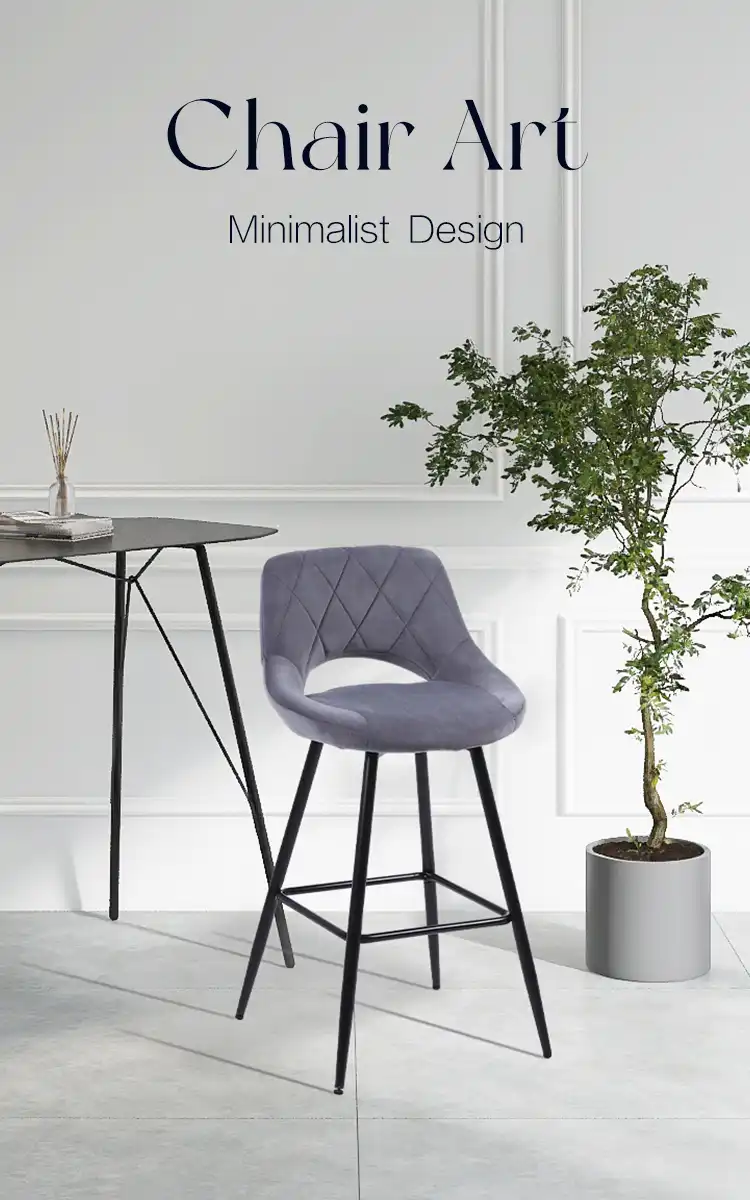
Contemporary style, with its clean lines and few decorations that go with a wide range of color schemes, is what's popular right now when it comes to buying things. Mid-century modern influences can be seen in the tapered leg shapes and geometric backrest configurations, which makes them appealing to hotel owners who want classic design that won't go out of style. Importers who sell to a variety of markets have to think about these style factors when planning their inventory, because design flexibility is directly linked to how efficiently goods are distributed and how quickly they are sold.
The ability of velvet pile construction to reduce noise is an important feature that is often ignored in open-plan restaurants and bars. Fabric furniture absorbs sound waves better than hard surfaces, which helps control background noise without needing any extra changes to the building's design. This practical benefit has become more popular among business project contractors who are choosing furniture packages for mixed-use developments where sound transfer between zones affects things like operational licensing and customer satisfaction.
Comparing Velvet Bar Chairs with Other Materials: Making Informed Procurement Decisions
The choice of material of velvet bar chair is one of the most important parts of buying business seating because it has a direct effect on maintenance costs, replacement cycles, and how people feel about the brand. When purchasing at the container level, purchasing managers have to weigh the original costs of buying the goods against the total cost of ownership, which takes into account how to clean the goods, how long they last when they rub against other things, and how they look over the course of their lifetime.
Durability Metrics Across Upholstery Options
Leather alternatives have generally been the most popular choice for hospitality seating because they are thought to be easier to clean and resistant to moisture. Modern synthetic velvets, on the other hand, question this idea by showing improvements in performance that can be measured. Martindale abrasion testing, which is the standard for how long fabrics last, shows that commercial-grade velvet with ratings of more than 40,000 cycles is as durable as or more durable than bonded leather alternatives. It also feels better to the touch, which affects guest happiness scores.
The problem of liquid spills needs to be looked at from a technical point of view. Velvet that has been treated with hydrophobic coats doesn't absorb liquid right away, so it can be cleaned up quickly before the liquid gets into the foam. The information in this standard is especially useful in bars, where spills and condensation are common problems. Fabric codes should be checked in the procurement specifications. "W" ratings mean that the fabric can be cleaned with water, while "WS" ratings mean that it can be cleaned with both water and solvents. This gives building management teams more maintenance options.
Standard fabric upholstery made of polyester or cotton blends is cheaper when it is first bought, but it doesn't last as long in business settings. Velvet is naturally resilient because it is made of piles, which isn't the case with woven fabrics. The visual depth that comes from light interacting with fiber orientation is an extra bonus. This optical property keeps things interesting from all viewing points. This is a small but important thing to keep in mind in staged dining rooms where lighting design supports brand positioning.
Functional Features Impacting Commercial Usability
The way backrests are set up directly impacts how comfortable customers are and how well the business runs. Full-back designs support the lower back, which makes sitting for longer periods of time more comfortable. This is especially helpful in places where longer stays are linked to higher income per table. Some types of backless stools save room and make it easier to turn over tables quickly in quick-service restaurants, but they're not very good for long meals. Our research and development team focuses on creating backrests with ergonomic shapes that balance comfort with optimal stacking for storage, which is a very important factor to consider for places with flexible floor plans.
Swivel mechanisms make things easier for customers, which they like, but they also make upkeep more difficult, which procurement professionals need to think about. It's easier to get in and out with 360-degree rotation, which is especially important for ADA compliance in business settings. Because the mechanical parts add more places where things can go wrong, they need to be made with commercial-grade bearings and wear-resistant contact surfaces. In swivel uses, base stability is very important. This means that weighted pedestal designs or wider footprint configurations may be needed, which can change how much floor space is used.
Market Feedback from International Procurement Channels
European buyers always value simple designs and materials that are confirmed to be environmentally friendly. This pushes designers to use FSC-certified wood and metal frames that can be recycled. American hotel owners and managers put more value on instant comfort and visual impact, and they're willing to put up with a little more maintenance work in exchange for better tactile experiences. These regional tastes affect how manufacturers who serve global distribution networks decide what products to make and how to make them.
According to comments from distributors in North American markets, grey tones work better in business settings than other color specifications because they can combine warm and cool design palettes. This flexibility lowers the risk of having too much inventory for wholesalers who work with designers who want to order furniture before they finish designing the whole room. Because grey velvet bar stools are neutral, retailers can keep their SKU counts low while still meeting a wide range of design tastes. This leads to higher inventory turnover rates, which directly affects how much money the business makes.
Trend Insights: The Future of Grey Modern Velvet Bar Chairs in B2B Markets
Commercial furniture markets continue evolving in response to velvet bar chair technological innovations, shifting consumer expectations, and regulatory developments affecting environmental sustainability. Procurement professionals who anticipate these trends position their organizations ahead of market transitions, capturing competitive advantages through early adoption of emerging standards that eventually become baseline expectations.
Durability Innovations Addressing Commercial Challenges
Traditional velvet upholstery faced legitimate concerns regarding pile crushing and moisture vulnerability in high-intensity commercial applications. Recent textile engineering advances have addressed these limitations through modified fiber structures and chemical treatments that maintain aesthetic appeal while improving performance metrics. Solution-dyed polyester fibers demonstrate superior colorfastness compared to piece-dyed alternatives, maintaining consistent appearance despite repeated cleaning cycles and UV exposure that previously caused premature fading.
Stain-resistant technology has progressed beyond surface treatments to molecular-level fiber modifications that prevent liquid penetration without affecting tactile qualities. These performance velvets maintain the characteristic softness and visual depth that differentiate velvet from standard synthetic fabrics, eliminating the historical trade-off between luxury aesthetics and operational practicality. Procurement specifications should verify performance ratings through standardized testing—Martindale counts for abrasion resistance, AATCC standards for colorfastness, and stain resistance protocols measuring cleanup effectiveness for common food and beverage contaminants.
Antimicrobial treatments integrated during manufacturing address heightened sanitation expectations emerging from pandemic-influenced hospitality standards. Silver-ion technologies and other antimicrobial agents inhibit bacterial growth on fabric surfaces without creating harmful chemical exposures for guests or staff. These treatments carry particular value in healthcare-adjacent applications like senior living dining areas or wellness-focused hospitality concepts where sanitation represents a core brand promise.
Ergonomic Enhancements and Functional Evolution
Height adjustability technology continues improving through pneumatic innovations that reduce effort while maintaining long-term reliability. Gas lift mechanisms incorporating dual-stage compression deliver smooth adjustment across extended height ranges while supporting heavier weight capacities that accommodate diverse patron populations. These mechanical improvements address accessibility considerations increasingly mandated through building codes and emphasized in corporate responsibility initiatives driving hospitality design decisions.
Lumbar support geometry receives heightened attention as research quantifies the relationship between seating comfort and patron satisfaction metrics. Contoured backrest profiles that follow spinal curvature reduce pressure points during extended seating, directly impacting guest comfort scores that correlate with return visitation rates. Our R&D personnel collaborate with ergonomic specialists to optimize backrest angles and cushion densities based on anthropometric data representing target user populations, applying evidence-based design principles that differentiate products through measurable performance advantages.
Integrated technology accommodations reflect changing patron expectations in dining and hospitality environments. Discrete USB charging ports and wireless charging surfaces integrated into base structures answer demand for connectivity without compromising aesthetic cleanliness. These features introduce engineering challenges regarding heat management and electrical safety certifications, requiring coordination between furniture manufacturers and electrical component suppliers to ensure compliance with relevant safety standards across international markets.
Sustainability and Corporate Responsibility Integration
Environmental impact assessment has transitioned from niche concern to mainstream procurement criteria across commercial furniture categories. Material sourcing transparency allows buyers to document supply chain sustainability for corporate reporting requirements and green building certifications. FSC-certified wood components, recycled metal content verification, and low-VOC adhesive specifications address regulatory requirements while supporting marketing narratives that appeal to environmentally conscious consumers influencing hospitality brand selection.
Circular economy principles influence grey modern velvet bar chair product design through disassembly considerations and material recyclability. Furniture constructed with mechanical fasteners rather than permanent adhesives facilitates end-of-life component separation, enabling material recovery that diverts waste from landfills. Some European markets already implement extended producer responsibility regulations requiring manufacturers to manage product disposal, a regulatory trend likely expanding to additional jurisdictions that will affect future procurement specifications and total cost calculations.
Carbon footprint quantification enables procurement decisions aligned with corporate climate commitments. Transportation emissions represent significant portions of furniture carbon impacts, creating advantages for regional manufacturing despite potential cost premiums compared to distant suppliers. Life cycle assessment methodologies comparing production emissions, transportation impacts, and product longevity provide data-driven frameworks for evaluating competing options beyond simple price comparison, supporting procurement decisions that balance economic and environmental objectives.
Conclusion
The commercial viability of grey velvet seating continues strengthening through material innovations that address historical performance limitations while maintaining the aesthetic appeal driving initial adoption. B2B procurement professionals benefit from understanding the technical specifications differentiating quality offerings from superficially similar alternatives, particularly regarding fabric density, frame construction, and ergonomic design that impact total cost of ownership. Strategic sourcing relationships with established manufacturers provide access to customization capabilities, consistent quality control, and supply chain reliability essential for competitive positioning in dynamic hospitality and retail markets.
FAQ
How does velvet upholstery perform in high-traffic commercial environments?
Contemporary synthetic velvet engineered for commercial applications features abrasion resistance exceeding 40,000 Martindale cycles, matching or surpassing bonded leather durability. The specific grey coloration provides practical advantages by masking minor soiling more effectively than extreme light or dark alternatives. Performance treatments including stain resistance and hydrophobic coatings further enhance commercial viability, though procurement specifications should verify these treatments and their durability across expected cleaning cycles.
What customization options exist for container-level orders?
Manufacturing customization typically encompasses dimensional modifications, fabric selection across textures and colors, metal frame finishes, and ergonomic adjustments to backrest geometry or cushion density. Our facility supports mixed container loading, allowing SKU variety within single shipments that optimize freight costs. Custom development involving new tooling extends lead times but enables proprietary designs that differentiate distributor offerings in competitive markets.
How should grey velvet bar chairs be maintained?
Regular vacuuming with upholstery attachments prevents particulate accumulation that causes premature wear. Spot cleaning requires pH-neutral solutions and proper blotting techniques that avoid over-wetting. Steam treatment effectively addresses pile distortion without chemical application. Preventive measures including fabric protection treatments and prompt spill management significantly extend service life while maintaining presentation standards essential for guest-facing commercial applications.
Partner with YIBO for Your Grey Modern Velvet Bar Chair Requirements
Anji Yibo Furniture Co., Ltd. stands ready to support your commercial seating procurement needs with 14 years of specialized manufacturing experience serving international distributors, wholesalers, and project contractors. Our grey modern velvet bar chair collection combines certified quality management systems with flexible OEM and ODM capabilities that accommodate your specific market requirements. Container-level production capacity and space-optimized packaging ensure competitive landed costs, while our responsive technical team provides 24-hour inquiry support addressing customization questions, specification clarifications, and sampling requests. Contact our export team at yb@ajyibo.com to discuss your project requirements and discover why leading grey modern velvet bar chair suppliers choose YIBO as their reliable Chinese manufacturing partner for scalable production and long-term cooperation.
References
1. Thompson, Michael R., and Patricia Chen. Commercial Furniture Specifications and Procurement Strategies for Hospitality Applications. Interior Design Publishers, 2023.
2. Anderson, Jennifer L. "Material Performance Comparison in High-Traffic Seating Environments." Journal of Commercial Interior Design, vol. 48, no. 3, 2024, pp. 112-128.
3. Stevens, Robert K. Sustainable Supply Chain Management in International Furniture Manufacturing. Global Trade Press, 2023.
4. Martinez, Elena, and David Wong. "Textile Engineering Innovations in Commercial Upholstery Fabrics." Advanced Materials Research Quarterly, vol. 29, no. 1, 2024, pp. 45-67.
5. Harrison, William P. Ergonomic Design Principles for Commercial Seating Solutions. Workplace Design Institute, 2023.
6. Campbell, Sarah J., and Thomas Liu. "Market Analysis of B2B Furniture Procurement Trends in North American Hospitality Sectors." International Furniture Trade Journal, vol. 56, no. 2, 2024, pp. 89-104.