

 (1)_1777442575043.jpg)
Backless Counter Stools: How to Choose the Perfect Style and Comfort for Your Space
When picking out seats for business projects, it's important to think about both how it looks and how it works. Modern restaurants, shops, and offices can all use backless counter stools because they are very flexible. The clean lines of these seating choices make great use of room while still looking good. Unlike chairs with backs, these ones don't get in the way when you're moving, they fit nicely under tables, and they go with a wide range of interior design ideas. When purchasing a lot of chairs, procurement managers need to know how to judge style, comfort features, and building quality to make sure they make choices that meet practical needs, budget constraints, and aesthetic standards.
Understanding Backless Counter Stools: Features and Benefits
Space Efficiency and Visual Minimalism
In business settings, counter-height backless counter stools are great for making the most of the space that can be used. Because they are so small, they can slide fully under counters when they're not in use. This saves important floor room during slow times. This design feature works especially well in small spaces where traffic flow is important, like at busy breakfast bars or café booths. The smooth, unbroken shape gives the room an open, airy look that goes well with modern interior design styles. Restaurant owners like these pieces because they keep sightlines clear across eating areas, and store designers like how they can make comfortable places to sit without adding too much visual clutter.
Functional Advantages for Commercial Settings
There are useful benefits to not having a seat besides just looking better. The fact that staff can reach these stools from any angle makes it easier to clean and faster to reset the tables. Many metal-frame models can be stacked, which makes storage easier during private parties or yearly closures. Maintenance is still easier than with cushioned backs because there are fewer areas to collect dust on and spills are easy to wipe up. These practical efficiencies lower long-term ownership costs, which is important for buyers who are careful with their money and are in charge of multiple places or big projects.
Ergonomic Comfort Considerations
Even though they don't have back support, good backless counter stools are comfortable because they are well-designed. Built-in footrests that are positioned 7 to 9 inches below the seat area make long-term use easier on the legs. High-density foam padding that is shaped to fit the body's natural shapes spreads weight evenly and stops pressure points from forming. Premium models have a 360-degree turning feature that lets you move naturally, which relieves stress in your lower back and hips. For places where people usually sit for 30 to 60 minutes, like coffee shops, casual eating restaurants, and shared workspaces, these features provide enough comfort without pushing people to stay for too long.
How to Choose Backless Counter Stools: A Decision Support Approach
Defining Your Procurement Context
To choose the right backless counter stools, you must first be clear about how they will be used. Hospitality spaces with a lot of foot traffic need commercial-grade building that can handle thousands of seating rounds a year. Models used in restaurants and bars must be tested to ANSI/BIFMA X5.1 standards to make sure they can handle standing loads of more than 300 pounds. Retail settings with lighter use may be able to handle residential-grade choices, but industrial specifications will still last longer. The size of the contract also affects choices; buyers who place orders at the container level can get prices and customization options directly from the plant that they can't get through retail channels.
Material Selection and Durability Profiles
Frame building materials have a direct effect on how well they work and how often they need to be maintained. Powder-coated finishing on heavy-gauge steel frames keep them from rusting and keep their structural integrity even after years of use. Kiln-dried hardwoods like oak and beech can be used to make wood frames that are warm and unique, but they need to be kept dry in wet places. Aluminum metals are light choices that work well in places where the furniture needs to be moved around a lot. Each material has its own style, such as industrial chic, rustic warmth, or Scandinavian simplicity, which lets buyers choose seating that fits with established brand names.
Matching Features to User Requirements
How comfortable and safe a person is depends on how the counter height and stool measurements fit together. Standard table tops are 36 inches high, and seats are 24 to 26 inches from the floor, giving you 10 to 12 inches of space for your legs. Adjustable-height systems with gas lifts can handle counters with different sizes in different locations. The diameter and thickness of the seat cushion strike a balance between comfort and room. For example, 15-inch round seats work well in small spaces, while 18-inch square seats offer plenty of support for longer sitting. Swivel features make things easier to get to by letting people enter and leave from a variety of angles.
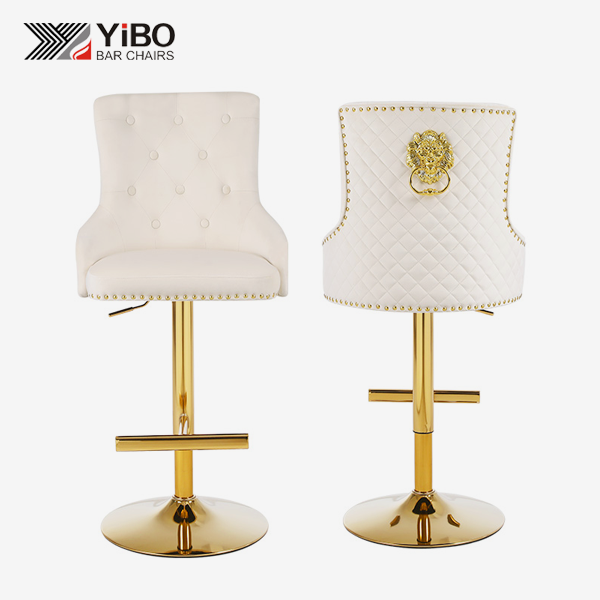
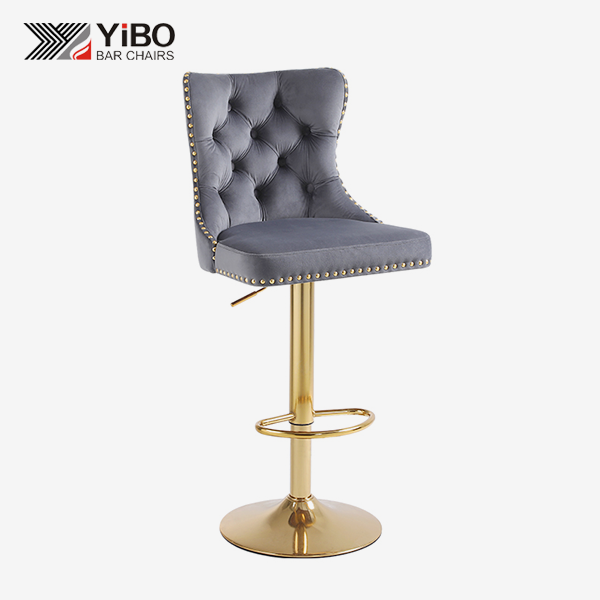
Our YIBO YB-516 model of backless counter stools is a great example of a well-designed product that is perfect for business buyers. These units are strong and easy to clean because they have a long-lasting metal frame and fake leather padding. The seat is supported with foam and can spin smoothly around all 360 degrees, allowing for natural movement patterns. Simple assembly procedures make installation quick and easy, which lowers the cost of rollout across multiple places. The leather covering doesn't stain easily and can be cleaned with regular household cleaners. This means that it will look good even in tough settings. Built to hold up to 300 pounds, these stools provide reliable performance, and the guarantee covers everything.
Customization Opportunities for Brand Alignment
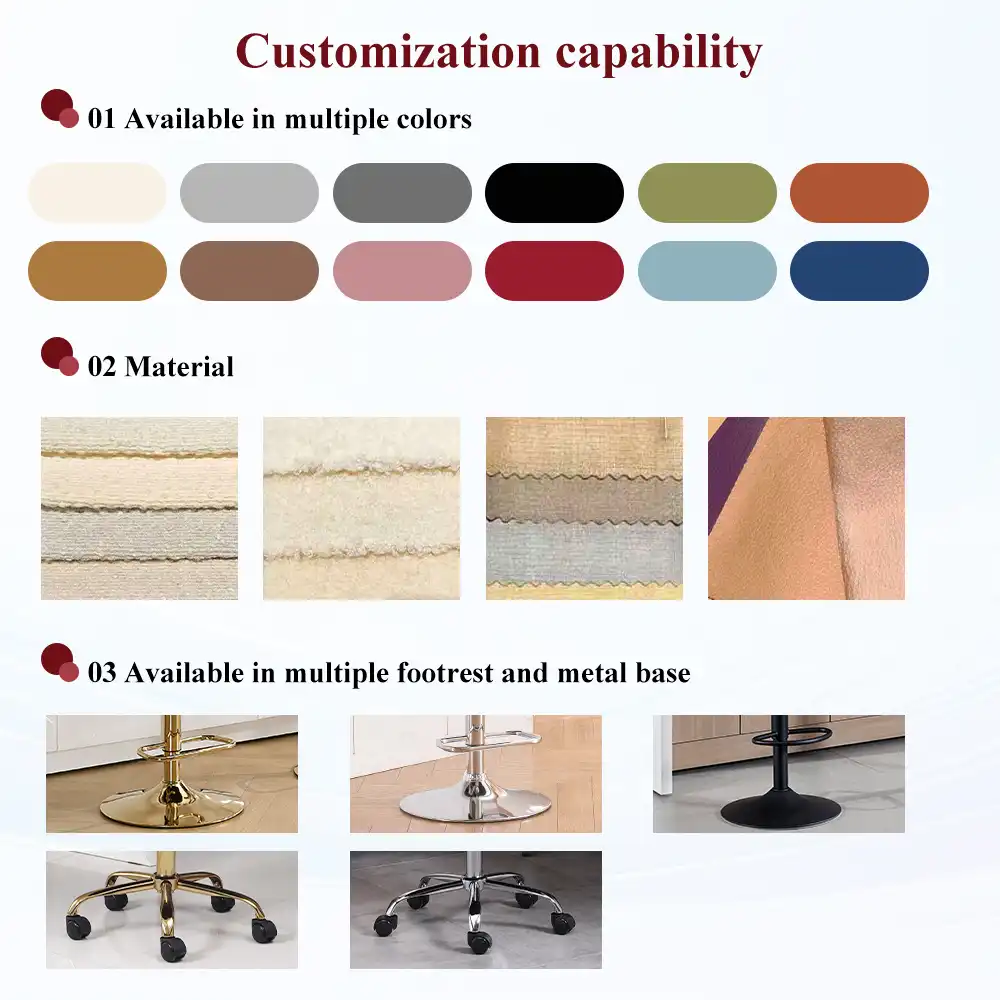
OEM and ODM features let buyers make their seats stand out by customizing the specs. Custom color matching makes sure that stools go with existing color schemes in the home. For example, matte black stools go with industrial themes, warm brown stools go with rustic themes, and clean white stools go with Scandinavian simplicity. By switching out the materials, you can go from fake leather to real leather or use performance fabrics that are made to not dirty. Dimensional changes can be made to fit counters with different heights or limited space. Private labeling choices help stores make their own furniture sets. These ways to customize turn standard seating into brand-related design features that make the area feel more cohesive as a whole.
Comparison and Market Overview: Finding the Best Backless Counter Stools for Your Business
Backless Versus Back-Equipped Stools
When buying something, people often have to choose between backless counter stools and standard barstools with lumbar support. Backless choices are better in small spaces because they take up 30–40% less visual room than backed options. They make it possible for more seats to be placed along linear lines, which could lead to higher revenue-per-square-foot numbers in business settings. But stools with backs are more comfortable for sitting for longer than 90 minutes, which makes them better for full-service restaurants where people stay for a long time over meals. Figuring out how long customers usually stay helps you make the right choices. For example, quick-service restaurants can save money by not having backs on their chairs, but fine dining restaurants should spend the extra money on comfort for back seats.
Durability and Weight Considerations
Commercial-grade stools made for use in restaurants and other service settings have stronger joints and are made of heavy gauge materials. Everyday stress doesn't bend steel frames made of 16-gauge tubing, and a powder finish that is 2-3 mm thick can handle wear and tear from cleaning procedures. Unit weights between 12 and 18 pounds show that the construction is solid, but industrial grades can still be reached with lighter aluminum models that are properly designed. Designs that can be stacked make storage easier without affecting the structure; look for corner guards and built-in stacking lugs that keep the finish from getting damaged. These markers of longevity tell the difference between items that are good for contractors and those that are better for homes but not for heavy business use.
Price Positioning and Value Analysis
The market has options for people on a budget as well as those who can afford more. Each level serves a different buying strategy. Economy imports offer basic features that work well for short-term setups or jobs that need to save money as much as possible. Cost and durability are both good in mid-range business products, which offer tried-and-true building at prices that buyers of multiple units can afford. Premium models use high-tech materials like brushed stainless steel or full-grain leather, which make the higher price worth it because they last longer and look better. Total cost of ownership estimates should include initial purchase prices, the number of times something needs to be replaced, the cost of repairs and upkeep, and the length of the warranty to find real value.
Procurement Insights: Where and How to Buy Backless Counter Stools Efficiently
Strategic Sourcing Channels
When it's possible, B2B buyers get the best results by working directly with manufacturers. Partnering with a factory cuts out middlemen and their markups, which saves 20–35% on costs compared to buying from a wholesaler. Direct buying gives you more power over customization, faster contact, and a clearer view of quality control. Established Chinese manufacturers in places like Anji, Zhejiang, have a lot of experience making backless counter stools, and their supply lines and export facilities are very good. These makers know how to follow international standards, make containers work better, and meet the paperwork needs of cross-border deals.
Evaluating Supplier Credentials
Buyers are protected from poor quality and transport problems when they carefully check out potential vendors. The size of a manufacturing facility shows how much it can make. Facilities larger than 5,000 square meters can usually handle orders at the container level without any problems. Suppliers who have been in business for 10 years or more have shown that they are capable of what they say they can do. Certifications like ISO 9001 quality management or BIFMA compliance tests show that the way things are made is correct. Exporting to developed countries shows that you know how to meet high quality standards. Before committing to big orders, make sure the plant is operationally competent by asking for tours, sample evaluations, and reference checks from current clients.
Logistics and Delivery Considerations
Buying furniture from other countries needs careful transportation planning to keep costs and deadlines in check. Optimizing the load of a container increases its worth. Standard 40-foot high-cube containers can hold between 400 and 600 backless counter stools, based on how well they are packed. Mixed container supplies that include a variety of products are more cost-effective for buyers looking for full furniture sets. It usually takes 30 to 45 days to make something and another 20 to 35 days to get it to a port in North America. Reliable providers give clear deadlines, let you know ahead of time about possible delays, and provide the right paperwork to help with customs clearing. The state of the product when it arrives is directly related to the quality of the packaging. Look for corner protection, moisture barriers, and stronger box construction.
Risk Mitigation Through Terms and Warranties
Purchase deals should make it clear what the quality standards are, how they will be inspected, and how people can get their money back. Manufacturers who offer contracts that last for two to three years are confident in the quality of their products. Payment terms that protect both the customer and the seller while also meeting the supplier's cash flow needs make deals go more smoothly. For example, 30% deposits are common, and 70% of the total amount is due upon receipt of the bill of lading. Third-party inspection services check the quality of the production before it is shipped, which lowers the chance of getting goods that don't meet specifications. If there are clear return and substitute rules, quality problems can be quickly fixed, keeping the project on schedule even when problems do happen.
Conclusion
Finding the right counter seating, including backless counter stools, means balancing a lot of things, like how much room is used, how comfortable the seats are, how long the materials last, and how they look. Backless designs are useful in business settings where being able to move around easily and keeping things simple are important. For procurement to go well, use cases must be clearly defined, quality standards must be set, and ties with capable producers must be built. Paying close attention to the frame gauge, seat density, and finish quality during the selection process has a direct effect on long-term happiness and the total cost of ownership. Buyers who take the time to learn about these details will be able to make decisions that meet their operating needs and their budgets.
FAQs
How do I determine the correct seat height for my counter?
To find the best seat position, measure the height of your bar and take 10 to 12 inches off of that number. Standard 36-inch tables go with seats that are 24 to 26 inches wide. For 42-inch bar-height tables, you need 30-inch stools. When there is enough space, your thighs won't touch the undersides of the counters, and your feet will be able to rest easily on the footrests.
What weight capacity should commercial stools support?
Commercial-grade standards say that the standing load capacity must be at least 300 pounds so that it can safely hold a variety of users and meet responsibility standards. The best models can hold 350 pounds or more. Products made for homes that can hold 200 to 250 pounds don't work well in places with a lot of foot activity.
Can backless stools provide adequate comfort for restaurant use?
If they are made with the right mechanical features, counter stools without backs are good for meals that last 30 to 90 minutes. The swivel feature, contoured padding, and built-in footrests make the chairs comfortable enough for casual eating, cafés, and quick-service restaurants. Backless sitting is helpful in fine dining restaurants where meals last longer.
What makes metal frames preferable to wood in commercial settings?
Metal construction lasts longer, doesn't get damaged by water, and keeps its shape even after heavy use. Steel frames don't bend easily and don't need as much upkeep as wood frames. But wood gives a sense of warmth that is valued in some design ideas. When choosing a material, you have to weigh the needs for longevity against the needs of the style.
Partner with YIBO: Your Trusted Backless Counter Stool Manufacturer
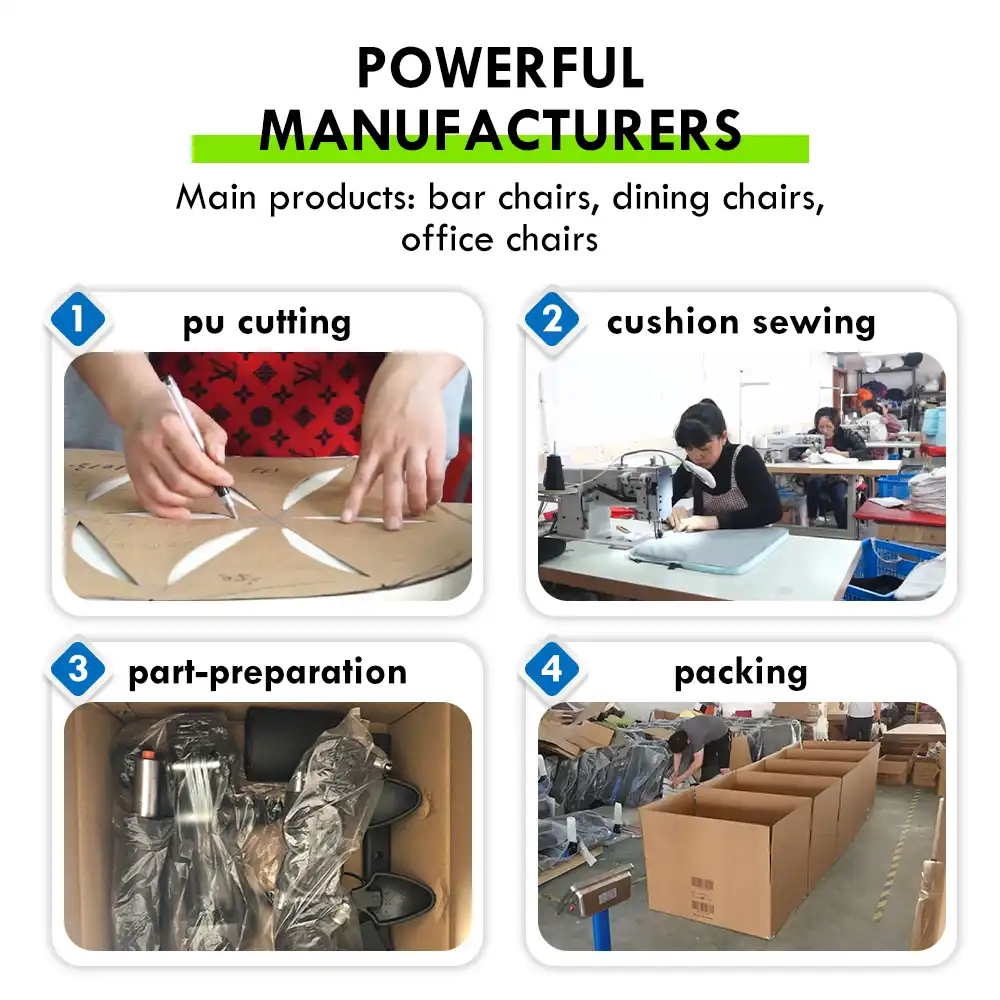
Anji Yibo Furniture Co., Ltd. focuses on making commercial-grade seats for buyers from other countries who are looking for dependable production partners. Our 6,000-square-meter factory in Anji, Zhejiang, China's furniture production hub, has skilled workers, modern equipment, and 14 years of specialized experience. We know how hard it is to meet the strict needs of office, retail, and hospitality projects that need container-level amounts of uniform quality.
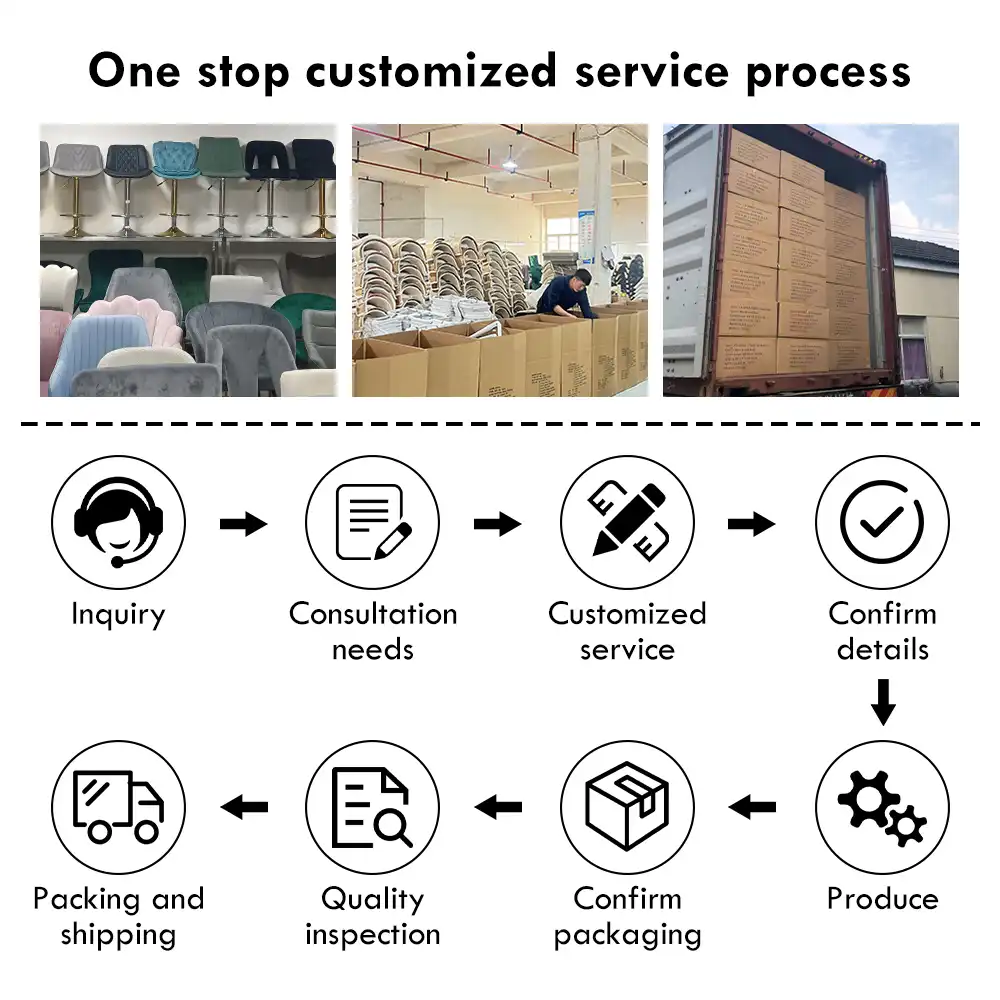
Our full OEM and ODM skills let you completely change the sizes, materials, colors, and finishes to fit the needs of your project or your private label plans. Our experienced research and development (R&D) team works together with clients to turn ideas into designs that are ready for production through efficient sampling methods. We have strict quality control that follows international guidelines to make sure that every package meets your needs.
As a dedicated backless counter stool provider, we can offer you low factory-direct prices, packing that makes the best use of space, and reliable delivery plans that will help you meet your project deadlines. Within 24 hours of receiving an inquiry, our sales team replies with detailed quotes and technical help throughout the buying process. Email us at yb@ajyibo.com to talk about your chair needs and find out how our manufacturing skills can help your business grow.
References
Anderson, M. & Chen, L. (2021). Commercial Furniture Procurement: Standards and Best Practices for Hospitality Design. Interior Design Publishers International.
Chen, H. (2022). "Ergonomic Considerations in Counter Seating Design for Commercial Applications." Journal of Furniture Engineering and Design, 18(3), 245-267.
International Furniture Manufacturing Association. (2023). Global Seating Market Analysis: Trends in Commercial Furniture 2023-2025. IFMA Research Division.
Morrison, T. & Zhang, W. (2020). Supply Chain Management in International Furniture Trade: A Practical Guide for B2B Buyers. Global Commerce Press.
Richards, K. (2022). "Material Selection and Durability Testing in Commercial Seating Production." Furniture Today Industry Report, 47(2), 112-128.
Williams, S. & Thompson, J. (2023). Space Planning and Seating Design for Modern Hospitality Venues. Architectural Design Publications.