

 (1)_1777442575043.jpg)
Bar Stool Chairs in Trendy Coffee Shops
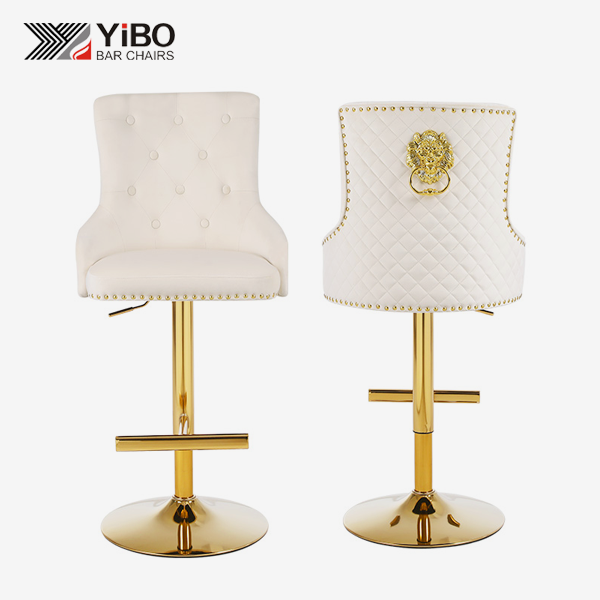
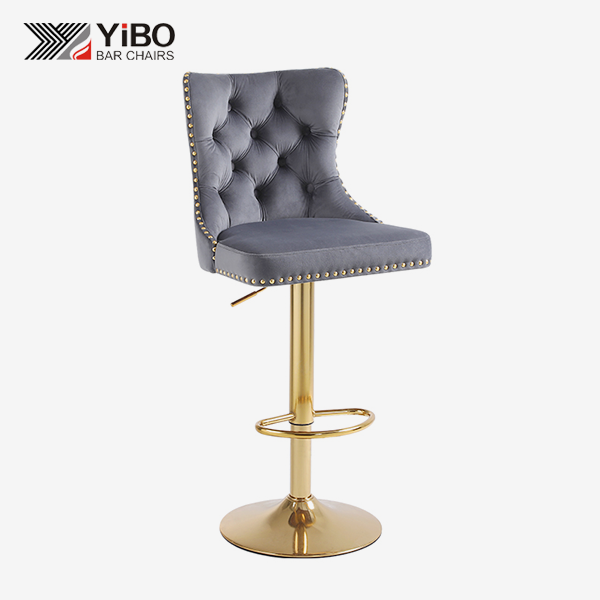
Choosing the right bar stool chairs can make the inside of a coffee shop look amazing. Modern coffee bar stools are more than just seats; they represent a brand, improve the customer experience, and have a direct effect on how long people stay in specialty cafés. We've seen that procurement managers are putting more and more value on units that can handle a lot of traffic while still looking good. Commercial-grade stools made for espresso places have to meet specific needs, such as being resistant to acidic coffee spills, providing good back support for laptop users, and taking up as little space as possible in prime city locations. These aren't just seats; they're strategic assets that strike a balance between operating efficiency and the kind of atmosphere that coffee lovers today expect.
Understanding Coffee Bar Stools: Key Features and Design Insights
Defining Coffee Bar Stools as Specialized Contract Furniture
Coffee bar stools are a unique type of contract furniture because they are designed to be used in third-place settings where people can drink coffee or drinks while working or chatting. Unlike traditional bar seating, which is meant for short interactions with drink, these units allow people to sit for longer periods of time, usually 45 to 90 minutes. The design theory is based on working with the lean-forward position that people usually use while drinking and using a laptop, which is a very different biomechanical need than sitting in a couch chair that is fully reclined. From a purchasing point of view, this category solves three major problems: increasing the number of seats in high-rent areas; providing ergonomic support that lets people stay longer without pain; and making materials that are resistant to coffee-specific stains like acidic liquids and dairy fats.
Critical Structural and Material Specifications
There are scientific factors that can be used to measure the quality of high-performance coffee bar stools. For frame building, kiln-dried hardwoods like ash or walnut are often used. The moisture content is kept between 8 and 12% to keep the wood from warping when the temperature in a café changes. Metal options use tube steel with powder-coat finishes that are 60 to 80 microns thick, which makes them more resistant to chips even when they are used all the time. Contract-grade textiles must be able to withstand more than 50,000 double rubs on Wyzenbeek tests or 30,000 cycles on Martindale methods in order to meet upholstery standards. We suggest fabrics with hydrophobic C0 DWR treatments that keep hot liquids away without using PFAS chemicals. This is good for both performance and being good to the earth.
When you sit for a long time, seat pans made of high-density polyurethane foam (minimum 2.5 lbs/ft³ density and ILD grades between 35 and 50) keep you from bottoming out. Engineered center-of-gravity estimates are built into the base footprints to keep people from falling over when they slide on or off. This is an important safety feature for elevated seats. Self-leveling glides keep the floor stable on a variety of surfaces, even if the old tile floors in a coffee shop have been fixed up.
Height Calibration and Ergonomic Considerations
How well the seat and counter area are matched in terms of height affects both customer pleasure and the flow of work. Counter-height models (with seat heights of 24 to 26 inches) work well at brew bars where customers can watch baristas work, while bar-height models (with seat heights of 28 to 30 inches) are better for window counter sitting. Industry rules say that there should be 10 to 12 inches of space between the seat area and the bottom of the counter. This keeps knees from bumping into each other and lets you drink and type with your elbows at the right angles. Putting the footrest 7 to 9 inches below the seat reduces pressure on the lower back when sitting for long periods of time, which is something that is often missed in residential-grade options.
Material Choices and Long-Term Performance Implications
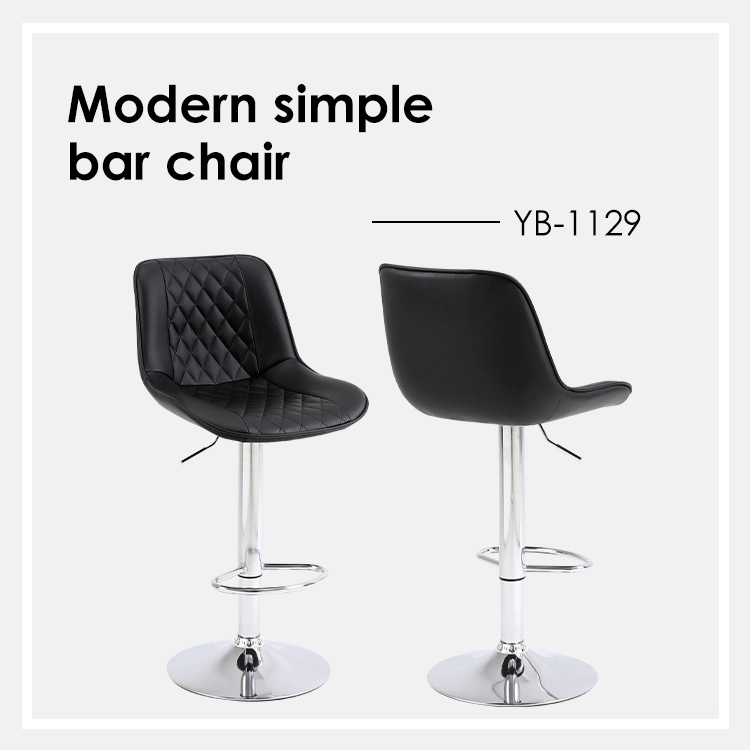
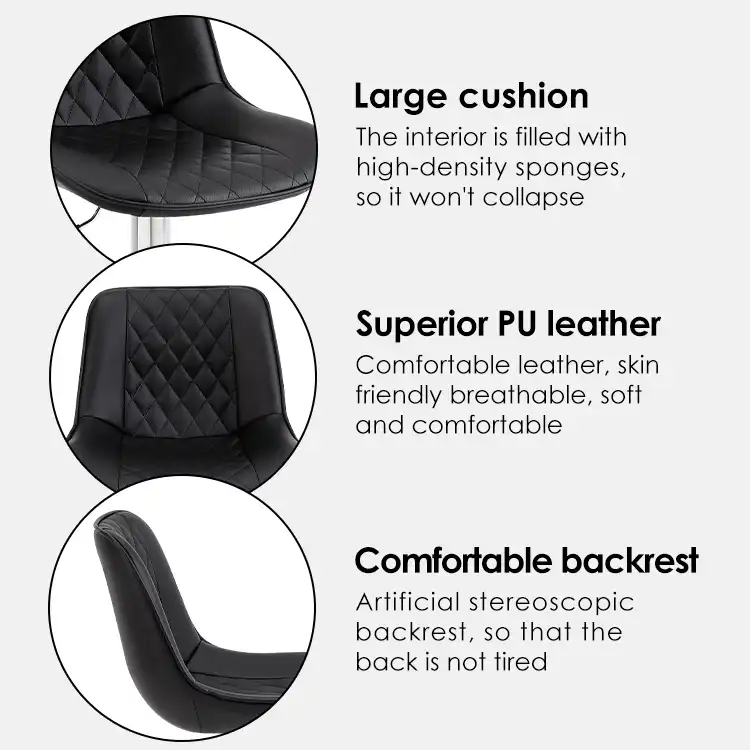
Wood types for coffee bar stools offer warmth and soundproofing that are useful in hard-surface cafés, but they need to be polished and their humidity levels checked every three months to keep the joints from coming apart. Metal frames last longer and are easier to clean—daily wiping and foot glide inspections every so often keep floors from getting scratches and rusty. For knowledge workers who spend hours at coffee bars, padded seats are more comfortable, but non-padded seats help people move through high-traffic areas faster. Solution-dyed acrylic fabrics, like Crypton or Sunbrella, can be cleaned with bleach without losing their color. This makes them impenetrable to organic liquids. High-quality vinyl furniture choices are just as stain-resistant but easier to clean, making them perfect for places where people are rushing in the morning.
How to Choose the Perfect Coffee Bar Stools for Your Business?
Establishing Functional Requirements Based on Café Positioning
Setting up operating scenarios is the first step in making procurement choices. Backless or low-back designs that encourage 15–45 minute stays and keep clear sightlines across the service area are good for high-volume specialty roasteries that serve quick-service customers. In corporate co-working cafés, chairs need to have better lumbar support, be able to turn 360 degrees to make it easier for people to work together, and have noise-cancelling foot glides to keep the sound under control in open areas. Third-wave coffee bar stools that are meant for long stays focus on padded comfort and blending in with the surrounding decor, finding a balance between homey comfort and business durability standards.
Core Performance Metrics for Commercial Evaluation
Specifications for weight capacity are directly related to how long a structure will last under different types of use. Units that meet ANSI/BIFMA X5.1 standards can handle static working loads of at least 300 pounds, and structural failure tests go up to 800 pounds. This is important to make sure that you don't get sued. When stools are put through stability testing, horizontal forces are applied to the backrests to make sure they don't tip over during normal getting on and off of the stool. Footrest fatigue testing puts supports through more than 50,000 rounds with 200-pound loads. This finds any weld problems before they are used in the field.
Adjustable Versus Fixed Height Configurations
When it comes to counter installations and customer tastes, adjustable-height stools are very useful, especially in places that are used for different things at different times of the day. Pneumatic lift systems let you change the height without using any tools, but they do have mechanical parts that need to be maintained over time. Fixed-height options don't have any moving parts, so they don't need as much maintenance over time and are better for ergonomics because they have specific counter areas. We've already said that fixed layouts usually offer better structure stability and cost savings for coffee bars that only serve one purpose.
Swivel Functionality and Spatial Dynamics
Swivel seats make it easier for people to talk to each other in coffee shops with lots of people because they don't have to move the whole stool. Memory-return devices automatically turn seats around so they face forward when they are not being used. This saves staff time and helps keep the floor in order, which is important for how people see the brand. Stationary models work well with linear counter setups where rotation doesn't add much to the functionality. They often come with lower prices and less mechanical complexity.
Procurement Optimization for Bulk Orders
Buying at the container level takes advantage of bulk discounts and makes sure that the quality is the same across whole sites. We suggest building relationships with makers that offer full after-sales support, such as new parts and warranties that cover structural components for 3 to 5 years. Export-experienced suppliers offer important benefits, such as the right paperwork, container optimization that lowers shipping costs per unit, and contact methods that work with international buying processes. Quality makers keep up with repeat orders without having to wait longer for supplies, which is important for rollouts in multiple locations or upgrades that happen in stages.
Comparing Popular Coffee Bar Stools: What Works Best for Your Café?
Commercial Coffee Bar Stools Versus Kitchen Bar Stools
The conditions in a coffee shop require higher standards for coffee bar stools than those found in a home kitchen. Commercial units have corner blocking supports that aren't found in home furniture. This keeps joints from coming loose from repeated use. When building a frame, larger gauge materials are used to account for constant use instead of occasional home use. Upholstery goes through strict wear tests and is treated to be stain-resistant, which makes the higher original costs worth it because it lasts longer between replacements. Residential options don't usually have BIFMA approval and break quickly when used by the public in ways like constant moving, weight changes, and exposure to the environment.
Wooden Stool Advantages in Coffee Environments
Wooden coffee bar stools add sonic warmth to cafés with a lot of hard surfaces like tile, concrete, and glass, which reflect sound harshly. The natural wood grain adds depth to the look and feel, which fits with the style of craft coffee culture. Hardwood building is easy to fix; skilled workers can refinish surfaces and tighten joints, which makes the product last longer than metal options. Different types of wood can be stained to match unique brand color choices, which helps interior design strategies work together. Maintenance tasks include conditioning and controlling humidity every three months, which are doable responsibilities for operators who value the realism of natural materials.
Metal Frame Benefits for High-Traffic Operations
Metal coffee bar stools work great in high-volume settings that put cleanliness and upkeep first. Powder-coated steel frames can be wiped down with sanitizer every day without losing their finish, which is important during times when health is of the essence. Mechanical fasteners that come loose over time are not used in welded building, which cuts down on ongoing upkeep work. Metal frames can hold more weight while taking up less room than wood frames, which makes it possible to fit more seats in towns with limited space. Material uniformity makes sure that all bulk orders work the same way, getting rid of the natural differences in grain strength and density that come with wood.
Cushioned Versus Non-Cushioned Seating Analysis
Cushioned coffee bar stools make long laptop sessions more comfortable, which directly leads to more customer stay time and secondary buy possibilities. High-density foam bases that meet industrial ILD standards keep the support from compressing too soon, even after thousands of sitting cycles. Upholstered surfaces need to be cleaned by a professional every so often, but they provide a better physical experience that fits with the setting of expensive coffee. Seats made of molded plywood or solid wood that aren't padded make cleaning easier and don't need to be reupholstered, so they're good for places where customers usually only stay for a few minutes. These units last longer in outdoor or semi-outdoor settings where cloth and foam materials break down when they are exposed to wetness.
Fixed Versus Adjustable Height Trade-offs
Fixed-height coffee bar stools are easy to put together and don't cost much, making them perfect for use at coffee counters. When you get rid of pneumatic systems, you get rid of upkeep factors and possible failure points. This is especially helpful in public areas that aren't being watched. Standardized counter installs and consistent seat heights make it easier for chains with multiple locations to meet their buying requirements. Adjustable options let you fit counters of different heights in the same place, which is helpful for cafés with different levels of seats. When used in a business setting, gas lift tanks need to be replaced every two to four years. This means that they have ongoing costs that must be weighed against the original flexibility benefits.
Procurement Strategies for Buying Coffee Bar Stools: Tips for B2B Clients
Evaluating Supplier Capabilities and Export Experience
A successful bulk purchase of coffee bar stools depends on more than just the product specs of the seller chosen. Manufacturers who have been in export markets for 10 years or more have set up quality control systems, know how to handle paperwork, and have built transportation partnerships that are necessary for shipping containers internationally. Production sites that are bigger than 6,000 square meters and have separate lines for making frames, padding, and storing finished goods show that they can handle large repeat orders without having to wait for longer lead times. We learned that sellers who take part in international trade shows like the Canton Fair and the Guangzhou Furniture Fair keep their products up to date and in line with global design trends. This gives sourcing teams access to inventory that is responsive to the market.
OEM and ODM Customization Advantages
Original Equipment Manufacturing and Original Design Manufacturing let big sellers make their products stand out by customizing them. Material replacements, such as choosing your own fabrics, finish colors, and changing the size of the product, let you make it fit the needs of local markets without having to spend money on new tools. Custom branding options, such as stamped names or signature stitching patterns, help wholesalers build their own product lines with private label strategies. Manufacturers with their own research and development departments offer design consulting services that turn vague needs into specs that can be used in production. Making samples from drawings or pictures of prototypes lets you test them before committing to container sizes. This lowers the standard risks that come with custom orders.
Cost Structure Analysis Beyond Unit Pricing
A full analysis of buying costs looks at more than just per-unit prices; it also looks at total landed costs. Optimizing containers through space-efficient packaging lowers the cost of freight per unit. This is a skill that sets skilled exporters apart from makers who focus on the domestic market. Payment terms like accepting LC (Letter of Credit) and organized deposit plans work with how companies buy things, and variable MOQ (Minimum Order Quantity) limits let them try different SKUs in mixed container configurations. Warranty covering for 3–5 years on structural parts and 1–2 years on mechanical parts (swivels, gas lifts) guards against early failures and adds a lot of value beyond the initial cost of purchase.
Timing Strategies for Seasonal Procurement Advantages
Strategic buy time takes into account the way production cycles work and the schedules for trade shows. After the Canton Fair in April/October and the Guangzhou Furniture Fair in March/September, companies have time to get rid of show models and talk about new orders. Manufacturers often have capacity available during the pre-holiday production windows in October and November, when they are finalizing their yearly production plans and may offer better terms to get early bookings. We suggest making yearly buy deals with commitments to volume. This will ensure consistent price and help you reserve production slots during times of high demand when lead times are longer.
Quality Verification and Pre-Shipment Protocols
Tough quality control starts with making sure the materials meet the requirements. This includes checking the frame gauge, the stiffness of the foam, and the approval of the fabric rub test. Third-party inspection services do their own checks before the goods are shipped. They take pictures of the finished goods and compare them to approved samples to find any problems before the containers are loaded. When manufacturers offer plant visit accommodations, procurement teams can check out the work areas, the quality systems, and build human relationships that will help them work together in the future. Sample approval processes, which involve sending two to three units out into the field for testing before starting mass production, show how well the product works in real-world situations, confirming specs before committing a lot of money. Coffee bar stools purchased through these rigorous protocols ensure long-term commercial performance.
Maintaining and Optimizing Coffee Bar Stools for Longevity and Aesthetics
Material-Specific Cleaning and Care Protocols
Dusting wooden coffee bar stools once a week with microfiber cloths and treating them every three months with furniture-grade oils or waxes will restore their natural wetness and keep the surface from checking. To clean up a spill, you should blot it right away (never wipe it) so that the liquid doesn't get into the grain structures. Then you should clean it with a light soap solution and dry it completely. Daily use of hand sanitizer is fine on metal frames, but workers should stay away from rough scrubbing pads that damage powder-coat finishes. To keep cross-grain scratching from showing up in café lighting, stainless steel parts need to be wiped in a way that follows the grain patterns.
Upholstered surfaces need to be vacuumed with upholstery tools once a week so that dust and dirt don't get stuck in the fabric weaves. Spot cleaning once a month with pH-neutral cleaners made for contract fabrics takes care of single stains without flooding foam cores. Professional deep cleaning every 12 to 18 months gets rid of built-up oils and improves the look of the fabric, which makes furniture last longer before it needs to be replaced. Vinyl floors are easy to clean by wiping them down every day with a weak bleach solution. They meet cleanliness standards for areas with a lot of foot traffic.
Ergonomic Optimization Enhancing Customer Experience
Customers' comfort during long periods of sitting is directly affected by where the footrests are placed. Units with footrests 7 to 9 inches below the seat surfaces reduce lower back pain by letting you place your legs naturally instead of letting them hang down without any support. Backrest angles between 95 and 105 degrees support standing positions good for laptop work while lumbar touch keeps you from getting tired. Seat depths between 15 and 17 inches are good for a variety of body types because they don't create pressure points behind the knees or don't provide enough support for the thighs.
Placing stools in a smart way keeps the space between seats at 24 to 30 inches, which is the right amount of crowding for people who need personal space. By switching the positions of the stools on a window bar, you can create visual flow and allow people to choose between views of the inside or outside. Pairing chairs with the right counter heights—keeping that important 10–12-inch space—ensures that your arms are in a comfy position for using your devices and drinking.
Refreshing Interiors Through Design Coordination
Coffee bar stools are decorative pieces that bring together a wider range of colors in a room. By matching the colors of furniture fabric to seasonal accent walls or art pieces, you can make rooms look new without having to buy all new furniture. Mixing stool styles that go well together, like alternate metal and wood finishes or padded and non-padded models, makes unified design languages more interesting to look at. Changing the style of the footrests or adding seat pillows to frames that are already there are easy ways to make things look better and make them last longer.
Lighting effects have a big effect on how stools look. Placing hanging lights to show off wood grain or fabric textures makes the quality seem better. When you pair stools with matching side tables or charging stations, you can turn simple seats into useful workspaces that make customers happier and more likely to come back.
Conclusion
In specialty cafés, coffee bar stools are important purchases that have a direct effect on how customers feel, how efficiently the business runs, and how the brand is seen. For buying to go well, it's important to find a mix between technical requirements like material longevity and ergonomic design and aesthetic concerns that show off the brand. We've talked about how commercial-grade building standards, careful height calibration, and material choices that are based on how the installation will be used are different from domestic tradeoffs. The best ways to buy things in bulk are through OEM/ODM customization, connections with suppliers that focus on export knowledge, and cost analyses that go beyond unit price. Proper upkeep procedures and sensible design can extend the life of products and keep spaces comfortable. In the end, these choices will show whether seating improves or detracts from the carefully designed coffee experiences that make third-place businesses great.
FAQ
What seat height works best for standard coffee counters?
Most coffee bar tables are 40 to 42 inches high from the floor to the top. Seat heights of 24 to 26 inches on counter-height stools give you the perfect 10 to 12 inches of space to work with people who are serving drinks. If you have a window table that is 44 to 46 inches high, bar-height stools that are 28 to 30 inches high will work well.
Should I choose metal or wooden stools for outdoor café seating?
For outdoor use, metal frames with a powder covering that doesn't rust and seats that aren't padded work better. Wood needs to be treated with protection substances and maintained regularly to keep it from getting damaged by water, cracking, and losing its shine. Metal doesn't need much care when it comes to temperature changes and being exposed to moisture.
How many coffee bar stools does my café need?
Figure out how many seats you need based on the length of the bar, leaving 24 to 30 inches between each stool, depending on its width. A 10-foot counter has enough room for four to five stools. Think about how long people want to stay and how often they leave. For example, quick-service models need more seating density than extended-stay lounges.
What makes commercial coffee bar stools different from residential versions?
Commercial coffee bar stools are tested to meet ANSI/BIFMA standards and can hold 300 pounds or more. They also have contract-grade fabric that can withstand more than 50,000 double rubs and structural supports like corner blocks. Home stools don't have these features, and they break quickly when they're used by a lot of people all the time.
Partner with YIBO for Premium Coffee Bar Stools Built for Commercial Success
As a company, YIBO has spent 14 years creating coffee bar stools that are great for hospitality settings that need to look good and last a long time. Our factory in Anji blends advanced upholstery lines with our own unique frame construction process to make container-ready seating options for high-end B2B buyers in 70 countries. We know that procurement managers need more than just goods. They also need partners who can help them achieve long-term success through OEM/ODM customization, flexible production capacity, and quick expert support. Our research and development team works directly with clients to turn brand ideas into designs that are ready for the market and include the materials, sizes, and styles that you specify. We care about your practical needs, which is shown by our full warranties, space-saving packaging, and 24-hour answer to questions. We provide the quality stability and supply reliability your business needs, whether you're setting up a flagship location or overseeing rollouts across multiple sites. You can email our experienced sales team at yb@ajyibo.com to talk about your project needs, ask for samples, or get full quotes on our coffee bar stools at factory direct prices. Let us show you why top builders, importers, and wholesalers choose YIBO as their manufacturing partner of choice.
References
American National Standards Institute. (2019). ANSI/BIFMA X5.1-2017: General-Purpose Office Chairs – Tests. Business and Institutional Furniture Manufacturers Association.
Cranz, G. (2021). The Chair: Rethinking Culture, Body, and Design. W.W. Norton & Company, Revised Edition.
Hartkopf, V., & Loftness, V. (2018). Designing for Durability: Contract Furniture in Commercial Interiors. Interior Design Educators Council Journal, 34(2), 45-67.
International Facilities Management Association. (2020). Ergonomic Seating Standards for Extended-Use Environments. IFMA Foundation Research Report.
Pile, J. F. (2020). A History of Interior Design, 4th Edition. Laurence King Publishing.
Riewoldt, O. (2019). Café and Coffee Shop Design. teNeues Publishing Group.