

 (1)_1777442575043.jpg)
Bar Stool Size Guide: Height, Width & Spacing Explained
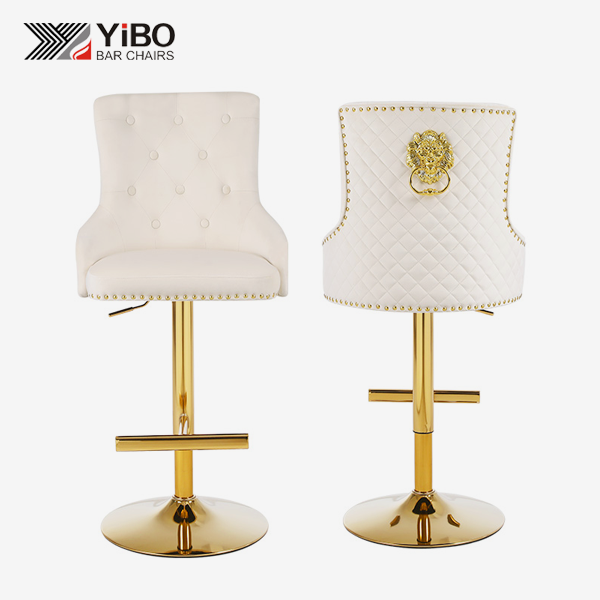
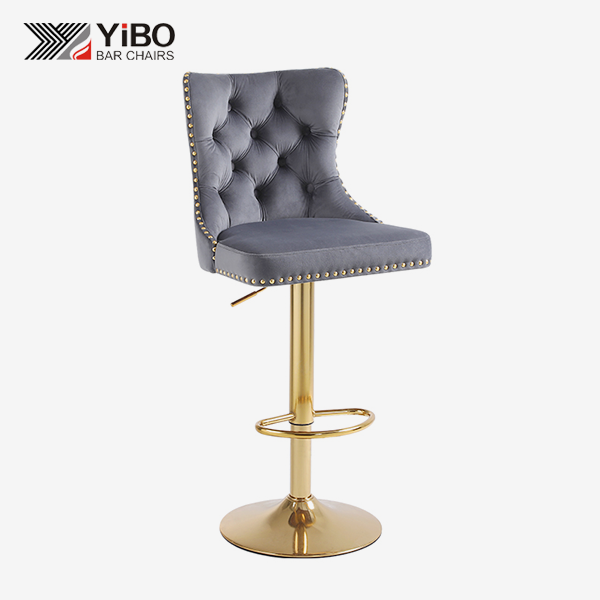
Getting the right measurements for business seating isn't just about how it looks; it's also about how it works, how comfortable it is for customers, and how much room you can use. A velvet mustard yellow counter stool with a seat height of 24 to 26 inches goes well with normal 36-inch kitchen islands or counters. Whether you're buying furniture for a trendy bistro or a boutique hotel hallway, knowing the differences between height, width, and spacing will help you make a choice that supports both operating efficiency and design vision.
Understanding Bar Stool Dimensions: Height, Width & Spacing Essentials
Standard Height Categories and Surface Alignment
There are three normal sizes for bar stools that are directly related to the heights of table tops. From the floor to the seat, counter stools are 24 to 26 inches high, which makes them a good fit for 36-inch tables that are popular in home and business kitchens. Bar-height stools are 28 to 30 inches high and are made to fit standard bar tables that are 40 to 42 inches high. Extra-tall choices go up to 33 to 34 inches for special uses like standing-height tables in shared offices.
This is a simple mathematical relationship: take 10 to 12 inches off of your table height to find the best seat height. This ergonomic calculation makes sure that users' feet rest easily on footrests and that they keep their back straight while sitting for long amounts of time. When YIBO makes its velvet mustard yellow counter stool, it only goes up to 26 inches. This is to make sure that they work with the most common bar layouts in retail and hospitality settings.
Careful choice of height avoids common sources of pain, such as legs that hang down and impede blood flow or seats that are too high and force people to sit in odd positions. In places with a lot of foot traffic, like restaurants, these physical issues have a direct effect on how happy customers are and how often they leave.
Width and Depth: Balancing Comfort with Spatial Efficiency
The average stool width is between 15 and 21 inches, with 18 to 20 inches being the most popular. The 20-inch seat width on our velvet mustard yellow counter stool makes them very comfortable without taking up too much floor room. The depth of the seat, which is usually between 15 and 17 inches, changes how people spread their weight and stay stable while moving.
Wider seats are better for people with different body types because they make long-term use more comfortable. This is especially important in places like hotels or office break rooms where people stay for a while. The normal cushioning and velvet fabric provide enough padding depth (about 3–4 inches) so that it bends properly under weight while still holding its shape after thousands of sitting cycles.
Our models' cross-base iron frame design makes them more stable without making the size bigger than it needs to be. The powder-coated black finish doesn't scratch easily in busy places, which addresses a common worry that procurement managers have about the reliability of high-contact furniture parts.
Strategic Spacing Guidelines for Traffic Flow
The right distance between stools has a huge effect on both safety and the user experience. The best practice in the industry says that there should be 26 to 30 inches of space between stools on straight tables. This size lets people sit down and get up without bumping knees or feeling squished. The warm golden tones of velvet mustard yellow counter stool make things look more open, even when they are closer together, which makes people feel less crowded.
When installing in a corner, you need to be more careful. Leave 18 to 20 inches between the corner edge and the center of the first stool to avoid strange curves and make sure people can turn around easily. We've seen that keeping the spacing the same in L-shaped or circular counter configurations keeps the visual flow and makes the most of the space.
Accessibility standards say that there must be 36 inches of clear space behind sitting users in business settings. When making plans for ADA-compliant layouts, make sure to include this safety zone along with the full stool width. Our small packaging (2 pieces per carton, 73 x 39 x 63 cm) makes it easier to store and set up during installation, which lets workers handle large-scale operations in multiple places more effectively.
How to Choose the Right Velvet Mustard Yellow Counter Stool Size for Your Procurement Needs
Aligning Dimensions with Commercial Environment Requirements
When making procurement choices, it's important to balance operational facts with dimensional requirements. Buyers in the hospitality industry who run drink bars look for stools that can be moved quickly and still look classy. The 24-inch seat height and backless or low-back design make stays shorter, which is in line with models for high-volume service. On the other hand, hotel lobby bars are better when they are the same height but have more padding, which keeps guests there longer.
Velvet mustard yellow counter stool products are used as color anchors in retail spaces like boutique shops to break up uniform schemes. The warm golden color reflects natural lighting well, making rooms feel warm and inviting, which makes customers want to stay longer. Purchasing managers need to look at how the velvet pile texture changes with natural and artificial light sources during business hours. This is because directional pile can look lighter or darker based on the angle from which it is seen.
Counter-height shared tables are becoming more common in offices so that people can work together. The 330-pound weight limit and 20-inch width make it comfortable for a wide range of users during long thinking sessions. The normal sponge cushioning gives enough support without being too soft, which can make it hard to concentrate at work.
Material Durability Versus Aesthetic Priorities
The fabric you choose is a big choice point where your desire for style and the reality of upkeep meet. The look and feel of velvet mustard yellow counter stool furniture are unmatched, but you need to know how it works to get the most out of it. The cut-pile construction gives these stools their unique depth and ability to absorb light, which makes them high-end products.
Contract-grade performance velvet is made of synthetic fibers that are more resistant to wear than standard cotton velvet. Our normal velvet specification can handle light business use and is good for places with limited traffic and professional cleaning rules. Distributors who work with nightclubs or dive bars might want to look into our higher-level fabric tiers, but our basic offering works great for bistros, boutique hotels, and home projects as well.
The mustard yellow color choice should be thought about strategically. This soft range of colors from ochre to gold stays away from the roughness of basic yellows while still having enough brightness to make a design statement. These stools add warmth to rooms that are mostly cool grays, whites, or navy blues without being too subtle. With their most recent collections, West Elm and CB2 made this color trend famous, showing that it works with buyers who care about style.
Customization Parameters for OEM and ODM Projects
Bulk buyers often need to change the sizes of items to meet the needs of particular projects. Our research and development team lets you make changes to a number of factors while still keeping the structure strong and the ergonomics good. It is still possible to change the height by two to three inches without affecting the safety of the cross-base or needing to re-engineer the frame.
The width of the seats can be changed from 17 to 22 inches to fit in tight spaces or appeal to specific types of users. People who buy casinos and other entertainment venues sometimes ask for smaller features so that they can fit more seats along wide bars. On the other hand, senior living places like seats that are bigger (21 to 22 inches) so it's easier to move from sitting to standing.
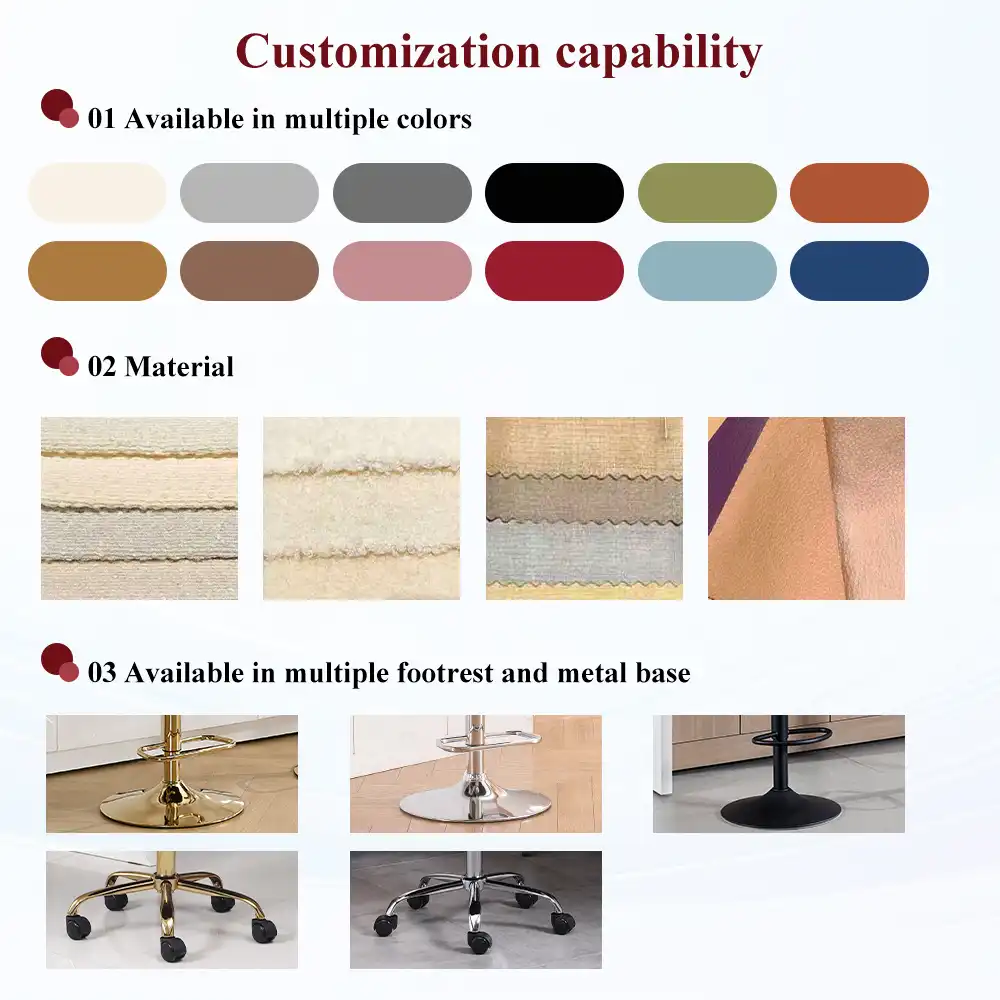
You can choose a finish for the frame other than our usual black powder coat. Finishes in brushed metal, antique brass, or matte gold look great with velvet mustard yellow counter stool fabric, but you usually have to buy a certain amount of each item. Color matching to specific Pantone references for the velvet itself helps buyers who want their brand to look the same in different places. Within 15 to 20 business days, our sample team makes examples that can be carefully tested before committing to orders for whole containers.
The Impact of Velvet Mustard Yellow Stools on Space Design and Layout Optimization
Psychological and Aesthetic Advantages in Commercial Interiors
According to studies in color psychology, bright yellows make people feel more optimistic, creative, and social, which are all emotions that people who work in hospitality want to encourage. These benefits are provided by the mustard version without the overstimulation that comes with bright colors. Because velvet absorbs light, these velvet mustard yellow counter stool units make focus points that draw attention without being too harsh on the eyes.
When working with hard surfaces, you should think about the acoustic features. The harsh reverberations that are common in modern areas with tile floors and glass walls can be lessened by upholstered seats. Even though velvet mustard yellow counter stool sets alone aren't a good way to reduce noise, a group of them makes a big difference when compared to metal or plastic chairs.
The way velvet feels makes you want to get involved physically. Guests naturally reach out to touch the fabric, which creates a multisensory experience that makes the quality seem better. This psychological fact affects how people think about a brand. It's especially important for boutiques that want to be seen as high-end options to mass-market chains.
Height-to-Space Visual Balance Strategies
In addition to its practical role, stool height affects how people see space. Velvet mustard yellow counter stool, which is 24 to 26 inches high, keeps sightlines clear in open-plan spaces so that you can see how different areas are connected. This is helpful in retail cafes where the owners want to be able to see what's going on in the kitchen or in hotel halls that are meant to be open and move together.
The room's mood is affected by the relationship between the height of the seat, the backrest (if there is one), and the roof. When the ceiling is 9 to 10 feet high, table stools keep the room's size normal without adding too much visual clutter. The cross-base size stays small (usually 18 to 20 inches across), so it can be easily rearranged as working needs change.
Adjustable-height mechanisms make operations more flexible, but they also make the mechanism more complicated and cost more. Gas lift tanks need to be serviced every so often and could break down in heavy business use. These worries are taken care of by our fixed-height specification, which also works well for the vast majority of normal counter uses.
Layout Planning for Traffic Flow and Accessibility
Placing stools in a smart way improves both their capacity and their circulation. The best layout uses straight counters to place seats in a line, getting the most seats per linear foot while keeping the space even. We suggest starting layouts with end places and then spreading the rest of the stools out evenly instead of working from one end. This way, even if you only have fractional measures, you can be sure that the spacing is even.
Peninsula and island shapes need three-dimensional planning. Allow enough space for people to move around on all sides where people are coming up to you—usually 42 to 48 inches in business settings. It's easy for customers to find their way around even when the space is very crowded because the bright velvet mustard yellow counter stool color makes sitting areas stand out.
A small hotel in Portland, Oregon, just put 36 of our velvet mustard yellow counter stool units in a new arrangement at the lobby bar. By keeping the center space at 28 inches along a 25-foot counter and adding a 48-inch service aisle, they were able to boost capacity by 20% while making staff more productive. The warm velvet fabric went well with their industrial-modern style, which included exposed brick and blackened steel. This shows how this product can be used in a variety of design contexts.

Velvet Mustard Yellow Counter Stool Care & Maintenance: Maximizing Durability and Lifespan
Common Wear Patterns and Preventive Strategies
There are three main ways that velvet wears down: pile crushing from repeated compression, spills that stain the fabric, and general soiling from skin oils and dirt in the surroundings. Pile crushing happens mostly on seat surfaces, where high pressure flattens out individual fibers, making shiny spots that reflect light differently than other areas.
The first choices about deployment are where preventative steps begin. In setups where some spots get too much use, move the stools around every so often. This spreads wear out over the whole collection, which makes it last longer on average. Apply fabric guard treatments as soon as the items are delivered to prevent them from absorbing liquids and getting stained.
Environmental factors speed up the damage. Direct sunlight fades colors, which is especially important for places next to windows. Window curtains that block UV rays keep colors bright in rooms that face south or west. Controlling humidity stops mildew from growing in ocean or basement areas where too much wetness could damage fabrics.
Routine Cleaning Protocols for Commercial Settings
Dry ways that clean surface debris without adding water are used for daily upkeep. Brushing with a soft-bristled comb in the direction of the pile releases squished fibers and gets rid of loose dirt. Attachments for vacuums made for furniture that have flexible suction work well, but you have to be careful not to damage the delicate pile structure.
Cleaning more than once a week leads to specific spot treatment on the velvet mustard yellow counter stool. Use soft cloths to wipe up new spills right away, moving from the edges in to keep them from spreading. Don't rub, because that makes things stick deeper into the threads. Certain spots on the velvet mustard yellow counter stool can be removed with approved velvet cleaners or light soap solutions that have been heavily diluted. However, it is still important to test the cleaners on small, unseen areas before using them all over.
Professional-grade steam cleaning equipment set up for delicate fabrics is used for a deep cleaning once a month. Instead of keeping their own skills and tools, commercial businesses often hire specialized furniture cleaning services. The money spent on skilled repair directly leads to a longer product lifespan, which saves money for businesses that have a lot of seats to sell.
Performance Comparison: Velvet Versus Alternative Upholstery
Leather furniture is better at resisting stains and is easier to clean, but velvet doesn't have the same softness or soundproofing qualities. Leather also transfers heat, so it feels cold at first in air-conditioned rooms and hot when it's out in the sun. The choice of material depends on the needs of the business. For example, high-volume, fast-casual settings may value leather's durability, while high-end venues may value velvet's opulence.
Because they look like velvet but are more stain-resistant, synthetic microfiber fabrics are a good middle ground. But these materials don't have the real depth and way that light interacts with velvet pile. Customers who are paying attention will notice the difference, which could hurt plans for premium placement.
A restaurant chain with three locations in Chicago did a study to compare settings that were the same but had velvet mustard yellow counter stool options made of velvet, leather, and microfiber. After 18 months, velvet sites had higher customer happiness scores for atmosphere (8.4/10 vs. 7.1/10 for leather and 7.6/10 for microfiber), but they also had higher maintenance costs by about 30%. The velvet places also had 12% bigger average checks, which suggests that the fancy environment made people spend more.
Conclusion
When you know the height, width, and spacing of bar stools, you can switch from reactive buying to planned asset placement. When ordered properly, velvet mustard yellow counter stool products have a great look, are comfortable to sit on, and can make a business profitable. The normal height of 24 to 26 inches, seat width of 20 inches, and spacing of 26 to 30 inches are not hard and fast rules. They are more like suggestions that can be used in different project situations. Understanding materials helps you set reasonable standards for care, and color psychology helps you create the right atmosphere on purpose. A good procurement process combines short-term aesthetic goals with long-term operational facts. This is because investments in furniture affect how customers behave, how well employees do their jobs, and how people think of the company all at the same time. The details and things to think about described here help procurement pros make smart choices that meet both the design strategy and the business goals.
FAQ
1. What is the ideal height for counter stools?
To go with normal 36-inch tables or kitchen islands, velvet mustard yellow counter stool units should have a seat height of 24 to 26 inches from the floor. People can rest their feet easily on the footrests at this height and keep good balance. Stools that are bar-height (28 to 30 inches) are used on 40 to 42-inch tables, which are popular in traditional bars.
2. How much space should I leave between bar stools?
Keep the distance between stools on straight tables between 26 and 30 inches. This size allows for easy seating and moving without being too crowded. For safety and mobility reasons, commercial apps should also leave 36 inches of space behind people who are sitting.
3. Are velvet counter stools suitable for commercial environments?
When it comes to controlled business settings, like boutique hotels, wine bars, and high-end cafes with professional care routines, velvet mustard yellow counter stool upholstery works well. The cloth reduces noise and feels nice, but it needs to be cleaned often and kept out of direct sunlight. Contract-grade velvet specs make it last longer for light business use.
4. What weight capacity should commercial counter stools have?
To keep everyone safe, commercial-grade velvet mustard yellow counter stool products should be able to hold at least 300 to 330 pounds. Stability is needed, and reinforced frame construction, especially cross-base or four-leg types with center support, makes that possible. Check that the weight ratings are appropriate for the type of users you have and the way you run your business.
Partner with YIBO: Your Trusted Velvet Mustard Yellow Counter Stool Manufacturer
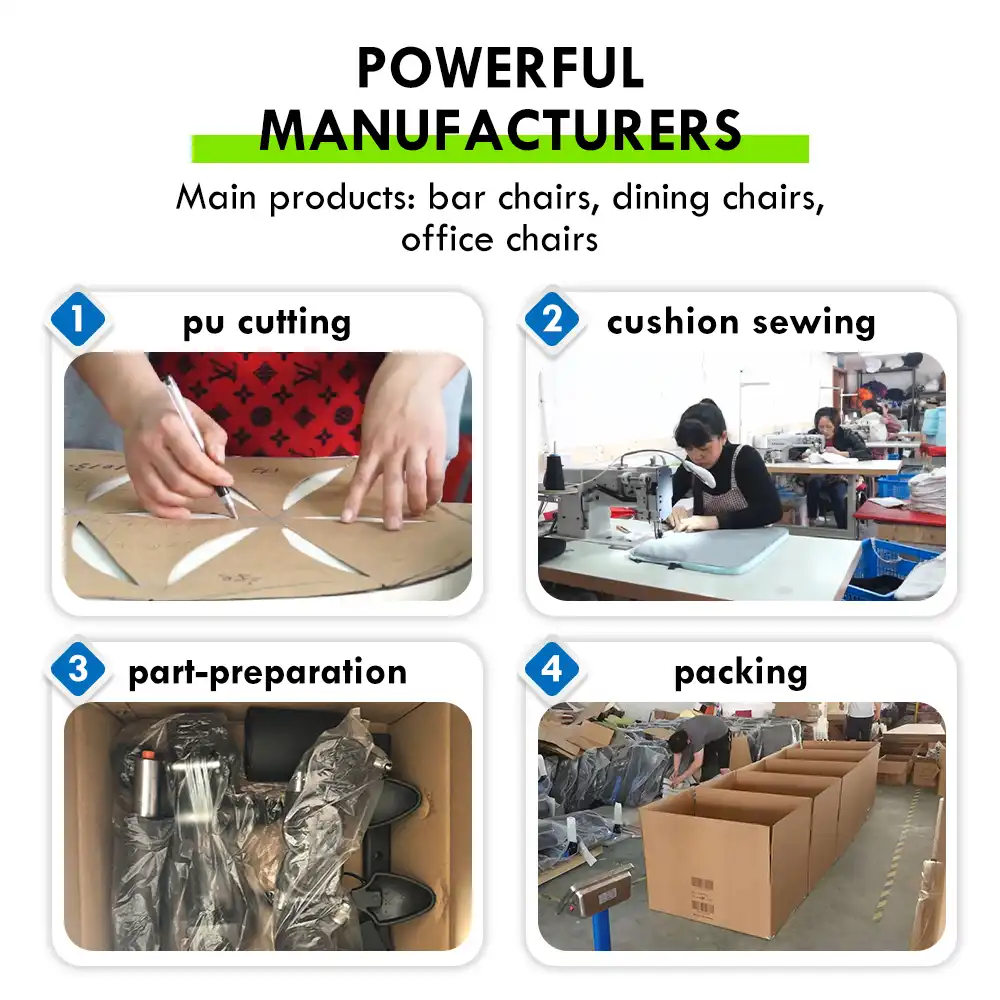
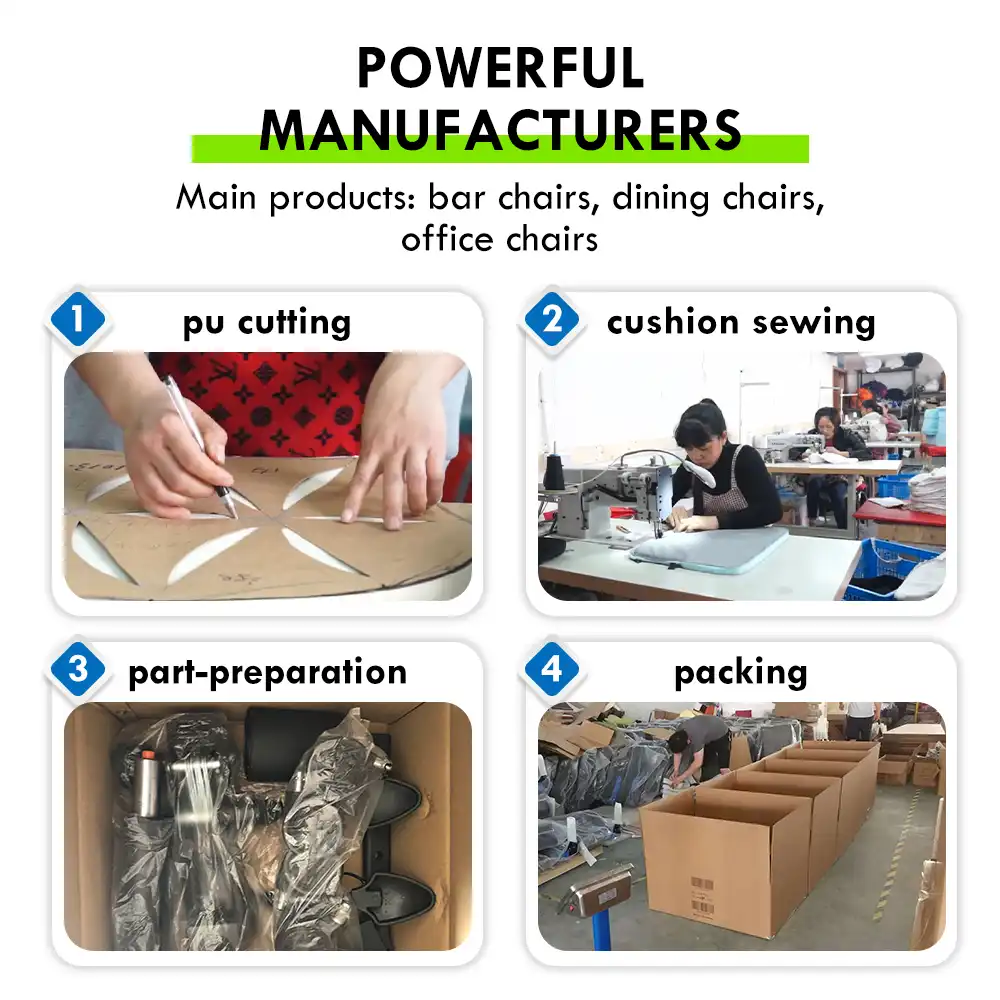
Our manufacturing skills, which have been improved over 14 years, have helped Anji Yibo Furniture Co., Ltd. turn buying problems into competitive benefits. Our velvet mustard yellow counter stool models are commercial-grade and ergonomically designed. They have high-quality velvet padding, stable black powder-coated cross bases, and the customization options you need for your projects. We run our 6,000-square-meter factory in Anji, China, which is known as the furniture production hub of the country. From research and development to foreign logistics, we make sure that the quality is always the same and that containers arrive on time. Our OEM and ODM services help you reach your goals with quick contact and low bulk prices, whether you're setting up a small hotel chain or starting your own line of furniture. Email our knowledgeable sales team at yb@ajyibo.com to talk about your unique needs, ask for samples, or look into your choices for customization. We are ready to support your long-term purchasing plan with a steady supply, quality that has been proven, and a dedication to working together.
References
1. Smith, J. & Anderson, K. (2022). Commercial Furniture Specification: Ergonomics and Space Planning for Hospitality Environments. Interior Design Publishers Association.
2. Williams, R. (2023). "Material Performance in Contract Upholstery: A Comparative Analysis." Journal of Furniture Technology, 48(3), 112-128.
3. Chen, L. (2021). Color Psychology in Commercial Interior Design: Evidence-Based Strategies for Customer Engagement. Architectural Press.
4. National Restaurant Association. (2023). Seating and Spacing Standards for Food Service Establishments. NRA Technical Guidelines, 7th Edition.
5. Morrison, T. (2022). "Sustainable Sourcing in the Global Furniture Supply Chain." International Journal of Procurement Management, 15(2), 203-219.
6. Davis, M. & Thompson, H. (2023). The Specification Manual: Bar and Counter Seating Solutions for Commercial Projects. Hospitality Design Institute.