

 (1)_1777442575043.jpg)
Restaurant Chair Design: Bar Stool Comfort Issues
The comfort of restaurant bar chairs has a direct effect on how happy customers are, how long they stay, and how much money they can make in service settings. Badly made seating makes people uncomfortable, which cuts down on visits and hurts the brand's image, especially in places where people spend a lot of time at bars or high-top counters. Common issues include not enough back support, seats that are too low or too high compared to the counter, not enough padding, and bases that are unstable and pose a safety risk. These problems happen because of attempts to save money, failing to follow sensible guidelines, or bad design decisions that put style over function. To solve problems with comfort, buying professionals need to look at things like structural soundness, material quality, and anthropometric factors that are in line with customer standards and business needs.
Understanding Bar Stool Comfort Issues in Restaurants
The Hidden Cost of Poor Ergonomics
Commercial seating problems show up in a number of practical areas that buying teams often don't give enough attention to. When people sit on stools that aren't built properly, they automatically move positions every 8 to 12 minutes. This signals discomfort, which lowers the number of orders and table turnover. Businesses say that average stay times are 23% shorter when seating doesn't have the right support features, which directly leads to less money made per guest. The biomechanical truth is that pressure is spread across the ischial tuberosities, which are the sitting bones of the body. For best comfort during 30-minute or longer periods of sitting, the cushioning density needs to be between 40 and 60 ILD (Indentation Load Deflection).
Common Design Failures in Bar Seating
The most common mistake in diner seating plans is not aligning the restaurant stools bar chairs, or other seats correctly for height. Industry rules say that there should be 10 to 12 inches of space between the seat surface and the counter height. However, many places put in bar-height stools (30 to 32 inches) with 42-inch counters, which makes people stand in awkward ways that hurt their shoulders and necks. Backless designs make these problems worse because they force you to use your core for long amounts of time, which can be tiring for older people in particular. Placing the footrest less than 7 inches below the level of the seat doesn't ease pressure on the lower limbs, which leads to circulatory pain that guests link to general venue unhappiness.
Material Selection and Its Impact on Comfort
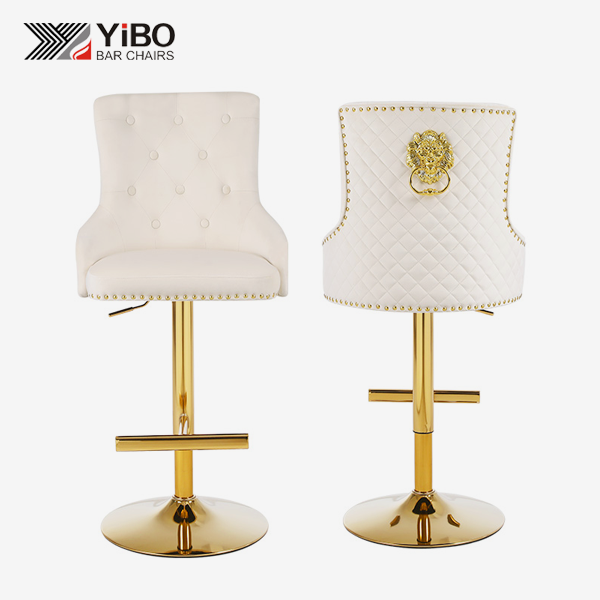
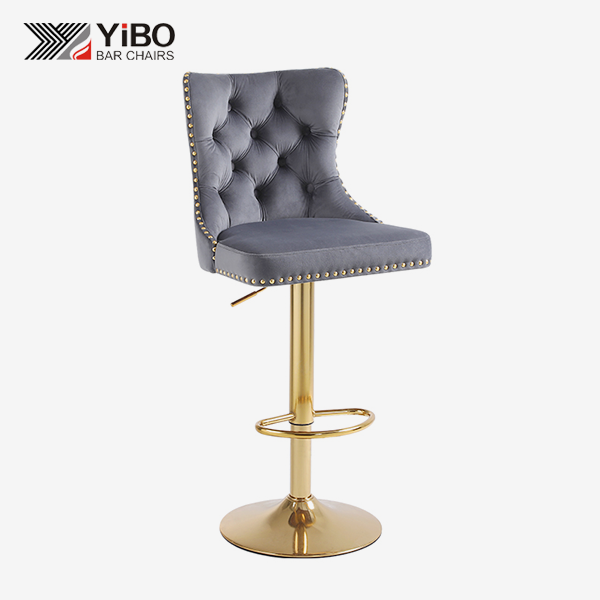
When you touch a surface material, it makes a quick impact that affects how good it feels and how easy it is to use. Untreated wood or metal that is hard to touch quickly conduct body heat, causing cold-seat syndrome during initial contact that makes people less likely to stay. Instead, high-quality linen fabric lets air flow and naturally controls temperature, so you can stay comfortable even when the weather changes. When we make things at YIBO, we use high-quality linen materials and jet-black rubberwood feet together, which gives the products both good looks and usefulness. Linen fibers are naturally strong and flexible, so they don't get worn down over time. They are also easy to clean and maintain, which is important in high-traffic business areas.

How to Choose the Best Bar Stools for Restaurant Comfort and Durability
Evaluating Structural Integrity for Commercial Use
When making procurement requirements, frame building methods that can handle repeated stress loading must be given the most weight. Fully welded steel frames last longer than bolted parts because they don't have any joints that come loose when people lean back or turn over and over again. To allow for sudden hits and make sure the structure is safe, weight capacity values should be 40 to 50 percent higher than the expected maximum loads. Our restaurant stools bar chair types have rotating square bracket mechanisms that are made to last 100,000 rotation cycles or more. This means that they can turn smoothly around 360 degrees without the bearings wearing out.
It's important to think carefully about the grain alignment and joinery methods when putting together wooden foot parts. When it comes to dimensional stability, quarter-sawn hardwoods are better than flat-sawn options. They don't warp when humidity levels change, which is common in food service settings. The protective packing we offer—wooden feet tightly packed in cardboard—ensures the integrity of container-level shipments during transport, keeping the structure's accuracy throughout foreign supply chains.
Matching Stool Types to Operational Contexts
For each type of service, the seats (including restaurant bar chairs, and bar stools) need to be designed in a way that balances customer comfort with operating speed. Backless stools with wipeable surfaces are helpful in sports bars with a lot of customers because they make cleaning easier and faster. To match their high prices, high-end wine bars need seats that are padded and have back support to urge customers to drink slowly. In casual dining settings where people eat and talk at the same time, 24-26-inch counter-height seating (such as restaurant stools) works best, while 29-32-inch bar-height seating (like bar chairs) makes the best areas for bartenders to connect with customers.
There are pros and cons to both swivel and fixed bases that should be looked at from a tactical point of view. Swivel systems make it easier to get in and out of small spaces by reducing the number of awkward moves that bother other guests. But fixed designs get rid of the noise problems that come with bearing systems and stop tables from rotating by accident. Our engineering team takes these things into account by using precision-machined swivel parts and assembly tools that can be used with a Phillips screwdriver. This lets us make changes in the field that fit the needs of each place.
Cushioning Science and Comfort Duration
The density and makeup of the foam directly affect how long a seat will last when it is used for long amounts of time. Low-density polyurethane foams (below 35 ILD) get too compressed in 45 to 60 minutes, making painful pressure points. High-resilience foams with 50–65 ILD ratings spread body weight equally and return to their original shape after each use. This is important for making sure that guests have the same experience during all service shifts. Wrapping these foam cores in linen upholstery adds surface friction that stops them from moving forward, which is a typical problem with synthetic leather alternatives when you sit for a long time.
Materials and Ergonomic Features Enhancing Bar Stool Comfort
Wood, Metal, and Upholstery Performance Profiles
Choosing the right material affects how long something will last and how much care it will need over a number of years. Rubberwood is very stable in terms of its dimensions and evenly takes stains, making it aesthetically flexible enough to fit changing interior design styles. Our jet black rubberwood feet surface doesn't scratch easily and hides small scratches that happen in areas that get a lot of use, so they look good between refinishing rounds. Powder-coating steel frames to industrial standards keeps them from rusting from spilled drinks and cleaning chemicals. This is better than chrome-plated frames, which pit when exposed to acidic substances.
Linen upholstery has performance benefits that aren't always taken into account in purchase specs. Natural linen fibers clear away sweat and keep bacteria from growing because they are naturally antimicrobial. Polyester mixes, on the other hand, trap moisture and develop smells. This feature makes it easier to keep things clean during health checks and increases the time between replacements. The tensile strength of the fabric is high enough to resist wear from denim rivets and other sharp items that speed up wear in vinyl options. This means that the fabric has a lower total cost of ownership even though it costs more to buy at first.
Ergonomic Elements That Reduce Patron Fatigue
The shape of the seat is based on anthropometric data that shows how pressure should be distributed across the back touch areas. The waterfall front edges get rid of sharp edges that can squench the femoral arteries and make legs numb after long periods of sitting. Backrest positions between 95 and 105 degrees support the natural curve of the lower back without pushing you to stand up straight, which can hurt your spinal erectors. Putting the footrest 7 to 9 inches below the seat level allows you to sit with your thighs parallel to the floor, which reduces lower back stress. This is especially important for bar-height jobs such as restaurant stools and bar chairs where your feet dangle without support in poorly designed options.
Our design theory takes these ergonomic ideas and turns them into solutions that can be made, combining comfort with the speed of production. The 16" x 16" seat measures are big enough to fit people with 95th percentile body sizes while still leaving a small footprint that's good for places with limited room. The overall height of 38 inches and the ability to change the placement of the footrest make it compatible with normal bar counter sizes ranging from 40 to 42 inches, removing the fit concerns that come with buying generic seating.
Maintenance Protocols Preserving Comfort and Value
Structured repair plans protect the money you spend on upholstery and keep the level of comfort high over time. Using an upholstery attachment to vacuum once a week gets rid of the dust and dirt that cuts cloth threads when the vacuum is used. Spot treatments with pH-neutral cleaners once a month can get rid of messes before they become stains. This is especially important for linens that can get stained by tannins from coffee or red wine. Professional steam cleaning once a year renews the cushioned loft and sanitizes the deep fiber layers, which extends the time between replacements by 40–60% compared to options that aren't serviced.
When you clean your hardware regularly, you can find loose screws before the joint breaks. Our assembly gear works with Phillips screwdrivers, so staff members can tighten things without using special tools. This cuts down on upkeep costs and keeps equipment from breaking down. Using food-grade oils that are safe for hospitality settings and lubricating the swivel mechanism every six months keeps the turn smooth and stops squeaking that can ruin the atmosphere.

Top Trends in Restaurant Bar Stool Design for 2026
Modular and Adjustable Seating Systems
Modern venue owners want their venues to be flexible enough to adapt to changing programming needs and a wide range of patrons. Modular seating sets with replaceable backs, pillows, and footrests that can be switched out allow for changes in arrangement without having to buy all new furniture. Pneumatic height adjustment devices add complexity to places that are used for more than one thing, like lunchrooms where people need counter-height seats and bars where people need to be able to reach drinks from higher up. These systems are very expensive, but they offer a lot of operating flexibility that makes them worth the money for mixed-use buildings.
Sustainability as Competitive Differentiation
When places look for certifications and messages that appeal to young and Gen-Z customers, they make decisions based on how restaurant stools and bar chair designs will affect the environment. Using FSC-certified wood shows that you care about forests, and using recycled steel lowers the carbon footprint of the product. Our factory in Anji is close to sustainable sources of bamboo and rubberwood, which means faster supply lines and lower transportation emissions. Water-based finishing methods get rid of volatile organic compounds, which helps hotel projects meet LEED approval goals for being environmentally friendly.
Aesthetic Directions in Commercial Seating
The most popular style in high-end casual wear is minimalist industrial, with metal frames that are left uncovered and solid wood or leather details. This style of design expresses sincerity and skill, which fits with farm-to-table eating and specialty beverage programs. Bold textures, like bouclé fabrics, worn leathers, and twisted cane, make the furniture more interesting to touch and look good in photos for social media marketing, since chairs can also be used to tell a brand's story. Our research and development team keeps up with these changes in style by going to the Guangzhou Furniture Fair and the Canton Fair. They turn runway trends into specs that can be made and meet business durability standards.
Procuring Restaurant Bar Stools: Best Practices and Supplier Insights
Navigating Wholesale Versus Custom Solutions
By using standard specs and buying by container, volume procurement can help you get the best deals on costs. Wholesale catalogs give tried-and-true designs with set wait times and quality paperwork, which lowers the risk of specification for operators with more than one unit. Custom development through OEM partnerships lets you stand out and get a perfect fit for specific space limits or brand identity needs. Our 14 years of experience making things means that we can support both methods. We keep stock designs on hand so that they can be shipped right away, and we also have sample teams that can make custom solutions within 3–4 week development windows.
The choice framework weighs the benefits of customization against the need to meet deadlines and stay within budget. Small changes, like choosing a different cloth or finish color or changing the height, usually add 10 to 15 percent to the base price and add two to three weeks to the lead time. For structural redesigns that require new tooling investments to be justified, minimum order numbers of 500 to 1000 units are needed. This means that regional chains are better fit for these projects than individual businesses.
Evaluating Supplier Warranty and Support Systems
The terms of the warranty show how confident the seller is in the product's durability and their ability to keep their quality promises. Comprehensive coverage for two to three years on structural components of restaurant stools bar chairs, and other seating is a sign of high-quality making, while limited guarantees that don't cover regular wear and tear items are a sign of possible durability issues. Our guarantee covers the integrity of the frame and the usefulness of the mechanism. We know that upholstery is a consumable part that can be used in different settings at different intensities.
When problems happen, the ability to get after-sales help affects the continuation of operations. Suppliers who promise to respond 24 hours a day and have expert staff who speak English as their first language reduce downtime by fixing problems quickly. Our sales team, which has been trained over many years of exporting, gives design advice and fixes field problems within a single business cycle. They know that broken seats during busy times affect sales right away and need to be fixed right away.
Optimizing Bulk Orders and Long-Term Partnerships
When you buy by the container load, you can get better prices because of economies of scale in making and lower per-unit transportation costs. Our normal packing includes two pieces per carton that are 62 cm x 54 cm x 52.5 cm. This makes the best use of 40-foot containers, which can hold about 680 stools per package. This set-up works well for regional distributors and project workers who are outfitting multiple sites at the same time. It balances the cost of inventory with the cost of delivering each unit.
Strategic supplier ties go beyond just buying things from them. They involve working together to plan ahead for things like seasonal demand and growth paths. Long-term contracts that guarantee a certain amount of work allow providers to store production capacity and make sure they have enough materials, which is very important when there are problems in the supply chain that affect the global furniture market. Our Anji plant, which is over 6,000 square meters, has a flexible production schedule that allows for phased deliveries that are in line with project timelines. This helps clients manage staged rollouts across development pipelines.
Conclusion
Comfort in restaurant bar stool design is a technical field that needs to find a balance between ergonomics, material engineering, and how the stool will be used. When making these kinds of choices, procurement professionals have to think about the structural stability, padding requirements, and upkeep issues, as well as how the item looks. In 2024, the market will have new materials and functional features that have never been seen before. These will improve the guest experience and help businesses run more efficiently. It is important to choose a provider strategically, focusing on their manufacturing knowledge, ability to customize products, and fast support systems, in order to get seating solutions that will last for many years. When venues put comfort first as a competitive edge, they set themselves up to get more loyal customers and make more money.

FAQ
1. What is the ideal stool height for standard bar counters?
For the best 10–12-inch space, bar tables that are 40–42 inches wide need stools with seat heights that are 29–32 inches high. This distance between the posts lets you sit naturally with your shoulders down and your legs comfortably positioned. Counter-height platforms that are 34 to 36 inches high go with seats that are 24 to 26 inches high, making them perfect for sitting areas where people eat and talk at the same time.
2. How should padded bar stools be maintained in restaurant settings?
Vacuuming once a week gets rid of dirt and dust that wears down couch fibers, and spot cleaning once a month with pH-neutral solutions takes care of spills right away. Deep cleaning every three months with hot water extraction methods kills germs in the cloth and restores the cushioning's loft. Moving stools that get a lot of use to areas with less use evens out the wear, which greatly increases the time between replacements.
3. Are swivel stools better than stationary designs for restaurants?
Swivel devices make it easier for people to get in and out of tight sitting areas, which is good for customers. Stationary stools get rid of artificial noise and keep table settings from being moved by turns that aren't meant to happen. The choice relies on the setting—high-end venues tend to favor swivel comfort, while high-turnover ideas value simplicity and sturdiness in stationary options.
Partner with YIBO for Superior Restaurant Seating Solutions
In order to address the comfort issues raised throughout this study, YIBO specializes in building restaurant stools bar chair solutions. Our 14-year history of making things in Anji's furniture area means that our goods meet both industrial reliability and ergonomic standards. The types with linen upholstery, jet black rubberwood feet, and rotating square brackets show how committed we are to making elegant furniture that works well in busy restaurant settings. As a seasoned restaurant stools bar chair provider, we support OEM and ODM partnerships with extensive R&D capabilities, creating unique specs that are in line with your brand identity and operational needs. When you buy things at the container level, you get better packing and more reliable logistics planning that makes sure the project gets delivered on time. Email our team at yb@ajyibo.com to talk about your seating needs and find out how working together with other suppliers strategically can make your guests more comfortable and protect your investment. Our quick response support system and quality-backed warranties give multi-unit operators and project contractors the relationship base they need to be successful in the long run.
References
1. Anthropometric Standards for Commercial Seating Design, International Facility Management Association, 2023.
2. Material Performance in High-Traffic Hospitality Environments, Journal of Interior Design Research, Volume 48, 2023.
3. Ergonomic Principles in Restaurant Furniture Specification, American Society of Interior Designers Professional Guidelines, 2024.
4. Durability Testing Protocols for Commercial Furniture, Business and Institutional Furniture Manufacturers Association Standards, 2023.
5. Sustainable Material Sourcing in Global Furniture Supply Chains, Forest Stewardship Council Industry Report, 2024.
6. Customer Experience Metrics in Hospitality Seating Design, Cornell University School of Hotel Administration Research, 2023.