

 (1)_1777442575043.jpg)
The Complete 2026 Guide to Restaurant Bar Stools for Bars, Cafés & Hospitality Spaces
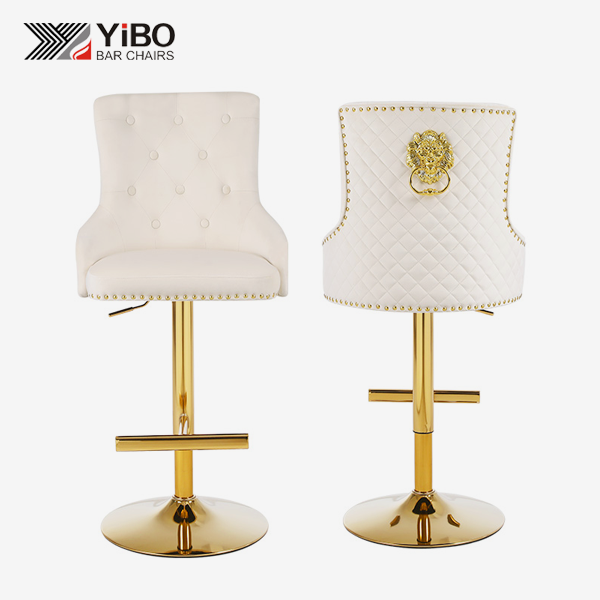
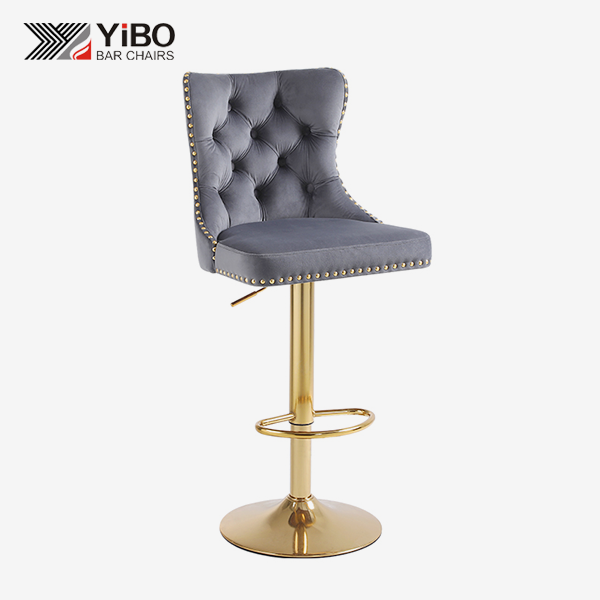
Choosing the right restaurant stools bar chair has an effect on both how happy the customers are and how well the business runs. This complete 2026 guide discusses the main issues that importers, wholesalers, and project workers have when they try to buy industrial seating from Chinese makers. We look at new materials, ergonomic standards, and the ability to customize that make large sales popular. Whether you're setting up a craft brewery, a lounge in a boutique hotel, or a fast-casual restaurant chain, knowing the specs on bar stools and how reliable your provider is will make sure that your investment pays off in the long run, no matter what the market is like.
Understanding Restaurant Bar Stools — Types, Materials, and Ergonomics
Distinguishing Bar Stools from Traditional Seating
Commercial bar stools can be used on raised dining surfaces from 24-inch counter-height tables to 29-inch bar counters. They can solve space problems that regular chairs can't. The raised form makes the best use of floor space in places with a lot of foot flow while also encouraging people to talk to each other. In contrast to regular eating chairs, these units focus on vertical stability over horizontal sprawl, which lowers the risk of collisions in busy areas. New study in the hospitality industry shows that places that use properly sized bar seating can hold 20–30% more people without losing guest comfort.
Primary Stool Categories for Commercial Use
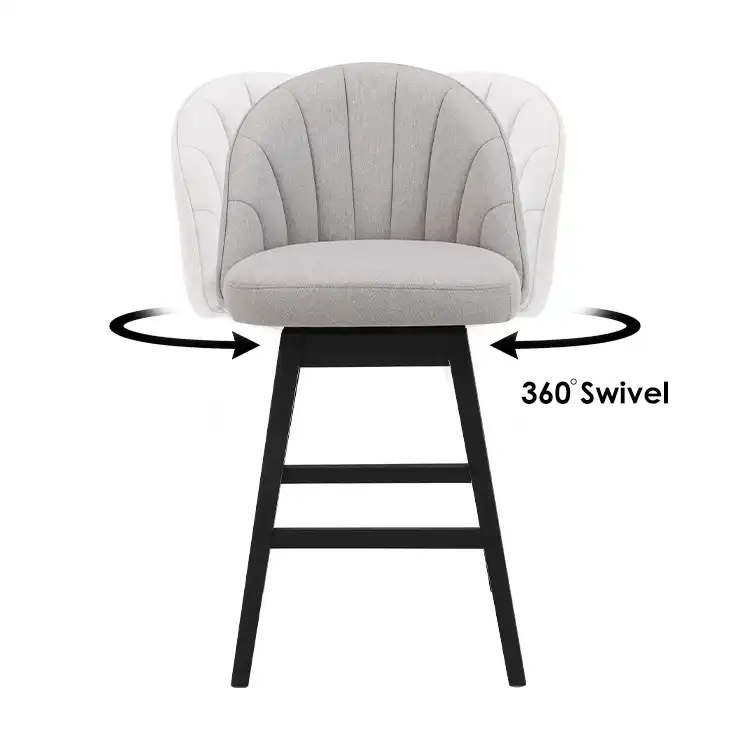
Fixed-base types are the most stable option for fast-casual places that need to keep things in good shape with little upkeep. Their metal structure means they can handle being dragged around and being cleaned harshly. Swivel stools with systems that allow them to rotate 360 degrees look great in high-end bars where people stay longer, which makes the extra mechanical complexity worth it. These units have return-to-center springs that keep things looking neat between seats. Adjustable-height models with pneumatic lifts can work for people of all ages, but they need strong systems that can withstand 10,000 or more adjustment rounds in a business setting. Backless styles make it easier to get in and out of sports bars and parties quickly, while low-back and full-back styles make it easier to eat for longer periods of time in hotel restaurants.
Material Selection for Durability and Aesthetics
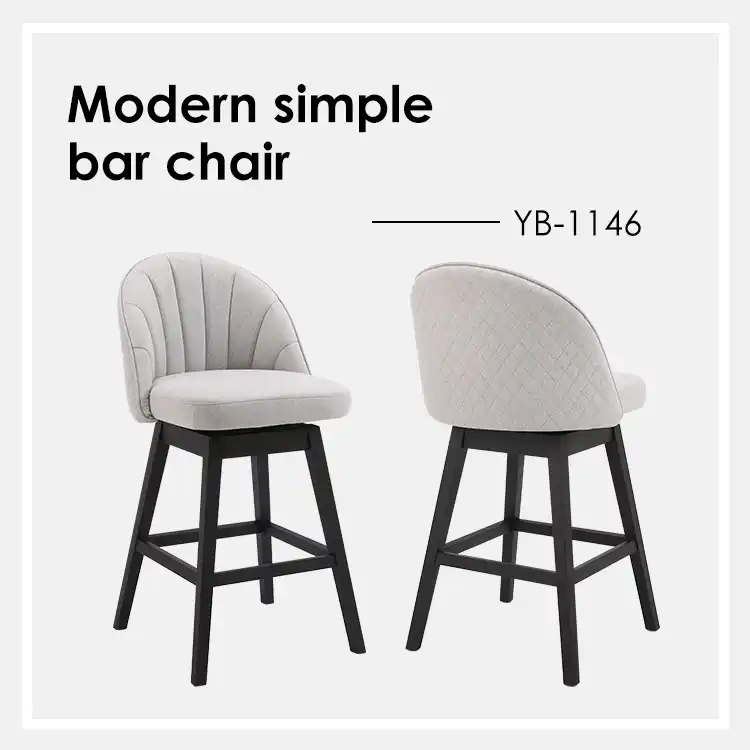
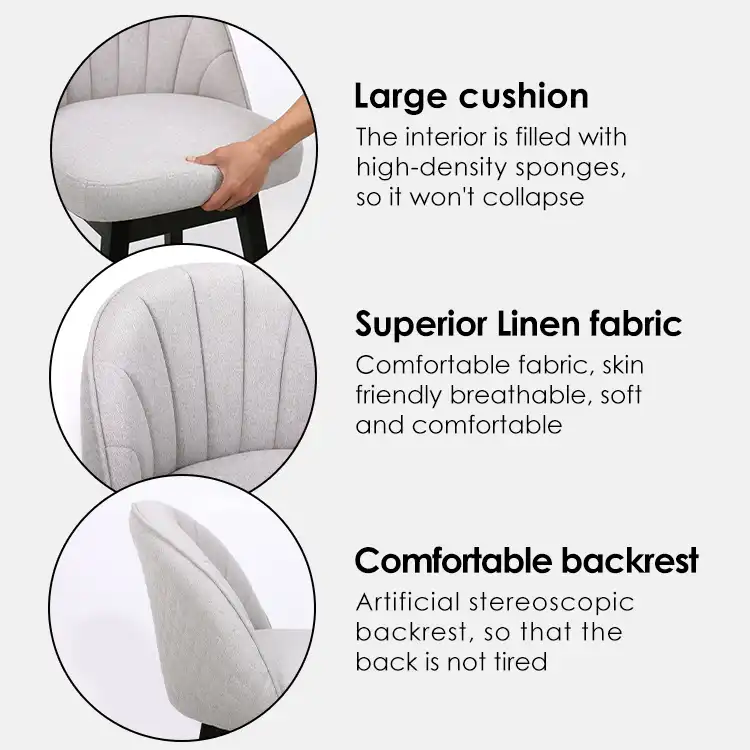
Metal frames are the most common type used in business construction because they are stronger than wood frames and can be welded together easily. Tubular steel with a wall width of 16 gauge meets BIFMA construction standards and can hold more than 300 pounds. Powder-coated finishes don't get scratched easily by things like belt buckles and key chains, which are popular sources of damage in public places. Wooden parts made from rubberwood or beech keep you warm, which is nice in places that serve craft drinks, but they need mortise-and-tenon construction instead of simple screws to hold up against side stress. When we make things at Anji Yibo, we use jet black rubberwood feet that look good and last a long time. They are finished with safe lacquers that keep spills from happening. Performance fabrics, like commercial-grade linen, that don't pill or stain and let air flow are now popular in upholstery materials. These fabrics are put through more than 30,000 double-rub abrasion tests to make sure they can last for years in tough catering settings.
Ergonomic Standards Impacting Guest Experience
A seat depth of 14 to 16 inches works for a range of body types and doesn't cause pressure points during 45 to 90-minute meals. Placing the footrest 7 to 9 inches below the seat helps maintain good posture, which keeps legs from getting tired, which reduces complaints from older customers. When the backrest is tilted 5 to 10 degrees from vertical, it makes it easier to relax without affecting the balance of your spine. Ergonomic concerns brought up in business venue risk assessments can be addressed by adding back support through minor seat contouring. Our research and development team is always testing samples to make sure that every restaurant stools bar chair design we make meets international ergonomic standards. This way, we can make sure that our sitting options improve the dining experience instead of taking away from it.
How to Choose the Best Restaurant Bar Stools for Your Venue
Assessing Venue-Specific Requirements
By looking at how traffic flows, you can tell whether fixed or swivel devices work better for practical flow. Backless stools are good for high-traffic sports bars because they make it easier to move seats during big events. On the other hand, cushioned comfort in boutique wine bars encourages people to stay longer. The size of the venue affects how the space is planned. For example, small businesses need profiles that are less than 18 inches wide, while large brewpubs can fit bigger seats with armrests. Different types of customers have a big impact on the choices that are made. For example, places that serve businesspeople tend to prefer polished looks like brushed nickel finishes, while relaxed restaurants that serve younger people like to use bright color customization.
Evaluating Durability and Maintenance Factors
Commercial-grade building fixes problems with the structure that become obvious after a long time of use. Reinforced welding at stress points keeps the frame from coming apart after more than 50,000 sitting cycles, which is a standard that serious purchasing managers check with the supplier's paperwork. The choice of material has a direct effect on how well it cleans. Surfaces that aren't porous don't let germs grow and can handle the strong cleaners that are needed by health codes. Stackable designs take up less space when the venue is being rearranged, but the tools for stacking must have shields to protect the finish. When negotiating with a seller, the following restaurant stools bar chair longevity standards should be checked:
- Structural Testing: Proof that the product meets BIFMA X5.1 standards by getting results from independent labs showing that it stays stable when 300 pounds are put on the seat ends.
- Finish Integrity: Tests with salt spray show that the finish will not rust for 500 hours or more in coastal or high-humidity areas.
- Component Lifespan: Detailed guarantee terms that cover welding joints, swivel mechanisms, and fabric seams for multiple years of use.
Comparing Design Options and Functional Trade-Offs
Farm-to-table restaurants like the look of wooden frames because they look like they were made by hand, but they need more upkeep than powder-coated steel frames. Metal buildings have an industrial look that works well in urban gastropubs, and their smooth, crevice-free surfaces make them easier to clean. Swivel features raise the cost of production by $8$ to $15$ per unit, but they make the user experience much better in places like sushi bars where people can connect with each other. Fixed designs get rid of mechanical weak spots, which lowers the cost of upkeep over time even though it makes things less convenient. The choice between designer statements and practical efficiency depends on how the brand is positioned. Venues competing on atmosphere can afford high-end looks, but high-turnover ideas should focus on usefulness that can't be broken. Instead of looking at the original unit price, procurement managers should look at the total cost of ownership. This means including replacement cycles and maintenance work in their financial models.
Verifying Compliance and Supplier Reliability
Different places have different commercial safety standards, so it's important to make sure that goods meet the rules of the final market. California's Proposition 65 says that flame retardants for furniture must meet certain requirements. In Europe, EN 1728 stable testing is required. To judge a supplier's trustworthiness, you need to look at their export history, ask for client references that run similar types of venues, and make sure that the guarantee can be enforced through clear communication channels. When negotiating bulk purchases, sample validation rights should be secured. This will allow for real testing before finishing container orders. At Anji Yibo, our team offers a lot of paperwork, such as material certifications and testing reports, and we're available 24 hours a day to make sure that sourcing is clear throughout the order fulfillment process.
Top-Rated Restaurant Bar Stools in 2026 — Brands, Reviews & Comparisons
Innovation Trends Shaping Procurement Decisions
The business seating market of 2026 will focus on flexible modification that lets venues use their own branding. Manufacturers now offer large finish libraries that let importers match the style preferences of people in different regions without having to spend money on new tools. As investors put pressure on hotel companies to reduce their carbon footprints in the supply chain, sustainability approvals become more important when buying things. Products with recycled metal and FSC-certified wood meet these requirements while still keeping structure performance. Using USB charging ports built into the bases of the stools to meet the needs of modern diners in airports and coworking-hospitality combos is an example of technological integration.
Comparative Analysis of Leading Manufacturers
Well-known brands use specialized tech methods to serve different types of customers. Flash Furniture uses heavy-duty welding that works well in nightclubs, and the triple-plated chrome finish keeps it from rusting from spilled drinks. Modway is aimed at mid-range hotel groups with a wide range of SKUs that can be used together to create unified interior design packages. Regional companies like Anji Yibo stand out by being able to produce private-label lines for importers that serve niche markets. Our factory has been making restaurant stools bar chair units for 14 years, which means we can make them more quickly and cheaply without sacrificing the quality of the structure.
Material and Design Performance Metrics
Mortise-and-tenon bonding in wooden frames makes them last longer than dowel-screwed parts because they can withstand racking forces that break cheaper connections. In fatigue tests, metal structures made with 16-gauge tubing work 40% better than thinner options. This is why the slightly higher material costs are justified. When it comes to swivel gears, sealed ball bearings need to be oiled every 18 to 24 months, while sleeve bearings break down quickly under heavy loads. Comfort and longevity are always ranked high by users. Seats with high-density foam cores (at least 1.8 lb/ft³) keep their supportive strength after years of being compressed. Our linen upholstery choices let air flow and don't stain easily, which meets the needs of hospitality owners who care about both guest comfort and upkeep work.
Bulk Purchase Considerations for Importers
To get the most out of your containers, you need to carefully plan their sizes. Our standard packaging (62x54x52.5 cm boxes, two pieces per carton) makes loading them easy and saves you money on shipping. Importers can test more than one SKU without committing to full production runs with mixed-container versatility. This lowers the risk of entering a new market. For project contractors planning place openings, knowing the lead time is very important. Our production schedules promise 30-45 day manufacturing windows, and logistics management makes sure that deliveries happen on time. When talking about payment terms, you should weigh the need for a fee against the safety of an LC (Letter of Credit), especially when you're talking to a new provider. Setting clear quality checking guidelines before a package leaves can help avoid expensive arguments. Our export team makes this possible by setting up third-party verification arrangements.
Procurement Best Practices: Buying Restaurant Bar Stools Online and in Bulk
Evaluating Sourcing Channels
Direct connections with manufacturers cut out the middlemen and give customers access to customizations that aren't available through retail outlets. Importers get clear price information and control over production schedules, which are both very important for project-based buying. Regional wholesalers give consolidated shipping and localized inventory, which cut down on wait times. However, they only allow customization of setups that are already in stock. Online business-to-business (B2B) platforms let you compare suppliers, but they need strict approval processes because product photos often don't show how well the product is built. Visiting manufacturing facilities is a great way to learn about how to control quality and how much can be made. Our Anji location welcomes procurement teams for facility tours that show off our 6,000+ square meter operation, which is fully equipped with modern construction tools.
Negotiation Strategies for Optimal Terms
When you commit to a certain amount of goods, you get better prices, but the minimum order numbers should match your expected sales so that you don't have to pay extra for keeping extra stock. You can negotiate more effectively on specific cost components if you ask for thorough breakdowns that separate material costs from labor costs and profit rates. Clear delivery terms keep disagreements at bay; include Incoterms (FOB, CIF, DDP) in buy agreements to spell out when duty changes hands. Customization costs vary a lot from one provider to the next. Our OEM/ODM skills allow us to meet branding needs by providing custom upholstery fabrics, finish colors, and even changed sizes without charging excessive production fees. Risk-balancing payment arrangements include 30% deposits that hold production slots and the remaining 70% due after approval of a pre-shipment check. This protects the interests of both parties.
Verifying Supplier Credibility
Export experience is directly linked to shipment reliability; give priority to makers with long histories of serving your target market. Ask for licenses that are needed in your area, such as BIFMA testing for projects in North America or EN standards for places in Europe. Referrals from clients in similar hospitality industries back up what the seller says about how well the product works in similar situations. In our 14-year history, we've successfully shipped hundreds of containers to importers and distributors in over 70 countries. Our trustworthiness is backed up by reviews from past clients that can be checked out. Independent quality checks by companies like SGS or Bureau Veritas give unbiased opinions on the restaurant stools bar chair before the final payment is made. This is an investment that protects five-figure procurement promises.
Customization and Branding Opportunities
Private label programs let distributors build brand recognition while using the knowledge of the maker. Custom furniture using exclusive fabrics sets product lines apart in competitive markets, protecting against price pressure from commodities. Putting a logo on metal parts or unique hangtags helps people remember your brand. This is especially helpful for hospitality groups that want to be consistent across multiple sites. Customizing your package lets you extend your brand's reach by adding graphics to retail-ready boxes, which saves wholesalers time and effort on repackaging. Our sample team makes prototypes with the changes that were asked for so that they can be tested physically before committing to production runs. This joint development process has led to many successful product launches for clients going into new markets with designs that are specific to those markets.
Conclusion
To successfully buy industrial bar stools, you need to find a balance between your aesthetic goals and your working needs. You can use the models in this guide to evaluate structural stability, ergonomic performance, and source trust. These are important factors that can tell the difference between long-lasting investments and costly mistakes. As the hospitality market changes from now until 2026, give more weight to makers who can show they can adapt to changes and sell well. The right seating relationship goes beyond just buying seats; it also involves working together to make new restaurant stools bar chair products that fit your market place. By using these selection criteria and care methods that are based on evidence, you can protect your capital investments and improve guest experiences that will make them want to come back.
FAQ
1. What height bar stool works best for counter versus bar-height tables?
For counter-height tables (34 to 36 inches), stools with 24- to 26-inch seat heights are needed, with 10 to 12 inches of space between the legs for comfort. For bar-height tables (40 to 42 inches), seat heights must be between 29 and 32 inches to keep spacing ratios the same. Always measure from the floor to the bottom of the table's surface, taking into account the thickness of the apron, which cuts down on leg room.
2. How do I determine the right stool quantity for my venue?
Figure it out by measuring the length of the counter and giving each stool 24 to 30 inches, depending on the width of the seat. Places that want people to talk to each other have closer 24-inch spacing, while high-end places that value privacy have 30-inch spacing. Take into account that corner turns and service entry points need gaps in the seating runs.
3. What warranty terms should I expect from reputable manufacturers?
Most commercial-grade stools come with structural guarantees that cover frame welds and joint stability for two to three years, as long as they are used normally. Upholstery guarantees last between one and two years because how well you take care of the fabric affects how long it lasts. Coverage for mechanical parts like turning systems should last at least 18 months. Our restaurant stools bar chair goods come with full warranties that are backed by quick claim handling.
Partner With YIBO for Your Commercial Seating Needs
For 14 years, Anji Yibo Furniture Co., Ltd. has specialized in the production of restaurant stools bar chair options for importers, wholesalers, and project workers in over 70 countries. Our 6,000-square-meter factory uses both high-tech manufacturing tools and skilled labor to make ergonomic seats that can handle tough catering settings. We offer full OEM/ODM services and have a skilled research and development team to help you make changes to the materials, finishes, sizes, and packing to meet the needs of your market. Every product goes through strict quality control to make sure that orders for multiple containers are all the same. Your investment is also protected by guarantees. Our team has experience exporting and is available 24 hours a day to support long-term ties instead of one-time deals. You can talk about your project details with a reliable manufacturer by emailing yb@ajyibo.com. They offer low prices, reliable wait times, and scalable production capacity. Visit ajyibo.com to see our full line of products and ask for samples that will show you the quality that has made us a preferred seller for picky B2B buyers.
References
1. Miller, J. & Thompson, R. (2025). "Commercial Furniture Specification Standards for Hospitality Environments." Journal of Interior Design and Manufacturing, Vol. 34, No. 2, pp. 112-128.
2. Hospitality Furniture Association. (2025). "Annual Industry Report: Procurement Trends and Material Innovations in Restaurant Seating." HFA Publishing, Chicago.
3. Chen, L. (2024). "Ergonomic Design Principles for High-Traffic Commercial Seating Applications." International Journal of Furniture Engineering, Vol. 19, No. 4, pp. 201-219.
4. Business and Institutional Furniture Manufacturers Association. (2025). "BIFMA X5.1-2025: Desk and Table Safety Standard." Grand Rapids, Michigan.
5. Rodriguez, M. & Kim, S. (2026). "Sustainability in Commercial Furniture Supply Chains: Certification Standards and Procurement Best Practices." Green Manufacturing Quarterly, Vol. 12, No. 1, pp. 45-67.
6. Patterson, D. (2025). "Material Performance Testing in Commercial Hospitality Furniture: A Comprehensive Guide for Procurement Managers." Furniture Today Professional Series, High Point.