

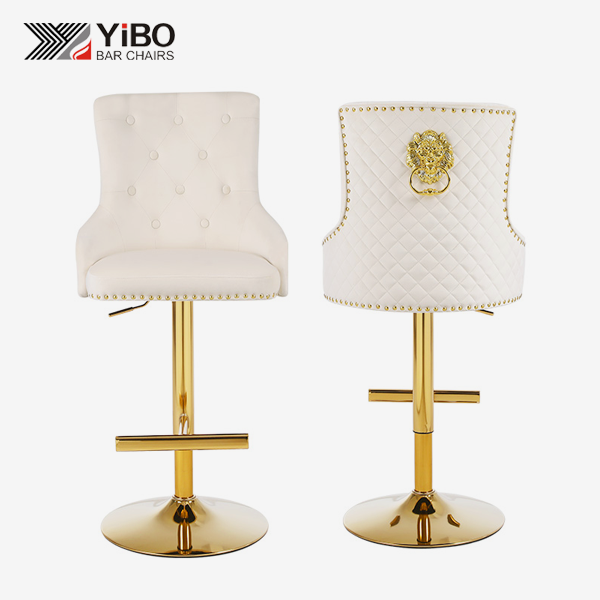
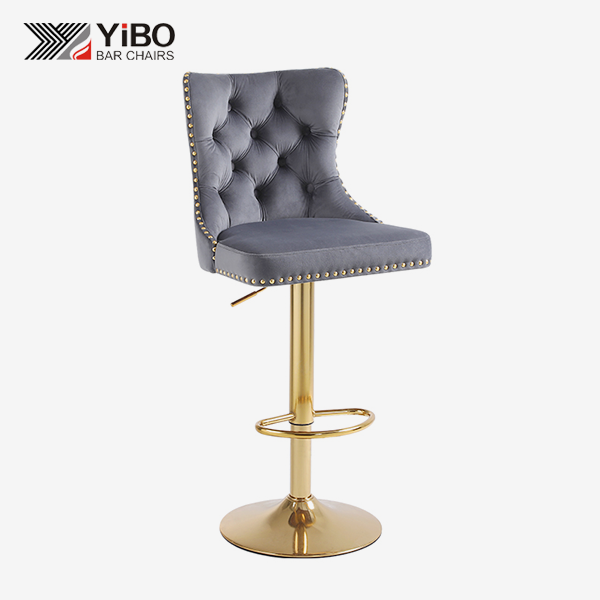
 (1)_1777442575043.jpg)
What Materials are Commonly Used for the Base of a Mustard Yellow Velvet Counter Stool?
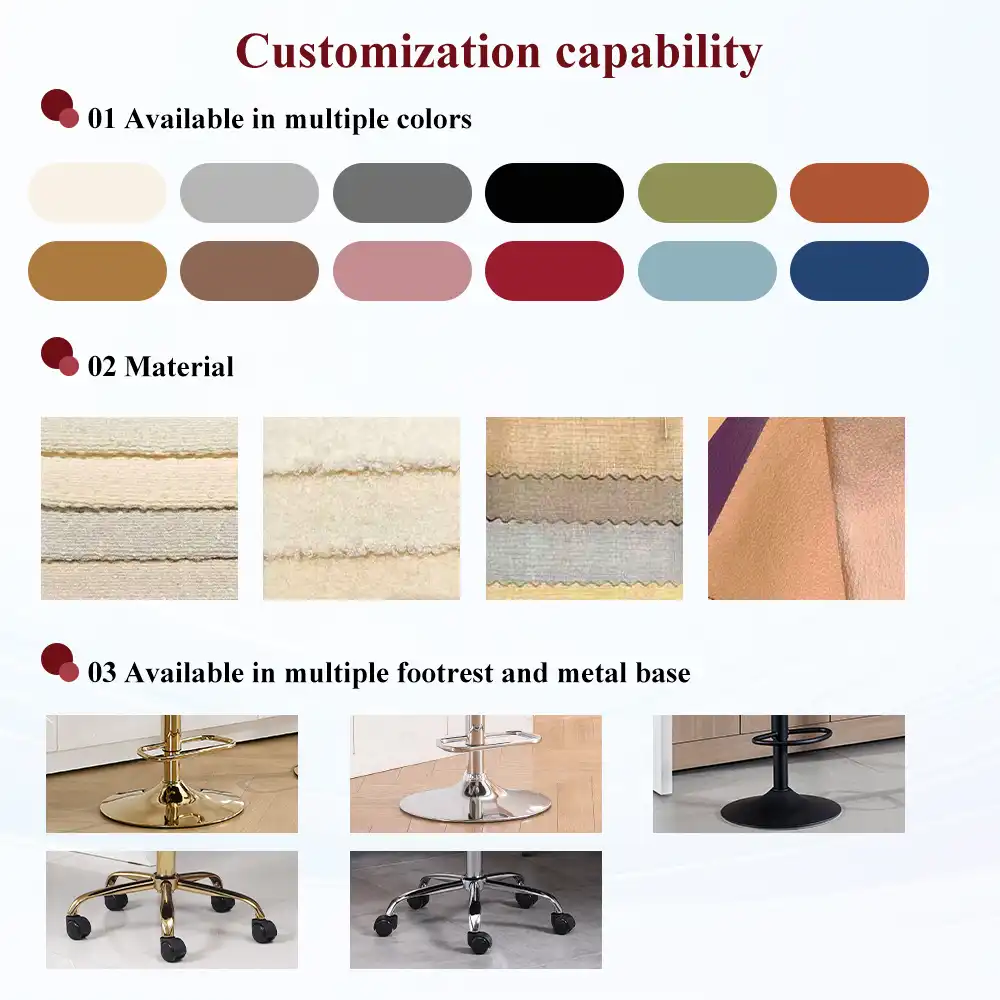
The base materials commonly used for a velvet mustard yellow counter stool include powder-coated steel, solid wood, aluminum alloy, and engineered composites. Among these, metal bases—particularly black powder-coated cross-leg steel frames—dominate commercial-grade designs due to their exceptional load-bearing capacity, corrosion resistance, and compatibility with the warm, luxurious aesthetic of mustard-toned velvet upholstery. Wood bases bring organic warmth and customization flexibility, while aluminum offers lightweight durability suitable for mobile applications. Understanding these material distinctions helps procurement managers balance structural integrity, design coherence, and cost-efficiency for high-volume orders.
Understanding the Role of the Base in Velvet Mustard Yellow Counter Stools
The base is the main part of the structure that affects not only how the weight is distributed and how stable it is, but also how it looks in business settings. The base material is very important when you combine the soft pile texture and warm golden color of a velvet mustard yellow counter stool. A well-designed base keeps the table from wobbling when it's being used a lot in a hospitality setting. It also helps the design story, whether it's industrial chic, mid-century beauty, or modern simplicity.
Operational risks are caused by bad base selection. When there isn't enough load capacity, repeated stress causes the material to distort too soon. This is especially common in restaurants with a lot of customers coming and going. When the material finish doesn't go with the upholstery finish, it can create jarring visual disconnects. For example, shiny chrome doesn't go with the rich matte finish of velvet, and rough wood may look unfinished next to smooth fabric. When purchasing bases, people in charge must look at them through two different lenses: structure performance and design unity.
Structural Integrity and Load Distribution
The high seat height of counter stools makes them have special technical needs. When someone leans or changes their weight, the base has to stop them from falling over. Cross-leg metal shapes spread stress over larger areas, making them more stable than single-pedestal designs. Our engineering team at Anji Yibo Furniture figures out load vectors to make sure that every base design meets ANSI/BIFMA standards for business furniture by supporting weights of up to 330 pounds.
Aesthetic Compatibility with Velvet Upholstery
The velvet mustard yellow counter stool fabric is the main piece, and it needs to be paired with a base that is warm and welcoming. Black powder-coated steel makes a striking contrast with the bright fabric, keeping an industrial look. Natural oak or walnut wood adds a rough texture that softens the overall look, making it perfect for bars in small hotels. Brushed metal bases add a touch of luxury to a position, but the finish needs to be carefully matched to avoid sounding too flashy. Before suggesting base finishes that strengthen a client's market place, our design experts look at their brand identities.
Overview of Common Base Materials for Mustard Yellow Velvet Counter Stools
The choice of material affects every part of a velvet mustard yellow counter stool performance, from how it ships to how happy the end user is with it. There are three main types of bases used in the business furniture industry. Each one is designed to work in a different setting. Buyers can choose goods that meet the needs of a particular project by learning about their molecular features, how they are made, and how they are used in real life.
Metal Bases: Steel, Aluminum, and Brass
Because they are so strong for their weight and come in so many finishes, metal bases are the most common type of base for contract furniture. When powder-coated, cold-rolled steel doesn't scratch or rust, and it can be shaped in complicated ways to fit things like footrests or turning devices. Five steps are used to treat the surface of our black-sprayed cross iron feet: degreasing, phosphating, electrostatic powder application, high-temperature drying, and quality checking. This method makes coats that are uniformly 60–80 microns thick and can withstand salt spray tests for 500 hours or more.
Aluminum is 65% lighter than steel, which makes it easier to put in places where weight limits apply, like rooftop patios. Anodized finishes naturally prevent rust without using harmful coatings, which makes them a good choice for LEED-certified projects. Brass bases are used for ultra-premium parts. Over time, they patinate and take on a unique character, but they need to be polished every so often to keep their shine.
Wood Bases: Solid Hardwood and Engineered Options
Biophilic warmth comes from solid wood bases, which works well in farm-to-table restaurants and Scandinavian-style homes, complemented by velvet mustard yellow counter stools. Different types of beech, oak, and walnut have different grain patterns and strength levels. Mortise-and-tenon joinery keeps the structure strong without showing any screws, which keeps the lines looking clean. Controlling the amount of moisture in wood is important during production. Our kiln-drying methods keep lumber stable at 8–12% moisture levels, which keeps it from breaking in temperatures that change.
Engineered wood options, such as plywood laminates, are cheaper while still looking good because veneers are used to cover them. These composites don't break as easily as real wood, but they can't be refinished. Buyers in the middle market often ask for engineered bases to find a good mix between looks and price.
Plastic and Composite Bases: Cost-Efficiency with Trade-offs
Injection-molded polyethylene bases are used in price-sensitive situations where portability and light weight are more important than durability. Glass-fiber reinforced materials make things stiffer, but in high-traffic areas, they rarely last as long as metal. We suggest composite bases mostly for large orders for homes or short-term events, but not for long-term business installations.
Comparing Base Materials: Performance and Procurement Considerations
To choose the best base material for a velvet mustard yellow counter stool, you need to compare numbers across a number of performance factors. Buyers need to think about the initial cost versus the overall cost over the product's lifetime, including how often it needs to be maintained, how often it needs to be replaced, and how reliable the supply chain is. This study takes 14 years of manufacturing data from our Anji factory and puts it all together to give us useful standards.
Durability and Maintenance Requirements
Powder-coated steel bases last longer than other types; in rapid wear tests, they kept their structural integrity through more than 50,000 sit-stand cycles. For regular upkeep, wipe down surfaces with wet microfiber cloths. Do not use rough cleaners that scratch protective coatings. Wood bases need to be conditioned every three months with furniture-grade oils to keep the finish from absorbing water and wearing down. Untreated wood darkens unevenly in the sun, so topcoats that block UV rays are needed for places near windows.
Aluminum naturally doesn't rust, but it shows scuff marks more than brushed steel finishes. If you don't polish brass, it gets a verdigris sheen, which some designers like because it looks like it has really aged. Composite materials can handle cleaning chemicals well, but they can crack when hit over and over, which is a problem near sinks or service hallways.
Weight, Shipping, and Installation Logistics
Base material has a direct effect on how quickly and cheaply containers can be loaded. Our basic velvet mustard yellow counter stool with a steel base weighs 12.9 kg gross per unit, which means that 480 of them can fit in a 40-foot high-cube container. This is cut by 3 kg per stool with an aluminum base, which increases the container's volume by 15% and saves a lot of money on international shipping. Wood bases are heavier, but in high-end markets, the perceived value of the wood often justifies the higher freight costs.
Different pieces can be put together in different ways. For example, metal cross-leg bases can be put together with just hex keys in less than ten minutes. Wood bases with mortise joints come already put together, which cuts down on installation mistakes but makes the box bigger. When it's possible, we create flat-pack designs that balance safety with saving room.
Cost Structures and Supplier Reliability
Prices for steel frames are stable because they are tied to commodity markets, and big orders take 25 to 30 days to arrive. The price of wood changes depending on how much is available. Recently, problems in the supply chain have made wooden wait times 45 days or more. Aluminum costs 40% more than steel, but it lowers the costs of dealing afterward. Composite bases are the cheapest per unit, but they need to be replaced more often, which raises the total cost of ownership.
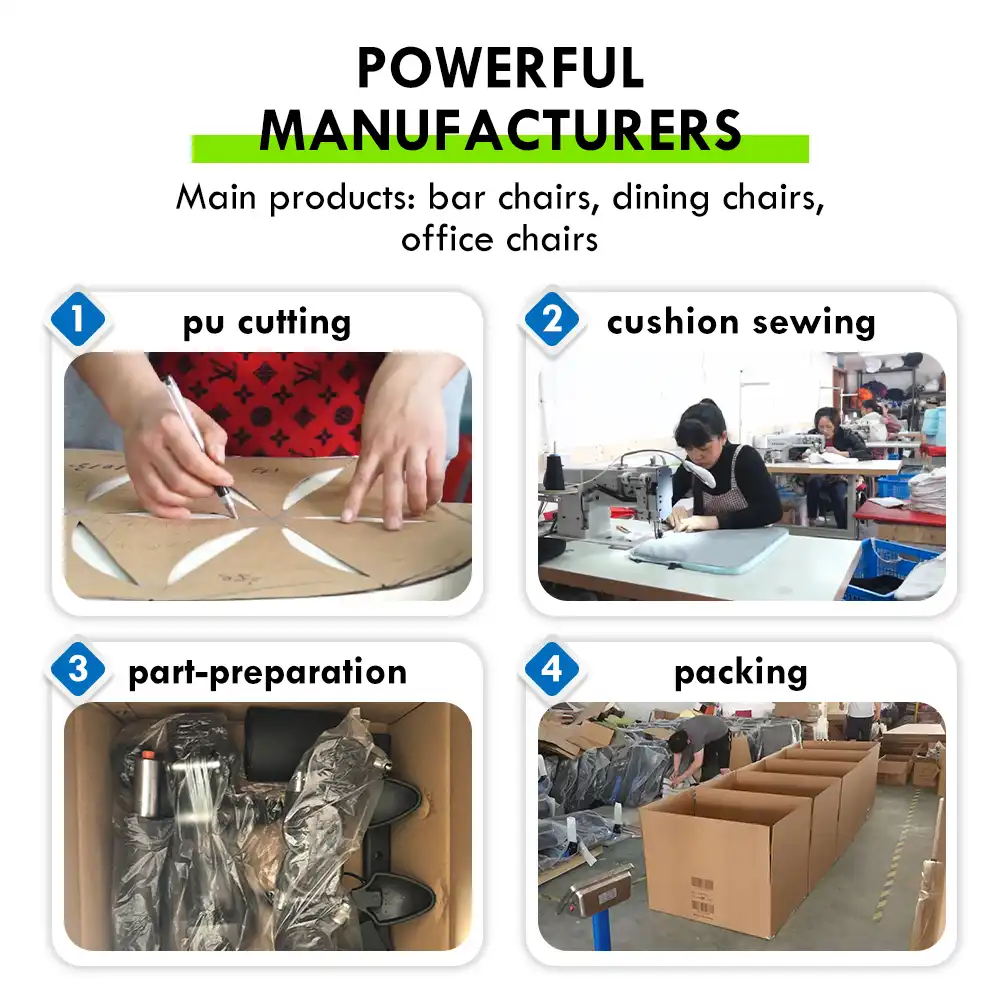
Supplier screening is very important. Our factory has specialized steel fabrication lines and kiln-drying chambers that make quality control impossible when parts are ordered from outside the plant. Buyers should check out the manufacturer's facilities to make sure the equipment works and that the materials are certified. Our 6000-square-meter Anji plant is open for tours by clients, and the clear way things are done there builds trust in the buying process.
How to Choose the Right Base Material for Your Velvet Mustard Yellow Counter Stools
Use-case research is the first step in choosing the right materials for a velvet mustard yellow counter stool. When it comes to requirements, high-turnover areas need different ones than low-traffic private areas. We help our clients make choices by showing them decision trees that connect practical needs to material properties. This makes sure that product skills match up with needs in the real world.
Commercial Hospitality Applications
Furniture in restaurants, hotel bars, and parties is put through a lot of stress every day because it is moved around a lot and drinks are spilled on it. Bases made of steel with powder-coated finishes can handle these conditions and still look good. The cross-bracing on our YB-1010-2 type is stronger, and the non-slip rubber feet protect the floor without affecting the steadiness. The black finish hides scuffs better than lighter ones, making it look like it hasn't been worn as much between deep cleanings.
Swivel gears need to be made of strong metal because wood doesn't have the precise specs needed for turning smoothly when it's loaded. Buyers in the hospitality industry should ask for 360-degree turning plates with self-lubricating bearings, which will make sure that the equipment runs quietly and lasts for 100,000 cycles. We build these features into common designs, so there are no delays for modification.
Office and Co-Working Spaces
Flexibility and noise-free environments are important in today's jobs. Aluminum bases make it easier to change the layout often because they are lighter, and the plush padding blocks out noise in open-plan spaces, such as on a velvet mustard yellow counter stool. Wood bases add warmth that softens the look of tech-heavy furniture, which supports biophilic design concepts that have been shown to improve staff health. Our research and development team can add wire management lines to custom wood bases to meet the needs of modern workspaces.
Residential and Boutique Retail
When you're in your own home, you can try out different styles with materials like metal or rare hardwoods that turn kitchen islands into design statements. Retail businesses use velvet mustard yellow counter stool models as highlights to set their brands apart. The base material should also help the store stand out, like industrial steel for urban fashion stores or walnut for organic skin care brands. In these areas, customization is only possible for smaller orders, and our sample team makes prototypes in ten business days to help people make decisions faster.
Maintenance and Care Tips for Different Stool Base Materials
Following the right care steps for a velvet mustard yellow counter stool will make products last longer and keep their good looks, which directly affects customer happiness and the chance of getting them to buy again. Both buying choices and end-user documents should be based on the specific care needs of the material. We include care guides in multiple languages with all business sales, which cuts down on support calls and warranty claims.
Metal Base Maintenance Protocols
Powder-coated surfaces need to be cleaned every day with pH-neutral soaps that have been softened in water. Avoid glass cleaners with ammonia because they wear away protective layers over time. Fastener tightness should be checked every three months; foot traffic causes movements that slowly loosen bolts, which causes them to wobble and speed up wear. Use threadlocker solutions when putting the parts together to reduce this problem.
Scratches that show bare metal need to be fixed right away with spray paint that matches the metal to stop rust from spreading. When you buy more than 100 units, we send you touch-up tools. Coastal installations rust more quickly; for places by the water, choose marine-grade powder finishes that are more resistant to salt.
Wood Base Preservation Techniques
Wood needs to be actively managed for moisture. Every six months, use penetrating oil treatments to restore the natural fats that keep the wood from breaking. Stay away from standing water and clean up spills right away to keep them from turning dark. For the velvet mustard yellow counter stool, check joints once a year for loosening caused by wood's natural tendency to expand and contract. Tighten screws or use wood glue to fix small gaps before they get worse.
Wood finishes fade unevenly when they are exposed to sunlight. Place stools next to windows on a regular basis and move them around, or put up window screens that block UV rays. Refinishing solid wood bases every 5 to 7 years brings them back to their original look, which is better than metal bases that get worn down over time.
Composite and Aluminum Care Considerations
Composites can handle most cleaning products, but they will break if they hit something hard. Don't drag them across rough surfaces. If you leave aluminum wet for too long, it will get rust spots. Dry it completely after cleaning. To keep brass shiny, you need a special metal cleaner. Some rust, on the other hand, gives it character. Care standards should be written down in operational manuals so that staff at various sites follow the rules.
Conclusion
The choice of base material has a big effect on how well velvet mustard yellow counter stool products work, how they look, and how much they cost to own overall, whether they are used in a business or a home. Powder-coated steel is the most popular material for contract markets because it is long-lasting and easy to design. Wood bases are used for projects that want natural warmth and the ability to be customized. For large foreign sales, aluminum lowers shipping costs, and composites fill needs for people on a budget. To be successful at procurement, you need to match the qualities of materials to the needs of each use case. For example, corrosion-resistant steel is needed in hospitality settings, the beauty of brass is appreciated in boutique stores, and lightweight aluminum makes workplaces more flexible. Buyers can get seating options that improve company identity and provide reliable long-term performance by knowing these differences and working with experienced manufacturers.
FAQ
1. What are the main advantages of metal bases compared to wood bases for commercial counter stools?
When used a lot, metal bases, especially powder-coated steel ones, last longer and can handle more than 50,000 sit-stand cycles without breaking down much. They don't get damaged by water in food service settings where spills happen a lot, and they're engineered to fit swivel systems perfectly. Wood bases are great for biophilic design and reducing noise, but they need to be treated every three months and are sensitive to moisture. Metal makes maintenance routines easier, which is important for hotel groups with multiple locations that need to standardize care procedures. Metal is also better when it comes to weight capacity; our steel cross-leg bases can hold 330 pounds, while solid wood bases usually only hold 250 pounds.
2. Can I customize base materials and finishes for bulk orders?
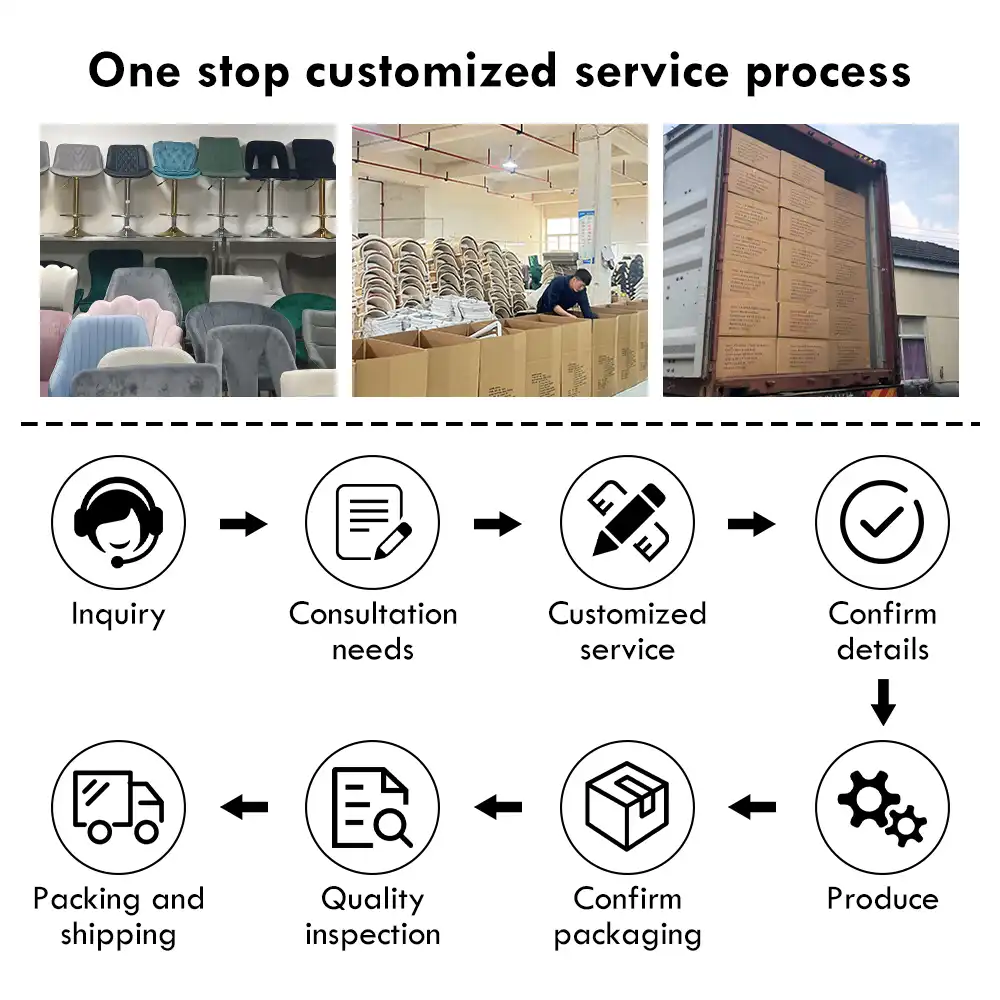
Of course. Custom powder-coating in any RAL color, different metal treatments like brushed nickel or antique brass, and a choice of wood types from beech to American walnut are some of the OEM/ODM services we offer. For special styles, the smallest order size is 100 units, and samples can be sent for quality control before the full order is made. Our research and development team works together to change the size, add footrests, or add swivels to meet the needs of each project. Customization takes an extra 10 to 15 days, but the end result will be exactly in line with your brand's standards and useful needs.
Partner with YIBO for Premium Velvet Counter Stool Solutions
We at Anji Yibo Furniture Co., Ltd. have been making velvet mustard yellow counter stool models for 14 years, so we know what we're doing. Our Anji factory has high-tech powder-coating lines, precise metalworking tools, and skilled workers who are committed to making contract-grade seats that meets or beats international quality standards. We know what B2B buyers want: consistent quality across container loads, on-time delivery to meet project targets, and helpful contact throughout the order process. Our black-sprayed cross-iron feet are put through a lot of tests to make sure they are stable and will last a long time. The quality velvet upholstery strikes a balance between style and sturdiness. We offer scalable production, open OEM/ODM customization, and reasonable price structures that are built for long-term partnerships. This means that we can stock small hotels, restaurant groups, or commercial office projects. Get in touch with our team at yb@ajyibo.com right away to talk about your needs with account managers who have experience finding furniture from around the world. We reply to all questions within 24 hours and welcome plant visits to our Anji production site. Please ask for detailed specs, material samples, or volume-based quotes.
References
1. "Material Performance Standards for Contract Furniture: A Comprehensive Analysis of Base Construction in Commercial Seating," Journal of Furniture Engineering and Technology, 2022.
2. "Powder Coating Technology and Corrosion Resistance in Metal Furniture Applications," Surface Engineering Research Institute, 2021.
3. "Ergonomic Design Principles for Counter-Height Seating in Hospitality Environments," International Furniture Design Association, 2023.
4. "Lifecycle Cost Analysis of Wood versus Metal Furniture Bases in High-Traffic Commercial Settings," Procurement Management Quarterly, 2022.
5. "Supply Chain Optimization for International Furniture Manufacturing: A Case Study of Chinese Export Markets," Global Manufacturing Review, 2023.
6. "Velvet Upholstery Durability Testing and Maintenance Protocols for Contract Interiors," Textile Performance Standards Council, 2021.