

 (1)_1777442575043.jpg)
Best Counter Stools with Metal Frames for Kitchen Islands
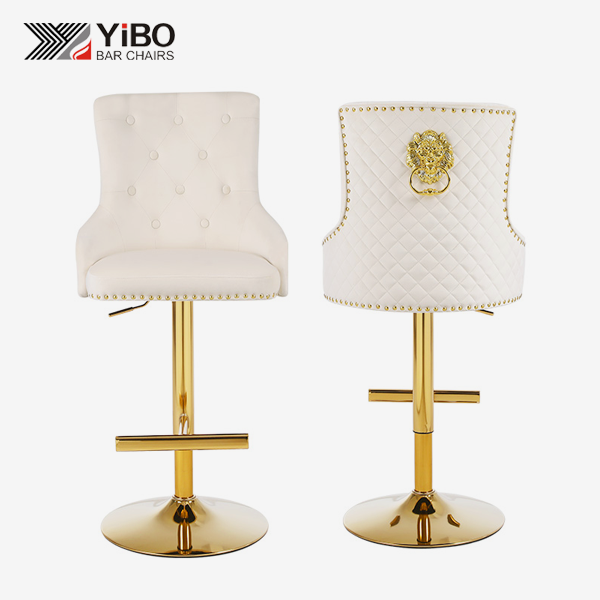
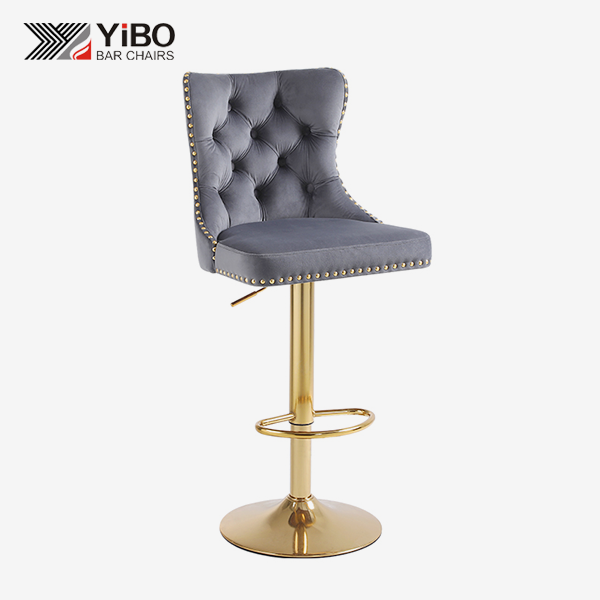
A counter stool with metal frame is the most useful option for business uses when choosing seats for kitchen areas. These stools are perfect for places that serve food and drinks, business dining rooms, and store showrooms because they are strong and can be designed in a variety of ways. Metal frames are very strong and can hold up to 300 pounds or more. They also look nice and go well with modern designs. Steel building is naturally strong, so it can handle the wear and tear of high-traffic areas. This gives procurement managers a cost-effective answer that doesn't need to be replaced often.
Understanding Metal Frame Counter Stools – Features and Benefits
The physics behind metal frame seats shows why these items are so popular with businesses. The backbone of most professional-grade stools is made of cold-rolled steel that is usually 16 to 18 gauge. This type of steel can bend without breaking in a big way.
Core Structural Advantages
Full-circumference welding methods, like TIG or MIG, are used on metal frames to make one-piece structures that are much better than screw-fixed systems. This welded construction doesn't have any parts that can come loose like mechanical fastener systems do. This is especially important for places that have hundreds of seatings every day. The measure of flexibility of the material makes sure that it works the same way even when the temperature changes. This is different from wood, which expands and shrinks with the seasons.
Electrostatic powder finishing technology keeps these frames from getting damaged by impacts and gives you dozens of finish choices to choose from. This thermoset polymer application makes a buffer that keeps things from chipping when people's shoes hit footrests, which happens a lot in restaurants. Stainless steel types, especially 304-grade metals, don't rust, which makes them good for semi-outdoor uses or seaside homes where salt air speeds up the breakdown of materials.
Ergonomic Design Elements
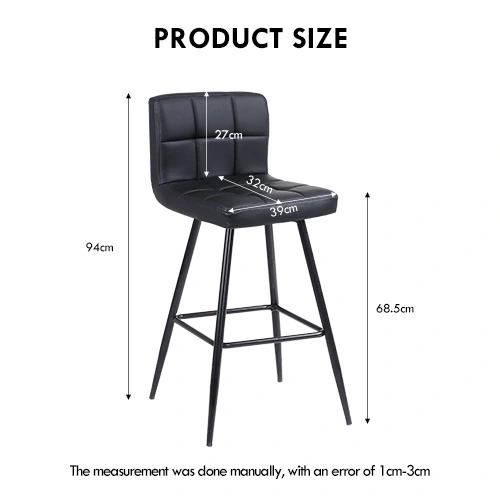
Metal stools made for commercial use have seat heights that are set between 24 and 26 inches so that they can fit 36-inch counters. This 10 to 12-inch space lets users' thighs fit without limiting their mobility, which is very important for long periods of sitting. Integrated footrests that are welded instead of bolted provide important support for the lower limbs and lower back when you sit for long periods of time. Many designs have seat slopes of 5 to 10 degrees, which help keep the spine in a natural position and keep the shape small enough to fit in spaces with limited space.
When you combine PU furniture with high-density sponge filling, you get comfort without the upkeep that comes with fabric options. This mix doesn't stain easily from spills, which are bound to happen in dining settings, and it keeps its shape after thousands of compression cycles. Bacteria can't grow on the non-porous surface, which is a big plus for places that have to follow strict health rules.
How to Choose the Best Metal Frame Counter Stools for Your Business?
Strategic procurement requires matching product specifications to operational demands, a process simplified through systematic evaluation frameworks.
Application-Specific Selection Criteria
Stackability is important for counter stool with metal frame restaurants and bars, and good metal designs allow up to four units to be safely nestled together for floor cleaning times. When it comes to showrooms, visual effect is key, so grid or thin-tube designs that keep sightlines clear in small areas are preferred. Seats that don't rotate are good for corporate cafeterias because they keep the floors from getting scratched and give people bringing food trays more steadiness.
The ability to hold weight is a key difference. Professional buying aims for models that can hold at least 300 pounds, so that they can accommodate customers of different sizes while still leaving enough room for safety. This standard also shows the general quality of the build, since companies that are ready to guarantee higher capacities usually use better welding methods and thicker gauge materials.
Material Comparison Analysis
When it comes to places that get a lot of wetness, metal frames work better than wooden ones because they don't bend or separate like wood does when the humidity changes. Even though plastic stools are light, they don't have the high-end look that business buyers want for brand positioning. Metal is naturally fire resistant, so it meets CAL 117 standards more easily. This makes insurance easier for restaurant businesses.
Maintenance needs strongly prefer metal structure. Protective coats wear off quickly in high-traffic areas of wooden stools, so they need to be refinished every so often. Metal frames only need to be cleaned with a damp cloth and a light cleanser to keep their good looks. They don't need any special products or time-consuming steps. This makes operations easier, which directly leads to lower total cost of ownership over usage times of several years.
Procurement Volume Considerations
When you order in bulk, you can make a lot of changes. Manufacturers who have their own metal manufacturing shops can change the frame measurements, seat heights, and chair curves to fit different types of counters. Custom powder painting runs make it possible to match colors to existing decor. This is especially helpful for hotel groups that want to keep their brand consistent across multiple sites.
Warranty coverage changes a lot from one provider to the next. Reputable makers offer structural warranties that last at least three years and cover things like weld stability and frame warping. Finish guarantees usually last between 12 and 24 months and cover coatings that fail too soon in normal business use. These guarantees show that the manufacturer trusts the product and give options for fixing batches that aren't right.
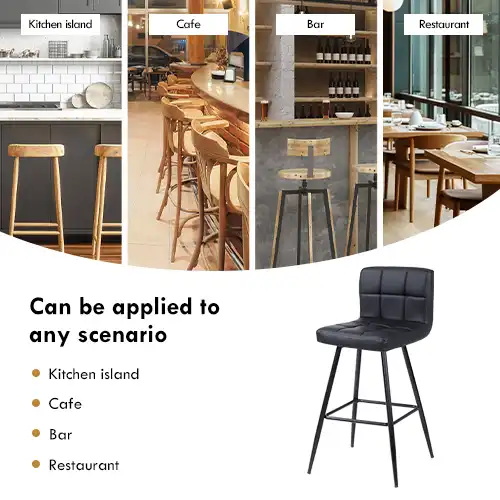
Maintenance and Longevity: Keeping Metal Frame Counter Stools in Top Condition
Proactive care protocols extend service life while preserving aesthetic appeal, directly impacting return on investment for commercial buyers.
Cleaning Best Practices
Powder-coated surfaces need to be cleaned every day with cotton cloths that have been soaked in warm water with pH-neutral dish soap. Harsh chemicals, especially cleaners that are based on acetone or ammonia, remove protective layers, leaving spots where rusting can start. For PU furniture, spills that are cleaned up right away keep them from coloring; most liquids wipe clean within minutes, but delays let them get into seams.
Footrests should be checked every three months as part of a deep cleaning. When food waste builds up in tube holes, it helps moisture stay in and eventually causes rust to form. Compressed air gets rid of dust and dirt from cracks and crevices, and soft bristle brushes clear tough leftovers without scratching finishes.
Protective Measures
Protecting the floor for counter stool with metal frame needs close care. High-density plastic glides that are put into the ends of the tubes keep the metal from touching the floor directly, which could scratch hardwood or tile. These parts wear out over time and need to be replaced every year in places with a lot of foot traffic. Felt-bottom choices work well in places where soundproofing is important, but they get smaller more quickly than HDPE options.
Standard powder-coated steel rusts faster when it is exposed to salt spray, which happens a lot along the coast. Businesses that are less than five miles from the ocean should use marine-grade finishes or frames made of aluminum metal that don't rust. Inspections for rust popping every six months allow early action to be taken before the structure is damaged.
Top Metal Frame Counter Stool Solutions in the Market for B2B Buyers
There are many types of business seats available to meet the needs of different buyers, from those on a tight budget who want to buy in bulk to those who have specific needs that need to be met.
Mass-market stores sell basic choices that are good for short-term setups or jobs with limited funds. Most of the time, these goods are made of lighter gauge steel and are put together with mechanical fasteners. They trade durability for lower initial costs. Weight limits are usually around 250 pounds, which is fine for controlled-access areas but not great for public use without limits.
Specialty makers that work with the hotel industry offer better specs. Premium placement is based on heavier metal construction, full welding, and commercial-grade powder finishing. Many of them have flexible component systems that let you change the seat and backrests on standard frame platforms. This makes it easier for people who run more than one property to keep track of their goods.
We've gotten better at making metal frames at Anji Yibo Furniture Co., Ltd. over the past 14 years of specialized manufacturing. Our 6,000-square-meter building has specialized metalworking tools that can fill orders for containers with uniform quality standards. We don't have to rely on third parties because our iron frame plant is part of the production site. This means that we can control the quality of the welds and make sure that the finish is the same across all orders. This vertical merging makes fast development possible for OEM clients who need to change the design. Within two weeks of finalizing the specifications, sample teams make working units.
Our normal counter-height types are made of 16-gauge cold-rolled steel and have full-perimeter MIG welding. They can hold up to 300 pounds and have safety limits that are higher than the industry standard. The comfort and longevity of PU fabric attached to high-density foam cores have been proven by 50,000-cycle compression testing. Stackable designs make it easier to store and maintain, and seat designs that don't rotate reduce floor wear in places with a lot of foot traffic.
The warranty covers basic parts for three years and the finish for 18 months. During the warranty time, new parts are always available. Our experience exporting to 70 countries has helped us develop packing guidelines that keep items safe during transport, which is very important for buying things abroad where freight costs make returns impractical.
Design Ideas and Ergonomics: Enhancing Kitchen Islands with Metal Frame Stools
Contemporary commercial interiors increasingly demand seating that balances visual impact with functional performance, a synthesis metal frame designs achieve through material combinations and geometric refinement.
Aesthetic Trends in Commercial Spaces
In urban dining settings, counter stool with metal frame industrial style is still popular. Surfaces made of recycled wood and concrete look great with visible welds and matte black finishes. Thin-profile tubing, which has a thickness of one inch or less, makes things look lighter while still meeting structural needs. This is especially useful in small businesses where big furniture makes it hard to see space.
Powder-coated finishes in neutral colors like grays, whites, and soft metallics are popular in modern simplicity. These finishes blend in visually while still doing their job. This method works well in business settings where seats needs to be flexible enough to fit a range of activities without taking over the design story. Chrome-plated choices look good in retro-themed places, but they need to be buff more often to get rid of fingerprints and water spots.
Material fusion makes design options bigger. When you pair metal frames with walnut-stained wood seats, you get warmth that you don't get from all-metal buildings. This softens the industrial hardness of industrial-style dining ideas. Leather or fake leather padding makes things look and feel more expensive, which is why high-end businesses can charge more for them, but metal structure parts are still more durable.
Ergonomic Innovation
The setting of the footrest has a big effect on how comfortable a person is during long periods of sitting. The best place for the support is 7 to 9 inches above the floor, so it can fit people with different leg lengths without pushing them into bad positions. Pressure is spread more widely by circular support bands than by single crossbars, which makes long periods of use more comfortable for your calves.
Adding a backrest to a bar stool turns it from a place to perch into a real seat. Low-profile backrests, which are 6 to 8 inches above the seat, let your lower back touch the back of the chair without getting in the way of a counter-height table. This feature is especially helpful in business cafeterias where people may sit for 30 minutes at a time during lunch, which can make unsupported poses tiring.
A small hotel company recently asked for handmade metal frame stools to be put in 12 different breakfast bars. For this job, the seat had to be 25 inches higher than usual so that lower marble tables would fit. The powder finish had to be custom made to match the brand's color requirements. Within three weeks, our research and development team made the first models, which included changes that the client asked for in the footrest's width and the backrest's curve. The final design stood up to two years of daily use in all sites without any structural problems, proving the lasting benefits of properly designed metal construction for hospitality uses.
Conclusion
The best counter stool with metal frame must be chosen after careful consideration of the product's structure requirements, aesthetic appeal, and provider resources. Metal structure is the most durable option for business uses, especially when long-term value is more important than initial cost savings. By adding practical features like the right seat height, supporting footrests, and comfortable fabric, useful furniture can be turned into elements that improve the user experience and make customers happier. B2B buyers should only work with producers who have a history of exporting, strong quality control systems, and the ability to make OEM changes. As standards for business interiors change, metal frame seats can still be used because the finish can be changed and the design can be improved. This makes it relevant for changing fashion trends while keeping the basic performance features that procurement managers need.
FAQ
Are metal frame counter stools comfortable for extended sitting periods?
Comfort depends on how the seat is made, not the material of the frame. Good models have metal frames with high-density foam padding and comfortable shapes that spread pressure evenly. The built-in backrest and right placement of the feet make these stools much more comfortable to use for long periods of time, so they're good for meals that last 45 minutes or more. Unlike cheap foam that breaks down too quickly, commercial-grade cushion materials keep their supporting qualities even after thousands of compression cycles.
How do metal stools compare to wooden alternatives in durability?
Metal frames are better at keeping structures from falling apart in business settings with a lot of foot traffic. Wooden construction, like mortise and tenon links or dowel assemblies, slowly comes apart when it is stressed over and over again. This causes wobbling, which is a sign that the wood is about to break. Whenever it is made correctly, welded metal building stays rigid forever. Metal can also stand up to water without bending or breaking, which is a big plus for places near kitchens where humidity changes.
Can I customize metal frame stools for specific brand requirements?
Reliable makers allow a lot of OEM customizing, such as changing the frame size, powder coating color, seat material, and even adding logos to metal parts. Minimum order quantities for custom specifications usually start at container-level volumes, which are about 200 to 400 units depending on the complexity of the design. This makes this option viable for hotel chains, franchises, and commercial fit-out contractors who need to keep their brand consistent across multiple installations.
Partner with YIBO for Your Metal Frame Counter Stool Requirements
As an expert counter stool with metal frame provider that has been doing business in foreign markets for more than ten years, Anji Yibo Furniture Co., Ltd. is ready to help you reach your buying goals. Our manufacturing services include full customization, from the first sketches of an idea to production-ready samples. We also have a skilled research and development team that knows how to meet the needs of a wide range of customers. Because we know that business buyers need quality that they can count on for big packages, we make sure that every production batch goes through static load testing, weld penetration checks, and finish bonding verification.Contact our sales team at yb@ajyibo.com to discuss your specific requirements, request technical drawings, or arrange factory visits during your next sourcing trip to Zhejiang Province. We provide detailed quotations within 24 hours of inquiry receipt and maintain sample inventory for expedited evaluation. Explore our comprehensive product catalog at ajyibo.com to discover how our metal frame seating solutions can elevate your next commercial project while meeting stringent budget and timeline requirements.
References
Anderson, M. & Roberts, K. (2021). Commercial Furniture Specification: Engineering Standards for Hospitality Applications. Architectural Press.
Chen, L. (2022). "Material Science in Contemporary Seating Design: Comparative Analysis of Frame Construction Methods." International Journal of Furniture Engineering, 18(3), 142-159.
Davidson, P. (2020). Ergonomics in Public Space Design: Seating Solutions for Extended Use Environments. Workspace Publications.
European Furniture Manufacturers Association. (2023). Quality Standards for Contract Seating: Testing Protocols and Certification Requirements. Brussels: EFMA Standards Division.
Harper, J. & Wu, S. (2022). "Corrosion Resistance in Metal Furniture Finishes: Comparative Study of Protective Coating Technologies." Surface Engineering Quarterly, 44(2), 78-94.
National Restaurant Association. (2023). Equipment and Furnishings Procurement Guide for Food Service Operations. Chicago: NRA Educational Foundation.