

 (1)_1777442575043.jpg)
Best Lounge Bar Chair Designs for Modern Home Interiors
It takes more than just an eye for style to choose the right sitting for modern places. You need to know a lot about materials, mechanics, and how to adapt to different markets. Simple perches have given way to stylish design statements that strike a balance between aesthetic beauty and practicality in modern lounge bar chairs. These raised sitting pieces are useful in both homes and businesses because they provide comfortable seating at the right height and improve the flow of space. When buying furniture for high-end residential developments, retail fit-outs, or hospitality projects, procurement professionals need to know the details of chair construction, upholstery performance, and base stability in order to provide value that lasts beyond the initial installation.
Understanding Lounge Bar Chairs: Styles, Materials, and Benefits
Defining Lounge Bar Chairs in Modern Interiors
In contrast to regular bar chairs, raised seating for bar-height tables usually has seat heights between 28 and 32 inches, making it perfect for 40 to 42-inch tabletop. These pieces have footrests to keep your legs from getting tired after long periods of use, and their bigger sizes make open-plan spaces more interesting to look at. When specifying, the difference between counter-height and bar-height models is very important. Using the wrong measurements can hurt both natural posture and leg space, especially in business settings where guest comfort directly affects return business.
Popular Style Categories for B2B Procurement
Modern simple designs with clean lines, one-color themes, and metal frames are what most people want these days. These styles work well in tech companies, modern hotels, and restaurants in cities that want a clean look. Options with embroidered fabric and brass accents that look vintage are popular with boutiques and people who want classic elegance in their homes. Swivel-base types allow for more talking freedom, which is especially useful in lounges and social eating areas. Ergonomic designs with back support and shaped seats appeal to health-conscious consumers, since long periods of sitting require physical thought. Each style group is used for a different set of customers and company positioning tactics.
Material Selection and Performance Characteristics
The type of fabric you choose has a big effect on how much care it needs and how much it costs over its whole life. Velvet furniture feels luxurious and has deep colors, but it needs to be cared for in a certain way every time so that it doesn't get stained or crushed in areas that get a lot of use. Engineered performance fabrics with stain-resistant treatments last longer in business settings and can be washed many times without losing their fibers. Alternatives to leather are easy to clean and are good for food service settings. Real leather, on the other hand, gets a sheen that appeals to higher-end customers.
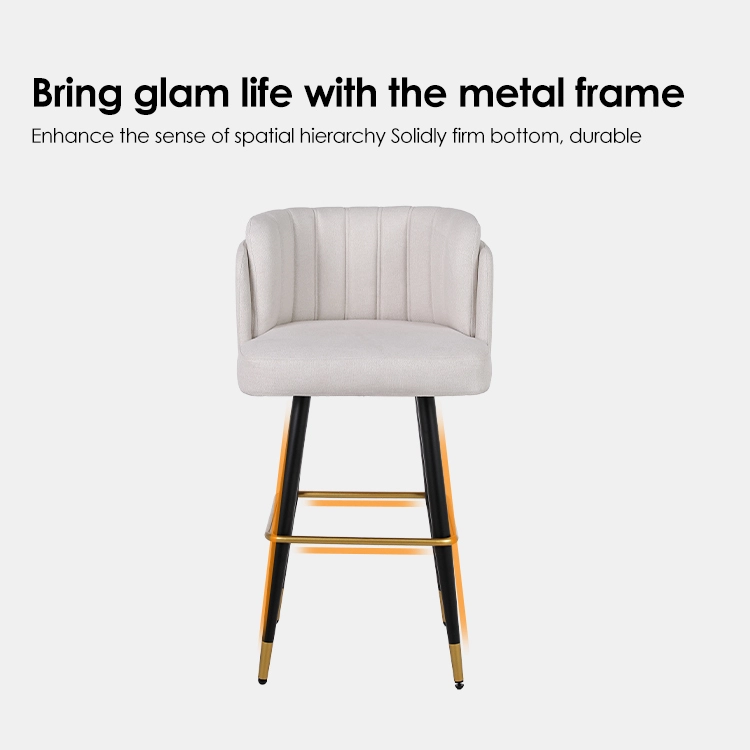
How long a structure lasts depends on how the frames are built. Using steel tube to make frames gives them a steady weight capacity—usually 300 pounds when properly welded—and stops joints from coming loose like they do with wooden structures. Solid wood legs add warmth to home projects, but the way they are put together needs to be looked at carefully because dowel connections work better than simple screw setups. Chrome-finished footrests and bases look sleek and modern while providing useful foot support. Powder-coated options are better for educational settings because they don't scratch as easily.
Core Benefits Driving Procurement Decisions
These raised lounge bar chair seating options make the best use of space by getting rid of the bulky size that comes with standard lounge furniture. Their vertical orientation works well in small urban spaces where floor room is highly valued. Comfort engineering uses high-density foam padding (usually 2.5 pounds per cubic foot or more) to make sure that seats last for thousands of uses. Adding built-in footrests meets an important practical need by keeping your circulation from getting slowed down while you sit for long periods of time. Maintenance is different depending on the material. Metal parts only need to be tightened once in a while, while cloth surfaces benefit from regular professional cleaning to extend the time between replacements.
How to Choose the Best Lounge Bar Chair for Modern Home Interiors?
Establishing Decision Criteria for Procurement Success
Setting up use-case situations is the first step in making a good decision. Buyers in homes care most about how well it matches their current decor and how much space it takes up. Buyers in businesses, on the other hand, weigh longevity against initial investment and figure out the cost-per-use over the expected lifespan. Hospitality business owners need to think about how often the chairs are moved. High-traffic areas need fixed-base designs with few mechanical parts, while high-end areas can use turning devices that make it easier for guests to connect with each other.
Comfort testing by sitting for long periods of time, material sampling under realistic use conditions, and structural load testing to confirm weight values are some of the most important evaluation measures. Design suitability reviews look at how the width of the seat, the depth of the table, and the room for moving around are related to each other. Specifications are becoming more and more influenced by sustainability issues, especially for projects that want to get LEED approval or are aimed at people who care about the environment.
Comparing Configuration Options
Choosing between seats with and without cushions changes how comfortable people feel and how much upkeep is needed. Padded choices are better for long-term sitting comfort, but they are harder to clean and the foam will eventually contract. Molded chairs without cushions work well in fast-service areas where cleanliness is more important than comfort.
Swivel-base types have gas-lift systems that are rated by class. Class 3 or 4 lifts can withstand more than 100,000 operation cycles, which makes the higher initial cost worth it because they don't need to be replaced as often. Fixed four-leg bases get rid of all mechanical weak spots, making them the most durable option for places that get a lot of rough use. Trumpet-style bases are stable and make it easier to clean the floor underneath, which is useful for repair teams.
Weighting Factors by Project Requirements
When companies are trying to stay within their budget, they may choose to focus on competitive unit prices and container-load savings, even if it means going with standard sizes and finishes. Custom fabric that matches brand colors, changes to the dimensions to fit different table heights, and unique finishes that support design storylines are all examples of design-driven specs that explain high investment. Suppliers with ready-to-ship goods are more likely to meet delivery deadlines than those who need longer production wait times. After-sales guarantee terms protect against problems with the way the product was made, and the length of coverage shows that the maker is confident in the quality of the product.
Top Lounge Bar Chair Designs and Trends for Modern Interiors
Contemporary Design Movements Shaping Specifications
Material contrast in lounge bar chair is big in the market right now. For example, putting soft silk seating next to industrial chrome elements makes a visual tension that buyers who care about design will like. Jewel-tone colors like green, blue, and burgundy are back in style and look great with neutral color schemes. Seat lengths falling to 18 inches without losing comfort are used in small footprint designs to deal with the problems of urban crowding. Different backrest heights are used for different purposes. Low-profile options keep sightlines clear in open plans, while high-back options provide privacy in bar settings.
Five Leading Design Archetypes
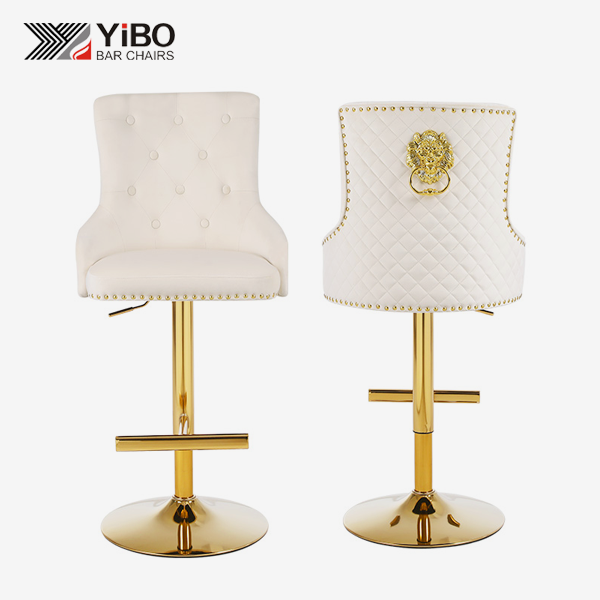
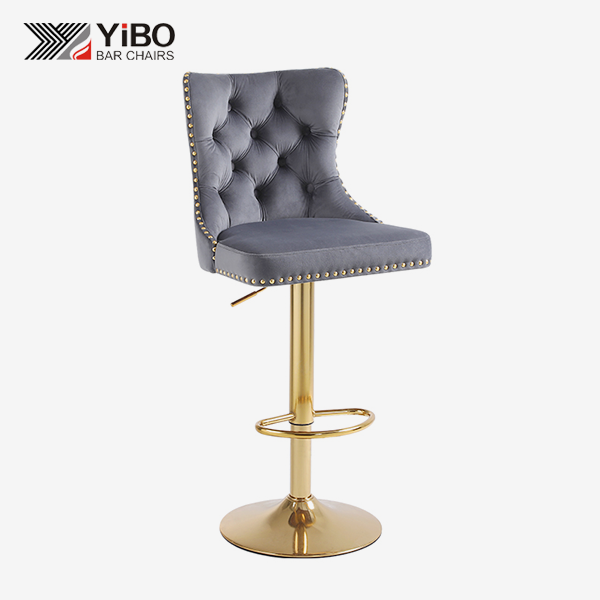
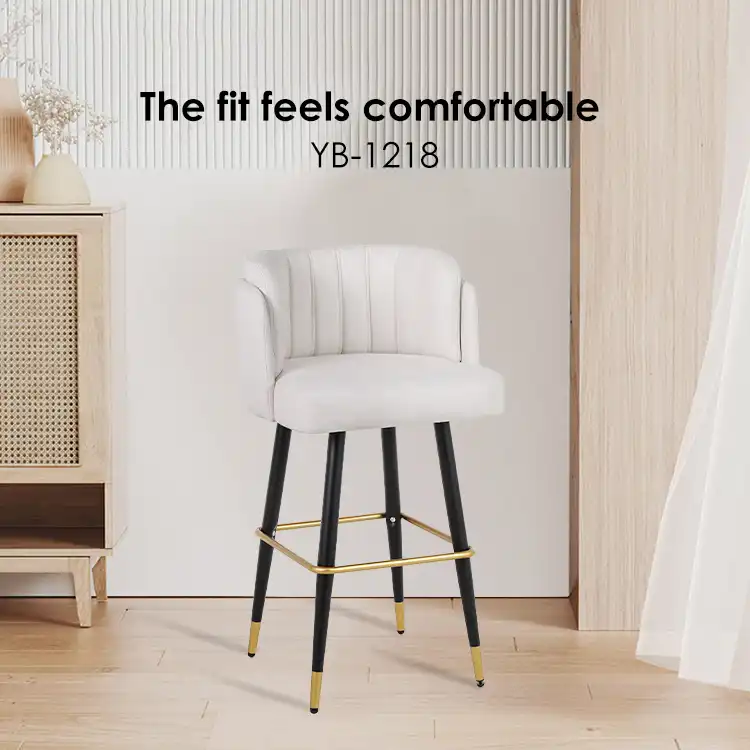
Mid-century modern versions have curved wooden legs, backs with button tufting, and natural shapes that look like they came from Scandinavian design in the 1960s. Industrial loft styles use metal frames that are worn down and raw leather or canvas for the furniture. These styles look good in urban remodeling projects. Glam-luxe choices have plush tops, gold-tone bases, and channel-tufting features that make them perfect for small hotels and high-end home projects. Modern minimalist designs use simple geometric shapes and one-color color schemes to keep decorations to a minimum. Transitional hybrids combine traditional shapes with newer materials to appeal to conservative buyers who want a little change.
Validating Quality Through Supplier Credentials
A brand's image is built through regular shipping, helpful technical support, and clear production practices. Objective quality indicators are customer feedback measures, such as the number of repeat orders and faulty returns. Certifications like BIFMA standards make sure that structures are strong by checking them by a third party, and ISO 9001 certification shows that a quality management system is being used. Sustainability qualifications, such as FSC-certified wood sources and low-VOC finishes, meet legal needs and business responsibility requirements that are becoming more popular in university purchase.
Procurement Insights: Buying Lounge Bar Chairs Online and in Bulk
Analyzing Bulk Purchase Versus Custom Order Pathways
When you buy standard inventory, you can get it to the market faster because known SKUs can be shipped within days and you can save money by buying in bulk at container-load levels. This method works well for projects with open design factors and short installation times. Custom production can handle brand-specific needs like private-label packing, unique cloth specs, and changes to the size and shape of the item. Customization allows for market difference that isn't possible with stock choices, but it takes longer to make—usually 45 to 60 days, which includes samples and production.
Critical Supplier Evaluation Factors
The length of the warranty coverage and the way claims are handled for a lounge bar chair protect the investments made in buying. Manufacturers are responsible when they have strict rules about the quality of the structure, how well the mechanisms work, and how long the finish will last for at least two years. The accuracy of the landing cost depends on delivery handling skills such as the ability to combine containers, the freedom of the target port, and the organization of freight transport. Budget overruns can be avoided by using clear price systems that break down unit costs, tooling fees for special work, and shipping estimates. When it comes to installation questions or small quality issues, after-sales support responsiveness—which can be measured by how quickly questions are answered and how readily expert help is available—is very important.
Why Procurement Professionals Partner with YIBO?
Every job is handled by Anji Yibo Furniture, which has been making chairs for fourteen years and has a 6,000-square-meter factory in Anji, Zhejiang, which is known as China's chair production hub. This regional clustering helps the supply chain by making it easier to find skilled workers and close-by component suppliers. Our in-house metal frame manufacturing gets rid of the need for third-party suppliers, so we can keep an eye on quality at every stage of the production process. An experienced research and development team helps both OEM and ODM customers. They use iterative sampling to turn design ideas into production-ready specs. Going to the Canton Fair and the Guangzhou Furniture Fair shows that you are interested in the market and want to keep coming up with new products. Space-optimized packing engineering cuts down on freight costs and makes sure that packages arrive safely on foreign shipping routes.
Practical Tips to Maximize Lounge Bar Chair Use and Maintenance
Ergonomic Features Supporting User Wellness
By keeping knee angles between 90 and 110 degrees, the right placement of the footrest reduces stress on the lower legs and keeps blood flow open during long periods of sitting. Lumbar support curves, which can be built into the backrest or achieved by changing the stiffness of the cushion, keep the spine's natural curve, which keeps workers from getting tired in business settings where they sit for long shifts. Seat depths between 16 and 18 inches are good for a variety of body types because they don't force people to change their stance. Adding an armrest is still situational—it's nice for eating slowly, but it could be limiting in crowded bars where being able to move laterally is important.
Material-Specific Care Protocols
To keep dust from building up in the pile fibers of velvet furniture, it needs to be vacuumed once a week with upholstery tools. Spot cleaning needs to be done right away with pH-neutral cleaners and soaking, never rubbing, to keep the color from becoming permanent. Professional steam cleaning once a year improves the look and extends the life of fabrics. Metal parts should have their connection points checked every so often, and any loose screws should be tightened again with the right tools to keep the structure from wearing out. To keep chrome surfaces shiny, wipe them down with a soft cloth dampened with light soap. Do not use rough cleaners that can scratch the protective plate.
Space Planning and Long-Term Preservation
The best space gives each seat 26 to 30 inches of horizontal counter length, which gives you room for your elbows and makes getting in and out of the chair easy. In business settings, there should be at least 36 inches of space behind each seat to allow for traffic flow. Putting felt pads on the places where the base touches the floor keeps it from getting scratched. This is especially important for hardwood and smooth concrete floors. Rotation plans in setups with more than one unit spread out wear patterns widely, which increases the overall lifespan. In coastal areas, environmental controls that keep humidity between 40 and 60 percent stop metal from oxidizing and wood from cracking.
Conclusion
Modern lounge bar chair raised seating is a key design choice that affects both short-term artistic goals and long-term operating costs. When sophisticated design, long-lasting materials, and good ergonomics come together, they create value propositions that go far beyond the initial purchase price. To be successful at procurement, you have to find a balance between different goals, such as visual effect vs. ease of upkeep, customization options vs. time-sensitive delivery, and high quality investment vs. limited budget. To reach project goals, it's important to build relationships with suppliers based on open communication, regular delivery performance, and clear production information. When buyers understand these factors, they can make choices that are both artistic and responsible with their money.
FAQ
What distinguishes lounge bar chairs from standard bar stools?
The main difference is in the design purpose and the way it was built. Bar stools are designed to be as simple as possible, with simple bases and seat platforms. On the other hand, raised lounge seating has cushioned comfort layers, built-in backrests that support the lower back, and usually arms as well. Lounge-style designs focus on long-term sitting comfort with high-density foam padding and natural shaping, while stools allow for short perching. This difference is important, especially in hospitality settings where the length of a guest's stay affects design decisions. For example, stools are better in quick-service venues than in full-service venues, where couch comfort features are better.
How do I evaluate chair suitability for commercial high-traffic environments?
The commercial profitability review looks at how well the frame is built, how resistant the fabric is to wear, and how long the system will last. Check the weld quality on metal frames to make sure the beads are smooth and continuous, with no breaks that could mean the joints are weak. You should only choose fabrics that have passed at least 30,000 double-rub Martindale wear tests. Most commercial-grade performance fabrics have passed more than 100,000 rounds. Check the gas-lift class ratings for spinning types. Class 3 or 4 ratings mean the chair is durable enough for industrial use. Instead of just flat load numbers, ask for load-testing paperwork that shows the weight ability under repeated use.
What factors influence bulk custom order timelines and costs?
Some things that affect lead time are sampling iteration processes, getting raw materials, planning production, and sending goods across foreign borders. When compared to color-only changes on current frames, complex designs that need to find their own fabric or make changes to the dimensions take longer. To cover the costs of buying tools and setting up production, minimum order numbers usually start at container loads. Transparent sellers give detailed quotes that separate unit manufacturing costs, special tools fees, fabric upcharges, and freight figures. This lets you plan your budget accurately and avoids surprises during the order execution process.
Partner with YIBO for Your Lounge Bar Chair Requirements
When you need to buy seats, YIBO is ready to help with custom options that fit the needs of your project. As a well-known company that makes lounge bar chairs out of Anji's furniture production center, we bring container loads that meet international quality standards. Our BIFMA and ISO 9001 certifications prove this. Through joint development with the help of experienced test teams, our OEM and ODM services can turn your design ideas into goods that are ready for the market. Our fast sales team gives you quotes and technical details within 24 hours, whether you need standard inventory shipping or fully personalized bar seating that fits your brand's rules.Contact us at yb@ajyibo.com to discuss your upcoming projects, request product samples, or arrange facility visits. We invite you to experience the manufacturing partnership that transforms procurement challenges into competitive advantages.
References
Miller, J. (2022). Ergonomic Seating Design for Commercial Hospitality Environments. New York: Interior Design Press.
Thompson, R. & Chen, L. (2023). Material Performance Standards in Contract Furniture Manufacturing. London: Furniture Industry Publishing.
Anderson, K. (2021). Contemporary Furniture Trends: Analysis of European and American Markets. Chicago: Design Research Institute.
Williams, P. (2023). "Upholstery Durability Testing Protocols for High-Traffic Applications." Journal of Furniture Technology, 18(3), 112-128.
European Furniture Manufacturers Association. (2022). Sustainable Manufacturing Practices in Modern Seating Production. Brussels: EFMA Publications.
Roberts, M. (2023). Strategic Procurement Guide for Hospitality Furniture Buyers. San Francisco: Commercial Design Group.