

 (1)_1777442575043.jpg)
Best Leather Bar Stools 2026: Picks for Kitchens, Dining Rooms and Home Bars
For your next company endeavor or shop collection, leather kitchen bar stools are a terrific choice since they durable and look excellent. These versatile items offer elegance to kitchens, dining rooms, and home bars for choosy customers. Leather bar stools have been a solid choice for restaurants, businesses, and residential projects as cushioned seating that is comfy and easy to clean continues to gain popularity worldwide. This comprehensive guide covers material specs, style comparisons, and strategic sourcing to help you purchase intelligently in 2026.
Understanding Leather Kitchen Bar Stools – Materials, Benefits, and Maintenance
Leather Types and Their Commercial Viability
In high-traffic locations, material choice affects product longevity. Full-grain leather costs extra since it preserves the hide's original surface. Breathes well and changes color with time. Top-grain leather is lightly ground to remove faults without affecting its structure. This makes it safe for hospitality. Bonded leather is made from leather scraps and polyurethane. Although inexpensive, the surface normally wears down after two to three years of commercial use. Faux leather choices include polyurethane or PVC coatings over fabric foundation to keep color constant and make care easy, making them suitable for often cleaned areas.
Core Benefits for Commercial Deployment
Professional stools with cushioned seats satisfy several operational demands. The slick nature of coated leather surfaces prevent spilled food and drinks from entering. This makes them less stain-prone than cloth. Thermal management features keep chairs constructed of non-breathable materials pleasant for long durations. Leather furniture brands places as high-quality and raises its worth. The material's natural antibacterial properties prevent germs from multiplying when maintained, supporting food service hygiene regulations.
Maintenance Protocols for Extended Service Life
Systematic care is essential to maintain appearance and health. Daily maintenance requires wiping spills with gentle cotton towels to avoid soaking the hide. Weekly leather cleaning requires pH-neutral soap and damp rags. Avoid strong agents that destroy leather oils. Every three months, conditioning treatments replenish natural oils lost during cleaning. This prevents cracking and keeps the surface flexible. UV-protective filters prevent photodegradation, which fades and cracks materials near windows. Writing down these care methods ensures that furniture is handled uniformly when transported to several locations.
Comparing Leather Kitchen Bar Stools – Making the Smart Choice
Material Performance Analysis
The performance of different upholstery options shows that they have varied qualities. Top-grain leather seats have Martindale ratings exceeding 50,000 rubs, which is useful for office situations where leather kitchen bar stools are used often. Fabrics must be thoroughly cleaned more regularly and reveal worn patterns earlier. Wooden flooring eliminates the need to maintain furniture, but it's less pleasant to sit on. When replacement frequency is included, lifecycle cost estimates favor leather, especially in situations where replacing seats disrupts operations.
Design Considerations Across Style Spectrums
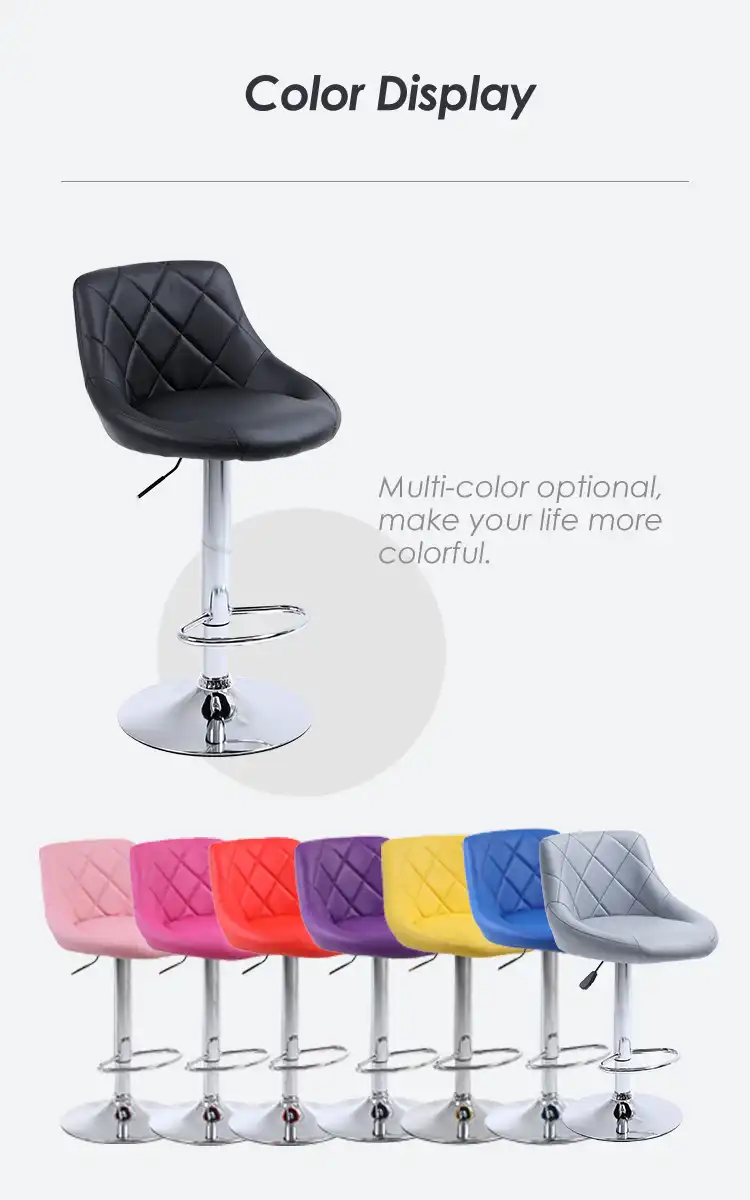
These items match modern kitchens since minimalist style favors clean lines and muted leather upholstery. Wood cabinets go beautifully with tufted features and warm brown leather finishes in classic settings. Transitional interiors feature basic gray or brown leather forms that may be used in many ways. Large orders require color consistency between production runs. Pigmented leather gives a unified effect when outfitting various rooms.
Functional Feature Optimization
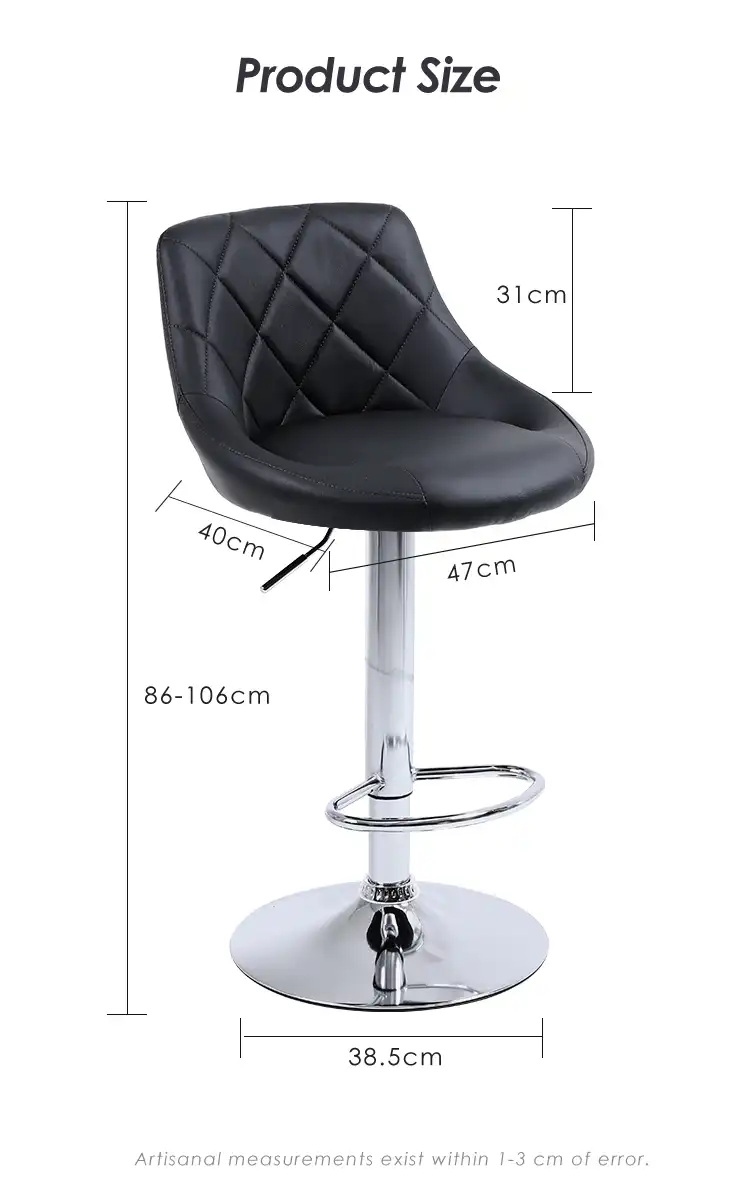
In tiny areas with hard-to-move chairs, swivel systems help. The 360-degree rotation allows getting on and off the stool simpler without moving it. Changing the counter height works for many counter heights and user groups, however hydraulic cylinders might break, therefore they must be maintained. Fixed-height design eliminates moving elements that wear out, making systems that emphasize longevity above flexibility more stable. Long-term sitting comfort depends on footrest positioning. The footrest should be 10–12 inches below the seat surface for optimal leg alignment.
Top Picks of Leather Kitchen Bar Stools for 2026
Established Brand Benchmarks
West Elm attracts eco-conscious shoppers with mid-century modern designs with FSC-certified frames and semi-aniline leather treatments. Restoration Hardware's big proportions and hand-distressed leather finishes make its goods architecturally appealing in high-end residences and modest hotels. Pottery Barn makes sure their items are of the same quality and comfortable to wear. Rollouts in numerous sites with solid standards are achievable. Clear performance records and competent customer support make these well-known companies safe to buy.
YIBO Manufacturing Specifications
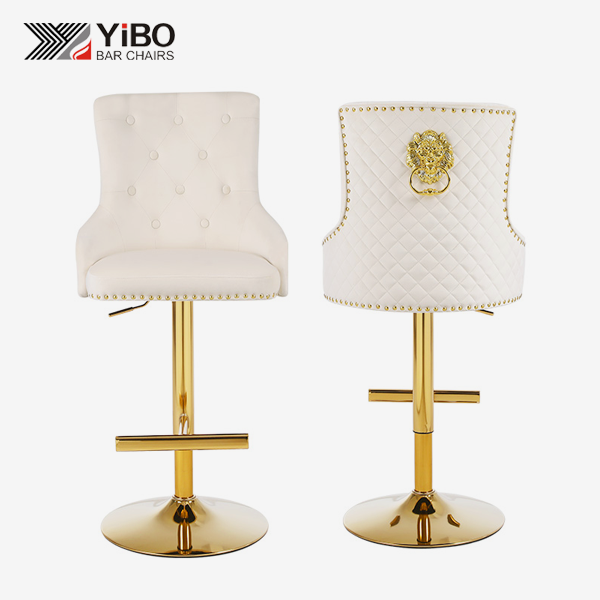
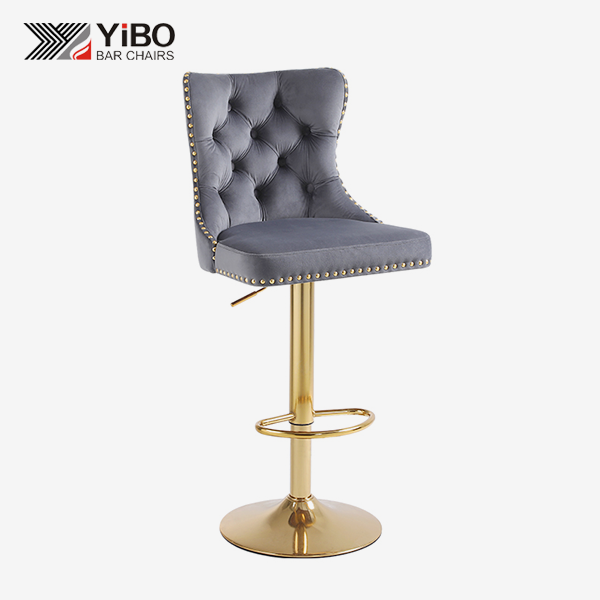
Mass customers prioritize science, and Anji Yibo's engineering fits their demands. Due to its 1.2 cm core, the multi-layer board is robust and does not flex in moist kitchens. Strong 22-density primary cotton padding is 1.8 cm thick and retains its loft after thousands of sitting cycles. The 0.8mm half-PU cushioning is affordable and durable for corporate use. Iron frame tubes with 0.8 mm walls strengthen it. They can support 300 pounds while looking trendy. Ball-bearing technology in the 360-degree turn mechanism has been tested over 50,000 times. Leather and velvet furniture may be tailored and color matched to match brand guidelines or interior colors.
Large-scale furniture procurement personnel profit from these technological specifics for leather bar stools. All container orders are the same using the standard building process, preventing design drift that makes multi-phase projects tougher to manage. Our two-unit 55x45x48cm carton packing maximizes container space and protects items during international transportation. Our 6,000-square-meter Anji facility has made chairs for 14 years. In competitive markets, our manufacturing capacity fulfills importer and wholesaler demands.
Emerging Trends in Custom and Sustainable Options
Customers demand more open sources, therefore environmental issues are becoming increasingly significant in buying decisions. Vegetable-tanned leather requires more maintenance but doesn't contain harmful chromium compounds. Used leather pieces are recycled into composites for recycled leather goods. This reduces garbage and preserves items. Custom manufacturing can use low-VOC adhesives and water-based finishing to fulfill LEED business guidelines. These options let firms connect their purchasing strategies with their environmental goals without compromising product performance.
Procurement Guide – How to Buy Leather Kitchen Bar Stools for Your Business
Strategic Sourcing Considerations
Direct manufacturer relationships are better than retail middlemen for large-scale sourcing. Talking to manufactures enables you customize parameters for the local market. You may modify the seat width to make it more comfy or select fabric that complements local design trends. The minimum order quantity is usually container-level, and larger orders are rewarded with tiered pricing. Lead time management is crucial when coordinating furniture shipments with building timelines. Established manufacturers store raw materials, shortening manufacturing times compared to customization.
Cost Structure and Negotiation Strategies
Pricing goes beyond material costs. Full-grain hides cost more than split-leather, hence leather kind is the key factor. Kiln-dried oak costs more and lasts longer than engineered wood surfaces because of its structure. Artists need time and talent to apply patinas and ornamental nailhead trim by hand. Bulk buyers obtain better pricing. Buyers that put a few large purchases for their annual needs frequently achieve superior unit economics. Deposits should be balanced against output milestones when negotiating payment conditions. Organized financial arrangements safeguard both parties.
Quality Assurance and Service Infrastructure
Robust testing ensures product quality before shipment. The structural testing exceeded high safety criteria, including stability and static load capacity, according to BIFMA certification. Reviewed pre-production samples ensure color match and quality build before full production runs. The guarantee should be at least one year and clearly state which parts are covered, such as wear and tear. The after-sales support system is crucial when difficulties arise. Quick technical support and replacement parts indicate long-term collaborations rather than transactional ties. Business customers can maintain operations operating smoothly since Anji Yibo's sales team answers technical questions within 24 hours.
Conclusion
You must balance beauty, utility, and affordability when choosing business leather chairs and leather bar stools. Material specifications affect lifespan costs and maintenance, while design features affect user satisfaction and room utilization. In 2026, the market offers everything from well-known, pricey brands to specialist enterprises that offer tailored solutions at low rates. Strategic purchasing practices include direct manufacturer ties, volume-based bargaining, and extensive quality assurance enable customers receive reliable items that help them achieve their business goals. Cushioned seating that matches your demands will pay for itself in customer satisfaction, fewer replacements, and a better brand position in competitive marketplaces.
FAQ
How durable are leather bar stools in high-traffic commercial environments?
When chosen appropriately, top-grain and full-grain leather are durable. Restaurants employ commercial-grade items for over five years. The appropriate leather finishing matters most. Protection topcoats from pigmented and semi-aniline treatments withstand wear and stains better than aniline finishes. Regular upkeep extends furniture life. Leather seats endure longer than cloth ones if maintained. Different aspects of a structure affect its lifespan equally. Metal substructures and frames built of hardwood will last after other building technologies fail.
What maintenance practices preserve leather bar stool appearance and functionality?
Clean up spills immediately to avoid discoloration. Blotting liquids with absorbent towels prevents hide damage. Weekly cleaning with pH-neutral soap and water removes dirt and grime without damaging leather. Every three months, conditioning treatments replenish the skin's natural oils, preventing cracking. Moving furniture out of direct sunlight or using UV-protective cleaners helps prevent photodegradation.
Should I choose swivel or stationary stools for my space?
Swivel mechanisms make objects simpler to reach in tight places with set chairs, but they require maintenance. Stationary architecture is more stable and has fewer failure points, making it preferable for high-volume, reliable situations. Your space constraints and use will determine the best option. Consult experienced providers to match functional characteristics to working demands.
Partner with YIBO: Your Trusted Leather Kitchen Bar Stools Manufacturer
With 14 years of experience creating chairs, Anji Yibo Furniture Co., Ltd. is a reliable production partner for procurement personnel. We can research and develop, scale manufacturing, and customize for overseas markets. We ensure that all container-level sales have the same product specs by employing unique iron frame-making, cutting-edge upholstery, and tight quality control. Our OEM and ODM services aid with private label planning, material selection, and packaging design for specialized markets. A longtime provider of leather kitchen bar stools, we maintain the production capacity and logistical infrastructure importers, distributors, and dealers need to compete. Contact our team at yb@ajyibo.com, browse our goods at ajyibo.com, or visit our Anji manufacturing site to discuss your project. We deliver reliability, timeliness, and technical expertise that build long-term supplier connections.
References
1. International Furniture Research Association. "Commercial Seating Durability Standards and Testing Protocols for Hospitality Applications." Journal of Furniture Engineering, vol. 28, no. 3, 2025, pp. 145-162.
2. Morrison, Catherine L. "Material Science in Contemporary Furniture Design: Leather Processing and Performance Characteristics." Design and Applied Arts Review, vol. 19, no. 2, 2024, pp. 88-104.
3. Zhang, Wei and Thomas Anderson. "Supply Chain Optimization in Cross-Border Furniture Procurement: A Case Study Analysis." International Journal of Production Economics, vol. 245, 2025, pp. 203-221.
4. American Society of Furniture Designers. "Ergonomic Seating Guidelines for Food Service and Hospitality Environments: 2025 Updated Standards." ASFD Technical Publication Series, 2025.
5. Roberts, Jennifer M. "Sustainable Materials in Commercial Interiors: Environmental Impact Assessment of Upholstery Options." Building and Environment Journal, vol. 167, 2024, pp. 312-329.
6. European Furniture Manufacturers Federation. "Quality Benchmarks and Certification Requirements for Exported Seating Products: A Comprehensive Industry Guide." EFMF Industry Standards Report, 2025.